Ghost Tours in Brighton: Which Walk to Choose
A practical look at ghost tours in Brighton, including the Ghost Walk of the Lanes, the legends it tells and how to pair a walk with an evening at the theatre.
On this page
A Brighton ghost tour is an evening of storytelling in the open air, not a history lecture. The city's best-known operator, the Ghost Walk of the Lanes, is led by storyteller Rob Marks, whose route winds through the narrow streets of the Lanes and the seafront. The walk suits adults and older children who enjoy a bit of theatre and a few shivers, and it works well as a prelude to an evening at the Theatre Royal Brighton.
The legends you hear are just that: legends. Stones of a phantom nun, a restless thespian and a bandstand spectre are told as reported stories, so treat a ghost walk as entertainment with a local flavour rather than a claim about the supernatural. If you want documentary history instead, the city's museums and historic buildings are the places to look, and our guide to museums in Brighton makes a sensible daytime counterweight to an evening walk.
The Ghost Walk of the Lanes: the walk, the storyteller and where it runs
The Ghost Walk of the Lanes is the anchor of Brighton's ghost-tour scene. Its own site names Rob Marks as the storyteller and describes the walk as a theatrical experience rather than a guided history tour. The Lanes themselves — a tight knot of former fishing-town streets and twittens between North Street and the seafront — provide the atmosphere, and the route reaches the seafront for at least one of the tales.
The Brighton Ghost Walk of the Lanes website is the place to check start points, start times, tour length and how to book, because those details change with the season and are not fixed by the legends themselves. A ghost walk is an outdoor event in a seaside city, so a waterproof and comfortable shoes are more useful than a torch. Group sizes vary, and private bookings are advertised alongside the public walk, which is worth knowing if you are organising a birthday or a work outing.
Legends told on the walk: the seafront bandstand, the Man in Grey and the museum story
One of the set pieces is the bandstand on the seafront. Brighton's bandstand first opened in 1884 and was later restored to its original specification before reopening, according to the walk's own account, and it is on that stretch of promenade that the walk tells a story of seafront spectres. Treat it as a piece of local theatre: the building is real, the date is real, and the ghost is a legend.
The Man in Grey is a recurring figure in theatre ghost lore, and the walk's blog retells the tale of a thespian reluctant to leave the stage. The same collection of stories includes the kindly spirit of Joseph Grimaldi, the celebrated clown said to haunt Drury Lane Theatre in London — a reminder that Brighton's ghost stories borrow from the wider theatrical tradition rather than staying strictly local. The museum story, billed as a fright at the museum, rounds out the repertoire.
The bricked-up doorway on Meeting House Lane and the nun legend
Meeting House Lane, in the heart of the Lanes, holds one of Brighton's most durable ghost legends. A bricked-up doorway to the rear of the Quaker meeting house is pointed out as the mythical location of the phantom of an ill-fated nun, as reported in a profile of the walk in Sussex Life. The story is a legend attached to a real architectural feature, and it is told that way — no one is claiming the nun is still in residence.
The lane is worth a look in daylight as well as after dark. The Quaker meeting house and its surroundings are part of the old town's fabric, and the bricked-up doorway is easy to miss if you are not looking for it. Pair the lane with a wander through the rest of the Lanes and you have a compact, free walk of your own before joining the paid tour in the evening, which is a sensible way to get your bearings.
What a ghost tour evening involves, and how long to allow
Expect an evening on your feet. A ghost walk is a moving performance: the storyteller leads the group from one location to the next, stopping to deliver a tale at each. The length of the walk is set by the Ghost Walk of the Lanes, so check the published details before you book rather than assuming a fixed duration. As a rule, allow the whole evening — an early supper, the walk, and a slow wander back through the Lanes — rather than trying to squeeze it between two other bookings.
Weather matters more than on a museum visit. The walk is outdoors and the Lanes are exposed to wind and rain off the sea, so dress for the forecast and keep a light waterproof in your bag. Late finishes are normal for evening walks, which is worth thinking about if you are travelling back out of the city by train. If you would rather be indoors, the city has plenty of covered options, and our guide to things to do in Brighton is a useful starting point for a wet-weather alternative.
Booking and practicalities: group size, weather and late finishes
Book ahead if you have a specific date in mind, especially at weekends and around Halloween, when ghost walks sell out. The Ghost Walk of the Lanes takes private bookings as well as running the public walk, so groups should enquire directly. Check the meeting point and arrival time on your confirmation, and leave a margin — the Lanes are easy to get lost in even with a map, and arriving flustered is no way to start a ghost story.
For an evening that combines a walk with a show, check the Theatre Royal Brighton's programme separately, because performance schedules and ticket availability change. It is a historic theatre in the city centre, within easy walking distance of the Lanes, so a walk followed by a play makes a natural double bill. Build in time for the walk to finish and for the theatre's doors to open rather than cutting it fine.
Pairing a walk with a Theatre Royal Brighton show
The Theatre Royal Brighton is the obvious indoor companion to a ghost walk. Its programme has included Paranormal Activity on its first UK and Ireland tour, a production staged as a chilling ghost story — the kind of show that extends the evening's mood rather than breaking it. Because touring productions come and go, check the theatre's own listing for what is on during your visit rather than relying on last season's line-up.
The theatre is in the city centre, and the walk runs through the Lanes and along the seafront, so the geography works in your favour: you can eat in the centre, walk, and be back near the theatre without a taxi. Book the show first and fit the walk around it, since theatre tickets are the less flexible of the two. If you want a gentler daytime counterpoint, the city's art galleries in Brighton are a good way to fill the afternoon before an evening of ghosts.
Other haunted legends around Brighton's centre worth knowing
Brighton's ghost stories are not confined to the Lanes. The theatre tradition that gives us the Man in Grey and Grimaldi is a reminder that ghosts cluster around places where people perform and gather, and the seafront, the old town and the museum all have their tales. The city's own history of Brighton is full of the kind of sudden deaths, shipwrecks and theatrical disasters that generate legends, and reading up before you go makes the stories land harder.
If you enjoy ghost tours, the format transfers well to other cities. Our guide to ghost tours in Liverpool covers a comparable scene with its own legends and its own operators, and for a southern comparison our guide to ghost tours in Chester covers the same decision in a walled city. Closer to home, the castles near Brighton offer a different flavour of haunted history: old stone, ruined walls and the kind of atmosphere a city street cannot quite match.
Where to go for tea or a drink before an evening walk
An evening walk sits nicely after a proper afternoon tea. Brighton has a strong tea tradition, from grand hotels to small cafés, and our guide to afternoon tea in Brighton covers the options. Book a late sitting if you can, so you are not rushing from the teapot to the meeting point. A drink in one of the Lanes' pubs is the other classic pre-walk move, though pub details change and it is worth checking opening hours on the day.
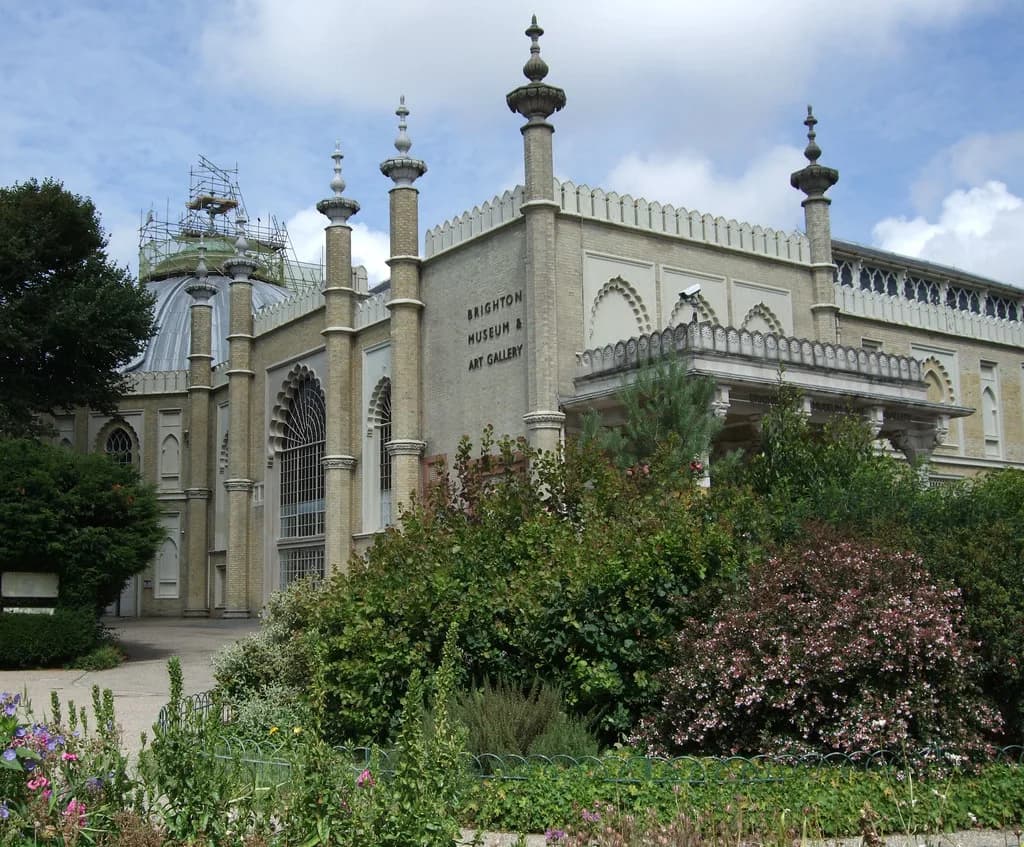
If your trip is built around museums, note that many of the city's collections are free to enter, which leaves more budget for an evening out. Our guide to free museums in Brighton sets out which ones cost nothing, and the Brighton Museum & Art Gallery is a good daytime anchor before a ghost-themed evening. The contrast between a well-lit gallery and a dark twitten is part of the fun.
Honest trade-offs: storytelling versus history, and what the walks skip
A ghost walk is theatre, and it is honest about that. You will hear a performer build atmosphere, not a historian weigh evidence, and the stories are told as legends rather than facts. If you want the documented history of the bandstand, the theatre or the Quaker meeting house, look to the museums and the city's historic buildings; if you want an entertaining evening that leaves you looking over your shoulder on the way home, the walk delivers.
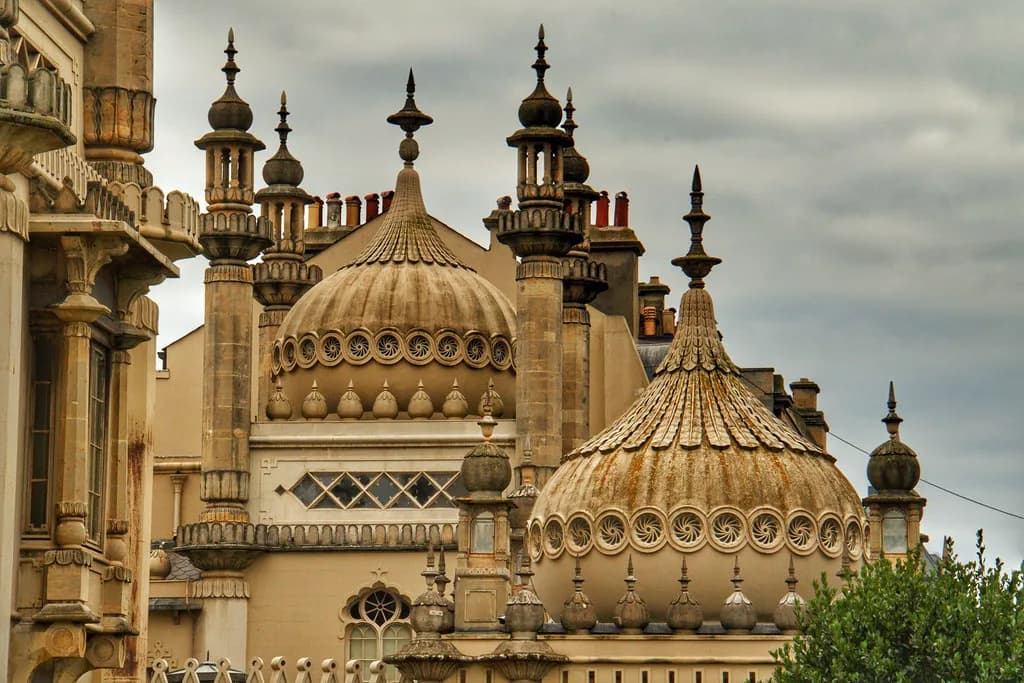
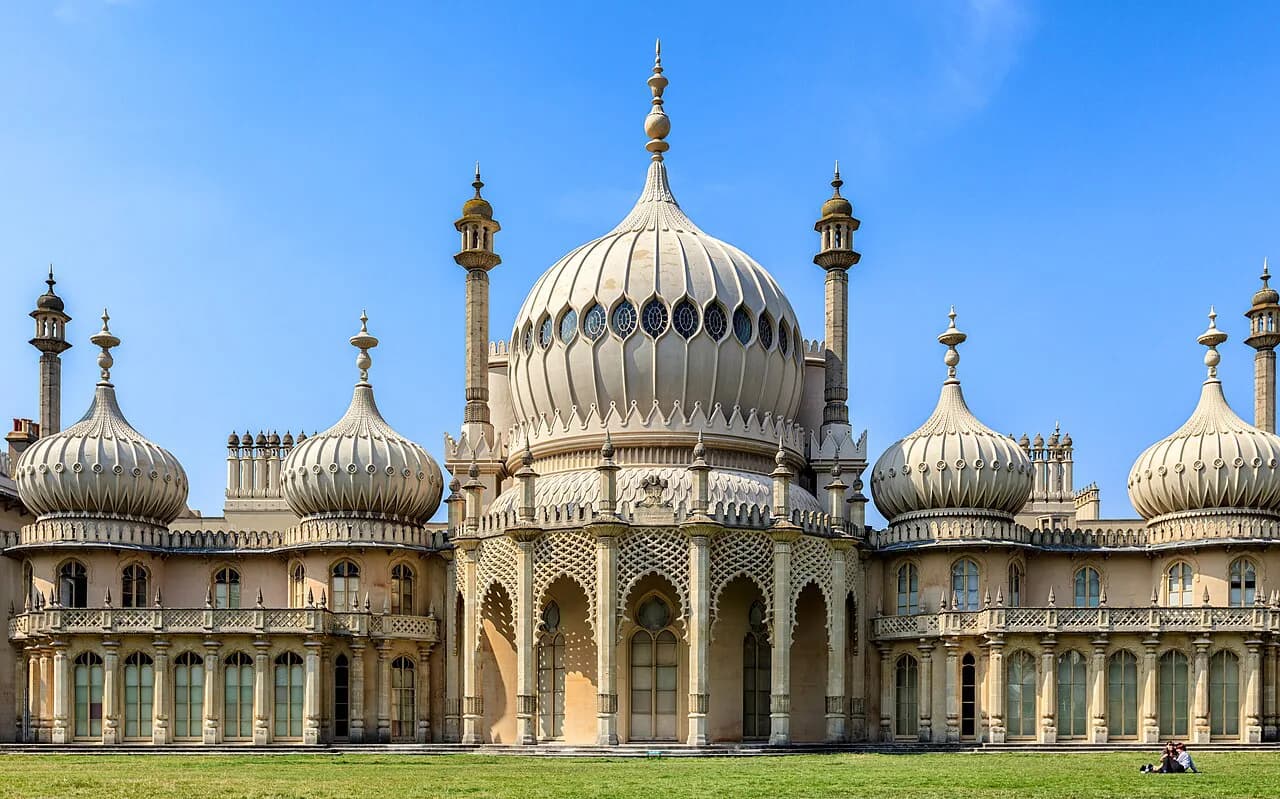
What the walks skip is the daylight city: the collections, the architecture and the ordinary streets that make Brighton worth a weekend. Build a trip that includes both. Our Brighton Attractions: 8 Visitor Guides page pulls the strands together, and our guide to Brighton architecture will have you noticing the Royal Pavilion and the Regency terraces as you walk between ghost stops.
Plan Your Visit
To plan a ghost-themed evening in Brighton, start with the Ghost Walk of the Lanes website for the current walk details, then choose a Theatre Royal Brighton show to follow it. Book both in advance where you can, dress for the weather and keep the evening loose enough to enjoy the Lanes at a wander rather than a march.
Frequently Asked Questions
What is the best ghost tour in Brighton?
The Ghost Walk of the Lanes is the best-known ghost walk in the city, led by storyteller Rob Marks and built around legends from the Lanes and the seafront. It is a storytelling performance rather than a history lecture, so go for atmosphere and theatre.
What happens on the Brighton Ghost Walk of the Lanes?
The storyteller leads a group through the Lanes and along the seafront, stopping to tell tales such as the seafront bandstand story, the Man in Grey, the museum story and the Meeting House Lane nun legend. The emphasis is on performance and atmosphere.
How long does a Brighton ghost walk take?
The length is set by the operator, so check the current details on the walk's own website when you book. Allow the whole evening rather than slotting the walk between two other bookings, and dress for the weather since the route is outdoors.
Do you need to book a ghost tour in Brighton in advance?
Booking ahead is sensible, especially at weekends and around Halloween when ghost walks are popular. The operator also takes private bookings, so groups should enquire directly and get the meeting point and arrival time when booking.
Is the Brighton ghost walk suitable for children?
The walk is theatrical storytelling rather than a scare attraction, so it suits older children who enjoy a good ghost story. If you are bringing younger children, the tone and the late finish may not suit everyone.
Where does the Brighton ghost walk start?
The starting point is given by the operator when you book, so check your confirmation rather than assuming a location. The walk runs through the Lanes and the seafront, both of which are easy to reach on foot from the city centre.
Are Brighton ghost tours scary or historical?
They are scary in the theatrical sense and light on documented history. The stories are legends attached to real places, such as the bricked-up doorway on Meeting House Lane, so treat the walk as entertainment and visit the city's museums for the documented past.
Sources
Notes for your next city break
Optional updates to our UK city guides.
You might also like

Continue reading
More guides you'll find useful