Brighton Architecture: What to See from Regency to Modern
Brighton architecture explained by period, from John Nash's Royal Pavilion to Basil Spence's University of Sussex, with the terraces, churches and parks to see.
On this page
Brighton is best read as a layered city: seaside Regency elegance, grand Victorian terraces and bold twentieth-century buildings sit within a few miles of each other. The Royal Pavilion, designed by John Nash, is the landmark most visitors know first, and it anchors the city's reputation for distinctive building. Grouping the rest by period turns a sightseeing day into a coherent route rather than a scatter of stops.
This guide names the architects where they are known and explains why so much of the streetscape is protected, so you can spot the difference between a Regency terrace, a Victorian one and a post-war courtyard. It sticks to buildings and public spaces you can see from the street, and pairs well with a day spent in the city's museums in Brighton when the weather closes in.
What Brighton architecture is known for
Three strands define the city's built environment. The first is Regency seaside elegance, with grand terraces and the Royal Pavilion by John Nash standing as one of Britain's most distinctive landmarks of the period. The second is the Victorian city that grew up around it, with terraces in Kemp Town and Brunswick Town now protected by strict conservation and planning rules. The third is modern work, including Basil Spence's University of Sussex campus, whose brick courtyards and walkways reflect a post-war vision of how a university should look.
Famous residents add cultural weight to the story: Virginia Woolf, Graham Greene and Nick Cave are among the names associated with the city, which has long carried a creative reputation. For a visitor, the practical point is that the architecture is spread out, so a period-by-period plan saves legwork and keeps you from doubling back.
Start with the Royal Pavilion: John Nash's Brighton landmark
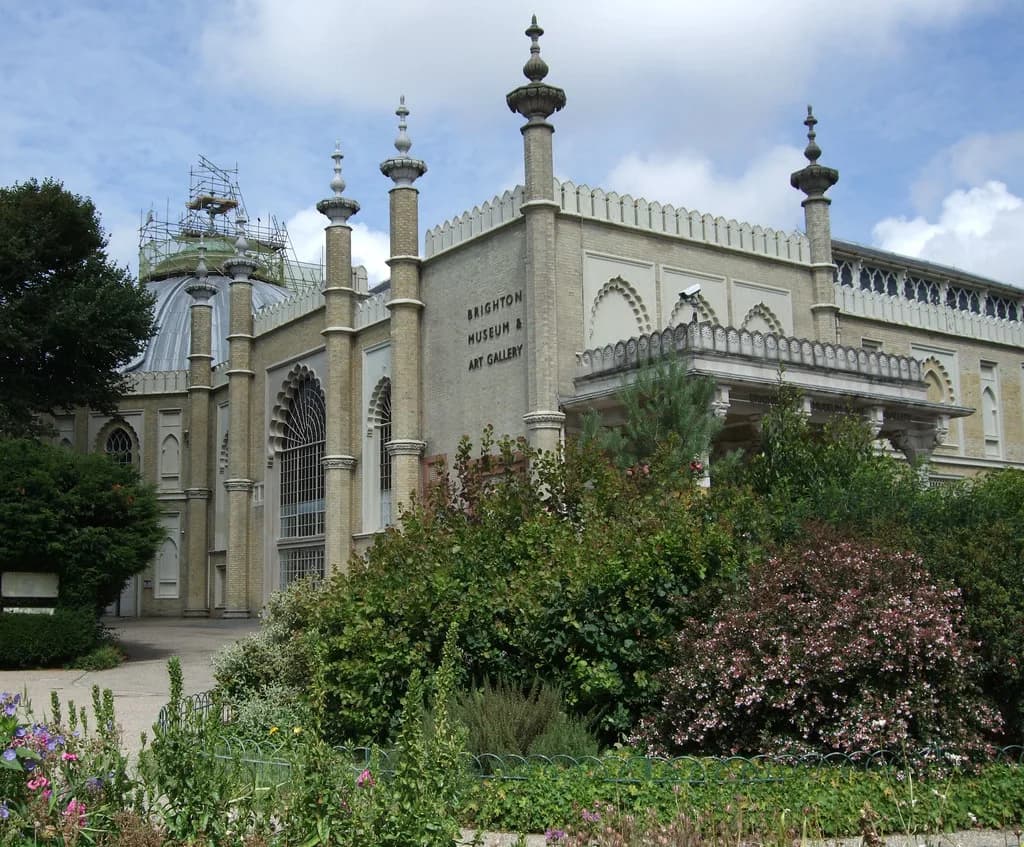
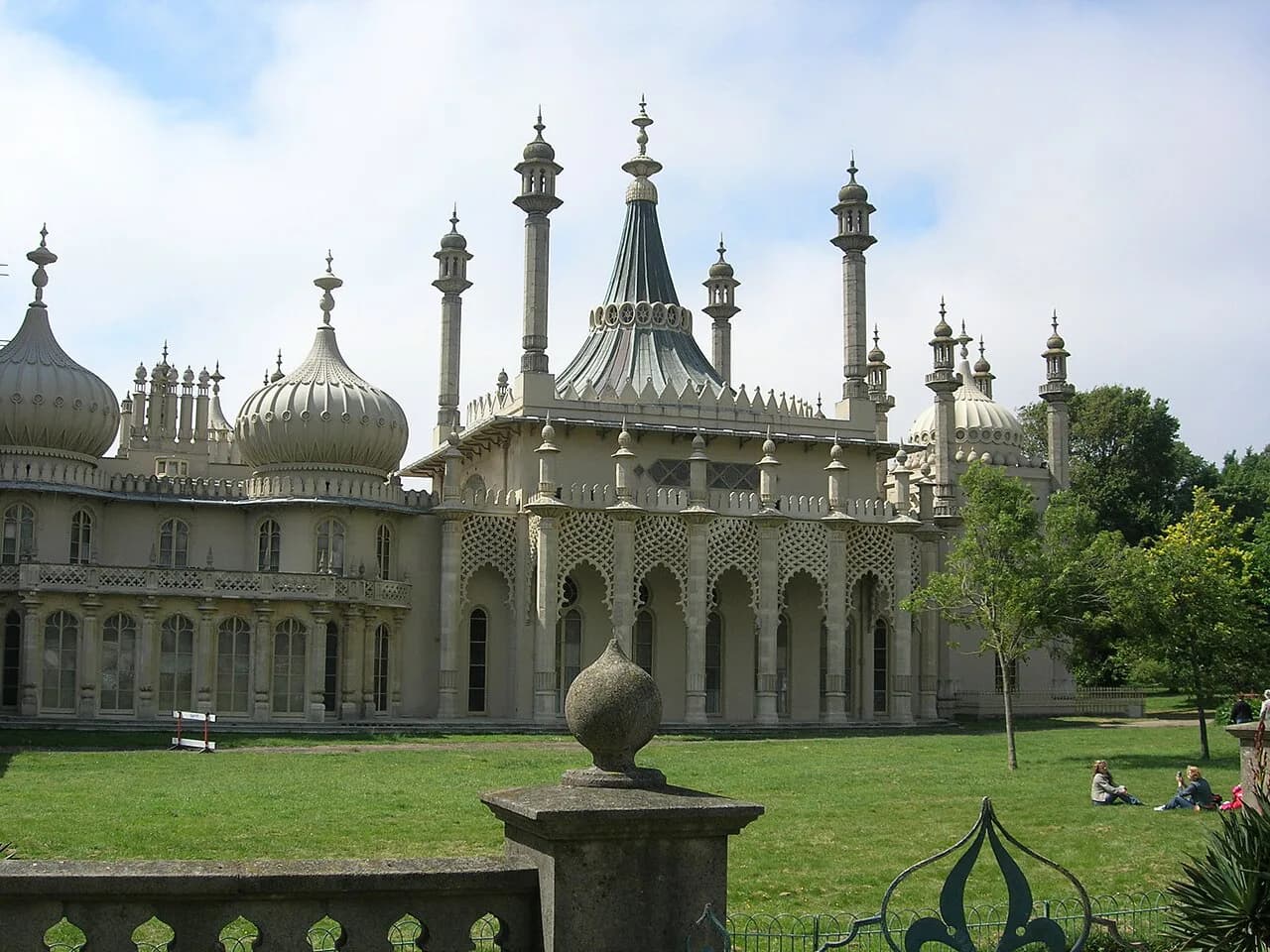
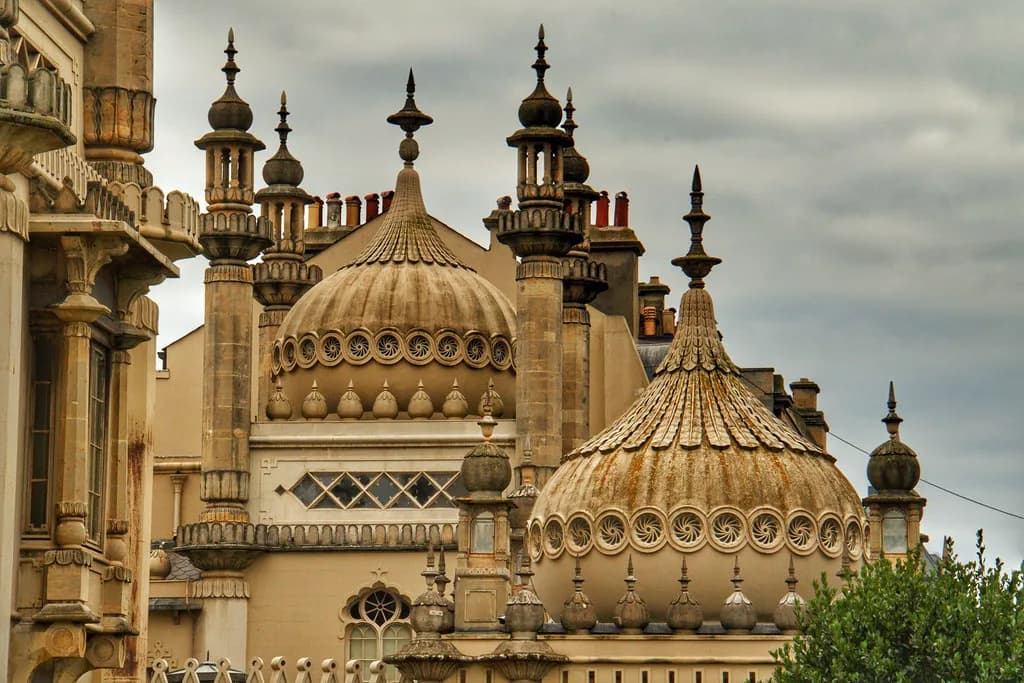
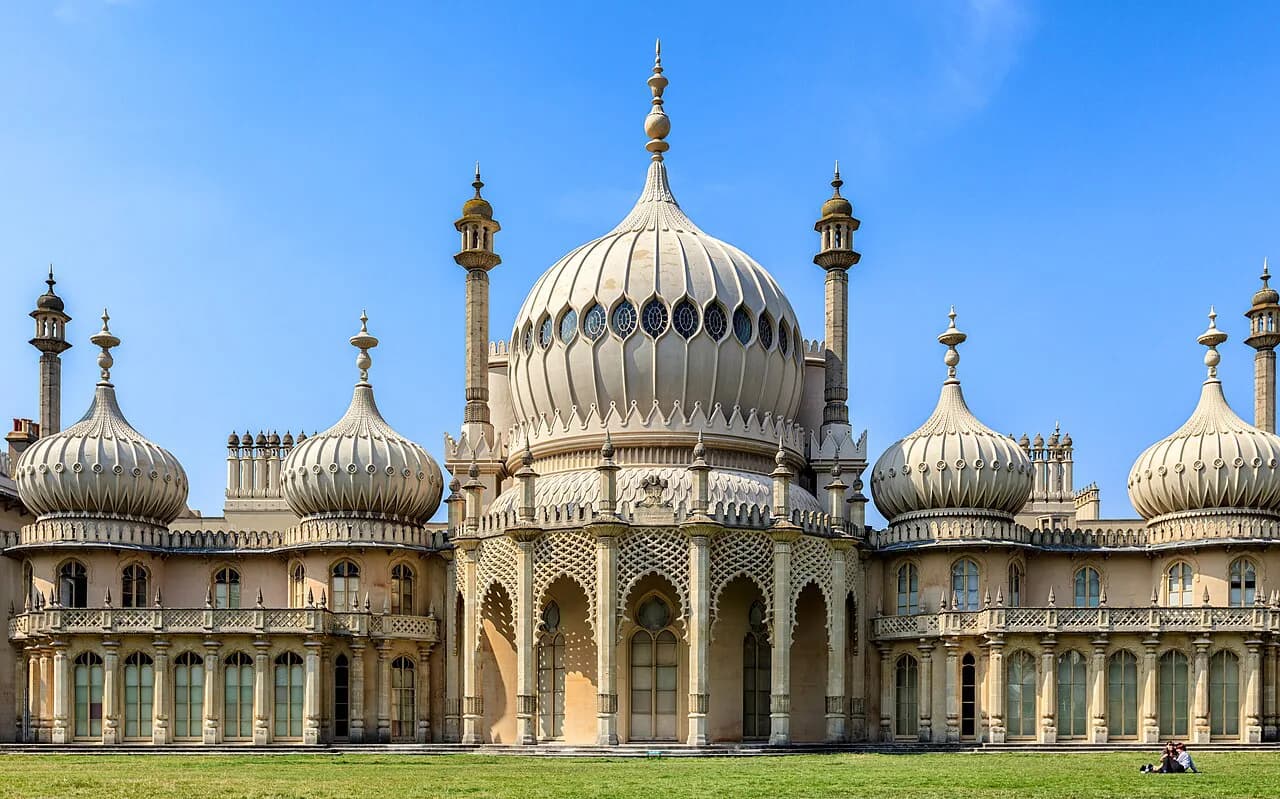
The Royal Pavilion, designed by John Nash, is the building that sets Brighton apart from every other English seaside town. Its exotic silhouette is the reason the city's architecture is described as a meeting point of elegance, seaside charm and modern creativity. See it early in the day and use it as the hinge of your route, since the Regency terraces lie to the east and the Victorian ones to the west.
Nash's name recurs across Regency Britain, so spotting his work here gives you a reference point for buildings elsewhere. The Pavilion is a streetscape experience as much as an interior one, with the surrounding gardens and nearby streets worth a slow circuit. If you want to go inside, the estate publishes its own admission arrangements and times, and those change with the season, so confirm before you travel.
Regency and Victorian terraces: Kemp Town and Brunswick Town
Kemp Town and Brunswick Town hold the city's grandest Regency and Victorian terraces, and both are now carefully protected by conservation and planning regulations. That protection shapes what you see: façades are repaired rather than replaced, and new work has to respond to the historical setting. Walking these streets is free and requires no booking, which makes them the most reliable part of any architecture day.
Brunswick Town sits west of the centre and Kemp Town east, so a linear walk between them passes through the seafront and the main shopping streets without retracing your steps. Look for the rhythm of repeated window bays and stucco fronts, the details that give these terraces their coherence. The trade-off is distance: the two districts are a decent walk apart, so plan a rest or a bus ride in the middle.
St Bartholomew's Church and Saltdean Lido: listed variety
Brighton's listed buildings are not all Regency terraces. Saltdean Lido and the towering St Bartholomew's Church illustrate the sheer variety of the built environment, one a seaside leisure building and the other a landmark church. Both are useful stops for anyone who wants to see how twentieth-century architects worked in a city defined by the nineteenth.
Saltdean lies east along the coast, while St Bartholomew's sits closer to the centre, so treat them as separate outings rather than one loop. The lido is a working leisure site whose opening and swimming sessions follow their own seasonal pattern, so check before planning a visit around it. The church is best appreciated for its exterior massing from the street.
Basil Spence and the University of Sussex
Basil Spence's University of Sussex campus, with its brick courtyards and walkways, is the clearest expression of the city's post-war ambition. The design reflects both a post-war vision and the academic character of the university, and it rewards a visitor who looks at how buildings frame movement between them. The campus sits outside the centre, so give it a half-day rather than squeezing it into a seafront stroll.
Pair the campus with Preston Park, which you pass on the way out of the city and which works well as a breather before or after. Architect spotting pays off here: once you know Spence's brick vocabulary, you will notice it in other British cities too, much as Cambridge architecture turns on the work of single designers.
Green breathing space: parks and garden squares
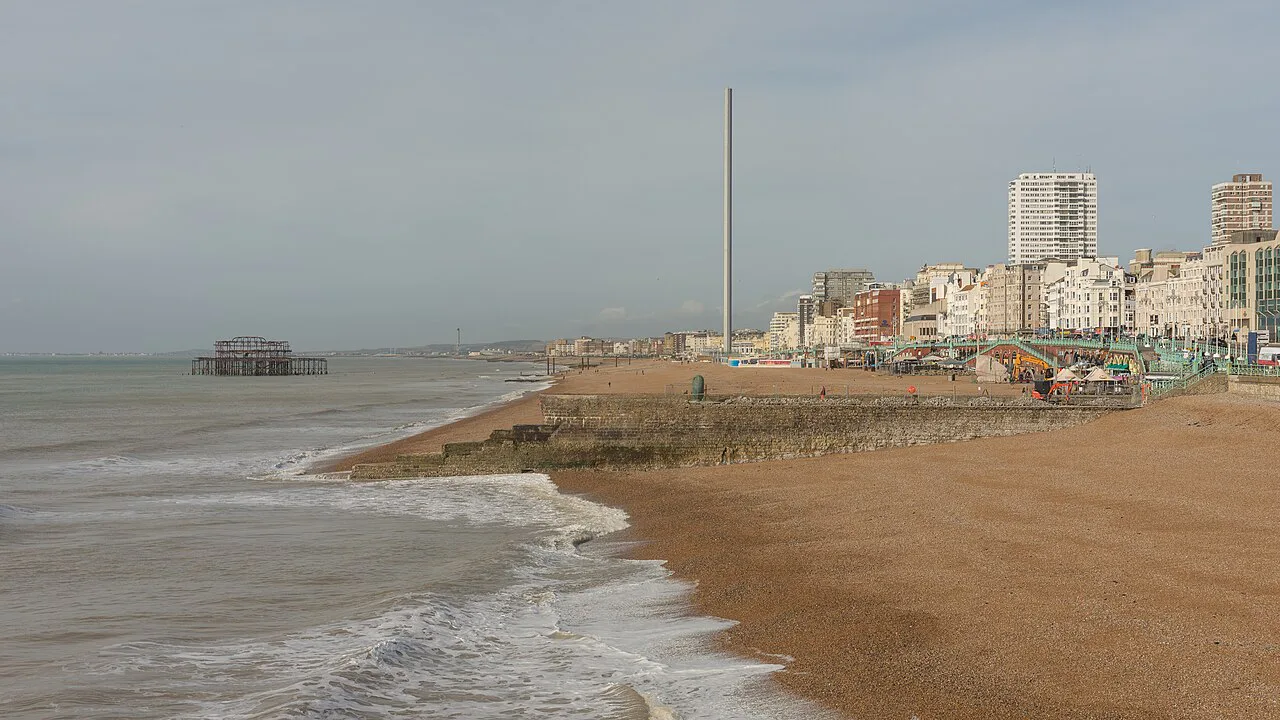
Brighton's architecture is inseparable from its green space. Preston Park, Queen's Park and the secluded garden squares of Brunswick and Sussex give the dense urban fabric room to breathe, and they were laid out as part of the same town-planning tradition as the terraces. A route that ignores them misses half the point of how the city was designed.
Use the parks as anchors between building stops: Preston Park for the northern stretch, Queen's Park for the eastern side, and the Brunswick squares as a quiet pause in the middle of a terrace walk. They are public, open spaces, so they cost nothing and need no planning beyond daylight.
The South Downs behind the city
The South Downs rise behind Brighton and form a protected landscape that frames development and inspires sensitive design. That protection is not a background detail: it limits how far the city can sprawl and pushes architects to work carefully within existing boundaries. For a visitor, the Downs give you a sense of the city's scale when you see the skyline from a high point or from the seafront looking inland.
If you have a spare half-day, the contrast between tight Regency streets and open downland is the clearest illustration of why Brighton looks the way it does. The city's architecture is a negotiation between the sea, the downs and a protected historic fabric.
Reading a building: planning controls and conservation areas
Brighton & Hove works within tight planning controls, and the sensitivities of listed buildings and conservation areas govern almost every change to the streetscape. Architects working here regularly deal with listed building consent, conservation-area applications and negotiation with the council's conservation officer, which is why alterations look considered rather than haphazard. When you notice a carefully matched extension or a repaired façade, that is the system at work.
Practices with offices in the city describe this in practical terms. One Brighton & Hove office works across bespoke housing, extensions, education and commercial projects, and sits within Sheridan House on Western Road in Hove, roughly ten minutes from Hove station and two minutes from the seafront, which tells you how compact the professional quarter is.
Another local practice, Hampson Architects, reports more than 300 planning applications across over 20 local planning authorities, including work in Hove Park and on Hill Brow in Hove. That volume is a reminder that the city's streetscape is actively managed rather than frozen, which is exactly why it repays a close look on foot.
How to see Brighton architecture on foot: a period route
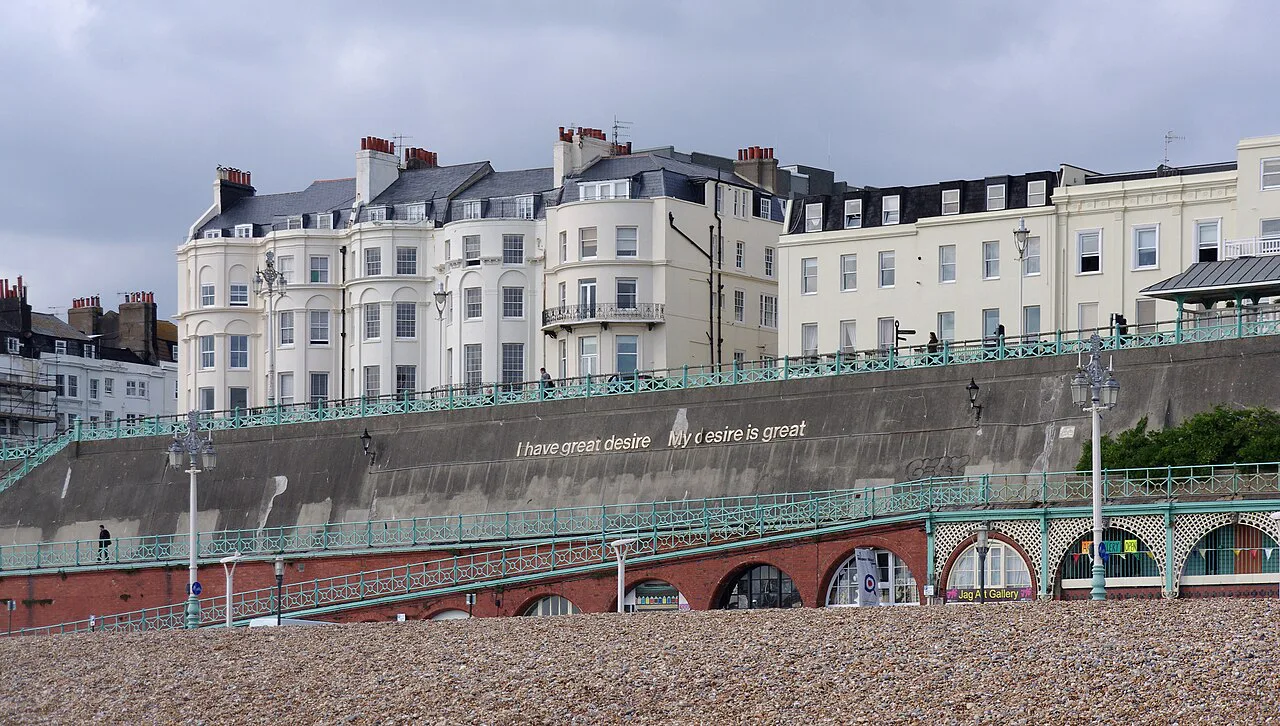
A workable route runs from the Royal Pavilion east into Kemp Town for Regency terraces, back along the seafront, then west through the centre to Brunswick Town for the Victorian squares. Add St Bartholomew's Church on the central stretch, and finish with Preston Park if you still have daylight. The whole circuit is a full day on foot with stops, so wear something you can walk miles in.
Save the University of Sussex and Saltdean Lido for separate half-days, since both sit outside the centre and will eat into walking time. If you would rather have the period story narrated, a Brighton walking tour covers the same ground with context built in, while the ghost tours in Brighton trade in legend rather than architectural history.
Where to base yourself: Kemptown, North Laine, The Lanes, Seven Dials and Hove
Kemptown puts you inside the Regency terraces, which suits early walks before the streets fill; North Laine and The Lanes put you in the dense central grid with shops and cafés on the doorstep. Seven Dials is quieter and residential, and Hove gives you Brunswick Town and the seafront on one side with easy access to Hove station on the other.
The trade-off is simple: staying centrally means shorter walks to the Pavilion and the Lanes, while staying in Hove means more of the Victorian and Edwardian fabric is immediately outside your door. Either way, the city is compact enough that you will not need a car for the architecture route.
Practical trade-offs: steps, hills, seasonal hours and booking
Brighton's streets are uneven, and the terraces often sit on slopes with steps up to front doors and raised pavements, so comfortable shoes matter more than any map. The South Downs edge and the route up to the university involve real gradients, and a seafront walk in wind is colder than the same distance inland.
Interiors are the part to plan. The Pavilion, St Bartholomew's Church and Saltdean Lido each operate to their own seasons and visiting arrangements, so confirm opening days and any need to book before you build a day around going inside.
Plan Your Visit
Brighton rewards a period-by-period approach: start with Nash's Royal Pavilion, walk the Regency terraces of Kemp Town, cross to the Victorian squares of Brunswick Town, and treat Basil Spence's University of Sussex and Saltdean Lido as separate outings. Build in the parks and a look at the Downs and you will have seen how the city was designed, not just what it contains.
If the weather turns, the city's free museums keep the architectural story going indoors, and many of the smaller galleries are easy to slot into a walking day. Check current opening details for interiors before you set out, and the rest of the route can stay flexible.
Frequently Asked Questions
What style of architecture is Brighton known for?
Brighton is known for Regency seaside elegance, with John Nash's Royal Pavilion as its most distinctive landmark, alongside grand Regency and Victorian terraces in Kemp Town and Brunswick Town. The city also has notable twentieth-century buildings, including Saltdean Lido, St Bartholomew's Church and Basil Spence's University of Sussex campus.
Who designed the Royal Pavilion?
The Royal Pavilion was designed by John Nash and is described as one of Britain's most distinctive landmarks. It anchors Brighton's Regency reputation and is the natural first stop on an architecture walk.
What did Basil Spence design in Brighton?
Basil Spence designed the University of Sussex campus, whose brick courtyards and walkways reflect both a post-war vision and the academic character of the university. It sits outside the city centre and is best treated as a separate half-day outing.
Which parts of Brighton have Regency and Victorian terraces?
Kemp Town and Brunswick Town hold the city's grand Regency and Victorian terraces, now protected by strict conservation and planning regulations. Kemp Town lies east of the centre and Brunswick Town to the west, so a walk between them passes through the seafront and central streets.
Can you see Brighton's architecture without paying admission?
Yes. The terraces, streets, garden squares and parks are public and free to walk through. Interiors such as the Royal Pavilion run their own admission arrangements, so confirm details directly before you travel.
How much of Brighton can you cover on foot in a day?
A full day on foot covers the Royal Pavilion, Kemp Town, the central church at St Bartholomew's and Brunswick Town, with Preston Park as an optional finish. The University of Sussex campus and Saltdean Lido sit outside the centre and need separate half-days.
Sources
Notes for your next city break
Optional updates to our UK city guides.
You might also like

Continue reading
More guides you'll find useful