The History of Brighton: A Timeline Told Through Its Streets
A plain timeline of Brighton's history, from Brighthelmstone and the Domesday Book to royal patronage, the railway and the city you can walk today.
On this page
Brighton's history is a story of reinvention: a fishing settlement recorded in the Domesday Book that declined in the early 18th century and then rebuilt itself as Britain's most fashionable seaside resort. The turning points are easy to follow on foot, because the Royal Pavilion, the Old Steine, the seafront and the Regency terraces all sit within a compact centre. This guide runs through the timeline in order and points to the surviving sites at each stage.
Two things are worth separating from the start. Some of what Brighton tells about itself is documented, such as the Domesday entry and the Prince of Wales's first visit in 1783; some is nickname and origin story, including the suggested meaning of the old name Brighthelmstone. Keeping the two apart makes the city read more clearly, and it stops a good legend being mistaken for a record.
Brighton's history in short: a fishing town that became a royal resort
The sequence runs from prehistoric settlement on the Downs, through a medieval fishing town, into an early 18th-century slump, then a rapid Regency transformation driven by sea bathing and royal favour. The railway arrived in 1841 and turned the town into a mass day-trip destination, which in turn produced the piers, hotels and entertainment venues the seafront is known for. Hove and Portslade to the west followed their own quieter paths.
For a visitor, the useful consequence is that the chronology is walkable. You can start at the Old Steine, cross to the Royal Pavilion, drop down to the seafront and finish in Hove without needing transport, and each stop maps onto a distinct period. Allow a full day if you want to read the plaques and go inside buildings rather than just pass them.
Brighthelmstone: the Domesday settlement and its herring rent
The town appears in the Domesday Book of 1086 as Bristelmestune, listed as a fishing and agricultural settlement with a small population. Its recorded rent of 4,000 herrings is the detail that tells you what mattered locally: the sea, not the Downs. The name Brighthelmstone is generally explained as something like Beorhthelm's farmstead, a suggested derivation rather than a settled fact.
The shorter name Brighton became common in the early 19th century, which fits the moment the town stopped being a modest fishing village and started selling itself as a resort. If you want a sense of how heavy the fishing trade once was, the seafront had around 300 men and 100 boats working it in the 18th century.
Medieval Brighton: St Bartholomew's Priory and the planned town
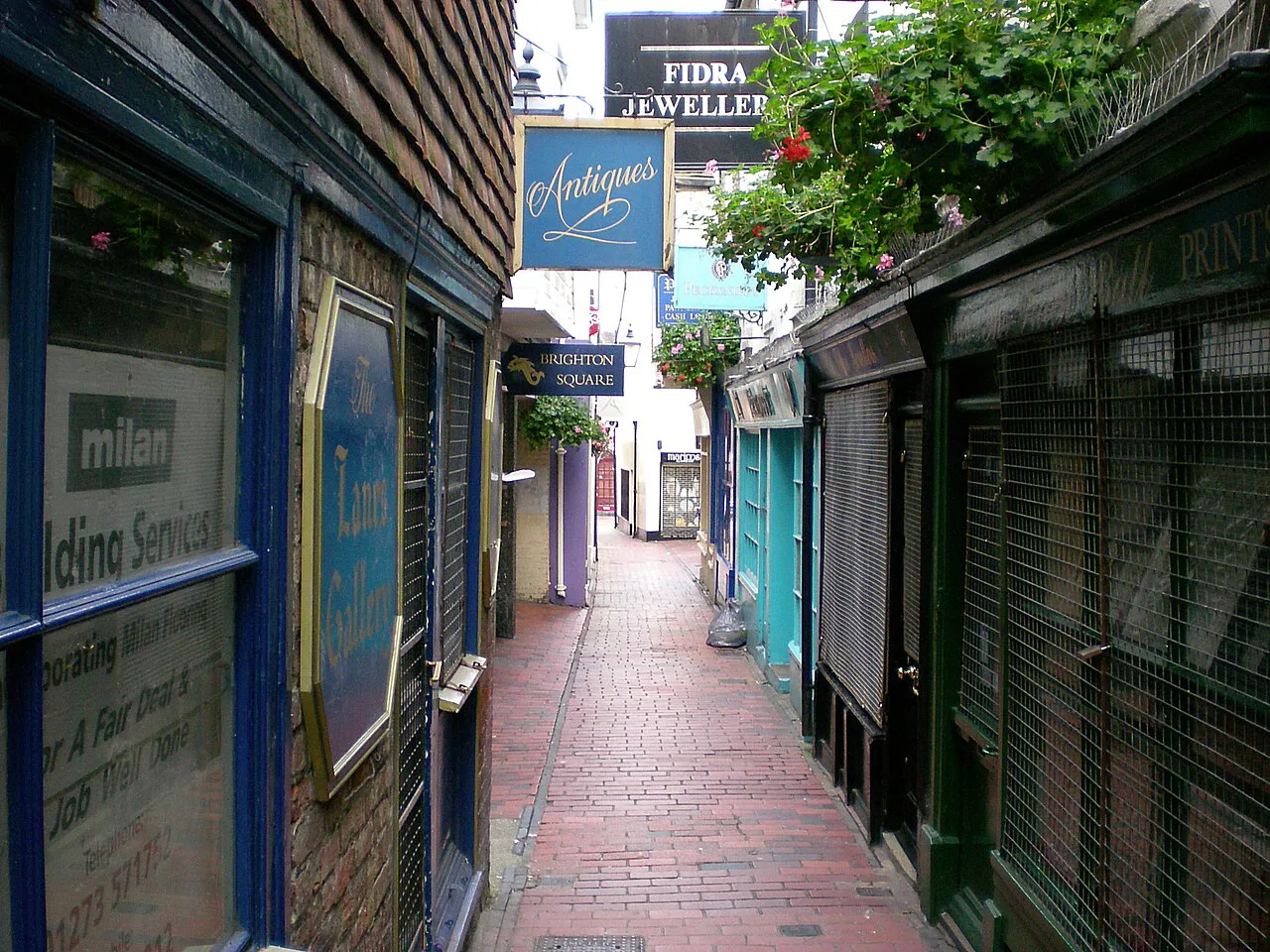
St Bartholomew's Priory was established between 1120 and 1147, and the town was laid out on a regular plan by around 1300. That deliberate grid is why the Lanes feel tight and legible rather than accidental. It is also the period that gives the centre its oldest surviving fabric.
Older still are the downland earthworks: Whitehawk Camp, a Neolithic site dated to roughly 3500 to 2700 BC, and the Iron Age encampment at Hollingbury Castle from around the 3rd or 2nd century BC. These are landscape sites rather than buildings, so treat them as a walk with a view rather than a museum stop.
Decline and sea erosion before the 18th century
By the early 18th century Brighton was in trouble. Demand for fish had fallen and the sea was steadily eroding the foreshore, so the town was shrinking rather than growing. Keeping that slump in mind makes the Regency boom that follows read as a genuine turnaround, not a natural progression.
Coastal erosion is not only a historical problem; it is why the seafront has been rebuilt and defended repeatedly over the centuries. When you walk the promenade, the sea wall and the shingle are the modern end of a very long argument with the water.
Dr Richard Russell, sea bathing and the health resort
The pivot came in the mid-18th century, when sea bathing became a fashionable health treatment. Dr Richard Russell of Lewes promoted the medicinal use of seawater, and his advocacy drew the first wave of health-seeking visitors to the coast. That is the origin of Brighton as a resort rather than a port.
The bathing culture also produced working figures who are part of the town's story, including Martha Gunn, the 18th-century dipper who helped bathers into the sea. Her trade existed precisely because the water was considered medicinal.
George, Prince of Wales, and the Royal Pavilion
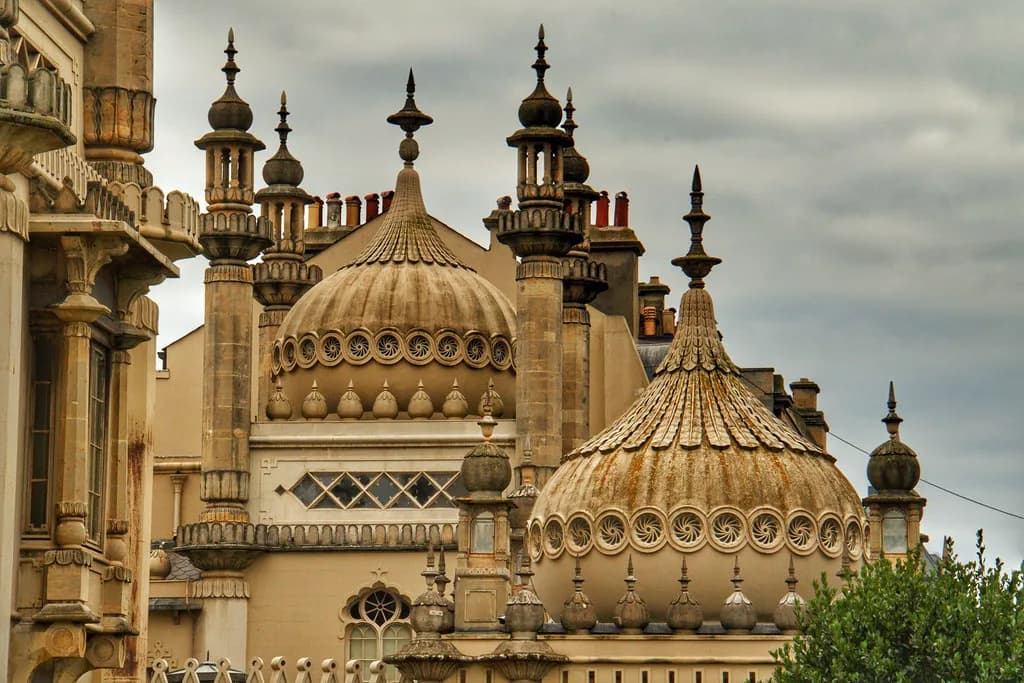
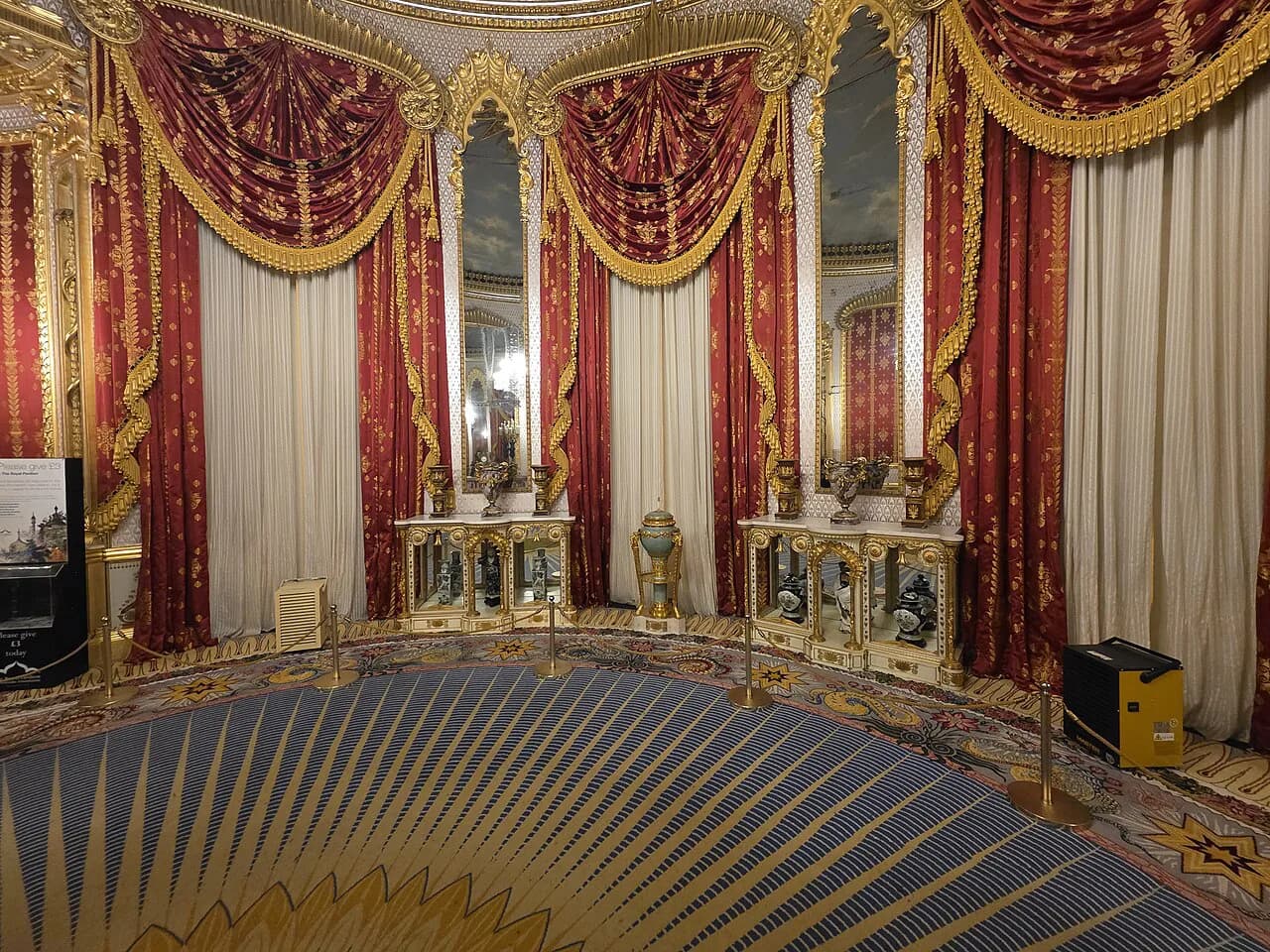
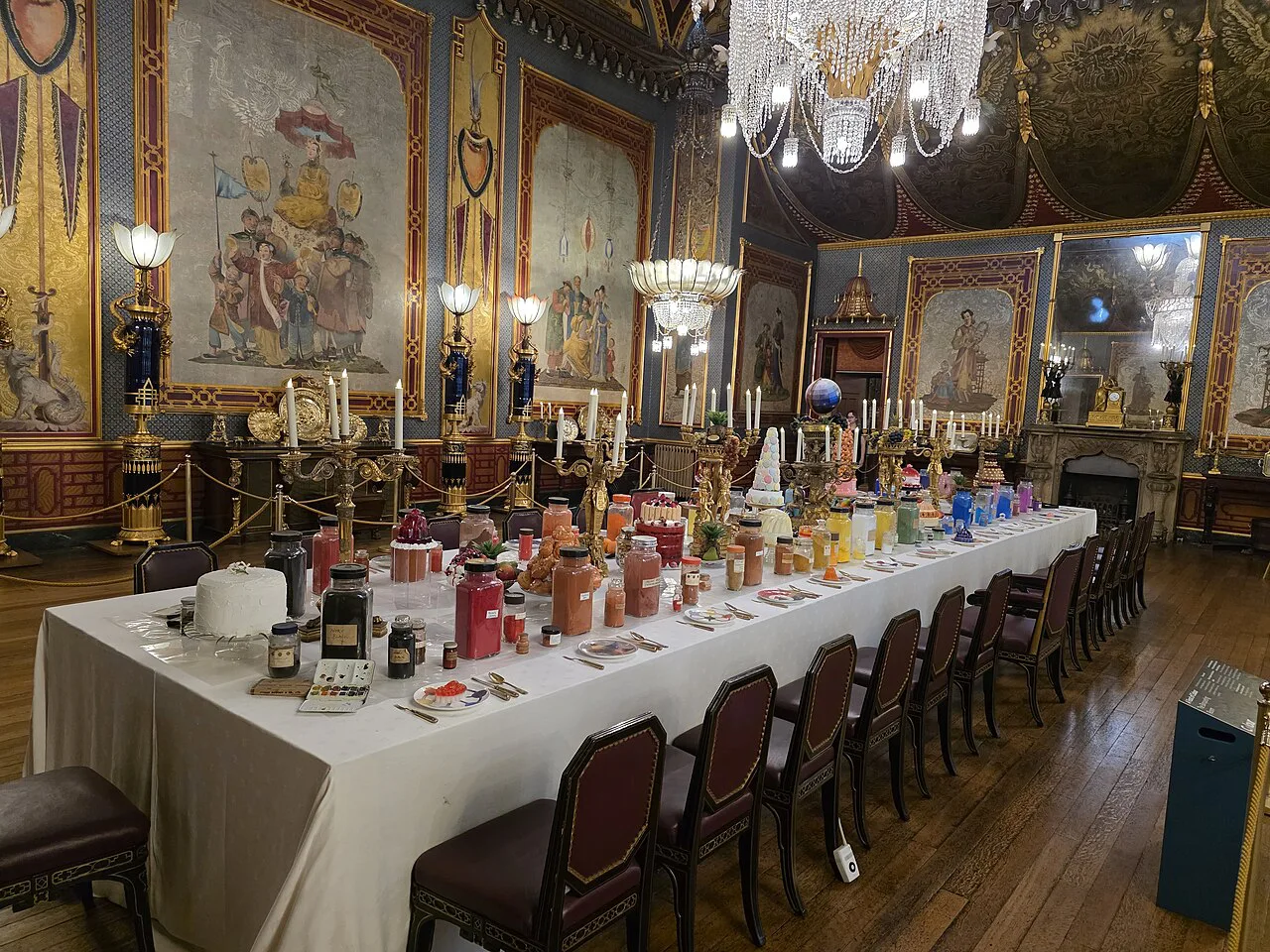
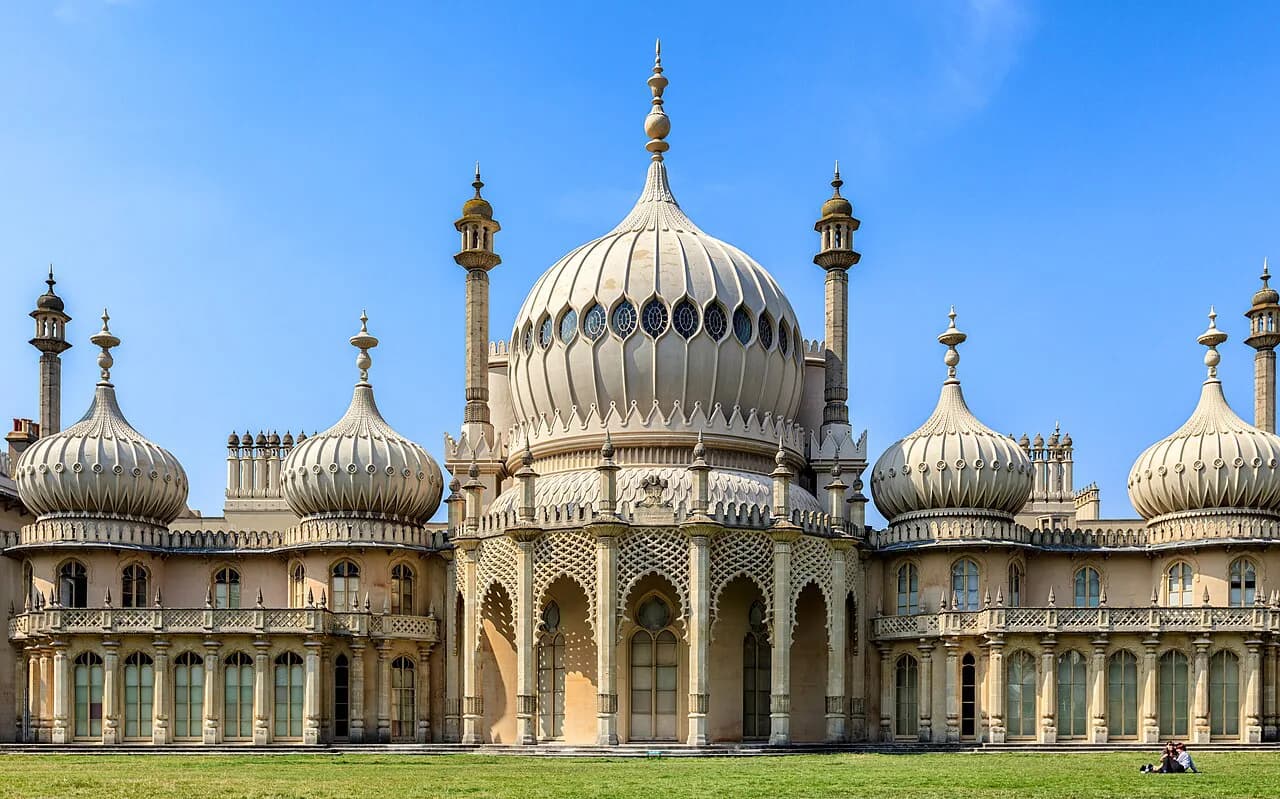
George, Prince of Wales, later George IV, first visited in 1783, and his patronage over the following four decades drove Brighton's rise as a fashionable resort. His lasting legacy is the Royal Pavilion, built in stages by the architects Henry Holland and John Nash. The Indo-Saracenic domes and minarets, with interiors drawing on Indian and Chinese design, made the town instantly recognisable.
The building is the single best place to understand the Regency chapter, and it anchors any walk through the centre. Ticket prices and opening times change with the season, so check the Royal Pavilion's own site before you travel rather than relying on a guidebook.
Regency building: grand squares and terraces
Royal presence pulled in money, and money built squares and terraces. Marlborough House on the Old Steine is one survivor from that wave, and the grand residential set pieces of the period gave Brighton its reputation for sophisticated architecture.
The Regency and Victorian terraces are best seen as a single continuous walk rather than isolated stops, because the effect depends on the run of facades. If architecture is your main interest, plan the day around the terraces and the Pavilion and leave the museums for a return visit.
The railway arrives and the Victorian day-tripper boom
The railway reached Brighton in 1841, making the town accessible to London day-trippers on a scale that had not been possible by coach. Visitor numbers surged, and the town's economy shifted decisively towards tourism and entertainment. That is the moment Brighton became a mass resort rather than an aristocratic one.
The same period earned Brighton the nickname School Town, a nod to the number of boarding, charity and church schools founded in the mid-19th century. It is a reminder that the Victorian town was not only about pleasure.
Piers, hotels and the Victorian seaside experience
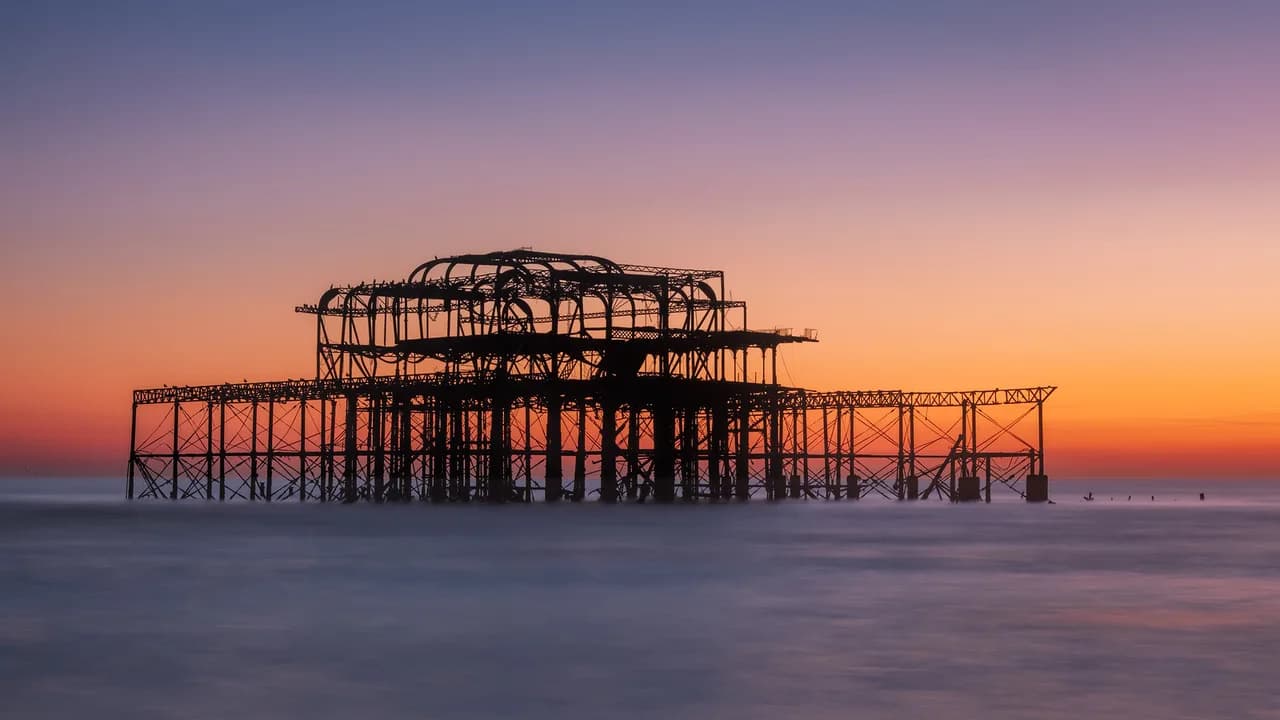
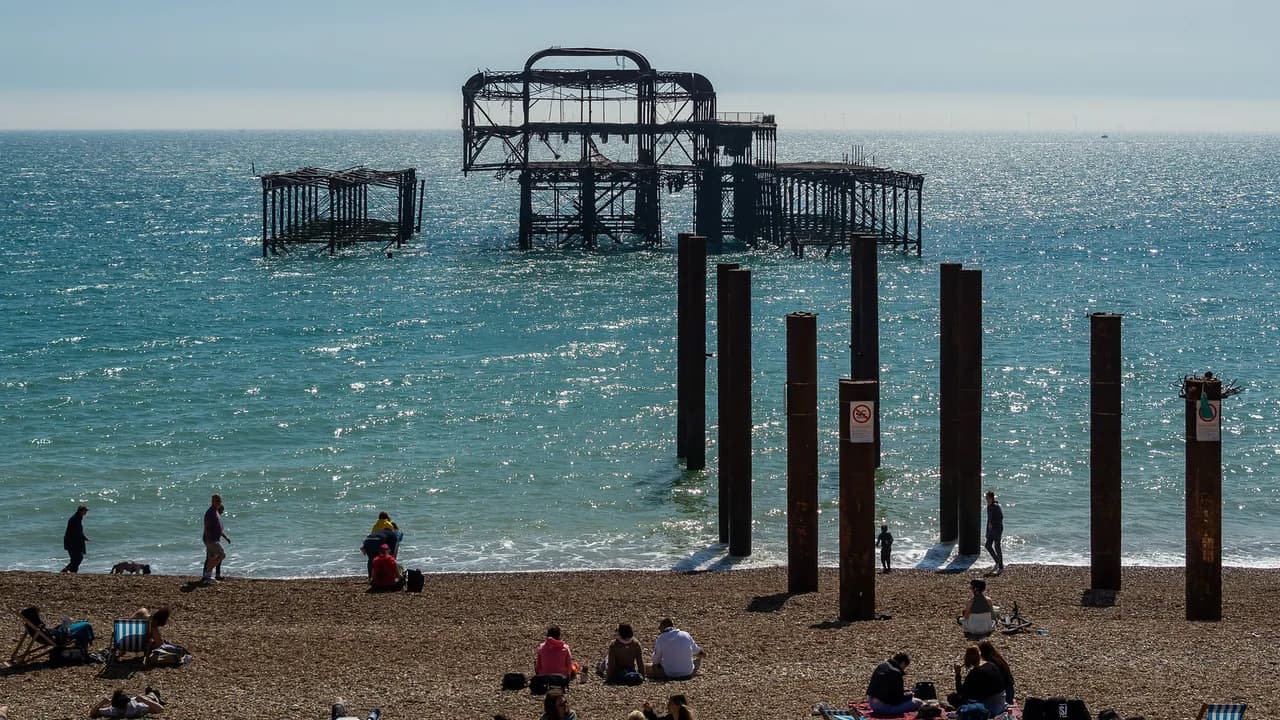
Victorian Brighton built the landmarks the seafront still trades on: the Grand Hotel, the West Pier and the Palace Pier, later known as Brighton Pier. The piers were elaborate entertainment complexes rather than simple promenades, designed to keep visitors occupied for hours.
The Grand Hotel remains a seafront landmark and a natural stop if you want to fold the Victorian chapter into a slower afternoon. Its own site is the place to confirm what is running and what needs booking.
Kemp Town and Brunswick Town were the elegant residential estates of the same era, expanding the town east and west for a growing and diverse population. Walking them gives a quieter version of the Victorian story than the pier.
Hove and Portslade: the western neighbours in brief
Hove grew alongside Brighton in the 19th century but cultivated a more residential, affluent character, with landmarks including the Brunswick Estate, Adelaide Crescent and Palmeira Square. The Anthaeum, an iron and glass conservatory project of the 1830s, was ambitious and ultimately unsuccessful. Hove's residents included the financier Sir Isaac Goldsmid and the Sassoon family, whose presence shaped the area's social and cultural life.
Portslade, further west, has older roots still, with evidence of habitation reaching back to the Stone Age and a Domesday entry of its own. Portslade Old Manor is a rare surviving Norman manor house, and the railway's arrival in 1840 split the area between Portslade Village and industrial Portslade-by-Sea.
Martha Gunn, Phoebe Hessel and Brighton's social character
Brighton's social history has long attracted people who did not fit the conventional mould. Phoebe Hessel, a cross-dressing soldier who settled in the town, and Martha Gunn, the celebrated dipper, are two figures who embody that character. The town's LGBTQ+ community has deep roots here, and the annual Brighton Festival continues the pattern of a city that hosts rather than absorbs.
The legacy is visible in the centre's independent streak, from small venues to the Lanes' shops. If you want the darker side of the city's storytelling, the ghost tours lean on legend and should be enjoyed as legend.
Where to see Brighton's history today
The Royal Pavilion and its gardens are the obvious starting point, followed by the Old Steine and a seafront walk past the Grand Hotel towards the pier. The Lanes and North Laine cover the medieval street plan and the modern independent trade in one loop. For a fuller list of sites with visitor detail, the museums in Brighton guide covers the collections that explain the rest of the timeline.
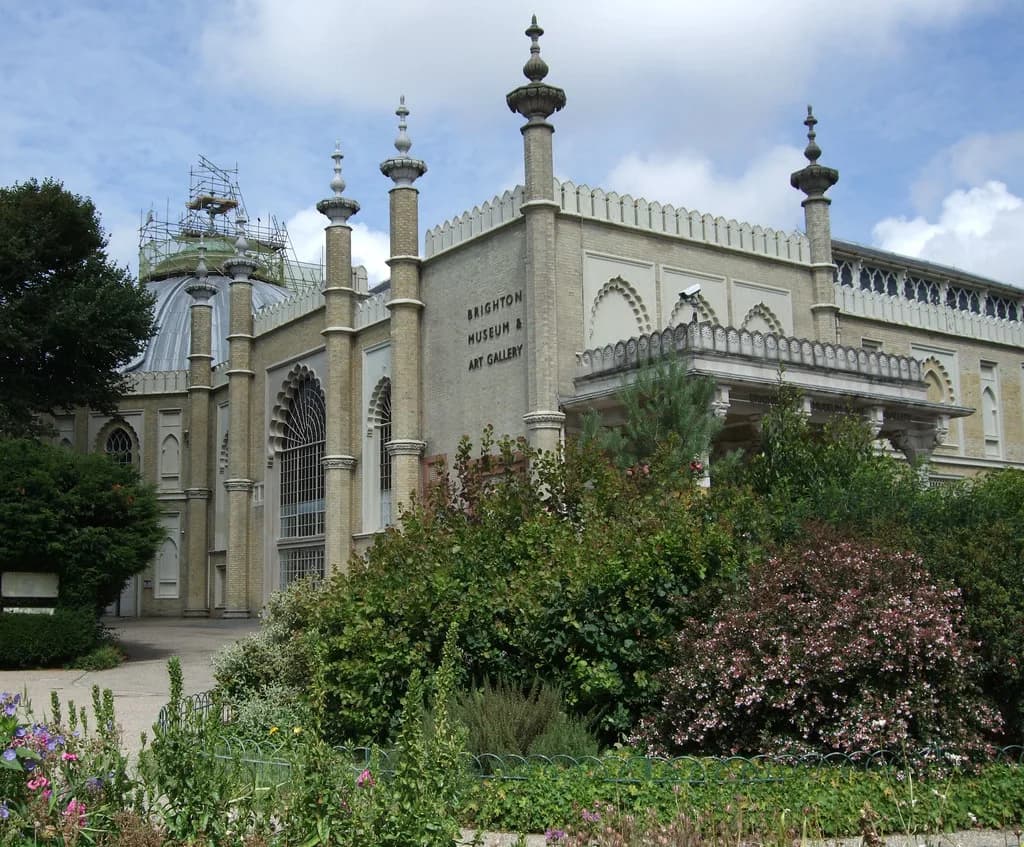
Several of the city's museums are worth building into a history morning, and Brighton Museum & Art Gallery is the natural one to start with. Check opening hours and admission on the museum's own site before you set out.
If your taste runs to paintings and decorative art rather than civic history, the city's art galleries make a good complement to the Pavilion. Castle-lovers should note that the nearest major castles sit outside the city, so plan them as a separate day.
How long to allow and what to book ahead
A brisk history walk from the Old Steine through the Pavilion gardens and down to the pier takes a couple of hours; adding a museum interior and a terrace walk in Hove turns it into a full day. Build in time for queues at the Pavilion in high season, since it is the one stop that reliably draws a crowd.
Book the Pavilion in advance if it is the centrepiece of your trip, and check its official pages for seasonal hours and any closures before you set out. Everything else on the walk can be done on the day, which keeps the itinerary flexible if the weather turns.
Plan Your Visit
Brighton's history rewards a chronological walk: Domesday fishing village, medieval grid, Georgian slump, Regency reinvention, Victorian crowd. The surviving sites sit close enough together that you can cover the main chapters in a day and leave the museums and Hove terraces for a second.
If you want to keep going with city history, the story of Liverpool and the history of Birmingham make useful comparisons for how industrial and port cities tell their own past. Check the Royal Pavilion's official pages for current hours before you travel, and book ahead if it is your main reason for coming.
Explore more Brighton guides
Frequently Asked Questions
What was Brighton called before?
Brighton appears in the Domesday Book of 1086 as Bristelmestune, and the longer form Brighthelmstone was used for centuries before the shorter Brighton became common in the early 19th century. The name is generally explained as a derivation from an Old English personal name, something like Beorhthelm's farmstead, though that is a suggested reading rather than a settled fact.
When did Brighton become a city?
The sources covering Brighton's history trace the town's growth from fishing settlement to Regency resort and Victorian seaside destination without giving a date for city status. If the date matters to you, check Brighton & Hove City Council's own pages, which record civic history directly.
Why did Brighton become a seaside resort?
Sea bathing became a fashionable health treatment in the mid-18th century, promoted by Dr Richard Russell of Lewes, and the practice drew visitors to the coast. The first visit of George, Prince of Wales, in 1783 then brought royal patronage and four decades of investment, which turned a declining fishing town into a fashionable resort.
What is the oldest building in Brighton?
The medieval chapter of Brighton's history includes St Bartholomew's Priory, established between 1120 and 1147, and the town was laid out on a regular plan by around 1300. Older sites in the area are prehistoric earthworks such as Whitehawk Camp and Hollingbury Castle rather than standing buildings. For a definitive answer on the oldest surviving structure, ask Brighton & Hove Museums or a local heritage body directly.
What is the oldest pub in Brighton?
The city's pubs are not covered by the historical sources used here, so no pub can be named as the oldest on that basis. Local heritage organisations and the pubs themselves are the better route to a verified claim, and any answer should come with a date and a document behind it.
How long does it take to see Brighton's historic centre?
A walk from the Old Steine through the Royal Pavilion gardens and down to the pier takes a couple of hours at an easy pace. Add a museum interior and the Regency terraces in Hove and you have a full day. Book the Royal Pavilion ahead in high season and check its official pages for hours.
Sources
Notes for your next city break
Optional updates to our UK city guides.
You might also like
Continue reading
More guides you'll find useful