History of Dover: A Walk Through 2,000 Years of Sites
Trace the history of Dover from Roman lighthouse and fort to medieval castle, Maison Dieu and wartime tunnels, with the sites where you can still see it.
On this page
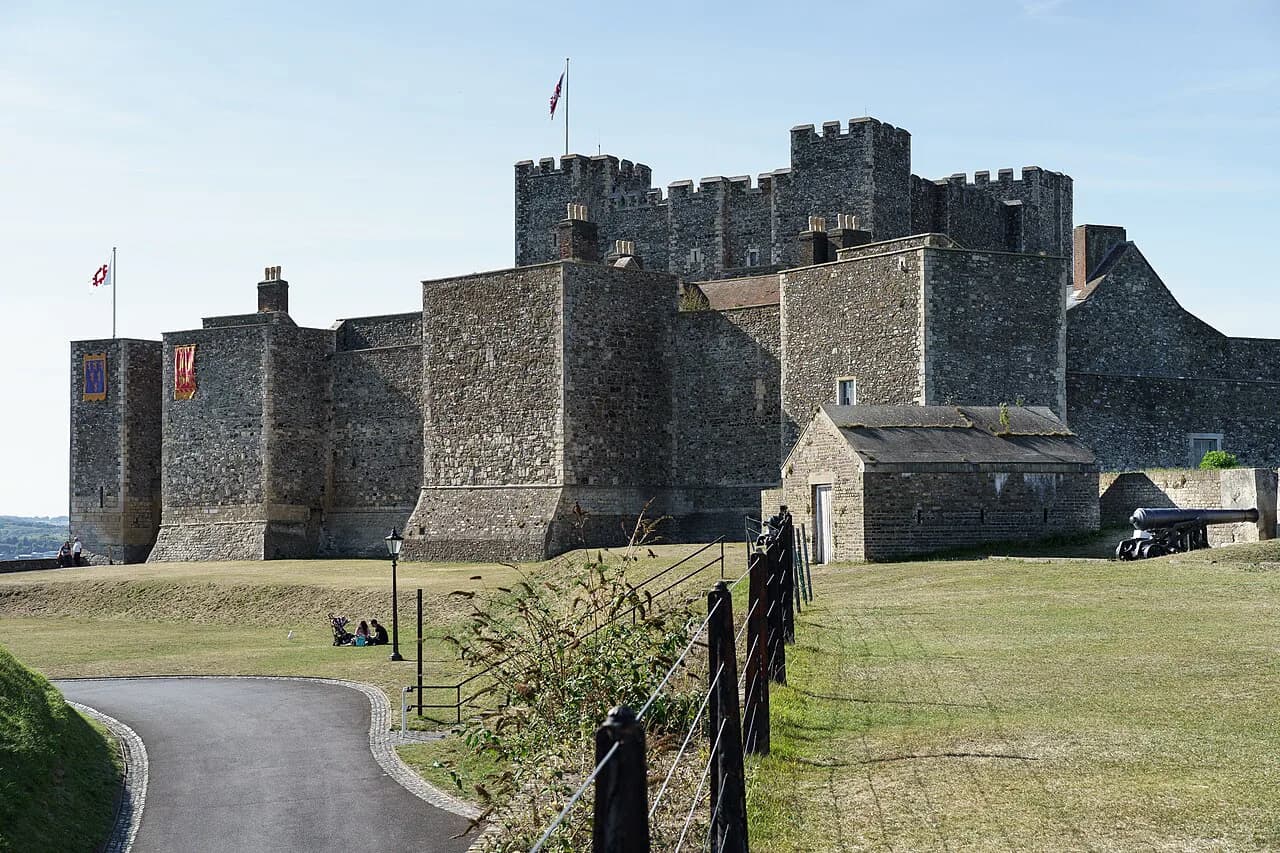
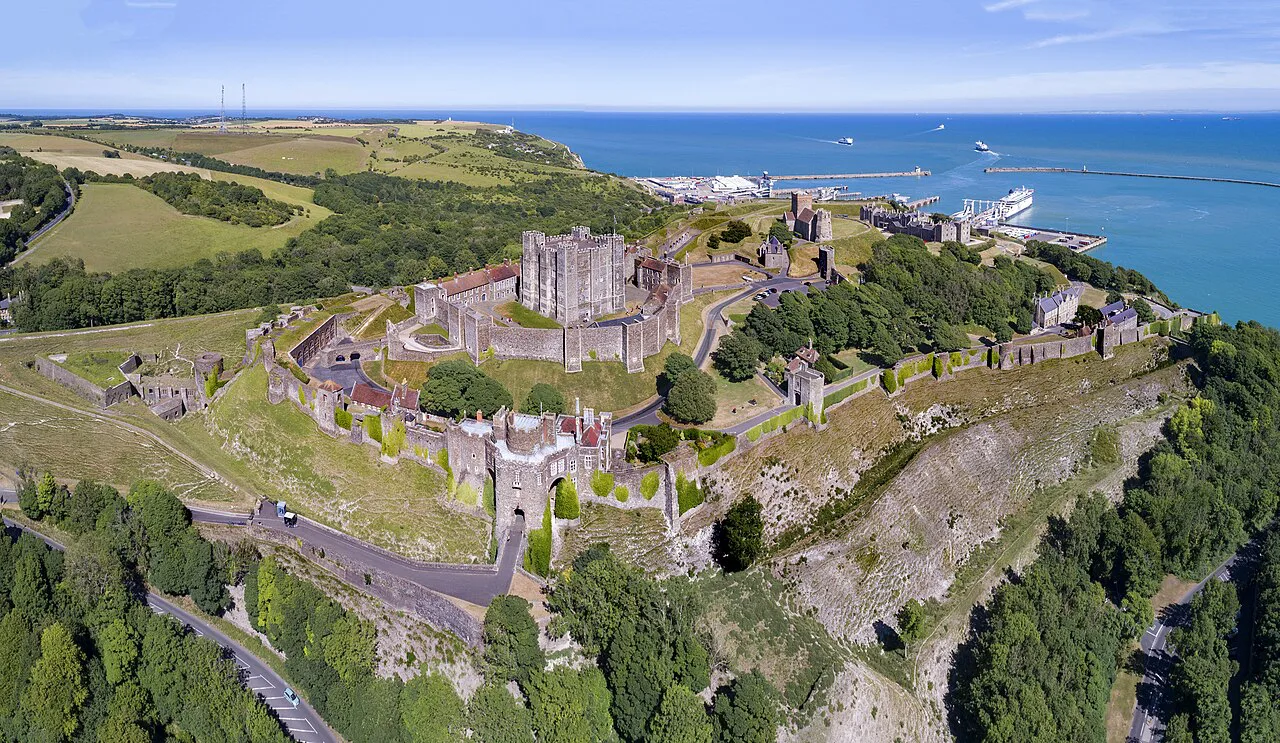
Dover is best understood as a gateway rather than a single attraction: a port town where Roman, medieval and wartime layers sit within walking distance of each other. The quickest way into its story is to follow the sites, from the Roman lighthouse on the castle hill down to the harbour and the town hall. The local heritage record traces Dover Castle from an Iron Age hillfort through to one of Europe's most heavily fortified medieval castles.
You can cover the core of it in a day if you keep to the castle hill and the town centre, and give the cliffs and the museums a second day. Plan around the hill climb, the tunnels and the weather rather than around a checklist.
Roman Dover: The Pharos and the Painted House
Dover's Roman remains are unusual for a British town because two very different kinds survive within a short walk. On the castle hill stands a Roman lighthouse, the Pharos, which the town's tourism guide lists among the few remaining Roman lighthouses in the world. Down in the town, the Roman Painted House preserves a villa with murals and underfloor heating.
The Painted House was discovered in 1970, and its walls and hypocaust displays give a concrete sense of domestic life in Roman Dover rather than a case of loose finds. Pair it with the lighthouse for a half-day that covers Roman engineering above ground and Roman comfort below it.
The Hillfort and the Making of Dover Castle
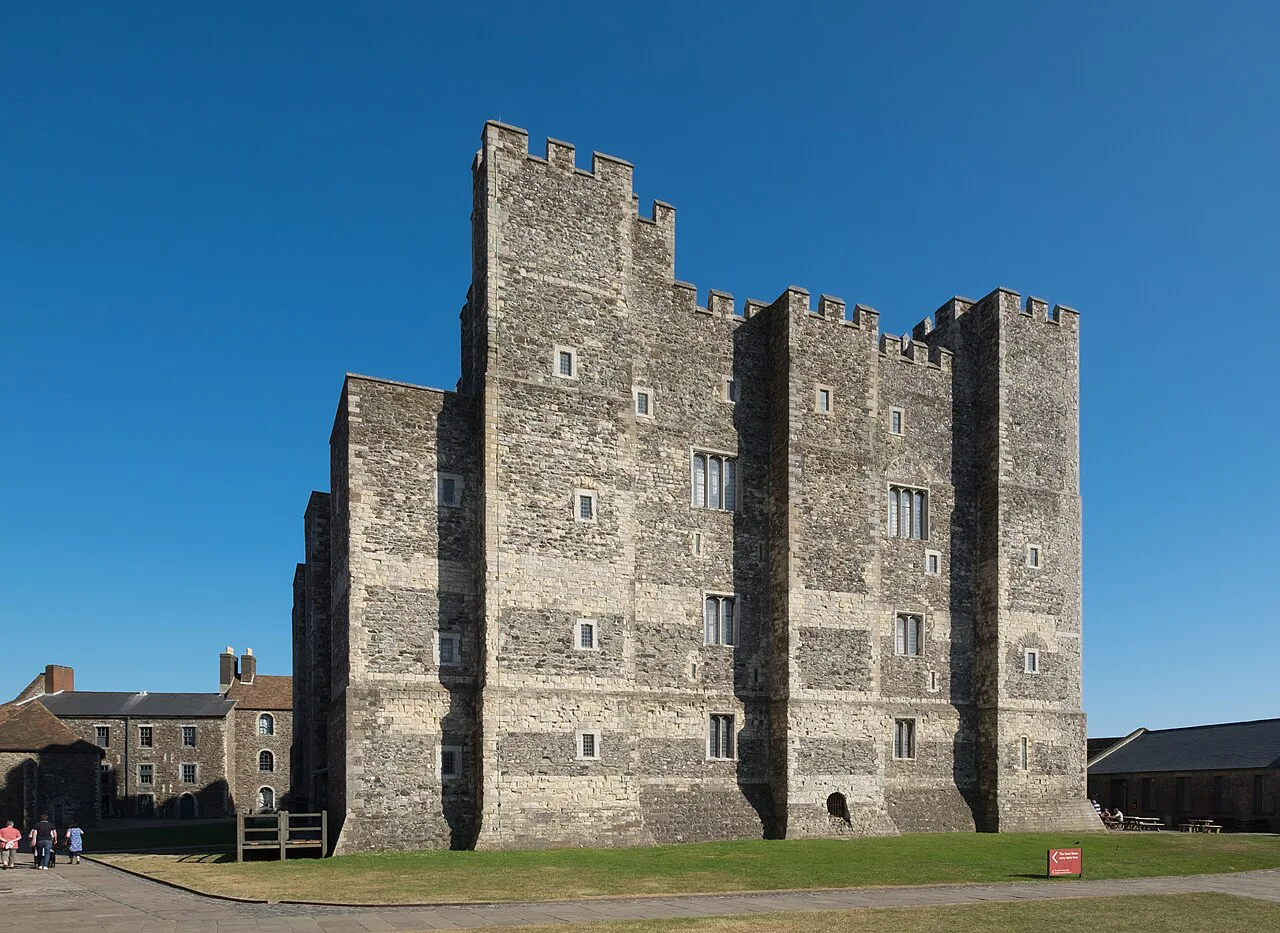
Before there was a castle there was a hillfort, and the site's value is obvious once you are on top: it commands the town, the harbour and the shortest crossing to the continent. Dover Castle grew from that Iron Age origin into a heavily fortified medieval stronghold with a long record of royal use. Expect a steady climb from the town centre to reach it, and build that into your morning rather than your lunchtime.
The reward for the climb is a site layered in sequence: Roman work, medieval walls and twentieth-century defence in one enclosure. Because the castle sits directly above the town, it works well as the first stop of the day, leaving the centre for the afternoon.
Henry II's Great Tower and the Siege Story
Inside the castle, the Great Tower is the piece most visitors remember, and the tourism guide frames it as a chance to step into the royal court of Henry II. The same guide highlights the immersive Dover Castle Under Siege presentation, which tells the story of the castle under attack rather than as a furnished palace.
Medieval Dover was fortified repeatedly, so the walls you walk past are a palimpsest rather than a single build. Read the interpretation boards as you go: they explain which phase you are looking at, and the difference between the Norman keep and the later defences makes far more sense on site than in a summary.
The Secret Wartime Tunnels and the Underground Hospital
Dover's Second World War story is told underground, in the Secret Wartime Tunnels cut into the White Cliffs beneath the castle. The atmospheric Underground Hospital is the most affecting part of that network, and the tourism guide treats the tunnels as a headline reason to visit the castle at all.
Tunnel sections involve enclosed passages and steps, so they suit some visitors better than others; if stairs are a problem, ask at the castle what the accessible route covers before you commit to a ticket. Allow extra time beyond the main castle buildings, because the tunnels sit below the hill and take real walking to reach. Timed entry arrangements change, so confirm them when you book.
Maison Dieu: 800 Years of Pilgrims and Town Government
The Maison Dieu is Dover's town hall and around 800 years old, founded by Hubert de Burgh as a place of hospitality for pilgrims travelling to the shrine of Thomas Becket at Canterbury. It later became the seat of town government, which is why a building built for travellers now houses the council.
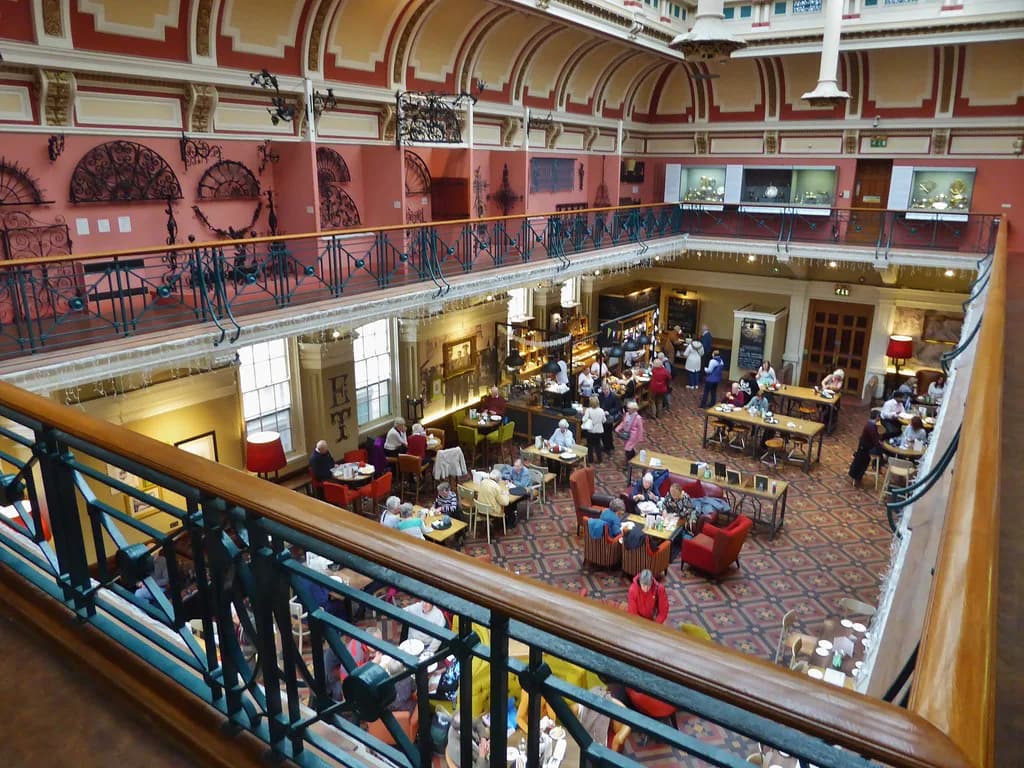
A multimillion-pound restoration has brought the interiors back into use, and the tourism guide presents the remarkable rooms as the reason to go inside rather than simply admire the frontage. Check opening arrangements before you build a visit around it, since a working civic building does not keep museum hours. It sits close to the museum quarter, which makes it an easy pairing with Dover Museum.
The White Cliffs and South Foreland Lighthouse
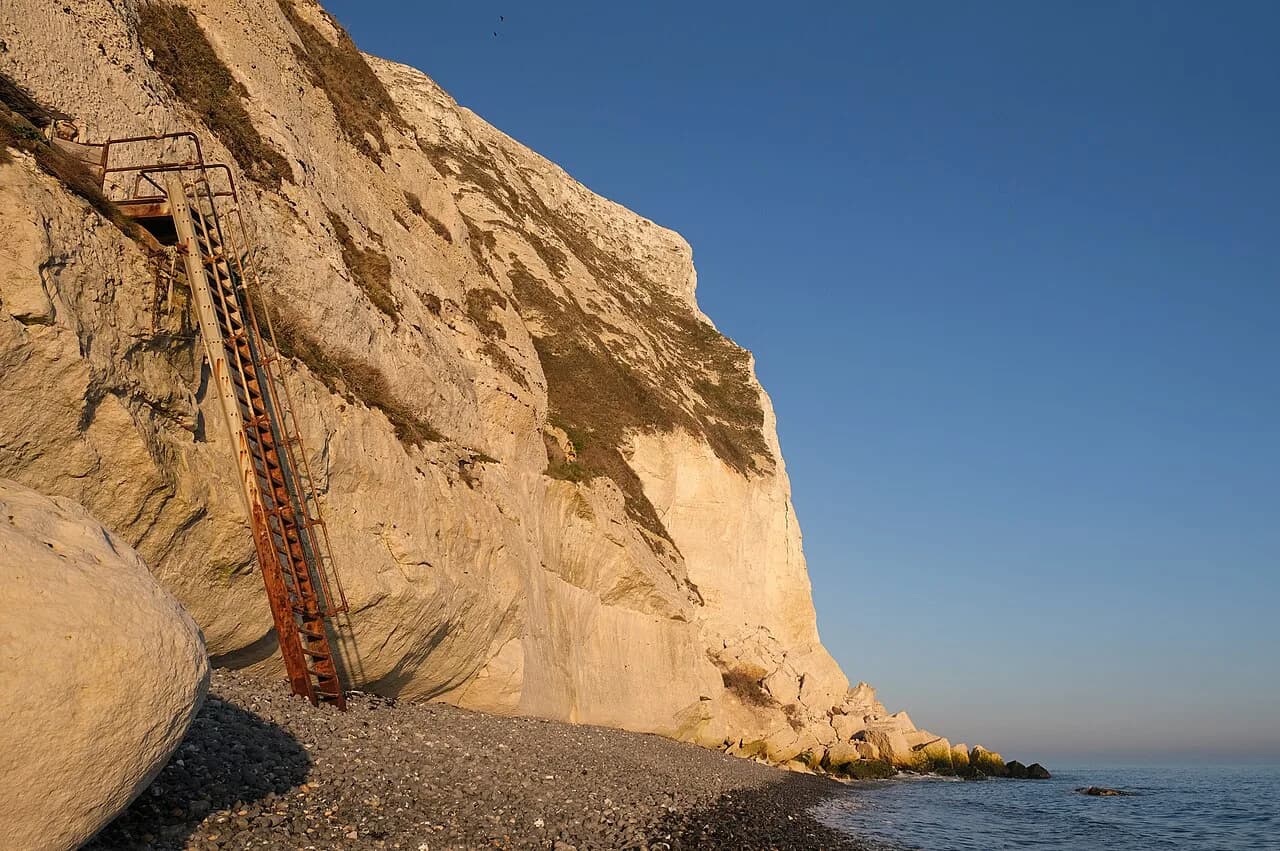
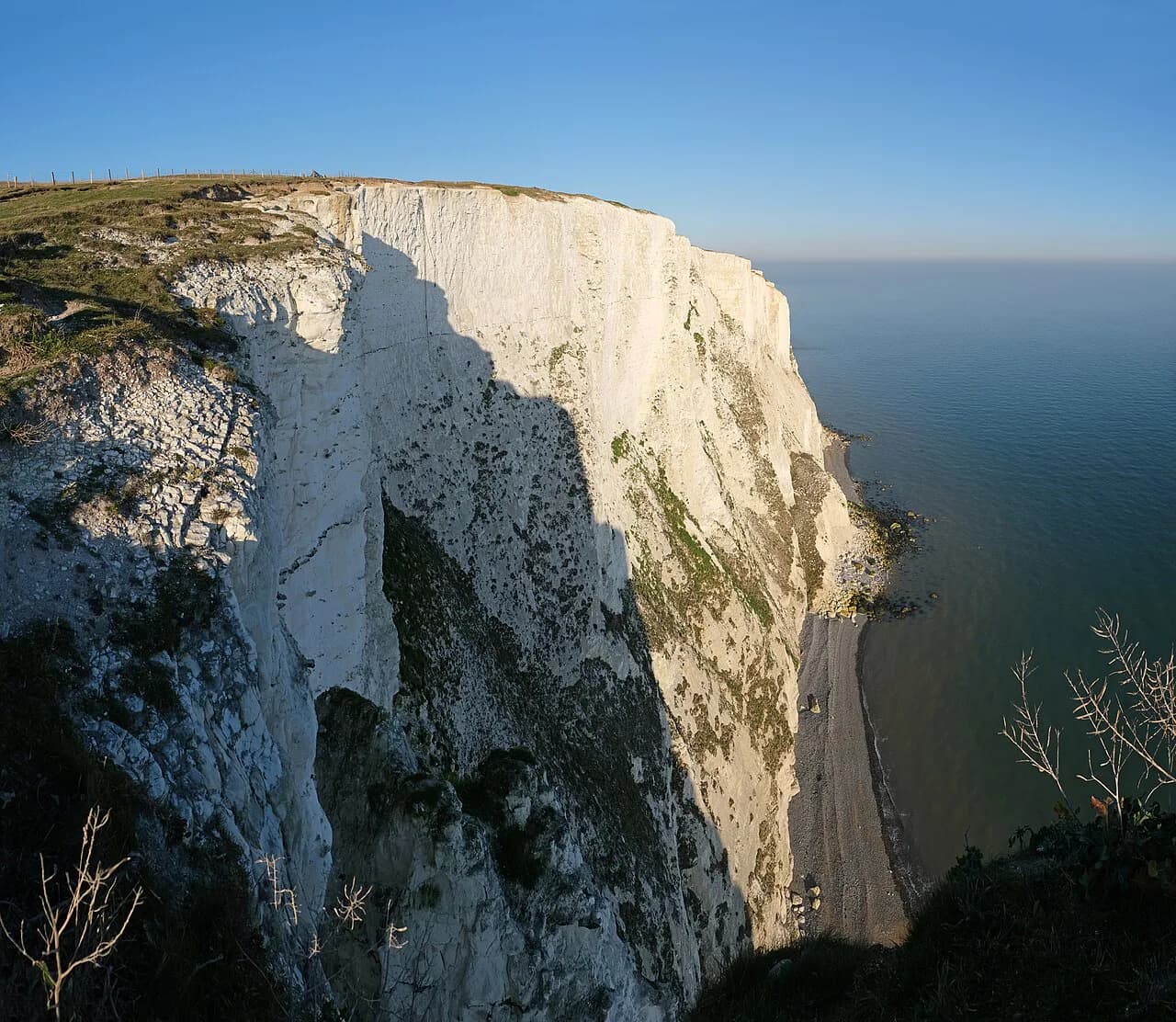
The White Cliffs are the chalk face of the same story: the coastline that made Dover a gateway also made it a landmark to be lit and defended. A clifftop walk runs towards South Foreland Lighthouse at St Margaret's Bay, the site of Faraday's work on electric lighthouse signals and of Marconi's first ship-to-shore radio transmission.
The National Trust runs guided tours of Fan Bay Deep Shelter, the Second World War tunnels in the cliffs, which adds a wartime layer to a walk that is otherwise about chalk and views. Treat the cliff path as exposed walking: wind and rain change the experience completely, and sturdy shoes matter more than a camera.
The Harbour and Port: A Cross-Channel Gateway
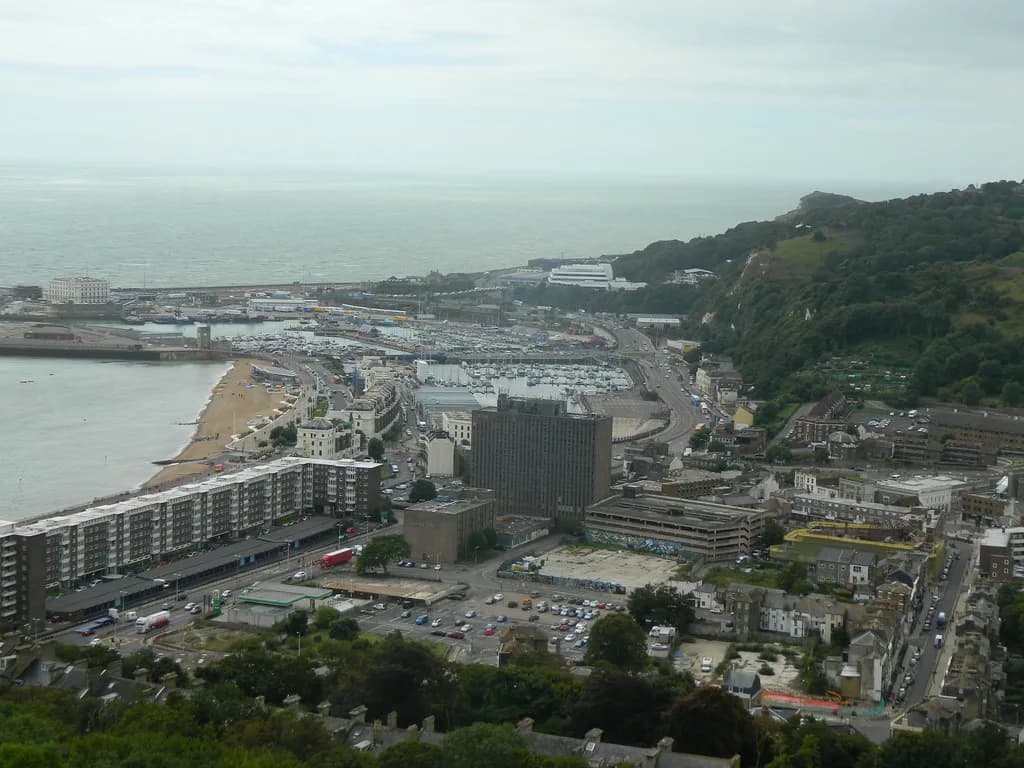
Dover's identity is bound up with the crossing, and the tourism guide describes the town squarely as the Gateway to England, welcoming millions of visitors a year. The harbour is still a working port, so the waterfront gives you ferries and cruise ships rather than a heritage quay.
The new Marina Curve is the place to take that in, with places to eat and drink along the seafront and live music on summer Sundays. For a different angle on the same water, boat trips run from the harbour.
Dover's Museums: Bronze Age Boat and Local Collections
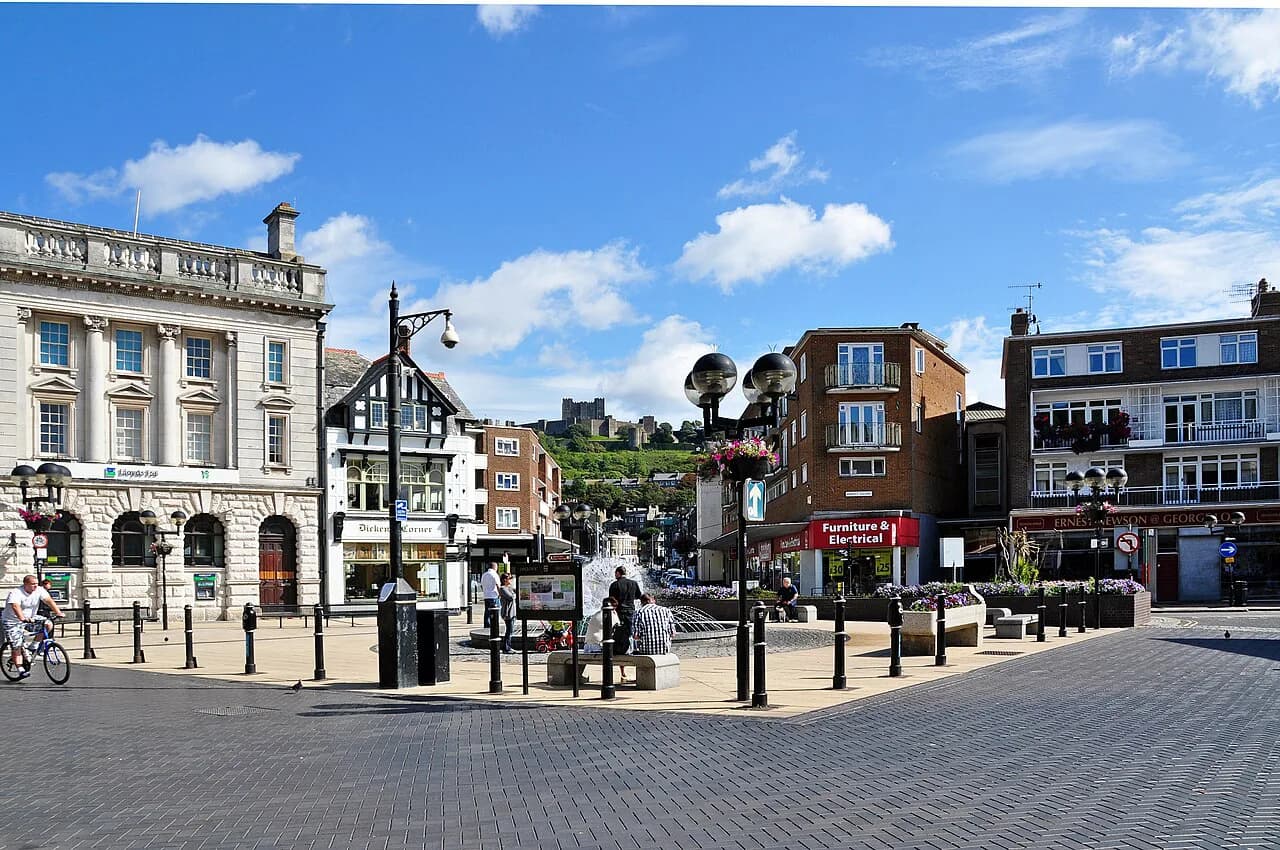
Dover Museum holds the town's largest and most varied collection, and its Bronze Age Boat Gallery displays a vessel the museum describes as the world's oldest known sea-going craft. It also houses the White Cliffs Country Visitor Information Centre on Market Square, which makes it a sensible first stop for maps and orientation.
Smaller collections round out the picture: the Princess of Wales's Royal Regiment and Queen's Regiment Museum traces the regiment's history, Dover Transport Museum covers the town's travel story, and Crabble Corn Mill illustrates its milling past. These are the places that fill in the everyday life the castle cannot show you.
Streets and Street Names: Biggin Street and Castle Street
Dover's street names carry the chronology. Biggin Street ran between the Maison Dieu at one end and Biggin Gate at the other, both built in the early part of the thirteenth century, so a single shopping street records the medieval town plan. If medieval town planning is what draws you, the history of Liverpool offers a comparable walk through streets that still show their origins.
Castle Street owes its existence to a nineteenth-century letting of building land advertised in the local paper, and the town's historic pubs, from the sixteenth-century Adam and Eve onwards, trace a social history that runs alongside the civic one. Walking these streets is free and takes an hour, and it explains the shape of the town better than any single exhibit.
Getting Around the Historic Sites on Foot
Most of historic Dover fits into a compact circuit: the Maison Dieu sits about 0.28 miles from Dover Museum, the regimental museum about 0.38 miles, and the castle about 0.44 miles, all measured from the town centre.
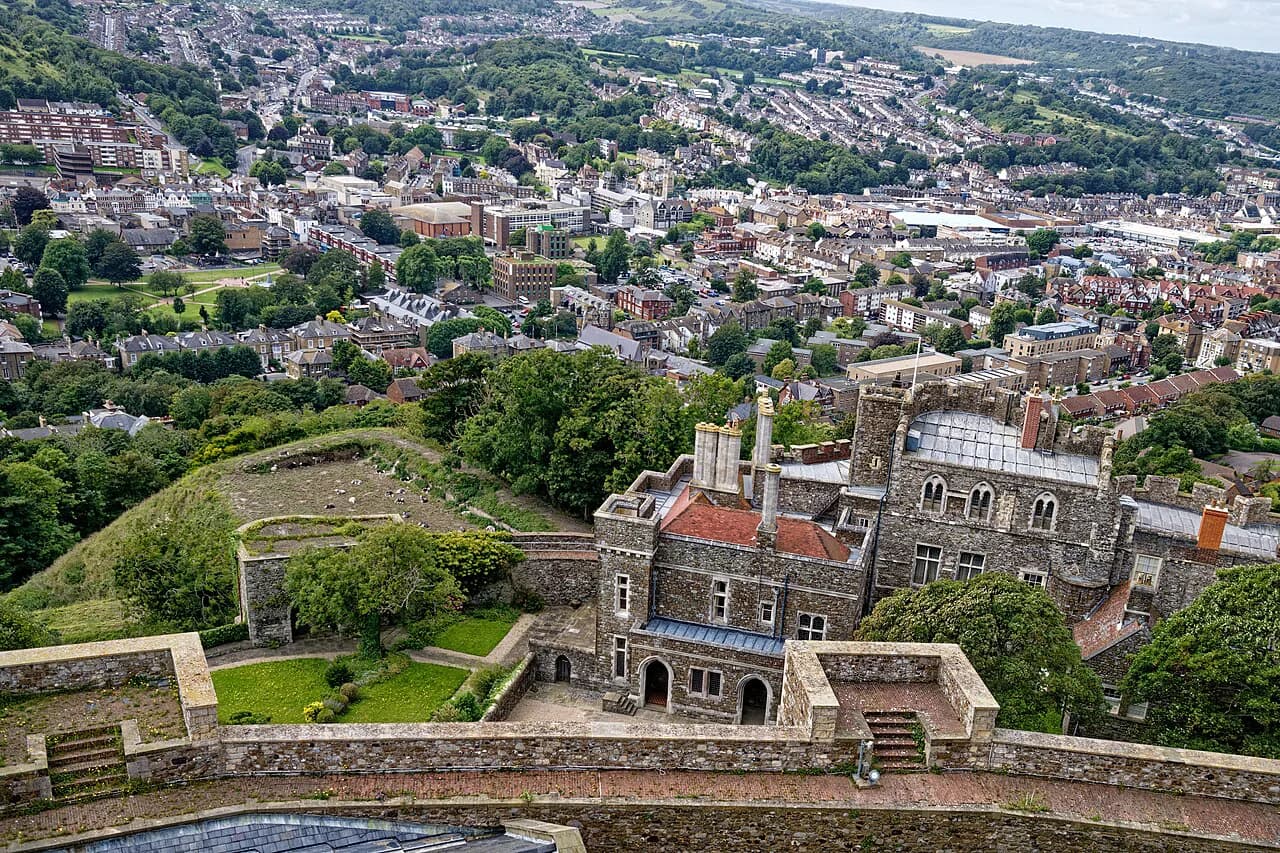
Those distances are short but not flat, because the castle sits on the hill above the town and the cliff sites climb further still. Fan Bay Deep Shelter is around 1.26 miles out and Samphire Hoe about 2.13 miles, so the cliffs are a separate excursion rather than a stroll between museums.
How Long to Allow and What to Book Ahead
Give Dover Castle the better part of a day if you want the Great Tower, the walls, the siege presentation and the wartime tunnels, which sit below the hill and take time to reach and walk through. Dover Museum and the Maison Dieu together suit a shorter block in the centre.
Book ahead for anything timed: castle entry, the Fan Bay Deep Shelter tour and any harbour trip all depend on slots rather than walk-ups. Ticket prices and opening times are set by each operator, so confirm them directly when you book.
Practical Trade-offs: Steps, Tunnels and Cliff Weather
The honest trade-offs are stairs, enclosed tunnels and exposure. The castle hill is a climb, the wartime tunnels and the Underground Hospital involve narrow passages, and the cliff path to South Foreland and Fan Bay is open to wind and rain off the Channel.
Balance an underground morning with an outdoor afternoon rather than stacking both cliff sites on the same day, and keep a town-centre option in reserve for wet weather. The museums and the Maison Dieu make a workable wet-day fallback.
Where to Stop for Tea Between Sites
For a break between the castle and the town, the tearoom at Pines Garden behind the cliffs at St Margaret's Bay gives you a garden setting on the cliff side of town.
Closer in, Kearsney Abbey Park and Russell Gardens make a green pause away from the port traffic, and the Marina Curve has places to eat and drink along the seafront.
A One-Day and a Two-Day Shape
With one day, start at Dover Castle for the Great Tower and the wartime tunnels, walk down for the Maison Dieu and Dover Museum, then finish on the Marina Curve or the seafront. That sequence follows the town's chronology from hillfort to port without doubling back up the hill.
With two days, keep the second for the cliffs: the walk towards South Foreland Lighthouse, a booked Fan Bay Deep Shelter tour, and Samphire Hoe if the weather holds. The Roman Painted House and the medieval street walk slot neatly into either day.
Explore more Dover guides
Frequently Asked Questions
When was Dover Castle built?
It did not appear in a single campaign. The site began as an Iron Age hillfort and was repeatedly fortified through the medieval period, becoming one of Europe's most heavily fortified castles with strong royal connections. You see those phases stacked on the hill above the town.
Why does Dover have White Cliffs?
The cliffs are chalk, the same geology that gives the coastline its colour and its exposure to weather off the Channel. They are also why Dover works as a landmark and a defensive site, which is why the castle and the wartime tunnels sit in and beneath them.
What part of England is Dover in?
Dover is in Kent, in the south-east of England, in the district known as White Cliffs Country. It is not in Sussex; its neighbours along this stretch of coast include Deal, Folkestone and Sandwich.
What Roman remains can you see in Dover?
Two stand out: the Roman lighthouse known as the Pharos on the castle hill, and the Roman Painted House in the town, discovered in 1970, with murals and underfloor heating. Together they show Roman Dover above ground and inside a villa.
Is Dover Museum free?
The museum holds the district's largest collection, including the Bronze Age Boat Gallery and the visitor information centre on Market Square. Entry arrangements are set by the museum, so check its current terms before you go.
What is the Maison Dieu in Dover?
It is Dover's town hall and around 800 years old, founded by Hubert de Burgh to offer hospitality to pilgrims heading for Thomas Becket's shrine at Canterbury. A major restoration has brought its interiors back into use.
Sources
Notes for your next city break
Optional updates to our UK city guides.
You might also like
Continue reading
More guides you'll find useful