Things to Do in Dover: Castles, Cliffs & Historic Towns
Plan a Dover break around Dover Castle, the White Cliffs, Dover Museum's Bronze Age boat, and the historic towns of Deal and Sandwich nearby.
On this page
Dover works best as a short break built around three things: a large hilltop castle, the chalk cliffs above the Channel, and a museum holding a prehistoric boat. Give it a full day minimum, and two days if you want Deal and Sandwich, which the local tourism board presents as part of the same White Cliffs Country.
The catch is geography. The castle sits uphill from the station, and the cliff trails begin further out along a busy road, so a Dover day involves more walking than the map suggests. Plan the castle for the morning, when the tunnel tours are quieter, and leave the afternoon for the cliffs.
Dover in Brief: What the Town Offers and How Long to Allow
The tourism board for the area counts over 100 visitor attractions, 20 miles of coastline and three castles across Dover, Deal and Sandwich, which tells you the destination is bigger than the town itself. Dover supplies the castle, the Roman lighthouse, the museum and the cliffs; Deal and Sandwich supply Georgian seafront, medieval streets and river trips.
One day covers Dover Castle and the White Cliffs if you start early and accept tired legs. Two days lets you add Dover Museum and one of the neighbouring towns at a civilised pace. Three days makes a genuinely relaxed base for Deal, Sandwich and the green spaces around town.
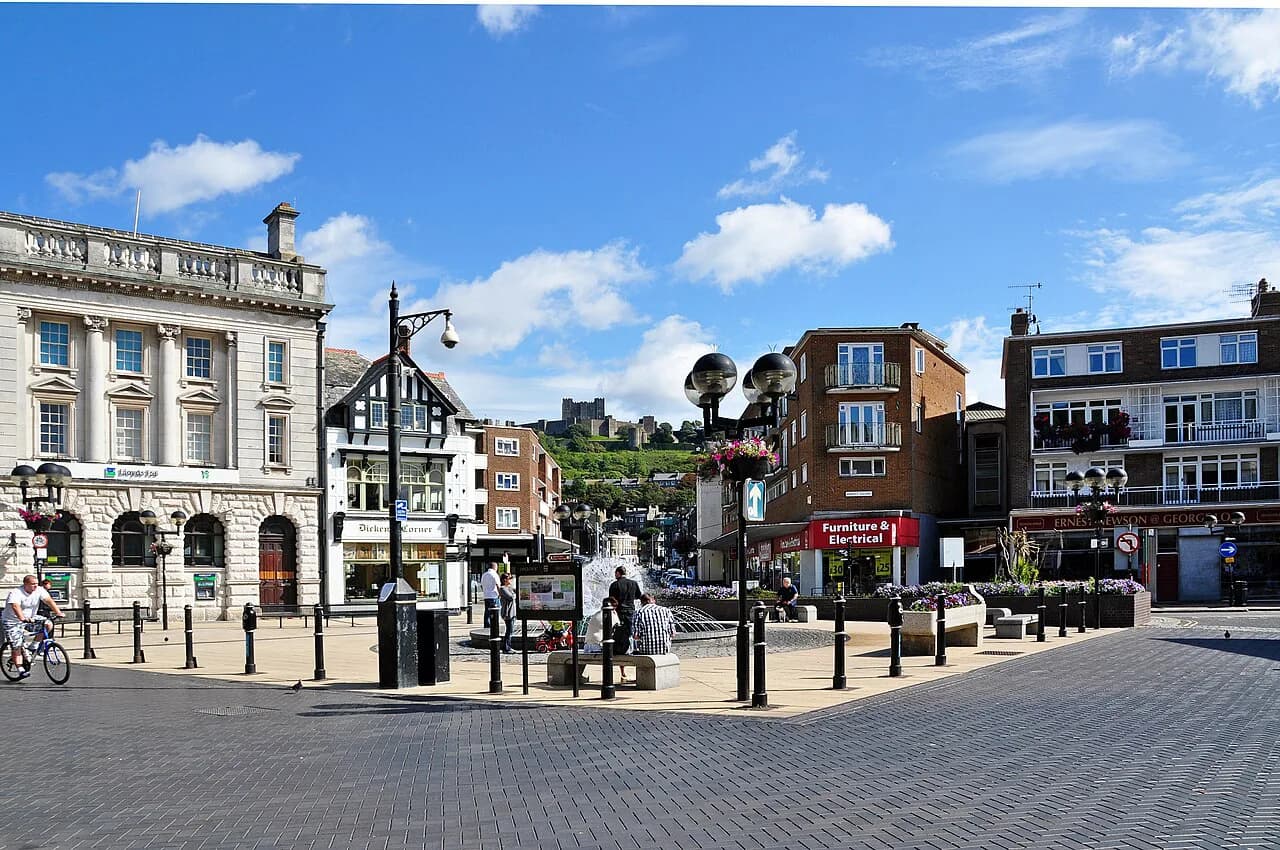
Dover town centre itself is functional rather than pretty, and the castle and cliffs are the real draw. Treat the town as a place to sleep, eat and catch trains rather than a sightseeing destination in its own right, and you will enjoy the trip more.
Dover Castle: What to See and How Long to Stay
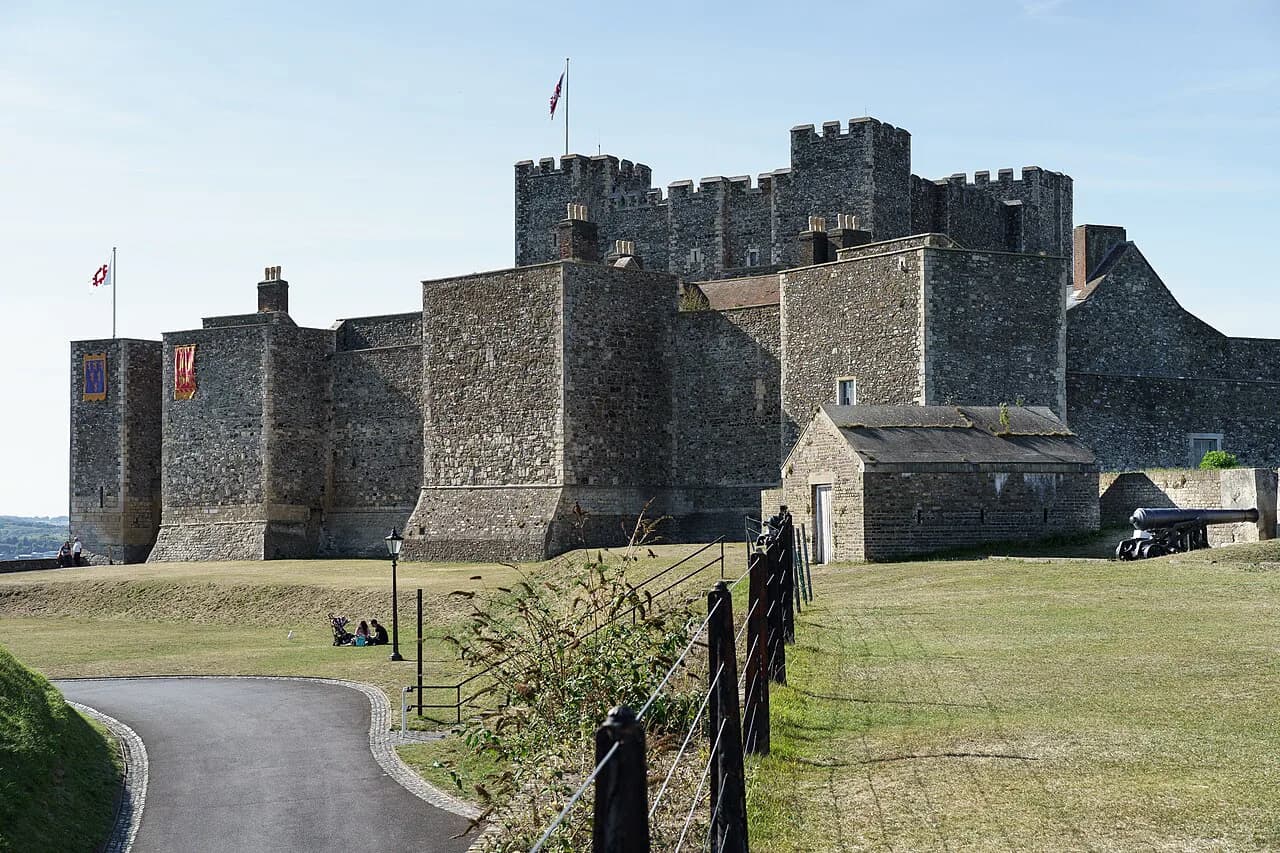
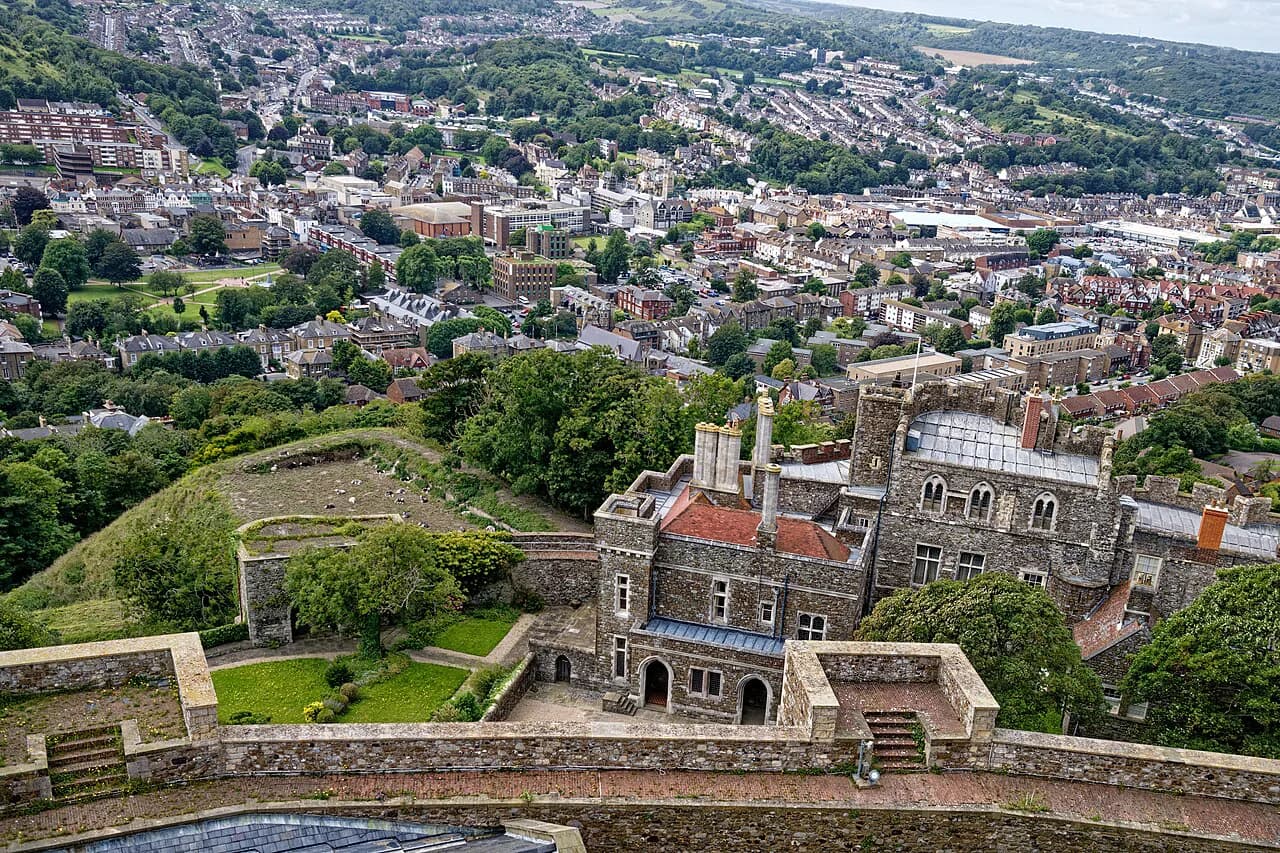
Dover Castle is an English Heritage site and one of the best-preserved castles in the country, with substantial standing walls rather than the fragments you find at many ruins. The grounds are large and scattered with small exhibitions in different buildings, so bring a plan and expect to walk between them.
Two guided exhibitions are the highlight: the secret wartime tunnels and the underground hospital, both with immersive elements. Tours run on a schedule roughly every half hour with a limited number of places per group, and they are included in admission. Queues build sharply by midday, so head for the tunnel entrance first rather than last.
Allow a few hours rather than a quick stop: a two-hour visit leaves no time for the tunnels, the hospital or the ramparts. There are cafes, toilets and a shop on site, so you can stay through lunch without leaving the castle.
Book admission online before you travel and check the day's tour arrangements when you arrive, since tunnel capacity is limited and the schedule governs your day. This is the one Dover sight where advance booking genuinely changes the experience.
The White Cliffs of Dover: Walking and the National Trust Visitor Centre
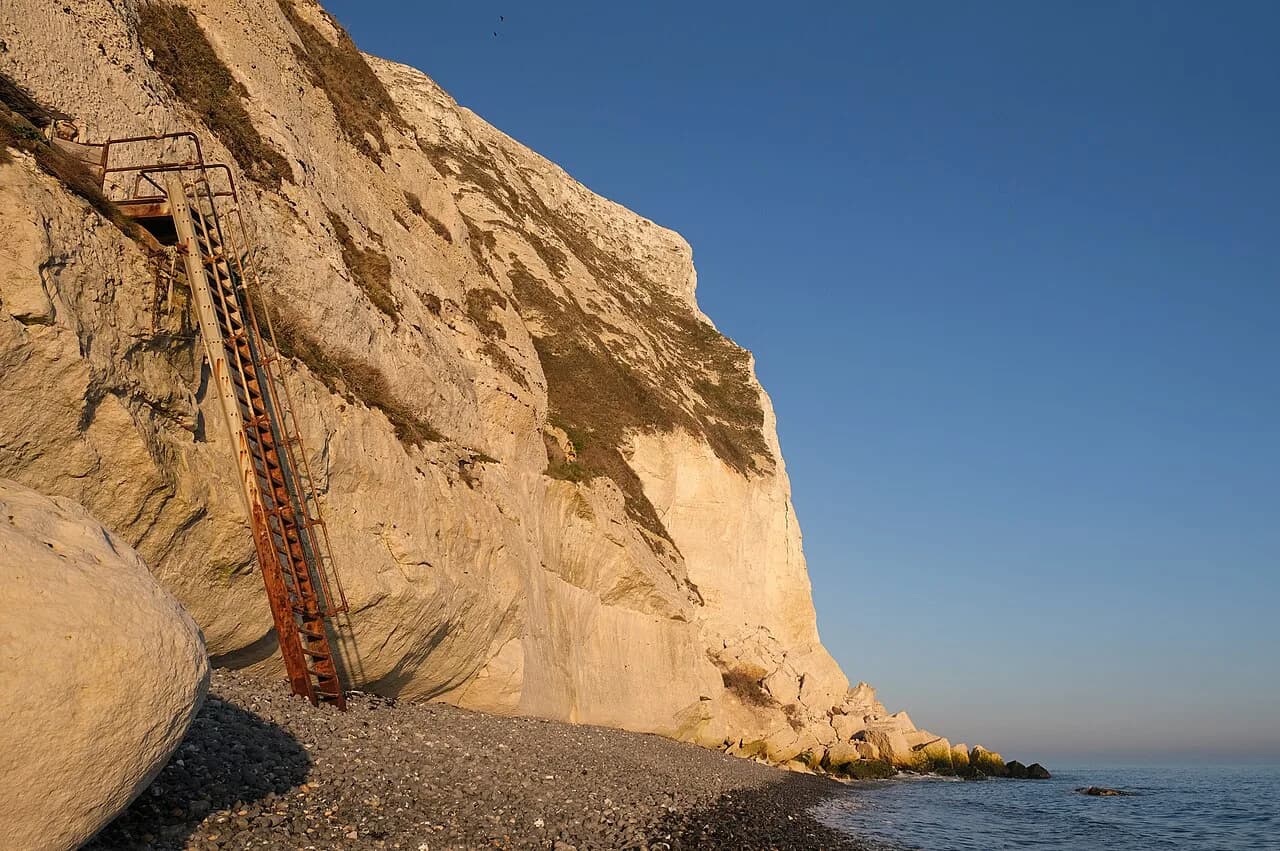
The White Cliffs are National Trust land, and the trail entrance has a visitor centre with a cafe and gift shop. The walk from the castle to the trailhead follows a busy road through the town centre, so allow extra time and keep your wits about you at crossings.
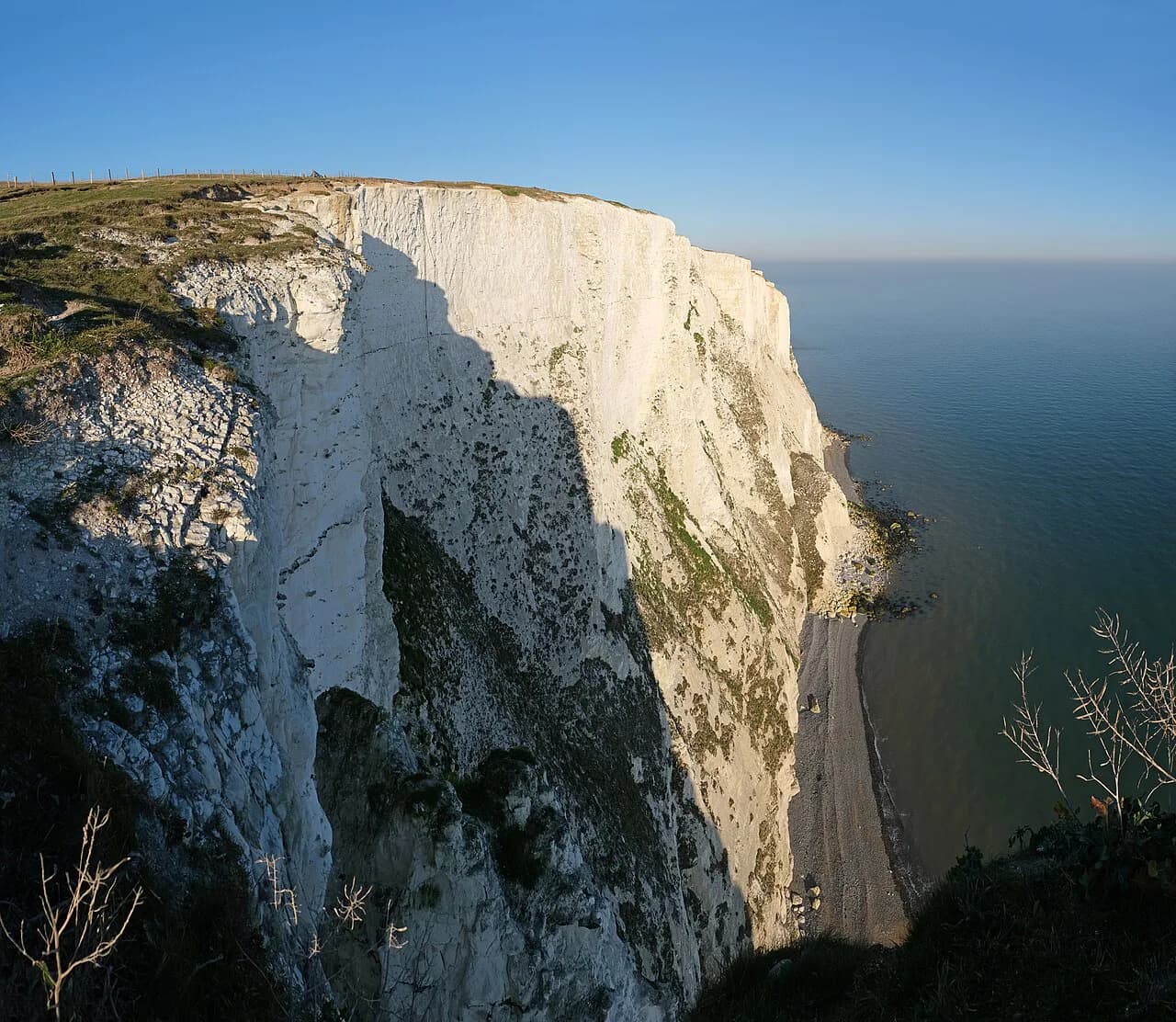
Once on the cliff path the views open up across the Channel, and on a clear day you can see France. The walk to the lighthouse takes roughly an hour from the visitor centre, with plenty of photo stops along the way, so budget a half day for the round trip.
Do not rely on the cafe for a late lunch; kitchen hours can end earlier than expected. Carry water and a snack, and treat any food stop as a bonus rather than the plan.
For a different view of the cliffs, consider Dover boat trips along the coast; the local tourism board lists River Runner trips as a way onto the water.
Dover Museum and the Bronze Age Boat
Dover Museum holds the 3,500-year-old Bronze Age Boat, a surviving wooden vessel from the town's prehistoric past. It is the single best indoor sight in Dover and a sensible choice when the weather turns or you have time before a train.
The museum sits in the town centre, close to the shopping streets and within walking distance of the station, which makes it easy to slot in around the castle and cliffs. An hour or so covers the boat and the local history displays without eating into the rest of your day.
Dover's story runs from Roman times through the medieval pilgrim route to the wartime tunnels, and the museum gives that long timeline a shape before or after you see the sites themselves.
The Roman Lighthouse, Forts and Other Heritage Sites
Dover's heritage reaches well beyond the castle. The tourism board highlights a Roman lighthouse, forts, an ancient pilgrim route and a beach where Channel swimmers train, all within the Dover area.
The Roman lighthouse stands within the castle grounds, so you can see it on the same ticket as the wartime tunnels and the great tower. The forts around the town reflect Dover's long military role, and the pilgrim route recalls the town's medieval importance as a crossing point.
If you want the deeper background before you go, the town's history repays a little reading; it makes the castle and the harbour make far more sense on the ground.
Dover Town Centre, Harbour and Seafront on Foot
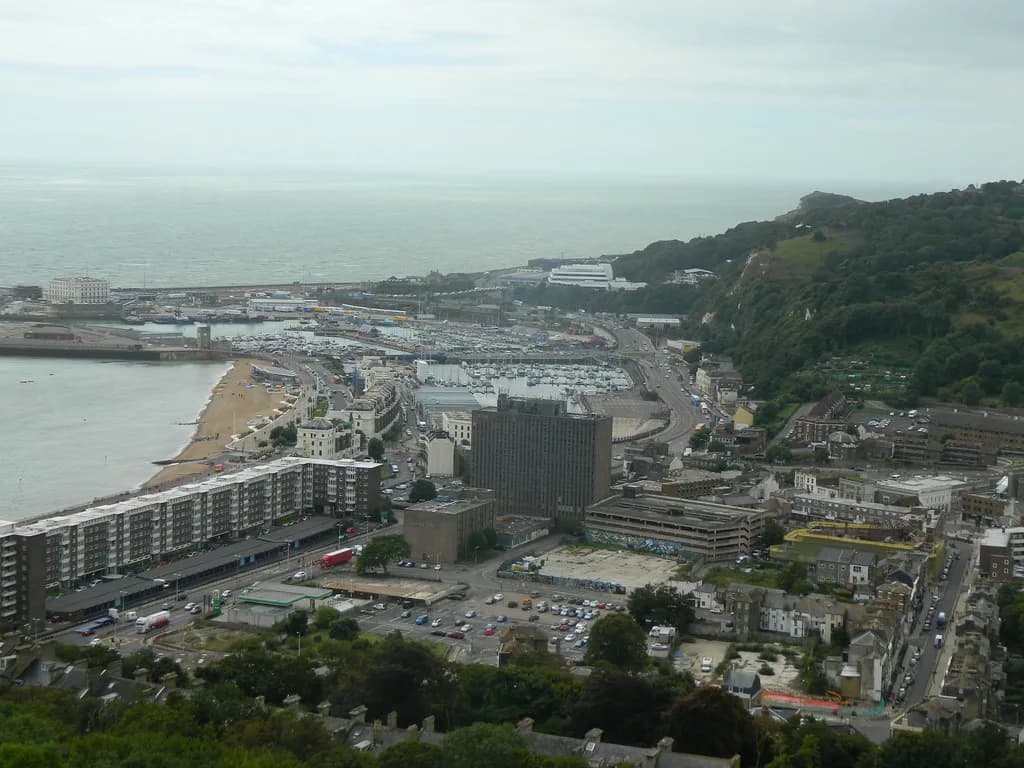
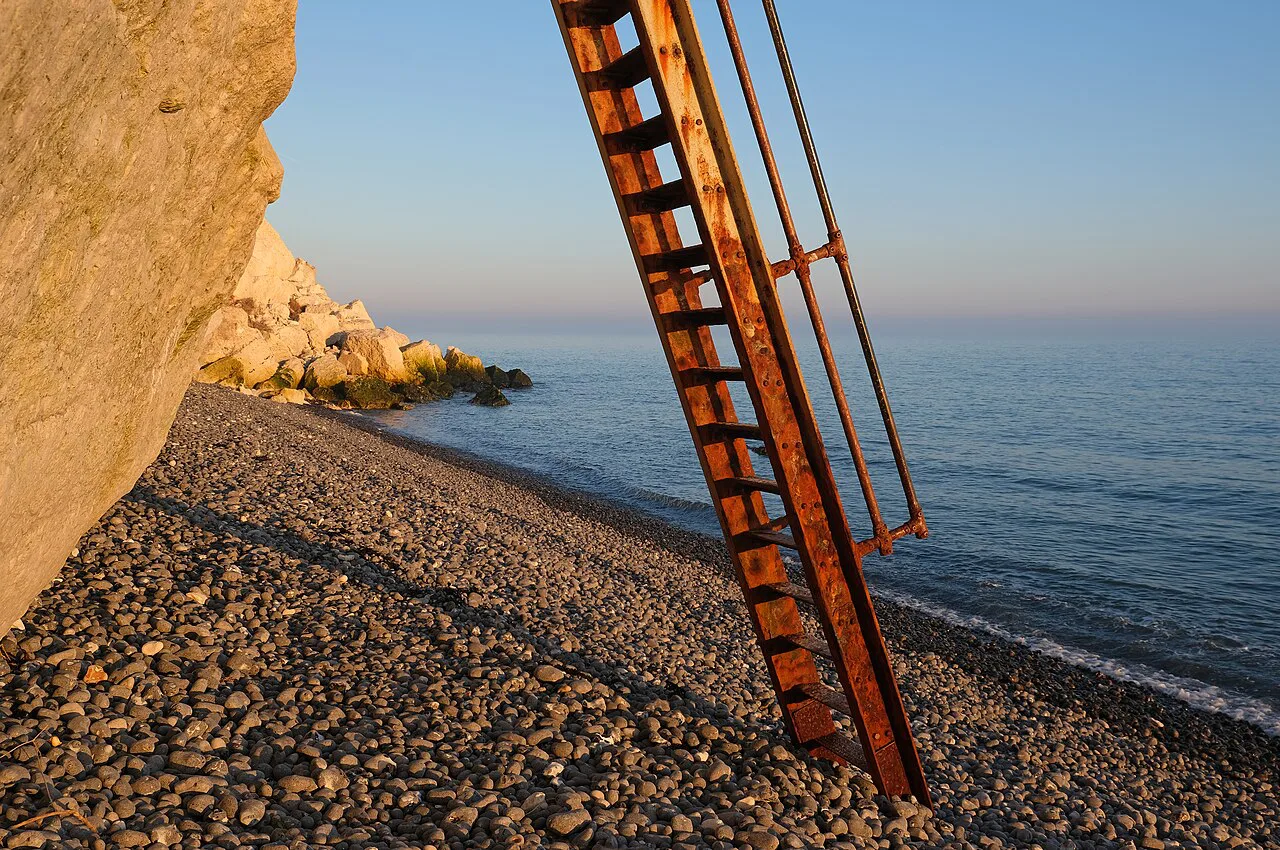
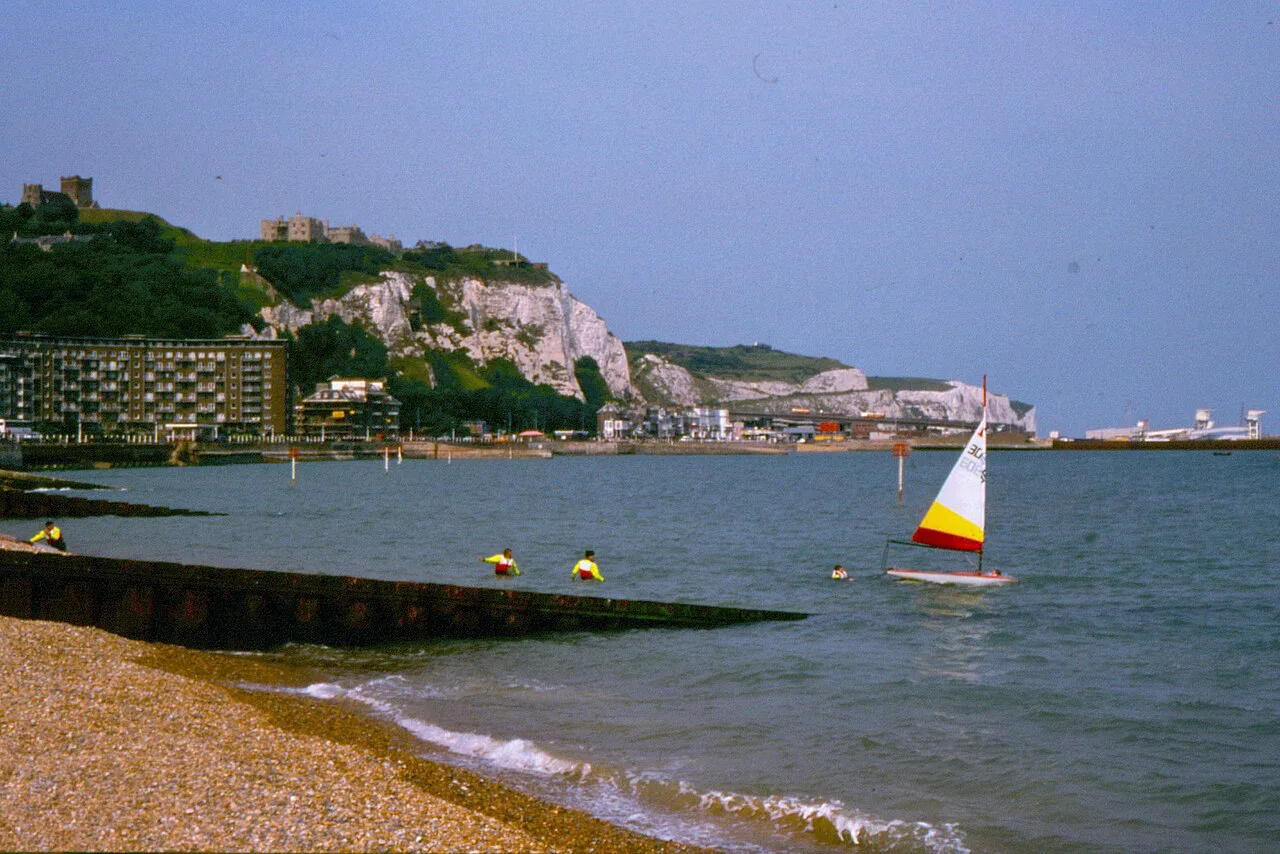
The town centre, marina and seafront form a compact walking loop that takes an hour or two at an easy pace. The harbour and beach area are worth a stroll before your train, especially in the evening light when the cliffs glow.
Dover is a working port as well as a resort, so the seafront mixes ferries, fishing boats and a beach used by endurance swimmers. It is not a traditional seaside town, but the harbour gives the place its character and a sense of arrival and departure.
Set aside an hour at the end of the day for the waterfront rather than squeezing it between the castle and the cliffs. It is the kind of place that rewards a slow wander rather than a checklist.
Getting to Dover from London by Train
Direct Southeastern high-speed trains run from London Stratford International to Dover in roughly an hour. Fares can be steep at peak times, so book in advance rather than turning up on the day.
From Dover Priory station the castle is an uphill walk into town; allow twenty minutes or so with luggage. If you are carrying bags, drop them at your accommodation first rather than hauling them up the hill.
A day trip from London is entirely feasible: morning train, castle and tunnels before lunch, cliffs in the afternoon, and an evening train home. The one risk is the tunnel queue; if you miss a tour slot, the day gets tight.
Getting Around Dover: Hills, Busy Roads and Walking Times
Dover is a walking town with two steep sections: the climb from the station and town centre to the castle, and the walk out to the cliff trails along a busy road. Neither is long, but together they add up over a day.
Wear proper shoes for the cliffs and the castle grounds, which are uneven and exposed to wind. In wet weather the chalk paths get slippery, and the castle courtyards hold water, so a spare pair of socks is not a bad idea.
Buses and taxis can shorten the trudge to the cliff entrance if you are short of time or travelling with children. Otherwise, accept the walk as part of the day and plan fewer sights rather than rushing between them.
Deal: Pier, Georgian Seafront and Independent Shops
Deal is a seaside town with fishing boats pulled up on the beach, a pier, a colourful Georgian seafront and streets that once sheltered smugglers. It also has a strong independent food, music and arts scene, which makes it a good base or a rewarding half day from Dover.
A morning on the pier and seafront followed by lunch and a wander through the independent shops is a fair pace for Deal. Add a castle if you have time, and treat the town as the relaxed counterpoint to Dover's castle-and-cliffs intensity.
Sandwich: Medieval Streets, Ancient Churches and River Trips
Sandwich is a Cinque Port that now sits inland, and its medieval streets, ancient churches and independent shops make it the most atmospheric of Dover's neighbours. Cafes, bars and outdoor events fill the calendar, and riverboat trips run from the town.
Combine the town with a nearby Roman fort for a half day that mixes architecture and archaeology. Sandwich suits a slower pace than Dover, so leave the car or train at the edge and walk the old streets on foot.
Kearsney Parks and Green Space Around Dover
Kearsney Parks give Dover a green escape, with the tourism board listing them among the area's ideas for a day out. The parks sit a short train or bus ride from the town centre and make a gentle half day for families or a rest day between castle and cliffs.
Russell Gardens are the usual starting point, and the riverside walks connect up with the wider parkland. Combine the parks with a picnic if you want to keep costs down, since there is plenty of open grass.
Where to Eat and Drink in Dover, Deal and Sandwich
Dover has cafes and restaurants on site at the castle, and the town centre has enough variety for a quick lunch or an early dinner before the train. Deal and Sandwich are the places to linger: both have independent bars, cafes and restaurants that reward an unhurried afternoon.
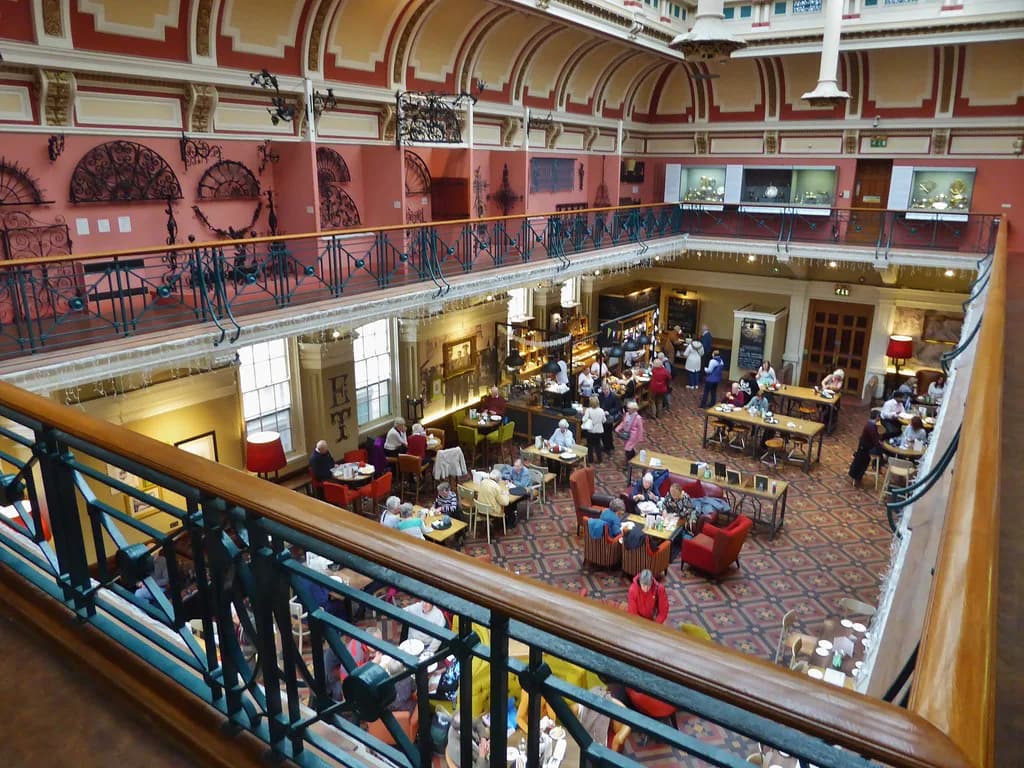
For a proper sit-down afternoon tea, Dover and the surrounding towns have options worth booking ahead. It is worth checking availability before you travel, particularly at weekends.
If you want seafood or a harbour view, keep to the waterfront rather than the shopping streets. The town is small enough to walk between the two in ten minutes, so you can decide on the day.
Practical Trade-offs: Queues, Hills, Seasons and Booking Ahead
The biggest planning risk is the castle's tunnel tours: limited capacity, roughly half-hourly departures, and queues that build by noon. Arrive at opening and go straight to the tunnel area, or accept that you may wait or miss out.
The second risk is your legs. The castle hill plus the cliff walk is a serious day on foot, and adding Dover Museum or a boat trip on top is only sensible if you are reasonably fit and the weather is kind.
For a change of scene, other UK cities offer their own castle-and-museum rhythm; things to do in Birmingham or things to do in Aberdeen make good comparisons if you are building a longer trip around canal towpaths or Aberdeen Art Gallery.
Plan Your Visit
Build your Dover break around the castle and the cliffs, with Deal and Sandwich as the rewards for staying a second day. Book castle admission online, start early, and keep the first morning free for the tunnel tours.
Check English Heritage and National Trust pages before travelling for current opening days and tour times, as these change with the season.
Explore more Dover guides
Frequently Asked Questions
What is the best way to see the White Cliffs of Dover?
Walk the National Trust cliff path from the visitor centre, which gives the classic views back along the chalk face. Allow about an hour each way to the lighthouse, carry water, and do not count on the cafe for a late lunch.
Is Dover in Kent?
Yes. Dover is in Kent, on the Channel coast, and forms part of the White Cliffs Country area alongside Deal and Sandwich.
How long should I spend at Dover Castle?
Plan on a few hours rather than a quick stop. The grounds are large, and the secret wartime tunnels and underground hospital tours run on a schedule with limited places, so a two-hour visit leaves little room for either.
Can you do Dover as a day trip from London?
Yes. Direct high-speed trains from London take roughly an hour, so a morning castle visit and an afternoon cliff walk fit into a single day. Book train tickets in advance, as peak fares can be steep.
Are the Dover Castle wartime tunnels worth queueing for?
The tunnels and the underground hospital are the most memorable part of the castle for many visitors, and they are included in admission. Go straight to the tunnel entrance when you arrive so you queue before the midday rush rather than after.
What is there to do in Dover for free?
Walking the town centre, harbour and seafront costs nothing, and the cliff paths are open to walkers. Dover Museum is another low-cost option on a wet day, and the parks on the edge of town are free to wander.
Is Dover or Deal a better base?
Dover suits a castle-and-cliffs trip and has the main train links. Deal is quieter, with a Georgian seafront and independent shops, and works well if you want a seaside base for exploring both towns and Sandwich.
Sources
Notes for your next city break
Optional updates to our UK city guides.
You might also like
Continue reading
More guides you'll find useful