Museums in Dover: What to See, Free Entry and Time Needed
Plan a Dover museum day with our guide to Dover Museum and its Bronze Age boat, the town's smaller collections, free admission and how long to allow.
On this page
Dover Museum in Market Square is the main museum in town, admission is free, and the Bronze Age boat gallery is the reason to go. Plan roughly an hour here for the permanent displays, plus whatever the current special exhibition holds your attention for.
The wider district spreads its collections along the coast and inland, from Deal and Sandwich to the villages, so a single museum trail needs a plan rather than a whim. Dover Castle, the seafront and the other things to do in Dover fill the rest of a short break without much padding.
Dover Museum and the Bronze Age Boat Gallery
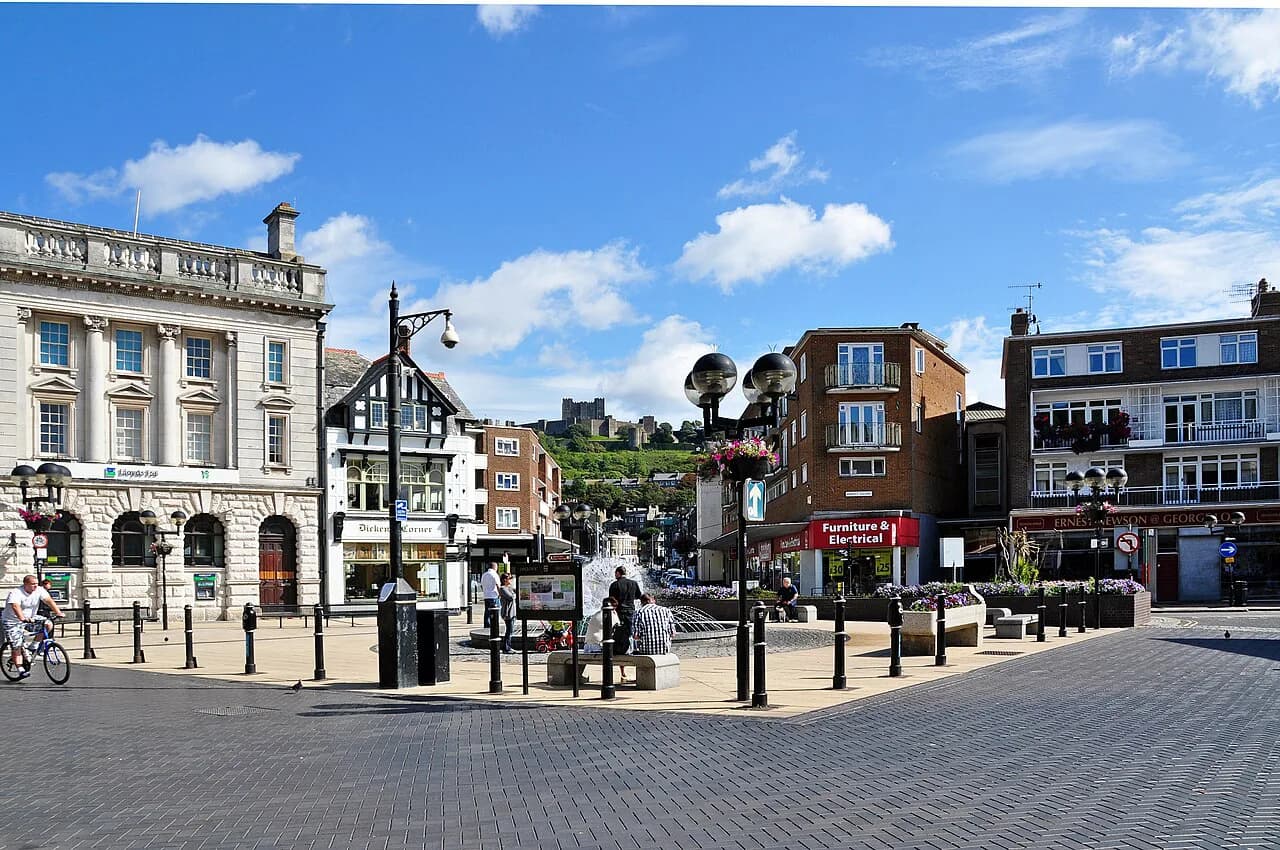
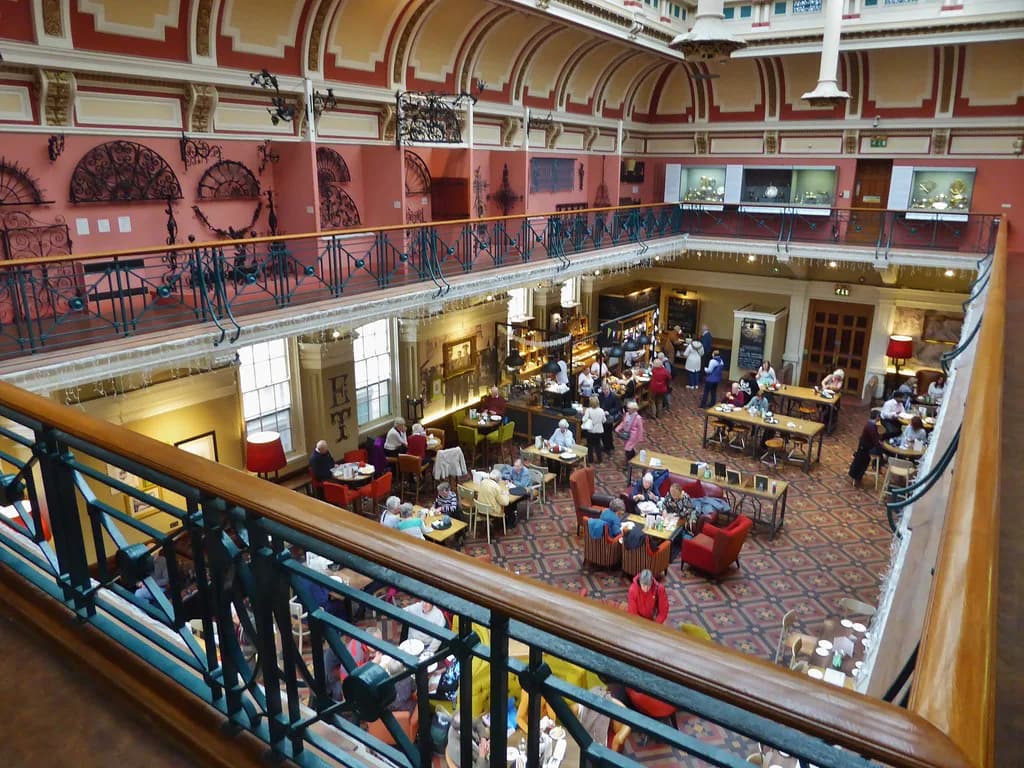
Dover Museum stands in Market Square in the town centre, and it covers the history and archaeology of a port that has been busy for centuries. The building holds real objects, models and original pictures rather than only panels, which makes it a genuinely useful first stop before you walk the town.
The Bronze Age Boat gallery is the headline: archaeologists found the remains of a prehistoric wooden boat in Dover in September 1992, thought to be some 3,500 years old. The gallery explains both the find and what it tells us about the Bronze Age, so allow real time here rather than treating it as a single display case.
This is a modest town museum, not a national collection, and the honest trade-off is scale: you will not need a whole afternoon. Much of its value comes from context, the boat timbers plus the port's long story, which makes it worth reading the labels instead of powering through.
The Changing Exhibition Programme
Dover Museum runs special exhibitions alongside the permanent galleries, and they change, so a return visit will not look identical to the last one. The special exhibition gallery has hosted themed shows on dress and on Channel swimming, while newer displays have taken a fictional or speculative turn, which is unusual for a local museum.
There are also online exhibitions and resources for anyone who wants to read up before travelling or follow a thread afterwards. If a specific show is your reason for going, confirm the gallery is running it on the museum's own site before you commit to a train fare.
Dover Museum Practicalities
Dover Museum sits at Market Square, Dover CT16 1PH, a short walk from the town centre and handy for a day that combines shops, the seafront and the castle. From April to September it opens Monday to Saturday 9.30am to 5pm and Sunday 10am to 3pm; from October to March it opens Monday to Saturday 9.30am to 5pm, and it closes on Christmas Day, Boxing Day and New Year's Day.
Admission to Dover Museum is free, as it is at the Roman Painted House, which spreads a small budget further across a Dover day. The Roman Painted House on New Street runs a seasonal pattern: its 2026 season opens on Friday 3 April and closes on Saturday 31 October, with Thursday to Sunday opening 10am to 4pm in school holidays and Saturday only in term time. If you are weighing free town collections against bigger civic galleries elsewhere, our guide to the museums in Aberdeen makes a useful comparison.
Allow an hour to ninety minutes for Dover Museum and the boat gallery at a relaxed pace, longer if a special exhibition grabs you or you have children working through the displays. Weekdays outside school holidays are the calmer bet, and a rainy day is exactly when a free indoor collection earns its place.
Dover Transport Museum and the Timeball Tower
Dover Transport Museum spreads across two acres of grounds with free car and coach parking, and holds more than fifty road vehicles. Many are set in period road scenes with shop fronts and bygones, which suits families and anyone who likes old signage as much as old engines.
The Timeball Tower Museum takes a different angle: video, static and interactive displays cover three centuries of signalling, the fight against smuggling and the tower's role in safe navigation across distant oceans. It is a compact, story-led museum rather than a hangar of vehicles, so the two work well as a pair for different moods.
The published district listings describe what each museum holds but do not give hours or admission figures, so treat them as flexible stops within a town day. If either is the reason for your trip rather than a bonus, check the Dover Museum and Deal Museum websites or ring ahead before a long journey.
Deal, Sandwich and the Village Museums
Deal Museum holds the last remaining Deal oared galley along with historic model boats, artefacts and documents that illustrate the town's history. It puts on special exhibitions each season, and group visits can be arranged through the year, which makes it a realistic target rather than a passing glance.
Sandwich Guildhall Museum tells the town's story from early medieval times, with well-designed illustrative panels and artefacts reaching back to the early thirteenth century. St Margaret's Museum changes its displays on local history and covers figures including Ian Fleming and Noel Coward, so it rewards a look at what is on rather than a fixed expectation.
The Womens Land Army Museum gives an insight into life for women serving the country during the Second World War, built from personal letters from former Land Army girls, uniforms and factual information. White Mill Rural Heritage Centre, built in 1760 and in use until the 1950s, gathers a miller's house, forge, workshops and mill into one rural-life museum.
Military and Specialist Collections
The Princess of Wales's Royal Regiment Museum traces a regiment that descends from twelve forbears across more than four centuries, starting with a Tudor company sent to support the Dutch against the Spanish and a regiment raised in 1661 to garrison Tangier. That Tangier service earned the battle honour that anchors the collection, which appeals to readers who want military detail rather than general town history.
The Kent Mining Museum tells the story of the Kent Coalfield through interactive exhibits and the recorded voices of miners, which gives the industrial side of the county a human register. The Kent Museum of Moving Image, a not-for-profit, runs from candle-lit magic lantern performances and hand-painted slides through Victorian visual experimentation to the cinema and its heyday.
These are specialist stops, so pick by interest rather than trying to tick off all three on one trip. Moving image and mining sit further out than Dover Museum, so budget travel time as well as visiting time when you sketch the day.
Free Versus Paid: What to Budget For
The clear free options are Dover Museum, including the Bronze Age Boat Gallery, and the Roman Painted House, both listed as free to enter by the museum itself. That makes a Dover museum morning genuinely cheap, with the boat gallery as the centrepiece rather than a paid add-on.
For the other museums in the district, admission charges are not set out in the published district listings, so check each venue's own page for current charges and any group rates, then decide whether the paid stops or the free ones carry the day.
Slotting a Museum Into a Dover Day
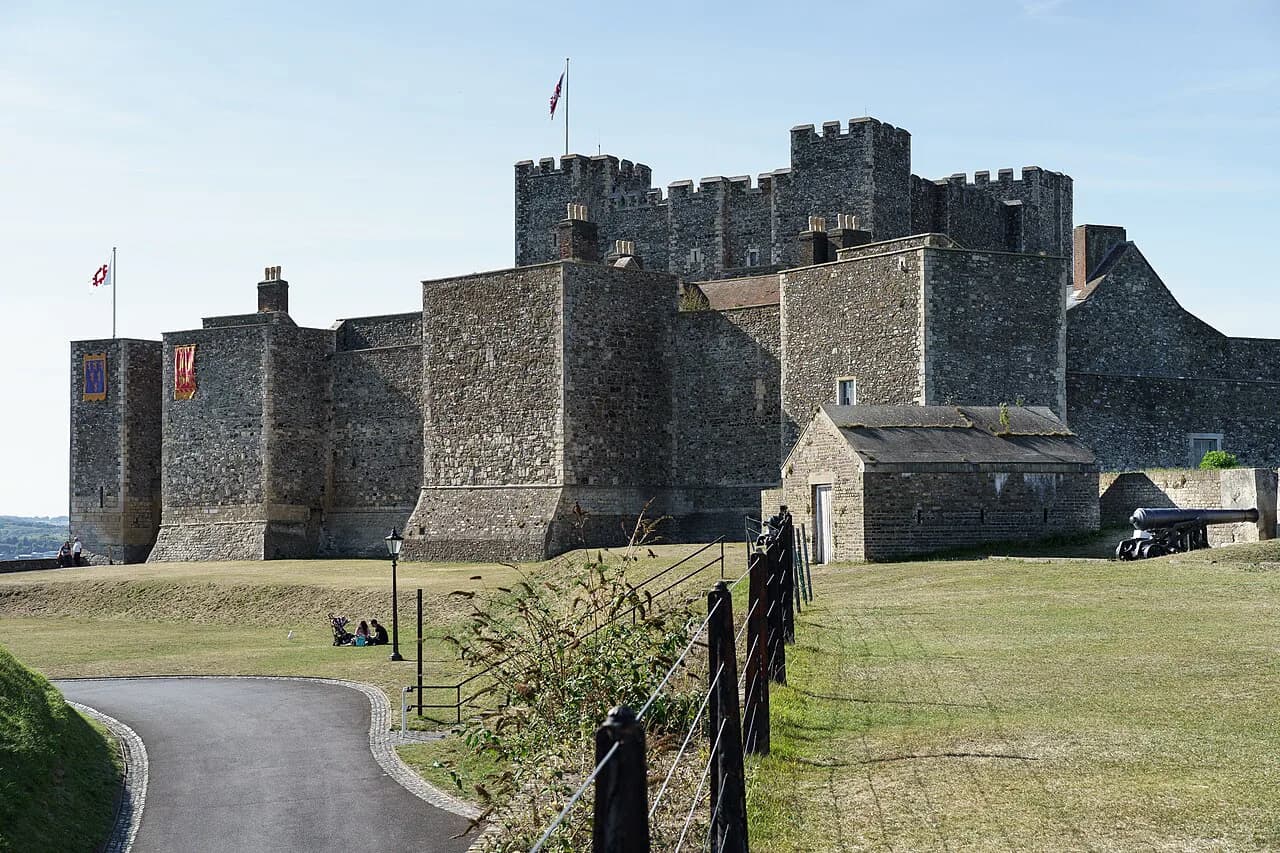
A sensible shape is Dover Museum first, while your attention is fresh, then Dover Castle and the seafront once the day warms up. The castle is a half-day in itself, so keep the museum to its hour and resist the temptation to add two more collections before lunch.
If the weather turns, the free town collections are the obvious shelter, and the transport museum's indoor period scenes work well with children. On a clear day, save the walking for the cliffs and use the museum as a briefing on the port's long history before you look at it.
For a gentler afternoon, the parks in Dover give you green space close to the centre once the galleries are done.
Getting Around the District
Dover's own museums are walkable from the town centre, with Market Square and New Street close together and the seafront a short stroll beyond. Deal and Sandwich are separate towns along the coast, reachable by train, so a museum day in Dover does not put the castle next door to the Deal galley.
Choose one town per day rather than trying to cover Dover, Deal and Sandwich in a single loop. That way a delayed train or a longer-than-expected collection does not wreck the plan, and you get a proper look at whatever you came for.
Practical Trade-offs Before You Travel
Seasonal hours are the main trap: Dover Museum keeps the same Monday to Saturday pattern all year, but its Sunday opening changes, and the Roman Painted House in 2026 runs only from April to the end of October. Check the day's pattern before you travel, so a Sunday plan matches what is actually open.
Quiet weekdays serve you better than school holidays at any small museum, and the free sites absorb a rainy morning without a booking. For anything beyond Dover Museum, confirm the day's opening before a long train or coach trip, since published hours for the smaller venues vary by operator.
Afternoon Tea and Lunch Nearby
A museum morning pairs naturally with a late lunch or a pot of tea in town before the castle or the seafront. Build the day around named venues you have checked in advance, and book anything popular before a weekend visit, whether you are after afternoon tea in Dover or a simple pub lunch.
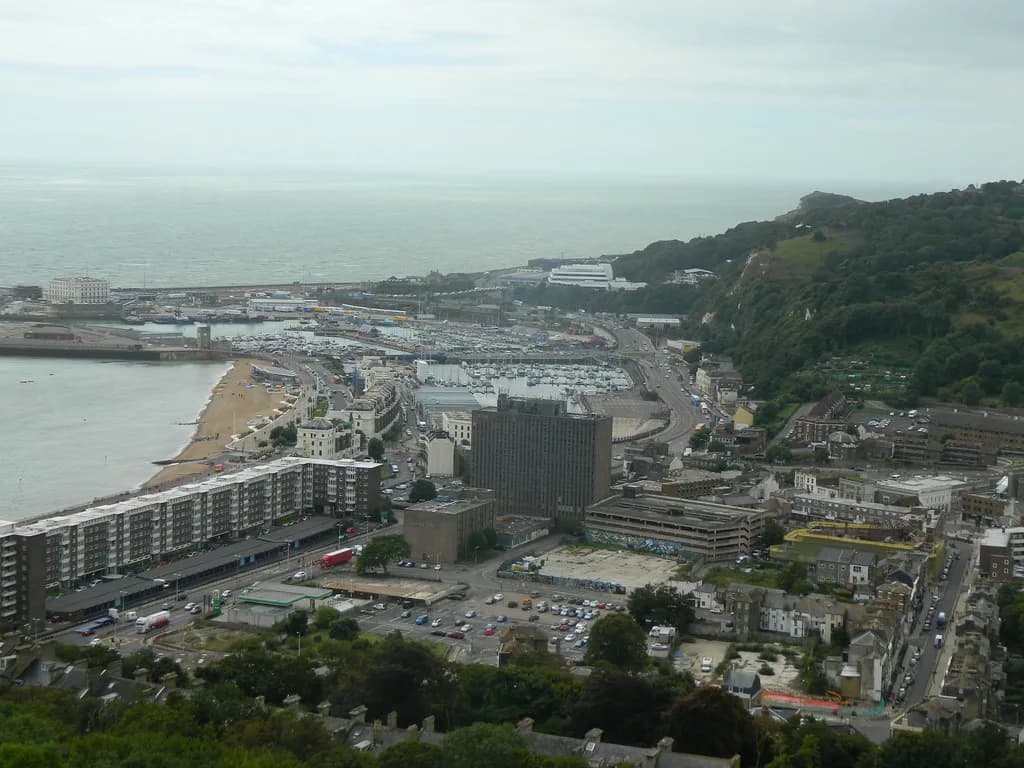
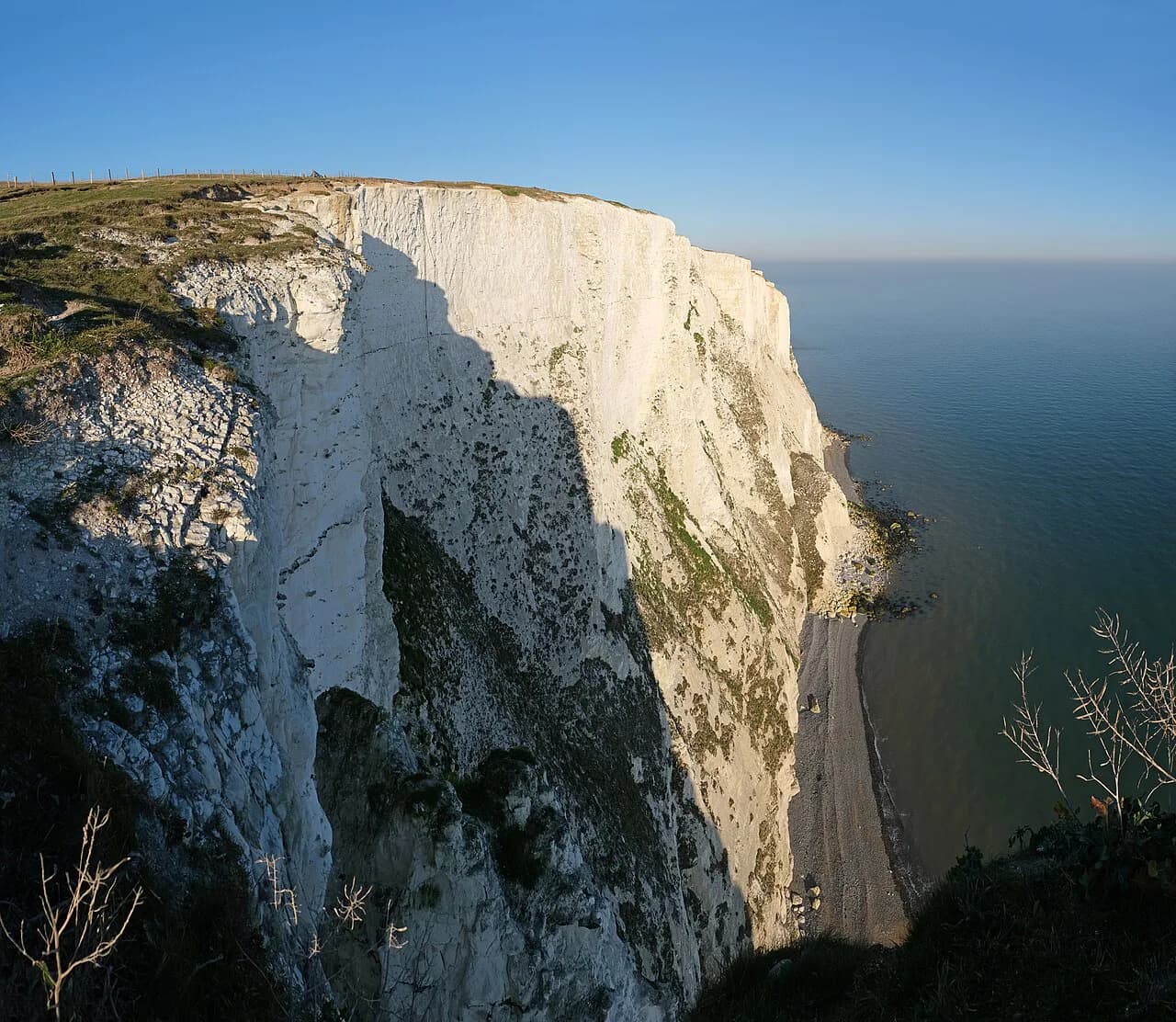
The White Cliffs of Dover and the harbour give you a reason to stretch the day beyond the museum quarter, and a boat trip adds a different view of the port the collections describe.
Where to Stay for a Museum-Led Break
Staying in central Dover keeps Dover Museum, the Roman Painted House and the castle within easy reach on foot. If your interests lean towards Deal or Sandwich, a night in either town cuts the coastal hop and lets you start the day at the galley or the Guildhall collection rather than on a train.
Two nights is enough to cover Dover properly and reach one coastal town without rushing. Anything more ambitious, such as adding the village museums or the mining and moving image collections, needs a third night or a car.
Plan Your Visit
Dover Museum is the anchor: free, central and built around a 3,500-year-old boat that deserves more than a glance. Add the Roman Painted House in season, then choose either the town's transport and signalling museums or a coastal day in Deal or Sandwich.
Check the day's opening hours on each museum's own page before you travel, especially in winter and around public holidays. That single step saves the wasted train fare that catches out most museum-led day trips.
Explore more Dover guides
Frequently Asked Questions
Is Dover Museum free?
Yes. Dover Museum and the Roman Painted House are both free to enter, so the Bronze Age Boat Gallery costs nothing beyond your time. That makes a museum morning in Dover one of the cheapest parts of a short break, and it leaves budget for Dover Castle or a coastal train.
What can you see at Dover Museum?
The permanent galleries cover the history and archaeology of Dover with real objects, models and original pictures, and the Bronze Age Boat Gallery explains the prehistoric wooden boat found in the town in 1992. A special exhibition gallery runs changing shows, which have ranged from period dress to Channel swimming.
How long does Dover Museum take?
Allow an hour to ninety minutes to see the boat gallery and the main displays at a comfortable pace. Add time if a special exhibition interests you or you are visiting with children, and keep the rest of the day for Dover Castle or the seafront.
What museums are near Dover?
Deal Museum holds the last remaining Deal oared galley, Sandwich Guildhall Museum covers the town from medieval times, and the villages add St Margaret's Museum, the Womens Land Army Museum and White Mill Rural Heritage Centre. Within Dover itself, Dover Transport Museum and the Timeball Tower Museum cover vehicles and signalling.
Is the Bronze Age boat still in Dover?
Yes. The timbers found in Dover in September 1992, thought to be around 3,500 years old, are displayed in the Bronze Age Boat Gallery at Dover Museum in Market Square. The gallery sets out the find and what it says about the Bronze Age.
Which Dover museums are good for children?
Dover Transport Museum suits families, with more than fifty road vehicles, period road scenes and shop fronts to walk through. Dover Museum works well too, since the boat gallery gives children one clear story to follow, and the free admission means a short visit costs nothing if attention runs out.
Do you need to book Dover museums in advance?
Dover Museum and the Roman Painted House are free to enter and do not require booking for general visits; group visits and arranged tours are a separate matter at smaller museums such as Deal Museum. Check each venue's own page for group arrangements before you travel.
What is there to do in Dover on a rainy day?
Start at Dover Museum, which is free and indoors, then add the Timeball Tower Museum or Dover Transport Museum if you want a second collection. A wet morning is also the moment to confirm opening hours, since Dover Museum keeps shorter Sunday hours from October to March.
Sources
Notes for your next city break
Optional updates to our UK city guides.
You might also like
Continue reading
More guides you'll find useful