History of Fort William: Which Sites Still Stand Today
A history of Fort William told through the places still standing, from Inverlochy Castle and the West Highland Museum to Glenfinnan and the Commando Memorial.
On this page
Fort William's history is best read on the ground, because the surviving sites sit within a short stretch of the town and the glens around it. A 13th-century castle ruin lies about a mile north of the centre, a compact local museum sits in Cameron Square, and the Jacobite and wartime stories are told at Glenfinnan and above Spean Bridge. The town occupies the foot of the Great Glen on the west coast, acting as the main transport, commercial and visitor hub for the area, which makes it an unusually practical base for a history day.
Treat the timeline as a set of stops rather than a lecture: clan life and the Jacobite era at the West Highland Museum, the rising itself at Glenfinnan, the railway age at Glenfinnan Station Museum, and the Second World War at the Commando Memorial. Most of these are compact, so you can string two or three together in a day without rushing.
Why Fort William's history is best read on the ground
The sites here are close together and small, which suits a place-by-place approach rather than a single museum visit. The West Highland Museum covers clan life and the Jacobite era through objects, photographs and maps, while Glenfinnan pairs a monument by Loch Shiel with a station museum in the original railway building. Plan around opening days you have confirmed yourself, since the smaller venues keep their own schedules.
Ground conditions matter as much as the stories. Glenfinnan's paths are uneven in places and exposed to wind, and the Commando Memorial sits on open ground where the weather sets the tone. Sturdy shoes and a windproof layer do more for a history day here than any timed ticket.
The town at the foot of Ben Nevis: setting and name
Fort William sits at the foot of Ben Nevis on the shores of Loch Linnhe, and the mountain and sea loch frame almost every view from the town. That setting explains the town's role as a base: the glens, lochs and monuments of Lochaber fan out in different directions, so each day can head somewhere new without long motorway miles. For the practical details, see the things to do in Fort William.
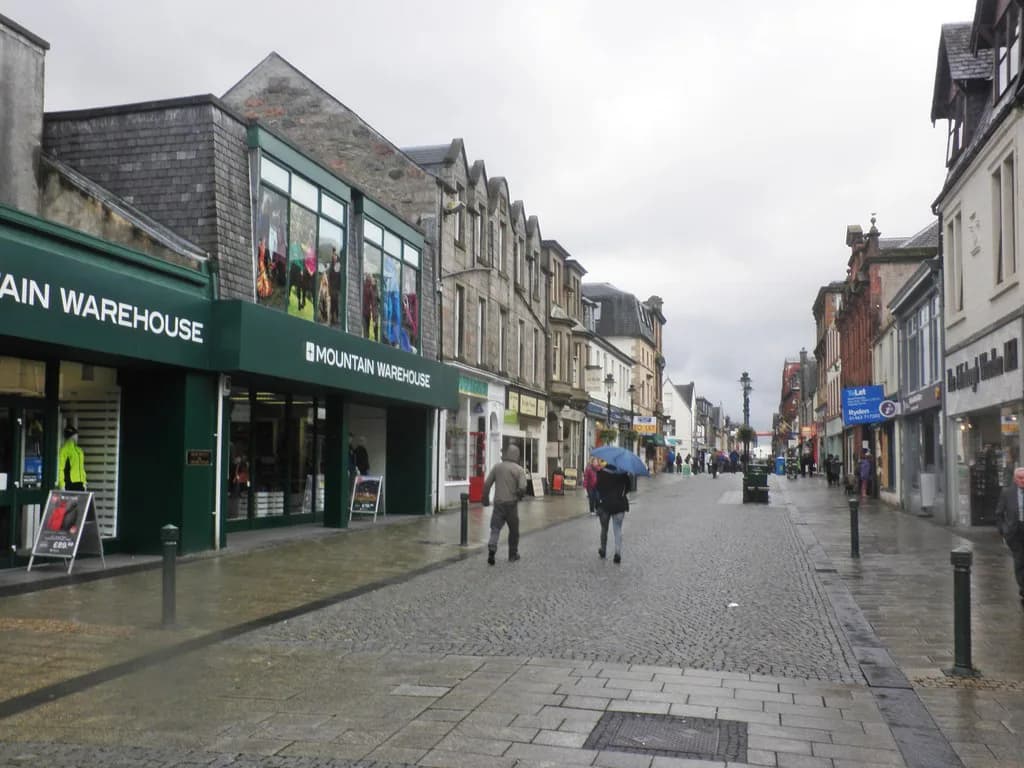
The town itself is relaxed rather than grand, with a high street for a morning stroll and a local museum near the centre. It works as a commercial and visitor hub for the western Highlands, which is why the region's stories, from clan politics to military training, are gathered here in small collections rather than one blockbuster gallery.
Inverlochy Castle: a 13th-century ruin a mile north of the centre
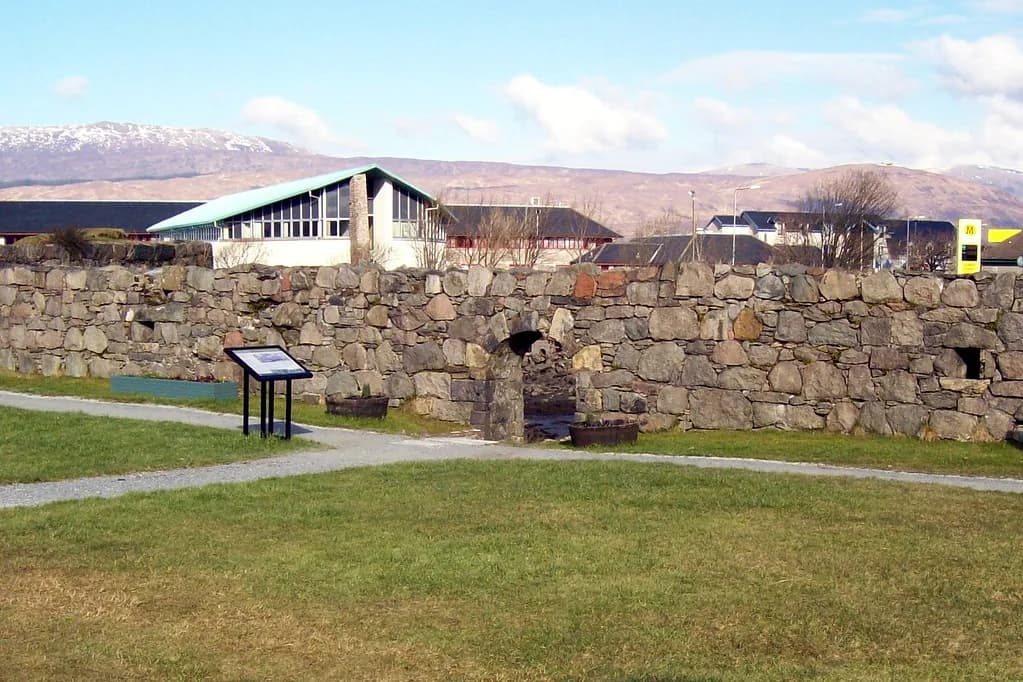
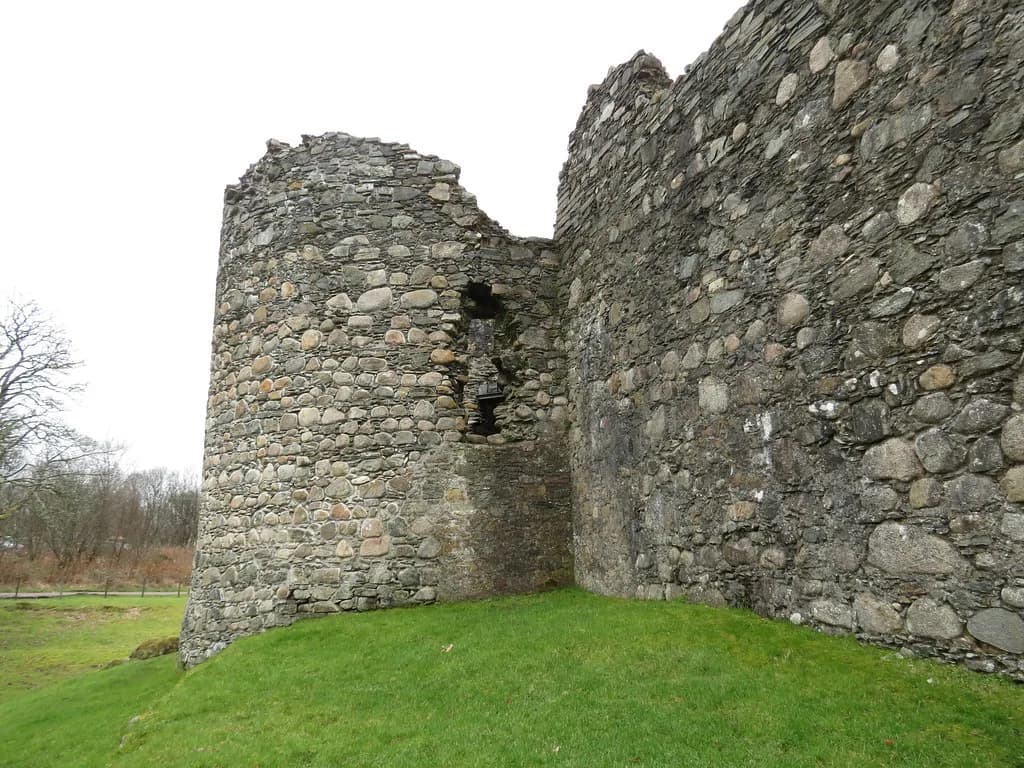
The ruins of Inverlochy Castle stand a mile north of the town centre on the banks of the River Lochy. Built in the 13th century, its walls and corner towers are mostly intact, which makes it one of the few places locally where the medieval past is visible as standing stonework rather than a display case.
Allow a short stop rather than a half day: this is a ruin to walk around and photograph, not a staffed attraction with rooms to tour. Pair it with the town centre so the walk north along the river becomes part of the visit.
Clan, Jacobite and military stories in the West Highland Museum
The West Highland Museum in Cameron Square is the natural starting point for the town's history, and entry is free. Eight rooms cover Jacobite history and ancient artefacts alongside the area's industrial and military past, so a single visit gives you the thread that connects the ruin, the glens and the memorials. If you are weighing up other city-break destinations, the history of Birmingham offers a comparable timeline built around surviving sites.
Expect intimate rooms rather than large galleries, mixing personal items, military relics and period images with clear panels. Volunteers are usually on hand to add context, so it pays to ask about a particular exhibit rather than simply reading and moving on. Because the layout is compact, an hour or two covers it comfortably.
Glenfinnan Monument and the Jacobite rising
Glenfinnan Monument, cared for by the National Trust for Scotland, stands by Loch Shiel and marks local 18th-century history. A short climb from the roadside leads to the monument and a small grassy plateau with wide Highland views, so the effort is modest but the ground is uneven in places.
Signs nearby explain the monument's history, which means you can arrive without a guide and still follow the story. Wear sturdy shoes and a windproof layer, and allow extra time to walk the shore for different viewpoints rather than treating the stop as a quick photo.
Glenfinnan Station Museum and the West Highland Line
Glenfinnan Station Museum occupies the original station building and tells the railway story with photographs, artefacts and a working model railway. It is compact and easy to walk, with a small café serving hot drinks and snacks whose seating fills fast on busy days.
The line's fame is partly cinematic: the Glenfinnan Viaduct, crossed by the Jacobite steam service between Fort William and Mallaig, became known through its Harry Potter cameo. Treat that as a film link rather than history, and check the Jacobite's own timetable and current dates before you plan a visit around steam services.
The Commando Memorial above Spean Bridge
Above Spean Bridge, the Commando Memorial honours the Allied soldiers who trained secretly in these hills during the Second World War. The bronze sculpture sits on a raised plinth with informational plaques, and the real draw is the panorama of open moorland below and mountains on the horizon, including Ben Nevis on a clear day.
There are no large visitor facilities on site and the path from the roadside can be uneven, so bring windproof layers and sturdy footwear. Early morning or late afternoon tends to be quieter for history visitors and photographers alike.
Lochaber's smaller museums: Clan Cameron Museum, Mallaig Heritage Centre and Treasures of the Earth
The Clan Cameron Museum on the Achnacarry estate adds portraits, tartans and displays on the family's local role, with a personal tone and modest facilities. It suits a short, concentrated visit, and it is worth contacting the museum in advance if you need accessibility or group-visit details.
Further west, Mallaig Heritage Centre explains how fishing, ferry links and the railway shaped everyday life, with display cases, historic photographs and recorded memories. It is family-friendly, with hands-on elements for younger visitors, and fits neatly into a morning around the harbour.
At Corpach near Fort William, Treasures of the Earth covers minerals and fossils with labelled specimens and at least one interactive station where visitors can handle rocks. It is a short, focused stop rather than a long museum day, so combine it with a canal-side walk or harbour views.
Glen Nevis, Loch Linnhe and Loch Ness: landscape as the backdrop
The landscape carries much of the history: Glen Nevis offers straightforward walking routes surrounded by dramatic scenery, without committing to a serious hike. Loch Linnhe runs from Fort William towards the Firth of Lorn, and the views across the water to the Ardgour mountains are a highlight of any stay.
Loch Ness is roughly an hour's drive from Fort William along Highland roads, and at 23 miles long and over 700 feet deep it holds more fresh water than all the lakes in England and Wales combined, as the legend goes. The monster story is folklore, not recorded history, but the loch itself repays the drive.
For a slower read on the water, a Loch Linnhe cruise gives a different angle on Ben Nevis and suits all ages and abilities. It is a gentle counterpoint to a day of museum panels and memorial plaques.
Putting a history day together: a short walking route in the centre
Start at the West Highland Museum in Cameron Square, where the eight rooms set out the clan, Jacobite and military threads in one go. From there, a walk around the town centre takes in nearby monuments and viewpoints, and the high street makes an easy interval before you head north.
In the afternoon, walk or drive the mile north to Inverlochy Castle for the medieval layer, then finish with the riverside outlook. If you want the full Lochaber sweep, keep Glenfinnan and Spean Bridge for a separate day, since both involve their own travel and exposed ground.
What to book ahead and what to allow time for
Book steam services and organised activities in advance where possible, especially family sessions and weekend slots. For the small museums, the practical task is confirming opening days before you travel, particularly outside the main tourist season when hours can be limited.
Allow more time than the map suggests for Glenfinnan and the Commando Memorial, where weather, uneven paths and limited facilities slow the pace. In town, a couple of hours at the museum plus a walk north to the castle ruin makes a comfortable half day.
Practical notes for planning your visit
Fort William works as a single base for Lochaber's history: the town centre covers the museum and castle ruin, while Glenfinnan, Spean Bridge and Mallaig each need a separate outing. Coach holidays in the area bundle return travel, accommodation, dining plans and excursions, which suits travellers who would rather not plan each leg themselves.
Small museums reward a relaxed pace: read the panels, inspect the small objects and ask staff for background. That approach turns a series of short visits into a coherent timeline from the 13th century to the Second World War.
Plan Your Visit
Build the day around what you can stand in front of: the West Highland Museum for the thread, Inverlochy Castle for the medieval layer, and Glenfinnan or Spean Bridge for the Jacobite and wartime stories. Keep the small museums as short, focused stops and let the landscape fill the gaps between them.
Check each venue's own page for current opening days before you set out, and carry layers for exposed sites. For a fuller list of local stops, the Fort William guide covers the rest of the town and its surroundings.
Explore more Fort William guides
Frequently Asked Questions
Is the West Highland Museum free to visit?
Yes. The museum in Cameron Square is free to enter, and its eight rooms cover Jacobite history, ancient artefacts and the area's industrial and military past.
How old is Inverlochy Castle?
The ruin dates from the 13th century and stands about a mile north of the town centre on the banks of the River Lochy, where much of the walls and corner towers survive.
What happened at Glenfinnan?
Glenfinnan Monument by Loch Shiel marks local 18th-century history and the Jacobite rising, with signs nearby explaining the story and a short climb to a grassy plateau with wide views.
How long should I allow for the West Highland Museum?
An hour or two suits the compact layout, which mixes personal items, military relics and period images across a series of intimate rooms. Staff and volunteers can add context on particular exhibits.
How do I visit the Commando Memorial?
The memorial above Spean Bridge is an open site with a raised plinth and plaques, reached over ground that can be uneven, so wear sturdy shoes and windproof layers. There are no large facilities on site.
Is there a museum for railway history near Fort William?
Glenfinnan Station Museum tells the railway story in the original station building, with photographs, artefacts and a working model railway, plus a small café.
Sources
Notes for your next city break
Optional updates to our UK city guides.
You might also like
Continue reading
More guides you'll find useful