History of Leeds: Decide Which Places to Visit First
A history of Leeds from its market origins to wool, cloth and the modern city, tied to landmarks and free museums you can still visit today.
On this page
Leeds is a Yorkshire city whose centre you can cross on foot in under half an hour, which makes its history unusually easy to read. The story runs from a medieval parish church and market through wool and cloth wealth to the Victorian arcades and civic buildings you walk through today. Plan around two or three stops rather than a full checklist, and let the map do the work.
The sites sit in two rings. Kirkgate Market, the arcades, Briggate, The Headrow and Victoria Square cluster in the compact centre, while Armley Mills, Kirkstall Abbey and the great houses and parks lie further out and need a bus or taxi. Pick one outer site per day and keep the centre for walking, with an eye on museum closing days.
What Leeds is and where it sits in Yorkshire
Leeds sits in West Yorkshire, in the north of England, and works well as a base for a short break because the historic core is walkable and the main sights sit close together. Visit Leeds describes the city as beautifully compact, which is the practical reason a 24-hour visit can still cover real ground. Use the city centre for your first day, then branch out to the canalside and suburban sites on a second.
Where the name Leeds comes from
The name is the first thing most visitors ask about, and it belongs to the older layer of British place-naming rather than to the industrial story. Treat the etymology as a research topic rather than a pub fact: local history collections and the city's archive service are the places to check a specific derivation before you repeat it. The Thoresby Society, Leeds' local history society, publishes material on the district's past and is a sensible starting point for anyone who wants the detail right.
Medieval Leeds: parish church, market and the making of a town
Leeds grew as a market town, and the pattern of a church, a market place and streets fanning out from them still shapes the centre. The parish church of St Peter sits at the edge of the modern shopping district on Kirkgate, a short walk from the market halls that inherited the town's trading role. Walk from the church towards the market and you are following the town's oldest logic rather than a modern route.
Historic England's local heritage hub for Leeds is the resource to consult for the fabric of individual historic buildings, including the halls and parks that carry the earliest layers of the story. It is a record of the built past rather than a visitor attraction, so use it to prepare or to follow up after a walk, not as a stop in itself.
Kirkgate Market and the 1904 Hall: the market at the centre of the story
Kirkgate Market is the single best place to feel how Leeds worked, and the ornate glass roof of the 1904 Hall is the architectural set piece. Visit Leeds runs a free walking tour that includes chats with traders, the market's history and access to the balcony for a view down the length of that roof. Tours run on the first Saturday of each month at 10.30am and 12 noon, and although the tour is free, booking is essential.
The market is also the practical heart of a city break: the Market Kitchen section holds street food vendors covering Yorkshire wraps, Punjabi dishes, and bakery stalls, so a visit doubles as lunch. Families get child-friendly activities in the market during school holidays, which makes a wet morning easier to plan. Allow an hour for the tour plus browsing, and rather more if you eat there.
Wool, cloth and the Industrial Revolution in Leeds
Leeds' rise to prominence began during the Industrial Revolution, when it became a national hub for wool and cloth manufacturing. That single fact explains most of what you see in the centre: the scale of the Victorian commercial buildings, the mills along the water, and the wealth that paid for galleries and civic halls. Keep the cloth trade in mind as you walk, and the city's geography starts to make sense.
The trade also explains why Leeds' historic sites are spread out. Fulling and spinning needed water and space, so the mills sit along the river and canal rather than in the shopping streets. Build your day around that split: central stops on foot, industrial and suburban sites by public transport or taxi.
The mills: Leeds Industrial Museum at Armley Mills and the canal
Leeds Industrial Museum at Armley Mills is where the cloth story becomes concrete, with collections of textile machinery, railway equipment and heavy engineering in a former mill building. The most rewarding approach is on foot along the Leeds Liverpool Canal, which Visit Leeds recommends as both a beautiful walk and a historic one. It is a half-day rather than an hour, so give it a morning or an afternoon.
The mill building carries a local legend of being haunted, and ghost hunting nights have been held there; tell it as a story over dinner, not as a fact about the building. Practical arrangements for the museum, including when it opens and what it charges, are worth confirming directly before you set out.
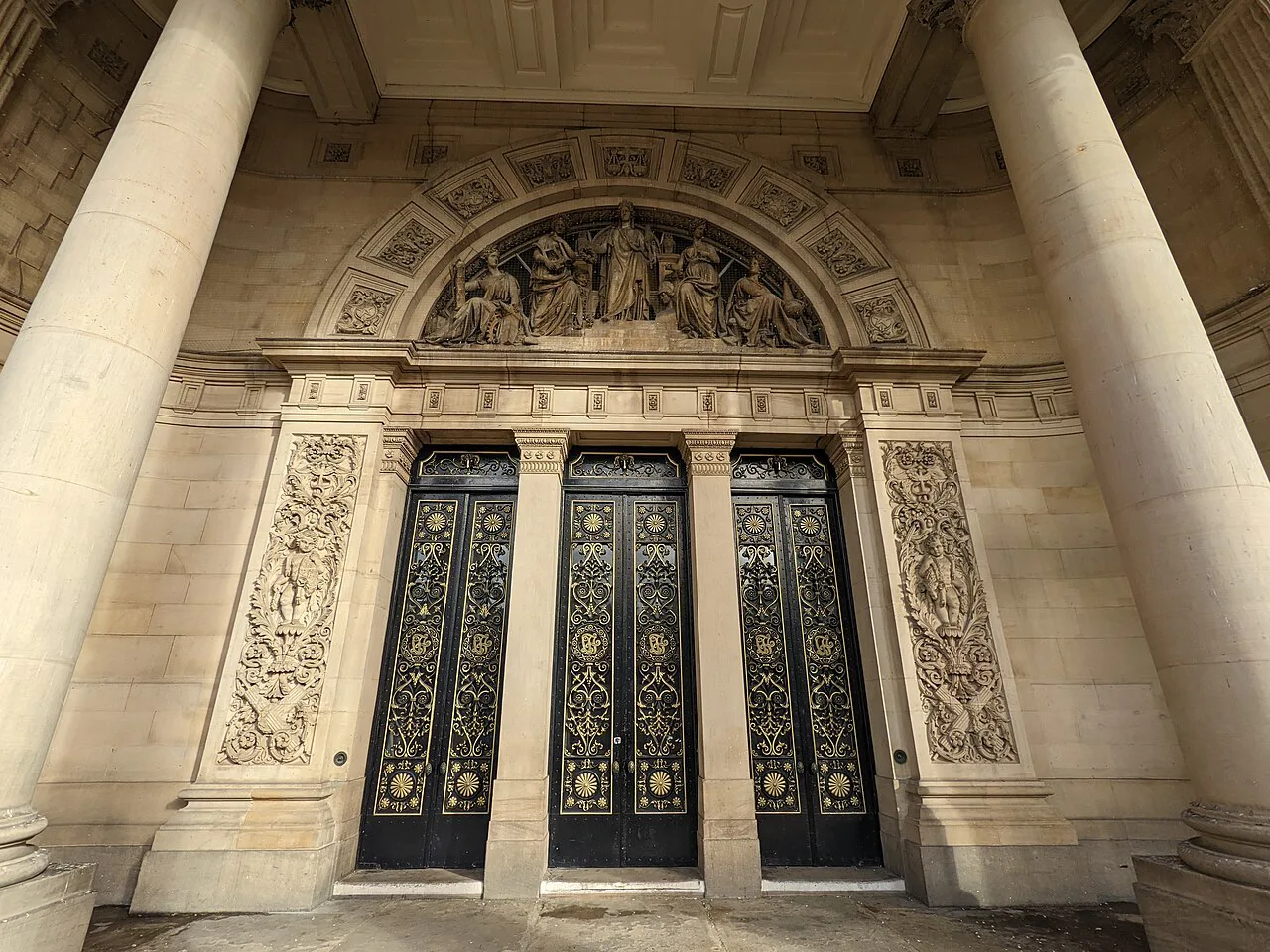
Civic Victorian Leeds: the arcades, the Headrow and the city centre you walk today
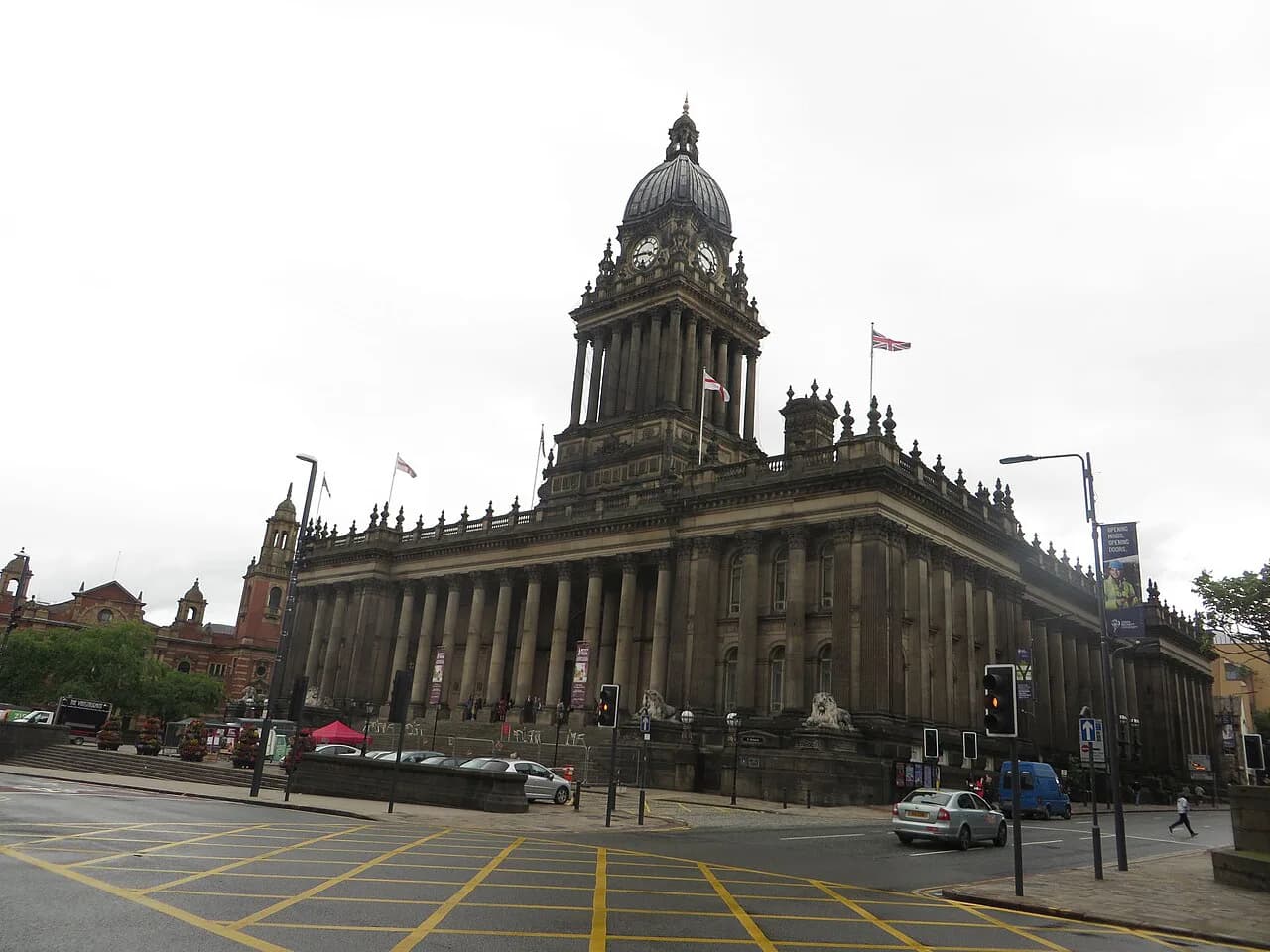
Victorian Leeds spent its cloth money on a commercial centre of covered arcades, grand shopping streets and civic buildings, and you can still walk the whole ensemble in an hour. The arcades around Briggate hold independent shops, and Queen's Arcade and Thornton's Arcade are worth stepping into even without a purchase in mind. For the detail behind the facades, the city's architecture rewards a slower look.
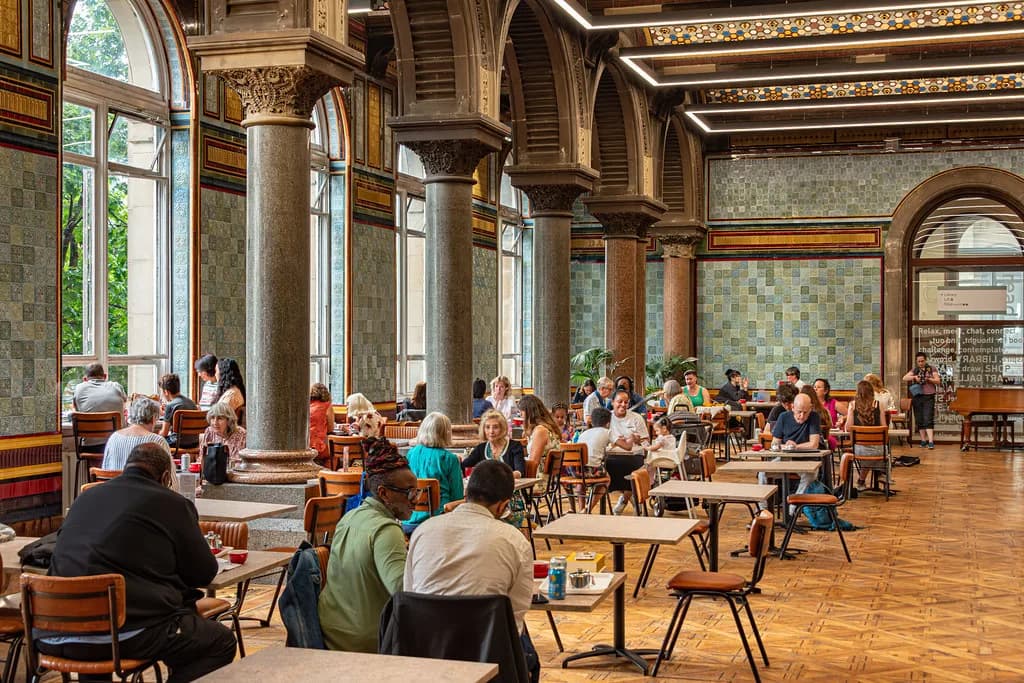
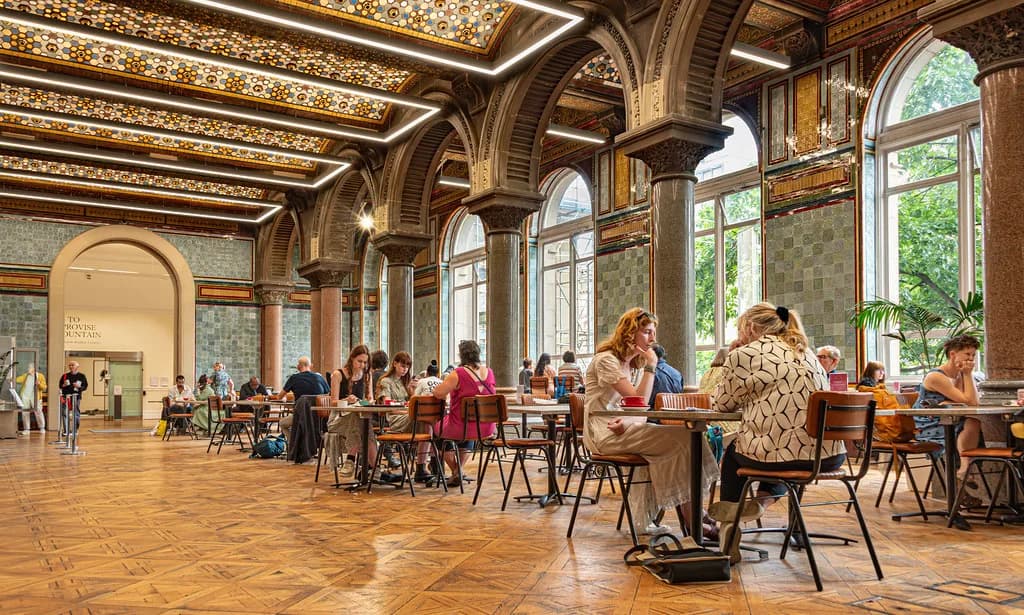
The Headrow and Victoria Square form the cultural end of that Victorian and Edwardian centre, with Leeds Art Gallery on the square and the Tiled Hall Café inside it. Trinity Leeds, the modern shopping centre between Briggate and Albion Street, sits over three floors under a large glass roof and opens from 09:00 to 20:00 Monday to Saturday and 11:00 to 17:00 on Sunday. Use it as a rain shelter or a meeting point rather than a history stop.
The twentieth century: art, medicine and the modern city
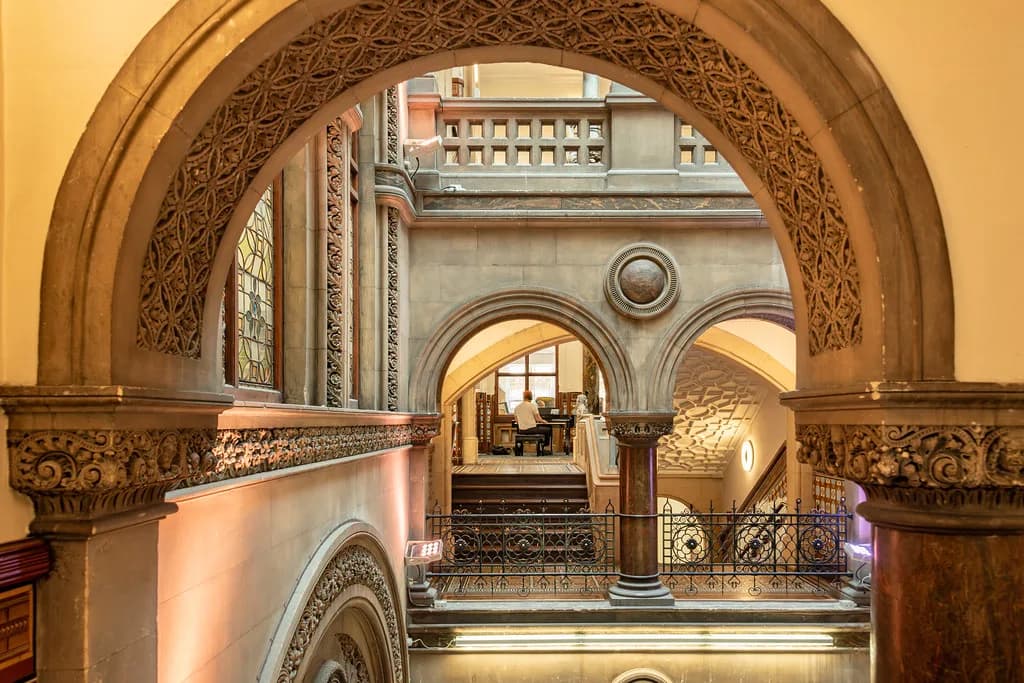
Leeds Art Gallery holds one of the largest collections of twentieth-century British art in the UK, and Visit Leeds notes that the building itself is worth the trip for its restored glass ceiling. Entry is free, which makes it an easy anchor for an afternoon in the centre. Look at what is on before you go, since exhibition spaces change.
The Royal Armouries Museum at Leeds Dock carries the national collection of arms and armour across five floors, with daily live performances and object handling, and entry is free. Reach it by walking the waterfront from Granary Wharf or by taking the yellow water taxi, which Visit Leeds lists at £3 per trip. The Thackray Museum of Medicine covers the same century from a different angle, with a Victorian street and an operating theatre, and is a short taxi or bus ride from the centre.
If your interests run to castles and historic houses, the honest answer for Leeds is that the strongest options sit outside the city and need a day trip of their own. Plan those separately from the city-centre history walk so you are not trying to do both in one day.
Leeds today: the compact centre and why it suits a short break
Modern Leeds layers shopping, food and culture onto the same few streets, which is why a weekend works better here than in cities where the sights are strung along bus routes. Visit Leeds suggests starting slowly with coffee in an independent café before walking the arcades and the market. That rhythm suits the history too: you absorb the medieval, Victorian and modern layers by moving a few hundred metres at a time.
For an evening that ties the day together, Whitelocks is the obvious historic pub, with roots going back to 1715 and décor dating to 1886, and it serves Yorkshire-sourced food with Cask Marque-certified ale. Book ahead for dinner if you are visiting at a weekend, and treat the pub as the last stop on the walk rather than a detour.
A short timeline of Leeds
Market town origins shape the centre, with the parish church and market streets still legible around Kirkgate and Briggate. The cloth trade then drove the city's rise during the Industrial Revolution, when Leeds became a national hub for wool and cloth manufacturing. The Victorian period left the arcades, civic buildings and the market's 1904 Hall, and the twentieth century added the art gallery, the Royal Armouries and the medical museum.
Visit Leeds event listings refer to a Leeds 400th birthday and the city's Royal Charter, so if you are researching dates for a specific anniversary, check the charter reference with the city's archive service rather than relying on a marketing page. Treat any single founding date with care and go to the record.
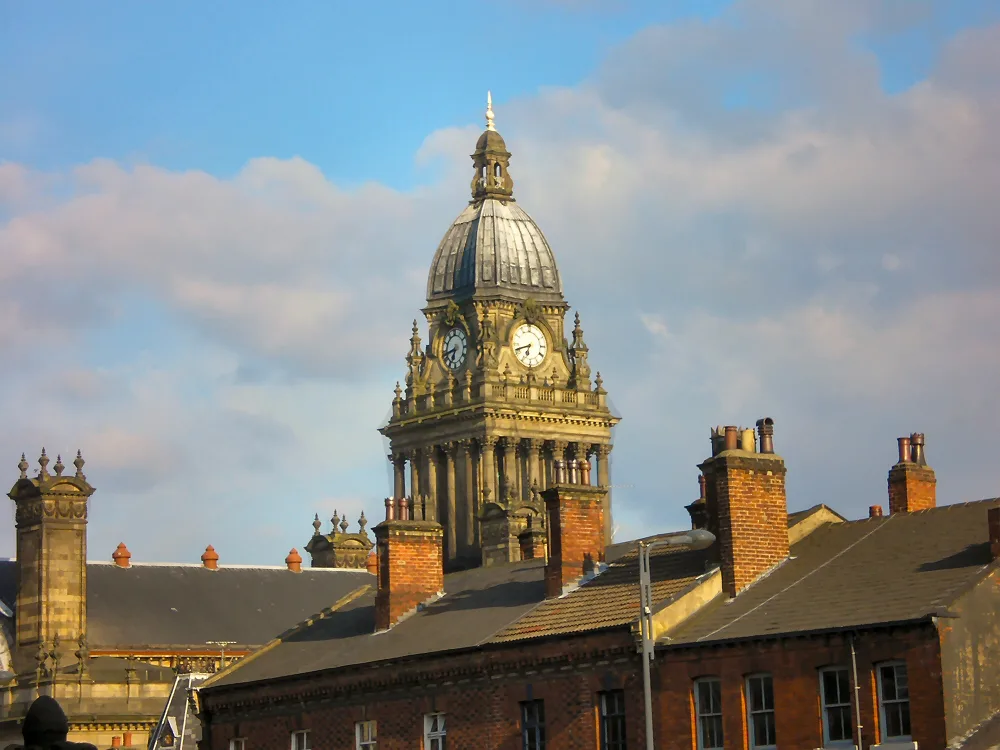
Where to see Leeds history for free
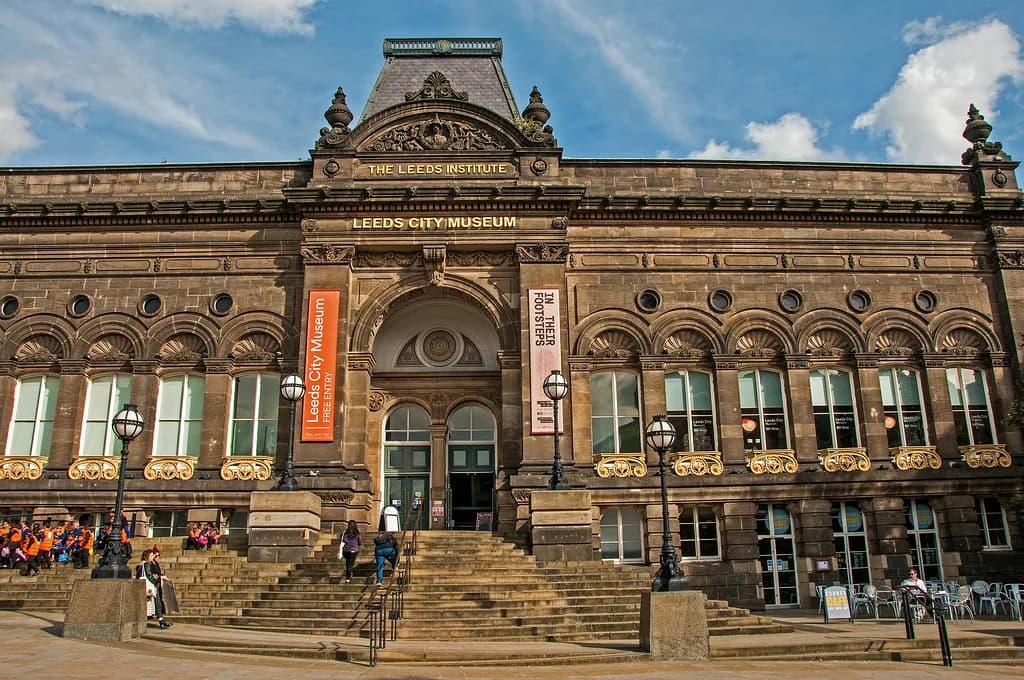
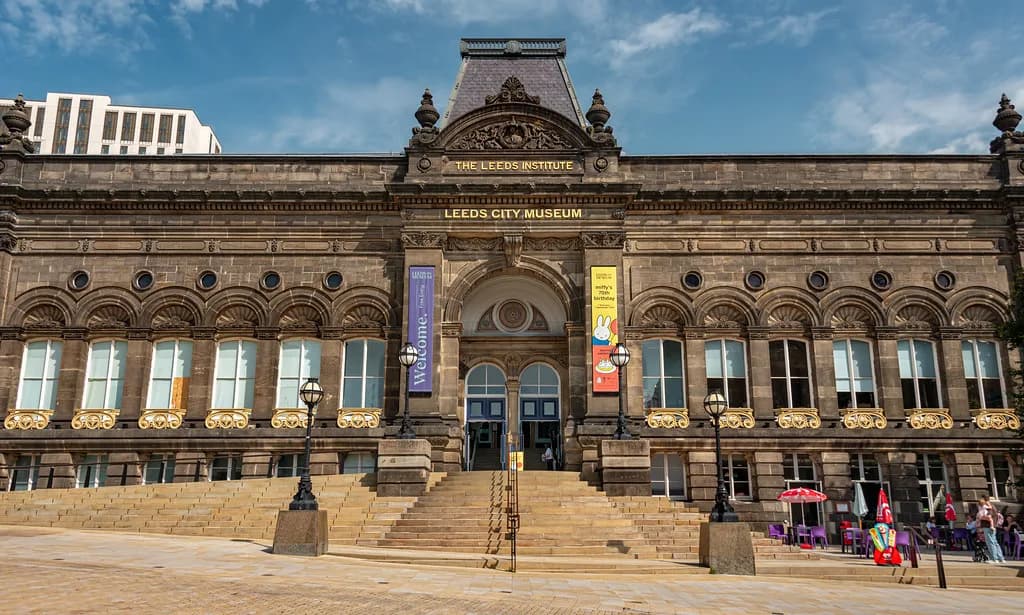
Free entry covers the Royal Armouries Museum, Leeds City Museum and the Leeds Discovery Centre, which gives you three substantial stops without a ticket. Leeds Art Gallery is also free and sits on Victoria Square, so a culture-heavy day can cost nothing beyond food and transport. Check opening days before you build a route around them.
The Kirkgate Market tour is free too, but booking is essential and places are limited to the first Saturday of each month at 10.30am and 12 noon. The street art trail is self-guided and downloadable, and the Owl Trail map costs £1 from the Leeds Art Gallery shop if you want a family-friendly way to cover the centre.
Where to see Leeds history if you are paying: houses, parks and estates
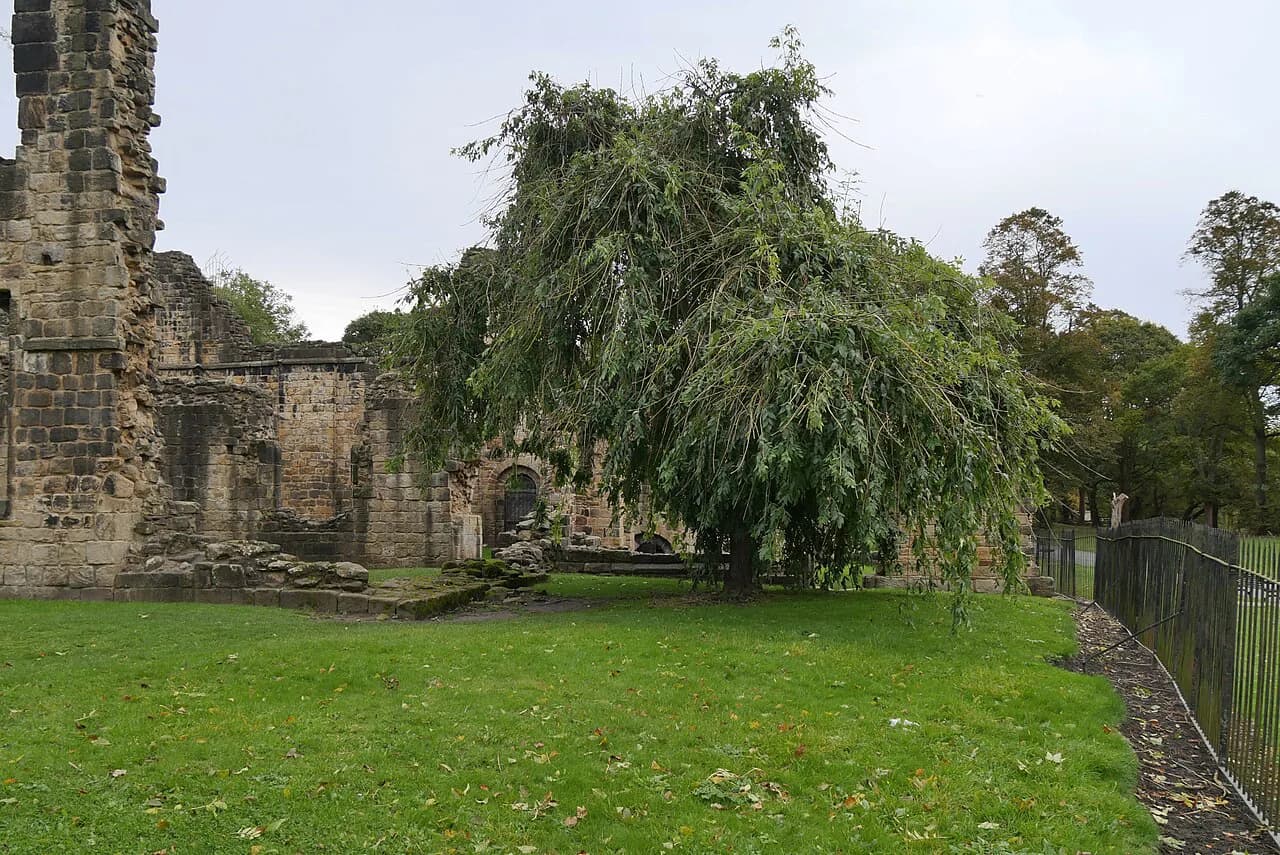
The charged sites are the historic houses and estates outside the centre, including Temple Newsam, Lotherton, Harewood House and Kirkstall Abbey with Abbey House Museum. These are the places to spend money if you want gardens, play areas and a full day out rather than a city walk. Harewood offers a woodland adventure playscape, and Temple Newsam has both a farm and Go Ape treetop courses, which changes the shape of the day for families.
Tickets, opening seasons and garden-only rates vary by site and owner, so buy from the venue or its owning trust rather than from a reseller. Allow a full day for any one of these and check the route before you commit, since they sit well beyond walking distance of the centre.
Practical: how long each stop takes and how to link them on foot
A workable central route runs from the parish church on Kirkgate through Kirkgate Market, up Briggate past the arcades, and along The Headrow to Victoria Square and Leeds Art Gallery. That sequence covers the medieval, Victorian and Edwardian layers in a couple of hours of walking, with museum time on top. Add the waterfront and the Royal Armouries as a separate half-day.
For the outer sites, use the yellow water taxi between Granary Wharf and Leeds Dock at £3 per trip, and buses or a taxi for Armley Mills and the suburban houses. Walk the canal to Armley Mills if the weather is kind, and take transport back. Two sentences of caution are enough: confirm opening days and tour bookings before you travel, because museum hours and event dates change.
Books, archives and local history research in Leeds
For serious research, local history societies and the city's archive and library services hold the records that answer questions about names, charters and individual buildings. The Thoresby Society is the established local history body for the district and publishes on Leeds' past. Start with a specific question, such as a street or a building, rather than with the whole city.
Historic England's Leeds heritage hub is the parallel resource for the built environment, useful for checking what is listed and why a particular facade or hall matters. Used together, the two give you the documentary and the architectural side of the same story. If you want to compare how another northern port city handled its industrial past, the history of Liverpool makes a useful contrast.
Plan Your Visit
Build your Leeds history day around what you can walk: the parish church, Kirkgate Market with its 1904 Hall, the Victorian arcades and Victoria Square. Book the free market tour if your dates include the first Saturday of the month, and put Armley Mills or one of the historic houses on a separate half-day.
Check opening days and tour availability directly with each venue before you travel, and use the free museums when you want a low-cost, weather-proof morning. The broader museums in Leeds guide is the place to plan the culture stops in more detail.
Explore more Leeds guides
Frequently Asked Questions
Where did the name Leeds come from?
The name belongs to the older layer of British place-naming rather than to the industrial era, and a precise derivation is best checked with Leeds' local history collections and archive service before you repeat it. The Thoresby Society publishes on the district's past and is a sensible starting point for the detail.
Was Leeds important in the Industrial Revolution?
Yes. Leeds' rise to prominence began during the Industrial Revolution, when it became a national hub for wool and cloth manufacturing. That trade explains the scale of the Victorian commercial centre and the mills along the canal, including Leeds Industrial Museum at Armley Mills.
What is Leeds famous for?
For most visitors it is the market, the Victorian shopping arcades and a strong free museum offer. Kirkgate Market with its 1904 Hall glass roof, the arcades around Briggate and the Royal Armouries Museum at Leeds Dock cover the range in a day.
Can I see Leeds history for free?
Free entry covers the Royal Armouries Museum, Leeds City Museum and the Leeds Discovery Centre, and Leeds Art Gallery is free too. The Kirkgate Market walking tour is also free, but booking is essential and it runs on the first Saturday of each month at 10.30am and 12 noon.
How long does the Kirkgate Market tour take and when does it run?
It runs on the first Saturday of each month at 10.30am and 12 noon, and the tour is free with booking essential. It includes chats with traders, market history and access to the balcony for a view of the 1904 Hall's glass roof. Allow extra time afterwards to eat in the Market Kitchen.
Is Leeds compact enough to explore on foot?
The historic centre is walkable, with the parish church, Kirkgate Market, Briggate and The Headrow within a couple of hours at an easy pace. The mills, Kirkstall Abbey and the historic houses sit outside the centre and need a bus, taxi or the yellow water taxi for the waterfront.
Which Leeds historic sites charge for entry?
The historic houses and estates outside the centre, such as Temple Newsam, Lotherton, Harewood House and Kirkstall Abbey with Abbey House Museum, are the paid options. Tickets and seasons vary by site and owner, so buy from the venue or its owning trust rather than a reseller.
Where can I research Leeds local history in more depth?
Use the Thoresby Society for published local history and the city's archive and library services for records. Historic England's Leeds heritage hub covers the built environment and listed buildings. Start with a single street or building rather than the whole city.
Sources
Notes for your next city break
Optional updates to our UK city guides.
You might also like
Continue reading
More guides you'll find useful