Haunted Places in Leeds: Ghost Stories, Hunts and Sites
Leeds ghost stories from Armley Mills, Temple Newsam, Kirkstall Abbey and Leeds Town Hall, plus how a real ghost hunt differs from a ghost walk.
On this page
Leeds ghost legends cluster around buildings with long, hard histories: a woollen mill, a country house, an abbey ruin and the Town Hall clock tower. Treat every sighting and noise as a story told about the place, not a confirmed event, and the city becomes a map of tales worth knowing.
Armley Mills: the mill behind the haunted reputation
Armley Mills was once the world's largest woollen mill, expanded by Colonel Thomas Lloyd after 1788 and rebuilt on fireproof principles by Benjamin Gott after a fire. Fulling cloth there was filthy work, soaked in water, urine and Fuller's earth. The mill closed in 1971 and Leeds City Council reopened it as a museum of industry in 1982, with the surviving structure grade II* listed. The building's bleak working past is the backdrop for its haunted reputation.
Reports attached to Armley Mills include a Victorian gentleman, the smell of burning and tobacco, doors slamming, heavy footsteps, cries of children and shadowy figures. The building's history gives these stories their atmosphere. The museum is one stop on a wider circuit of museums in Leeds, so you can pair the legend with a daytime look at the collections and the mill machinery.
Armley Mills ghost hunt: what a night actually involves
Haunted Houses runs the Armley Mills ghost hunt at the mill on Canal Road, from 8pm to 2am with arrival at 7:45pm. Tickets are from £59 per person, and a £20 deposit can hold a place with the balance due four weeks before the event. The night is ticketless, with your name on a guest list, and free parking sits onsite a short walk from the building. Haunted Houses lists its dates and availability on the booking pages for the hunt.
Haunted Houses says this is a real ghost hunt, not a ghost walk or history tour. Attendees must be 16 or over, the location is not suitable for wheelchair users or those with mobility issues, and the event is not suitable for pregnant people. The site is very dark, so bring a torch, sensible shoes and warm layers. Bookings are non-refundable and non-transferable, so decide before you pay. Hot and cold drinks, ghost hunting equipment, Victorian experiments including Ouija boards, and a group discussion of findings are included.
Headingley campus: the butler, the wartime hospital and Macaulay Hall
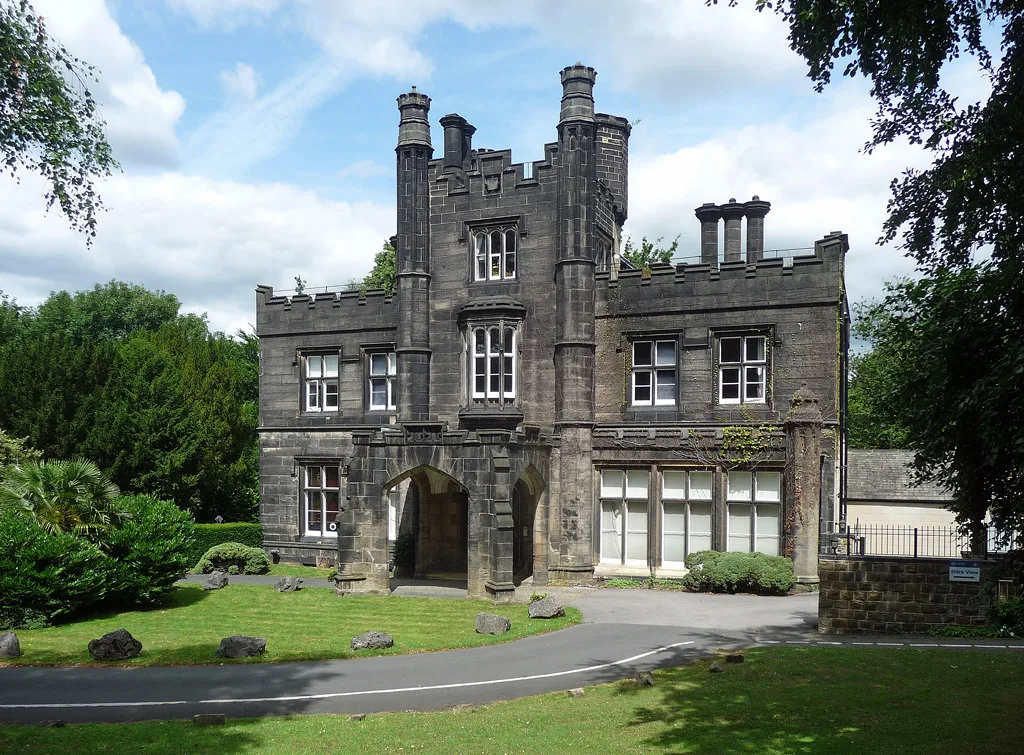
Leeds Beckett University's Headingley campus has its own ghost stories, centred on The Grange, the oldest building on site. The Grange began as a monastic farm belonging to Kirkstall Abbey, was rebuilt in 1626 by Benjamin Wade and later remodelled by the Beckett family. One legend says a butler in love with the daughter of the house leapt to his death down a spiral staircase. Staff have also described a figure in black, a smell of parma violet perfume and a cigar-smoking presence on the back stairs.
During the First World War the James Graham building served as a war hospital treating more than 50,000 sick and injured soldiers, and some accounts mention piles of amputated limbs behind it. Macaulay Hall, once used as a morgue when James Graham was a hospital, is said to have a spooky basement where cleaners hear groups chatting. The building is a working campus, so treat these as stories tied to a real institutional history rather than a visitor attraction.
Temple Newsam: the Blue Lady and Phoebe Grey
Temple Newsam carries several ghost stories, including the Blue Lady and the tragedy of Phoebe Grey. One telling says Phoebe, a servant, was grabbed on the stone staircase by William Collinson after a party marking the 1704 Battle of Blenheim, and her body was hidden in a cellar well, with screams and thumping said to be heard on dark nights. This is a story, not a confirmed event, and the house and its grounds are a historic property you can visit. For an overview of the city's ghost tours and which stories they cover, see the guide to ghost tours in Leeds.
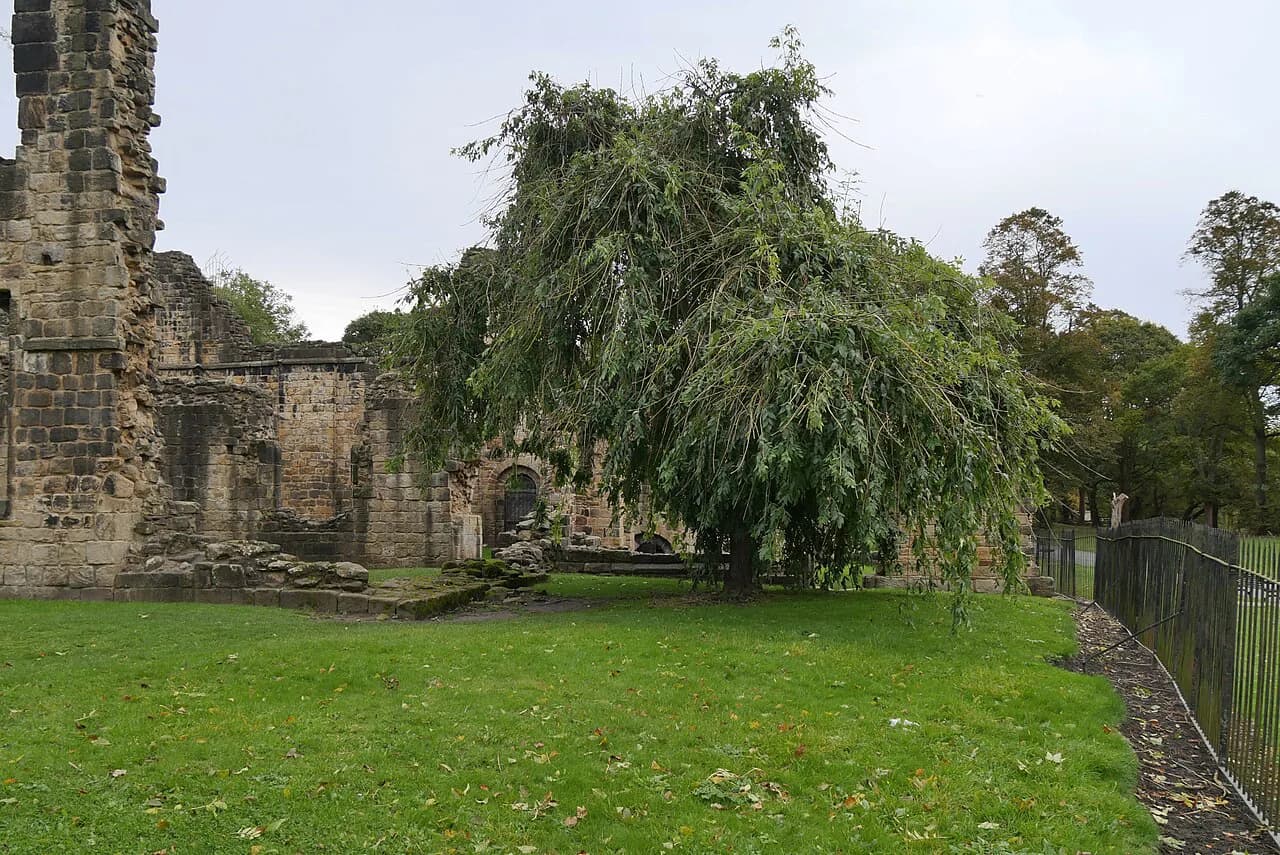
Kirkstall Abbey: the secret tunnel legend that is not true
The legend that monks at Kirkstall Abbey built secret tunnels to escape Henry VIII's dissolution of the monasteries has grown to include a network running as far as Headingley and Horsforth. The tunnels do not exist, and the drainage tunnels around the site may have started the rumour. That makes Kirkstall a useful lesson in how a good story attaches itself to a real ruin. Visit for the abbey itself and the setting, not for tunnels. If you enjoy tracing how legends attach to real buildings, the haunted places in Liverpool offer the same kind of comparison.
Leeds Town Hall: the clock tower ghost and the lions
Leeds Town Hall has its own ghost story about Mary Blythe, said to have thrown herself from the clock tower in 1876, with the tale that the clock does not strike at midnight so she is not woken. The lions outside have their own myths: one version says they come to life if you run around the building before the bell finishes striking 12, another that they would rampage if the bell struck 13, and a third that they stand and roar at New Year. Treat all of these as city legends. The Town Hall is a working civic building, so plan to see it from the outside and around the square rather than relying on a tour.
The Town Hall anchors the city's Victorian architecture, which is worth a walk on its own. If you want to pair ghost stories with the city's built history, browse the guide to Leeds architecture for the streets and buildings around the square.
The Calls and Skull and Stones Yard: riverside and pub-yard legends
The Calls was a narrow, gloomy street of mills, warehouses and wharves in the 1800s, with a long flight of steps down to the water known as Jenny White's Hole. The story says Jenny drowned there after her husband left her. Behind Kirkgate, Skull and Stones Yard takes its name from a tale of two men locked in a hayloft who suffocated under the hay, after which the landlord carved a stone with two skulls. The ghosts of the dead men are said to haunt the buildings today.
Also in the centre, John Harrison, a 17th-century cloth merchant, is remembered by a statue in City Square and by the story of a house on Briggate with holes cut for his cats. These are stories attached to real streets and a real merchant, not ghost attractions with a ticket desk. For the wider context of the city's growth, the history of Leeds is a useful read before you walk the routes.
Middleton Railway: the world's oldest continuously operating railway and its ghost
Middleton Railway, built in 1758, is the world's oldest continuously operating railway and may have the world's oldest railway ghost story. In December 1821 a carpenter named David Brook was walking home along the tracks in thick sleet when a train hit him, and his wife and children were said to end up in a Poor House. Since then people have reported a figure in a thick coat shielding his eyes from the rain. Tell it as a legend, and check the railway's own running days before travelling.
Ghost hunt versus ghost walk: which suits you
A ghost hunt is an organised night of vigils and experiments with equipment and hosts, as at Armley Mills, and it runs late and costs a ticket. A ghost walk is a guided stroll around stories attached to streets and buildings, usually shorter and outdoors. Choose the hunt if you want the late-night atmosphere and the restrictions that come with it, and a walk if you want to see the city and keep your evening flexible.
If you are planning a daytime visit around the stories, the free museums in Leeds are a sensible anchor for a city break budget, though the legends themselves belong to streets and buildings you can see from outside. For more things to do between stories, the wider guide to Leeds Attractions covers options for a full day in the city.
Practical planning for a night out with ghosts
Leeds ghost stories read best in the dark months, when the walk between sites feels like part of the experience. Dress for the weather with warm layers and sensible shoes, and bring a torch for any outdoor section. Haunted Houses takes bookings for the Armley Mills hunt through its own site, where dates and remaining spaces are listed, and a deposit may be needed to hold your place.
Build in walking time between the centre, the Calls and the railway and abbey sites, and don't plan a tight schedule around a late-night hunt. Many of these places are real working buildings or ruins, so treat access as it comes and enjoy the stories from the street when the doors are shut.
Check before you travel
Use the stories to choose one or two sites that genuinely interest you, then check the venue or operator for current dates, opening and access before you book or travel. For a fuller city itinerary, the museums and Royal Armouries Museum give you a daytime contrast to the ghost stories.
Explore more Leeds guides
Frequently Asked Questions
What is the most haunted place in Leeds?
Armley Mills has the strongest reputation, with reports of a Victorian gentleman, children's cries and heavy footsteps. The Grange at Leeds Beckett's Headingley campus and the Town Hall clock tower also have well-known stories. All of these are legends.
Can you do a ghost hunt in Leeds?
Yes. Haunted Houses runs a ghost hunt at Armley Mills with vigils, equipment and Victorian experiments such as Ouija boards. Dates vary, so check the current calendar.
Is Armley Mills haunted?
Armley Mills has a haunted reputation built on reported sightings and noises, including a Victorian gentleman and cries of children. These are stories, not confirmed events. The mill is also a museum with a real industrial history.
How much does the Armley Mills ghost hunt cost?
Haunted Houses publishes ticket prices on its Armley Mills ghost hunt page, which also explains how a deposit can hold a place. Check that page for the current price before booking.
Are the Kirkstall Abbey tunnels real?
No. The legend of secret tunnels built by the monks to escape Henry VIII has been disproved, and the drainage tunnels around the site may be the origin of the story. The abbey ruin itself is the real thing to visit.
Why doesn't the Leeds Town Hall clock strike at midnight?
The story says the clock stays silent at midnight so the ghost of Mary Blythe is not woken. It is a legend, not a verified explanation, and the Town Hall is a working civic building.
What is the difference between a ghost hunt and a ghost walk?
A ghost hunt is a late-night organised event with vigils, hosts and equipment, such as the Armley Mills hunt, and it usually requires booking. A ghost walk is a shorter guided stroll around stories attached to streets and buildings.
What should I bring to a Leeds ghost hunt?
The Armley Mills operator asks attendees to bring a torch, sensible shoes and warm layered clothing. Hot and cold drinks and ghost hunting equipment are provided there, but check any event's own guidance before you go.
Sources
Notes for your next city break
Optional updates to our UK city guides.
You might also like
Continue reading
More guides you'll find useful