Leeds Architecture: A City Guide to Its Buildings and Styles
A guide to Leeds architecture, from Victorian arcades to modern award-winning buildings, with named landmarks and honest advice on what to see on foot.
On this page
Leeds is a trading city first, and its architecture shows it: confident commercial frontages, glazed shopping arcades and civic buildings built to impress. The best way to see it is on foot, moving from Victorian shopfronts to recent award-winning work in a single afternoon.
This guide organises the city's buildings by period and style rather than as a loose list, so you can plan a coherent walk and know what to look at on each facade. Interiors are a separate question, and many of the grandest buildings are working offices rather than visitor attractions.
Start With the Arcades
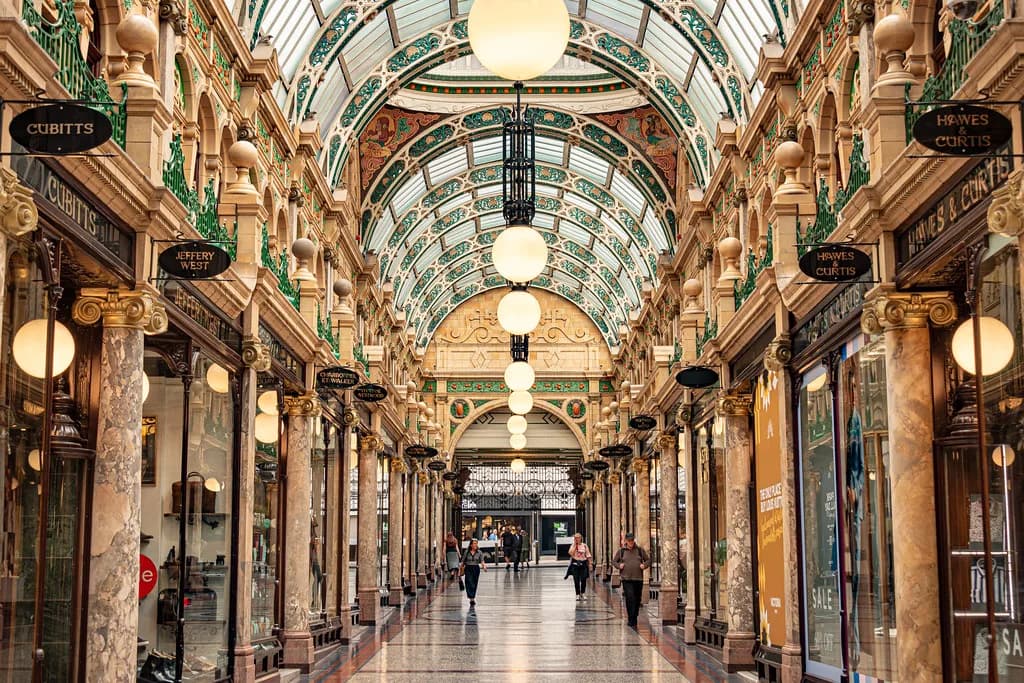
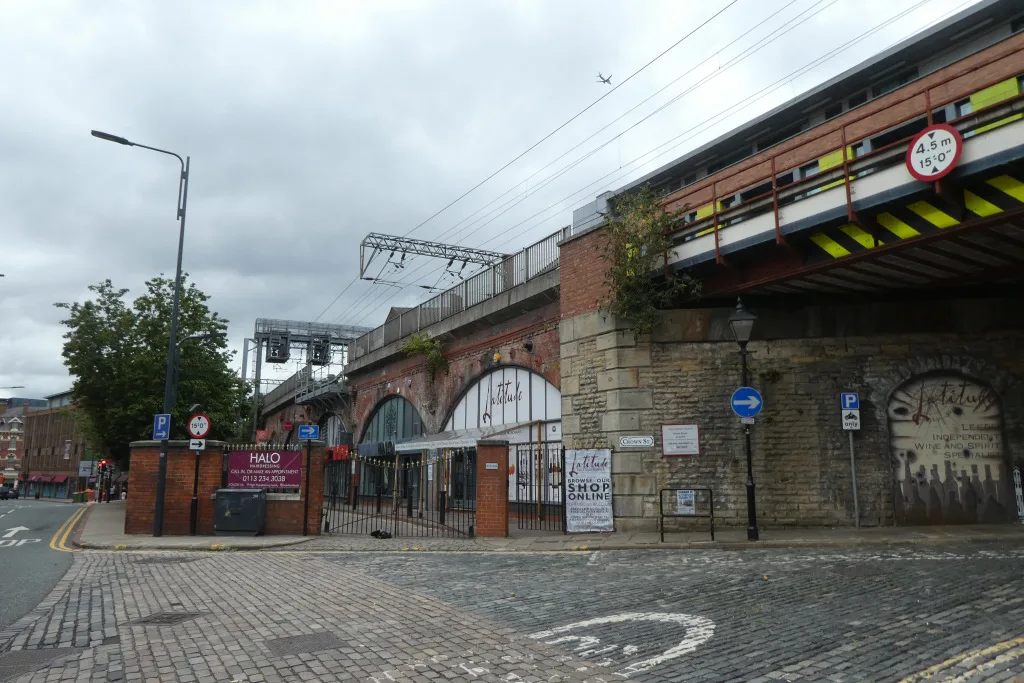
Victorian shopping arcades are covered streets lined with small units under a glazed roof, built so respectable shoppers could move between shops out of the weather. Leeds has several of these intricately beautiful covered lanes, and they remain the most rewarding single building type to explore in the centre. Look up: the interest is in the ironwork, the glass roof and the decorative treatment above shop level.
Read an arcade in two layers. At eye level, shopfronts change constantly as tenants come and go, so judge the surviving stucco, tiling and window frames rather than the current branding. Above, the original rhythm of pilasters, balustrades and roof glazing usually survives intact and tells you how ambitious the developer was.
Arcades work best as a short loop rather than a destination in themselves. Allow around half an hour to walk two or three of them properly, stopping to look up at each entrance and roof. They are free to walk through, and they sit close to the main shopping streets, which makes them an easy first stop before a longer architectural walk.
Civic and Commercial Confidence
Leeds grew rich on wool, cloth and later finance, and the city centre carries that history in stone and brick. Banks, exchanges, insurance offices and department stores competed on facades, which is why so many central streets have a uniform grandeur out of proportion to their width. The overall effect is a commercial city centre built to look permanent.
When you look at a commercial building, start at the ground floor and work upwards. Ground floors were designed for display, with large windows and heavy framing; upper floors often carry the richest carving, because that is where the architect had freedom. Cornices, carved capitals and dated keystones are the quickest way to place a building in time.
Much of this architecture is still in daily use as offices, banks and shops, so the street is the viewing gallery. That is a genuine trade-off: you get close to some of the best Victorian commercial work in England for nothing, but you will not be wandering through the banking halls. Plan your walk around exteriors and treat any open lobby as a bonus rather than the point of the trip.
Churches and Older Fabric
Older fabric survives in patches rather than as a continuous historic quarter, so parish churches are often the oldest buildings you will pass. They are worth a pause on a city walk because they show the street pattern that existed before the commercial rebuild. A churchyard wall or an old lane beside a Victorian block is usually the giveaway.
Treat church interiors as a separate visit. Whether a church is open depends on the parish and the time of day, and many central churches keep limited hours because they rely on volunteers. If seeing inside matters to you, plan around a service time or check the noticeboard on the door, since opening hours are not guaranteed.
Modern and Award-Winning Buildings
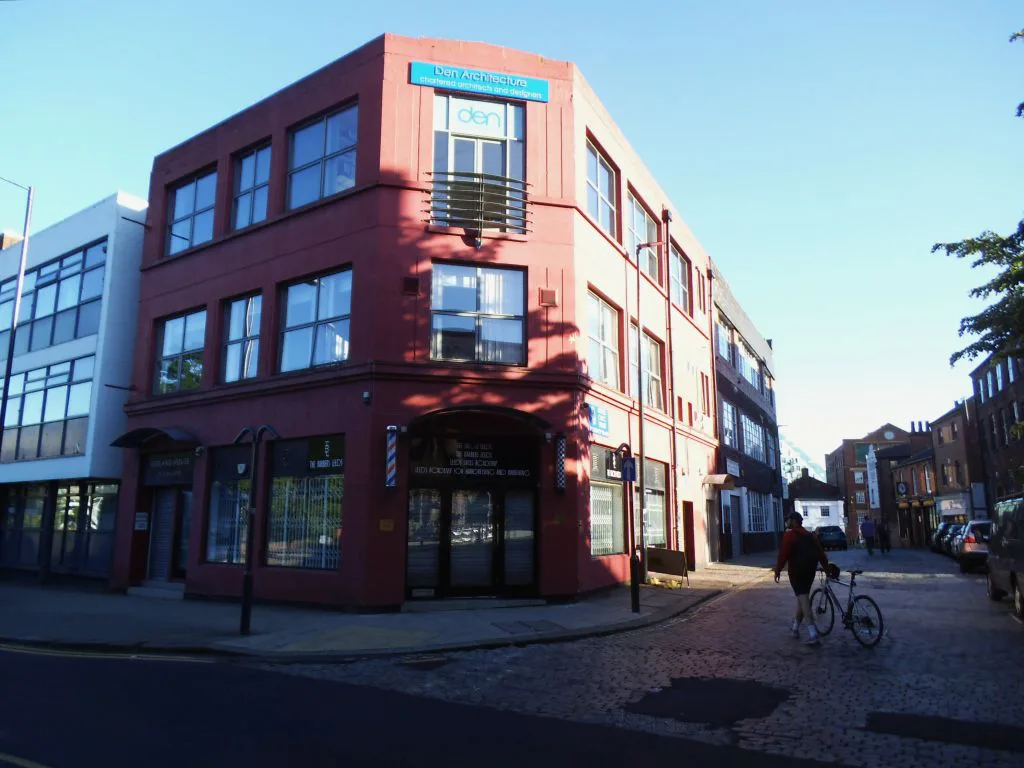
Recent Leeds architecture is best understood as infill and repair rather than grand statements. Newer buildings slot into tight central plots, and the quality question is how well they meet the older street at ground level. A 2020 round-up of the city's most spectacular pieces of architecture makes the point that Leeds has an array of fascinating buildings to explore, from award winners to the Victorian arcades, rather than one headline landmark. If you enjoy comparing cities this way, our Birmingham architecture guide applies the same period-by-period approach to another commercial centre.
When judging a modern building on foot, look at three things: how the ground floor meets the pavement, what the building does at roof level, and whether the materials have aged well. Cladding and glazing show their age quickly in a northern climate, whereas stone and brick weather into the street. These are the details that separate a building that photographs well from one that is pleasant to walk past.
Where to See It on Foot
A simple route works better than a checklist. Start in the retail core among the arcades, move outward through the commercial streets to the civic buildings, then finish with the newer work on the edge of the centre. That sequence takes you from Victorian to modern without doubling back, and it keeps the strongest buildings for the middle of the walk.
Allow two to three hours for a central walk at a looking-up pace, and longer if you stop for coffee or step into a church that happens to be open. The centre is compact enough to cover on foot, but the streets are busy with traffic and deliveries, so a weekday lunchtime is the least pleasant time to linger at a kerb.
If you want a broader sense of what else is within reach, the city's museum quarter and waterfront sit close enough to fold into the same day. Our guide to things to do in Leeds helps you judge how much architecture fits alongside the indoor attractions.
How Leeds Architecture Is Made Today
The city still has a working architectural profession, and looking at current practice shows how buildings get made rather than just how they look. PARKdesigned, an architecture and interior design studio with offices in Leeds and London, describes itself as balancing creativity with commercial reality across energy centres, cladding remediation, residential, mixed-use and commercial developments.
The firm states that it is a RIBA Chartered practice, creating buildings it describes as safe, sustainable and inspiring, delivered on time and on budget. RIBA Chartered status is the professional benchmark to look for if you are commissioning work yourself; for a visitor, it is a reminder that most of the buildings you admire were the product of technical as well as aesthetic decisions.
Its Leeds studio is at Aquilifer House, 2 Kelso Road, Woodhouse, Leeds LS2 9PW, just outside the city centre, with a second office at Seven Pancras Square, 7 King's Boulevard, London N1C 4AG. These are working offices rather than visitor attractions, and the practice lists opening hours of 8am to 6pm Monday to Friday, closed at weekends, so do not plan a visit around them. Contact details, should you need them for a professional enquiry, are info@parkdesigned.com and 0113 819 8057.
Practical Trade-offs
The biggest constraint is access. Leeds's finest commercial buildings are private, so you will spend most of your time on the pavement, and a walking guide that promises interiors is overselling. Accept that you are looking, not entering, and the city becomes generous: the streets are free, and the best details are at first-floor level.
Steps, kerbs and one-way streets slow a route more than distance does. Pedestrian crossings cluster where the shops are, so a walk that zigzags between buildings on opposite sides of a road costs more time than the map suggests. Group buildings by side of street and cross once, rather than dodging traffic for each facade.
Weather matters in a city built for commerce rather than shelter. The arcades give you genuine cover, which is another reason to start there, while the commercial streets offer little. A compact waterproof and a plan that puts the arcades in the middle of the day is more useful than an umbrella in the wind.
Pairing Architecture With Museums and Tea
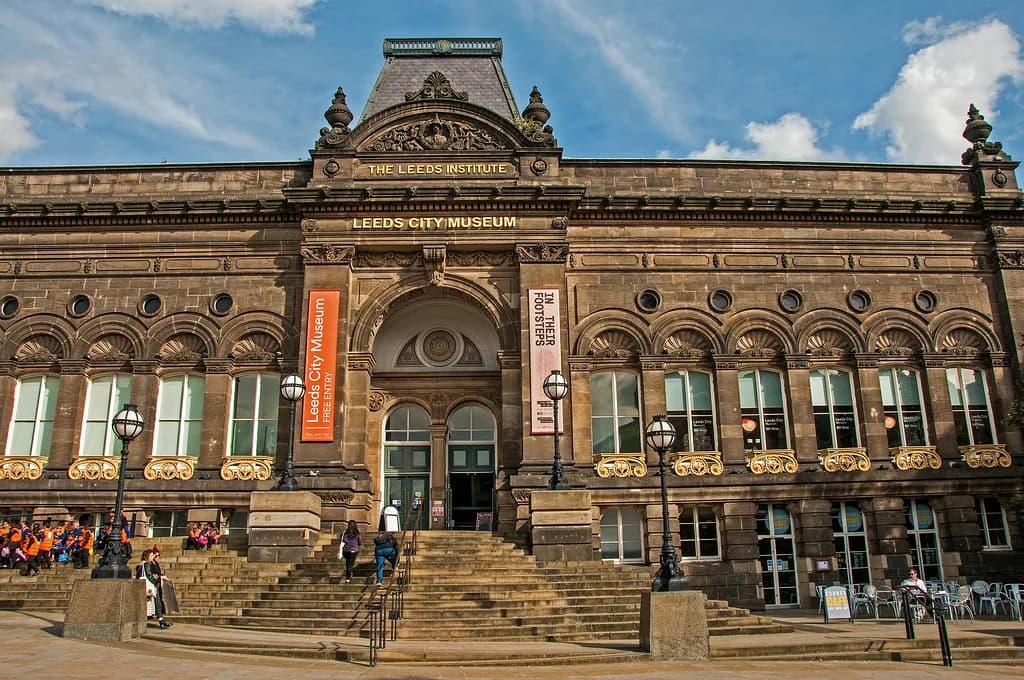
Architecture makes a good spine for a Leeds day because it needs no booking and fills the gaps between timed visits. The city's museums sit within easy reach of the centre, and our guide to museums in Leeds sets out which ones justify an hour and which justify an afternoon. Many of the national collections are free, so a museum stop costs you time rather than money, while the city's commercial architecture costs nothing at all.
If you are travelling on a budget, the free museums in Leeds are the obvious pairing with a self-guided architectural walk, since both keep the day cheap. Build the walk around a museum opening time rather than the other way round, and you avoid arriving at a closed door with hours to fill.
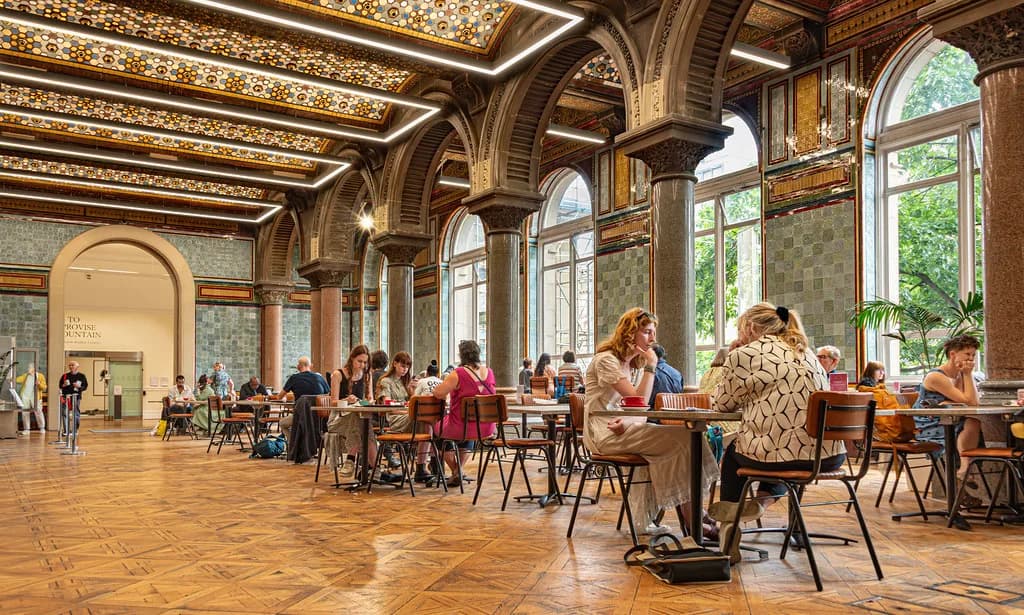
For art, the city's galleries add a different kind of looking, and the art galleries in Leeds are a natural companion to a morning of facades. Finish with afternoon tea in one of the arcades or the surrounding streets, which is the most architecturally fitting way to end a day spent reading shopfronts and glazing.
Checklist Before You Go
Plan the walk around exteriors, since that is what Leeds does best, and pick two or three buildings you genuinely want to study rather than a long list. Wear shoes for pavements rather than paths, carry something waterproof, and keep the arcades as your wet-weather fallback.
Check opening days for any museum or church you want to enter before you set out, as these vary through the week. For a city break built around buildings, museums and a proper tea, our wider guide to Leeds attractions pulls the pieces together.
Plan Your Leeds Architecture Walk
Leeds rewards a walker who looks up: Victorian arcades, confident commercial frontages and modern infill sit within a compact centre you can cover in half a day. Start in the arcades, work outward through the commercial streets, and finish with the newer buildings on the edge of the centre.
Keep expectations honest about interiors, group your stops by side of street, and pair the walk with a free museum and an afternoon tea. That combination gives you the city's history, its buildings and its hospitality in one day without needing a ticket for any of it.
Explore more Leeds guides
Frequently Asked Questions
What is Leeds known for architecturally?
Leeds is known for its Victorian shopping arcades, its grand commercial and civic buildings from the trading boom, and a growing stock of modern work slotted into the centre. The city's architecture is best read as a commercial streetscape: confident facades built to impress, with the best detail often above ground-floor level.
Is Leeds good for an architecture walk?
Yes, because the centre is compact and the strongest buildings cluster within walking distance. A route that starts in the arcades, moves through the commercial streets and finishes with newer work takes two to three hours at a looking-up pace, with no need for transport between stops.
How long does it take to walk around central Leeds architecture?
Allow two to three hours for a central walk that covers the arcades, the main commercial streets and some modern buildings, and longer if you stop for coffee or find a church open. Distances are short, but busy pavements and crossings slow you down more than the map suggests.
What are the Victorian arcades in Leeds?
They are covered shopping lanes with glazed roofs, built in the Victorian period so shoppers could move between units out of the weather. Several survive in the retail core and are free to walk through; look at the ironwork, roof glazing and the decoration above shop level rather than the current shopfronts.
Are Leeds buildings free to look at?
The streets and arcades are free, and most of the grandest commercial buildings are viewed from the pavement because they remain working offices, banks and shops. Museums are a separate matter: many of the national collections charge nothing, while others sell tickets, so check the individual venue before you go.
Can I go inside Leeds's historic buildings?
Sometimes, but not reliably. Banks, offices and shops are private, churches keep limited and variable hours, and the arcades are open as thoroughfares rather than attractions. Plan your day around exteriors and treat any open lobby or church door as a bonus.
Where does Leeds architecture fit with the city's museums?
Well, because the museums sit within easy reach of the central streets, so you can walk between facades and galleries without transport. Pair a morning architectural walk with an afternoon museum and finish with afternoon tea in or near the arcades.
Sources
Notes for your next city break
Optional updates to our UK city guides.
You might also like
Continue reading
More guides you'll find useful