Markets in Brighton: What to See and When to Go
Plan a market day in Brighton with a guide to Brighton Open Market's stalls, food, studios and opening hours, plus how the market fits a city break.
On this page
Brighton's main market to build a day around is Brighton Open Market on London Road, a covered venue with permanent stalls, a market square for visiting traders and events, and a row of small workshops. It is the practical choice in a city where the weather changes fast, because the shopping happens under cover rather than along a street. The pages that follow cover what is inside, the opening hours, the two entrances and the honest trade-offs, starting with a wider look at things to do in Brighton.
Brighton Open Market: the venue in brief
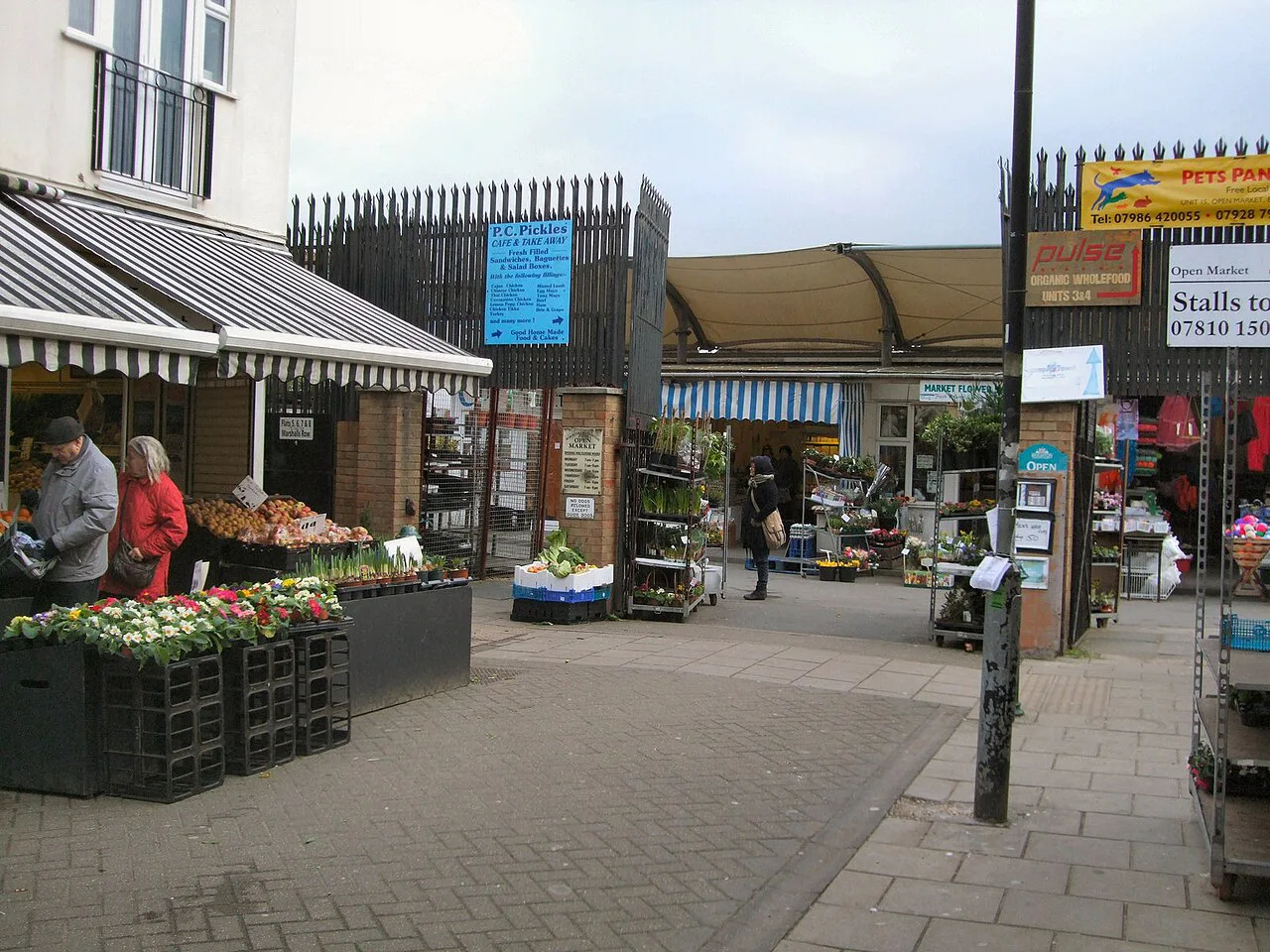
The Open Market sits between Marshalls Row, just off London Road, and Ditchling Road, opposite The Level. It describes itself as home to more than 50 local producers and creators, with traditional stalls selling everything from fruit and veg to crafts, fashion and vintage goods in all weather. The building is owned by the Brighton Open Market Community Interest Company as a social enterprise and managed by The Ethical Property Company.
Inside you get 45 permanent stalls plus a market square used for temporary stalls, visiting markets and entertainment, and 12 small workshops. That split matters when you plan: the permanent traders give the market its everyday character, while the square is where the line-up changes from week to week. If you are weighing it against entry-charging sights, the market costs nothing to walk through, which makes it an easy add-on to a low-cost day out.
A short history: barrows, rebuilding and the 2014 market
Trading on this patch of Brighton goes back to the late 1880s, when barrow boys sold fruit and veg in Oxford Street. The market moved to Marshall's Row in 1926, gained permanent stalls in 1938 and expanded in 1960. In 2006 the decision was taken to demolish the old market and build a covered replacement, which opened in 2014. Knowing this helps you read the building: the covered hall is recent, but the site has been a food market for well over a century.
Food stalls, greengrocers, fishmonger and butcher
The everyday core of the market is food shopping. Two greengrocers sit alongside a fishmonger, a butcher and stalls specialising in local eggs and bacon, with locally grown produce on offer at Foodshed. This is the section to head for if you want picnic supplies or something to cook back at your accommodation rather than a restaurant meal. Because these are permanent stalls, they are the most reliable part of a visit.
Fashion, vintage and haberdashery
Clothing runs from modern and upcycled pieces to printed T-shirts, children's fairy dresses and accessories, with a haberdashery stall for anyone who sews. Vintage and antique traders appear both among the permanent line-up and at regular specialist market days, so the mix you see depends on the day you choose. If fashion is the reason for your trip, pair the market with a wander through the independent shops of the North Laine; our shopping in Brighton guide covers the surrounding streets.
Artists' studios and workshops on the upper concourse
Upstairs on the concourse you will find handmade jewellery and artists' studios, and many of the makers run workshops where visitors can have a go themselves. This is the part of the market that rewards a slower visit: it is easy to walk past the stairs on the way to lunch and miss the studios entirely. Allow extra time if you want to browse properly or join a session, and check what is running before you travel rather than turning up and hoping.
Cafes, ice cream and planning a lunch stop
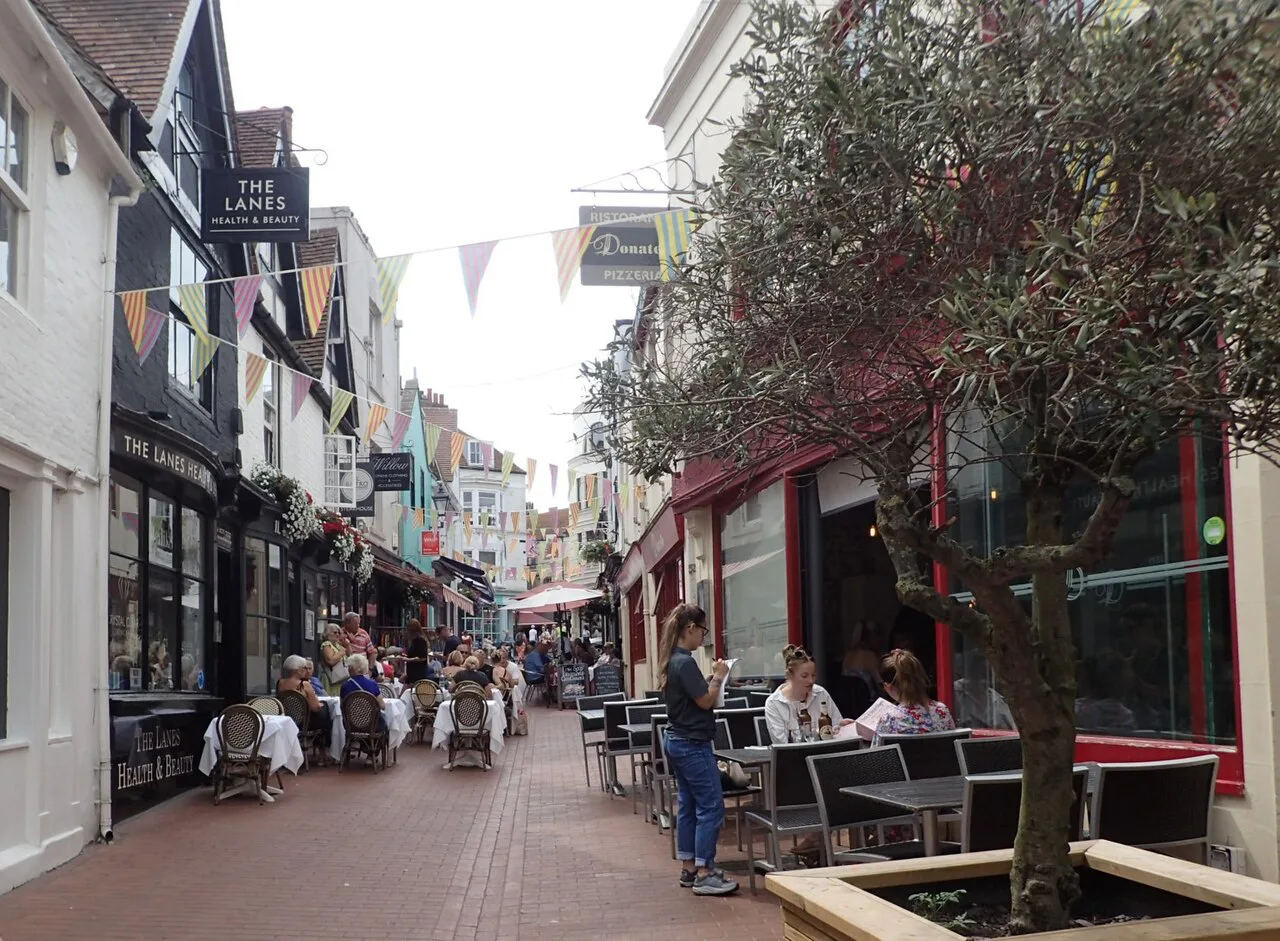
The market has become an eating destination in its own right, with Greek, Indian and Bangladeshi food and an English breakfast among the options, plus an ice cream or waffle at Mather's to finish. Temporary stalls often add something different, so you can eat well without booking a restaurant. The sensible plan is to shop first and eat second, since the food counters get busier as the lunch hour approaches.
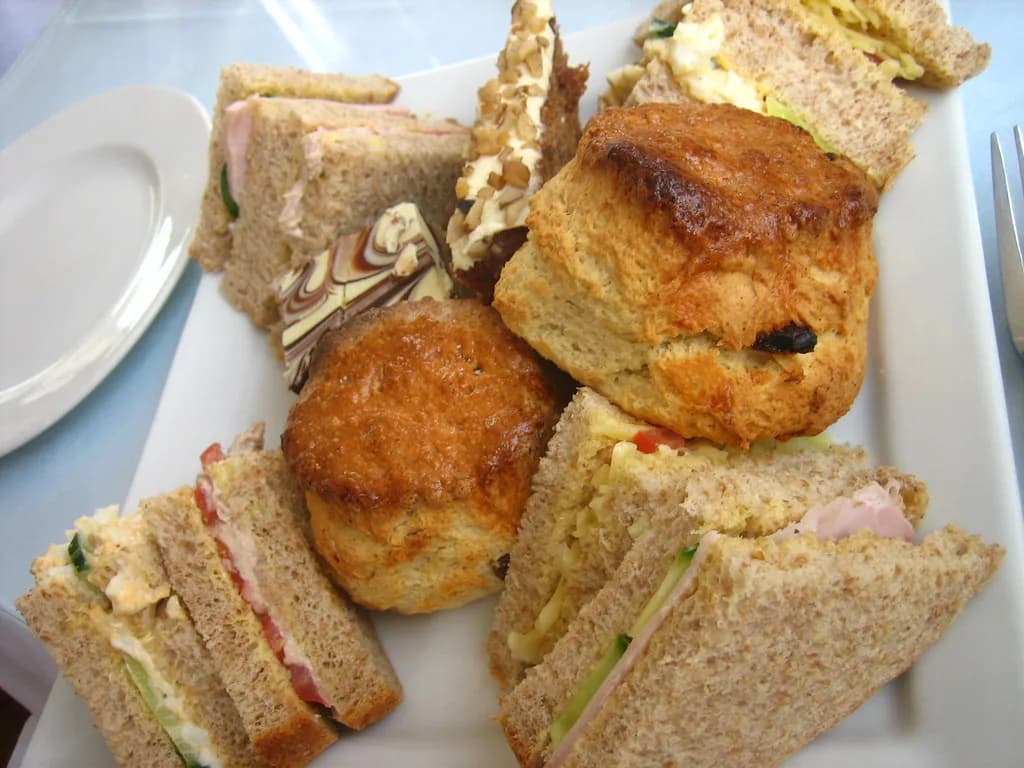
If you want a sit-down meal with white linen instead, keep the market for breakfast or a snack and book afternoon tea in Brighton separately. Trying to do both in one afternoon usually means rushing the market's upper floor.
Market square events and craft fairs across the year
The market square hosts events, workshops and craft fairs, especially at weekends, and past programmes have included clay demonstrations, craft fairs, colouring sessions for adults and paper marbling workshops. The line-up changes, so the market's own events page is the place to confirm what is on during your dates. Regular specialist days add food markets, thrift and vintage stalls and seasonal markets to the calendar, but treat any old listing date you find online as history rather than a current schedule.
Opening hours and the Sunday caveat
Core hours are Monday to Friday 9am to 5pm and Saturday 10am to 5pm, with Sundays also 10am to 5pm. The Sunday catch is real: not all stalls open and traders shut earlier, so a Sunday visit gives you the hall at its quietest and least complete. If you have one day only and want the full spread of food, vintage and studios, pick a weekday or Saturday instead.
Getting there: two entrances, bus and walk from the centre
You can enter from Marshalls Row, just off London Road, or from Ditchling Road, across from The Level. Both put you a short walk from the city centre, and the market is easy to reach by bus from anywhere in Brighton. Coming on foot from the seafront is a steady climb up through the centre, so build in a pause at The Level before you arrive.
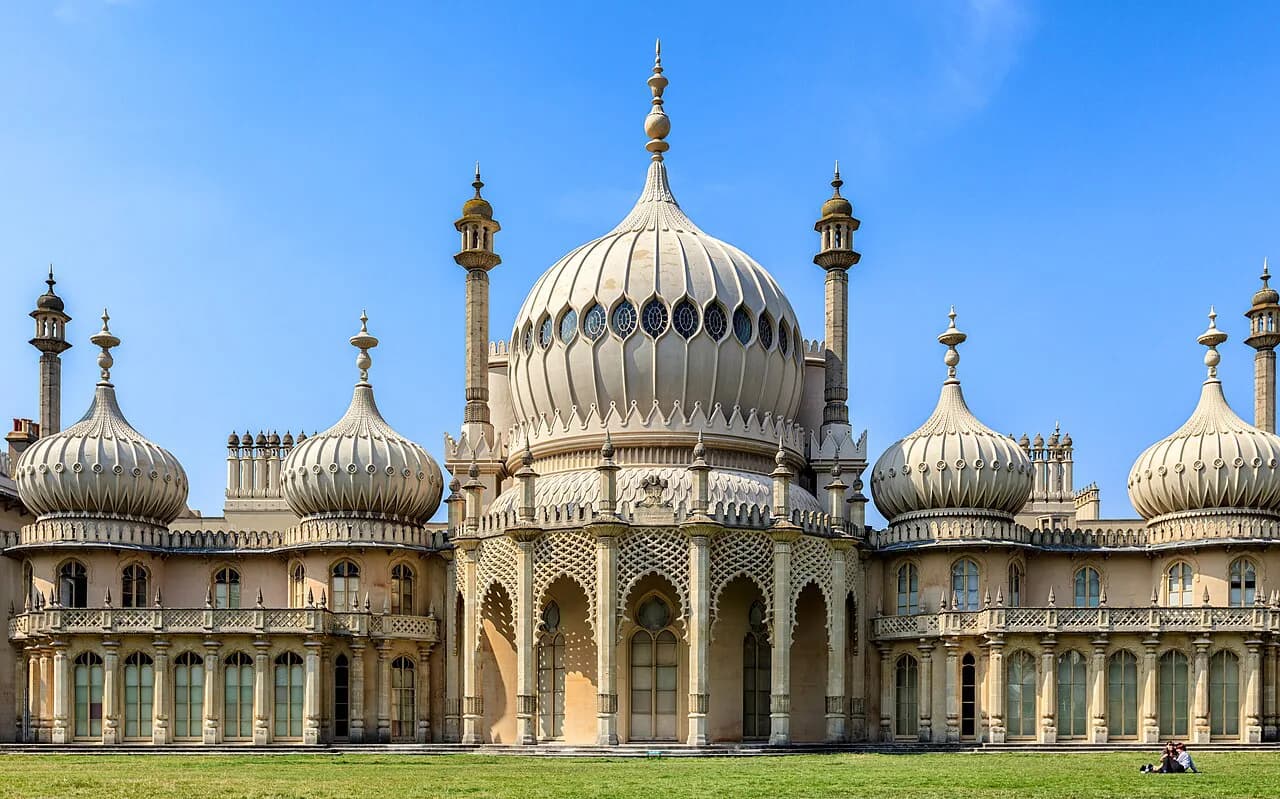
Transport costs and bus routes change, and the market's own site is the place to confirm times before setting out. If you are planning a longer stay, our weekend in Brighton itinerary shows how to slot a market morning around the pier and the pavilion.
How long to allow and when it is busiest
A quick shop takes about half an hour, but the upper-concourse studios, a workshop and a lunch stop turn that into two hours easily. Saturdays are the busiest day, with weekend events in the square adding to the crowd. Weekday mornings are the calmest time to see the food stalls and talk to traders.
Markets as a rainy-day option
Because the market is covered, it works when the weather turns and outdoor plans fall apart. Keep it as a reserve rather than a substitute for a full afternoon: the hall is compact, and most visitors see it in a couple of hours. For more wet-weather back-up, see our indoor activities in Brighton.
Nearby: The Level, London Road and the rest of the city
The Level park sits directly across Ditchling Road from one entrance, making a natural pairing with a market visit on a dry day. London Road itself has cafes, a gym and newer shops, part of the wider rejuvenation of the area around the market. Our parks in Brighton guide covers The Level and the city's other green spaces if you want to build a walk around it.
For a different scale of market, Cambridge Market Square and markets in Cambridge offer a comparison, though the Brighton venue's covered hall and studio floor are its own thing. If you are comparing English cities for a short break, markets in Birmingham is a useful contrast.
Practical trade-offs before you go
The Sunday trade-off is the biggest: fewer stalls, earlier closes, and a quieter hall. Event days bring craft fairs and workshops but also crowds in the square, while quiet weekdays give you the studios and food counters almost to yourself. Decide which matters more, a full line-up or a relaxed browse, and pick your day accordingly. Check the market's events page and trader listings before travelling, as stallholders and workshop times change week to week.
Plan Your Visit
Brighton Open Market is the city's reliable market stop: covered, free to enter and split between everyday food traders, vintage and fashion stalls, an upstairs studio floor and a square that changes with the season. Go on a weekday or Saturday for the fullest picture, accept the thinner Sunday offering, and allow two hours if you want lunch and the workshops. Build the rest of your break around it with our full guide to Brighton Attractions.
Explore more Brighton guides
Frequently Asked Questions
What markets are there in Brighton?
The main covered market is Brighton Open Market on London Road, with permanent stalls, a market square for visiting traders and small workshops. It also hosts regular specialist market days and events, listed on its own events page.
Does Brighton have a farmers market?
Brighton Open Market has permanent food traders including greengrocers, a fishmonger, a butcher and local egg and bacon stalls, and its events programme includes food market days. Check the market's events page for the current line-up.
Is Brighton Open Market open on Sundays?
Yes, on Sundays from 10am to 5pm. Not all stalls open that day and traders close earlier, so if you want the full range of food, vintage and studio stalls, choose a weekday or Saturday instead.
How long do you need at Brighton Open Market?
Allow about half an hour for a quick shop and up to two hours if you want to browse the upper-concourse studios, join a workshop and stop for lunch. Saturdays are busiest, so weekday mornings are calmer.
Where is Brighton Open Market and how do I get there?
It sits between Marshalls Row, just off London Road, and Ditchling Road, opposite The Level. Both are short walks from the city centre and the market is easy to reach by bus from across Brighton.
What can you buy at Brighton Open Market?
Fruit and veg, meat, fish, eggs, cheese, local produce, clothing and vintage pieces, haberdashery, crafts and handmade jewellery from the upstairs studios. Food stalls cover Greek, Indian and Bangladeshi dishes, English breakfasts and ice cream.
Sources
Notes for your next city break
Optional updates to our UK city guides.
You might also like
Continue reading
More guides you'll find useful