Parks in Brighton: Where to Go and What Each One Is Good For
A practical guide to parks in Brighton and Hove, from Preston Park and Hove Park to The Level and Queens Park, with what each is good for on a city break.
On this page
Brighton's parks are free to wander and easy to fold into a city break. The big lawns and playgrounds at Preston Park and Hove Park sit a short bus ride from the centre, while The Level and the Royal Pavilion Gardens are close enough to visit between the Lanes and the seafront.
This guide sorts the parks by what you actually want from them: a picnic lawn, a playground for restless children, tennis courts, a woodland walk or a view over the Downs. Read the descriptions before you pick a morning's plan, because the spread-out parks eat more time than the central ones.
What Brighton's parks give you
Almost everything here is open-access green space rather than a gated attraction, so you can drop in for twenty minutes or settle in for an afternoon. The trade-off is that facilities vary sharply: some parks have cafés and toilets, some have neither, and you should plan around that rather than assume.
Location matters more than size. The Level sits in the heart of the city near North Laine, so it slots into a shopping trip, while Preston Park and Hove Park reward a dedicated trip out. If you are building a full itinerary, match each park to the neighbourhood you are already visiting that day, and if you are weighing up another city break, this guide to the parks in Birmingham applies the same logic to its green spaces.
Preston Park: the largest urban park in the city
Preston Park is the biggest urban park in Brighton and Hove, with wildflower, walled and rose gardens alongside a children's playground, pitches for ball games and two cafés. That combination makes it the easiest park to build a whole day around, especially with children who need somewhere to run.
The gardens are the reason to come without children. The walled and rose gardens give you a quieter loop through planting, while the open lawns and sports pitches absorb the crowds. Bring a picnic if you want to keep costs down, or use one of the cafés when you would rather not carry everything.
Hove Park: blossom, tennis and the walk to the Downs
Hove Park has blossom trees, a children's play area, seven tennis courts and a football pitch. It is a good all-rounder for a family that wants sport and play in the same visit, and the green space is generous enough for a spring picnic without feeling hemmed in.
The three-cornered copse is a corridor towards the South Downs National Park, so Hove Park works as a starting point for a longer walk rather than a destination on its own. A miniature steam railway runs on selected weekends.
The miniature steam railway runs on selected weekends rather than daily, so do not promise children a ride without checking the operating days first. Tennis courts are a real draw here, but bring your own racquets and expect to share the space on bright weekends.
The Level: central, flat and useful mid-trip
The Level is the obvious park when you are already in town. It sits near North Laine and has a sensory play garden with water features, sand and textured surfaces, plus a skatepark, table tennis and petanque for older children and adults.
It is flat and open, which makes it easy to keep an eye on children while still being in the middle of the city. Pair it with a wander through the independent shops and street food of the surrounding neighbourhoods, then use the lawns to sit down before the next stop.
Queens Park: pond, playpark and a colourful walk
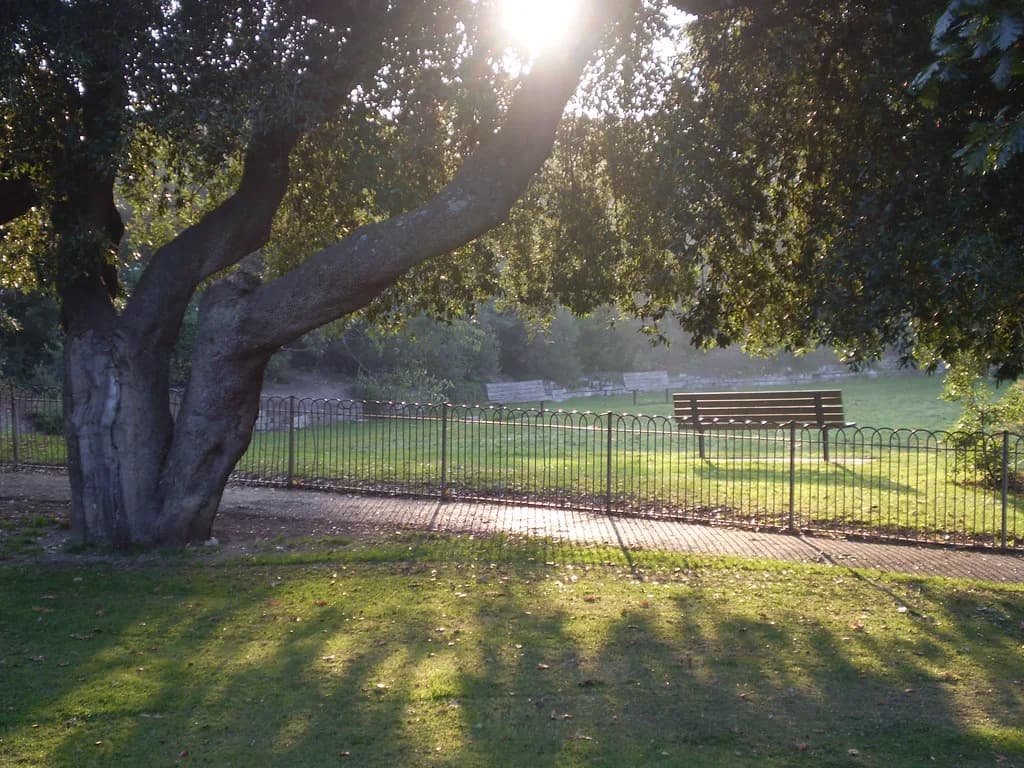
Queens Park is a tranquil spot with a large pond that draws a variety of birds, a café and a playpark for children. The walk there passes colourful houses, which makes the journey part of the outing rather than dead time.
Leave the bread at home and take seeds for the birds instead. The café is handy for a drink while children use the playpark, and the whole park has a calm, unhurried feel that suits a slower morning rather than a packed schedule.
Stanmer Park: woodland walks and open land
Stanmer Park combines woodland walks with extensive open land, so it works equally well for a family picnic, a kickabout or a bracing walk over the Downs. If you are peckish after all that, One Kitchen is a good stop for lunch.
This is the park to choose when you want countryside rather than lawns. Allow more time than you would for a central green space, wear shoes that cope with woodland paths, and treat the café as a lunch stop rather than a quick coffee.
Royal Pavilion Gardens: Regency landscaping in the centre
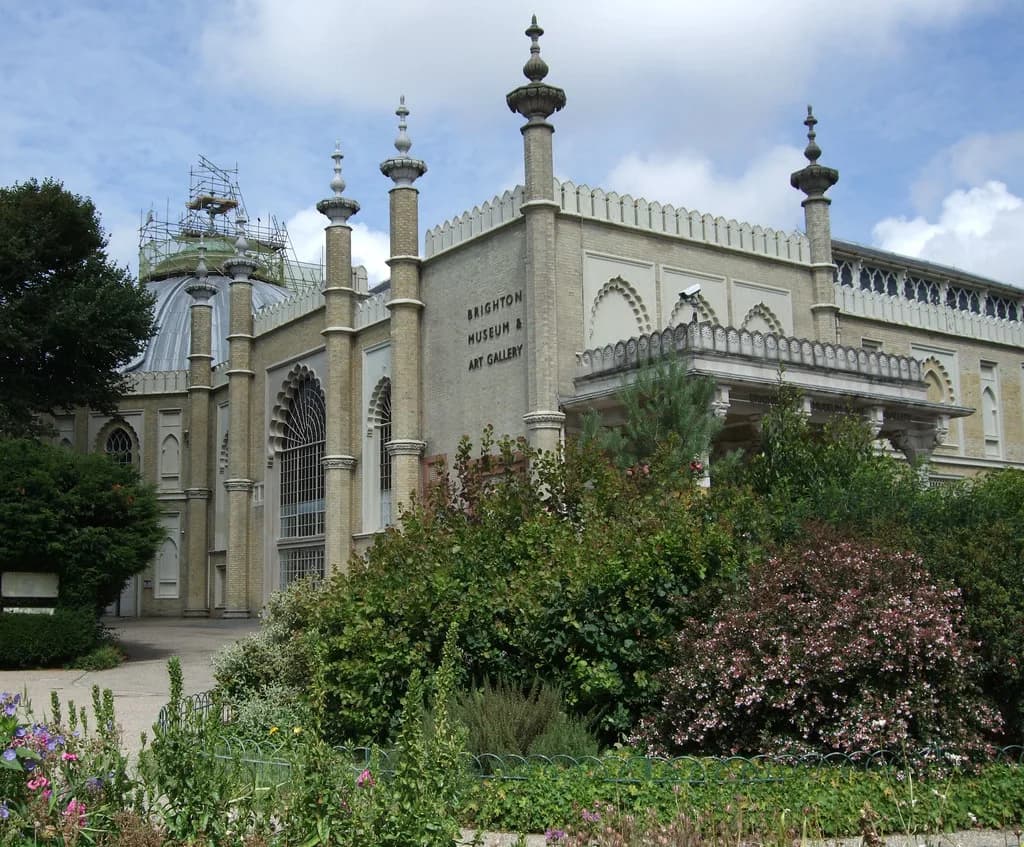
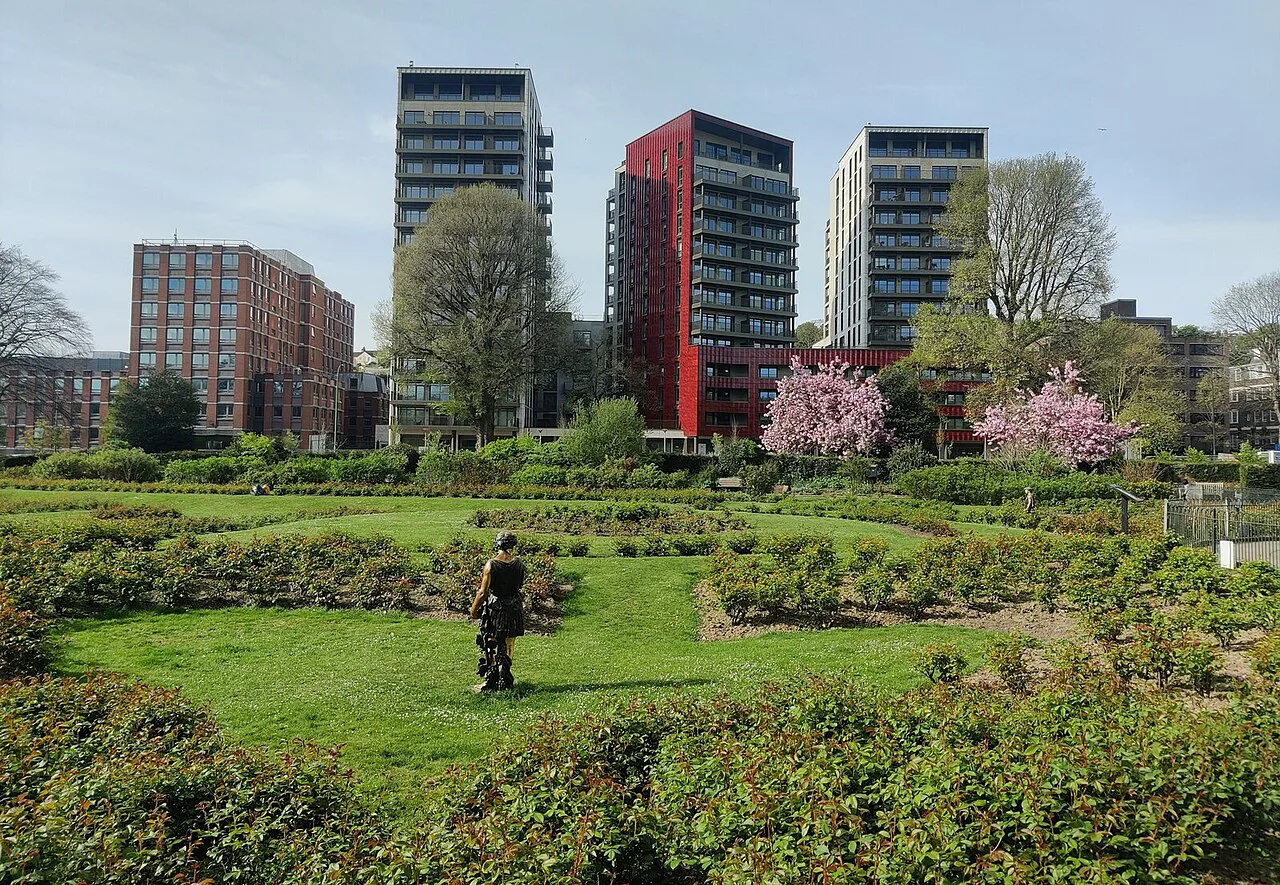
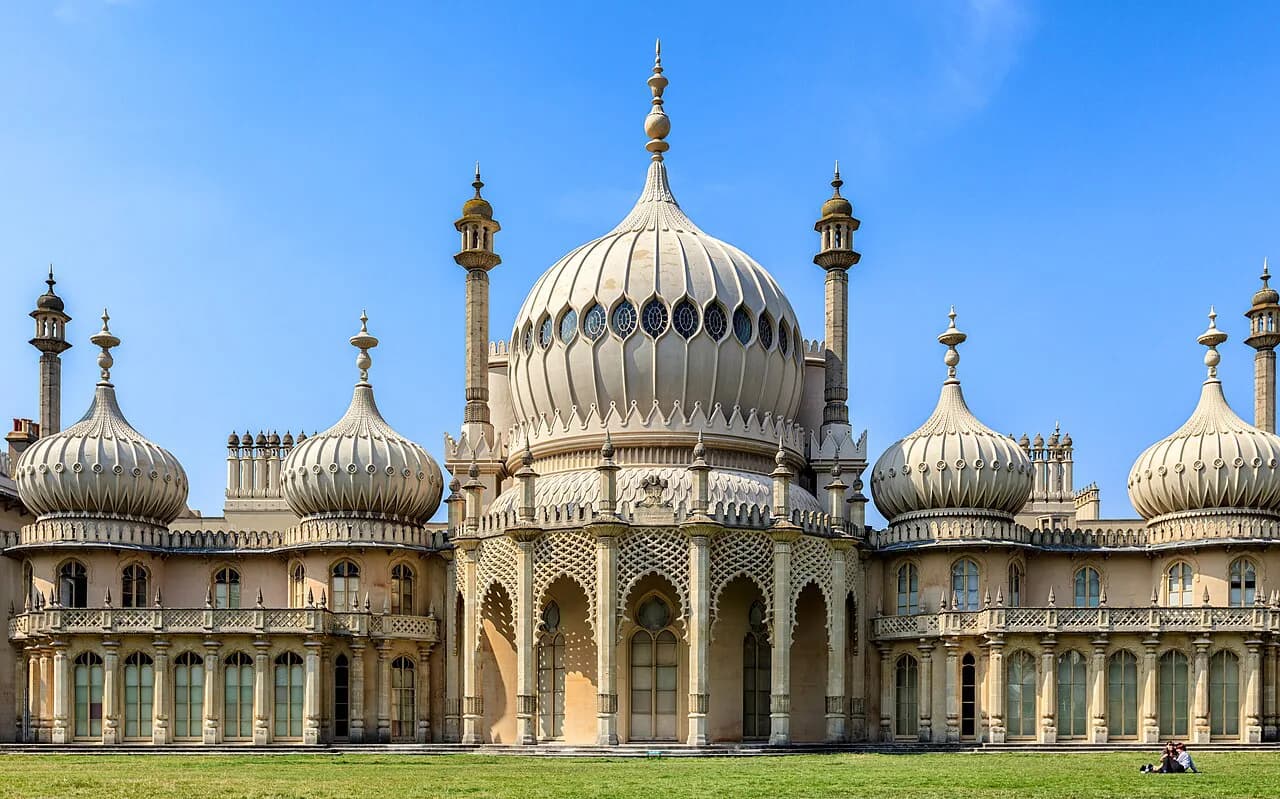
The Royal Pavilion Gardens sit in the shadow of the palace and have been restored to their Regency splendour. They are a popular picnic spot on a sunny day, and the Pavilion Gardens café covers food and drink if you have not packed anything.
Use these gardens when you want a short sitting-down break between central sights rather than a full afternoon outdoors. The central location means you can combine them with museums, the Lanes and the seafront without any extra travel.
Kipling Gardens: a small garden with pedigree
Kipling Gardens were once the home of Rudyard Kipling and are considered a fine example of horticultural excellence, with a range of spaces to explore. They have been frequent holders of the Green Flag, the award given to the best parks and green spaces in England and Wales.
This is a garden for a quiet wander rather than a playground stop. If you are already exploring the surrounding area, it makes a pleasant half-hour detour; if you have energetic children in tow, head for one of the parks with play equipment instead.
Quieter neighbourhood parks
Blakers Park in the Fiveways area has had a makeover in recent years, with modern equipment, tennis courts, green spaces and a cosy café where you can watch the children play. It has a community feel and is quieter than the big-name parks.
Dyke Road Park is well maintained, suitable for a range of ages, and has open grass for picnics and kickabouts. Its central location makes it easy to reach on foot from most Brighton neighbourhoods, and it rarely feels overcrowded.
St Ann's Well Gardens, known locally as Squirrel Park, has a playground among exotic trees, a fish pond and a sensory garden for younger children, with the Garden Cafe on site for drinks and snacks. These three are the picks when you want play equipment without the crowds.
Wet-weather alternatives
When rain rolls in off the Channel, indoor play takes over. Palace Play on Brighton Palace Pier has four storeys of soft play with slides, climbing structures and tunnels, a toddler zone for children under 0.9m and bigger frames for children up to 1.5m. Sessions have no time limit, staff supervise, and socks are required.
Funplex is one of the largest dedicated indoor play centres in the Brighton and Hove area, with structures for climbing, sliding and crawling, plus regular parties and events. High Sports at Withdean Sports Complex suits children aged four and up, with colour-coded bouldering routes and auto-belays so children can climb without a partner.
Ball Park Brighton, an indoor football tech arena near the marina, is another option for older children and teenagers. Check session times and prices directly with each venue before you travel, because indoor play bookings vary by day and season.
Devil's Dyke and the South Downs beyond the city
Devil's Dyke is one of the best views around Brighton, with panoramic views over the Sussex countryside from the top of a valley around 100 metres deep. It is a popular spot for sunsets, so time your trip to arrive late in the day if that is the draw.
The South Downs National Park offers trails and walks where you can choose between coast and countryside. These are countryside trips rather than city parks, so plan transport and daylight properly and take waterproofs whatever the forecast says.
Getting between the parks
The central parks, The Level and the Royal Pavilion Gardens, are close enough to link on foot. Preston Park, Hove Park and Stanmer Park sit further out, and Preston Park is described as a pleasant walk or a short bus ride from the city centre rather than a quick stroll.
Group your day by area: Hove Park with the seafront and Hove Lagoon, Preston Park with a trip north of the centre, Stanmer with a longer countryside outing. That saves you criss-crossing the city and leaves more time for the parks themselves.
Practical points before you go
Café provision is uneven. Preston Park has two cafés, Queens Park, Hove Park, Blakers Park, St Ann's Well Gardens, Stanmer Park and the Royal Pavilion Gardens each have a café stop, and The Level does not appear with one in the sources. Carry water and snacks if you are heading to a park without one.
Playgrounds are a strong feature of the city's parks, from the adventure equipment at Hove Park to the sensory garden at The Level and the toddler-friendly play area at Queens Park. If play is the priority, choose by age group: The Level and Queens Park for younger children, Hove Park and Preston Park for a wider range.
Seasonal variation matters most for blossom, the miniature railway at Hove Park and sunset views at Devil's Dyke. Check the park's own pages for current opening arrangements, café hours and any temporary closures before you set out, particularly outside the summer months.
Plan Your Visit
For a short break, pick one big park and one central green space rather than trying to tick off the whole list. Preston Park or Hove Park gives you a full family afternoon, while The Level or the Royal Pavilion Gardens slots neatly into a day already spent in the centre.
If you want countryside, Stanmer Park and the South Downs are the answer, and Devil's Dyke delivers the view. Build your days around neighbourhoods, check café and playground arrangements before you go, and the parks will carry a good part of your trip without costing anything at the gate.
Frequently Asked Questions
What are the best parks in Brighton?
It depends on the job. Preston Park is the largest urban park in the city, with wildflower, walled and rose gardens, a playground and two cafés. Hove Park has blossom trees, a play area, seven tennis courts and a football pitch. The Level is the most central, with a sensory play garden and a skatepark, and Stanmer Park offers woodland walks and open land.
Are Brighton's parks free to visit?
The parks described here are open green spaces you can walk into without buying a ticket. Indoor play centres, climbing walls and similar venues charge for sessions, so check directly with those operators if you plan to use them on a wet day.
Which Brighton park is best for children?
Hove Park and Preston Park suit a range of ages, with play areas, open space and cafés. The Level has a sensory play garden and a skatepark, and Queens Park has a gentler playpark plus a pond. For rain, Palace Play on Brighton Palace Pier and Funplex are the indoor options.
Where can you play tennis in Brighton?
Hove Park has seven tennis courts and a football pitch, and Preston Park has tennis and basketball courts alongside its playgrounds and lawns. Bring your own racquets and expect courts to be busiest at weekends and in good weather.
Is there a park near Brighton city centre?
The Level sits near North Laine and is flat and open, with a sensory play garden and a skatepark. The Royal Pavilion Gardens are also right in the centre, restored to their Regency splendour and good for a picnic beside the palace.
Which Brighton parks have cafés?
Preston Park has two cafés, and Queens Park, Hove Park, Blakers Park, St Ann's Well Gardens, Stanmer Park and the Royal Pavilion Gardens each have a café stop. The Level does not appear with one in the sources, so carry your own drinks if you are heading there.
Sources
Notes for your next city break
Optional updates to our UK city guides.
You might also like

Continue reading
More guides you'll find useful