
Old Aberdeen: Cobbled Streets, King's College and the Brig o' Balgownie

Old Aberdeen is the historic quarter of Aberdeen at the mouth of the River Don, and until 1891 it was a completely independent town with its own street plan and buildings. The area is now the main campus of the University of Aberdeen, which is why it reads as a working institution wrapped in old stone rather than a museum set piece.
That separate history is the reason to come. The city grew from two fishing and trading settlements, one around the Don and one around the Dee, and the northern one kept its own medieval street lines and its own centre of gravity.
What Old Aberdeen Is, and Why It Feels Different
Old Aberdeen was a separate burgh until 1891, when it was absorbed into the city. It centred on the university and cathedral settlement at the mouth of the River Don, while the trading town grew up around the Dee. For the practical details, see the Aberdeen guide.
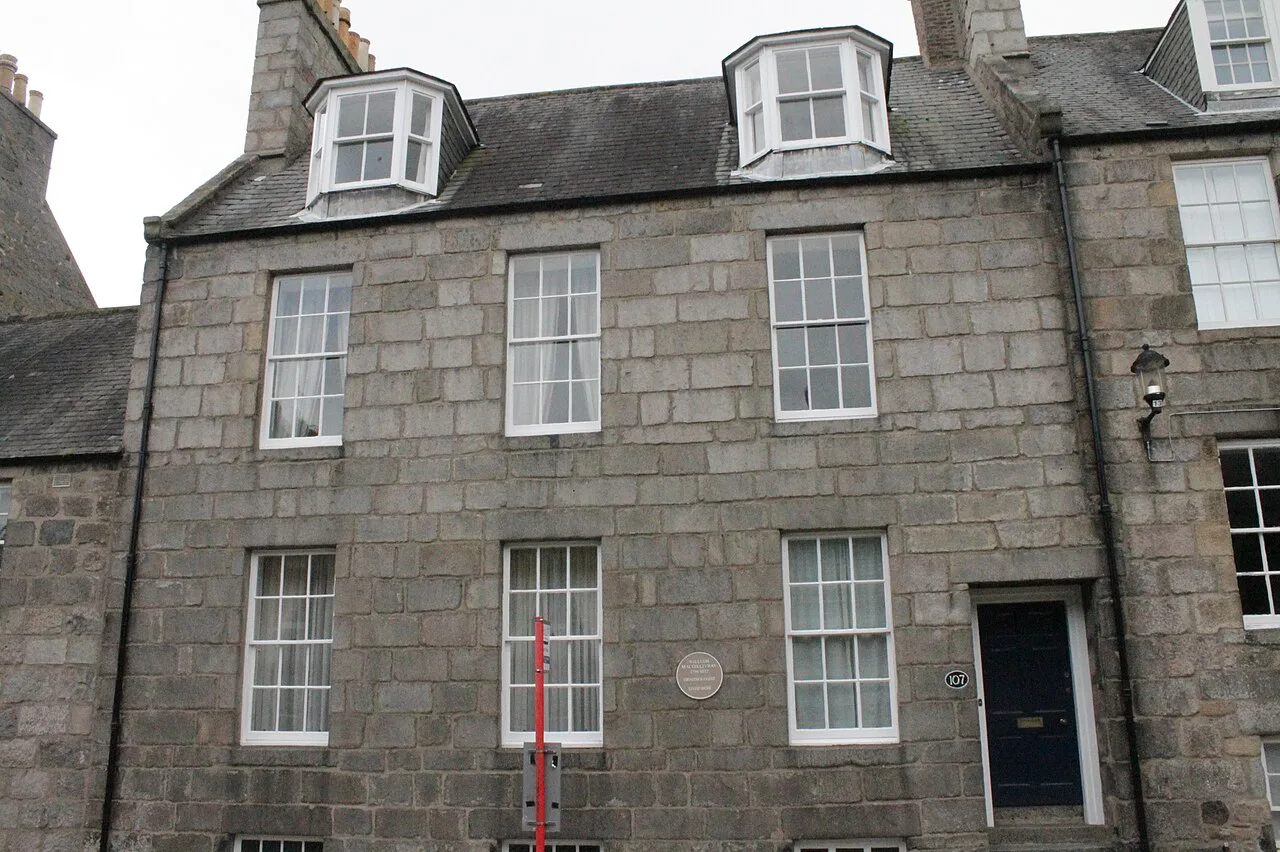
The quarter has held onto its shape: a medieval street plan, a mixture of architectural periods and a compact, village-like feel inside a much larger city. Aberdeen Heritage describes Old Aberdeen as managing to keep a village character even though the city has grown around it, with much of the building between 1660 and 1800 shaping what you see today.
The practical point for a visitor is one of scale. Most of what you have come for sits within a few hundred metres of the High Street, and the university is everywhere between the buildings you want to see, so expect students, bikes and ordinary campus life alongside the historic fabric. That is part of the charm, but it means the area is not a preserved enclosure with a ticket gate.
King's College and the Old Town House
King's College is the anchor of the quarter and the reason many people make the trip north of the centre. Its crown tower is the image most often used for Old Aberdeen, and it sits within a working campus rather than an isolated monument.
The Old Town House is the other civic landmark on a short walk, the kind of building that explains how a small burgh governed itself before the merger with Aberdeen in 1891. Pair the two rather than treating them as separate stops, because they are minutes apart on the same street.
Visiting arrangements for the college buildings change with university term and event use, so check access before planning your day around going inside. The walk past them and through the surrounding streets is the reliable part of any visit.
Seaton Park and the Brig o' Balgownie
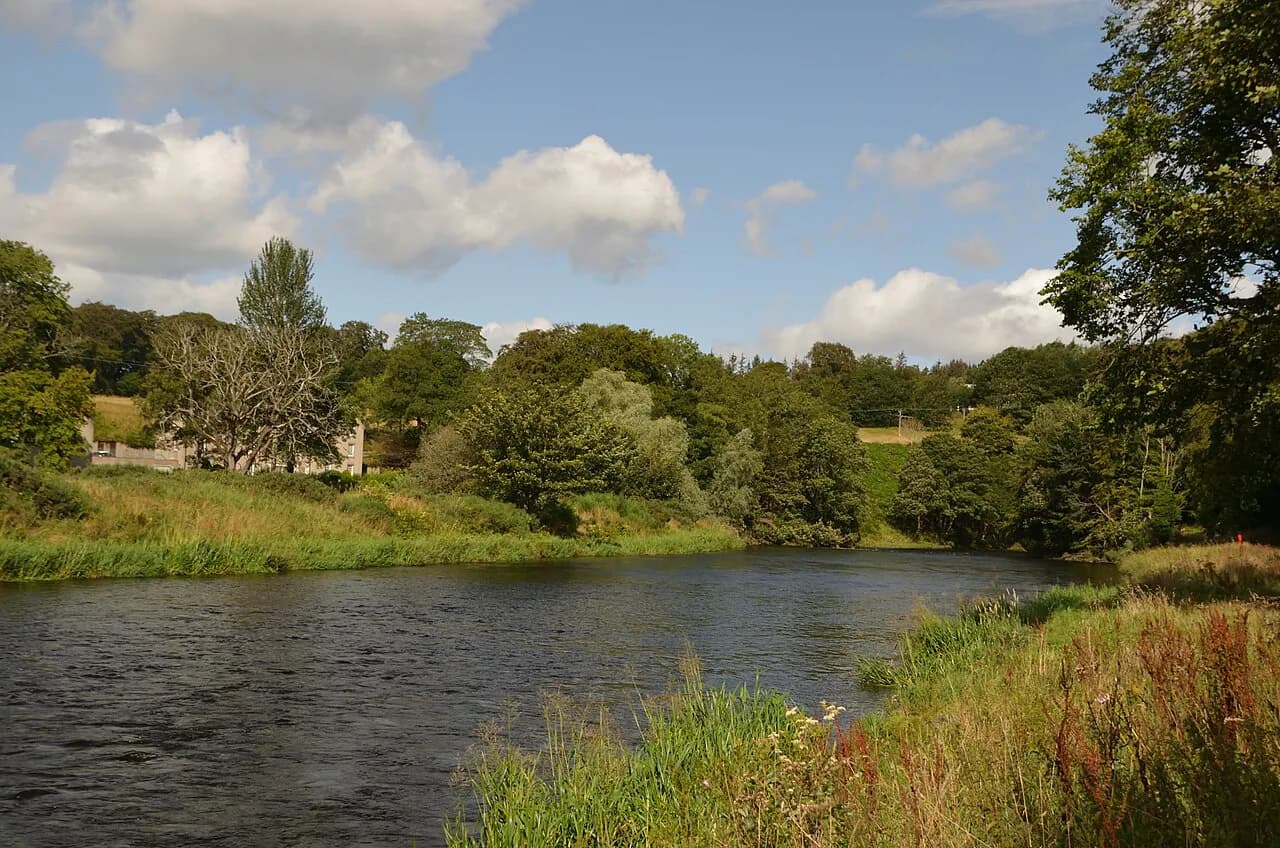
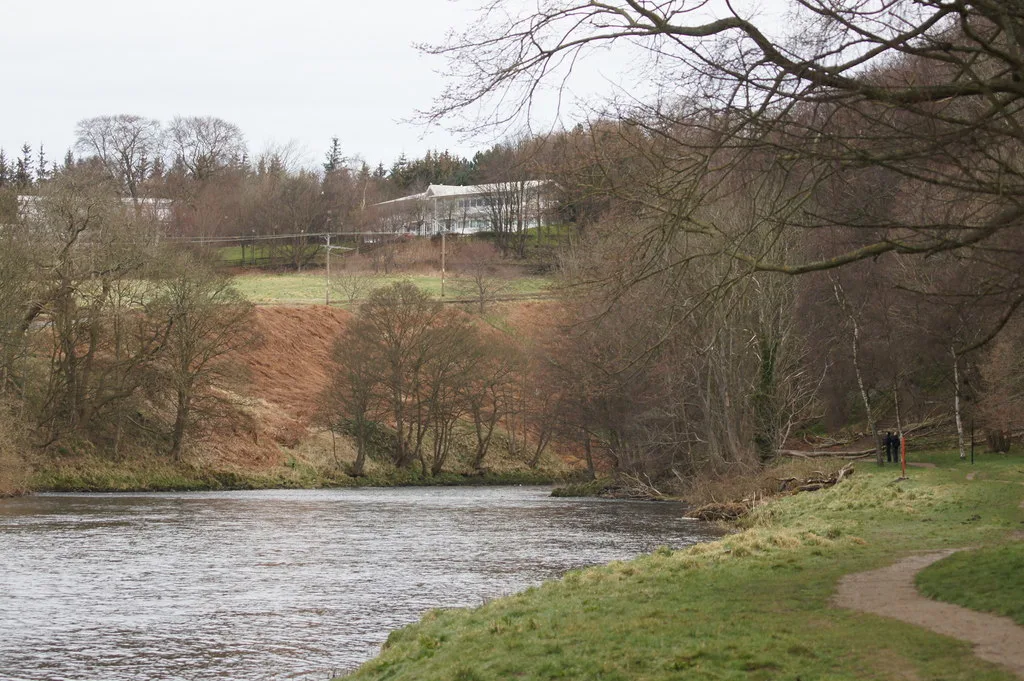
Seaton Park runs down towards the River Don and gives the quarter its green edge. From the park the natural next step is the Brig o' Balgownie, the old bridge over the Don that belongs on any short list of Old Aberdeen sights.
Treat this as a loop rather than a checklist: cross the historic streets, drop into Seaton Park, follow the river to the bridge and come back through the campus. That route gives you the architecture, the water and the green space in one continuous walk instead of three separate outings.
The ground is mostly level along the streets but the riverside sections include slopes and steps in places, so anyone with a pushchair or limited mobility should build a little slack into the route. The bridge itself is an old structure and rewards a slow look rather than a quick photo stop.
The Zoology Museum and the Campus
The Zoology Museum sits within the university area and is a natural stop on a campus walk for anyone travelling with children or with an interest in natural history. It is part of a working institution, so it should be planned as one item in a walk rather than the whole outing.
Use the campus as the connective tissue of your visit. Walk between King's College, the Old Town House and the museum, and let the buildings between them do the work of showing you how the burgh and the university grew into each other. If the weather turns or you want more indoor options, the museums in Aberdeen make a useful counterpart to this outdoor circuit.
For opening days and any changes to access, look at the university's own visitor information before you travel, because term dates and building use shift through the year.

A Walk Through Old Aberdeen
Allow a couple of hours for a relaxed circuit and three if you want to go into buildings or spend time in the park. Start at the High Street end, take in King's College and the Old Town House, then head for Seaton Park and the Brig o' Balgownie before returning through the campus.
The distances are short enough to walk comfortably in ordinary shoes, and the cobbled stretches are the main thing to watch rather than the gradients. If you are combining the quarter with the city centre, do Old Aberdeen first while your legs are fresh and leave the centre for later.
Getting There and Getting Around
Old Aberdeen sits north of the city centre, within reasonable walking distance for anyone already staying centrally, and buses run along the main roads serving the university. Once you are in the quarter, everything on this page is best done on foot because the streets are short and the parking is limited.
If you are staying in the centre, plan Old Aberdeen as a half-day rather than an evening trip: the appeal is the architecture, the park and the river, all of which want daylight. Ferryhill is a convenient base for reaching both the centre and the northern quarter.
Footdee, and Why It Is a Different Place
Footdee, known locally as Fittie, is an old fishing village at the east end of the harbour, reached via the Beach Esplanade, and its cottages face inwards with their backs to the sea to protect them from storms. The village dates back to the mid-nineteenth century and was designed by John Smith, the architect also responsible for Balmoral Castle.
Do not confuse it with Old Aberdeen. The quarter at the Don is the university and cathedral end of the city; Fittie is a harbour settlement at the other end of the seafront, and combining the two in one walk means crossing a good stretch of the city.
If you have a spare hour, Fittie rewards a slow wander around the cottages and gardens rather than a quick pass along the esplanade. Keep it as a separate small outing and it will not crowd out the historic quarter.
Eating and Staying Around Old Aberdeen
Old Aberdeen is primarily a university and residential quarter, so it does not offer the concentrated restaurant rows you find in the city centre. Plan your main meal in the centre and treat the quarter as a morning or afternoon visit with a coffee stop if you find one open.
The same pattern applies to accommodation. Staying centrally or in Ferryhill puts you within easy reach of Old Aberdeen while keeping you close to the dining and transport options a city break needs.

Who Old Aberdeen Suits, and Who Should Skip It
Old Aberdeen is for anyone who wants the older layer of the city: medieval street lines, university architecture, a cathedral settlement, a park and an old bridge, all within a compact area. It is also a straightforward add-on for families, since the distances are short and there is space to run around in Seaton Park.
Skip it if you have a single day and want the classics of the city centre or the coast, because the quarter rewards a half-day rather than a quick look at one building. It is also not the place for a big evening out, given its working-campus character.
Heritage Beyond the City
Several famous sites in the surrounding area are often mentioned alongside Old Aberdeen but sit well outside the city, so they belong on a separate day. Dunnottar Castle, on its cliff top near Stonehaven, is a ruined fortress once held by powerful local families and famously defended against Cromwell's army, which saved the Scottish Crown Jewels from destruction.
Craigievar Castle near Alford is a pink tower house started in 1576 and completed in 1626, with art, armour and weapons inside and no artificial lighting beyond the ground floor; local tradition says it inspired Walt Disney's Cinderella Castle, though that is a story rather than a documented fact. Balmoral Castle, the Royal Family's Scottish holiday home, was purchased by Prince Albert in 1852 and rebuilt by 1856, and only the ballroom is open to the public.
These are day trips, not afternoon strolls, and Balmoral's season is tied to the Royal Family's summer holiday, so check opening dates before building them into your itinerary.
Plan Your Visit
Old Aberdeen makes a satisfying half-day: the former burgh at the mouth of the Don, with King's College, the Old Town House, Seaton Park and the Brig o' Balgownie all within a short walk of each other. Go in daylight, wear shoes that cope with cobbles and allow time to wander rather than tick off buildings.
Explore more Aberdeen guides
Frequently Asked Questions
Where is the old town of Aberdeen?
Old Aberdeen is at the mouth of the River Don, north of the city centre. Until 1891 it was a completely independent town with its own street plan, and it is now the main campus of the University of Aberdeen, with King's College and the Old Town House at its centre.
What is there to see in Old Aberdeen?
The core sights are King's College, the Old Town House, the medieval street pattern, Seaton Park, the Brig o' Balgownie and the university's Zoology Museum. They sit close enough together to cover on foot in a single loop, with the riverside and park sections adding a green edge to the walk.
Is Old Aberdeen worth visiting?
Yes, if you want the older, quieter layer of the city rather than shops and nightlife. It rewards a half-day of walking and looking; skip it on a very short trip when the city centre or the coast matters more to you.
How do I get to Old Aberdeen?
It lies north of the city centre and can be reached on foot from the centre or by bus along the roads serving the university. Once you arrive, walk everywhere: the streets are short and parking is limited.
Is Footdee the same as Old Aberdeen?
No. Footdee, or Fittie, is an old fishing village at the east end of the harbour, reached via the Beach Esplanade, with cottages facing inwards to shelter from storms. Old Aberdeen is the university and cathedral quarter at the River Don, on the other side of the city.
How long should I allow for Old Aberdeen?
About two hours for a relaxed walk, or three if you want to go inside buildings or spend time in Seaton Park. The distances are short, but the cobbles and the riverside slopes mean you should not rush the loop.