
Digbeth: A Neighbourhood Guide to Birmingham's Creative Quarter

Digbeth is Birmingham's creative quarter, a stretch of old industrial buildings south-east of the city centre where street art, pubs and entertainment venues sit side by side. If you have half a day and want colour, beer and a photogenic canal walk, it delivers more per square metre than most of the city.
The area is compact enough to cover on foot, with the Custard Factory on Gibb Street acting as the anchor for most visits. Plan a daytime loop for the murals and the canal, then pick one pub or venue for the evening rather than trying to see everything at once. If you would rather spend the day indoors, weigh the city's museums in Birmingham instead.
What Digbeth is and who it suits
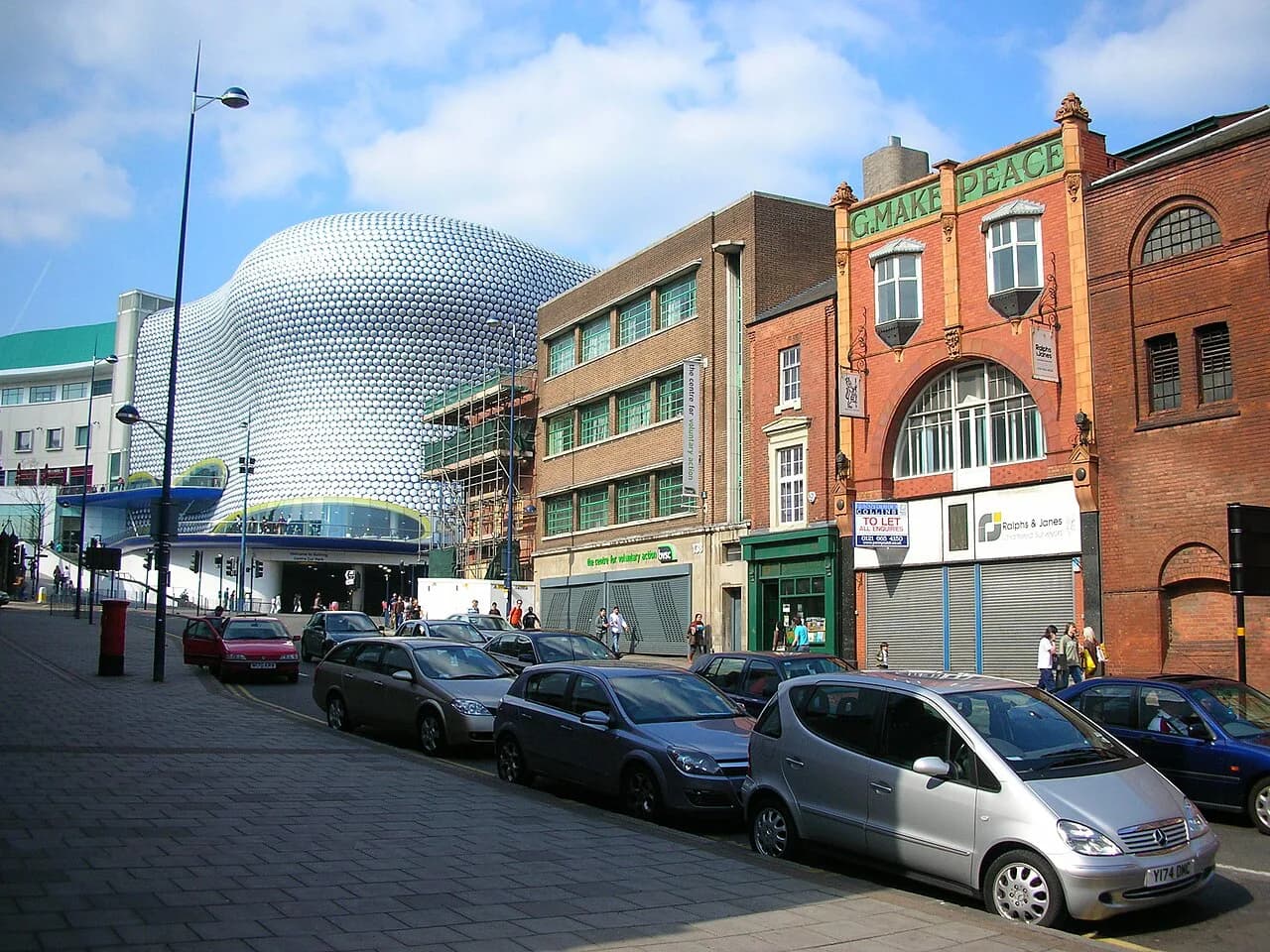
Digbeth is a district of repurposed industrial buildings, many now used by creative businesses and entertainment venues, with the railway viaduct running through it. The viaduct is built from blue brick and doubles as a canvas for street art, which makes even the walk between venues part of the attraction.
It suits travellers who like street-level culture: graffiti and murals, independent bars, quirky indoor games and a canal towpath. It suits less well anyone wanting grand architecture, polished shopping streets or a quiet afternoon of museum galleries, which are better found elsewhere in the city centre, so weigh up the museums in Birmingham if that is your priority.
Think of Digbeth as an evening-led neighbourhood with a strong daytime streak. The bars and venues come alive after dark, but the street art, the Custard Factory courtyard and the canal are best seen in daylight when you can actually read the walls.
A short history: industry, the Custard Factory and the creative quarter
The district grew around industry, and its old buildings are the reason it looks the way it does today: warehouses, works and railway brick rather than planned squares. The Custard Factory, on Gibb Street, is the best-known conversion and gave the area its nickname, the Creative Quarter, because so many local companies and venues cluster around it.
The Old Crown, in the heart of the arty area, is described as the city's oldest non-religious building, with the building dating back to 1368. Treat that as the pub's own claim to fame rather than a measured fact, and enjoy the surprise of a medieval structure surviving among Victorian industry.
Street art and graffiti: where to look and how to walk it
Most roads in Digbeth carry more colour than a typical British street, and the art is especially concentrated around the Custard Factory. Murals spread onto pubs and entertainment venues too, so look above doorways and along side walls rather than only at the big set pieces.
A simple circular walk through the neighbourhood takes in the more prominent street-art areas, and where it meets the canal you get views back towards the city skyline. Allow a couple of hours at an easy pace, with stops, and wear shoes you do not mind getting dusty on the towpath.
The Custard Factory courtyard on Gibb Street holds entertainment venues and the Stag bar, and the water feature on Gibb Street is a good place to sit and take in the art nearby. Some pieces are decorative and some are pointedly political, which is part of the character of the quarter.
The Custard Factory on Gibb Street
The Custard Factory is the area's anchor: a complex of old buildings turned over to creative companies, venues and courtyards, with the iconic greenhouse building on Gibb Street as its visual signature. Come here first, get your bearings in the courtyard, then fan out into the surrounding streets.
Wandering the public courtyards and streets is part of the appeal, though individual venues inside set their own entry terms. Check each venue's own website before travelling for a specific event, since opening depends on the business rather than the building.
The Digbeth Branch Canal and Warwick Bar
The Digbeth Branch Canal runs from Bordesley Junction to the Warwick Bar stop lock and the Banana Warehouse, and the towpath is as heavily painted as the streets above it. The graffiti thins out beyond that stretch, so treat Warwick Bar as the natural turning point of a canal walk.
Walking onwards in either direction is still pleasant, and the canal gives you a different angle on the city skyline. If you enjoy towpath walking, compare routes with the wider selection of canal towpaths across Birmingham before you set out.

Games and nights out: crazy golf, social gaming and baking competitions
Golf Fang is an indoor 18-hole crazy golf course with loud, colourful decor, bright lights and a bar so you can drink while you play. Packages are sold through its own website, so book there rather than relying on turning up.
Roxy Ballroom is a social-gaming venue with beer pong, curling, pool, shuffleboard and karaoke among the options, which makes it a good wet-weather or group choice. The Big Birmingham Bake runs team baking competitions with equipment, ingredients and instructions supplied, plus a bar, and it works well for a celebration with a difference.
Pubs and bars: The Old Crown, The Anchor and Nortons
The Old Crown is a community pub with an enormous beer garden, some of it covered, and draught beers including Heineken, German options and Camden Hells. It also has rooms if you want to stay in the middle of the action rather than commute in for the evening.
The Anchor is a free house known for real ale, with indoor and outdoor seating and a reputation for being dog-friendly. Nortons is an Irish bar with a distinctive garden, a wide beer selection and food including pizza, and Irish music is often playing.
The bar scene is sociable and evening-focused, so a daytime visit will feel quiet by comparison. If your trip is built around food and drink rather than murals, pair a Digbeth evening with afternoon tea elsewhere in the city and make a full day of it.
Where to eat: Rico Libre and other Gibb Street options
Rico Libre, on Gibb Street near the Greenhouse, is a Spanish-style tapas restaurant serving Spanish wines and beers alongside sharing plates brought out in batches. It is a sensible choice for a group, since sharing spreads the cost and lets you try more of the menu.
Beyond tapas, the pubs do the heavy lifting: Nortons serves pizza and The Anchor covers the beer-led end of the market. Book ahead for a weekend table at the tapas restaurant, and check individual venues' own sites for current food service.
Seasonal events: the Birmingham Beach Funfair and Beer Central
The Birmingham Beach Funfair runs in summer, with rides for children and adults that have included a Ferris wheel, thrill rides and games. It is seasonal, so confirm the latest dates before you build a trip around it.
Beer Central is an annual beer festival staged in an old warehouse, with well over 100 drinks to try on the last visit and a complimentary tasting glass on entry. Dates move each year, so check the Beer Central website for the next festival weekend.

Where to stay in and near Digbeth
The Old Crown has rooms above the pub, which puts you within walking distance of the bars and the Custard Factory. The Moseley Arms on Ravenhurst Street is listed as an inn in the Digbeth area, with free Wi-Fi and parking, though breakfast is charged extra.
Rates change by date and demand, so compare a few nights against city-centre hotels before committing. Bear in mind that some listings badged as Digbeth accommodation sit further out, so check the actual address against the map before booking.
If you want a quieter base with easier access to the museum and gallery circuit, look at other city districts and travel into Digbeth for the evening. The Jewellery Quarter, Birmingham offers a different mix of heritage and workshops within walking distance of the centre.
Getting there and getting around
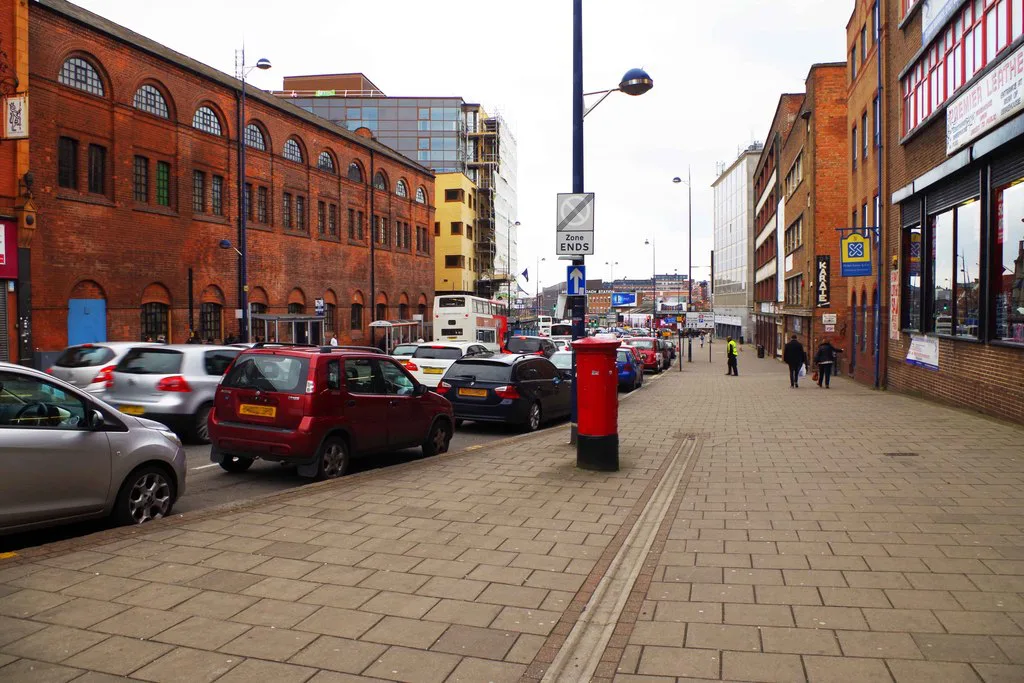
Digbeth sits immediately south-east of Birmingham city centre, within easy walking distance of the main shopping and station areas. The streets are uneven in places and the towpath is gravel and brick, so comfortable shoes matter more than a map.
Plan your loop around three fixed points: the Custard Factory on Gibb Street, the canal at Warwick Bar, and a pub for the end of the walk. That keeps you inside the neighbourhood rather than drifting into the wider city, and it means you always know roughly where you are.
For the business and shopping end of a Birmingham break, Colmore Row, Birmingham has the corporate architecture and transport links that Digbeth lacks. Use the two as a pair: one for a polished weekday morning, one for a scruffier, more colourful evening.
Who Digbeth is not for: trade-offs and practical limits
Digbeth is an industrial streetscape, not a pretty historic quarter, and some visitors will find the mix of warehouses, graffiti and hoardings rough around the edges. The best-known attractions are also spread across bars, games venues and events, so a non-drinker or family with young children will need to pick carefully, and it is worth weighing our guide to museums in Birmingham if you would rather spend the day indoors.
Much of the evening offer is indoors and ticketed or bookable, which means spontaneity costs you time at peak weekends. If you mainly want museums and collections, base yourself accordingly and treat Digbeth as a half-day excursion rather than the whole trip, and compare the free options in our guide to museums in Birmingham before deciding where to spend your days.
Plan Your Visit
Build your Digbeth day around the Custard Factory, follow the street art to the canal at Warwick Bar, and finish in one of the pubs on Gibb Street or thereabouts. Book games venues and the tapas restaurant ahead, and keep one evening free for whatever seasonal event is running.
Check current details such as event dates and venue booking terms on each operator's own website before you travel. That one habit protects you from turning up to a warehouse that is closed for a private party.
Explore more Birmingham guides
Frequently Asked Questions
Does the tram go to Digbeth?
The neighbourhood sits immediately south-east of Birmingham city centre and is straightforward on foot from the central shopping and station areas. Plan walking routes rather than assuming a tram stop serves the district, and check the local transport operator's map for the nearest stops and lines before you travel.
Is Digbeth considered a cool neighbourhood?
Digbeth has a reputation as Birmingham's creative quarter, with street art concentrated around the Custard Factory, converted industrial buildings and a dense run of bars and games venues. Whether it feels cool to you depends on how much you enjoy graffiti, warehouses and evening entertainment over polished architecture.
What is the history of the Custard Factory in Birmingham?
It is a complex of old industrial buildings on Gibb Street, repurposed for creative companies and entertainment venues, and its courtyard and greenhouse building are the area's visual signature. The conversion gave the district its Creative Quarter nickname.
What is there to do in Digbeth?
Walk the street art around the Custard Factory, follow the Digbeth Branch Canal towpath to Warwick Bar, and try indoor crazy golf at Golf Fang or social games at Roxy Ballroom. Evenings are for the pubs, including The Old Crown, The Anchor and Nortons.
Where can you eat and drink in Digbeth?
Rico Libre on Gibb Street serves Spanish-style tapas, Nortons does pizza alongside Irish music, and The Anchor is known for real ale with indoor and outdoor seating. The Old Crown has a large beer garden and draught beers including German options.