
Jewellery Quarter: A Visitor's Guide to Birmingham's Historic District

The Jewellery Quarter is worth visiting if you want to see a working craft district rather than a museum set piece. It sits just outside Birmingham's central core, around a fifteen-minute walk from the city centre and connected by train, according to visitor reviews of the district. Allow half a day for the streets, a museum and a coffee stop, or a full day if you plan to browse showrooms or book an appointment with a jeweller.
What the Jewellery Quarter is and where it sits in Birmingham
The Jewellery Quarter is a district on the north-west edge of central Birmingham, close enough to walk from the shopping core and easily reached by public transport or the motorway network. It is one of the city's oldest districts, and the neighbourhood still reads as a place where people work rather than a purpose-built tourist village. That makes it a good fit for travellers who like real streets and small businesses, and a poorer fit for anyone expecting a single ticketed attraction with a grand entrance.
Think of it as part of a wider set of Birmingham neighbourhoods rather than a standalone day out: the city centre, Colmore Row and Digbeth each offer a different character and are best combined into a two-day plan. The Jewellery Quarter's compact grid means you can cover the main streets in a couple of hours, leaving time for a museum and lunch.
A short history: from home workshops to 30,000 workers
The district became the hub of jewellery production in the 1800s, when tradesmen worked from their homes and small workshops scattered through the streets. In the 20th century, around 30,000 people were employed in the area at its peak, and it is now estimated that 40 per cent of British jewellery is made there. Those figures come from the Jewellery Quarter's own directory and blog, which also notes that the resident population rose from roughly 3,000 to 7,000 during the area's regeneration.
That history matters for how you visit. The workshops are not a recreation: many of the buildings still house jewellers, gem dealers and assayers, and the trade is part of daily life. Treat the streets as a living industrial quarter and you will get more from them than by hunting for a single sight.
What to see: Museum of the Jewellery Quarter, Pen Museum, Coffin Works
Three small museums anchor a visit: the Museum of the Jewellery Quarter, the Pen Museum and the Coffin Works, all named as attractions in the district by the local directory. They suit anyone interested in manufacturing, design and social history, and each is compact enough to combine two in a day. Check each venue's own website for opening days and admission before you travel, since smaller museums often keep limited hours.
If your main interest is museums, the Jewellery Quarter is a specialist stop rather than a substitute for the city's larger collections such as Birmingham Museum & Art Gallery. Pair the district's craft museums with a broader museums day elsewhere in the city, and give the Quarter half a day rather than a full one.
St Paul's Square and the Chamberlain Clock
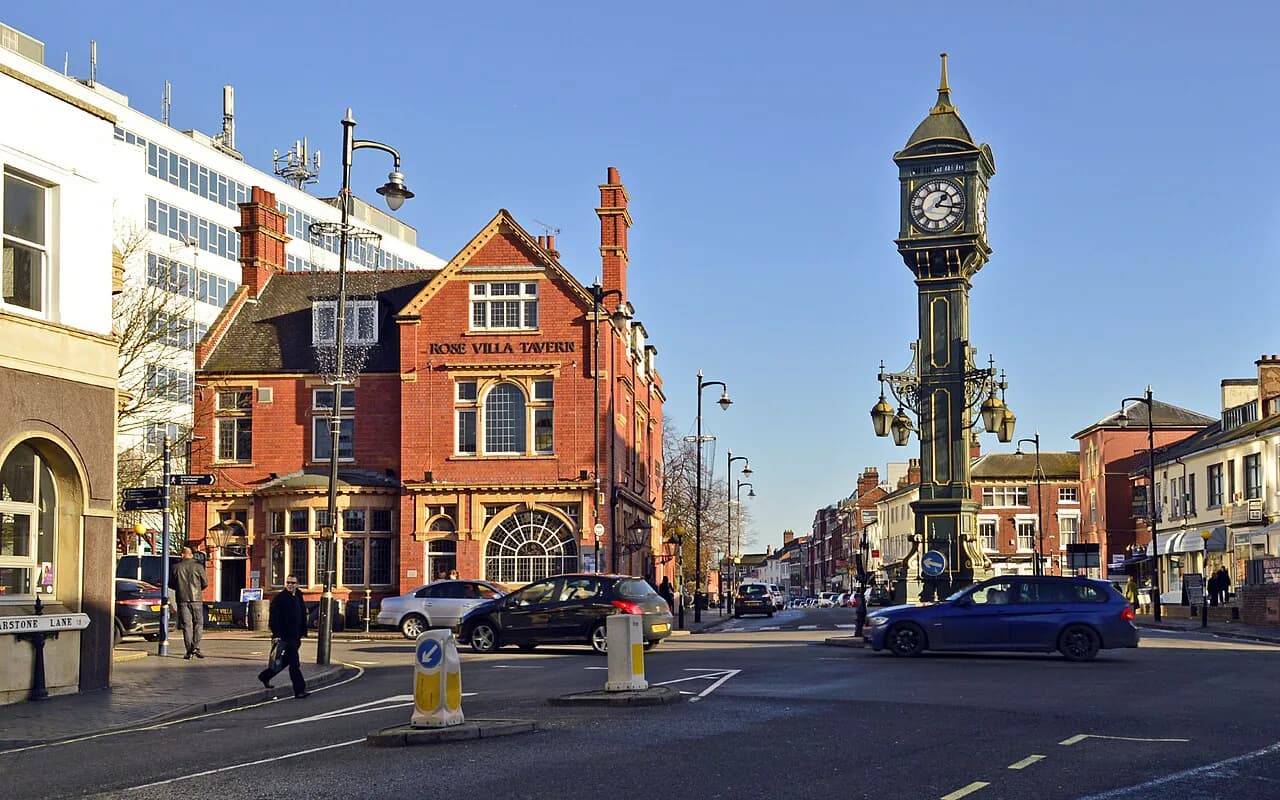
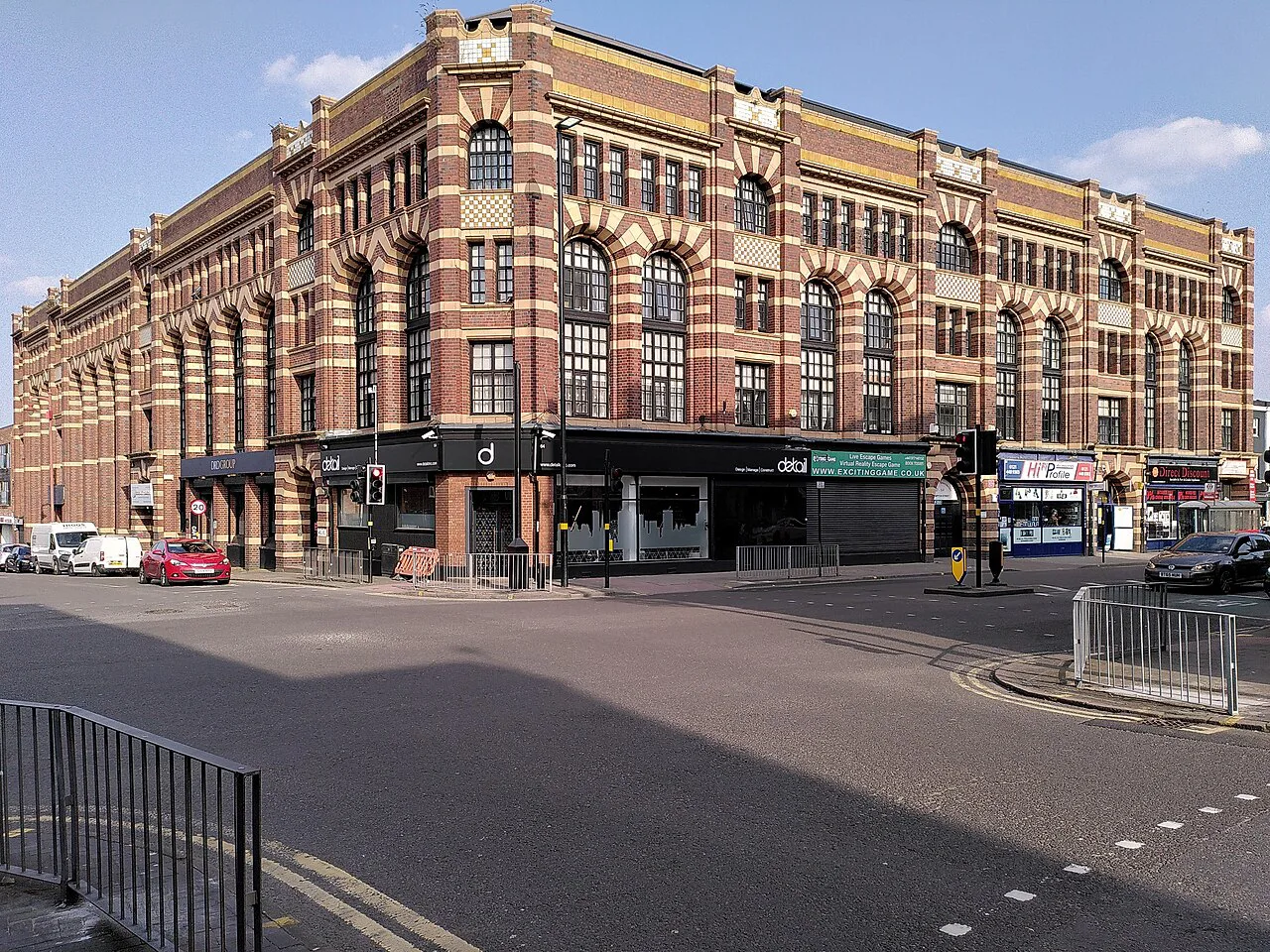
The architecture is the main free sight. The district holds around 200 listed buildings, including St Paul's Square, described by the local directory as the last remaining Georgian square in the city, and the Chamberlain Clock. Walking these streets costs nothing and gives you the best sense of the area's 250-year history.
St Paul's Square is the natural pause in a walk: a Georgian set piece surrounded by older buildings, with the church as its centre. From there you can loop back through the workshop streets towards the clock and the main shopping stretch, which takes about an hour at an easy pace.
The jewellery shops on Vyse Street and around: what to expect
The shopping streets are a mix of independent retailers, showrooms and trade counters, with more than 100 independent specialist shops in the area according to the local directory. Some welcome browsers, others expect an appointment, and many sell to the trade as well as the public. If you are serious about buying a ring or a piece of bespoke work, book ahead and arrive with a clear budget; if you are only looking, go on a weekday when the workshops are busy and the streets feel alive.
Expect a working atmosphere rather than a polished retail mall. Windows are packed with stock, doorways are narrow and some counters sit upstairs in older buildings. That is part of the appeal, but it also means the district rewards a slower browse over a quick dash.

Sonny's Jewellers: an in-house goldsmith since 1968
Sonny's Jewellers is a family business on Vyse Street that has traded since 1968 across three generations, with its own goldsmith and designers working on site. It sells rings, earrings, necklaces, bracelets and gifts, and also offers repairs, remodelling, ear piercings and permanent jewellery. The workshop handles resizing, cleaning, stone replacement and restringing, and bespoke commissions run from sketch to hallmark; appointments are available for commissions and piercings.
Its published hours and contact details are listed on its own site, but treat them as a guide and confirm before making a special trip. If you want a piece made or altered, allow more than one visit to the district, since bench work rarely finishes the same day.
Food and drink: independent restaurants, bars and cafés
The district has become a hub for food and drink, with independent restaurants, bars and coffee shops opening as the area regenerated. The local directory lists dozens of bars, restaurants and cafés in the Quarter, and The Jam House is among the venues named on the same site. That makes it a sensible base for an evening, with dinner followed by a short walk back to the centre or to a hotel in the district.
For a daytime visit, a café stop works best between the museums and the shops. If afternoon tea is part of your plan, look at options beyond the Quarter and book ahead, since the district's strength is casual eating rather than grand hotel service.
Where to stay: who the district suits and who it does not
The Jewellery Quarter suits travellers who want a quieter base within walking distance of central Birmingham, and who value independent bars and cafés over a hotel lobby. It does not suit anyone who wants grand civic museums on the doorstep or a packed schedule of major sights: those are spread across the wider city, and you will be travelling to reach them.
If you prefer a business-district base with larger hotels and easier access to the main rail stations, Colmore Row is the better choice. The two areas are close enough to combine, with a short walk between them.

Getting there: walking from the centre, trains and parking
The simplest approach is on foot: the district is about a fifteen-minute walk from central Birmingham and well connected by train, according to visitor reviews. That makes it easy to visit without a car, and the walk takes you past the edge of the city centre into the older workshop streets.
If you are driving, the local directory keeps a travel and parking section covering the district, which is the place to check the current arrangements. Trains and buses serve the area, and the nearby Jewellery Quarter station puts you within a short walk of the main streets.
Opening times vary by business: what to check before you go
Opening hours are the one thing you must check shop by shop. Each jeweller, museum and café keeps its own schedule, and smaller venues may close on weekdays or open only by appointment. Get the name and address of your targets and look up their own pages the day before you travel, rather than relying on a district-wide timetable.
Nearby: what is within walking distance
From the Quarter, you can walk into central Birmingham in about fifteen minutes, which puts the main shopping streets, Colmore Row and the railway stations within easy reach. Digbeth, the city's creative quarter, is further round but reachable by bus or a longer walk, and makes a good second half of a day.
For a wider list of city sights, including the canal towpaths and the larger museums, use the main Birmingham attractions hub or the Birmingham guide and build a route that links the Quarter with the centre.
Plan Your Visit
Treat the Jewellery Quarter as a half-day of streets, workshops and one museum, with lunch or dinner in the district and a walk back into the centre. Book ahead if you want a commission, a repair or a piercing, and confirm individual opening times before you set out. Check the current details with each venue before you travel.
Explore more Birmingham guides
Frequently Asked Questions
Is the Jewellery Quarter worth visiting?
Yes, if you want a working craft district rather than a single ticketed attraction. The draw is the streets themselves, with around 200 listed buildings, St Paul's Square and a dense cluster of jewellers, plus three small museums covering the trade's history.
How long do you need in the Jewellery Quarter?
Allow half a day for the main streets, one museum and a coffee stop. Add a full day if you plan to browse showrooms, book an appointment with a jeweller or eat in the district in the evening.
How far is the Jewellery Quarter from Birmingham city centre?
It is about a fifteen-minute walk from the centre, and trains serve the area as well. On foot you can combine the Quarter with the central shopping streets in a single day.
What can you see for free in the Jewellery Quarter?
The public realm is the free sight: the streets, the listed buildings, St Paul's Square and the Chamberlain Clock. Museums and workshops keep their own arrangements, so check each one before you go.
Do you need to book jewellery shops in advance?
Book ahead for a bespoke commission, a repair or a piercing. Browsing is more flexible, but many businesses expect an appointment for serious work, so contact the shop you have picked before you travel.
What is there to eat and drink in the Jewellery Quarter?
The district has independent restaurants, bars and cafés, with The Jam House among the venues named by the local directory. For a grand afternoon tea, look at the city's hotels outside the Quarter and book in advance.