Museums in Birmingham: What to See & How Long to Allow
Plan a museum day in Birmingham with a practical guide to art, science, jewellery and local history collections, grouped by area and time needed.
On this page
Birmingham's museum scene is broad rather than dense: a handful of city-centre collections sit within walking distance of each other, while the specialist sites that define the city — its jewellery trade, its chocolate industry, its timber-framed past — are spread across the suburbs. Plan around geography first and you will avoid spending a day on buses.
Start with the Birmingham Museums group, which runs Thinktank, Birmingham Museum & Art Gallery, Aston Hall, Blakesley Hall and the Museum Collection Centre, and use that organisation's site as your starting point for what is open before you commit to a route.
What Birmingham's museums cover, and how to group them into a day
The collections divide into four rough themes: art and social history at the city's flagship gallery, science and industry at Thinktank, the decorative trades in the Jewellery Quarter, and the domestic past at the historic houses in Aston and Yardley. Build a day from one theme rather than trying to tick off everything on a map.
The workable approach is a city-centre half-day plus one suburban site. Birmingham Museum & Art Gallery and Thinktank are the natural city-centre pair, while Aston Hall, Blakesley Hall, Sarehole Mill and the Museum of the Jewellery Quarter each repay a separate journey.
Visitors who want a fuller list of what exists across the city, including smaller galleries and university collections, will find the wider set laid out by area.
Birmingham Museum & Art Gallery: the city's flagship art collection
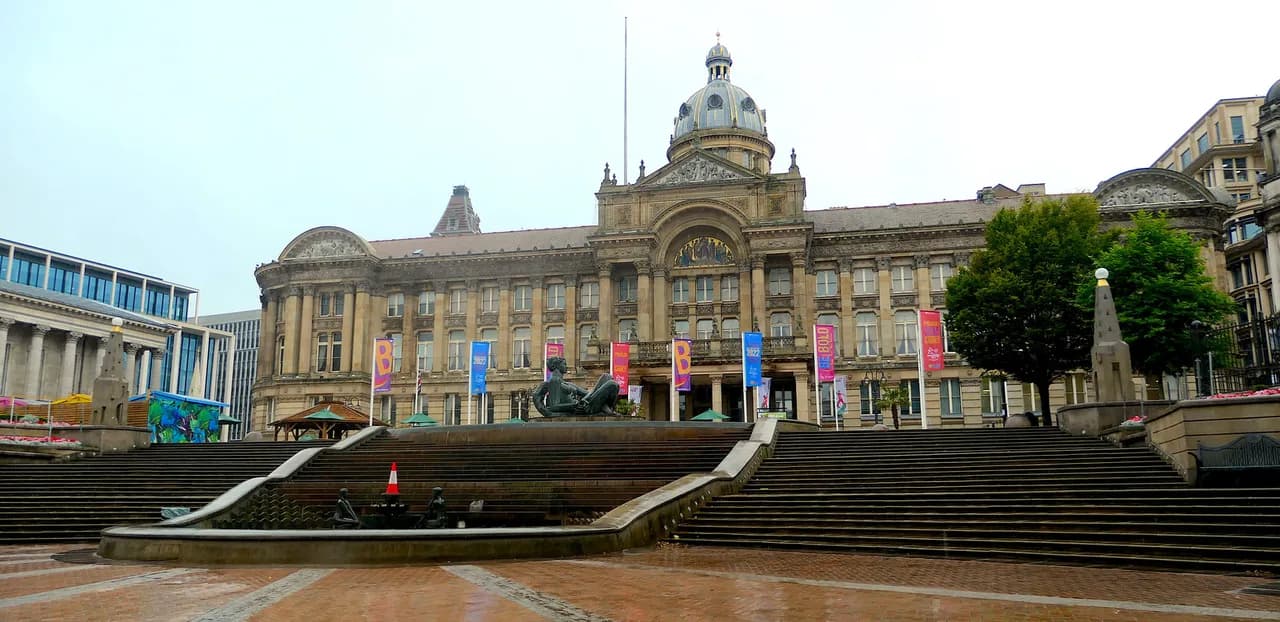
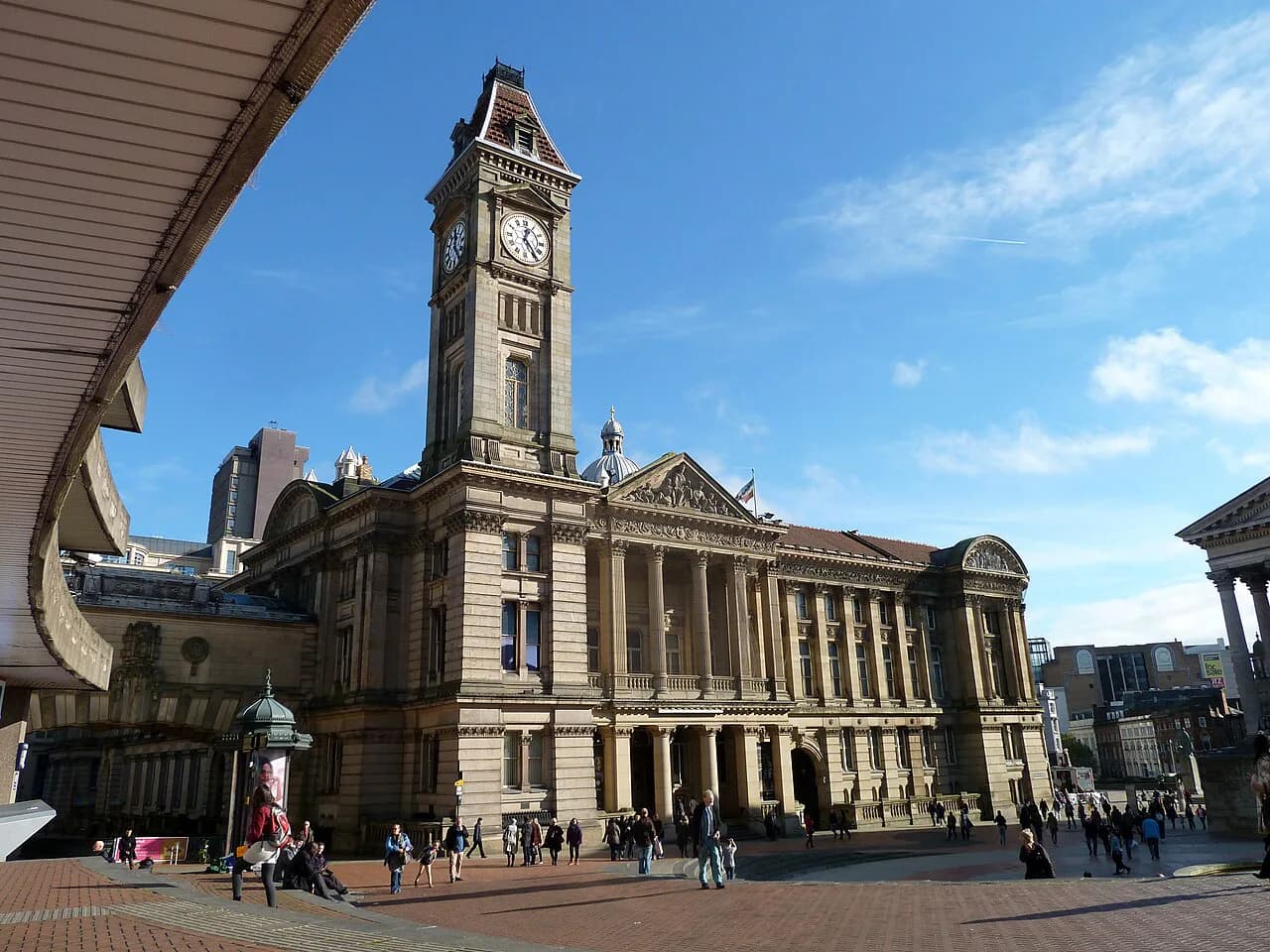
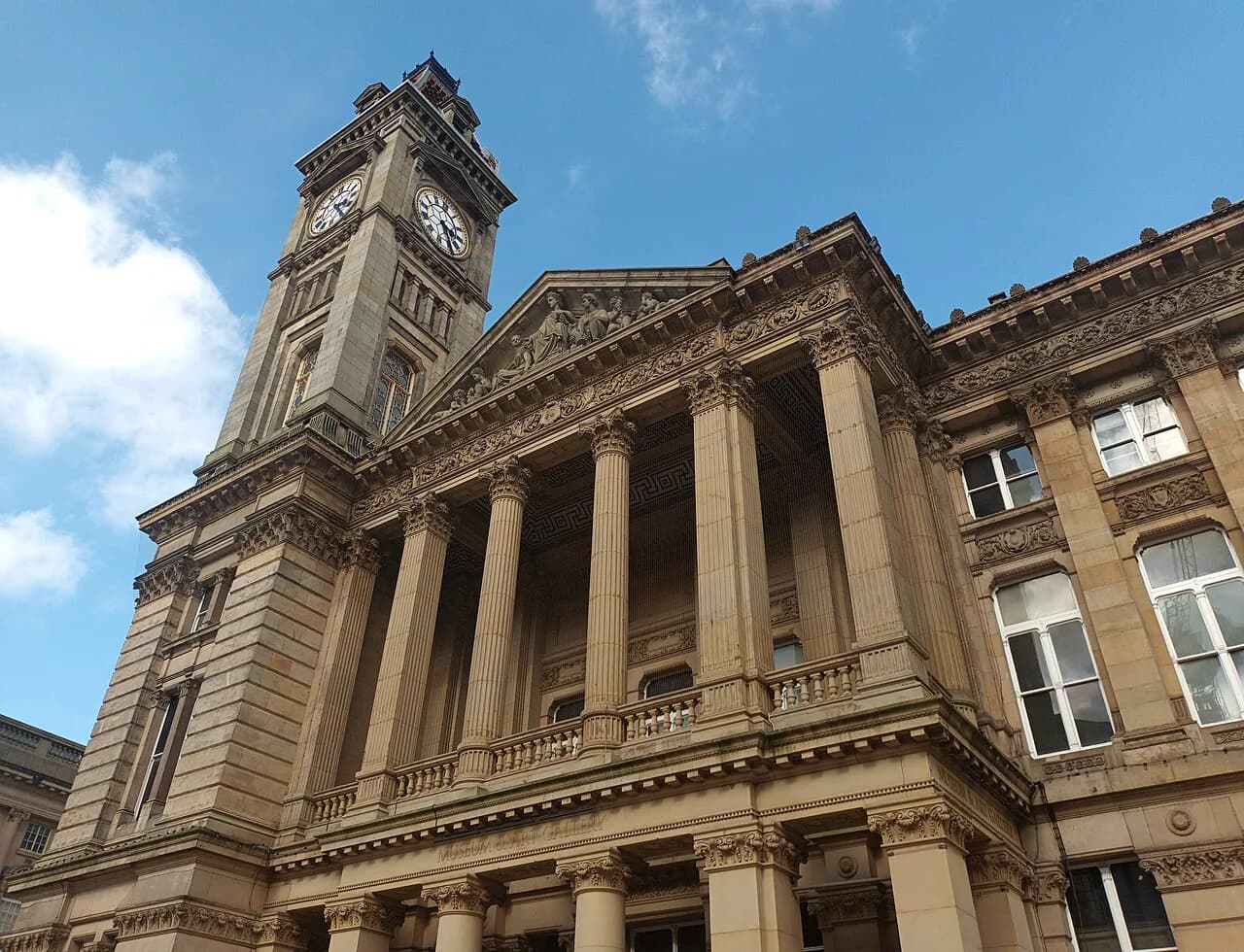
Birmingham Museum & Art Gallery is the city's principal art and social history collection, housed in a Grade II listed building in the city centre that visitors' guides describe as architecturally significant in its own right. It is the natural first stop on any museum day.
Expect to give it real time. With dozens of galleries spanning fine art, decorative pieces and displays on the social history of the city, it is a half-day commitment rather than a quick look between shops.
If art is your priority, pair it with the city's smaller independent and commercial spaces, which are covered in the guide to art galleries in Birmingham.
Thinktank, Birmingham Science Museum: what's inside and who it suits
Thinktank is Birmingham Museums' science museum at Millennium Point in Eastside, and it sits alongside the free Science Garden in Eastside City Park, where hands-on exhibits about physics and renewable energy are laid out in the open. The garden is free; the museum building itself is ticketed.
Families with primary-age children are the clear audience. Adults travelling without children can see the Science Garden in half an hour and put the money and time elsewhere.
Check the museum's own booking page for ticket types and any timed slots before you travel, since admission arrangements are set by the museum.
Aston Hall: the Jacobean mansion and its gardens
Aston Hall is a 17th-century Jacobean mansion run by Birmingham Museums, and its surrounding gardens and lawn are open to wander without paying — the outdoor grounds are the free part, with the house itself run separately.
On a fine day the gardens alone justify the trip: bring a picnic or use the on-site cafe, and treat the house as an add-on rather than the whole visit. The grounds are at their best in summer.
Aston Hall also features in the city's ghostlore, which is told as legend rather than fact in the guide to ghost tours in Birmingham.
Blakesley Hall: a timber-framed house with a story
Blakesley Hall in Yardley is one of the Birmingham Museums sites, a timber-framed historic house that gives you a sense of the area before industrial Birmingham swallowed the countryside. It is a smaller, quieter visit than the city-centre museum and suits anyone interested in domestic architecture.
Directories of West Midlands days out list it among the region's historic houses, which makes it a good companion to Aston Hall if you are following the Tudor and Stuart thread through the suburbs.
Allow about an hour and a half for the house and its grounds; it is not a place to build a whole day around.
Museum of the Jewellery Quarter: a preserved workshop
The Jewellery Quarter is Birmingham's defining trade district, and the Museum of the Jewellery Quarter preserves a working manufacturer's premises rather than displaying objects in cases. It is listed among the city's major museums and is the one site that explains how the city actually made its money.
Because the appeal is the building and the workshop itself, it rewards a slower visit than its size suggests — plan on around two hours including the walk from the city centre.
Check the Birmingham Museums site for which days it operates, as it is a smaller site with less frequent opening than the flagship gallery.
Sarehole Mill and the Tolkien connection
Sarehole Mill is a watermill in Hall Green that appears in Birmingham's literary history: the young J R R Tolkien lived nearby, and the mill and its surroundings are often linked to the Shire in his writing. Treat the connection as evocative context rather than a documented template.
It is a short, gentle visit — an hour is enough for the mill and a walk along the nearby green — and it works well combined with a trip to nearby suburban sites rather than as a stand-alone destination.
Lapworth Museum of Geology at the University of Birmingham
The Lapworth Museum of Geology sits inside the University of Birmingham and is named after Charles Lapworth, the geologist who taught there; it was refurbished and reopened in 2016 with new displays covering the fossils and rocks of the region.
This is the specialist stop that general lists skip, and it suits repeat visitors and anyone travelling with a child who likes dinosaurs more than paintings. It is a university museum, so term-time weekdays are livelier than vacations.
Winterbourne House and Garden: arts and crafts house and garden
Winterbourne House and Garden is an Edwardian arts and crafts house with a botanic garden, also on the university's edge of the city, and it appears in the city's official museum and gallery listings. It is the most pleasant place in Birmingham to combine a house visit with a garden walk.
Give it two to three hours if the weather is good, because the garden is at least half the reason to come. In poor weather, cut it and put the time into the city-centre gallery instead.
Cadbury World: chocolate, Bournville and what kind of visit it is
Cadbury World in Bournville is a paid chocolate attraction rather than a conventional museum, and it should be planned and budgeted as a visitor experience. Its cafe serves an afternoon tea with a chocolate theme, including hot chocolate, eclairs and sultana scones, and the afternoon tea includes entry to Cadbury World's chocolatey zones.
Bournville itself is the model village the Cadbury family built for its workers, and the surrounding streets are worth a walk before or after the attraction. Because it is a booked, popular attraction, reserve a slot in advance rather than turning up on a bank holiday.
Check the attraction's own site for current prices and times; they are set by Cadbury World and change.
National Motorcycle Museum: the transport collection outside the centre
The National Motorcycle Museum sits out near the M42 and the NEC, well outside the city centre, and is one of the region's transport collections listed for visitors. It is a niche draw: brilliant if you care about machines, a long trip if you do not.
Because of its location, treat it as a separate outing, best combined with a train to Birmingham International rather than a city-centre day.
Free versus paid: how to plan a budget museum day
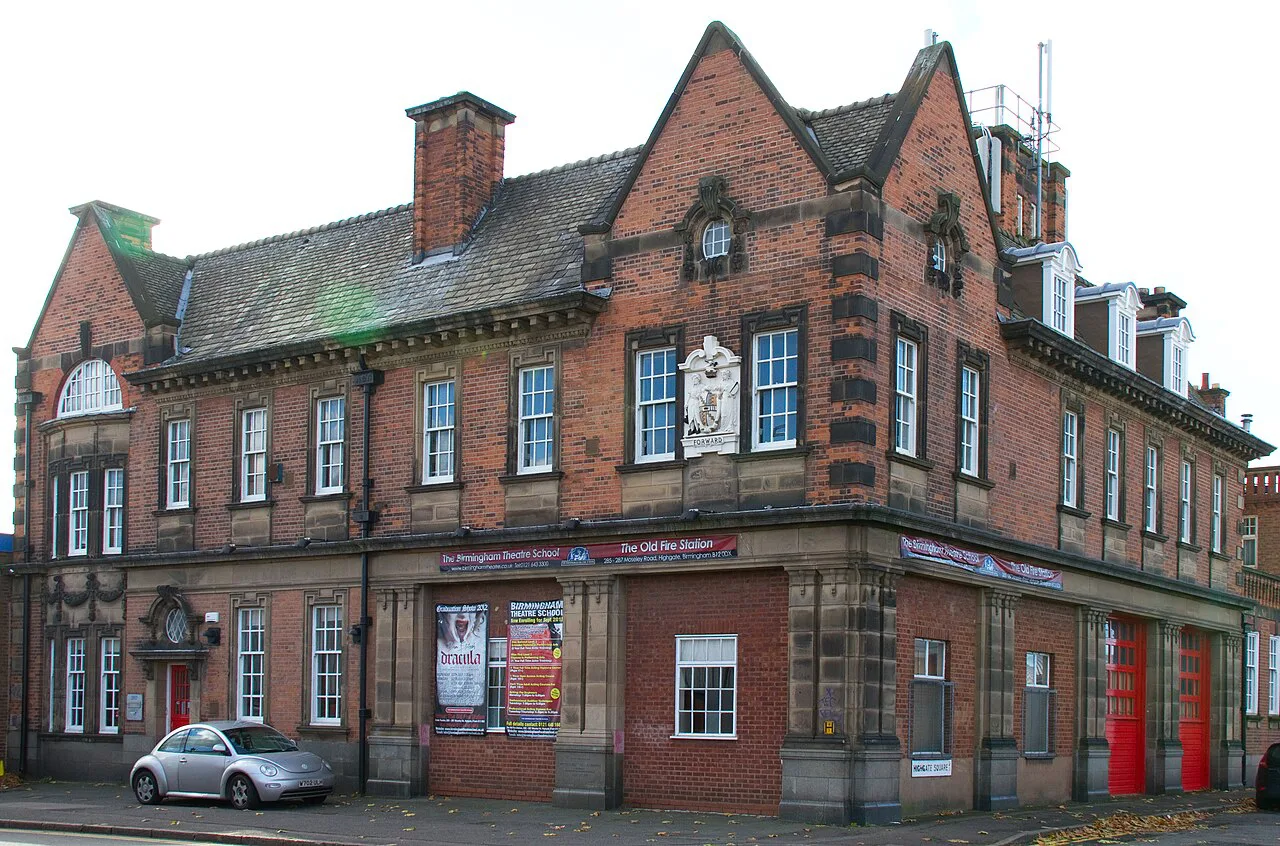
Birmingham's museums are a mix, and the split follows who runs each site rather than the subject. The city's free options include the outdoor spaces at Aston Hall, the Science Garden at Thinktank, Martineau Gardens and the Birmingham Museum & Art Gallery, while Thinktank's building, Cadbury World and the National Motorcycle Museum are paid attractions. Do check current prices and opening days before you travel, as they change through the year.
A realistic budget day is Birmingham Museum & Art Gallery in the morning, the Thinktank Science Garden and Eastside City Park at lunchtime, and Martineau Gardens or the Aston Hall grounds in the afternoon. That plan keeps spending to food and transport.
For the full list of no-cost venues, see free museums in Birmingham.
Getting between them: city centre on foot, suburbs by train
The city-centre cluster — Birmingham Museum & Art Gallery, Thinktank and the Jewellery Quarter — is walkable, and the walk between them is part of the visit. The suburban sites are another matter: Aston Hall, Blakesley Hall, Sarehole Mill and Cadbury World each need a bus or train, and the National Motorcycle Museum is a rail journey to Birmingham International. If walkable clusters are what you plan trips around, the compact layout of museums in Brighton makes an interesting comparison.
Group the suburbs geographically and do one per half-day rather than trying to link two. Bournville and Sarehole Mill are both south of the centre and pair reasonably in a single afternoon, while Aston and Yardley sit on the opposite side.
How long to allow at each and when to book ahead
Birmingham Museum & Art Gallery deserves a half-day, Thinktank two to three hours with children, and the Museum of the Jewellery Quarter around two hours. Aston Hall and Blakesley Hall are roughly 90-minute visits each, Sarehole Mill an hour, and the Lapworth under two hours unless a child is deeply absorbed.
Book ahead for Thinktank and Cadbury World in school holidays and at weekends; the smaller historic houses rarely need it. The Birmingham Museums site carries each venue's current arrangements.
Practical trade-offs: closures, school holidays and quiet times
The main trade-off in Birmingham is breadth against depth. The historic houses are charming but small, and travelling out to two of them in a day leaves little time for the flagship gallery that most visitors remember.
School holidays transform Thinktank and Cadbury World, so go early or pick a weekday in term time if you can. The university museums are livelier during term and quieter in vacations, which suits anyone who prefers space to atmosphere.
Castles are a different proposition from Birmingham's museums, since the nearest major fortresses sit outside the city and charge separately; see castles near Birmingham if you want to add one.
Plan Your Visit
A workable Birmingham museum trip is two days: one for the city centre across the gallery, Thinktank and the Jewellery Quarter, and one for a single suburban thread, either Aston and Blakesley Hall or Sarehole Mill and Bournville. Add Cadbury World only if the chocolate experience is the point of the trip, and book it in advance.
Check each venue's own page for the days it opens and how to book before you fix a route, because opening patterns vary between the large and small sites.
Explore more Birmingham guides
Frequently Asked Questions
Are museums free in Birmingham?
Some are, some are not. Outdoor spaces such as the Aston Hall gardens, the Science Garden at Thinktank, Martineau Gardens and Birmingham Museum & Art Gallery's galleries are described as free to enter, while Thinktank's museum building, Cadbury World and the National Motorcycle Museum charge for admission. Check each venue's own page for what is included.
What are the best museums to visit in Birmingham?
For a first visit, Birmingham Museum & Art Gallery and Thinktank cover art, social history and science, and the Museum of the Jewellery Quarter explains the trade that shaped the city. Repeat visitors should head for the Lapworth Museum of Geology and Winterbourne House and Garden, both on the university's edge of the city.
Which Birmingham museums suit children?
Thinktank is the obvious pick, particularly with primary-age children, and the free Science Garden next door adds hands-on exhibits. Cadbury World works as a treat rather than a museum stop. The Lapworth Museum of Geology appeals to children who like fossils and rocks.
How long does a visit to Birmingham Museum & Art Gallery take?
Allow half a day if you want to see a decent spread of the galleries. It is the largest of the city-centre collections and the easiest place to lose track of time, so do not schedule it as a 40-minute stop between other sites.
Do I need to book Birmingham museums in advance?
Book Thinktank and Cadbury World ahead in school holidays and at weekends, when timed entry matters most. The smaller Birmingham Museums sites such as Aston Hall and Blakesley Hall rarely need advance booking. Each venue's own page states its current arrangements.
Is there an Ozzy Osbourne museum in Birmingham?
No museum dedicated to Ozzy Osbourne appears in the city's museum and gallery listings, which set out the galleries, historic houses, university collections and transport museums that are open to visitors. If a tribute exhibition is announced, it would appear on Visit Birmingham's listings rather than as a permanent venue.
Can I visit a castle near Birmingham?
Birmingham has no castle of its own in the museum listings; the nearest major fortresses are outside the city and are paid attractions in their own right. Plan a castle as a separate day rather than adding it to a museum itinerary.
Sources
Notes for your next city break
Optional updates to our UK city guides.
You might also like
Continue reading
More guides you'll find useful