Museums in Cambridge: A Practical Guide to the Best Ones
A practical guide to museums in Cambridge, from the free University museums to the Museum of Cambridge, with opening days and what to see at each.
On this page
Cambridge's museum quarter is unusually generous: the University of Cambridge Museums group covers nine museums and the Botanic Garden, and the Fitzwilliam Museum alone holds more than half a million objects. The city's independent Museum of Cambridge keeps a separate, smaller collection on Castle Street, with a tighter opening pattern you need to plan around.
The practical consequence is that you can build a full day without buying a single ticket, but you cannot treat the museums as an all-weather, all-hours fallback. Several of the University sites advertise shorter days than the big four, so check the day before you travel and match your route to what is actually open.
How to plan a museum day in Cambridge
Group the museums by subject rather than by list order. Art and antiquities sit with the Fitzwilliam and Kettle's Yard, the natural world with the Sedgwick and the Museum of Zoology, and human history with the Museum of Archaeology and Anthropology and the Museum of Classical Archaeology. Treat the Whipple and the Polar Museum as short specialist stops rather than headline visits.
Allow half a day for the Fitzwilliam and around an hour each for the smaller University museums, which keeps a two-day plan comfortable. Visit Cambridge counts more than thirty museums across Cambridgeshire and offers a filtered list that includes free options and family-friendly sites, useful for filling gaps beyond the University group.
If your interest is the city's own story rather than its collections, read up on the history of Cambridge before you arrive; the displays make far more sense when you know which colleges and streets you have already passed.
The Fitzwilliam Museum
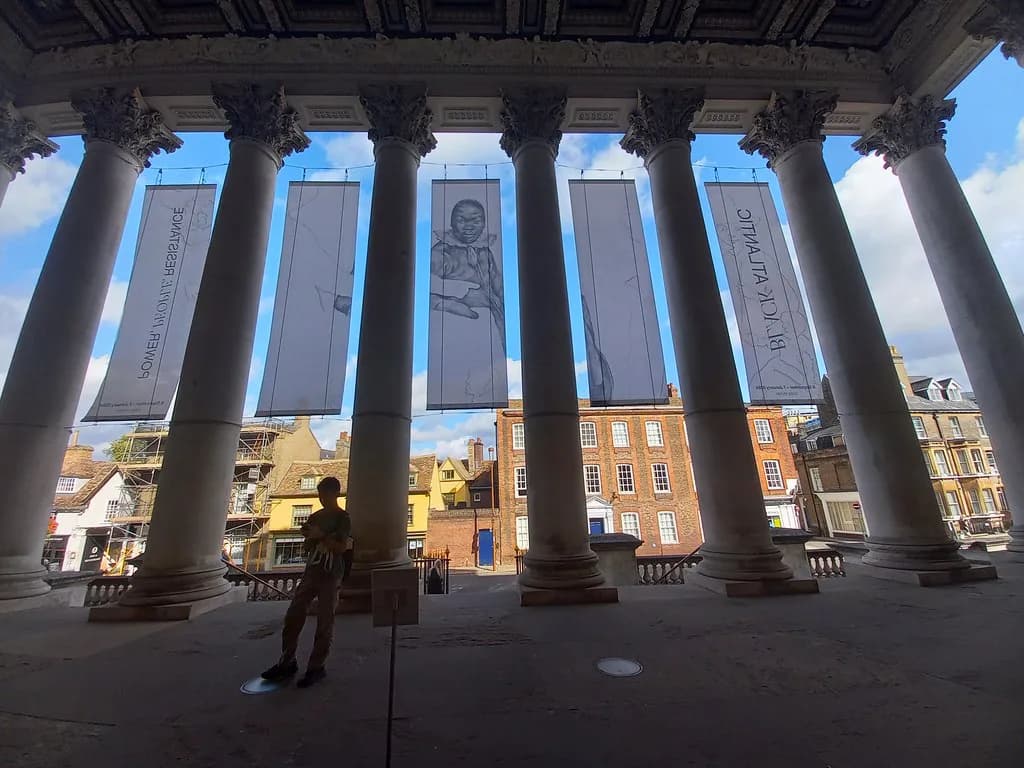
The Fitzwilliam is the anchor of any museum day: a University museum housing over half a million objects, ranging across art and antiquities from around the world. Visit Cambridge lists it as a free museum and as the lead partner of the University of Cambridge Museums group and Botanic Garden, which is why it deserves the longest slot in your plan.
Give it three hours if you want to cover more than the highlights, and go early in the day when your concentration is best. The Fitzwilliam sits on the same side of the centre as several of the smaller University museums, so it works as the first stop before a walking loop through the science collections.
Kettle's Yard and the modern art stop
Kettle's Yard is the University's modern and contemporary art gallery, set in a house rather than a purpose-built hall, which makes it a different kind of visit from the Fitzwilliam. The University museums page advertises Kettle's Yard opening from 11am, an hour later than most of the group, so it fits best after an early start elsewhere.
For a wider sweep of commercial and independent spaces, the city's art galleries sit alongside the University collections and suit an afternoon when you want shorter, sharper visits.
Sedgwick Museum of Earth Sciences and Museum of Zoology
The Sedgwick is the University's oldest museum and takes visitors through 4.4 billion years of time, with thousands of fossils and the building blocks of planets on display. The Museum of Zoology, in brand new galleries, covers the diversity of animal life and is the more family-friendly of the pair.
Both advertise 10am openings, with the Sedgwick running to 5pm and the Zoology to 4.30pm, which makes them a natural morning pairing before lunch. Keep them together in your plan rather than crossing the city twice.
Whipple Museum of the History of Science
The Whipple holds scientific instruments from the Middle Ages to the present day, and it is the museum most likely to catch you out on timing. Its advertised opening is 1pm to 5pm, so a morning visit is impossible and you should slot it after lunch rather than at the start of the day.
Treat it as a focused hour rather than a half-day, and use the saved morning for the Fitzwilliam or the Sedgwick.
The Polar Museum
The Polar Museum covers polar adventure and exploration, and it is the smallest of the main University museums, with an advertised day of 10am to 4pm. That closing time is earlier than the Fitzwilliam's, so do not leave it until late afternoon.
Pair it with the Museum of Archaeology and Anthropology, which shares the 10am opening, and treat the two as a compact block of smaller collections.
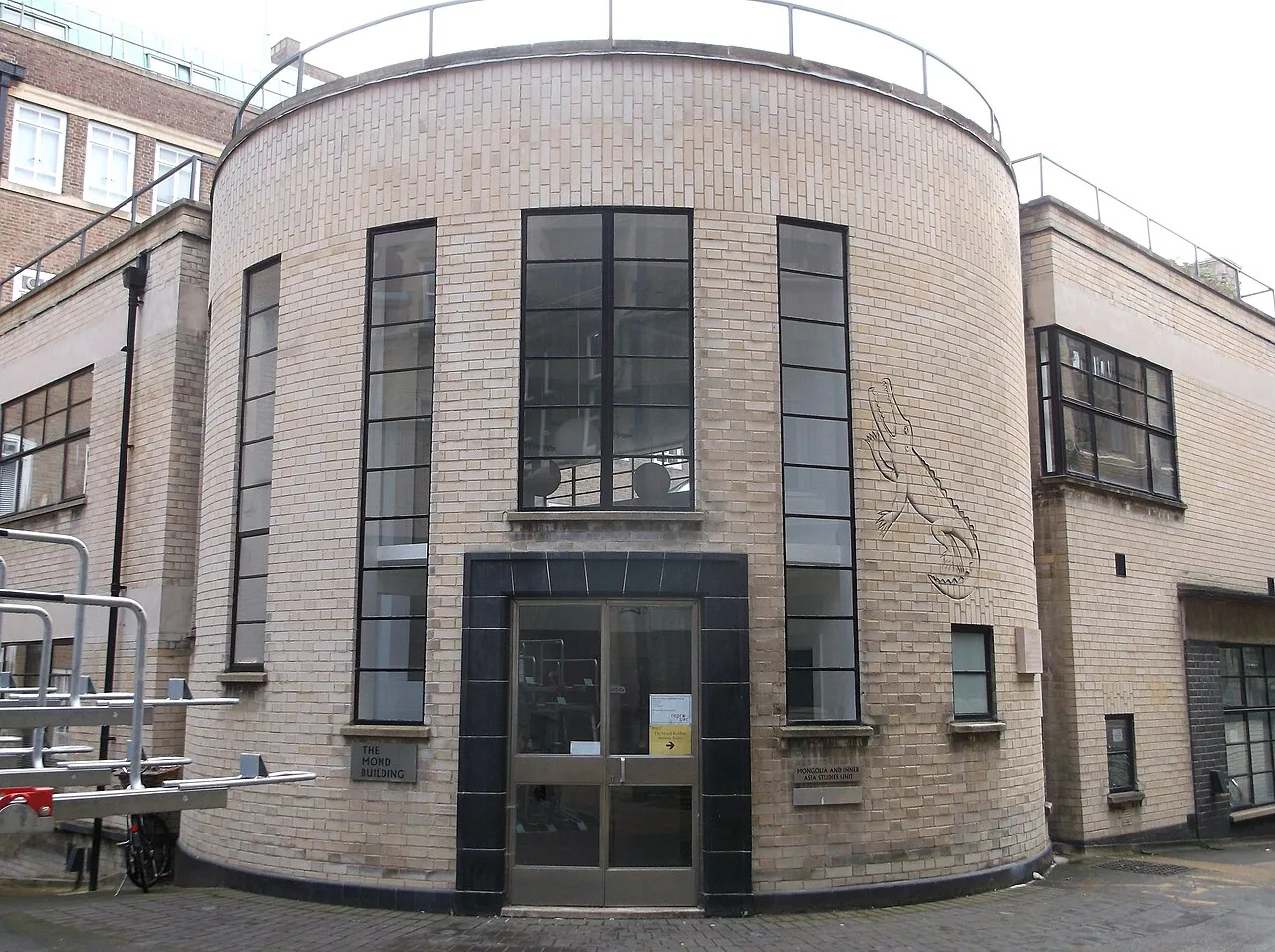
Museum of Archaeology and Anthropology
This museum covers two million years of human history through around a million artefacts, and the University describes it as exactly that scale of collection. Its advertised hours run 10am to 5pm, matching the Fitzwilliam and the Sedgwick, so it slots easily into a full museum day.
If archaeology is your main interest, book it in before the plaster casts at the Museum of Classical Archaeology, where the displays are sculptural rather than archaeological.
Museum of Classical Archaeology
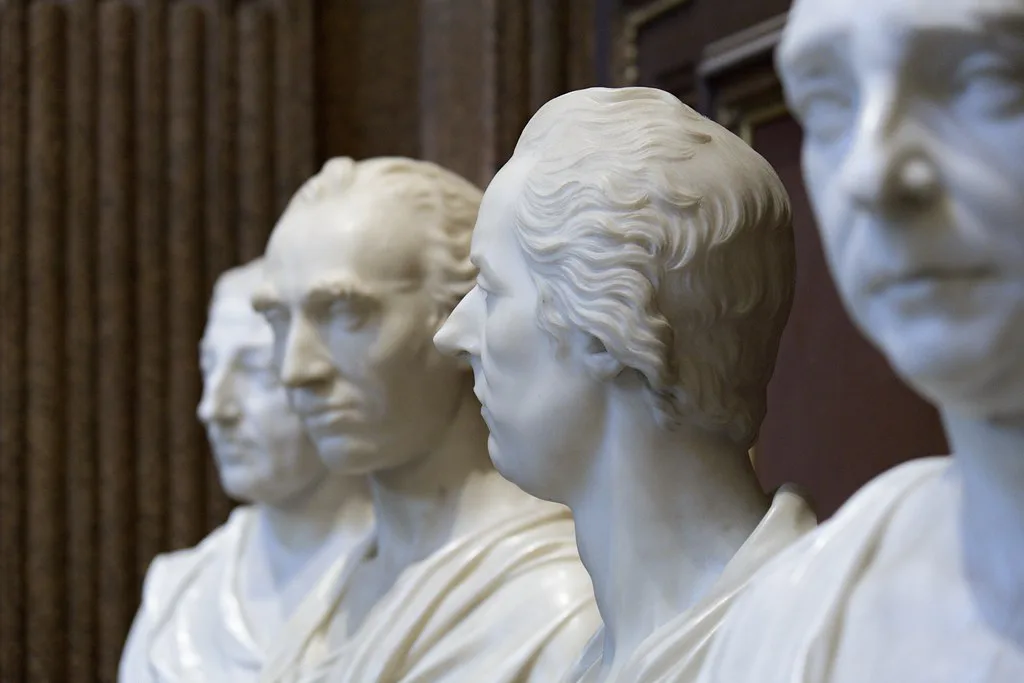
The Museum of Classical Archaeology holds one of the largest surviving collections of plaster casts of Greek and Roman statues in the world, which makes it a headline sight rather than a curiosity. You walk among full-scale gods and heroes, and the effect is closer to a sculpture court than a glass-case museum.
It advertises 10am to 5pm, so it fits the same morning or afternoon block as its neighbours. Allow around 45 minutes unless you are drawing or studying the casts in detail.
The Museum of Cambridge on Castle Street
The Museum of Cambridge is the city's independent social-history museum, telling the story of the people, places and traditions that shaped Cambridge from a historic building at 2-3 Castle Street. It is a small museum with a local focus, and it complements rather than duplicates the University collections.
The Museum of Cambridge's advertised pattern is Monday, Friday and Saturday 10am to 5pm and Sunday 11am to 5pm, with Tuesday, Wednesday and Thursday closed. That makes it the one museum in this guide that is shut midweek, when the University museums open, so build your week around those hours when planning which days to visit.
The museum also notes that hours can change with volunteer availability and asks visitors to check before travelling, so confirm the day before your visit. If your trip is built around legends and old buildings, the city's haunted places sit well alongside a Castle Street stop.
Free versus paid entry
Most of the University museums are free to enter, and Visit Cambridge marks the Fitzwilliam explicitly as a free option in its listings. The Fitzwilliam, Kettle's Yard, the Sedgwick, the Zoology, the Whipple, the Polar Museum, the Museum of Archaeology and Anthropology and the Museum of Classical Archaeology all belong to the University group.
Check the individual museum page for any charge attached to a special exhibition, because ticketed shows sit outside normal admission. The Museum of Cambridge sells tickets through its own site, so buy there rather than expecting entry to be free.
Getting around the museums on foot
The University museums and the Fitzwilliam sit within the compact centre, and the smaller science and archaeology collections are close enough to walk between in minutes rather than requiring buses. Plan a loop rather than a there-and-back route, and you will cover four or five museums without retracing your steps.
Castle Street, home to the Museum of Cambridge, sits on the north-west edge of the centre, a short walk from the main museum cluster. Combine it with a look at the city's architecture on the way, since the street climbs past older buildings rather than running through the commercial core.
If you want the streets explained rather than just walked, a guided Cambridge walking tour covers the colleges and riverside in a couple of hours and frees your museum time for the collections themselves.
A realistic museum day and a two-day split
One day: start at the Fitzwilliam at opening, move to the Sedgwick or the Museum of Zoology before lunch, then take the Whipple after 1pm and finish at the Polar Museum or the archaeology collections. That is four museums and a lot of standing, so wear shoes you can walk in all day.
Two days: give day one to art and antiquities with the Fitzwilliam and Kettle's Yard, and day two to the science and human-history museums. Keep the Museum of Cambridge for whichever day falls on Monday, Friday, Saturday or Sunday, and check its hours before you commit.
Practical trade-offs to expect
The Whipple's 1pm start and the Polar Museum's 4pm close are the two constraints most likely to wreck a tightly timed plan, so place them deliberately. The Museum of Cambridge's four-day week is the third, and its volunteer-dependent hours mean you should not treat a published time as a guarantee.
Large museums absorb crowds better than small ones, so on a wet weekend put the Fitzwilliam first and the specialist collections later. Check the day before you travel to confirm opening times.
What to book and what to leave flexible
Book only what sells out: ticketed exhibitions at the Fitzwilliam and entry to the Museum of Cambridge. Leave the free permanent collections flexible so you can swap a museum for a college visit when the weather turns.
If castles are part of your trip, plan them as a separate day out because the nearest options sit outside the city centre and need their own transport. Start with the castles near Cambridge and work out which are reachable by bus or train.
For a different museum city entirely, the museums in Leeds and the museums in Derry offer useful comparisons of scale and pricing policy.
Where to go next: tea and the city beyond the museums
After a long museum morning, afternoon tea in Cambridge is the obvious next stop, and a handful of rooms near the centre take bookings.
If you have a spare hour, ghost tours in Cambridge run in the evening and give you the darker side of the streets you crossed all day.
Plan Your Cambridge Museum Day
Build your day around the Fitzwilliam, add two or three University museums that match your interests, and slot the Whipple and the Polar Museum into the hours they actually advertise. Keep the Museum of Cambridge for a Monday, Friday, Saturday or Sunday and buy its ticket in advance.
Confirm opening times the day before you travel, then let the rest of the day stay loose enough to follow whichever collection holds your attention longest.
Explore more Cambridge guides
Frequently Asked Questions
Which museums are free in Cambridge?
Most of the University of Cambridge Museums group are free to enter, and Visit Cambridge lists the Fitzwilliam Museum as a free option alongside the other University collections. The Museum of Cambridge is independent and sells its own tickets. Check each museum's page for charges attached to special exhibitions, which sit outside normal admission.
How long does the Fitzwilliam Museum take?
Allow around three hours to see more than the highlights of a collection of over half a million objects. If you have a specific gallery in mind, check the floor plan on arrival and go there first, then work outwards. It is the museum that most rewards a long slot.
Are Cambridge museums open every day?
No. The University museums advertise weekday hours, but the Whipple opens from 1pm and the Polar Museum closes at 4pm. The Museum of Cambridge advertises Monday, Friday, Saturday and Sunday only, with Tuesday to Thursday closed, and its volunteer-dependent hours can change.
Is the Museum of Cambridge free?
It is an independent museum that sells tickets through its own website, so it is not part of the free University group. Buy in advance and check the opening days before you travel, because it does not open on Tuesday, Wednesday or Thursday.
Which Cambridge museums suit a rainy day?
The Fitzwilliam is the best wet-weather choice because its size absorbs crowds, followed by the Sedgwick and the Museum of Zoology. Put the smaller specialist collections later in the day, when the largest museum is busiest.
How do I get between the Cambridge museums?
The University museums and the Fitzwilliam sit within the compact centre and are walkable in minutes. Castle Street, where the Museum of Cambridge stands, is a short walk from the main cluster on the north-west edge of the centre.
Sources
Notes for your next city break
Optional updates to our UK city guides.
You might also like
Continue reading
More guides you'll find useful