
Sefton Park, Liverpool: what to see, how to get there and how long to allow

Sefton Park is a 200-acre landscape park about 4km south-east of Liverpool city centre, and it is listed Grade I by English Heritage. It is a place for a slow circuit rather than a ticketed attraction: you come for the lake, the Palm House and the sweep of the designed landscape, all free of a turnstile.
For a city break built on cathedrals, dockside museums and castles, it makes a green half-day that pairs naturally with south Liverpool. Our Liverpool Attractions picks the paid and free sights worth your time; this page stays with the park itself.
What Sefton Park is and why it is listed
Sefton Park is a Victorian public park of about 200 acres in south Liverpool, classified Grade I on English Heritage's register of historic parks and gardens. The listing reflects the quality of the original design and planting, not a single monument you queue for. Expect open grassland, mature trees, water and a few set-piece features rather than formal beds around a bandstand.
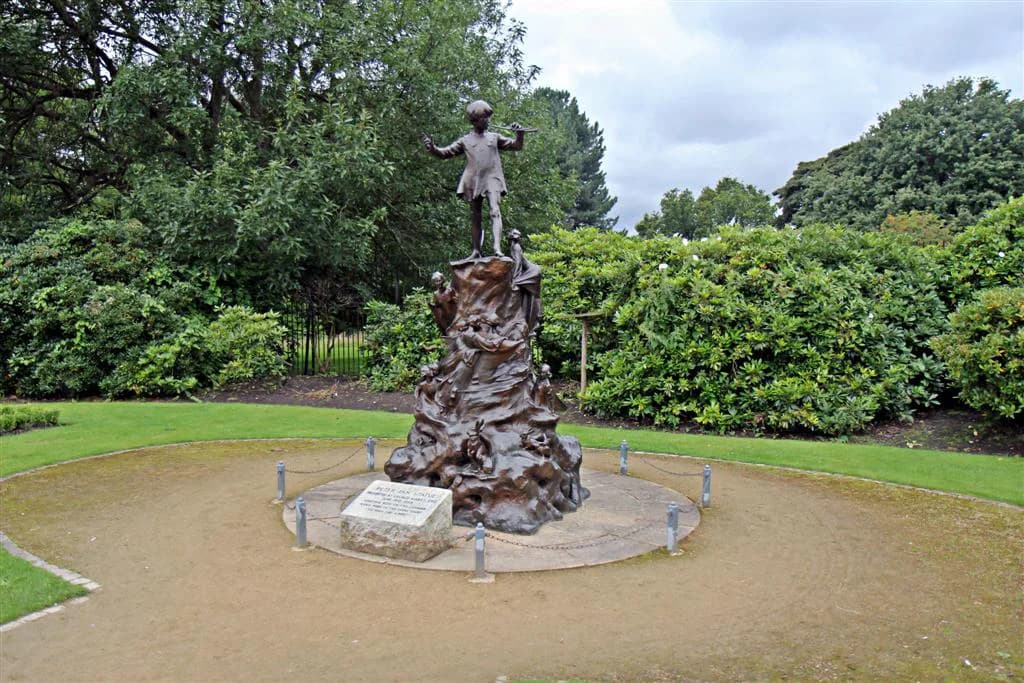
The park's own features are the boating lake, replica statues of Eros and Peter Pan and a café, with the Palm House among its best-known structures. Treat the Eros and Peter Pan figures as garden ornaments with a story attached rather than ancient relics.
Where it sits: 4km south-east of the city centre
Historic England records Sefton Park about 4km south-east of Liverpool city centre, set in rolling land that falls slightly to the south and west and is bisected by a valley. That valley is the key to the park's character: the ground moves under you, so views open and close as you walk.
It is not a city-centre stop you stumble across between the docks and the shops. Build it into a south Liverpool morning or afternoon rather than trying to slot it between Pier Head sights and a train home; if you are still deciding where to base yourself, Liverpool Neighborhoods sets out the options.
How to get there by Merseyrail
Sefton Park is served by Merseyrail, which puts the park on the local rail network rather than at the end of a long walk from the centre. The nearest station is a few minutes' walk from the park; follow the signs rather than cutting through side streets.
Because the park is roughly 4km from the centre, a taxi or bus is the alternative if you are based near the Royal Albert Dock Liverpool. Check live train times and any planned engineering work on the Merseyrail site before you set out, especially at weekends.
What to see: lake, Palm House and statues
The boating lake is the park's focus on a fine day, and the visitliverpool listing names it alongside the Palm House, a café and the replica Eros and Peter Pan statues. Plan your circuit so the lake and Palm House come mid-walk rather than at the end.
The Palm House is a glasshouse structure and the park's most photographed building; whether you can go inside, and when, is a separate question from entering the park. Check the Palm House's own published opening arrangements before you build a visit around it.

Landscape and layout: why it feels natural
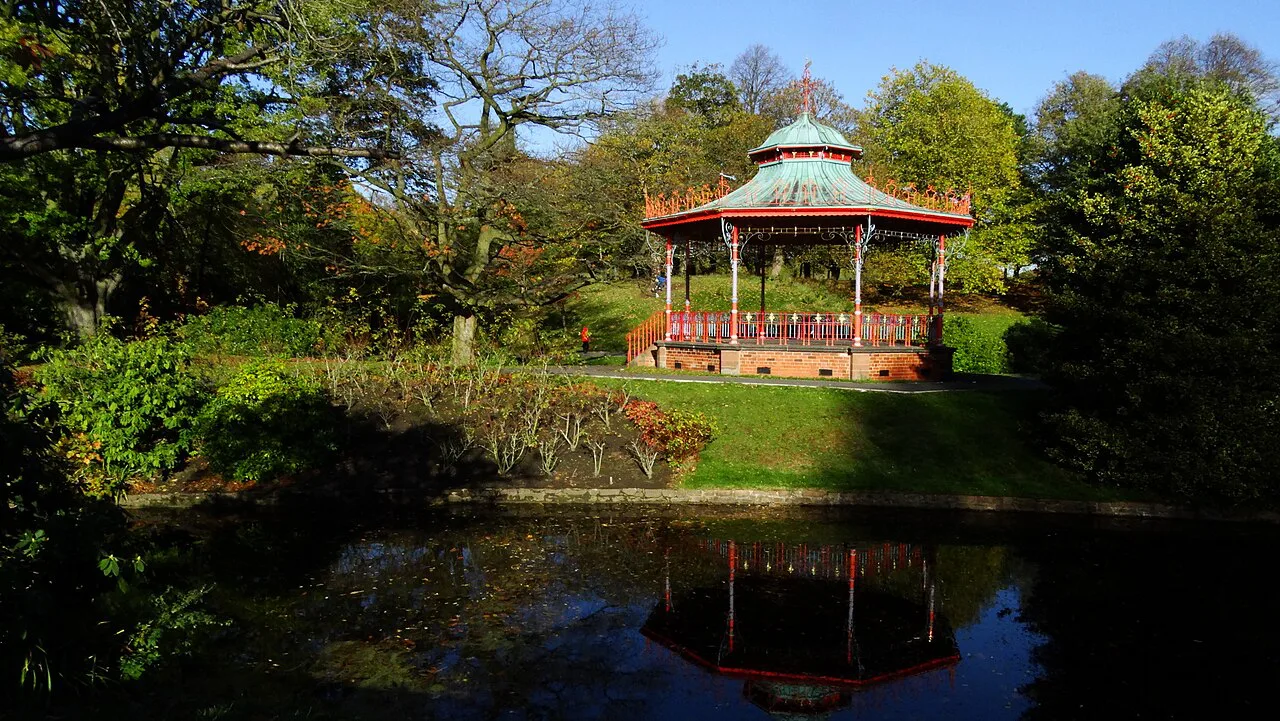
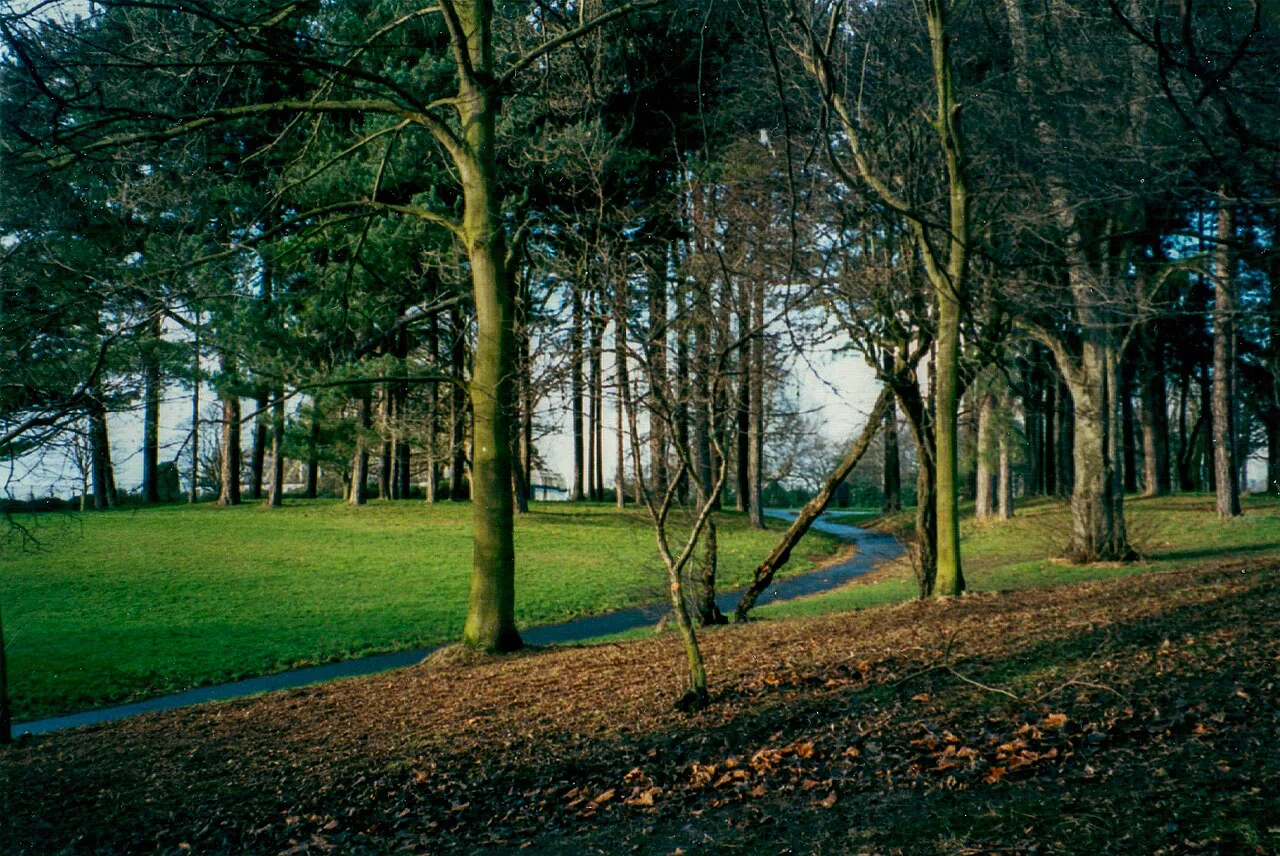
Merseyrail describes the park as easily mistaken for a natural landscape rather than a man-made one, and the Historic England description of the valley explains why. Paths follow the lie of the land, so a circuit feels like a country walk with the city just beyond the trees.
That layout is a trade-off: you get space and quiet, but fewer signposted set pieces than a municipal park with formal gardens. Wear shoes that cope with grass and uneven ground if you plan to leave the main paths.
How long to allow
Give a straightforward circuit of the main paths an hour to ninety minutes, and add time for the lake, the Palm House and a stop at the café. A relaxed half-day is the realistic unit here, not a twenty-minute photo stop.
If you are squeezing the park into a single day with the city centre, do the centre first and the park second, so a delayed train does not cost you a museum slot. For a fuller plan of the centre, our things to do in Liverpool guide covers the docks, cathedrals and museums that fill the other half of the day.
Facilities: the café and what to sort first
There is a café in the park, which makes a mid-walk stop practical without leaving the grounds. Its menu, prices and daily hours are the café's own to publish, so check before you rely on it for a full meal.
Bring water and a waterproof layer, and treat the park as a walk rather than a covered day out. If a proper sit-down tea matters more than convenience, plan it in the city centre instead: our afternoon tea in Liverpool guide covers where to book.

Opening times, parking and booking
Entry to a public park is not a ticketed transaction, so there is no booking step to arrange for the grounds themselves. What you cannot assume is the Palm House's opening days or the café's hours; both are published by Liverpool City Council, so check them before travelling.
Nearby: pairing Sefton Park with south Liverpool
Sefton Park sits in a residential part of south Liverpool rather than beside the main visitor cluster, so it works best as one half of a day. Pair it with a cathedral visit: Liverpool Cathedral on St James Mount is the city's great Gothic statement by Giles Gilbert Scott, and the Liverpool Metropolitan Cathedral is the modernist counterpoint a short walk away. If you would rather head north afterwards, our Liverpool Neighborhoods covers where to base yourself around the centre.
If you would rather stay central, the waterfront and William Brown Street museums are the obvious anchors. Start with the Royal Albert Dock Liverpool for the dockside museums, or the Museum of Liverpool on the Pier Head for the city's story in one building.
Plan Your Visit
Sefton Park rewards a simple plan: take Merseyrail to the park's own station, walk a circuit that takes in the lake and the Palm House, and leave time for the café. About 4km from the centre, it is a half-day rather than a detour.
Check the Palm House arrangements and live train times before you travel, then build the rest of the day around the centre's cathedrals and docks. Liverpool Attractions: 8 Visitor Guides is the place to choose what else earns a slot.
Explore more Liverpool guides
Frequently Asked Questions
How far is Sefton Park from Liverpool city centre?
Sefton Park is about 4km south-east of Liverpool city centre, in rolling land that falls to the south and west. It has its own Merseyrail station, so you do not need to walk the whole distance from the centre.
Is there a train station at Sefton Park?
Yes. Sefton Park has its own Merseyrail station, and the park is a short walk from it. Check live train times and any planned engineering work before you set out.
What is there to see in Sefton Park?
The park has a boating lake, the Palm House, a café and replica statues of Eros and Peter Pan. It is a 200-acre Grade I listed landscape park, so the grounds themselves are the main attraction.
Is Sefton Park free to visit?
The park is a public landscape park, so there is no ticket to book for the grounds. Any charges or opening arrangements for the Palm House or the café are set by their operators, so check before you travel.
Why is Sefton Park listed Grade I?
English Heritage lists the park Grade I on its register of historic parks and gardens, recognising the quality of the designed landscape. The valley landform is part of why it reads as natural rather than municipal.
How long should I spend at Sefton Park?
Allow an hour to ninety minutes for a circuit of the main paths, plus time for the lake, the Palm House and the café. A relaxed half-day is realistic if you are pairing the park with another stop.
Can I go inside the Palm House?
The Palm House is the park's best-known building, but its opening days and any terms of entry are published by its operator. Confirm those arrangements before you build a visit around it.
What else is near Sefton Park?
Sefton Park is in south Liverpool, away from the main visitor cluster. Pair it with Liverpool Cathedral and Liverpool Metropolitan Cathedral, or keep the other half of the day for the docks and the Pier Head museums.