
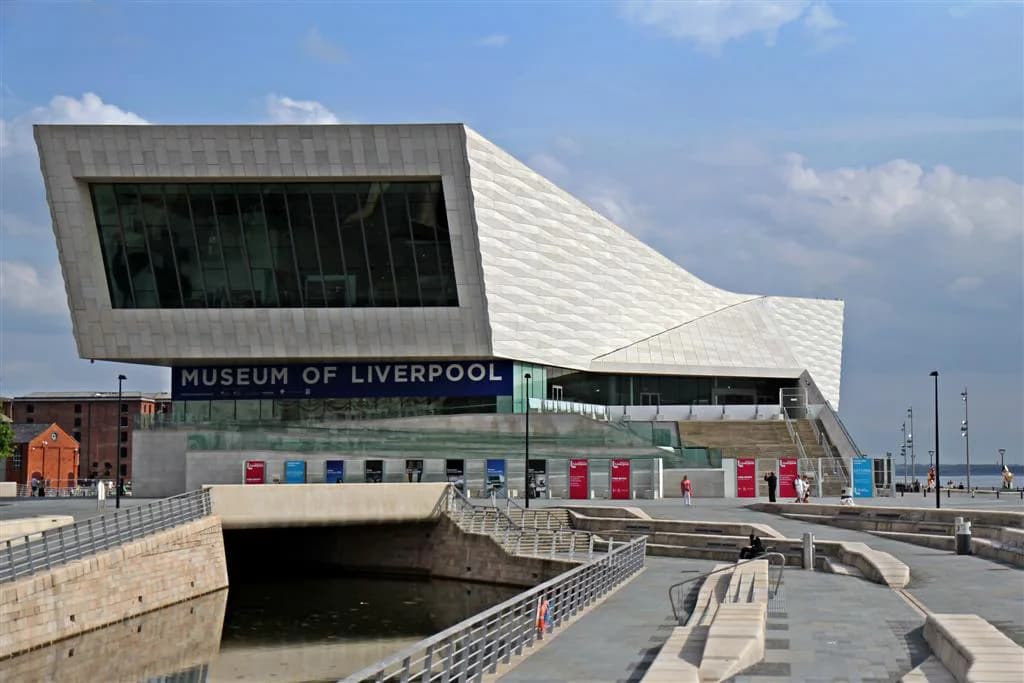
Museum of Liverpool: a visitor's guide to the waterfront museum

The Museum of Liverpool is the city's waterfront museum devoted to Liverpool's own history, port and people, and it is free to enter. It stands on the Pier Head, which makes it the obvious indoor stop on any walk along the river and an easy pairing with the dockside museums a short stroll away. Allow around an hour and a half for a focused visit, or nearer half a day if you read the galleries properly.
Where the museum sits on the waterfront
The museum occupies a modern building on the Pier Head, the stretch of waterfront where the Three Graces stand and the Mersey ferries land. That position puts it squarely between the commercial centre and the river, so you can walk out of the shopping streets and be at the entrance in minutes. The Royal Albert Dock Liverpool, with its warehouses-turned-galleries, lies a short walk south along the water.
Because the building is on the riverfront rather than buried in the retail core, it works as an anchor for a half-day: museum first, then a waterside walk, then the docks. If you are building a wider itinerary, the Liverpool Attractions collection sets out the other headline sights in the same area.
How to get to the Museum of Liverpool
On foot, the museum is an easy walk from the centre: from Liverpool Lime Street station head downhill towards the river, or use James Street station, which is the closest stop to the waterfront and a few minutes from the Pier Head. The route is level for most of the way, though the final approach across the Pier Head is exposed to wind and rain off the Mersey. If you are weighing up where to stay for a waterfront-focused trip, the Liverpool Neighborhoods compare the areas closest to the river.
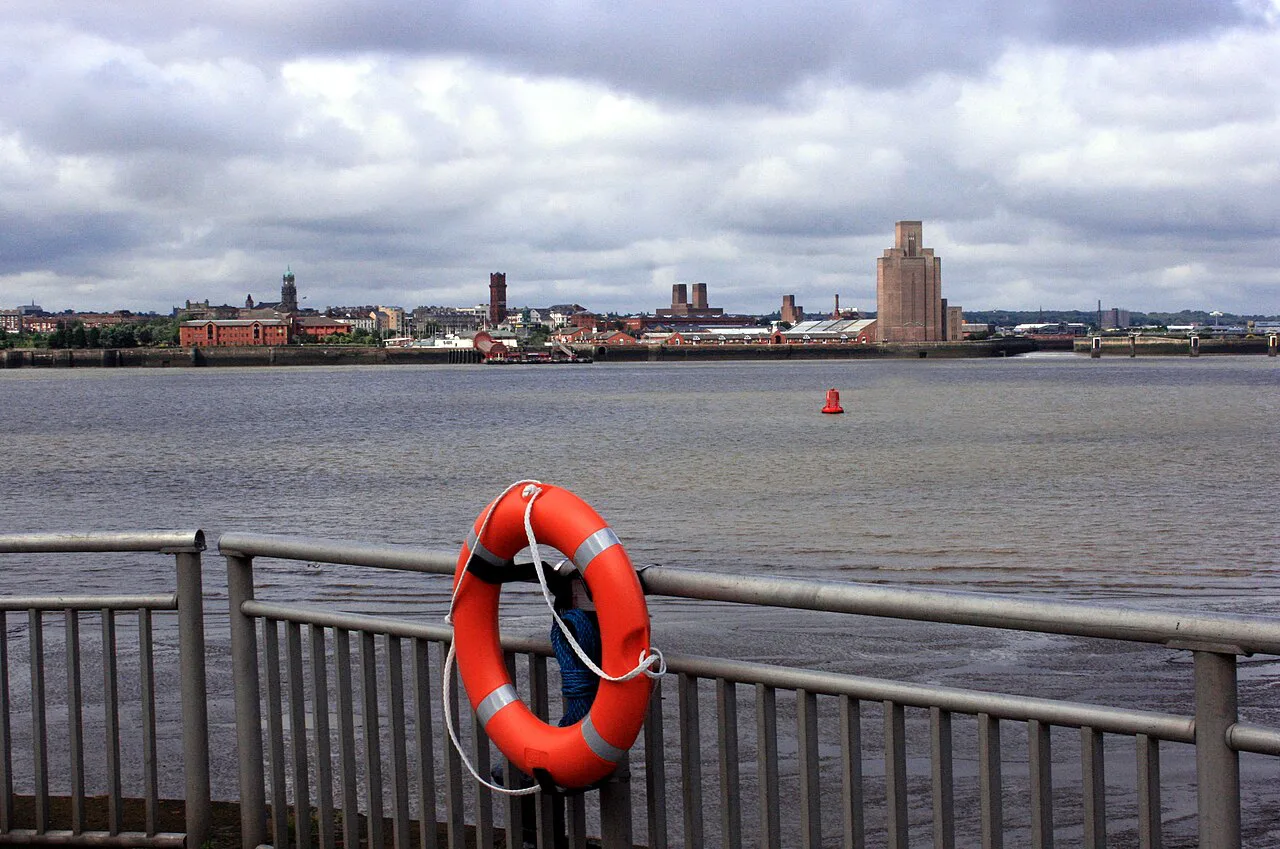
If you are arriving by ferry, the Pier Head landing stage is right beside the museum, so crossing the River Mersey becomes part of the visit rather than a separate excursion. Buses run along the Strand behind the waterfront; check operator timetables for the day you travel, since routes and frequencies change.
Opening days and hours
National Museums Liverpool lists the Museum of Liverpool as open Tuesday to Sunday, 10am to 5pm. The same pattern applies across the group's city-centre museums, so a Monday visit to the waterfront will usually find the doors shut. Holiday periods can bring changes, so confirm the day before you set out.
The museum's own page repeats the Tuesday-to-Sunday, 10am-to-5pm pattern and is the place to confirm before a bank holiday or half-term trip. Arriving at opening time gives you the quietest galleries and leaves the afternoon free for the docks.
Tickets and what free entry means for your budget
Entry is free. National Museums Liverpool states that its museums and galleries are free to visit, and the Museum of Liverpool is one of them, so there is no ticket to buy for the permanent displays. That makes it the cheapest substantial indoor attraction on the waterfront and a sensible anchor for a budget-conscious day.
Free entry does not cover everything you might do nearby. Paid attractions such as the Beatles Story exhibition at the Albert Dock sit a short walk away, so budget for those separately if they are on your list; check their own pages for current admission. The advantage of starting at a free museum is that you can spend an hour without feeling you have wasted a ticket.
What the museum covers
The museum's brief is Liverpool itself: the port, the people who worked it, the communities that grew around it and the city's wider story. That focus distinguishes it from the World Museum Liverpool, which deals in natural history, science and world cultures rather than the city's own past. If you have time for only one, choose according to whether you want Liverpool's story or a broader cabinet of curiosities.
Because the subject is the city, the displays give context for everything else you will see on the waterfront, from the docks to the mercantile buildings. Treat it as an orientation stop early in your trip rather than a finale.

Highlights worth seeking out inside
The galleries work chronologically and thematically, moving from the early port through the city's growth and its people. Give priority to the displays on the docks and on the communities that shaped the city, since these explain the streets and buildings you will walk through afterwards. Exhibitions rotate, so the specific displays on show during your visit are worth checking on the museum's page before you go.
Families tend to do best in the interactive and hands-on sections, which are pitched at children rather than specialists. If you are travelling with younger children, plan to move through the chronological galleries briskly and linger where they can touch and try things.
How long to allow and when it is busiest
An hour and a half covers the main galleries at a steady pace; two to three hours lets you read labels and take in a temporary exhibition. A quick Pier Head stop of forty-five minutes works if you only want the waterfront views and one gallery. The building is indoor and free, so it absorbs wet-weather crowds, and weekend and school-holiday afternoons are when the galleries feel most compressed.
For a calmer visit, aim for the first hour after the 10am opening, particularly on Saturdays. If the museum is packed, the dockside museums a short walk south make a natural alternative until the pressure eases.
Accessibility and practical points
The museum is a modern building, so expect level access, lifts between floors and step-free routes through the galleries; the waterfront approach itself is paved and mostly flat. If you use a wheelchair or travel with a pushchair, the indoor layout makes it a reliable wet-weather option, unlike the exposed Pier Head outside.
Check the museum's own visitor information for current arrangements on assistance dogs, buggies, lockers and café opening, since these change with staffing and season. The café inside is a convenient stop for a drink between galleries, though for a proper sit-down meal you are better off heading into the city centre afterwards; if it is afternoon tea in Liverpool you are after, that is the moment to leave the waterfront.

What is nearby on the waterfront
The Royal Albert Dock Liverpool holds the Merseyside Maritime Museum, the International Slavery Museum and Tate Liverpool, all within a short walk of the Pier Head. Add the Beatles Story and you have a full day of indoor attractions without needing transport. The dock warehouses themselves are worth a wander for the architecture alone.
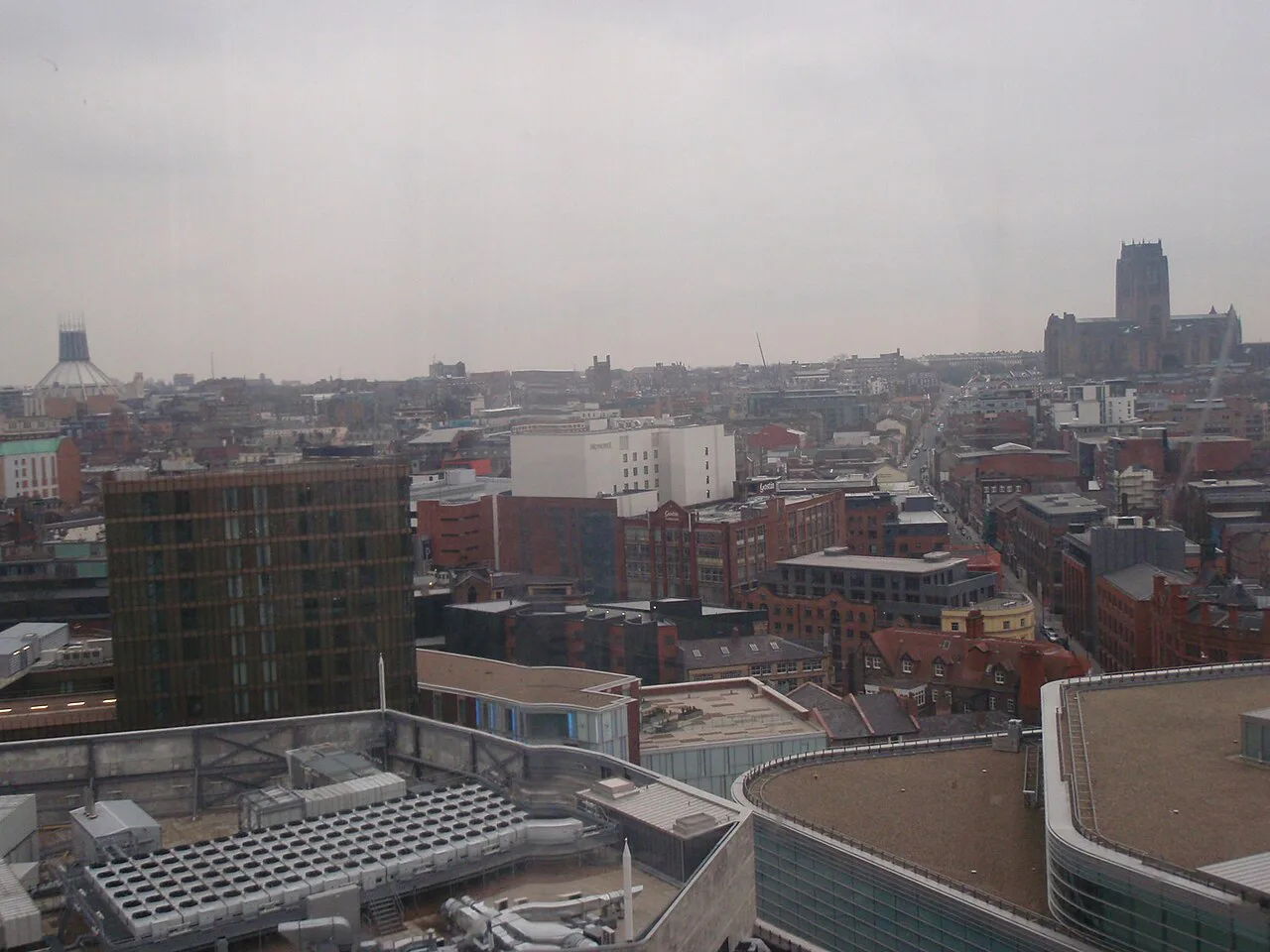
Inland, Liverpool Cathedral sits on St James Mount, a steep but rewarding climb from the waterfront and a good counterpoint to the riverfront museums. Its architect, Giles Gilbert Scott, gave the city one of its defining landmarks, and the view from the top is the reward for the walk up.
If you want to stretch the day further, the World Museum on William Brown Street and St George's Hall, Liverpool are a short walk from Lime Street and pair well with an evening in the centre. For a broader plan of the city's neighbourhoods, the Liverpool Neighborhoods collection helps you decide where to base yourself.
Afternoon tea and a sit-down meal afterwards
The museum's own café is fine for a quick drink, but for a proper afternoon tea in Liverpool you will want to head into the city centre, where the choice of tea rooms and hotels is wider. Book ahead for weekend sittings, since the best-known places fill up.
For something simpler, the restaurants around the Albert Dock cover everything from a quick lunch to a long dinner, and the waterfront setting makes them an easy end to a museum day. Expect to pay city-centre prices and to queue at peak times in summer.
Verdict: who should go and who can skip it
Go if you want Liverpool's story told by the city itself, if you are travelling on a budget, or if the weather has turned and you need a free indoor fallback on the waterfront. The museum rewards curiosity about the port and its people rather than a checklist of famous objects.
Skip it, or shorten your visit, if you have only a few hours in Liverpool and your priorities are the Beatles, the cathedrals or a stadium tour; in that case a quick forty-five-minute stop for orientation is enough. If world cultures and natural history appeal more than local history, the World Museum is the better use of an afternoon.
Plan Your Visit
Build your day around the Tuesday-to-Sunday, 10am-to-5pm opening and arrive early for the quietest galleries. Pair the museum with a walk along the Pier Head and the Albert Dock, and leave the afternoon free for a cathedral or an afternoon tea in the centre. If you are still deciding where to stay, the Liverpool Neighborhoods compare the areas closest to the waterfront.
Check the museum's own page for holiday closures and current exhibition details before you travel, and keep a note of the free entry so you can plan the rest of your budget around the paid attractions.
Explore more Liverpool guides
Frequently Asked Questions
Is the Museum of Liverpool free to enter?
Yes. National Museums Liverpool states that its museums and galleries are free to visit, and the Museum of Liverpool is part of that group, so there is no admission charge for the permanent displays. Paid attractions nearby, such as the Beatles Story, are separate.
What are the Museum of Liverpool opening times?
National Museums Liverpool lists the museum as open Tuesday to Sunday, 10am to 5pm, with the same pattern across its city-centre museums. Holiday periods can bring changes, so check the museum's own page before a bank holiday or school-holiday visit.
How long does it take to go round the Museum of Liverpool?
Allow about an hour and a half for the main galleries, or two to three hours if you read the labels and take in a temporary exhibition. A quick waterfront stop of forty-five minutes is enough if you only want one gallery and the Pier Head views.
Where is the Museum of Liverpool and how do I get there?
It stands on the Pier Head, the riverfront stretch where the Mersey ferries land. James Street station is the closest stop and a short walk away, and Lime Street is a longer but level walk downhill towards the river. Ferries arrive at the landing stage beside the museum.
Is the Museum of Liverpool good for families?
Yes, particularly for the interactive, hands-on sections aimed at children. Families do best moving briskly through the chronological galleries and lingering where children can touch and try things. The indoor layout also makes it a reliable wet-weather option with pushchairs.
What can you see in the Museum of Liverpool?
The galleries cover Liverpool's port, its people and its communities, giving context to the docks and streets you will see outside. Displays rotate, so check the museum's page for what is on during your visit.
What is nearby after visiting the Museum of Liverpool?
The Royal Albert Dock is a short walk south and holds the Merseyside Maritime Museum, the International Slavery Museum and Tate Liverpool, plus the Beatles Story. Inland, Liverpool Cathedral on St James Mount and the World Museum near Lime Street are a longer walk or a short bus ride away.