
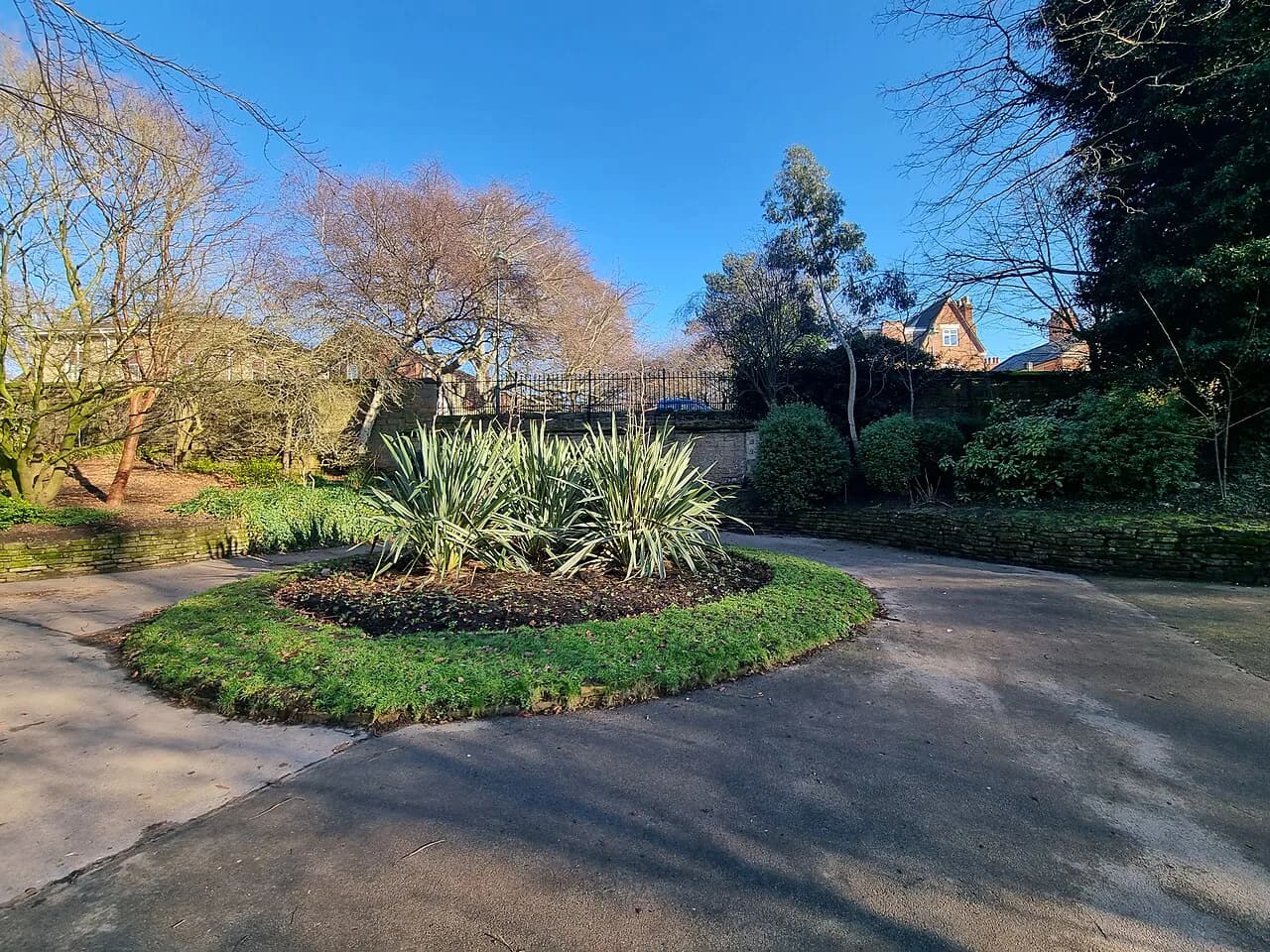
Nottingham Arboretum: A Visitor's Guide to Nottingham's Oldest Park

Nottingham Arboretum is worth an hour of a city break: it is Nottingham's oldest public park, the closest park to the city centre, and home to a collection of more than 800 trees, some from the original 19th-century planting. It is a compact historic green space rather than a day-long attraction, so slot it between a museum and lunch rather than building an outing around it.
The park suits travellers who want a breather from pavements and galleries without leaving town. Its real draw is the planting, the heritage features and the two self-guided trails rather than rides, cafés or big set-piece sights.
What Nottingham Arboretum Is and Why It Earns an Hour
This is a Victorian municipal park laid out for public strolls, and it still works that way. The council describes it as its oldest public park and the nearest to the city centre, with a Green Flag award and a tree collection spanning native and exotic species. If you like labels and plant histories, the tree trail is the reason to come; if you want fountains, boating or a big café, look elsewhere. Knowing how the park sits among the surrounding districts helps when planning the rest of your day, so browse the Nottingham Neighborhoods if you want to place it in context.
Set expectations by size: the registered site covers about 7.5 hectares, immediately north-east of the General Cemetery. That is small enough to cross in minutes and detailed enough to fill an hour if you follow the trails and read the interpretation.
It also functions as a community park, hosting organised events through the year, so parts of the grass may be fenced or busy when something is on. Check the council's events listings before you go if you want quiet, and treat a programmed weekend as a bonus rather than a nuisance.
Where It Is: Waverley Street, NG7 4HF
The address is Nottingham Arboretum, Waverley Street, Nottingham NG7 4HF. It sits just north of the city centre, between the ring road and the Victorian streets around the Park Estate, which puts it within an easy walk of the city's core as well as the university quarter.
The Park Estate side is worth noting because it changes the feel of the walk: you approach through residential streets and terraces rather than a grand civic boulevard. That makes the park feel like a local's shortcut, and it is one. For a wider spread of city sights to pair with it, the Nottingham Attractions collection covers castles, caves and galleries within the same radius.
Getting There: Four Entrances and the Tram on Waverley Street
There are four pedestrian entrance points: Waverley Road, Arboretum Street, North Sherwood Street and Addison Street. Choose the entrance nearest your route rather than circling for a main gate, because there is no single ceremonial front door and the pedestrian walkways connect all four into the park's path network.
Trams run along Waverley Street, and the nearest stop is about 150 metres from the park, which makes the tram the simplest option from the city centre or the station side of town. Bus routes are covered by Nottingham City Transport, and the tram operator publishes its own times and fares, so check those before travelling if you are paying on the day.
Driving is the weakest option: parking is limited to on-street spaces around the perimeter, with no dedicated car park. On a weekday that means meters and residents' bays; at weekends it means luck. If you are coming by car, plan to park in the city centre and walk up instead of hunting for a space beside the railings.
The Park's History in Brief: 11 May 1852
Nottingham Arboretum opened on 11 May 1852, when the Mayor, Mr W Felkin, and the Sheriff of the Borough, Mr Ball, opened it in front of a crowd reported at 30,000 people. That scale tells you what a public park meant in a smoky industrial town: a deliberately grand civic gesture, not a leftover patch of grass.
The layout was supervised in 1850 by Samuel Curtis, a botanist and horticultural publicist who had previously worked on the laying out of Victoria Park in East London. Knowing that helps you read the design as a piece of Victorian public-health planning, with walks, specimen trees and open ground intended for respectable recreation.
You will also meet the local claim that the park inspired J.M. Barrie's Neverland. Barrie did live and work in Nottingham before writing Peter Pan, which is why the story persists, but it has never been confirmed. Treat it as a piece of Nottingham folklore to enjoy on the walk rather than a fact to repeat as history.
Over 800 Trees and the Original 19th-Century Planting
The tree collection runs to over 800 specimens, and some descend from the original 19th-century planting, so you are walking through a living archive as much as a park. Look for the older, heavy-trunked trees along the main walks rather than the newer infill beds at the edges.
The collection mixes common British natives with rarer imported species brought in by Victorian plant hunters, which is exactly what the tree trail is designed to explain. Without the trail, most visitors see pleasant greenery; with it, you get names, origins and a reason to slow down.
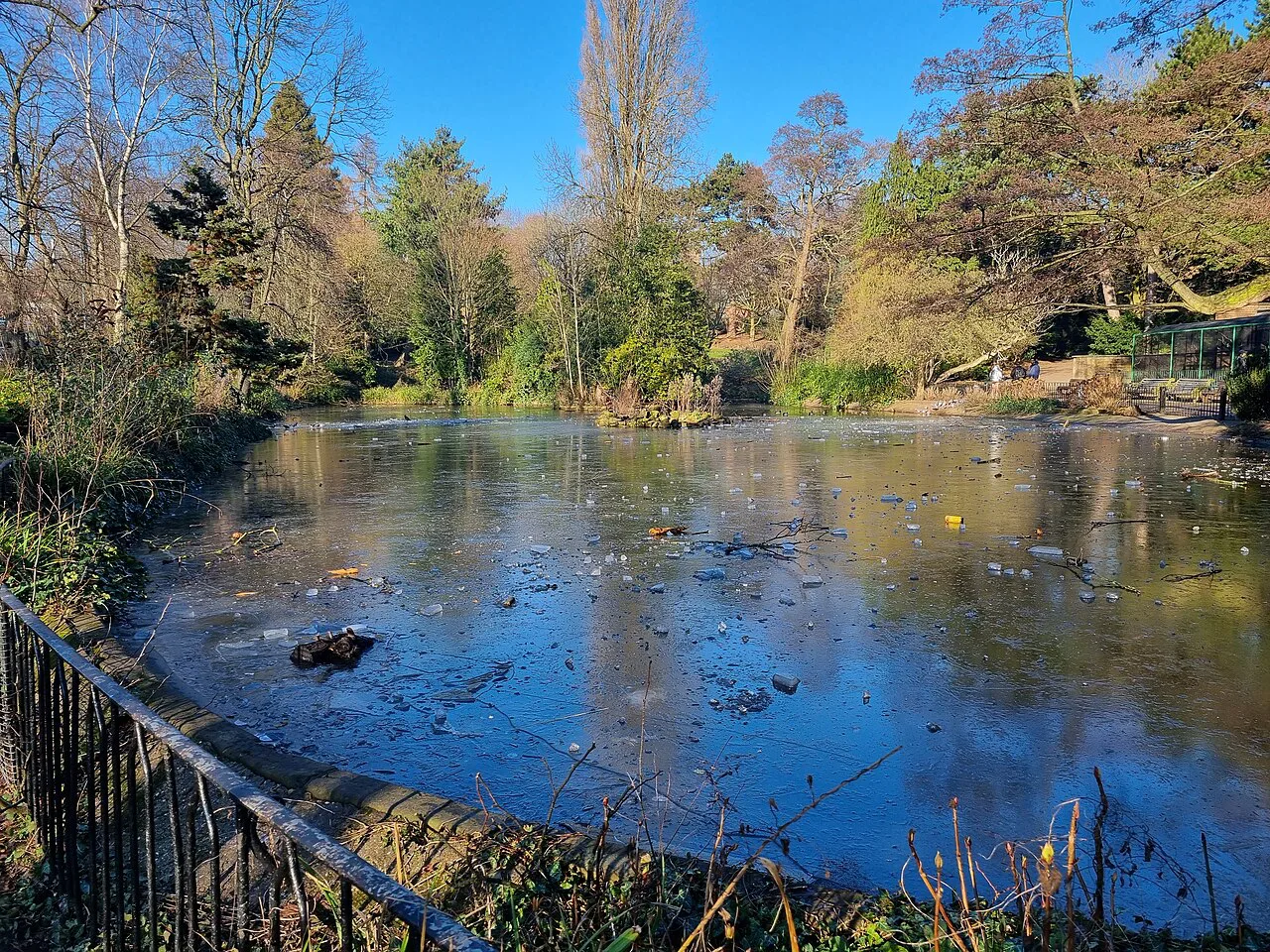

What to See: Heritage Features, the Lake and Aviary Area
Inside the park, the heritage features and tree collection are the core sights, supported by an active friends' group that runs bulb planting, fundraising and heritage and tree walks. Wildlife areas are part of the park's fabric, a traditional feature of Victorian public green space and a good spot to pause with children.
The park's own site map and heritage trail are the practical way to find the features, and the council publishes both as downloads. Pick them up before you arrive and you will spend your hour looking at things rather than at your phone. The wildlife areas are a gentle draw for younger children, but they are not a paid attraction and should not be sold to anyone as one.
Walking the Tree Trail and Heritage Trail
Two self-guided routes do the interpretive work. The Tree Trail takes you round significant specimens with notes on their origins, while the Heritage Trail covers the park's history and designed landscape; both are free PDFs and both work on a phone screen.
There is also a self-guided walking leaflet and an orienteering map for anyone who wants to combine map reading with a lap of the park. The council works with Best Foot Forward on free short guided health walks in the city, with details listed through the Ramblers. None of this needs booking in advance for the self-guided versions, which is the point of a park you can enter on impulse.
Opening Times and What to Check Before Setting Out
The park opens from 8am on weekdays and from 9am at weekends and bank holidays, according to the visitor listing for the current season. Those are gate-opening times rather than a full day's programme, and the park stays open through the day rather than closing at lunchtime.
The café has seasonal opening, and the council directs visitors to its Facebook page for updates, so do not build your day around a hot drink. Winter visits in particular should assume you are bringing your own flask. If a proper sit-down tea is the point of the outing, book afternoon tea in Nottingham instead and treat the park as the walk beforehand.
Two practical points cover most surprises: opening times can change around events and holidays, and the café keeps its own hours. Check the park opening times page and the café's social feed before a special trip, especially out of season.
Is It Free? Budgeting Around a Public Park
Entry to Nottingham Arboretum costs nothing: it is a public park with open pedestrian entrances, not a ticketed attraction. That makes it one of the cheapest hours in the city, and it is the honest contrast with Nottingham's paid sites, where castles and historic houses charge admission.
Budget for transport rather than admission: a tram fare each way, or a bus, is your only likely cost unless you buy something at the café when it is open. For a family, the saving over a paid attraction is real, and the trade-off is that you get a park rather than exhibitions, guides or displays. If you want a free indoor stop as well, Wollaton Hall sits in its own park and makes a natural second half to a green day out.
Facilities: Toilets, Paths, Dogs and the Seasonal Café
There is currently no toilet provision in the park, which is the single most useful thing to know before you arrive. Plan a stop in the city centre or at a nearby venue first, and do not promise children facilities that are not there.
Most of the park is accessible on surfaced paths, so wheelchairs and pushchairs can manage the main walks, though some smaller paths and grass areas are less firm. Dogs are welcome under control. Parking is limited on-street only, and the café opens seasonally, so the honest summary is: come for the trees, bring what you need, and treat the café as a bonus.

Best Time to Go and How Long to Allow
Allow about an hour for the park itself, or 90 minutes if you walk both trails and read the interpretation. It is a 7.5-hectare site with a compact core, so two hours would mean sitting down a lot or repeating paths.
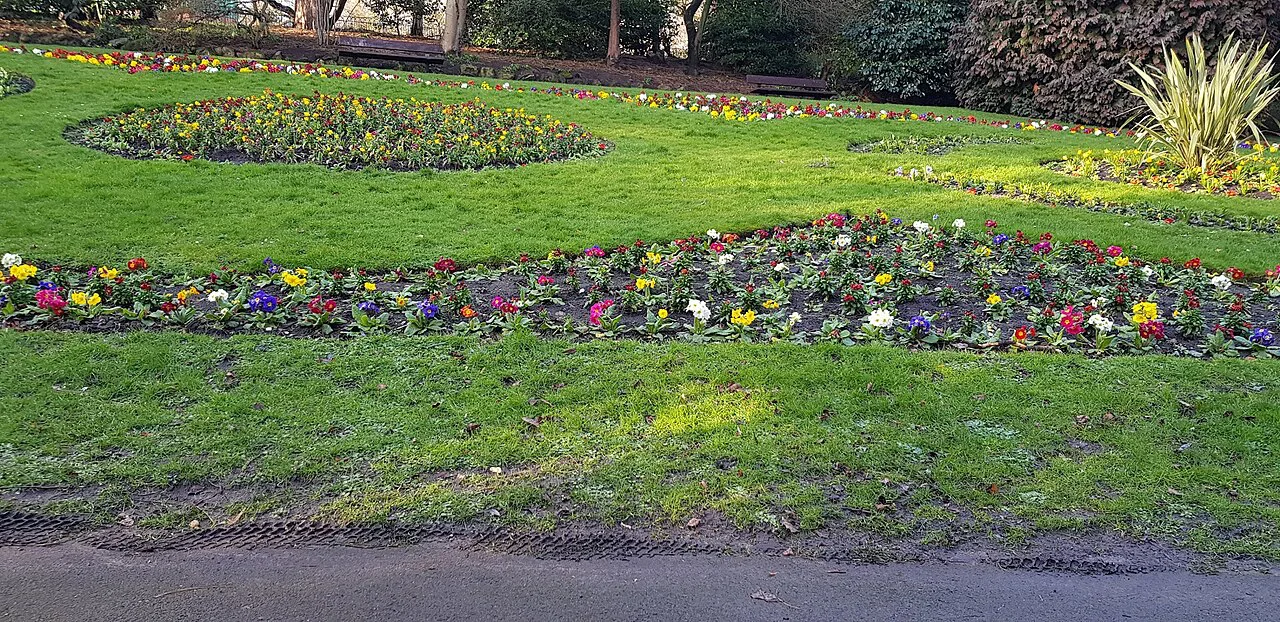
Spring is the strongest season for the tree collection and the friends' group's bulb planting, while autumn gives colour and quieter paths. Summer weekends can be busy with programmed events, and winter visits are short on daylight, so start earlier than you would in June. Weekday mornings are the calmest window if you want the trails to yourself.
Nearby: The Cathedral, the Park Tunnel and the Left Lion
Several city sights sit within a short walk. Nottingham Cathedral (St Barnabas) is roughly half a mile away, the Park Tunnel, built in 1855 for horse-drawn carriages into the Park Estate, is a similar distance, and Raleigh Street, the site of a small 1886 workshop, is closer still. The Left Lion in the city centre is under a mile off as a meeting point and orientation landmark.
Combine the park with a central wander rather than a single second attraction: Old Market Square and the Council House are an easy walk down, and the Lace Market end of town is where an afternoon tea booking fits naturally at the end of the day. If you are working out how the districts fit together, the area guides are a sensible next read.
For the wider city picture, including which sights charge and which are free, start from the main things to do in Nottingham hub and build a route outward from the park's four entrances.
Practical Checklist Before You Go
Address: Waverley Street, Nottingham NG7 4HF. Entrances: Waverley Road, Arboretum Street, North Sherwood Street and Addison Street. Arrive by tram to the stop on Waverley Street, about 150 metres from the park, or on foot from the city centre.
Bring: water, a snack if the café's seasonal hours are uncertain, and a charged phone for the trail PDFs. Leave behind: expectations of toilets, a car park or a full day out. Allow an hour, walk the Tree Trail, and use the park as a calm hinge between two busier Nottingham stops.
Plan Your Visit
Nottingham Arboretum rewards a small, well-aimed visit: an hour among 800-odd trees, a heritage trail with real Victorian history behind it, and no ticket to buy. Go on a weekday morning, enter from Waverley Road or Arboretum Street, and pair it with the cathedral or a walk down to Old Market Square.
Before a special trip, confirm gate times on the park opening times page and check the café's social feed, since both can shift with the season and the events programme.
Frequently Asked Questions
Is Nottingham Arboretum free to enter?
Yes. It is a public park with open pedestrian entrances, so there is no ticket and no admission charge. Your only likely costs are transport to get there and anything you buy at the café when it is open.
What time does Nottingham Arboretum open?
The park opens from 8am on weekdays and from 9am at weekends and bank holidays. Gate times can change around events and holidays, so check the council's park opening times page before a special trip.
Where are the entrances to Nottingham Arboretum?
There are four pedestrian entrances: Waverley Road, Arboretum Street, North Sherwood Street and Addison Street. Pedestrian walkways link them inside the park, so pick whichever suits your route.
How do I get to Nottingham Arboretum by tram?
Trams run along Waverley Street, and the nearest stop is about 150 metres from the park, making the tram the simplest way in from the city centre. Times and fares are published by the tram operator; check current details before travelling.
Is there a café in Nottingham Arboretum?
There is a café, but its opening is seasonal and the council points visitors to its Facebook page for updates. Bring a flask or snack if a hot drink is essential to your plan.
How long does it take to walk round Nottingham Arboretum?
Allow about an hour for the park, or 90 minutes if you follow both the Tree Trail and the Heritage Trail. It is a small site of roughly 7.5 hectares, so it does not need half a day.
Are there toilets at Nottingham Arboretum?
There is currently no toilet provision in the park. Plan a stop in the city centre or at a nearby venue before you arrive, particularly if you are visiting with children.
What is near Nottingham Arboretum?
Nottingham Cathedral, the Park Tunnel and Raleigh Street are all within a short walk, and the Left Lion and Old Market Square are about half a mile away. The tram on Waverley Street connects the park to the wider city centre.