
Wollaton Hall: a visitor guide to Nottingham's Elizabethan mansion

Wollaton Hall is an Elizabethan country house three miles west of Nottingham city centre, standing on a hill inside 500 acres of parkland with free-roaming deer. You pay to go inside the hall, where the city's Natural History Museum and reconstructed period rooms sit, but entry to the park and grounds is free. Plan on roughly half a day: a couple of hours in the hall and museum, then a walk through the deer park.
What Wollaton Hall is and where it stands
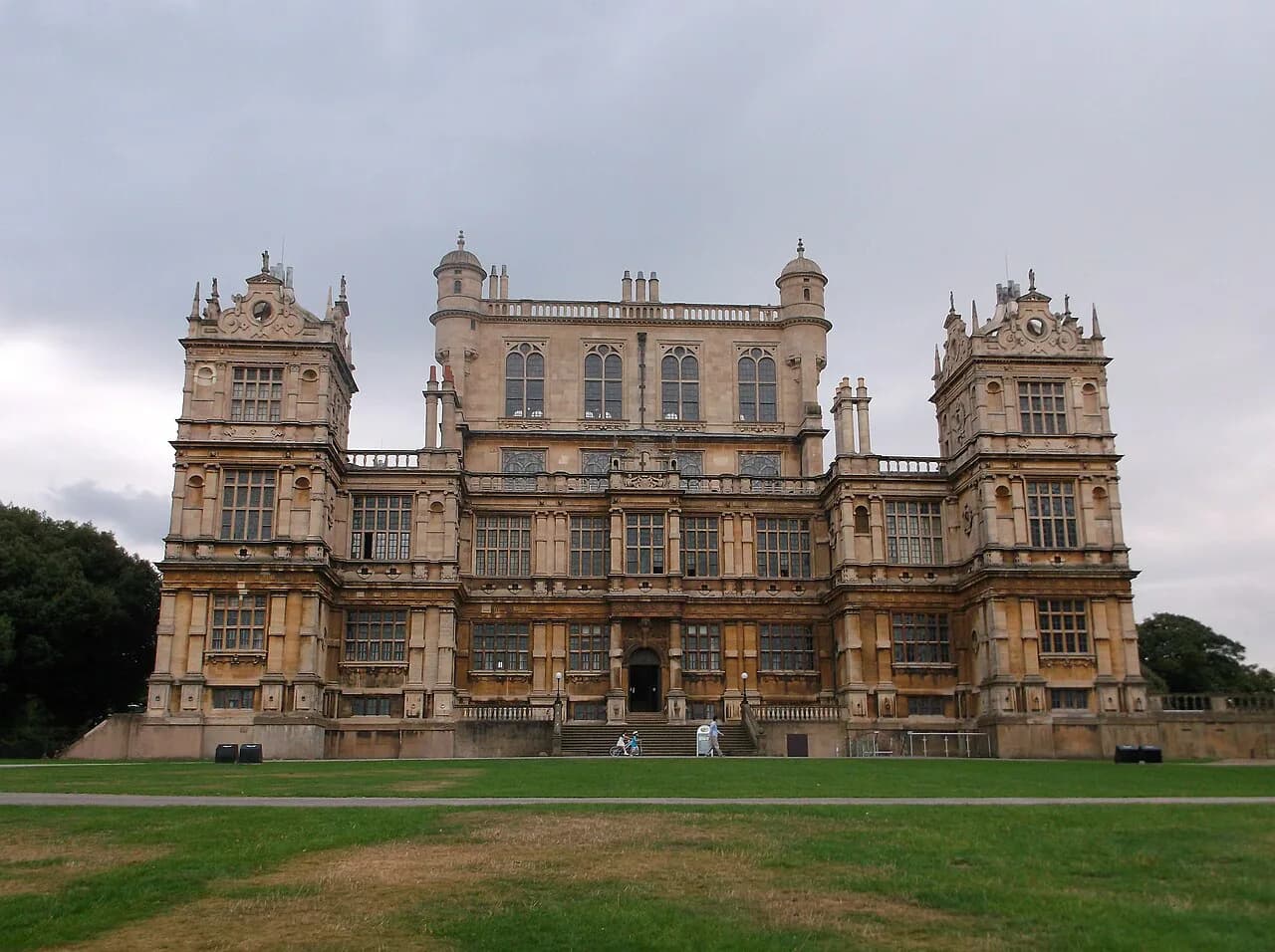
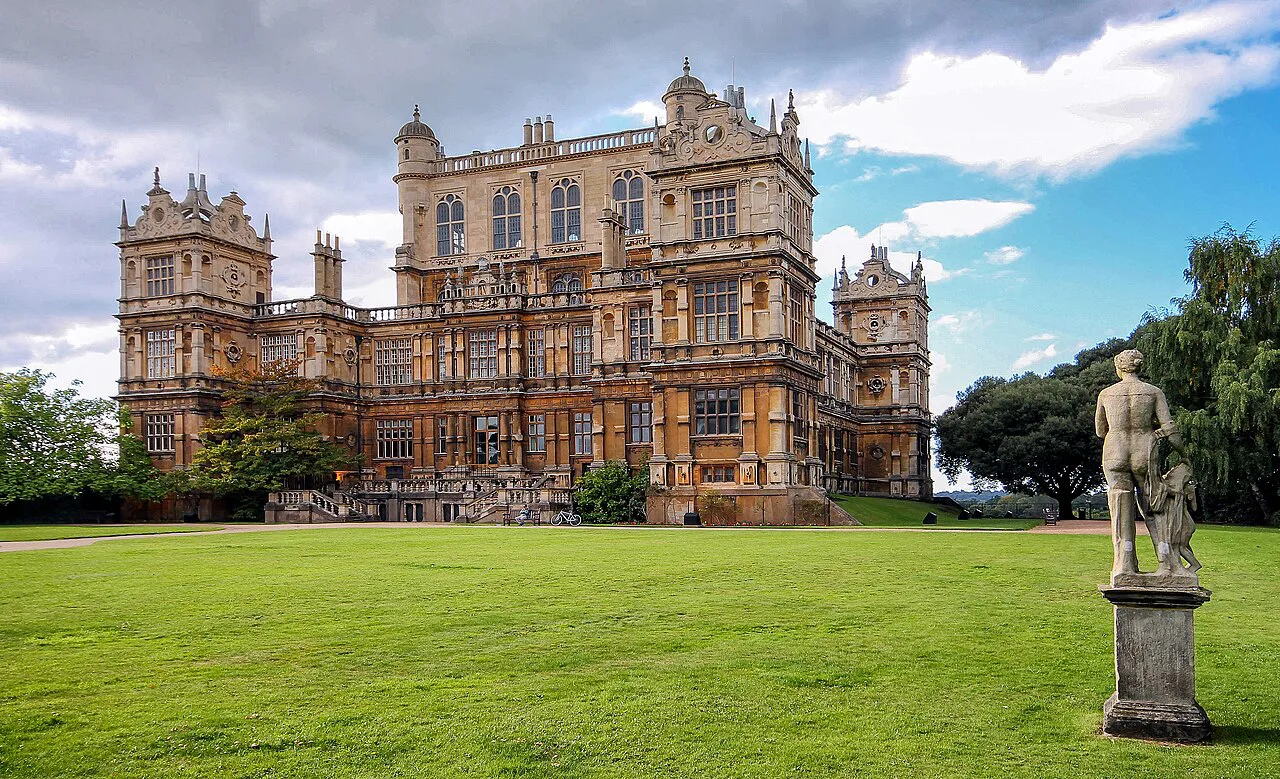
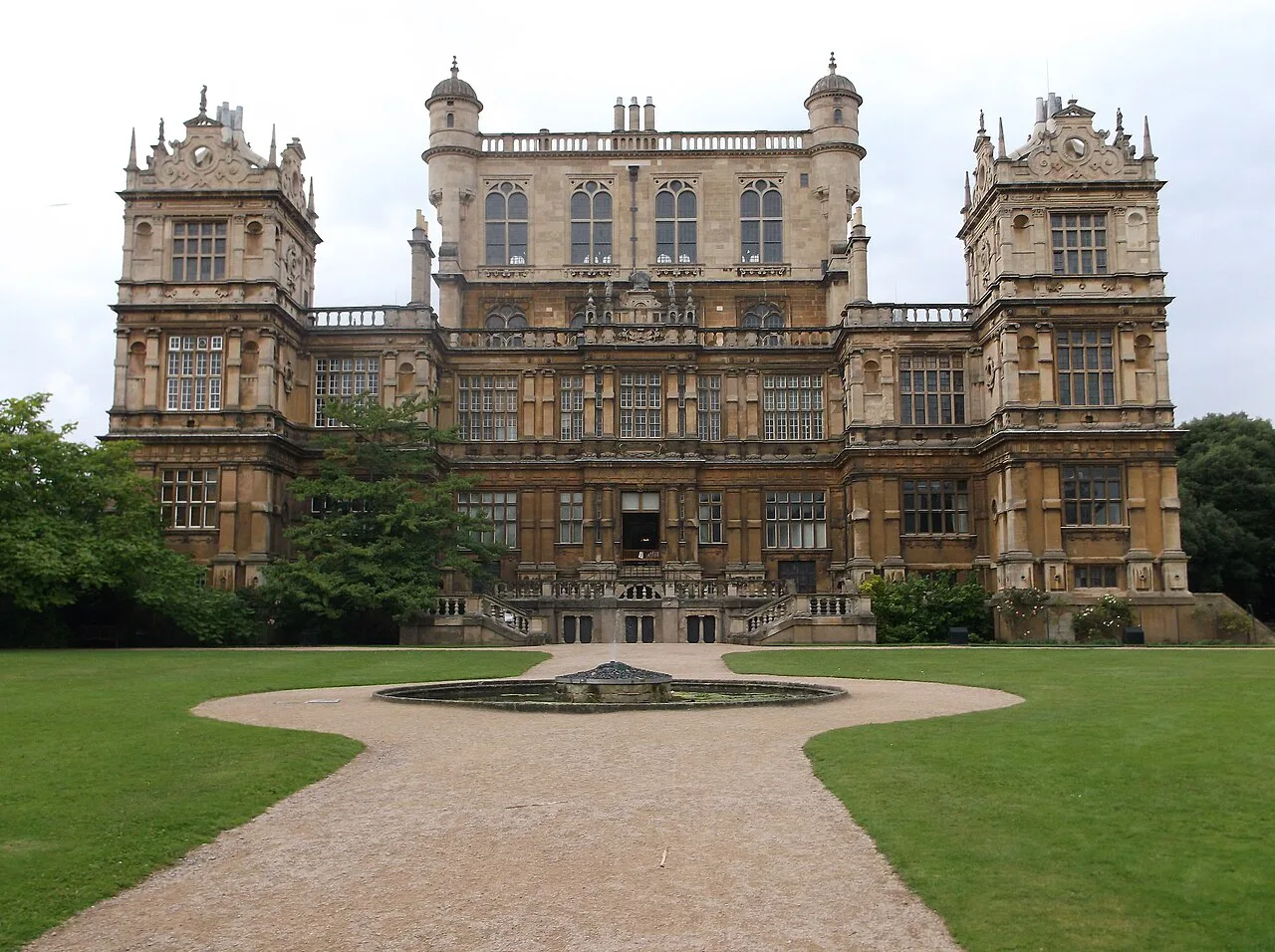
The house is a Grade I listed Elizabethan mansion of the 1580s, set on a natural hill above Wollaton Park in the western suburbs of Nottingham. The postcode is NG8 2AE, and the grounds run to 500 acres of grassland, wetland and woodland where herds of deer graze. Because the park sits outside the centre, it feels like countryside rather than a city park, which is exactly why locals treat it as a day out.
The hilltop setting shapes the visit: you see the hall from a distance across the park before you reach it, and the walk up is part of the experience. Allow time for that approach rather than treating the building as a quick stop. If you are working through the wider city, our Nottingham Attractions: 8 Visitor Guides covers how Wollaton fits alongside the centre's museums and caves, and our Nottingham Neighborhoods helps you work out which part of the city to base yourself in for the rest of the trip.
A short history: built for Sir Francis Willoughby in the 1580s
Wollaton Hall was built between 1580 and 1588 for Sir Francis Willoughby, to designs by the architect Robert Smythson. It is one of the finest surviving Elizabethan prodigy houses in the country, and the ambition of the design is the reason it holds Grade I listed status today. Knowing the dates helps you read the building: this is late Tudor architecture at its most showy, not a medieval castle.
The house passed through the Willoughby family and later owners over the centuries, and by the twentieth century it had become a public museum; it opened to the public in 1926 and now holds the city's natural history collections. That shift from private house to civic museum explains the mix you find inside: grand state rooms alongside display cases of zoology, geology and botany specimens.
What to see inside: the Natural History Museum and reconstructed rooms
Inside, the hall houses Nottingham's Natural History Museum, drawn from a collection of around three quarters of a million zoology, geology and botany specimens, plus reconstructed period room settings that show how the house was used. A newer Discovering Dinosaurs gallery forms part of the offer. The combination means the hall suits families and architecture-lovers in the same visit, though you may need to split up if one group wants to linger over the specimens.
The museum sits across three floors, reached by a lift inside, so a circuit of the rooms takes well over an hour if you read the displays. The natural history collection is the main draw for children, while the state rooms reward anyone interested in Elizabethan building. Pick your priority before you go in, because the hall's last entry is 3.30pm and the museum closes at 4pm.
The Hidden History Tour: what it covers, cost and timing
The Hidden History Tour takes you into parts of the hall the general admission does not reach, including the Tudor kitchen, the Admiral's Bath and the Prospect Room at the top of the house. Tours run daily at 11am and 2pm, last around 45 to 60 minutes, and are capped at 25 people per tour. The adult price is £18 per person, with a 50% discount to £9 for annual pass holders, and it can be booked in advance.
The tour is a walking route and is not suitable for children under three, so it is best treated as an adults-and-older-children activity rather than a family add-on. With only two departures a day and 25 places each, booking ahead is the practical move if the tour matters to you; turning up on the day risks finding both slots full. Check the tour page for current ticket availability before you commit to a time.
Tickets and admission: hall price, what it covers, and the Rover ticket
Hall admission works on a pay-once, visit-all-year model: an adult ticket costs £18 and gives return entry to the hall for twelve months, while children 15 and under go free, up to three per paying adult. The grounds and deer park stay free to enter, so a family can walk the park without buying anything. If you only want the park and gardens, skip the ticket desk entirely, and if you are weighing up the city more broadly, our Nottingham Neighborhoods shows how Wollaton sits against other areas.
For anyone planning to see more than one heritage venue, the Rover ticket covers all three city-run sites, Wollaton Hall, Nottingham Castle and Newstead Abbey, at £39 for an adult, again with children 15 and under free up to three per paying adult. The trade-off is simple: the Rover only pays off if you genuinely intend to visit at least two of the three within the year. Nottingham Castle on Lenton Road is the obvious second stop, since it sits in the city centre where you are likely to spend time anyway.

Opening hours and days the hall closes
The Natural History Museum on the ground floor of the hall opens daily from 11am to 4pm, with last entry at 3.30pm, and the Courtyard Café and shop run from 9am to 5pm. The park gates open at 8am on weekdays and 9am at weekends and bank holidays, with closing staggered according to daylight hours. The hall itself is open every day of the year apart from Christmas Eve, Christmas Day, Boxing Day and New Year's Day.
Those hours make a late-morning arrival the sensible choice: you can see the museum before lunch, then walk the park in the afternoon. An early start only gains you the grounds, since the hall does not open until 11am. If you are visiting in winter, the grounds close earlier as daylight fades, so plan the outdoor part of your day first. For a slower indoor afternoon once you are back in the centre, afternoon tea in Nottingham makes a gentle contrast to a morning on your feet.
Getting there and parking charges
Wollaton Hall sits about three miles west of Nottingham city centre, and the official site encourages local visitors to walk or cycle to the park rather than drive, to cut traffic on the surrounding roads. Buses run along the main roads near the park; Nottingham City Transport publishes current routes and stops, and services and timetables change. Driving is straightforward but you pay for the car park.
On-site parking is quoted at £5 all day on weekdays and £6 at weekends, with a separate short-stay option of £3 for up to two hours or £5 for the day. Treat those as two published tariffs rather than one confirmed rate and check the board or the Visit Nottinghamshire listing before you travel. Blue badge spaces are provided in the car parks and directly in front of the hall, subject to a time limit.
The deer park and formal gardens: free to enter, and seasonal garden closure
The deer park and grounds cost nothing and are the reason many people come: herds of deer roam the grassland, with woodland, wetland and open grass offering very different walks. The formal gardens sit alongside the hall, and a small walled botanic garden cared for by volunteers from the Hardy Plant Society opens on Sunday afternoons, 2pm to 4pm, between April and September. Wandering the grounds easily absorbs an hour or two.
The formal gardens close between 26 October 2026 and 15 January while the winter light trail is set up and run, so do not build a garden visit into a late-autumn trip without checking first. The rest of the park stays open through that period. If you want a second green space closer to the centre afterwards, Nottingham Arboretum on Waverley Street is an easy add-on.

How long to allow, and honest trade-offs
Budget two hours for the hall and museum, plus one to two hours in the deer park and gardens, giving a comfortable half day. The fixed pinch points are the 3.30pm last entry into the hall and the two daily tour departures at 11am and 2pm. Add the parking walk and the uphill approach and a tight one-hour visit becomes stressful rather than restful.
The main accessibility trade-offs are steep ground and a multi-floor museum. The park is largely wheelchair-friendly with walkways to most sections, and the hall has an access lift plus an internal lift between the three museum floors. There are toilets in three locations, with disabled toilets opened by radar key and a Changing Places facility in the lower courtyard.
Wollaton Hall on screen: the Batman connection
Wollaton Hall appeared as Wayne Manor in the 2012 film The Dark Knight Rises, which is why the house turns up in so many film-location lists. The Elizabethan facade and hilltop position gave the filmmakers the grand, isolated manor they needed without building a set. That is the extent of the connection: the hall is not a Batman museum and there is no permanent exhibition devoted to the film.
Nearby: Nottingham Industrial Museum and other options
Nottingham Industrial Museum sits on the same site, a short walk from the hall, and opens on Thursday, Saturday and Sunday plus bank holidays from 11am to 4pm, with steamings on the last Sunday of each month. It covers the industries that made the city famous, across five galleries devoted to textiles, transport, communication and power. Pairing it with the hall gives you two museums on one ticket-buying decision, so check days before you set out.
Near the park, Nottingham Lakeside Arts and Highfields Park are both within about a mile, and New Art Exchange is roughly two miles away. If your trip is centred on the city, Nottingham Contemporary at Weekday Cross gives you a free contemporary art stop between the castle and the Lace Market, where afternoon tea in Nottingham is easy to arrange. Planning where to stay for evenings in the city is a separate decision, and our Nottingham Neighborhoods covers the main areas.
Plan Your Visit
Wollaton Hall works best as a half-day trip: arrive late morning, see the museum and rooms before the 3.30pm last entry, then walk the free deer park in the afternoon. Buy the £18 annual hall ticket only if you want the inside, and consider the £39 Rover if Nottingham Castle or Newstead Abbey is also on your list. Check current opening times, tour availability and garden closures on the official site before travelling, since the light trail period changes access.
For the rest of your city planning, our things to do in Nottingham guide sets Wollaton alongside the centre's cathedrals, squares and caves. If you are staying in the city, Nottingham Cathedral (St Barnabas) and St Mary's Church, Nottingham are both worth an hour between museum visits, and our Nottingham Neighborhoods helps you pick where to base yourself.
Explore more Nottingham guides
Frequently Asked Questions
Is it free to go into Wollaton Hall?
The park and grounds are free to enter, including the deer park. The hall itself, which holds the Natural History Museum and the reconstructed rooms, requires an adult admission ticket; children 15 and under go free up to three per paying adult, and the ticket gives return entry for a year. Check the official site for current ticket terms.
What film was filmed at Wollaton Hall?
Wollaton Hall appeared as Wayne Manor in the 2012 Batman film The Dark Knight Rises. The house is not a film-themed attraction and has no permanent Batman exhibition, so the connection is a location credit rather than something to visit in its own right.
How long does it take to visit Wollaton Hall?
Allow about two hours for the hall and its museum, plus one to two hours for the deer park and gardens, which makes a comfortable half day. Watch the 3.30pm last entry for the museum and the two daily Hidden History Tour departures at 11am and 2pm when you build your schedule.
Is Wollaton Hall National Trust or English Heritage?
Neither. Wollaton Hall is run as one of Nottingham's city heritage venues, alongside Nottingham Castle and Newstead Abbey, which is why a combined Rover ticket covers all three. Do not expect National Trust or English Heritage membership to apply here.
Do you need to book the Hidden History Tour?
Booking in advance is sensible because tours run only at 11am and 2pm and each is capped at 25 people. The tour visits the Tudor kitchen, the Admiral's Bath and the Prospect Room, lasts around 45 to 60 minutes, and is not suitable for children under three. Check availability on the official site before you travel.
How much is parking at Wollaton Hall?
Parking is charged on site, and the published tariffs differ between the weekday and weekend day rate and a separate short-stay option. Compare the current prices on the car park board or the Visit Nottinghamshire listing before you set off, since a day rate and a short-stay rate are quoted separately.
Can you walk around Wollaton Park for free?
Yes. The deer park and grounds are free to enter, with gates opening at 8am on weekdays and 9am at weekends and bank holidays, and closing staggered with daylight. The formal gardens close between 26 October 2026 and 15 January for the winter light trail, so check access if you visit in that window.
What else is there to see near Wollaton Hall?
Nottingham Industrial Museum is on the same site and opens Thursday, Saturday and Sunday plus bank holidays from 11am to 4pm, with steamings on the last Sunday of the month. Lakeside Arts and Highfields Park are within about a mile, and New Art Exchange is around two miles away.