
Church of the Holy Rude: Stirling's Medieval Parish Church

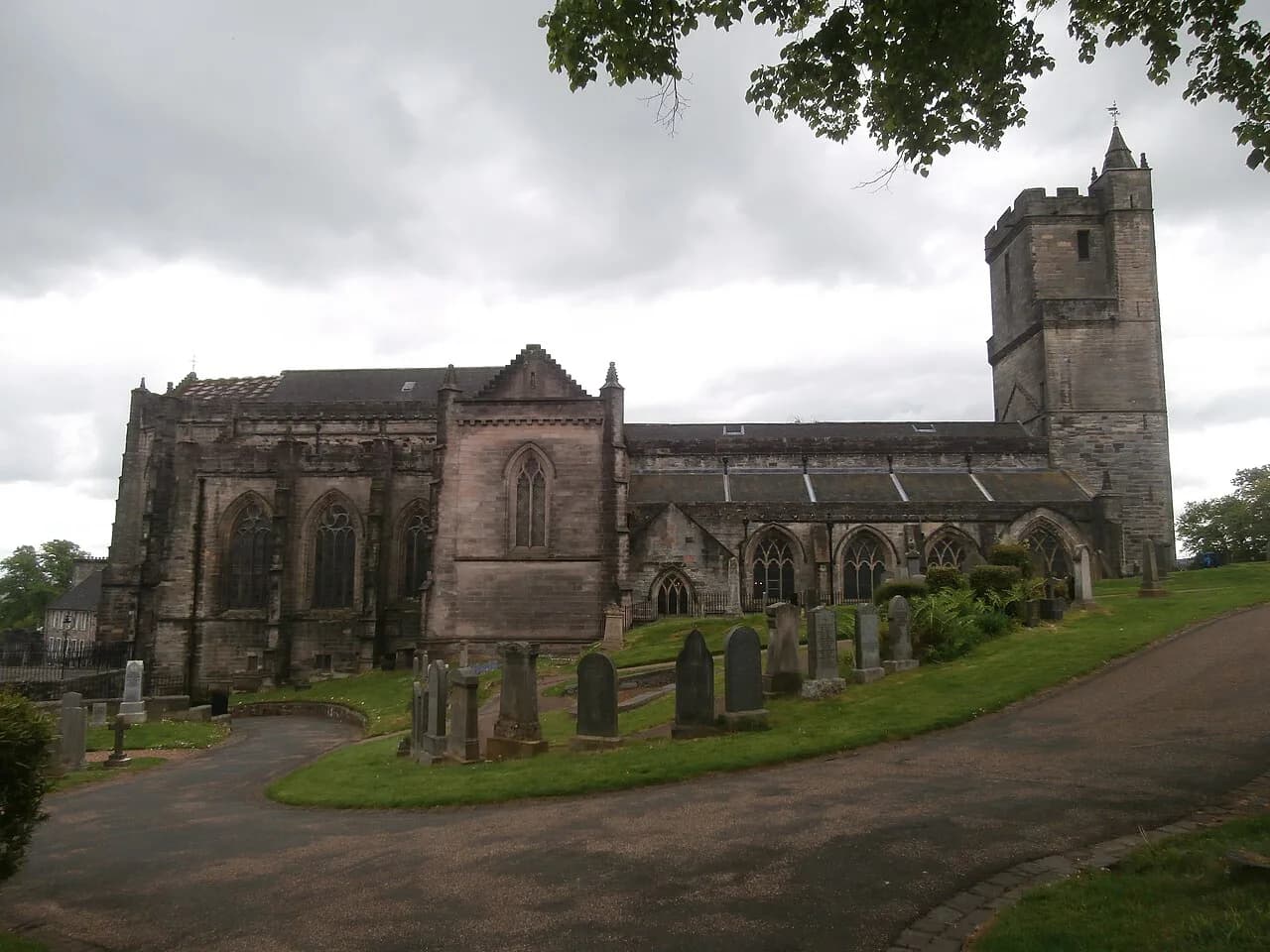
The Church of the Holy Rude is the medieval parish church of Stirling, founded in 1129 and still in use today, which makes it one of the oldest buildings in the city and an easy hour to add to a castle day. It sits in the Old Town just below Stirling Castle, so you can walk between the two on foot rather than treating them as separate trips.
The name confuses people: 'rude' here means cross, so Holy Rude is Holy Cross, and nothing to do with bad manners. Come for the medieval stonework, the quiet and the sense of a working congregation rather than a museum set piece, and budget your time around a castle slot rather than the other way round.
Where the Church Sits in Stirling
The church stands in Stirling's Old Town, minutes from Stirling Castle and close to the top of the town where the streets narrow towards the castle esplanade. Approach on foot from the town centre and you climb gradually through the Old Town, passing the buildings that made Stirling the gateway between lowlands and highlands.
Walking is the sensible way to reach it. The church's own visitor information for tour operators places it just minutes from Stirling Castle, which makes a combined visit straightforward on foot; leave the car below the Old Town and walk up rather than hunting for space near the castle.
If you are building a full day, the wider set of Stirling Attractions: 8 Visitor Guides shows how the castle, the Old Town and the riverbank sites fit together geographically, which helps you order the walk instead of doubling back.
A Short History: Founded in 1129
The church was founded in 1129 during the reign of King David I, and it is the oldest building in Stirling after the castle. That founding date places it in the same reforming burst of royal patronage that produced abbeys and parish churches across Scotland in the twelfth century.
The church's own site describes it as the only surviving church of its kind in the UK, a claim worth reading on the church's own terms rather than treating as an independent verdict. Either way, the point for a visitor is continuity: this is a medieval building that has been adapted, damaged and restored rather than frozen.
The Reformation reshaped Scottish parish worship, and the church's interior reflects centuries of change rather than a single moment. Read the interpretive material on site for the sequence of alterations instead of assuming the building you see is how it looked in 1129.
The Name: Holy Rude Means Holy Cross
Holy Rude is an older form of Holy Cross, so the dedication refers to the cross of Christ, not to rudeness. Once you know that, the name stops looking like a quirk and starts fitting a medieval religious foundation.
It helps to say it plainly when you are planning: the Church of the Holy Rude is a church dedicated to the Holy Cross in Stirling's Old Town. That single clarification saves a lot of puzzled searches and makes the church easier to find on a map.
What to See Inside
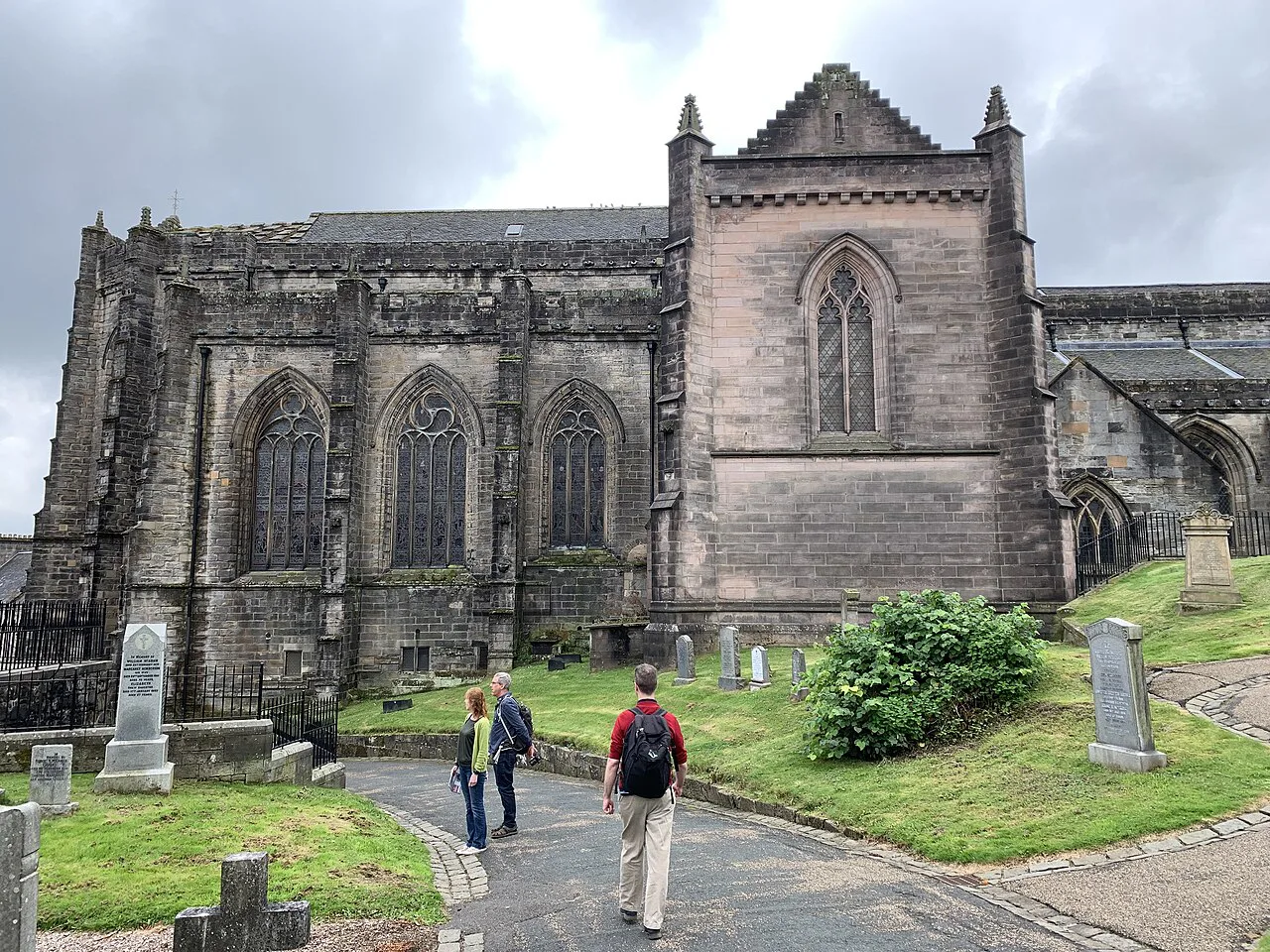
The draw is the surviving medieval fabric and the atmosphere of a parish church still in regular use. Walk the nave and side aisles slowly, look at the stonework and windows, and give yourself time to sit rather than treating it as a photo stop on the way to the castle.
The church's tour-operator information summarises its history in a line: founded in 1129, with a setting just minutes from Stirling Castle. Use that as your frame and let the building itself supply the detail once you are inside.
If you want the Reformation-era and later story in more depth, the church is a natural companion to the castle rather than a substitute for it. Pair the two and you get royal power on the crag and parish religion in the town below, which is the real shape of historic Stirling.
Opening Hours and Entry
The church advertises opening Monday to Saturday 10am to 6pm and Sunday 12pm to 6pm. Treat those as the church's stated hours rather than a guarantee for your date, because congregation events and services can close the building at short notice.
The late Sunday opening matters for planning: a Sunday morning arrival will find the doors shut until midday, so put the castle or a walk first and come down to the church after lunch. On a weekday the 10am opening lines up neatly with a morning castle slot.
Entries for ticketed sites such as the castle and Cambuskenneth Abbey are separate; the church publishes its own visitor information, so check entry arrangements and any suggested donation with the church before you go.

How Long to Allow and When to Go
Allow around 45 minutes to an hour: long enough to read the interpretation, look properly at the medieval work and sit for a few minutes, short enough to fit before or after a castle visit. Add time if a guide or volunteer is on hand to explain the building's history.
Go early on a weekday if you want quiet, and avoid the middle of Sunday morning when the church is closed to visitors. If you are visiting during worship, keep it brief and respectful, and leave photography until afterwards.
The church works best as the second half of a castle morning, not as the headline of the day. Build the castle in first while you are fresh for the climb, then drop down into the Old Town for the church at a gentler pace.
Practical Points Before You Go
This is a working church, so keep noise down, avoid walking through areas set aside for prayer and follow any signage about photography. If a service or event is under way, wait or return later rather than treating the building as open house.
The Old Town is on a slope and the approach involves climbing streets, so wear shoes you can walk in and pace yourself if anyone in your group finds hills hard. The church does not publish detailed accessibility information in its tour-operator notes, so ask the church directly about steps, level access and seating before you commit.
Nearby: Castle, Old Town and Riverbank
Stirling Castle is the obvious pairing, a few minutes uphill and one of Scotland's most popular visitor attractions, sitting high on its crag above the plain. Historic Environment Scotland lists Stirling Castle among the ticketed sites covered by its Explorer Pass, so a short trip can bundle the castle and other charged sites if you plan to see several.
Cambuskenneth Abbey, founded around 1140 by King David I to serve Stirling Castle, lies about a mile east of Stirling off the A907 and is cared for by Historic Environment Scotland. Its bell tower is the standout feature, and it makes a quiet counterpoint to the busy castle if you have a second half-day.
The National Wallace Monument overlooks the scene of Scotland's victory at Stirling Bridge and adds the battle story to the royal and religious ones. If you are collecting Old Town sights, the Old Stirling Bridge and the riverbank give you a flat walk after the climb.

Seeing the Church with a Walking Tour
Walking Tours in Stirling runs a 1.5-hour Old Town tour meeting outside the Old Town Jail on St John Street, daily at 11am with a 2pm departure from May to October, and advance booking is essential. The tour covers the Old Town's history and modern life, which puts the church in context rather than leaving it as an isolated stop.
The listing gives the price as £12 per adult and £6 per child, with a note that prices vary by season, so book through Walking Tours in Stirling and confirm the figure at the time. Doing the tour first and the church second works well, because you arrive knowing which buildings in the Old Town matter and why.
Stirling Old Town Jail is the meeting point rather than the tour itself, so arrive a few minutes early on St John Street and look for the guide. It is an easy add-on to a church and castle day because everything sits within the same compact Old Town.
An Evening Alternative: Bannockburn House Ghost Hunt
For an evening in Stirling, Haunted Houses Events runs ghost hunts at Bannockburn House, a 17th-century house near the town, from 9pm to 2am starting from £51 per person. Haunted Houses Events describes it as a paranormal investigation with equipment, not a ghost walk or history tour, so book it as entertainment rather than expecting a guided tour of the house.
The stories attached to the house are legends reported by visitors and Haunted Houses Events: a servant girl on the balcony, footsteps in empty passages, a restless king. Treat them as folklore and atmosphere, never as established fact.
It is strictly an adults' event: 18 and over, with 16 and 17-year-olds allowed only when accompanied, and the operator says the location is not suitable for wheelchair users. Bring a torch, wear warm layers and sensible shoes, and note that bookings are non-refundable.
Bannockburn House itself has real history to recommend it: Bonnie Prince Charlie used it as his headquarters during the siege of Stirling, and its 17th-century interiors survive. Read up before you go so the night has substance behind the theatre.
What to Book and What to Walk Up To
Book the castle and any guided walk ahead, and book the ghost hunt only if an adult evening appeals, leaving the church as the flexible part of the day. The walking tour requires advance booking, while the church is a straightforward walk-up during its advertised hours.
If you want more indoor options for a wet afternoon, the museums in Stirling include the Stirling Smith Art Gallery & Museum, which pairs well with a shorter church visit. Build one anchor booking per half-day and let the rest of the Old Town fill in around it.
Plan Your Visit
Give the Church of the Holy Rude an hour on a weekday morning or a Sunday afternoon, and put Stirling Castle first so the church is the calm finish rather than a rushed stop. Check the church's own site for hours and entry arrangements before you travel, since congregation events can change the day.
The Old Town is compact enough to walk, so plan the day on foot: castle, church, then a riverside wander or the abbey if you have time. For the fuller picture of what else is worth your hours, start with things to do in Stirling and work outwards from the castle.
Frequently Asked Questions
Why is it called the Church of the Holy Rude?
Holy Rude is an older form of Holy Cross, so the dedication refers to the cross of Christ rather than to rudeness. It is a medieval parish dedication, not a nickname, and it fits the church's 1129 foundation.
What are the opening hours of the Church of the Holy Rude?
The church advertises Monday to Saturday 10am to 6pm and Sunday 12pm to 6pm. Those are the church's stated hours rather than a guarantee for your date, so check its own site before travelling, especially around services and congregation events.
How far is the Church of the Holy Rude from Stirling Castle?
It is a short walk in the Old Town, described by the church as just minutes from Stirling Castle. Expect a climb on the way up and an easy descent afterwards, and allow a few minutes rather than planning a bus.
Is the Church of the Holy Rude Catholic or Protestant?
It is a Church of Scotland parish church, so Protestant in denomination, and the building shows the marks of Reformation-era change. Read the on-site interpretation for the sequence of alterations; the interior does not look as it did in 1129.
How long should I spend at the Church of the Holy Rude?
Allow 45 minutes to an hour: enough time to look at the medieval stonework and windows, read the interpretation and sit for a few minutes. Add time if a volunteer is available to explain the building's history.
Can I take photos inside the Church of the Holy Rude?
It is a working church, so keep photography discreet, follow any signage and put the camera away during worship. Ask on arrival if you are unsure about a particular area.
Is the Church of the Holy Rude free to visit?
The church publishes its own visitor information, and entry arrangements and any suggested donation should be confirmed with the church before you go. Ticketed sites such as Stirling Castle are charged separately.
What else is near the Church of the Holy Rude?
Stirling Castle is minutes uphill, Cambuskenneth Abbey is about a mile east off the A907, and the Old Town Jail on St John Street is the meeting point for the daily Old Town walking tour. All three fit into a single day on foot.