
Stirling Castle: what to see, how long to allow and how to get there

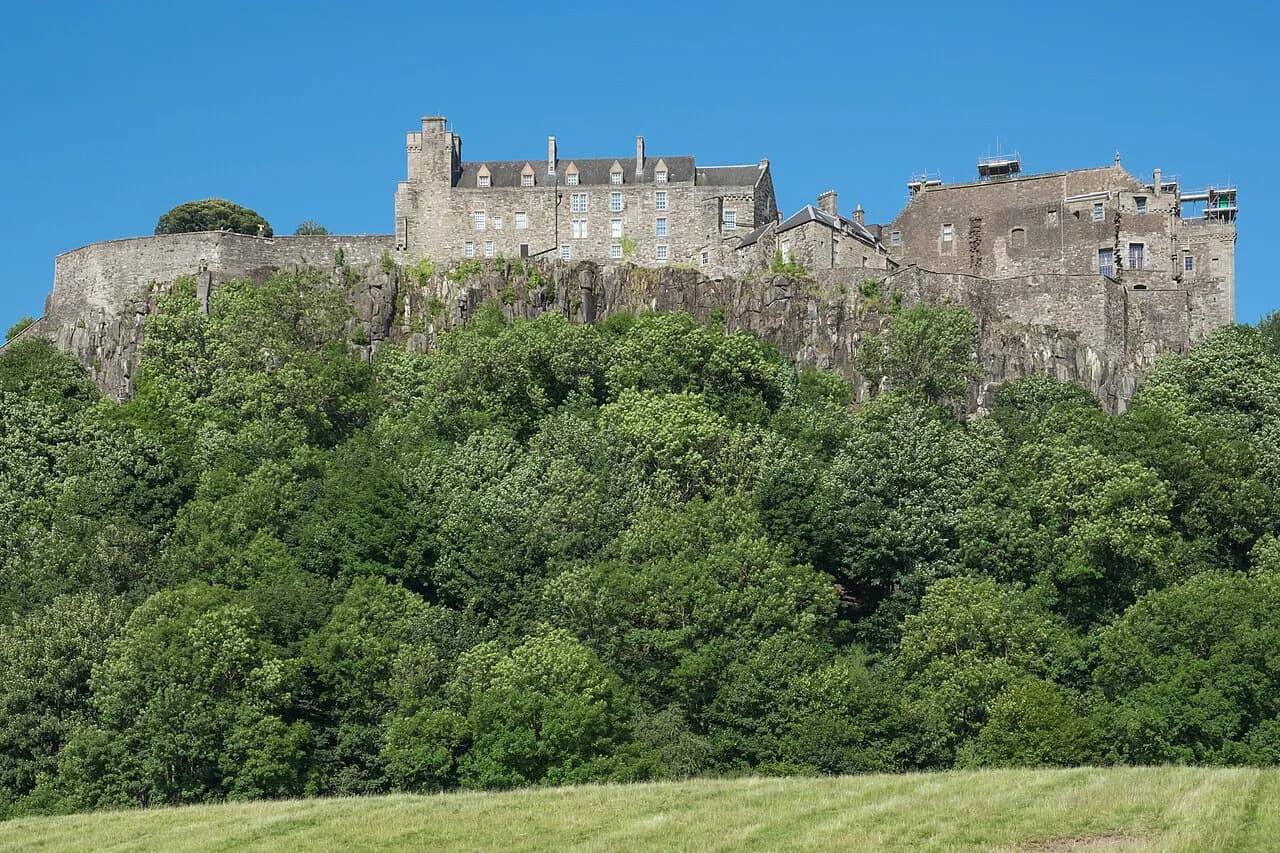
Stirling Castle is the grandest of Scotland's castles, set high on volcanic rock in the same way Edinburgh Castle is, and visible for miles across the surrounding countryside. It is the single most important historic building in Stirling, and most visitors give it the bulk of a day in the city rather than treating it as a quick stop.
This guide covers one place: where the castle sits, why it matters, what to see once you are through the gate, how long to allow and how to reach it from the centre. Tickets and opening times change by season, so confirm them on Historic Environment Scotland's own page for the castle before you set out.
Where Stirling Castle sits
The castle stands on a plug of volcanic rock above the Forth valley, which is why it can be seen from far across central Scotland and why the approach from the town is steep. Stirling itself is known historically as the gateway to the Highlands, because the castle and the river crossing below it controlled the main route between the Lowlands and the north.
Its position meant that holding the castle meant controlling central Scotland, and the rock has been fortified for centuries. Expect wind and rain on the esplanade even when the town below feels sheltered, and dress for exposure rather than for the walk up.
History in brief
Stirling Castle has a long and bloody history, according to ScotClans, which records that it has been attacked or besieged at least 16 times. Three battles have been fought in its immediate vicinity, two of them turning points in Scottish history, with a fourth important battle a few miles to the north.
The same source records that a number of Scottish kings and queens were baptised, crowned or died in or near the castle, and that at least one king was murdered nearby while another committed murder within its walls. Treat those royal stories as the castle's own tradition rather than as a tidy timeline, and read the interpretation on site for the detail behind each one.
What to see inside
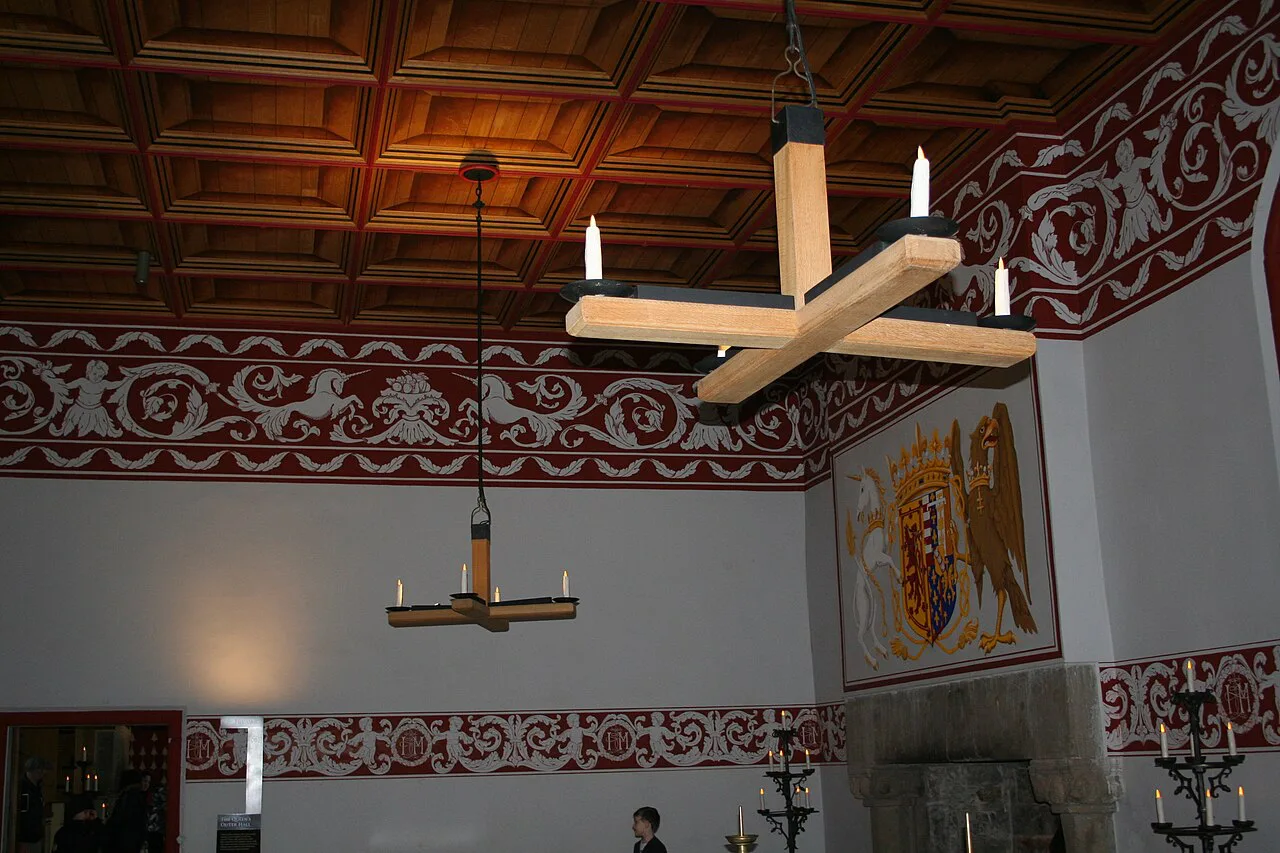
The core of a visit is the castle itself: the palace, the great hall and the ramparts, with views over the Forth valley from the walls. Allow time to walk the whole enclosure rather than heading straight for one building, because the outer defences and the outlook are as much part of the experience as the interiors.
Because the castle is a working historic site, individual rooms can be closed for conservation or events, and the interpretation changes over time. Check the current what's on and access notices for the castle before travelling if a particular building is the reason for your visit.
How long to allow
Budget at least half a day at the castle, and a full day in Stirling if you also want the old town, the Church of the Holy Rude and a walk along the river. The climb from the town centre eats into the time you have, so start earlier than you think you need to.
A sensible rhythm is to go up to the castle first while you are fresh, then descend through the old town for lunch and a second sight in the afternoon. Going up late in the day leaves you tired for the best part of the visit and rushed through the palace.

Tickets, opening hours and booking
Historic Environment Scotland, which runs the castle, publishes current admission prices, opening times and any booking arrangements on its official Stirling Castle page. Book ahead for peak weekends and school holidays if the site is offering timed entry, and check the day before you travel in case of short-notice closures.
Third-party sellers also list castle entrance tickets, and their terms, inclusions and cancellation rules differ from buying direct. Compare what is actually included before paying a premium, and remember that a combined pass only makes sense if you plan to visit several ticketed sites.
Getting there from the city centre
From Stirling's centre the castle is a walk uphill rather than a bus ride, following the old town's streets towards the esplanade. The climb is short in distance but steady, so allow twenty minutes or so at an easy pace and wear shoes with grip.
Trains from Glasgow, Edinburgh and the north arrive at Stirling station, which sits below the old town, and local buses serve the city centre. From either, the castle is reached on foot; check the castle's official access page for the recommended route if you have mobility needs.

Parking, steps and access
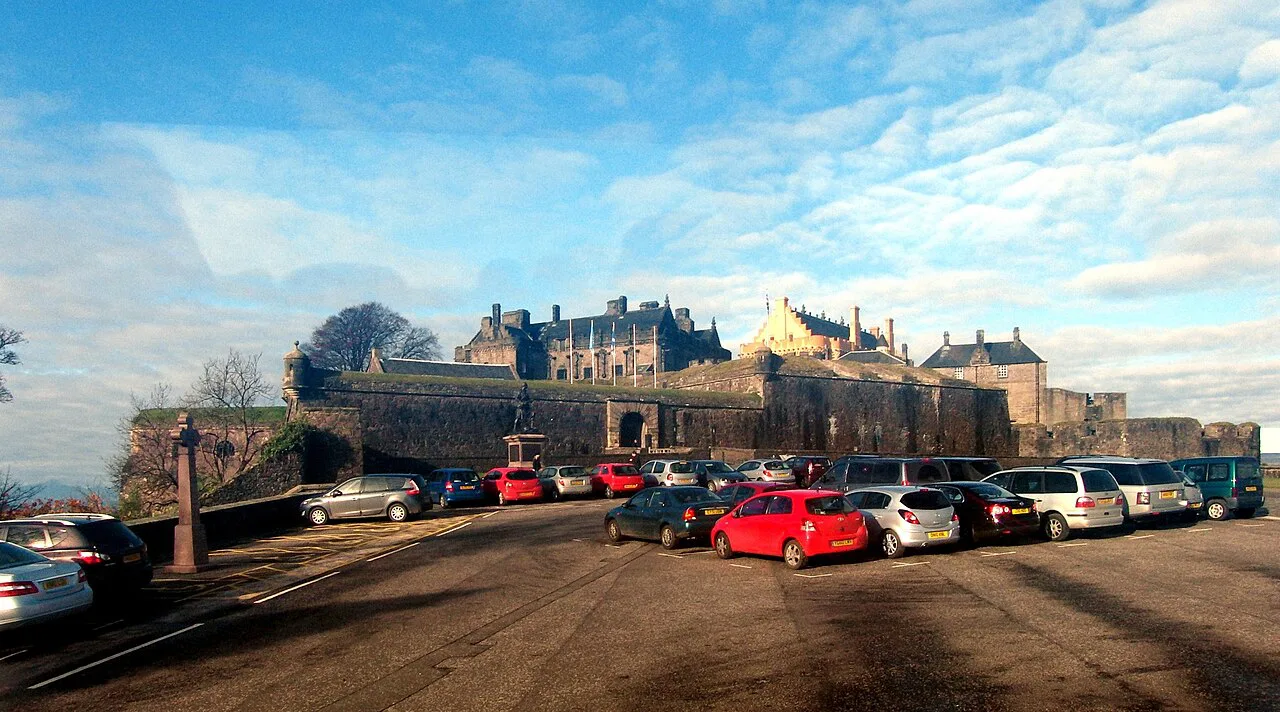
There is parking near the castle esplanade, but it fills quickly on busy days, and the walk from town car parks adds another climb. If you are driving, arrive early or plan to park lower in the city and treat the ascent as part of the visit.
The site is on a rock, so expect slopes, cobbles and steps between levels even after you reach the gate. Historic Environment Scotland publishes access information for the castle, including the routes and facilities available, and it is worth reading before you commit to the climb.
Nearby in Stirling
Below the castle, the old town holds the Church of the Holy Rude, where the infant James VI was crowned, and the Stirling Old Town Jail, which tells the story of crime and punishment in the city. Both sit within a short walk of the castle and work well as an afternoon pairing.
The National Wallace Monument stands on its own hill across the town, with its own climb and its own ticket, and the Old Stirling Bridge crosses the Forth where Wallace and Murray defeated the English in 1297. Choose one of these rather than trying to fit both into a castle day.
A few miles north, Doune Castle is a medieval stronghold near the village of Doune in the Stirling district, built where earlier earthworks suggest a castle stood on the same site. The name Doune comes from dun, meaning an ancient stronghold, and it makes a natural half-day trip from Stirling by car. If you enjoy comparing Norman keeps closer to home, Canterbury Castle is worth a look on a southern trip.
Plan Your Visit
Stirling Castle is worth the climb: it is the grandest of Scotland's castles, sitting on volcanic rock above the Forth valley with a history of sieges, battles and royal ceremonies behind it. Give it half a day at least, go up early, and let the old town fill the rest of the day.
Before you travel, confirm opening times, ticket prices and any access restrictions on Historic Environment Scotland's official page, and check the weather forecast for wind and rain on the rock. Book accommodation in Stirling early for summer weekends, when the castle and the Wallace Monument are busiest.
Explore more Stirling guides
Frequently Asked Questions
How many hours should I allow at Stirling Castle?
Allow at least half a day for the castle itself and a full day if you also want the old town, the Church of the Holy Rude and a walk by the river. The climb from the centre takes time, so start earlier than you think you need to.
Why is Stirling Castle historically significant?
Stirling Castle controlled the route between the Lowlands and the Highlands, and it has been attacked or besieged at least 16 times. Three battles were fought in its immediate vicinity, and Scottish kings and queens were baptised, crowned or died in or near it.
What area of Scotland is Stirling in?
Stirling sits in central Scotland, historically known as the gateway to the Highlands, where the castle and the Forth crossing controlled the main route north. It is easily reached by train from Glasgow and Edinburgh.
Can I visit Stirling Castle without a car?
Yes. Stirling station sits below the old town, and the castle is reached on foot from the city centre. The walk is short but uphill, so allow around twenty minutes at an easy pace.
What is there to see near Stirling Castle?
The Church of the Holy Rude, the Stirling Old Town Jail and the National Wallace Monument are all within the town, and Doune Castle is a few miles north. Pick one or two rather than trying to cover everything in a single day.
Where do I check ticket prices and opening hours?
Historic Environment Scotland publishes current admission prices, opening times and booking arrangements on its official Stirling Castle page. Check there before you travel, especially in winter or around public holidays, when hours can change.