Free Museums in Cambridge: What to See and How Long to Allow
Cambridge's free museums suit rainy days and short breaks, from the Fitzwilliam to the Museum of Zoology. Here is what each offers and who it suits best.
On this page
Cambridge's university museums are free to enter. The Fitzwilliam Museum, the Museum of Zoology and the Museum of Classical Archaeology all appear in Visit Cambridge's Free category, so a museum day in the city centre need not cost you an entry fee.
The independent museums sit outside that group. The Museum of Cambridge, David Parr House, the Centre for Computing History and the Cambridge Museum of Technology receive no government funding or guaranteed income, and depend on ticket sales, grants and fundraising instead.
What Free Entry Covers and What It Does Not
Free general admission means you walk in without buying a ticket for the permanent collection. It does not mean everything on site is free: the Fitzwilliam runs a changing programme of exhibitions, family sessions and adult events that are ticketed through the University of Cambridge Museums booking service.
Treat the donation box as part of the visit rather than an afterthought. The independent museums describe donations as a direct way to keep their collections cared for and their community programmes running, and the same habit is sensible at the free university sites.
Budget for the extras you actually want: a paid exhibition, a guided tour or a coffee. If you are planning around several collections, our guide to museums in Cambridge sets out how the university and independent sites compare before you commit a morning to one of them.
The Fitzwilliam Museum on Trumpington Street
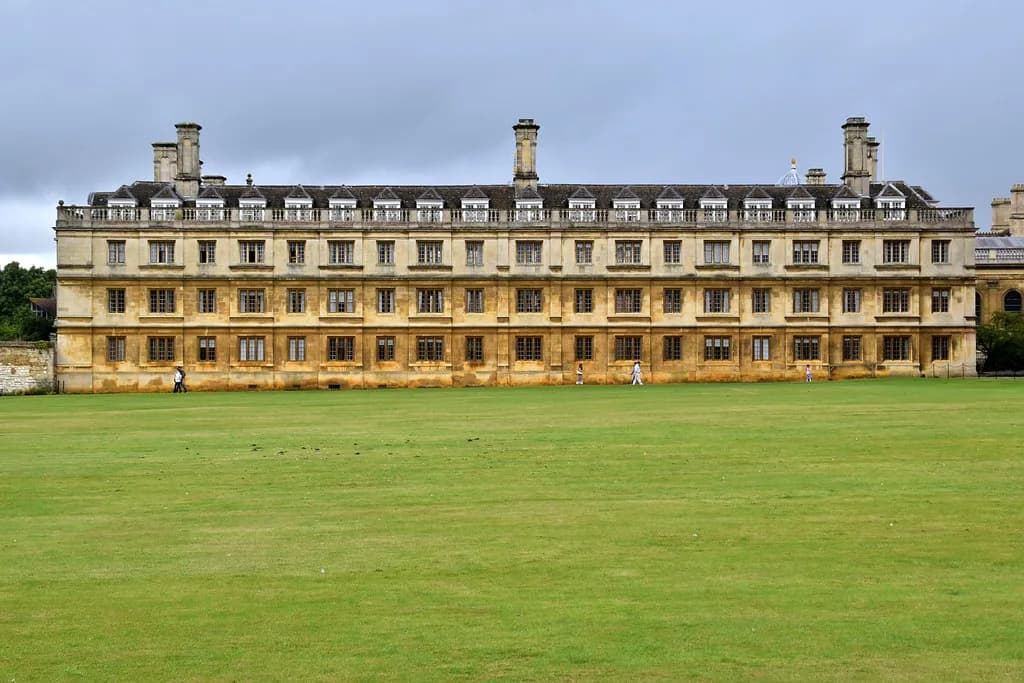
The Fitzwilliam Museum anchors the University of Cambridge Museums group and Botanic Garden, and it sits on Trumpington Street in the centre, within easy walking distance of the colleges and the river. For the practical details, see the art galleries in Cambridge.
Give it the largest share of your day. Free entry gets you into the galleries, but the exhibition programme changes through the year, so check what is on and whether it carries a separate ticket before you build the rest of the day around it.
Because the museum is free, it absorbs a wet afternoon well. Arrive earlier rather than later if you want a calm first hour in the main galleries, and leave the ticketed exhibition for when your legs need a seated pause.
Museum of Zoology: Families and Short Visits
The University Museum of Zoology is listed as free and gives families a compact alternative to a long gallery haul. Its displays cover the diversity of animal life, from marsupials and monkeys to mammoths and manatees, alongside stories of extinction, survival and evolution.
This is the museum to choose when you have an hour rather than an afternoon. The subject matter moves quickly from one case to the next, which keeps children engaged, and the free entry makes a short stop feel worthwhile rather than wasteful.
Slot it beside the Fitzwilliam rather than opposite it. Both are central, and pairing a natural history hour with a longer art visit gives you two very different collections without paying twice for admission.
Museum of Classical Archaeology: A Quieter Stop
The Museum of Classical Archaeology is the third free university museum on Visit Cambridge's list. It suits anyone who wants sculpture and casts without the crowds, and it works well as a short, focused stop rather than a headline attraction.
Use it to break up a walking route. An hour among casts is enough for most visitors, and because admission is free you can dip in, look properly at a handful of pieces, and move on without feeling you must stay to justify a ticket.
If your interest is architecture and sculpture more broadly, the city's buildings are part of the same story. Our guide to Cambridge architecture covers the streets and college fronts that make the walk between museums worth taking slowly.
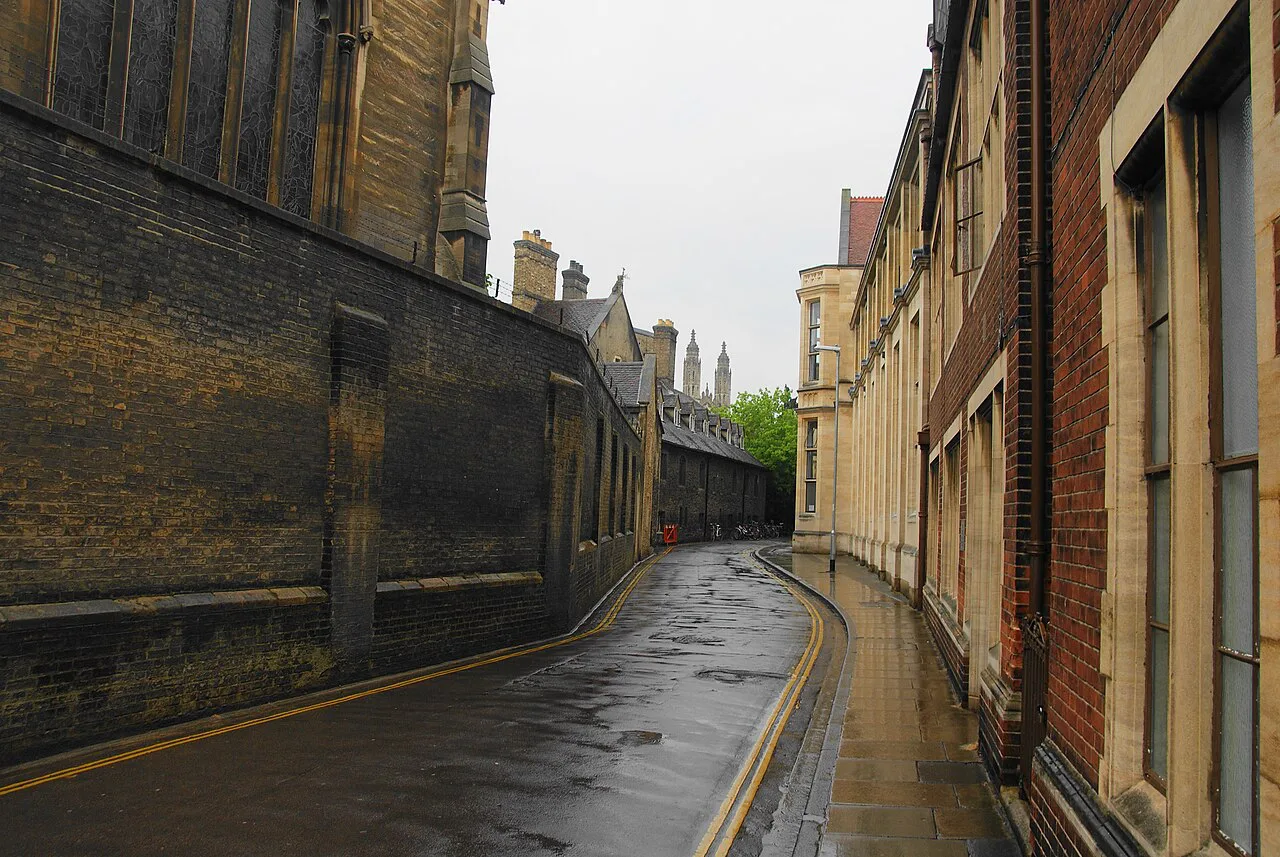
Free Street-Level Sights Near the Museums
Newton's Apple Tree at Trinity College is a graft from the tree that prompted Isaac Newton to ponder gravity, and it costs nothing to look at on the way past. The college setting makes it a natural two-minute pause between a museum and the river.
The Corpus Clock is the other easy free sight, a distinctive public monument admired by residents and visitors since its inauguration in 2008. It sits in the centre, so fold it into the walk rather than making a special trip.
The Backs, the stretch east of Queen's Road where several colleges back on to the River Cam, is a free walk with college grounds on both banks. Finish a museum afternoon here instead of queuing for another indoor attraction.
The Independent Museums Beside the Free Ones
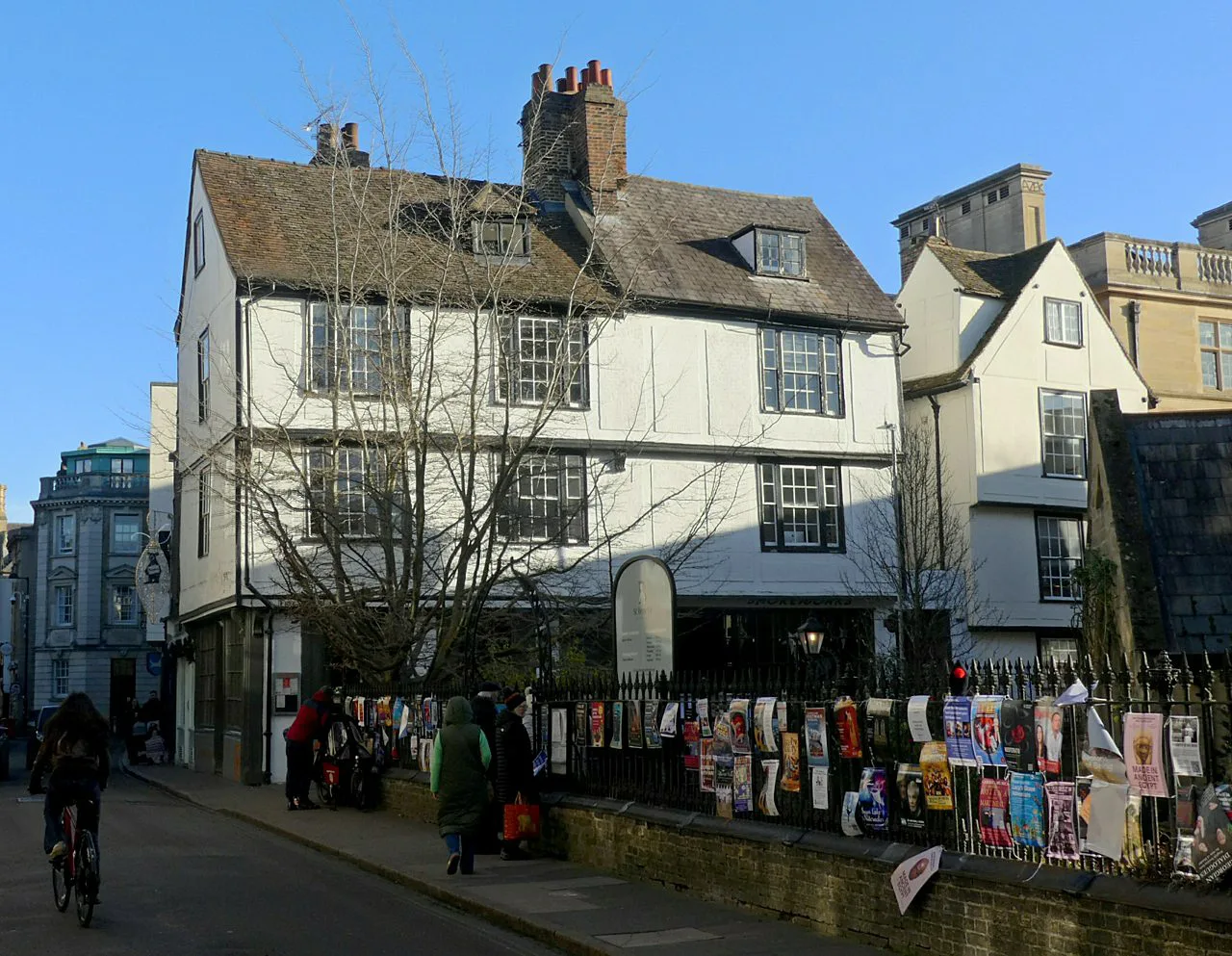
The independent museums are worth a paid hour if you want the city's social and industrial history rather than its collections of art and specimens. The Museum of Cambridge occupies a Grade II listed 16th-century building that once served as a coaching inn, later the White Horse Inn, with more than 300 years of local history across three floors and nine rooms.
David Parr House is a terraced home covered floor to ceiling in Arts and Crafts pattern, the work of a Victorian artist who lived there between 1886 and 1926 and worked for the Cambridge firm F. R. Leach & Sons. Access is by guided tour, so this is the stop to plan around rather than stumble into.
On Newmarket Road, the Centre for Computing History is unremarkable from outside and full of hands-on machines inside, with most computers running a game or programme from their own era. The Cambridge Museum of Technology holds the Victorian pumping house heritage, including steam engines still powered by volunteers with coal furnaces.
None of these four is part of the university group, and none should be assumed free. The independent museums explain plainly that they rely on grants, fundraising and their own initiatives, so treat a ticket here as the cost of keeping a small collection open.
Combining Free and Paid Museums in One Day
One free museum in the morning, a walk through the centre at lunchtime, and one paid independent museum in the afternoon is a realistic shape for a day. Trying to see the Fitzwilliam, the Museum of Zoology and two independent sites in one go leaves you rushing the rooms that deserve the most time.
The independent museums are scattered rather than clustered: the Museum of Cambridge is on Castle Street, the Centre for Computing History is out on Newmarket Road, and David Parr House needs a booked tour. Pick one paid site that matches your interest instead of chasing all four.
Keep a spare slot free. Free museums absorb cancellations and bad weather better than timed tours, so if a tour falls through, an hour at the Museum of Classical Archaeology or a stroll along The Backs fills the gap without a booking.
Getting Around and Booking Ahead
The central free museums, the Corpus Clock, Trinity College and The Backs sit within a walkable core, so leave the car and move on foot. The Museum of Cambridge suggests cycling as the most carbon-friendly way to cover the city's museums, hiring a public bike or scooter if you have not brought your own.
Book only what genuinely needs booking. Ticketed exhibitions and events at the university museums go through the University of Cambridge Museums booking service, and David Parr House is seen on a guided tour, so those are the two places to secure in advance.
Check the current programme and opening arrangements for your dates before you travel, since exhibition tickets and tour slots change through the year. Everything else about a free museum day is decided on the day.
Which Free Museum Should You Pick?
For art and a long visit, choose the Fitzwilliam Museum. For families and a quick hour, the Museum of Zoology is the easier win, and the Museum of Classical Archaeology covers sculpture and calm in a fraction of the time.
Add one independent museum only if local social history or industrial heritage is the point of your trip, and expect to pay for it. If you want to widen the comparison beyond Cambridge, our guide to free museums in Liverpool shows how another city's free collections are organised.
Explore more Cambridge guides
Frequently Asked Questions
Which museums in Cambridge are free to enter?
The Fitzwilliam Museum, the Museum of Zoology and the Museum of Classical Archaeology are listed with free general admission by Visit Cambridge. That covers entry to the permanent collections; ticketed exhibitions and events are charged separately through the University of Cambridge Museums booking service.
Do you need to book the Fitzwilliam Museum?
Free general admission does not require a ticket. The exhibitions and events programme is ticketed, so if a particular exhibition is the reason for your visit, book that in advance through the University of Cambridge Museums booking service.
How long does the Museum of Zoology take?
Allow about an hour. The galleries cover the diversity of animal life, extinction, survival and evolution, which suits a short visit with children rather than a half-day. Pair it with the Fitzwilliam if you want a fuller day.
Are Cambridge's independent museums free?
No. The Museum of Cambridge, David Parr House, the Centre for Computing History and Cambridge Museum of Technology sit outside the university group and rely on ticket sales, grants and fundraising. Budget for entry at each and check the ticket options with the museum you plan to visit.
What free things can you do near the Fitzwilliam Museum?
Walk to the Corpus Clock, look at Newton's Apple Tree at Trinity College and follow The Backs along the River Cam. All three are free street-level or outdoor stops that fit around a museum visit without another ticket.
Sources
Notes for your next city break
Optional updates to our UK city guides.
You might also like
Continue reading
More guides you'll find useful