Castles Near Cambridge: Which Castle to Visit Next
Cambridge Castle is gone, but Castle Mound remains and is free to climb. Here is what survives on Castle Hill and how to plan a castle day out from Cambridge.
On this page
Cambridge has a castle site rather than a castle. Cambridge Castle survives as Castle Mound, the grassy earthwork on Castle Hill, and nothing of a keep, gatehouse or curtain wall stands today. Treat it as a ten-minute viewpoint stop woven into a city morning, not as a destination in its own right, and expect the real castle day out to lie beyond the city.
The mound sits beside Shire Hall in the Castle ward of the city, which is why council pages and local listings use the district name for events and community notices rather than for a monument. Knowing that saves confusion when you search for visiting information and land on a residents' page instead.
What Is Left of Cambridge Castle Today
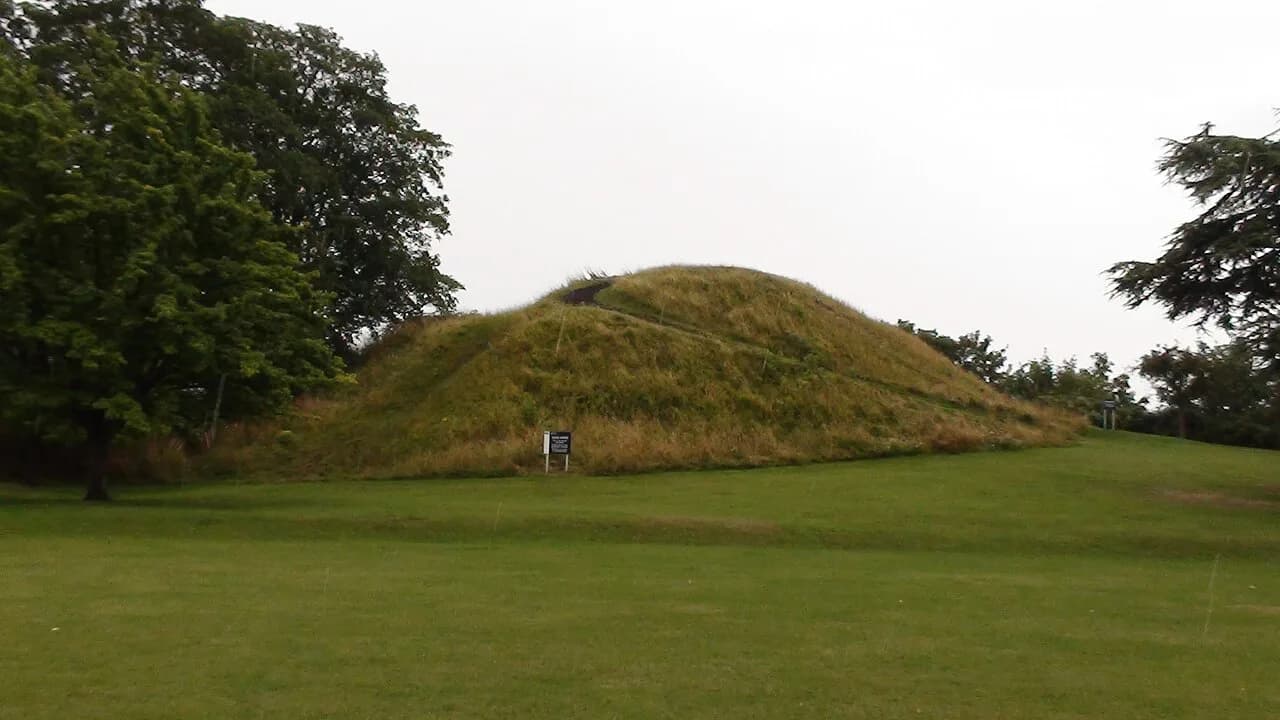
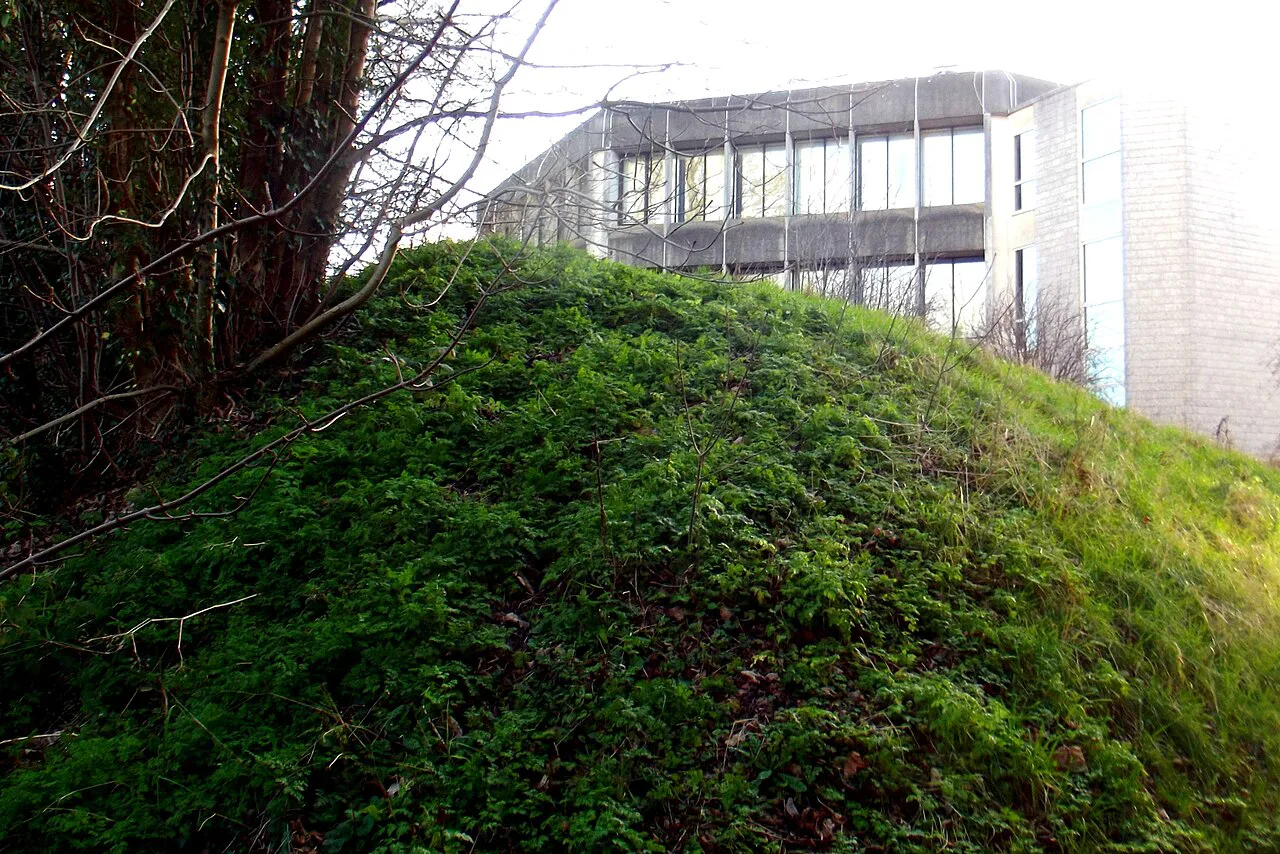
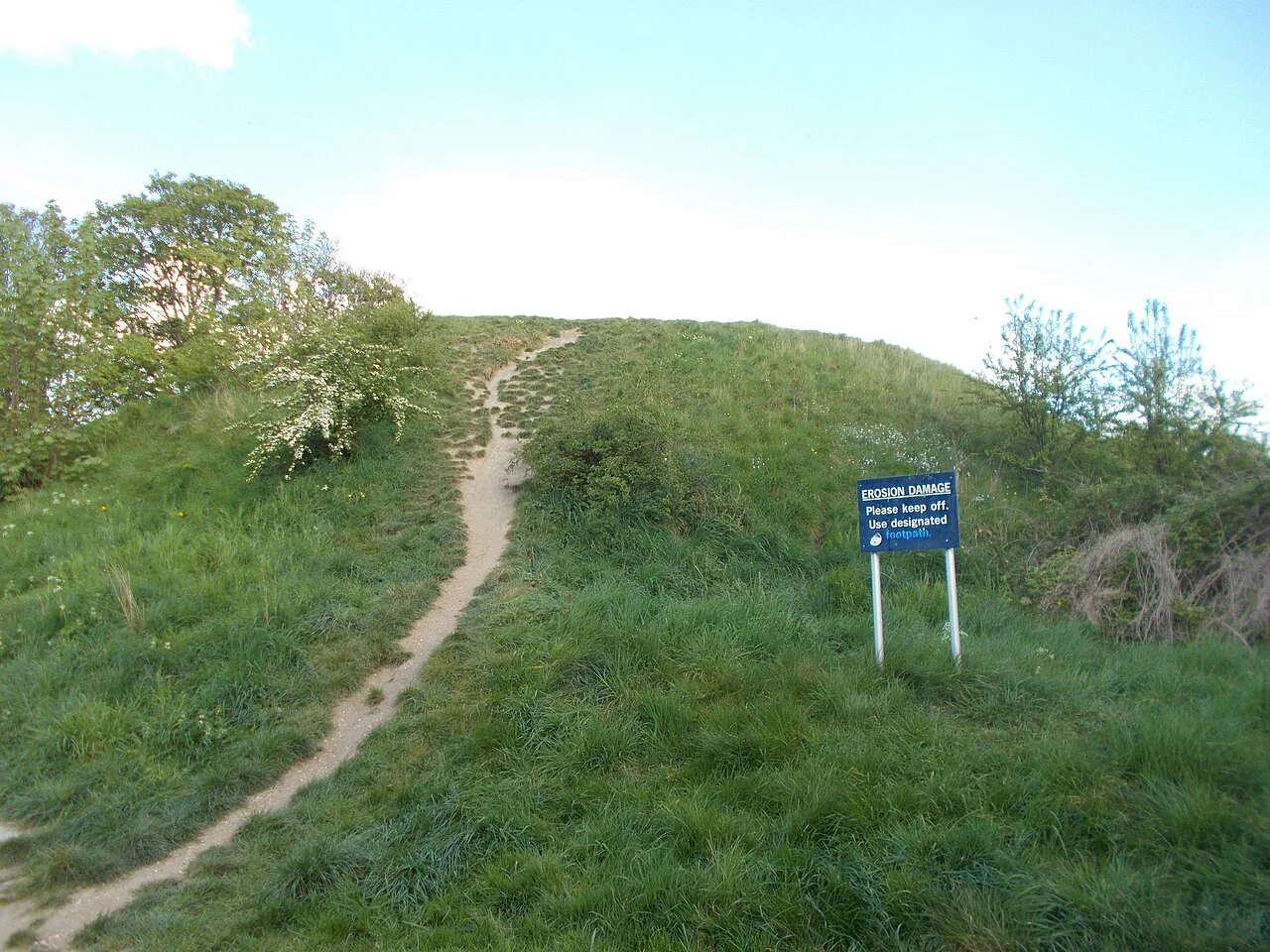
Castle Mound is the sole surviving remnant of Cambridge Castle: a raised grassy hill you can walk up, with the city spread out beneath you. There is no stone keep to tour, no battlements to walk and no exhibition explaining the site, so set your expectations at an earthwork with a view.
What you get is a short climb and a panorama over the rooftops towards the colleges and chimneys of the centre. Visitors describe an easy walk up and rewarding views from the top, which matches the scale of the thing: a modest rise, not a fortress.
A Short History of Cambridge Castle
Cambridge Castle was built as a motte-and-bailey stronghold after the Norman Conquest, and the mound is the motte that anchored it. Over centuries the fortifications were rebuilt, reused and eventually quarried away, leaving the earthwork that later gave the area its name. The story is one of erosion and reuse rather than a single dramatic destruction, which is why so little masonry remains to see.
Visiting the Mound: The Walk and the Views
Allow fifteen to twenty minutes for the mound itself: a few minutes up, a few at the top for the view and the same back down. It slots neatly into a morning that also takes in a museum or a college, and it costs nothing to visit, which makes it a sensible filler between booked activities rather than the centrepiece of a trip.
The climb is short but the ground is grass and earth, so it turns slippery after rain and the surface underfoot is uneven. Sturdy shoes matter more than any ticket, and there is no shelter at the top if the weather turns.
Getting to Castle Hill from the Centre
Castle Hill lies next to Shire Hall in the city's Castle ward, a short walk from the historic core rather than a trip out of town. Walk it as part of a loop through the centre, and pair it with a museum or gallery visit so the climb earns its place in the day.
Practical Points and Honest Trade-offs
There are no visitor facilities on the mound: no ticket office, no toilets, no café and no interpretation boards. Plan around that by using the city centre for food and loos before or after, and carry water in warm weather because there is nowhere on site to buy it.
Weather is the main variable. The mound is exposed, the grass holds water, and a windy day at the top feels colder than the streets below, so keep the visit short and flexible rather than scheduling it tightly.
What Castle Hill Is Not
Castle Hill is not a castle attraction. There is no keep, no walls, no gatehouse and no ticket office, and it is not run as a staffed heritage site by English Heritage or the National Trust, so do not plan around guided tours, gift shops or opening times.
That absence is the point: the site is a public open space rather than a managed monument. If you want rooms, exhibits and stewards, spend your time among the museums in Cambridge instead and treat the mound as a viewpoint on the way.
Planning a Castle Day Out Beyond Cambridge
For actual castles, plan a separate day trip and choose by travel time, season and whether the site is staffed or a ruin you wander freely. Historic houses and castles run by English Heritage, the National Trust and Historic Environment Scotland vary widely in what they charge and when they open, so check each site's own page before committing to a train or a drive.
Compare travel time against opening hours rather than distance alone: a site that opens late morning eats into a day return, while a ruin open at all hours suits an early start. Build the journey around the site's published season, not the other way round. If you are weighing up options in another region, the same logic of owner and season applies to castles near Leeds.
Booking Ahead and Checking Opening Days
Staffed castles and historic houses often sell timed tickets and close on certain weekdays outside high season, so book once you have confirmed the date is open rather than booking first and hoping. Check the property's own website for its current season, last admission and any pre-booking requirement, then arrange transport.
Free, unstaffed sites such as the mound need no booking at all, which is why they make good backups when a ticketed property is shut. Keep one in reserve on any castle day out in case plans change.
Pairing the Mound with Museums, Colleges and Tea
The mound works best as one stop in a city day: museums in the morning, the climb for the view, then colleges and tea in the afternoon. Cambridge's collections give you the history the earthwork cannot, and the free museums in Cambridge include the Fitzwilliam Museum, so the day stays affordable.
If you want atmosphere after dark, the city's ghost tours trade in legends rather than verified hauntings, so treat the stories as entertainment and ask the guide what the route covers. The mound itself is simply an old earthwork with a good view, whatever tales attach to the hill.
Plan Your Visit
Cambridge Castle is a mound, not a fortress: free, always open, a short walk from the centre and worth fifteen minutes for the view. Check current details for any ticketed castle you add to the trip, and keep the mound as the easy, no-booking stop that anchors the day.
Explore more Cambridge guides
Frequently Asked Questions
Is there a castle in Cambridge?
No standing castle survives. Cambridge Castle remains only as Castle Mound, a grassy earthwork on Castle Hill next to Shire Hall in the Castle ward. There is no keep, gatehouse or curtain wall to visit, so treat it as a viewpoint rather than a castle attraction.
What happened to Cambridge Castle?
It began as a Norman motte-and-bailey stronghold, with the mound as its motte. The fortifications were rebuilt and reused over centuries before being quarried away, which is why the earthwork is all that remains today.
Can you visit Castle Mound for free?
Yes. The mound is a free public open space that can be visited at any time, with no ticket office and no booking. There are also no toilets, café or interpretation boards, so sort food and facilities in the city centre before or after.
How long does it take to climb Castle Mound?
Allow fifteen to twenty minutes for the round trip, including a few minutes at the top for the view. The ground is grass and earth and gets slippery after rain, so wear sturdy shoes and keep the visit flexible in bad weather.
Where is Castle Hill in Cambridge?
Castle Hill sits next to Shire Hall in the Castle ward, a short walk from the historic centre rather than a trip out of town. Walk it as part of a loop through the city and pair it with a museum or gallery visit.
Are there castles you can stay in near Cambridge?
Castles and historic houses elsewhere vary in what they offer, including whether they run accommodation, so check each property's own website for what is available and when it is open before booking travel. Plan any castle day trip as a separate journey from the city.
Sources
Notes for your next city break
Optional updates to our UK city guides.
You might also like
Continue reading
More guides you'll find useful