Cambridge Architecture: A Guide to What to See
A guide to Cambridge architecture, from King's College Chapel's fan vaulting to the Round Church and the Mathematical Bridge, with what to see at each stop.
On this page
Cambridge architecture rewards a walker who knows what they are looking at. The city's built history is shaped above all by the University of Cambridge and its colleges, so most of the buildings worth seeking out sit within a compact centre you can cross on foot.
Plan around two spines: the colleges, with their courts, chapels and libraries, and the churches, whose towers and naves predate most of the college walls. Grouping buildings by period rather than by tick-list gives you a coherent route instead of a scatter of stops.
King's College Chapel: Perpendicular Gothic at Its Boldest
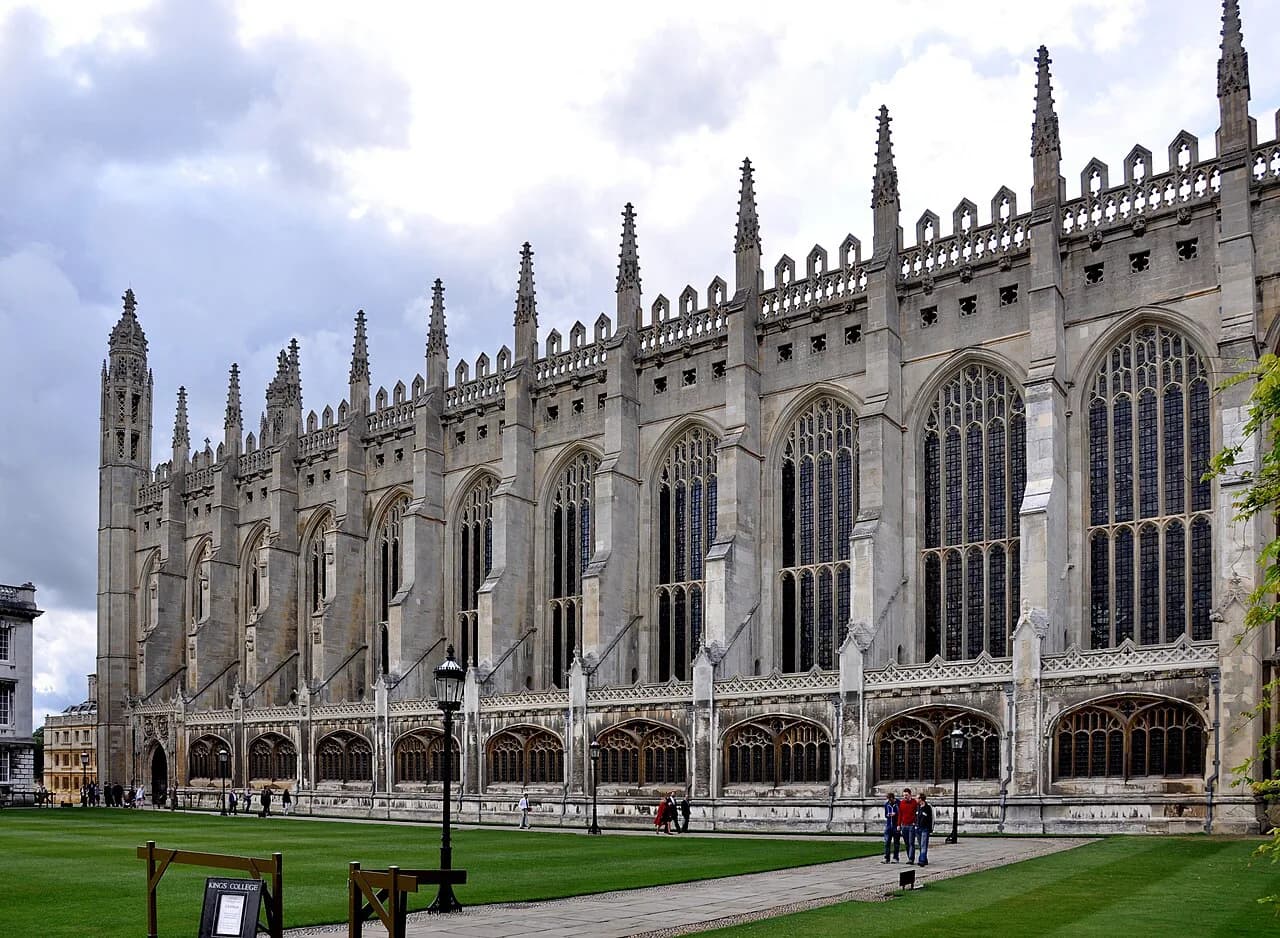
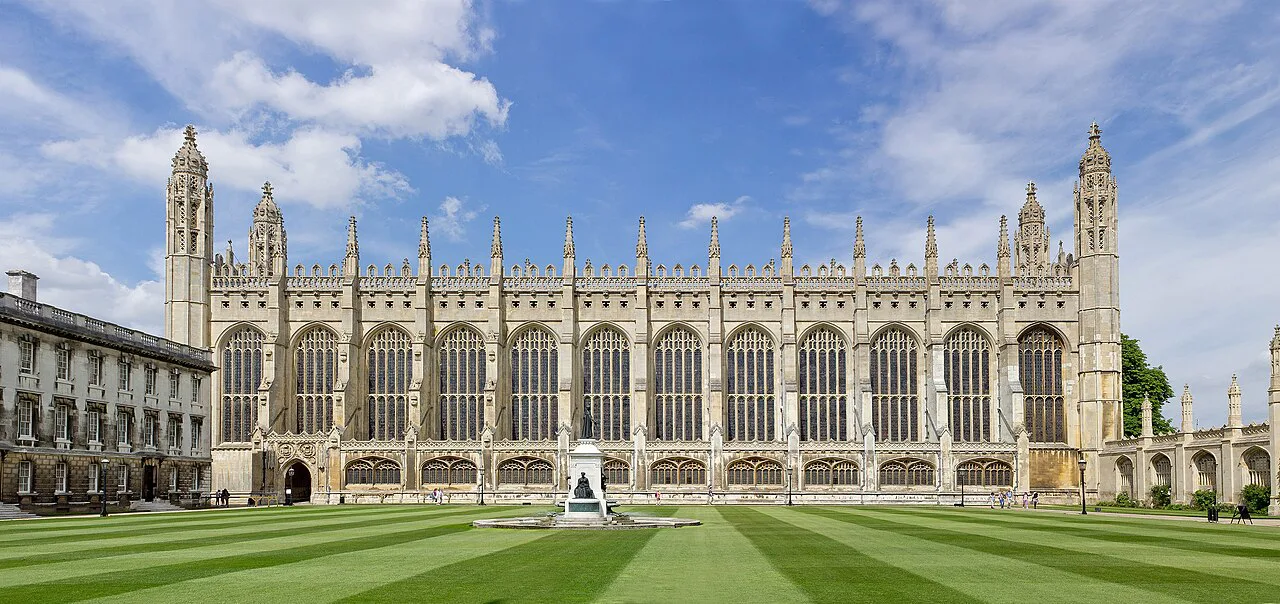
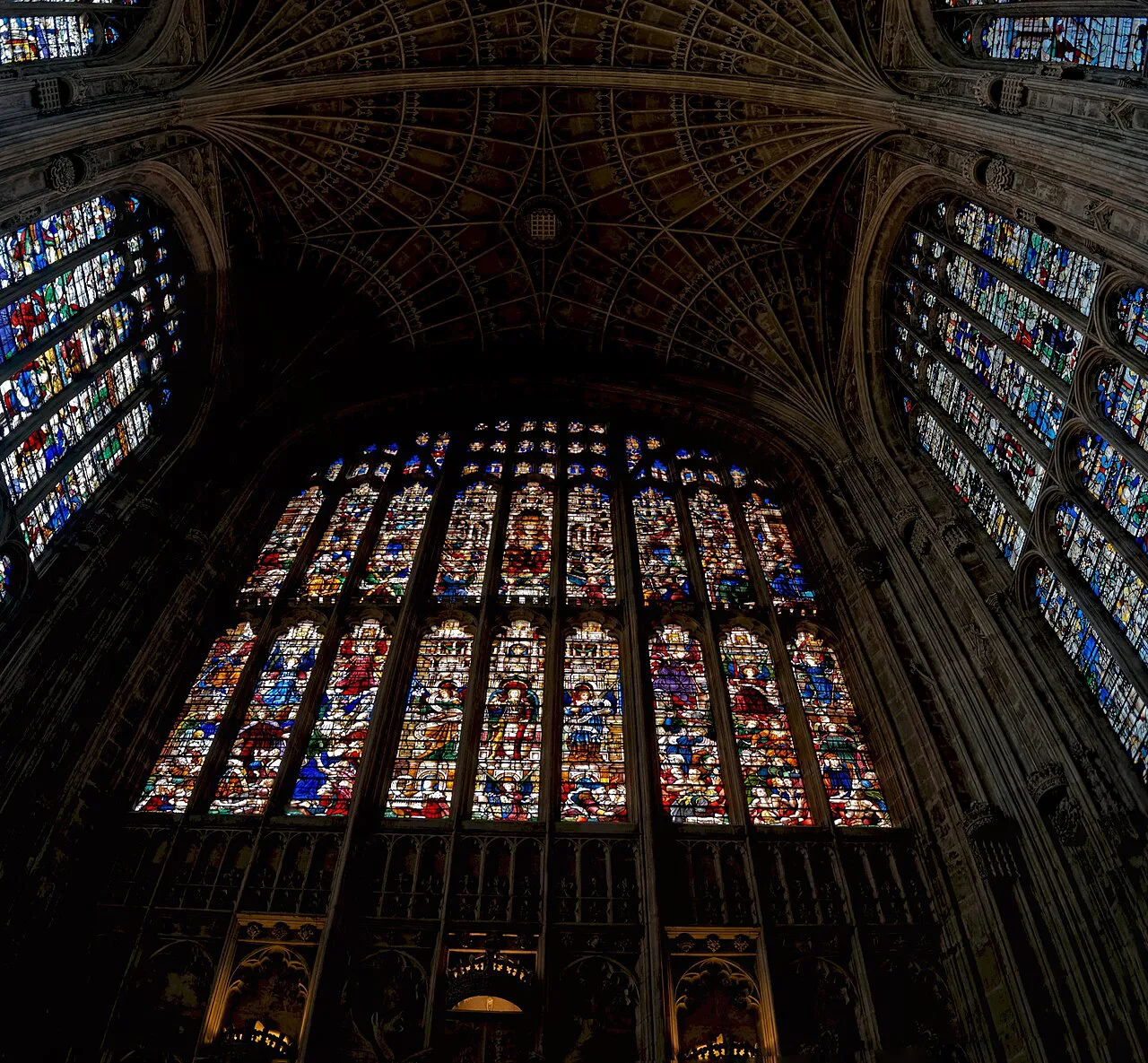
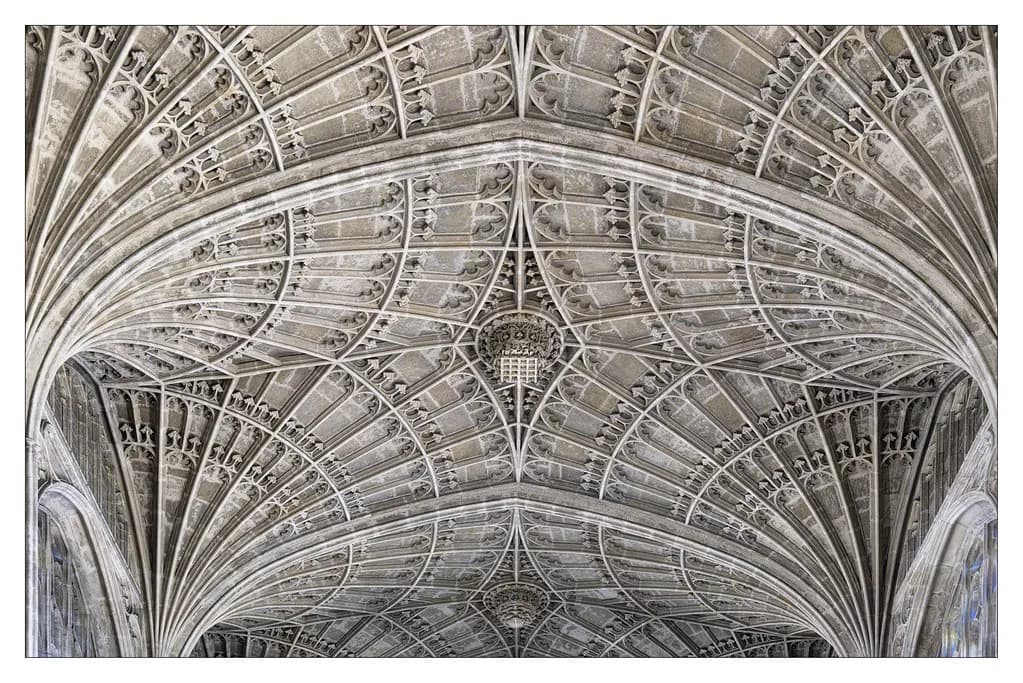
King's College Chapel is the building most visitors picture when they think of Cambridge. It was commissioned by Henry VI, and its design by master mason Reginald Ely reflects the Perpendicular Gothic style, with strong vertical lines and elaborate carved detail. The fan-vaulted ceiling and the stained glass are the features to slow down for, including the King's Window depicting the life of Henry VI.
The chapel is a working place of worship as well as a monument, hosting services, concerts and events through the year, including the Festival of Nine Lessons and Carols on Christmas Eve. That dual role matters when you plan: a service or concert can interrupt sightseeing, so build some slack into the day rather than treating the chapel as a fixed stop.
Treat the chapel as the anchor of a morning and walk the rest of the centre from there. Its position puts the college courts, the market square and Great St Mary's within easy reach on foot, which makes it a sensible place to start an architecture walk.
Great St Mary's Church: The University Church and Its Tower
Great St Mary's is the university church and a striking example of Perpendicular Gothic architecture, dating back to the 13th century. Its grand nave and ornate stained glass show a building that has been renovated and added to over the centuries, so you are reading several periods in one interior rather than a single moment of construction. The tower dominates the skyline and gives the church its second life as a viewpoint.
The climb is the trade-off. The tower offers panoramic views over Cambridge and the surrounding countryside for those who tackle the steps, but it is a stair climb rather than a lift, so anyone with knee trouble or a tight schedule should weigh it up before joining the queue. Allow more time than the view itself suggests.
As both a place of worship and a parish church, Great St Mary's hosts ceremonies and regular services, and visitors can explore the interior with its informational displays. Check the day's pattern before you set out so a service does not cut your visit short.
The Round Church: Norman Geometry and the Templar Story
The Round Church is one of Cambridge's most treasured historic landmarks and the easiest building in the city to date at a glance. Its circular design, with thick walls, a central nave and a conical roof, gives it a fortress-like appearance that sets it apart from every Gothic spire nearby.
The traditional account holds that the church was built by the Knights Templar as a place of worship for pilgrims heading to the Holy Land. Treat that as the received story rather than a settled fact, and enjoy it as part of the building's hold on the imagination. Inside, the design stays simple and elegant, with medieval stone arches and stained glass.
The church remains an active parish church within the Diocese of Ely and also hosts cultural events, concerts and exhibitions, so the interior you see may be dressed for something else. If you want the architecture undistracted, ask at the door what is on that day.
The Mathematical Bridge: Engineering, Not Magic
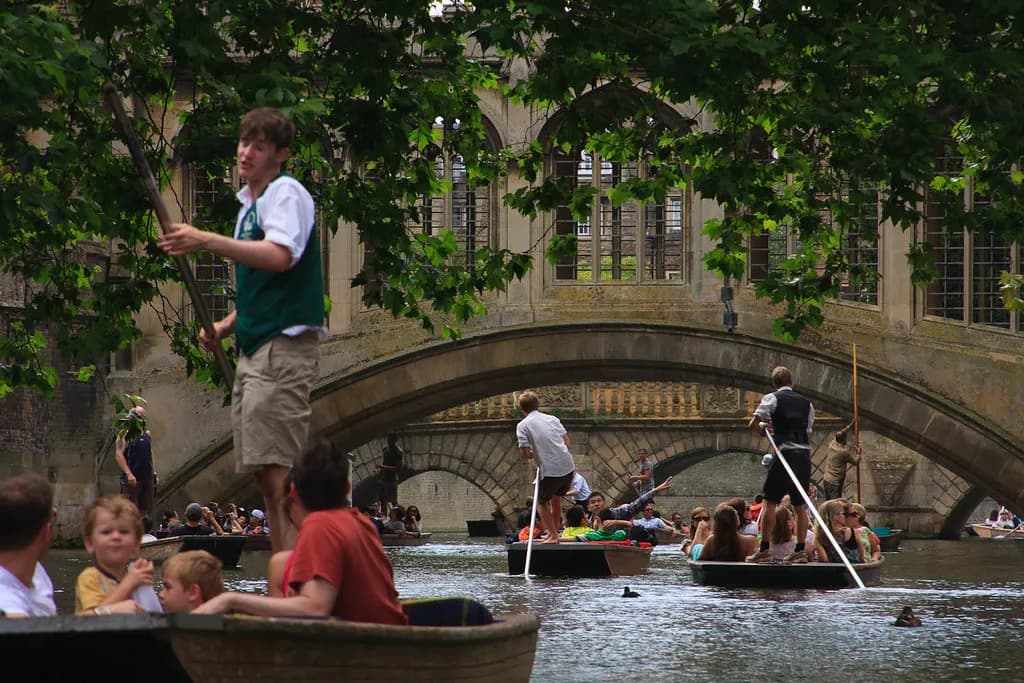
The Mathematical Bridge is a wooden footbridge over the River Cam linking the two sides of Queens' College. Despite the name, its design is not especially mathematical; it is better read as a feat of engineering and craftsmanship in timber.
The famous story that Sir Isaac Newton designed it and built it without nuts or bolts, relying on gravity and tension alone, is legend and likely apocryphal. It is a good story and a bad piece of evidence, so enjoy it as legend and look at the joinery instead. The bridge has in fact been rebuilt and repaired several times, notably in 1866 and 1905.
You do not need to cross it to see it. The riverbank gives the better view of the timberwork and the surrounding college buildings, and it costs nothing to stand and look.
Trinity College and the Wren Library
Trinity College combines grand architecture, expansive courtyards and gardens, and its Great Court is one of the largest enclosed courtyards in Europe. Designed by Sir Christopher Wren, the Wren Library holds rare manuscripts, books and artefacts, including a first edition of Isaac Newton's Principia Mathematica.
Access to the Wren Library is restricted, so do not build a day around getting inside it. Visitors can explore Trinity's grounds, admire the architecture and learn the college's history through guided tours, which is the realistic way to see the parts that are open.
A Walking Route Through the Centre
The colleges and churches sit close enough to link on foot in a single loop. Start at King's College Chapel, cross to Great St Mary's for the tower, then head north to the Round Church and on to Trinity and the Mathematical Bridge at Queens'. The distances are short; the time goes on interiors, stairs and queues.
If you would rather have the route narrated, a Cambridge walking tour covers the same ground with context. Self-guided walkers should note that the streetscape and church exteriors are there for anyone, while the interiors that charge or restrict access are the ones that shape your timings.
The riverbank near the bridges is the best free viewpoint in the city, and it makes a natural halfway pause. Bring a plan B for rain, because the walk is more rewarding than the shelter.
Practical Trade-offs: Access, Services and Steps
The honest constraints on a Cambridge architecture day are access and timing. College opening to visitors varies, chapel and church services take priority over sightseeing, Great St Mary's tower means steps, and the Wren Library is restricted. Build your route around the interiors you most want and check each college's visitor page before travelling, since not everything stays open every day.
Queues form at the headline chapels, so front-load the day with the building you care most about. Keep the outdoor stops, the Mathematical Bridge and the college courts, for the middle of the day when interiors are busiest.
Architecture Alongside Museums and Tea Rooms
Architecture is only part of a Cambridge day, and the city's museums fill the wet hours well. The museums in Cambridge include the Fitzwilliam Museum, a sensible counterweight to chapels and tower climbs when you want an indoor hour or two.
If you want to break up the day, slot a gallery visit between the paid interiors. A morning of chapel and tower, an afternoon in a museum, and a late walk past the colleges is a well-balanced day.
Finish with afternoon tea in Cambridge if you want the full city-break shape, or simply take a pot of tea near the market. Architecture days go better with a sit-down in the middle.
For more ideas to fill the rest of the trip, our guide to things to do in Cambridge covers the punting, parks and cycling routes that pair well with a buildings walk.
Checklist Before You Go
Sort out three things before you travel: which interiors require a ticket or a timed entry, which are closed to visitors on your dates, and whether a service will interrupt the chapel or church you most want to see. The Visit Cambridge guide to history and architecture advises checking opening hours and admission requirements for specific sites, which is the single most useful pre-trip task.
Book the interiors you can book ahead and treat everything else as flexible. If you are combining architecture with other interests, our Cambridge Attractions page sets the buildings alongside the rest of the city.
If you are comparing cities, the stonework here is a different pleasure from Leeds architecture or York architecture, where Victorian arcades and York Minster set the tone.
Plan Your Visit
Cambridge architecture is best taken as a walk with a few deliberate interiors. Anchor the day on King's College Chapel, climb Great St Mary's tower if the steps suit you, see the Round Church and the Mathematical Bridge, and treat the Wren Library as a bonus rather than a certainty.
Check current opening details for the specific sites you plan to enter, then leave room for the things that cost nothing: the courts, the riverbank and the streetscape.
Explore more Cambridge guides
Frequently Asked Questions
What architectural style is King's College Chapel?
It is Perpendicular Gothic, with strong vertical lines, elaborate carved detail and a celebrated fan-vaulted ceiling. The chapel was commissioned by Henry VI and designed by master mason Reginald Ely.
Is the Mathematical Bridge really by Isaac Newton?
No. The story that Newton designed it and built it without nuts or bolts is legend and likely apocryphal. The bridge has been rebuilt and repaired several times, notably in 1866 and 1905.
Was the Round Church built by the Knights Templar?
That is the traditional account rather than a settled fact. What is clear is the 12th-century circular design, with thick walls, a central nave and a conical roof, which survives inside.
Can I visit the Wren Library at Trinity College?
Access to the Wren Library is restricted. Visitors can explore Trinity College's grounds and learn its history through guided tours, so do not plan the day around getting inside the library.
How long does an architecture walk in Cambridge take?
The centre is compact and the main stops are short distances apart, but interiors, tower steps and queues eat the time. Allow a full day if you want the chapel, the tower and the Round Church in one visit.
Do I need to book Cambridge chapels and churches in advance?
Opening hours and admission requirements vary by site, so check each one before you travel. Services and events can take priority over sightseeing, so look up the day's pattern instead of assuming the doors are open.
Sources
Notes for your next city break
Optional updates to our UK city guides.
You might also like
Continue reading
More guides you'll find useful