Free Museums in Chester: What to See and What Costs Extra
Chester's free museums and galleries, from the Grosvenor Museum to Storyhouse, with what each covers, how long to allow and where paid exhibits apply.
On this page
Chester's free museums come in three shapes: the Grosvenor Museum on Grosvenor Street, Storyhouse with its library, theatre and cinema under one roof, and Chester Cathedral, all listed as free to visit. Start with the Grosvenor Museum if you want the city's Roman and social history in one building, or Storyhouse if you are travelling with children who need space to move.
Everything else on this page is either an outdoor stop with no ticket at all — the city walls, Roman Gardens and Grosvenor Park — or a paid attraction such as Sick to Death, which charges adults six pounds and students five. Knowing which is which keeps a day's budget honest.
Grosvenor Museum: the city's main collection
The Grosvenor Museum is the natural first stop for anyone working through the museums of Chester. It holds the city's archaeology and art collections, and it runs a changing programme of temporary shows rather than a fixed display, so a second visit rarely repeats the first.
The museum's own site advertises a 16th Open Art Exhibition and a show called The Worst Record Covers in the World, alongside a regular lecture series held in the building. Check the museum's homepage before you travel to confirm which shows are running during your dates.
Allow around ninety minutes for the permanent galleries and a further half hour if a temporary exhibition catches your eye. The museum sits a short walk from the Eastgate Clock and the Rows, which makes it easy to pair with shopping or a coffee on the same loop.
Storyhouse: library, theatre and cinema in one building
Storyhouse is Chester's combined library, theatre and cinema, and entry is free. That makes it the most useful wet-weather stop in the city centre: you can browse the library shelves, look at the day's film and stage listings, and use the building as a warm base between outdoor sights.
Tickets for individual theatre and cinema performances are a separate cost from entry, so budget for those only if you plan to see a show. For families, the children's library section is the practical draw: it gives younger visitors somewhere to sit down without a queue or a timed slot.
Chester Cathedral: free entry, rich interior
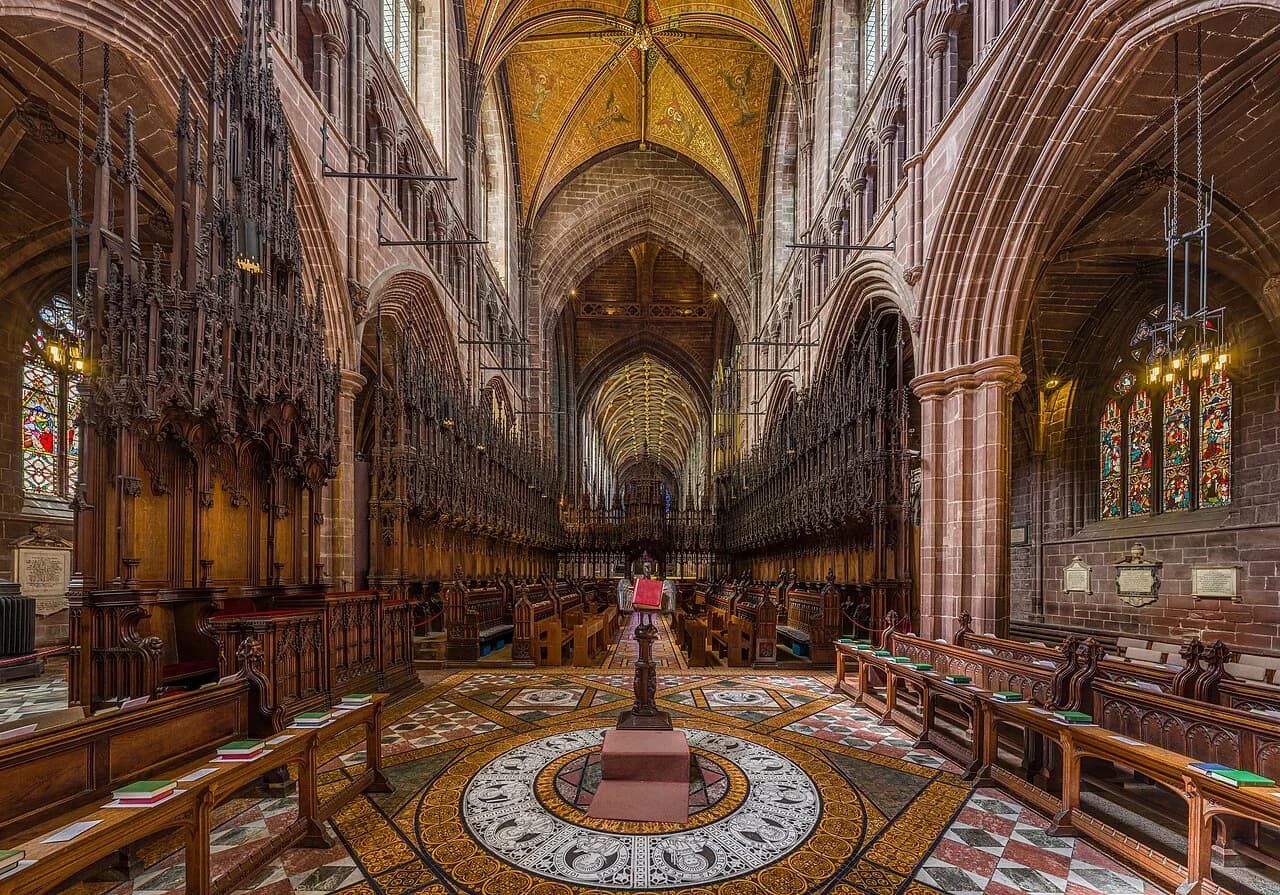
Chester Cathedral is free to enter and sits in the centre of the city, a short walk from the Eastgate Clock. The building is a working church with regular services, so visitors who want atmosphere rather than sightseeing should time a stop around a service rather than between them.
Inside, the cathedral rewards slow walking: look for the cloisters, the carved woodwork and the stained glass rather than trying to cover every chapel. Give it forty-five minutes to an hour, more if you attend a service or take a guided tour.
The outdoor grounds are free as well, and they work well as a picnic stop or a breather between the city walls and the Rows. Because entry is free, a donation at the door is the norm for keeping the building open.
Sick to Death: the paid exception
Sick to Death is Chester's museum of medicine, disease and death, and it charges for entry: adults six pounds, students five. Treat it as a paid add-on rather than part of the free circuit, and decide before you go whether the subject matter suits your group — it is grim by design, which is the point.
The museum appears in local listings alongside Chester's other museums, which is how it often gets lumped in with the free ones. It is the clearest example in the city of a small attraction where the ticket price funds the exhibits.
Art galleries along Watergate Street
Watergate Street carries a run of commercial art galleries, from contemporary work to traditional styles, and browsing them costs nothing. It is the most efficient way to see art in Chester without committing to a museum visit, because the galleries sit close together on one street.
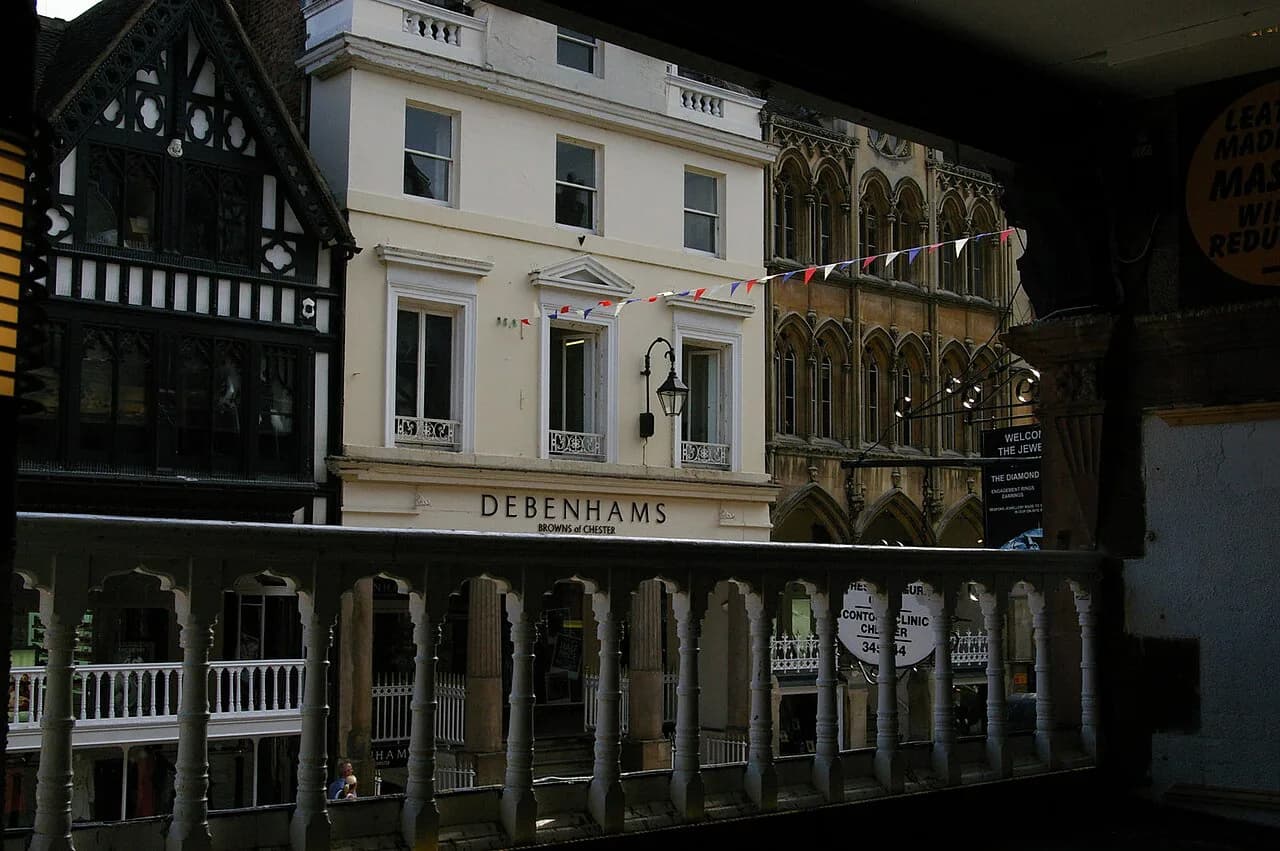
The street itself is part of the experience: it runs through the Rows, Chester's two-tier shopping galleries, so you can move between galleries and independent shops under cover. An hour is enough for a relaxed circuit, less if you only want to look in one or two rooms.

Free history outdoors: walls, Roman Gardens and the amphitheatre
Chester's Roman city walls, the Roman Gardens and the amphitheatre form a free outdoor circuit that needs no ticket and no booking. The walls are the spine of it: walk a stretch, drop down to the gardens, and carry on to the amphitheatre for the Roman side of the city's story.
Grosvenor Park and the River Dee sit nearby and are free as well, so a half-day can run from the walls through the gardens to the river without a single admission charge. Wear shoes you can walk in: the circuit is cobbled in places and uneven on the wall itself.
Evening ghost tours are the storytelling version of this history, and they are entertainment rather than evidence: the tales of sightings are legends the guides tell as legends. They charge, unlike the walls, but they pair naturally with a late afternoon on the outdoor circuit.
Chester Castle and what you can see without a ticket
Chester Castle is listed among the city's free activities, but it is not a museum you walk through room by room. Approach it as a visible piece of the city's defences, best understood as part of the wider story of the walls and the Roman fortress beneath them.
If you want a full castle day out — towers, ramparts and the run of a whole site — that is a different trip. Keep Chester Castle as a short stop on the city walk and plan a separate outing for the bigger fortresses within reach.
Linking the free sights on foot in one day
A workable free day starts at the Grosvenor Museum, walks down to the Rows and Watergate Street for the galleries, cuts through to the cathedral, then follows the walls to the Roman Gardens and the amphitheatre before finishing at Grosvenor Park or the River Dee. The whole loop is walkable and needs no transport.
Timings matter more than distance: allow ninety minutes for the museum, an hour for the cathedral, an hour for Watergate Street and two hours outdoors. That totals roughly five and a half hours of stopping, before you add lunch.
If you have only half a day, choose either the indoor set — museum, cathedral, Storyhouse — or the outdoor circuit. Trying to fit both into three hours means rushing the two places that reward slowness most.

Free museums with children
Storyhouse is the strongest free stop for young children, because the library gives them something to do with their hands and no timed entry. The Grosvenor Museum works next, with enough variety to hold attention for an hour if you keep the visit short and follow their lead.
Outdoors is where a family day earns its keep: the walls, Grosvenor Park and the river give children room to run between the quieter indoor stops. Build the day around short bursts of looking and longer stretches of walking rather than a single long museum visit.
Donation boxes and paid exhibitions
Free entry does not mean free to run. At cathedrals and independent museums the donation box is the main way visitors contribute, and a few pounds at the door goes straight into the building's upkeep rather than a ticketing system.
Temporary exhibitions are the other place money changes hands: the Grosvenor Museum's programme of changing shows is the reason to look at its site before you travel, because a small charge or a booked slot may apply to specific displays.
If you are comparing Chester with other cities, the pattern is familiar: free permanent collections, paid special exhibitions and a paid small attraction or two in between. Anywhere else in the country, from free museums in Birmingham to London's national collections, works the same way.
Where to eat and drink between museum stops
Chester Market is the easiest lunch stop between the museum and the cathedral, with food stalls that suit mixed groups and fussy eaters. It also lets you eat quickly, which matters if you are trying to fit the indoor and outdoor circuits into one day.
For something slower, book afternoon tea rather than squeezing it in: it occupies the best part of two hours and belongs at the end of the day, not the middle. Cafés around the Rows fill the gap if you only want a coffee between stops.
Plan Your Visit
Build your day around the free core — the Grosvenor Museum, Storyhouse, the cathedral and the outdoor circuit — and treat Sick to Death and any ticketed exhibitions as optional extras you add if time and budget allow. That way the day works whatever the weather does.
Opening days shift with the seasons and with exhibition changeovers, so check the venue's own website for the days you plan to travel before you set out.
Explore more Chester guides
Frequently Asked Questions
Is the Grosvenor Museum in Chester free?
The Grosvenor Museum is listed among Chester's free activities, and it runs a changing programme of art exhibitions alongside its permanent galleries. Temporary shows and lectures are separate events, so check the museum's own site for what is on during your dates.
Are there free museums in Chester?
Yes. The Grosvenor Museum, Storyhouse — with its library, theatre and cinema — and Chester Cathedral are all free to visit. Sick to Death charges for entry, so treat it as a paid add-on to the free circuit.
What can you do for free in Chester city centre?
Walk the Roman city walls, wander the Rows and Watergate Street galleries, visit the Grosvenor Museum, Storyhouse and the cathedral, and relax in the Roman Gardens or Grosvenor Park. The river and the suspension bridge are free stops as well.
Which Chester museums charge for entry?
Sick to Death is the paid museum covered here, with an adult ticket and a student rate. Individual theatre and cinema performances at Storyhouse are also ticketed, separate from free entry to the building.
How long does a visit to the Grosvenor Museum take?
Allow around ninety minutes for the permanent galleries and an extra half hour if a temporary exhibition interests you. It sits close to the Eastgate Clock and the Rows, so it slots easily into a half-day in the centre.
Are Chester's free museums good for families?
Storyhouse is the best free stop for younger children because the library gives them something to do without a timed entry. Pair it with the walls and Grosvenor Park so children get room to run between indoor stops.
Sources
Notes for your next city break
Optional updates to our UK city guides.
You might also like


Continue reading
More guides you'll find useful