Roman Chester: Amphitheatre, Walls and Roman Gardens Guide
Plan a Roman Chester walk through the amphitheatre, city walls and Roman Gardens, plus the Grosvenor Museum tombstones and the ticketed indoor option.
On this page
Roman Chester is one of the cheapest history days in Britain because most of it is outside and free. The amphitheatre, the city walls, the Roman Gardens and Minerva's Shrine all cost nothing to visit, and only the Dewa Roman Experience charges for entry. The catch is that these are ruins in the open air, so the weather and the walking decide how much you enjoy them.
The city's Roman name was Deva Victrix, and the legions left enough behind that you can spend a comfortable morning or afternoon following the story on foot. This guide separates the free outdoor sights from the ticketed one, gives a walking order that avoids backtracking, and says where to book a guide if you would rather be told the story than read it off a panel.
What survives of Roman Chester above ground
The Roman fortress of Deva Victrix left its mark on the street plan and the defence line rather than on standing buildings. What you can see today is a mix of excavated stonework, reassembled fragments and one carved shrine still in its original position. Treat it as a trail of scattered sites rather than a single museum and the day makes sense.
Almost all of it sits within a short walk of the Eastgate clock and the river. The amphitheatre and the Roman Gardens are neighbours near Newgate, the walls loop around the centre, and the shrine needs a short walk across the Dee to Handbridge. If you want the wider museum picture beyond the Roman collections, our guide to museums in Chester sets out the rest of the city's indoor options.
The Chester Roman Amphitheatre
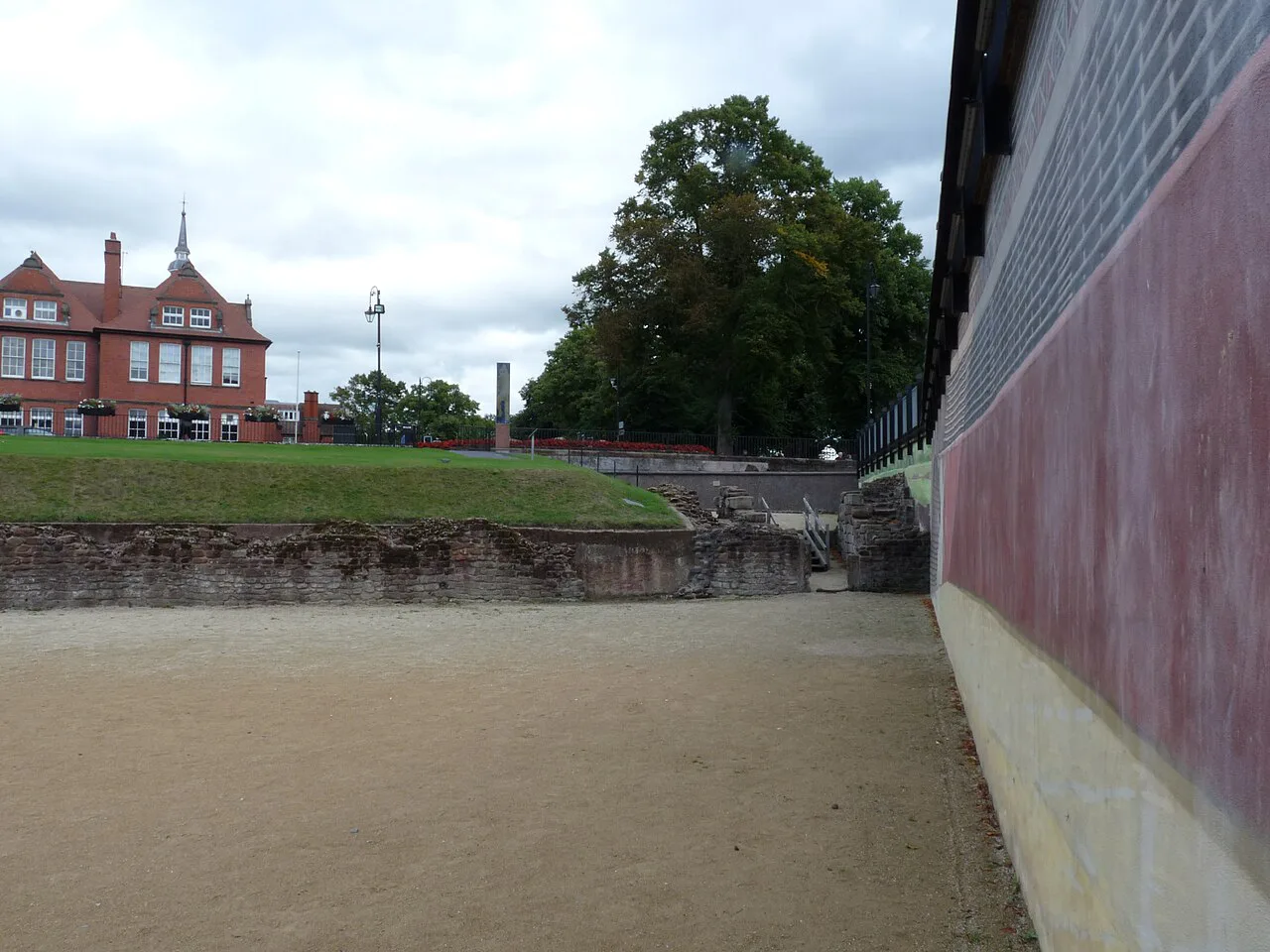
The amphitheatre is described as the largest Roman amphitheatre uncovered in Britain, sitting just outside the city walls near Newgate. About half of it has been excavated and is open to the public, and walking around it is free. Set your expectations accordingly: you are looking at exposed stone foundations and a partly revealed curve, not a reconstructed arena with seating.
That partial excavation is exactly what makes it interesting, because you can read the shape of the seating and the arena edge where the stone has been cleared. Give it twenty minutes or so, longer if you like picking out the layout. It is the natural first stop if you are coming from the Eastgate end of the walls.
The City Walls: Britain's most complete ancient circuit
Chester has the most complete circuit of ancient walls in Britain, and the northern and eastern stretches follow the line of the original Roman fortress defences. That is the reason to walk them rather than treat them as a pretty backdrop: you are tracing the Roman plan under your feet for part of the route. The full circuit is a proper walk, so decide in advance whether you want the Roman-relevant stretch or the whole loop.
The eastern section works best with a Roman itinerary because it drops you near the amphitheatre and the gardens. The walls are free and always available as a route, but surfaces are uneven and there are steps at various points, so wear shoes you can walk in and allow for slower progress with a pushchair or anyone unsteady on their feet.
Roman Gardens: columns and hypocaust pillars
The Roman Gardens are a landscaped strip between the amphitheatre and the river, and they display reassembled columns and hypocaust pillars recovered from across the Roman city. The site is free. As a single destination it is modest; as the link between the amphitheatre and the riverside it earns its place in the route.
A path runs through the garden from Pepper Street to the river, which makes it a useful cut-through rather than a detour. Walk it slowly enough to look at the stonework, because the fragments are the point and there is no interpretation building to fall back on.
Grosvenor Museum: the Roman military tombstones
The Grosvenor Museum holds one of the finest collections of Roman military tombstones in Britain, recovered from the city walls where they had been reused as building stone. That detail is the best thing about them: the stones were recycled into the defences and later prised back out, so the carvings carry both Roman memorial and medieval wear. Entry is free, which makes it the obvious indoor anchor for a Roman day.
It is also the place to see the Roman story properly labelled and explained after a morning of looking at foundations. If you are building a low-cost day, our guide to free museums in Chester shows what else costs nothing, and the museum slots neatly into that list.
Roman sites are not the only history in the building, so budget your time before you go in. A focused hour on the tombstones and the Roman displays is enough for most visitors; anyone with a serious interest in the legions will want longer.
Minerva's Shrine at Edgar's Field
Across the river in Handbridge, a weathered shrine to the goddess Minerva is carved into the rock face of a Roman quarry. It is described as the only shrine of its kind still in its original place in Britain, which is what makes the short walk worthwhile. Entry is free and the setting is a public park at Edgar's Field.
This is the sight most people skip, and it is a shame, because a rock-cut carving in situ is a different experience from a museum case. The relief is weathered and easy to miss if you are not looking for it, so find it before you decide you have seen everything. Cross the river on foot from the centre and treat it as the far end of the route.
Because the shrine is outdoors and fragile, it rewards a dry day. Combine it with the riverside walk back rather than making a separate trip.
Dewa Roman Experience: the ticketed indoor option
The Dewa Roman Experience is the one paid attraction in this itinerary: a hands-on indoor site with a reconstructed fortress street and an excavated dig beneath the building. It is the sensible choice on a wet day, with children, or when you want the Roman city explained rather than pieced together from stones. If the forecast is set fair, the free outdoor circuit covers the ground for less.
Check the current ticket price and opening times directly with the attraction before you set out, since these are the details most likely to change. Do that before you commit a wet morning to it, and have the Grosvenor Museum as a free fallback.
Guided walks and costumed tours
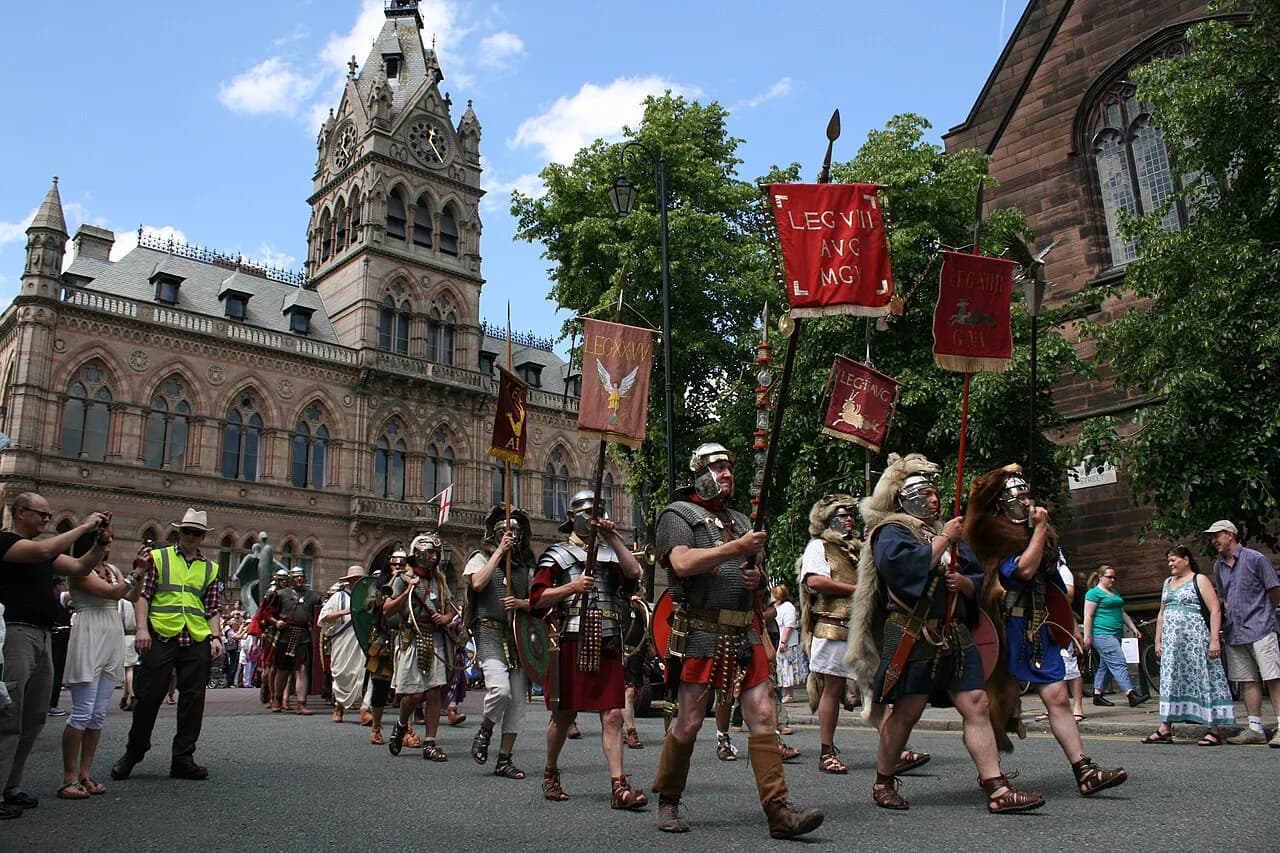
If you would rather be shown around, two bookable options cover the Roman story. The Chester Historic Walking Tour takes in the walls, the amphitheatre and the Rows with a guide, advertised from £15. The Roman Soldier Patrol Tour is led by a costumed legionary of the Twentieth Legion and is the most distinctly Roman Chester thing you can book, advertised from £10. There is also a day-trip option for visitors based in Liverpool or Manchester, advertised from £25.
Prices are as advertised by the operators and vary by date, so confirm the total when you book rather than budgeting to the pound. The costumed tour suits families; the walking tour suits anyone who wants context on the walls and the Rows as well as the amphitheatre. Book ahead for weekend dates, when these slots go first.
The free half-day route on foot
Start at the Eastgate, walk the eastern walls down to the Roman Gardens, drop into the amphitheatre, then cross the river to Minerva's Shrine and finish at the Grosvenor Museum to see the tombstones up close. That order avoids backtracking and keeps the indoor stop for last, which is useful if the weather turns. It is a comfortable morning or afternoon rather than a forced march.
Costs along this route are nil apart from anything you spend in a café, with the museum free and the outdoor sites free. The main trade-off is that the last leg across the river adds distance when your legs are tired; do the shrine early if you would rather not walk back on tired feet, or save it for a separate riverside stroll.
Trade-offs: rain, steps and what people miss
Everything Roman in Chester except the Dewa Roman Experience is outdoors, so a wet day flattens the plan. The walls are uneven underfoot and the amphitheatre and gardens involve steps and gravel, which matters with a pushchair, a wheelchair or older legs. Build in a free indoor pause at the Grosvenor Museum and the day survives bad weather.
The two sights most often skipped are the ones that reward attention: Minerva's Shrine, because the carving is subtle and lives across the river, and the tombstones in the museum, because they sit inside a building that looks like a general collection. If you have time for only one, choose the museum tombstones on a wet day and the shrine on a dry one.
Pairing a Roman morning with the Rows and the river
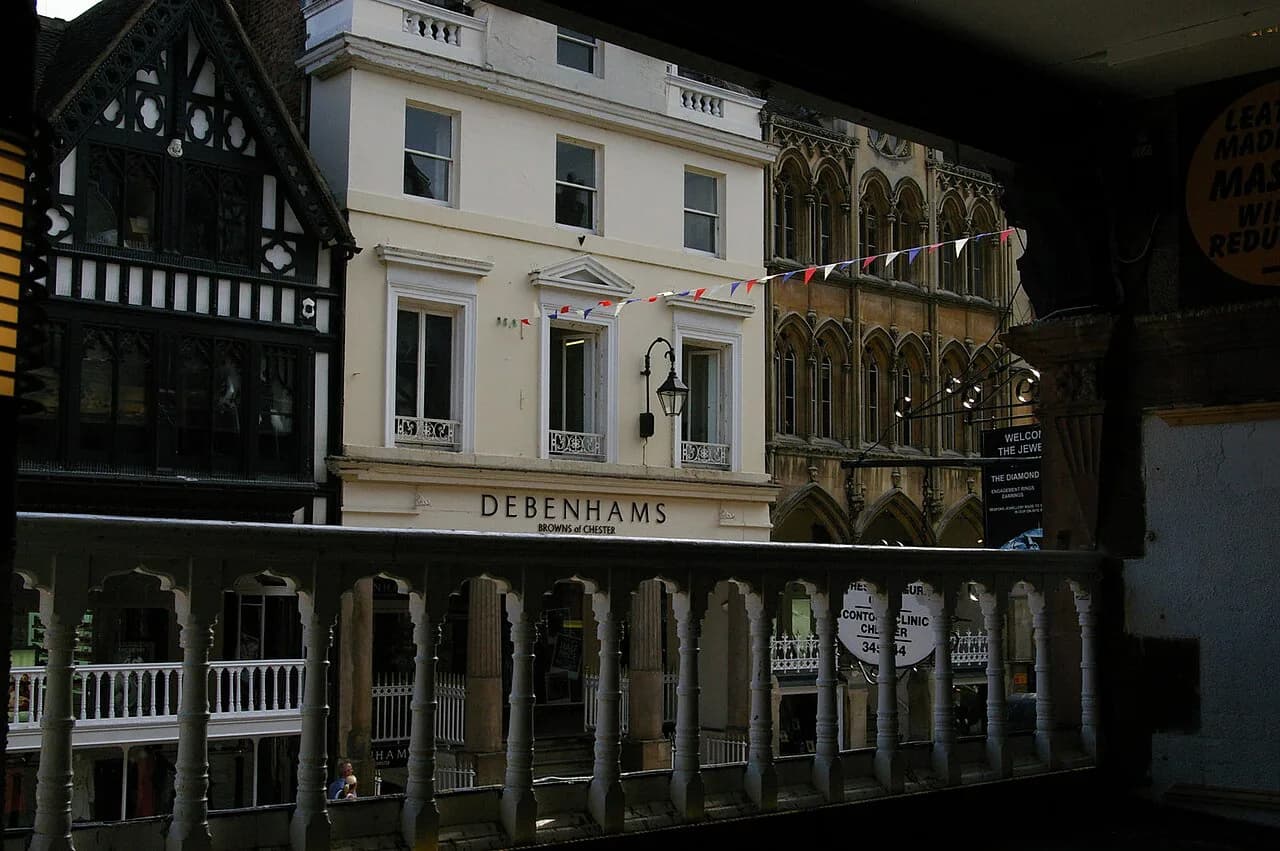
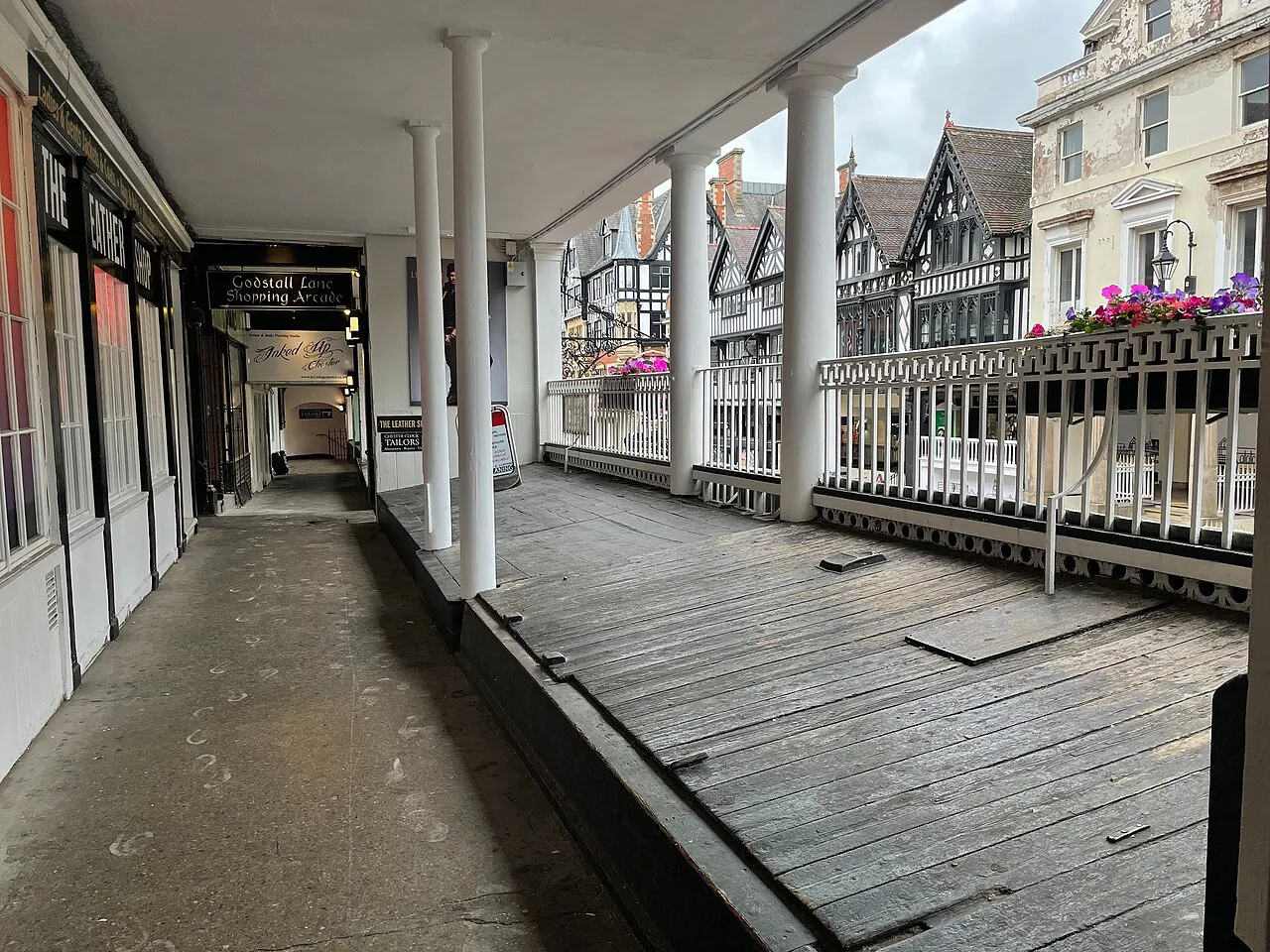
The Rows and the river sit naturally at either end of the Roman route. The Rows are the city's two-tier shopping streets and make an easy lunch stop before or after the walls; the riverside walk links the Roman Gardens to the Handbridge crossing and the shrine. Both are free, which keeps the day cheap.
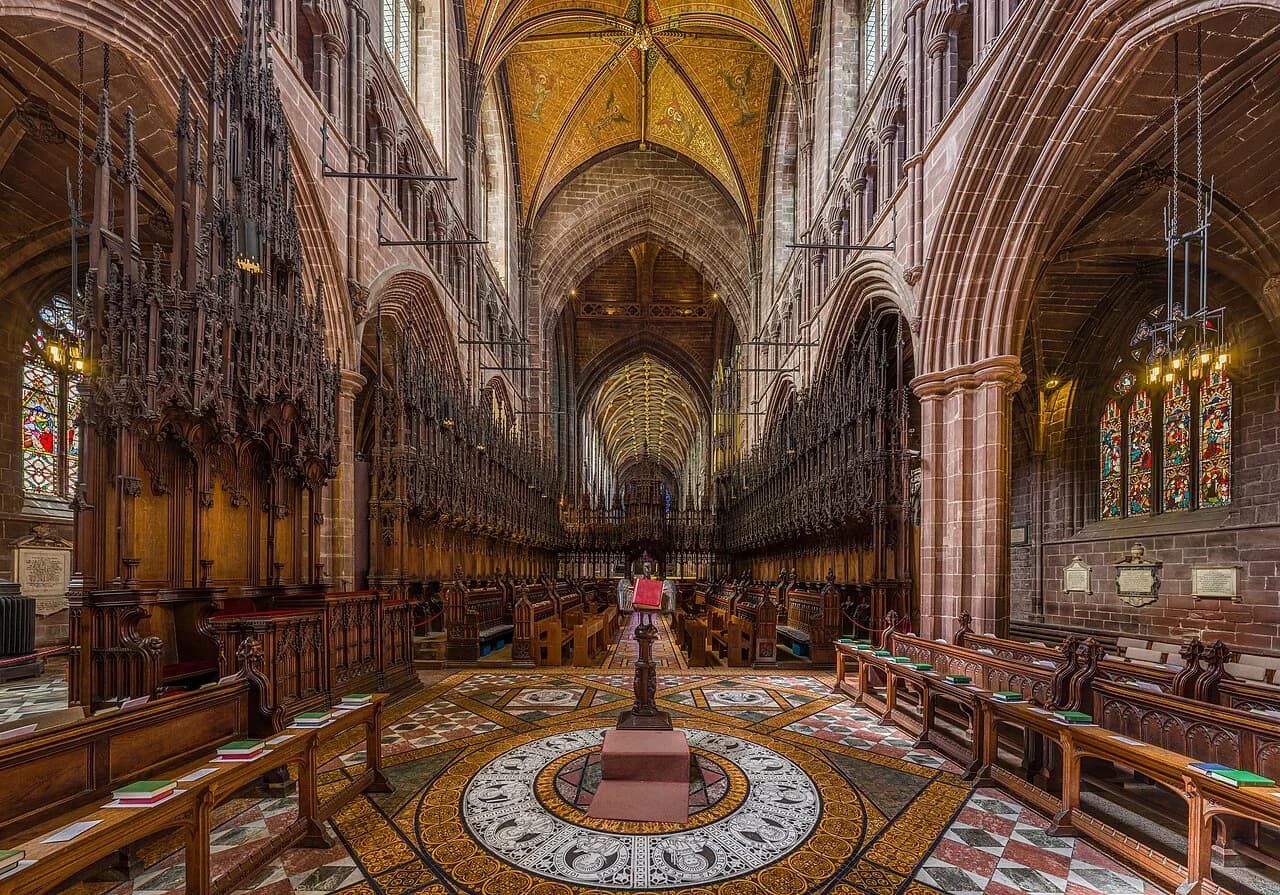
For a change of register, the castle and the cathedral are close enough to combine with a Roman morning, though they belong to different centuries and different owners. Our guide to castles near Chester covers what is local and what charges, and if you want an evening of legends rather than legions, ghost tours in Chester run stories that you should treat as stories, not history.
If you are comparing Roman cities across Britain, Roman York is the natural companion piece, with its own walls and collections.
Plan Your Roman Chester Day
Roman Chester rewards a simple plan: walls and amphitheatre in the morning, gardens and river at midday, shrine across the Dee, museum last. Most of it is free, the walking is easy on flat ground and the only booking decision is whether to add a guided or costumed tour. Check opening times and tour prices before you travel, then let the weather choose between the outdoor circuit and the Dewa Roman Experience.
Explore more Chester guides
Frequently Asked Questions
What was the Roman name for Chester?
The Roman fortress here was Deva Victrix, and the name survives in the Dewa Roman Experience, the city's hands-on indoor attraction. The Roman defences shaped the street plan and part of the wall circuit you can still walk today, so the name is a useful short cut to the whole story.
Is the Roman amphitheatre in Chester free to visit?
Yes. The amphitheatre is free to walk around, and it sits just outside the walls near Newgate. About half of it has been excavated, so you see exposed foundations and a partly revealed curve rather than a rebuilt arena. Allow a short stop rather than a half day.
Where are the Roman Gardens and what is in them?
They form a landscaped strip between the amphitheatre and the river, displaying reassembled columns and hypocaust pillars recovered from across the Roman city. A path runs through the garden from Pepper Street down to the river, so it works as a cut-through between the amphitheatre and the riverside as well as a sight in its own right.
How long should I allow for a Roman day in Chester?
A morning or an afternoon comfortably covers the walls, the amphitheatre, the Roman Gardens, Minerva's Shrine and the Grosvenor Museum's tombstones. The order that avoids backtracking runs from the Eastgate along the eastern walls to the gardens and amphitheatre, then across the river to the shrine, finishing at the museum.
Do I need to book a Roman tour in Chester?
Booking ahead is sensible for the guided walking tour and the costumed Roman soldier patrol, especially at weekends. Both are advertised at a starting price that varies by date, so confirm the total when you book. The free outdoor circuit needs no booking at all.
What should I do in Chester if it rains?
Head for the Grosvenor Museum, which has free entry and holds one of the finest collections of Roman military tombstones in Britain, or pay for the Dewa Roman Experience with its reconstructed fortress street and excavated dig. Both keep you indoors; the amphitheatre, walls, gardens and Minerva's Shrine do not.
Sources
Notes for your next city break
Optional updates to our UK city guides.
You might also like



Continue reading
More guides you'll find useful