History of Chester: Roman Deva to Walkable Walls Guide
Chester's history runs from the Roman fortress of Deva Victrix to the amphitheatre, walls, Grosvenor Museum and Minerva's Shrine you can still visit today.
On this page
Chester's history begins as a Roman fortress. The city was founded as Deva Victrix in AD 79 and grew into one of the most important military settlements in Roman Britain, which is why so much of the ancient layout still shapes the centre today.
The useful thing for a visitor is that the Roman and medieval layers sit on top of each other in a compact, walkable centre. You can trace the defences on foot, stand in the arena, then read the objects that came out of the ground, all within a couple of miles.
This guide follows that route through the evidence, separating what is free to see from what you pay for and book, and flagging the steps, uneven ground and ongoing excavation that shape a realistic half day.
Why the Romans Built at This Bend of the River Dee
Deva Victrix was a legionary fortress, sited at a bend of the River Dee with access to the sea and a defensible position. Over time it became one of the most significant military bases in the province, and the name Deva survives in the modern city.
The fortress did not vanish when the legions left; its street lines and defensive circuit were reused by the medieval town that followed. That continuity is what makes Chester unusual: you are walking through a Roman plan that was never fully erased.
For context on how Chester fits into the wider story of the region, the port city across the water offers a useful comparison. The history of Liverpool shows how a later settlement grew around a different kind of waterway, the River Mersey, and reading the two side by side makes Chester's Roman origins stand out more sharply.
The City Walls: Britain's Most Complete Roman and Medieval Circuit
Chester's walls form the most complete circuit of Roman and medieval defensive walls in Britain. The full loop runs about two miles and gives elevated views over the city, the river and the surrounding countryside, with information plaques and viewing platforms along the way.
Walking the walls is free and needs no booking, which makes it the best introduction to the city's shape. Allow a comfortable half day if you stop at the plaques and viewpoints, and expect steps and uneven sandstone underfoot in places.
The walk works best as a self-guided orientation before you visit any paid attraction. Start early, follow the full circuit, and note the points where the wall meets the amphitheatre and the river, so you can plan the rest of your day around what you have seen.
The Amphitheatre: Britain's Largest Known Roman Arena
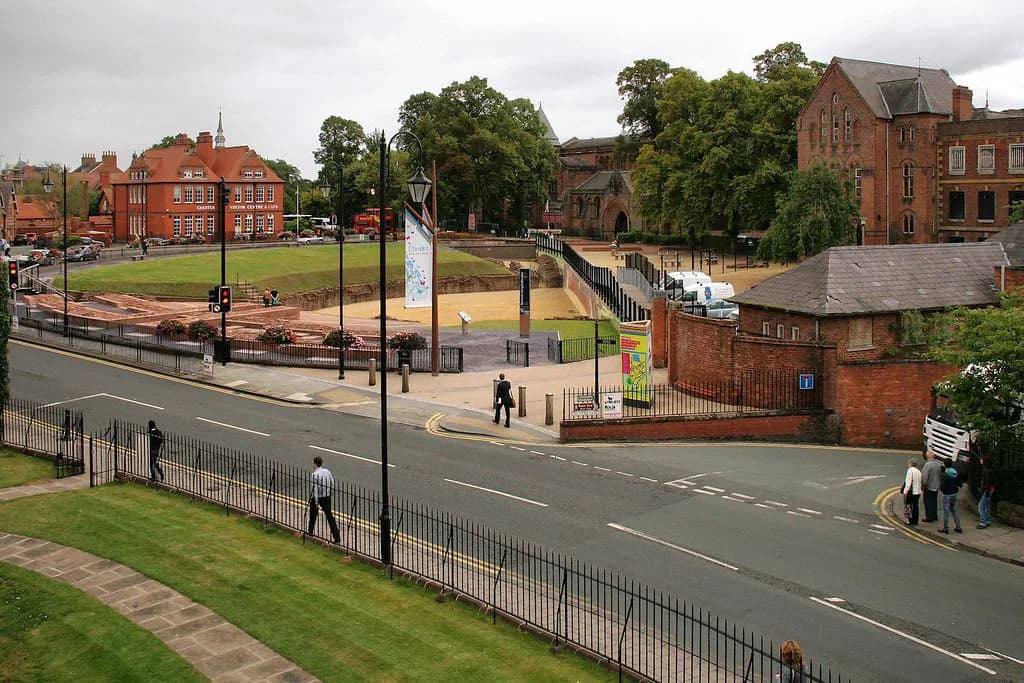
Just outside the walls near the east gate, Chester's Roman amphitheatre is the largest known in Britain and once held up to 8,000 spectators for gladiator games, military training and public events. A significant portion of the site is visible and free to explore.
Excavation at the site is still ongoing, so the arena reads as a partly revealed monument rather than a fully reconstructed one. Treat the ground as uneven and wear sensible shoes, especially after rain.
In summer the grounds can host historical reenactments or open-air theatre, but these are occasional events rather than a fixed programme. If a performance is the reason for your visit, check the listings for the amphitheatre before you travel rather than counting on a show being staged during your stay.
Minerva's Shrine and the Roman Underground
Across the River Dee, a short walk over the Old Dee Bridge brings you to Minerva's Shrine, one of the UK's few surviving in-situ Roman rock carvings. Cut directly into the sandstone cliff and dedicated to the goddess of wisdom and war, it is weather-worn but worth the walk, and it pairs naturally with a riverside stroll.
Beneath the streets, chambers, crypts and Roman remnants lie under shops and thoroughfares, reachable only on guided tours. Local companies run Roman Chester walking tours led by historians in costume, often including underground locations and the story of how the fortress became a medieval market town.
Booking ahead is sensible in the busy summer season, when tour places fill quickly. These tours are the paid counterpart to the free walls and amphitheatre, and they earn their place if you want access to the underground spaces you cannot otherwise enter.

Reading the Objects at the Grosvenor Museum
The Grosvenor Museum on Grosvenor Street is where the Roman story becomes tangible. Entry is free, and the collection includes pottery, tools, coins and weapons found in and around the city.
The highlight is the gallery of Roman tombstones, many found on the outskirts of the old city. Inscribed in Latin and often carved with a portrait of the deceased, they give a personal window into the soldiers and civilians who lived here.
If museum-going is the core of your trip, the wider guide to museums in Chester sets the Grosvenor alongside the city's other collections, while the round-up of free museums in Chester helps you build a low-cost day around the free-entry sites.
The Dewa Roman Experience: Hands-On Versus the Free Museum
The Dewa Roman Experience on Pierpoint Lane takes a different approach. It is an interactive attraction where costumed staff lead you through reconstructions of Roman streets, an archaeological dig and real Roman remains beneath the city, with armour and mock drills aimed at children.
The trade-off is straightforward: the Grosvenor Museum gives you authentic objects for nothing, while the Dewa Roman Experience gives you atmosphere and hands-on activity, which makes it the better pick for families with young children.
If you want a fuller picture of what is on offer across the city before deciding, browse the Chester attractions guide and match each site to the time and budget you have.
From Fortress to Medieval Market Town
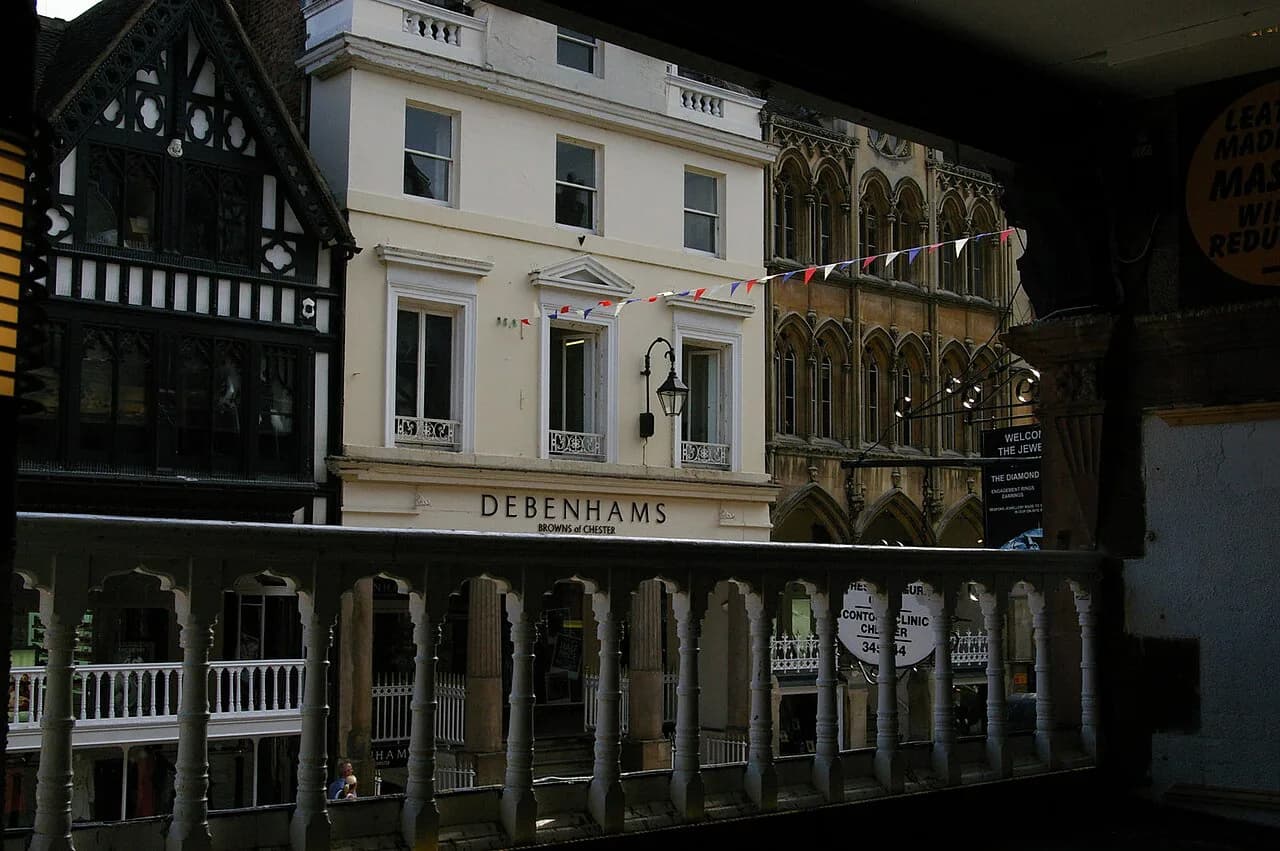
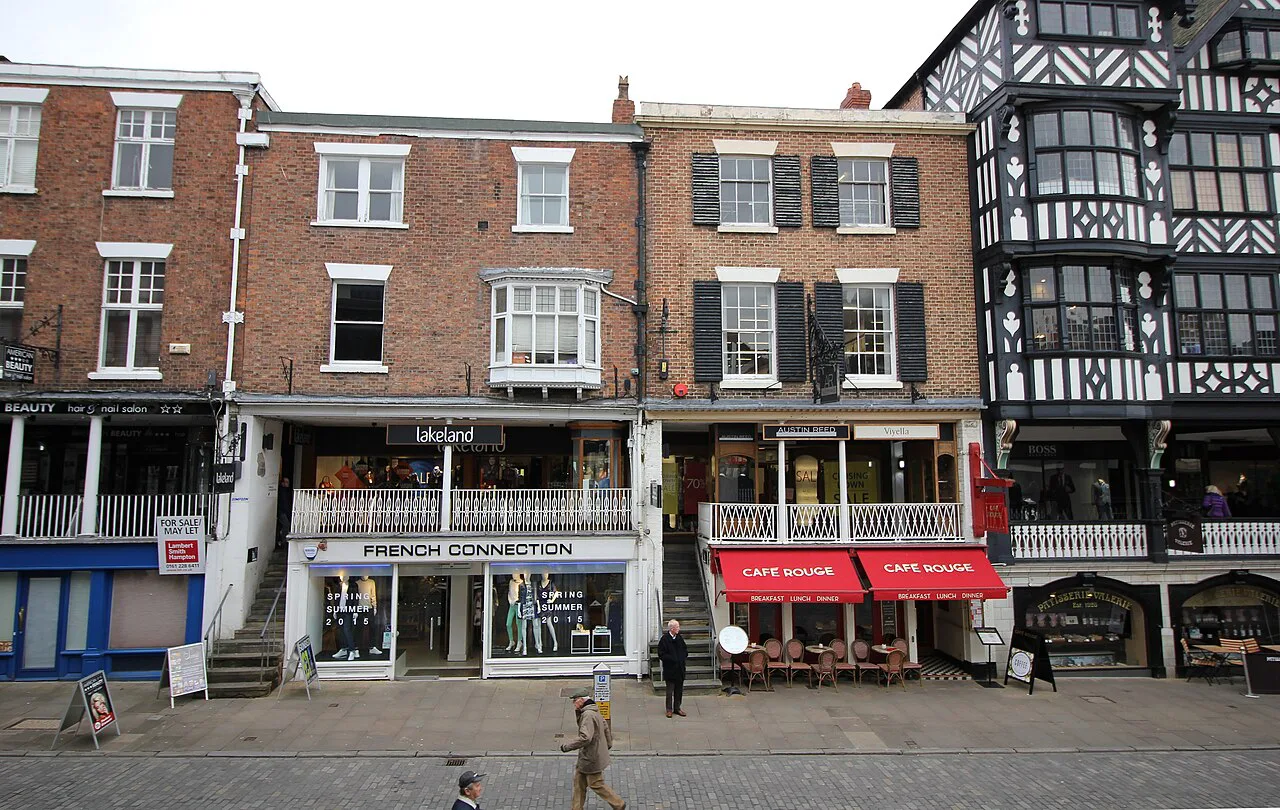
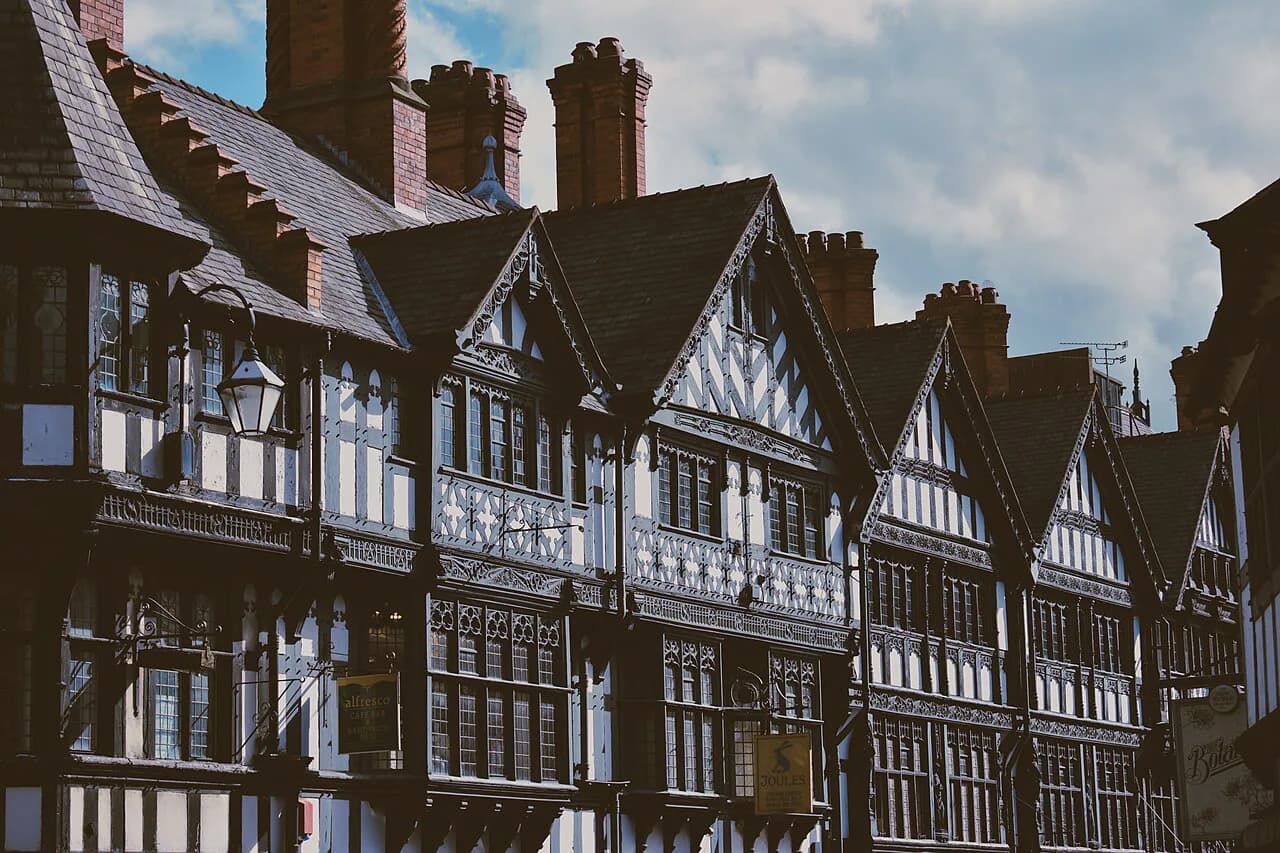
After the Romans, Chester continued as a defended settlement, and the medieval town grew within and along the Roman circuit. The street pattern you walk today still reflects that inheritance, with the historic centre now given over to shops, bars and restaurants.
That layering is what makes a wander through the centre rewarding: the same lines that once held a legion now carry shoppers, and the walls still frame the whole city.
For the medieval and later chapters, the castles around Chester and the border country give you the next stretch of the story. They also show how defence shaped this part of England long after the legions withdrew.
A Half-Day Route Tying It Together
Start on the walls and walk the full two-mile circuit for orientation and views. Drop down at the east gate for the amphitheatre, then cross the Old Dee Bridge to see Minerva's Shrine before returning to the centre.
Finish at the Grosvenor Museum on Grosvenor Street to see the tombstones and everyday objects, which makes sense of everything you have just walked past. If you want the underground chambers, book a guided Roman tour for the same day or the next.
A half day covers the walls, amphitheatre and museum at an unhurried pace; add the Dewa Roman Experience or a guided tour and you have a full day. Walking the circuit involves steps and uneven ground, so plan around the weather and wear comfortable shoes.
Practicalities: What Is Free and What to Book
The walls, the visible portion of the amphitheatre and the Grosvenor Museum are free to visit, so the core of Chester's Roman story costs nothing beyond your time. The Dewa Roman Experience and guided underground tours are the paid elements, and both benefit from booking ahead in summer.
For prices and current opening times, check each attraction's own website before you travel, as these change with the season. The city's official tourism pages are a good starting point for confirmed visitor information.
If you want to extend the historical theme into the evening, ghost tours in Chester trade in legends rather than verified fact, so treat the stories as entertainment. They work well as a light counterpoint to a day of Roman and medieval history.
Plan Your Visit
Chester's history is unusually easy to walk: the Roman fortress of Deva Victrix left walls, an arena and a shrine that you can visit without a ticket, and the Grosvenor Museum turns the finds into a human story. Build your day around those free sites first, then add a guided tour or the Dewa Roman Experience if you want more depth.
Allow a half day for the walls, amphitheatre and museum, and a full day if you add the underground tour or the hands-on attraction. Check current opening times and tour availability before you travel, and wear shoes that can handle steps and uneven sandstone.
Explore more Chester guides
Frequently Asked Questions
Is Chester a town or a city?
Chester is a city, with a centre compact enough to explore on foot. Its Roman and medieval defences still shape the street pattern you walk today.
Where did the name Chester come from?
The name derives from the Latin castra, meaning a fort or camp, which reflects Chester's origins as the Roman fortress of Deva Victrix. Many English place names ending in chester share that root.
What Roman remains can you see in Chester?
The city walls, the amphitheatre near the east gate and Minerva's Shrine across the Old Dee Bridge are the most visible. The Grosvenor Museum holds the objects, including Roman tombstones.
Is the Grosvenor Museum free?
Yes, entry to the Grosvenor Museum is free. It houses pottery, tools, coins and weapons found in and around Chester, with a gallery of Roman tombstones.
How long does it take to walk Chester's walls?
The full circuit is about two miles. Allow a comfortable half day if you stop at the plaques and viewpoints, and expect steps and uneven ground.
Do I need to book a Roman walking tour in Chester?
Booking ahead is recommended, especially in the busy summer season. Local companies run tours that include underground chambers and crypts not otherwise accessible.
Sources
Notes for your next city break
Optional updates to our UK city guides.
You might also like


Continue reading
More guides you'll find useful