Haunted Places in Liverpool: Where to Find Them
Liverpool's haunted places, from the Adelphi Hotel to Smithdown Road, told as legend: what each story claims, where it is and how to visit.
On this page
The haunted places in Liverpool are a set of legends, and they are best enjoyed as exactly that. The city's most-told ghost stories cluster around one grand old hotel and a handful of residential streets, and none of them is a sight you buy a ticket for. Think of them as an atmospheric layer over a city break built on museums, docks and music, not as a checklist of verified supernatural sites.
This guide separates what the stories claim from what a visitor can actually see. You will find the Adelphi Hotel, the Smithdown Road house and the way paranormal groups frame the city, with each tale labelled as folklore. Pair a ghost-themed evening with a daytime round of the museums in Liverpool so the trip stands up whatever you believe.
The Britannia Adelphi Hotel: Liverpool's Most Famous Haunted Address
The Britannia Adelphi Hotel dominates Liverpool's ghost lore more than any other building. Ghost-hunting write-ups describe the Adelphi as a venue for organised ghost hunts and ghost walks, and note that local paranormal groups treat it as a favourite location. That framing matters: the stories are attached to the building by enthusiasts and investigators, not established as fact.
What makes the Adelphi unusual among haunted sites is that it is a working hotel in the middle of the city, so the legend comes with a doorstep you can walk past on any evening. If you want the story to do the work, a guided walk that includes the building is the sensible way in, since the tales belong to the telling rather than to anything on display. Look at how ghost tours in Liverpool frame the hotel, and expect theatrical storytelling rather than evidence.
Treat the haunted reputation as one part of the hotel's identity rather than its selling point. Anyone booking a room is choosing a period building with all the quirks that implies, and the ghost stories are a bonus for the imaginative. What the hotel publishes about its own history and rooms is the thing to read before you decide; the paranormal claims come from outside the building's own account.
Smithdown Road: The House Nobody Will Live In
The Smithdown Road story is Liverpool's most domestic haunting: a large house on the street that, according to the legend, stands empty because nobody will live in it. The tale is told in short video form online, where the supposed haunting is presented as a piece of local curiosity rather than a documented case.
This is the clearest example of a story you cannot visit. Smithdown Road is an ordinary residential street in the south of the city, and the house in the tale is somebody's property, so the right approach is to enjoy the story from a distance and keep walking if you pass through. Photographing doorways and peering through windows turns folklore into a nuisance for residents.
Use the story as a prompt to look at the street properly instead. Smithdown Road is a long, busy route lined with everyday Liverpool life, and it rewards a wander for its shops and cafés rather than for anything supernatural. If the ghost story is what gets you there, fine, but the reason to go is the neighbourhood itself.
Why Liverpool Has So Many Ghost Stories
Port cities collect ghost stories because they collect old buildings, cellars, dockside warehouses and institutions that have been repurposed many times over. Liverpool's maritime past gives storytellers a deep supply of dark corridors and unexplained corners, and the city's habit of turning historic buildings into museums and bars keeps those spaces in public view. The result is a folklore that feels close at hand rather than tucked away in a ruin. The same is true of the haunted places in York, where old walls and ancient streets carry their own share of legends.
There is also a commercial engine behind the tales. Organised ghost hunts, ghost walks and paranormal group evenings give stories an audience and a reason to be retold, and the Adelphi's reputation has been amplified by exactly that circuit. None of this makes the stories false or true; it simply explains why they persist and why they cluster around certain addresses.
For a visitor, the useful takeaway is that Liverpool's hauntings are a storytelling tradition with real places attached. Read them alongside the history of Liverpool and the stories gain context: the same docks, courts and hotels that produced the legends produced the documented past. Keeping the two side by side is what makes a ghost-themed break satisfying.
How Ghost Tours Present the City's Hauntings
Ghost walks and paranormal events are where most visitors meet Liverpool's hauntings, and the good ones are clear that they are telling stories. Expect a guide, a route through old streets and buildings, and a narrative built for atmosphere. The Adelphi appears on this circuit as a stop and sometimes a venue, which is why its name comes up so often. Ask any operator directly whether the tour enters buildings or stops outside them, since that shapes how much you actually see.
Book on the tour company's own page rather than through a reseller, and note the meeting point and the walking distance before you pay. Tours run in the evening and much of the route is outdoors, so weatherproof layers and comfortable shoes matter more than any gadget. Group sizes and whether the walk is family-friendly vary, so phone or email the company if you are bringing children.
Keep the ticket price and the schedule off your plan until they are final. Prices and start times change with the season, and the tour company's booking page is the only place that carries the current version. That habit also protects you from turning up for a walk that has moved its meeting point.

Visiting Haunted Sites: What You Can Actually See
Almost none of Liverpool's hauntings has a visitor attraction attached. The Adelphi is a hotel you can walk past or stay in, Smithdown Road is a residential street, and the rest of the legends sit on ordinary buildings. Plan a ghost-themed day as an evening walk plus a daytime sightseeing route, not as a sequence of ticketed haunted sites.
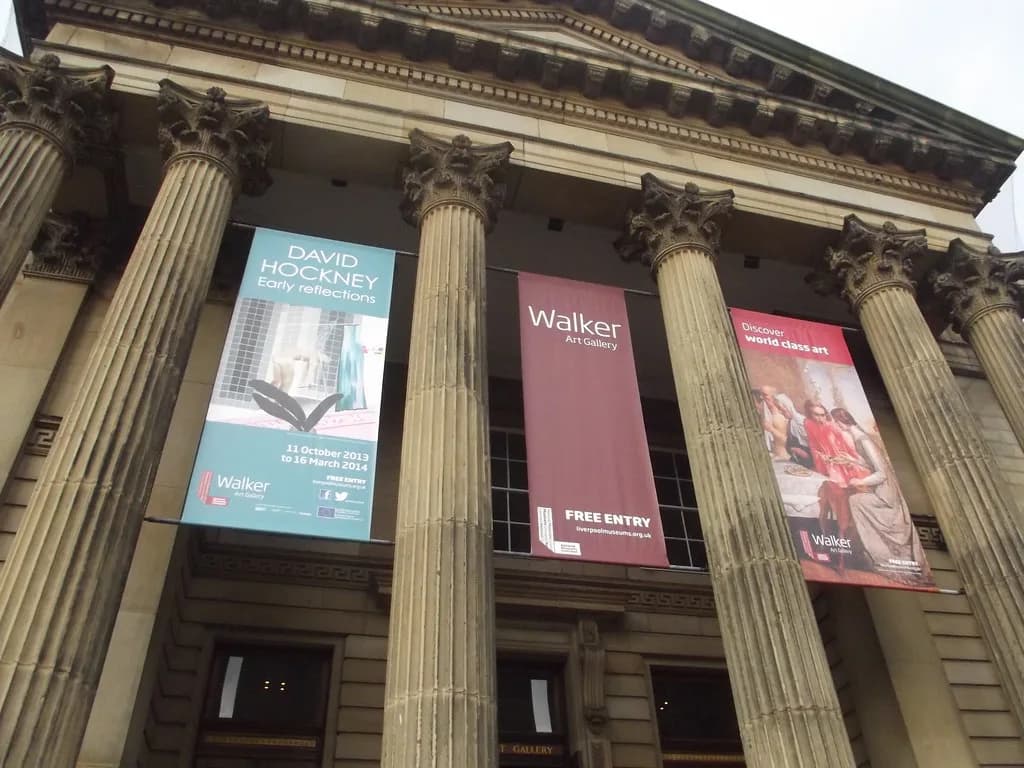
Use free museums and galleries to fill the daylight hours so the evening walk has a contrast. National Museums Liverpool runs the city's major collections, and several of them sit within walking distance of the waterfront, which makes a natural daytime counterweight to a night of ghost stories. If the weather turns, a museum is also the obvious fallback.
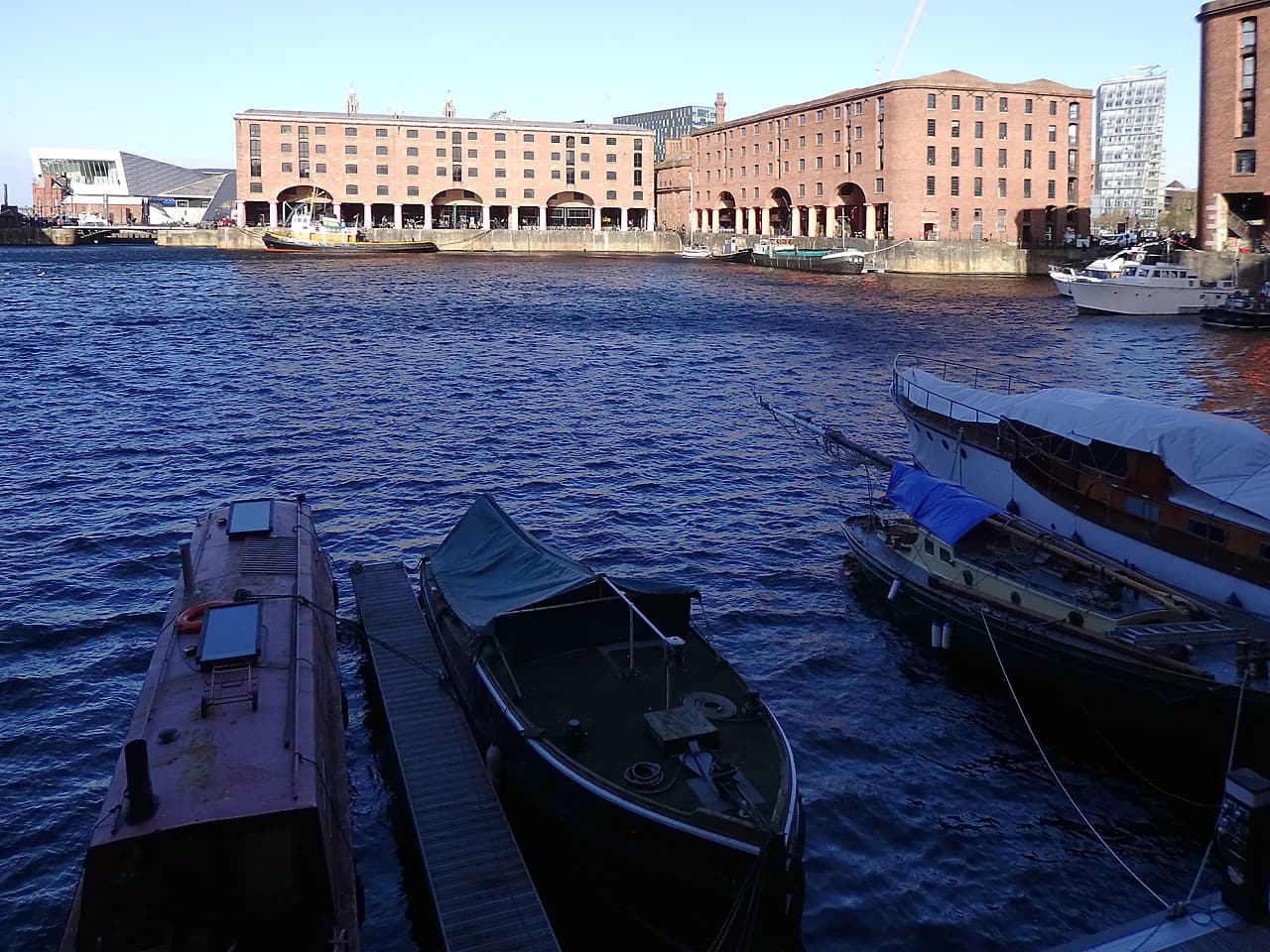
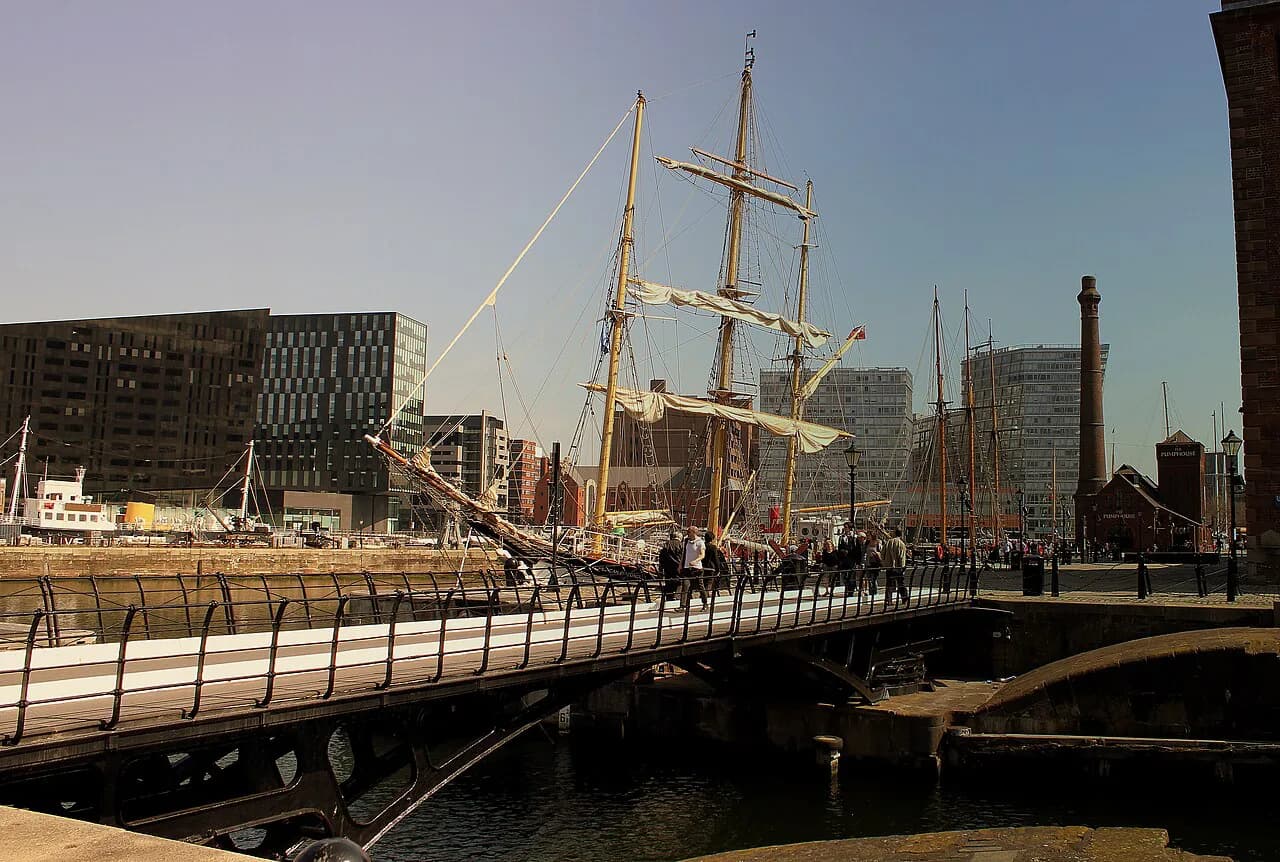
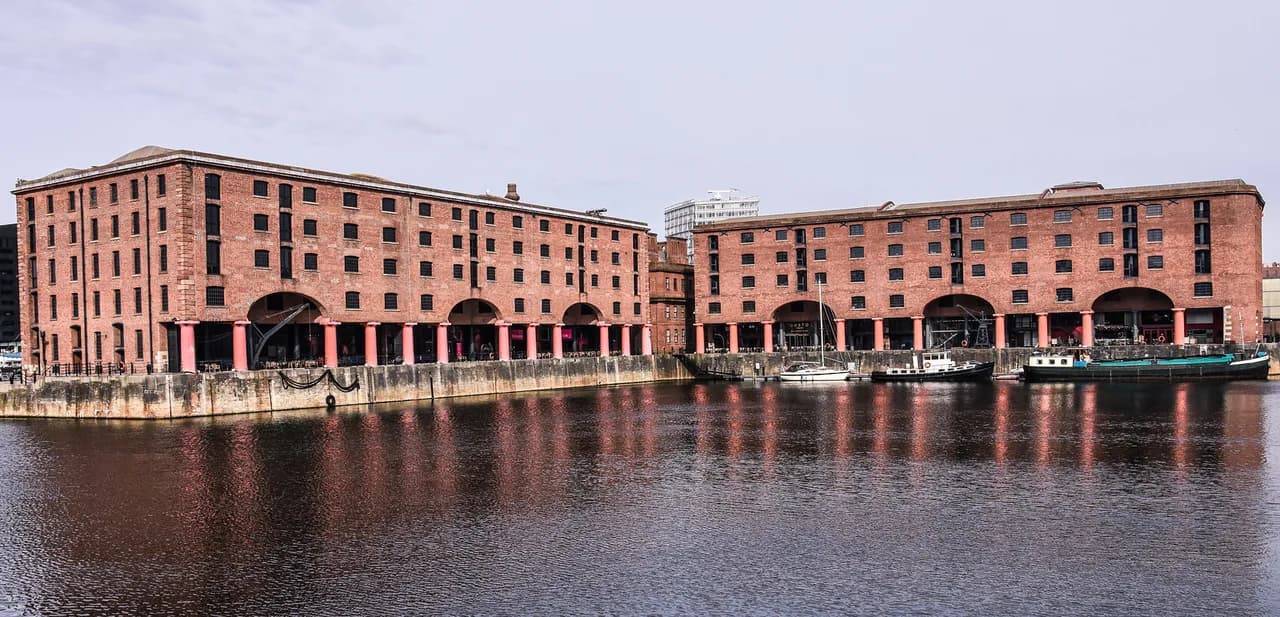
For a broader mix of things to do, the waterfront is the anchor of most city breaks: the Royal Albert Dock holds museums and galleries in converted warehouses, and the riverfront walk gives you a sense of the port that produced the stories. A guided Liverpool walking tour in the afternoon pairs well with a ghost walk later, since you get the documented history first and the legends second.
Separating Legend from History
A simple rule keeps a ghost-themed trip honest: if a claim concerns a spirit, a curse or a house nobody will live in, treat it as folklore; if it concerns a building's date, owner or use, look for a heritage or museum source. The Adelphi's ghost hunts are well documented as events, which tells you the stories circulate widely, not that anything has been proven. Smithdown Road's empty house is the same: a story told online, not a finding.
Ghost stories also age, and the details drift with each retelling. When a version gives a year or a specific incident, that is the moment to slow down, because those are the parts most likely to be embellishment. A story with fewer specifics is often the older, sturdier one.
This is why the strongest ghost-themed itineraries mix in real history. A day that includes the history of Liverpool alongside an evening of legends gives you the evidence and the entertainment in the right order, and you leave knowing which is which.
Practical Tips for a Ghost-Themed City Break
Base yourself in the centre so an evening walk ends near your bed. The waterfront and the commercial core are compact and walkable, and staying centrally means you are not relying on late transport after a tour finishes. If you want the full haunted-hotel experience, the Adelphi itself is the obvious address to price up, but read the hotel's own description of its rooms and facilities first.
Book the ghost walk first and build the rest of the trip around it, because evening tours sell out at busy times and their start times are fixed. Then fill the days with museums and galleries that are open when you need them, keeping one flexible afternoon for whatever the weather does.
Dress for standing about outdoors. Even a summer evening on Merseyside gets cold near the river, and a tour that stops to talk will have you stationary more than you expect. Flat shoes, a waterproof and a torch-free phone battery are the practical essentials.
Where to Stay if You Want the Haunted Experience
The haunted stay in Liverpool means one building: the Adelphi. It is a city-centre hotel with a long association with ghost hunts and paranormal groups, and it is within walking distance of the main sights. Book through the hotel's own site so the description you read is the one the hotel stands behind, and ask about room types directly rather than relying on a reseller's summary.
Elsewhere in the centre, any well-located hotel gives you the same base with less gothic flavour. The trade-off is atmosphere versus predictability: the Adelphi delivers the legend, while a modern chain delivers a quiet night. Neither is wrong, and plenty of visitors split a trip between the two.
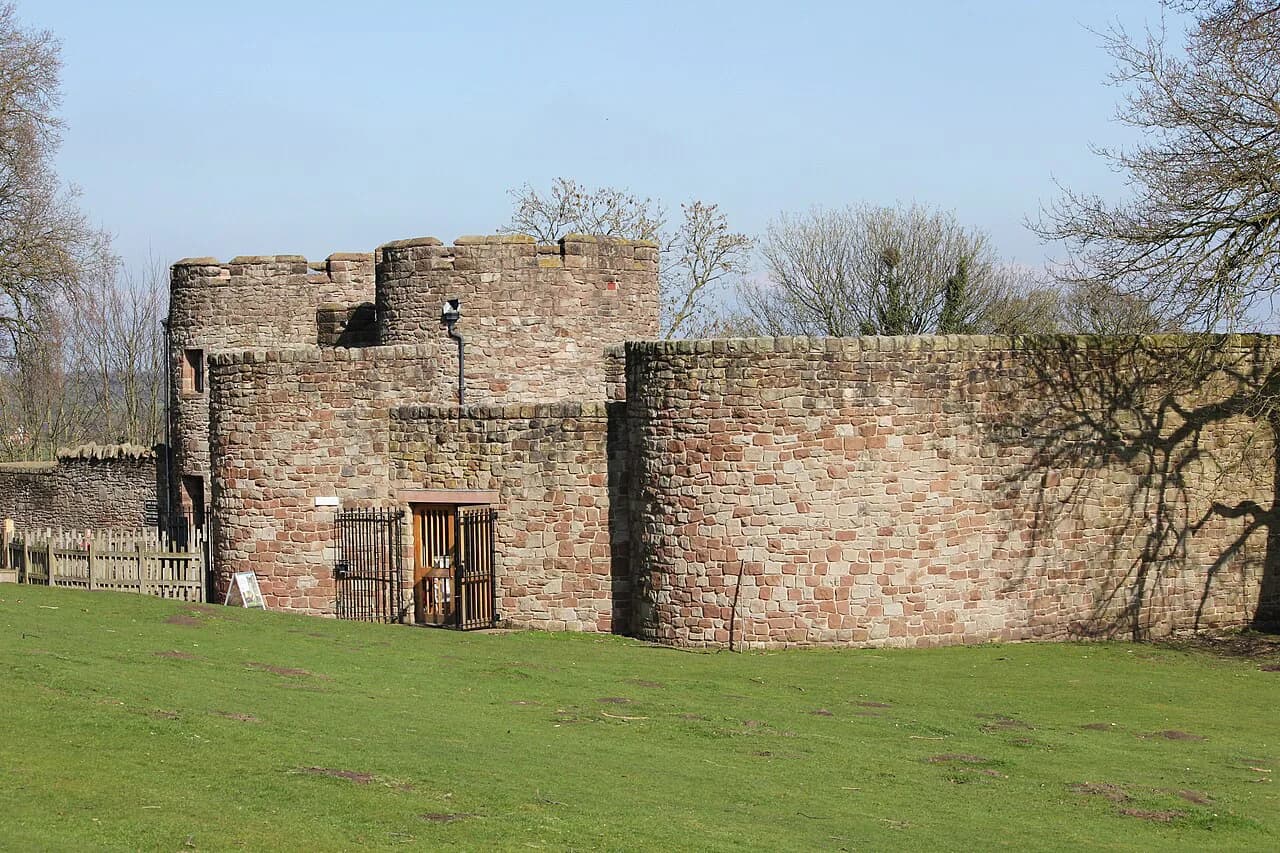
If your taste for hauntings is architectural rather than paranormal, look outward: the castles near Liverpool offer ruins, battlements and a genuine sense of the past with none of the storytelling. The National Trust looks after several castles and forts across the UK, including Bodiam Castle in East Sussex and Corfe Castle in Dorset, so its castle listings are the place to start when you want old stone rather than old stories.
Enjoy the Stories, Check the Details
Liverpool's haunted places are a storytelling tradition anchored in real buildings, and the pleasure comes from hearing them well told. Walk past the Adelphi, take a ghost walk, leave the Smithdown Road house to its residents, and let the legends be legends. Before you go, check tour start times and meeting points with the ghost walk companies, and check the Britannia Adelphi Hotel's own site for room details.
Round the trip out with the city's free museums and galleries so the visit stands on more than atmosphere, and you will come home with both the history and the stories straight.
Explore more Liverpool guides
Frequently Asked Questions
What are the most haunted places in Liverpool?
The Adelphi Hotel is the best-known haunted address in the city, according to ghost-hunting write-ups that describe it as a regular stop on ghost walks and a favourite of local paranormal groups. Smithdown Road supplies the other widely told tale, of a large house that supposedly stands empty because nobody will live there. Both are legends rather than documented facts, and the Smithdown Road house is a private property.
Is the Adelphi Hotel in Liverpool haunted?
It is described that way in ghost-hunting material and has been used for organised ghost hunts and walks, but that reflects the popularity of the story, not proof of anything. Treat the haunted reputation as folklore and the building as a working city-centre hotel. Check the hotel's own site for room and booking details.
What is the ghost story about Smithdown Road?
The legend says a large house on the street is empty because nobody will live in it, a story circulated online as local curiosity rather than as a documented case. Smithdown Road is an ordinary residential street, so enjoy the tale without treating the house as a sight or disturbing the people who live nearby.
Are there ghost tours in Liverpool?
Yes. Ghost walks and paranormal events run in the city, and the Adelphi appears on that circuit. Ask whether the route goes inside buildings or stops outside them, and check the start time and meeting point on the operator's booking page before you pay.
Can you stay in a haunted hotel in Liverpool?
You can stay at the Adelphi, the hotel most closely tied to the city's ghost lore, but you are booking a hotel room in a period building rather than a guaranteed paranormal experience. Read the hotel's own description of rooms and facilities and contact it directly with questions before booking.
What is a haunted place worth visiting in Liverpool if you don't believe in ghosts?
Treat the stories as entertainment and spend your days on the city's heritage instead: the waterfront, the ports and the museums give you documented history. A guided walking tour followed by a ghost walk in the evening is a sensible split, and you will learn why the legends attach to those buildings.
Sources
Notes for your next city break
Optional updates to our UK city guides.
You might also like
Continue reading
More guides you'll find useful