History of Nottingham: A Guide to Its Key Sites
A plain timeline of Nottingham's history, from the Norman castle and its sandstone caves to the Lace Market, with the streets and sites where you can still see it.
On this page
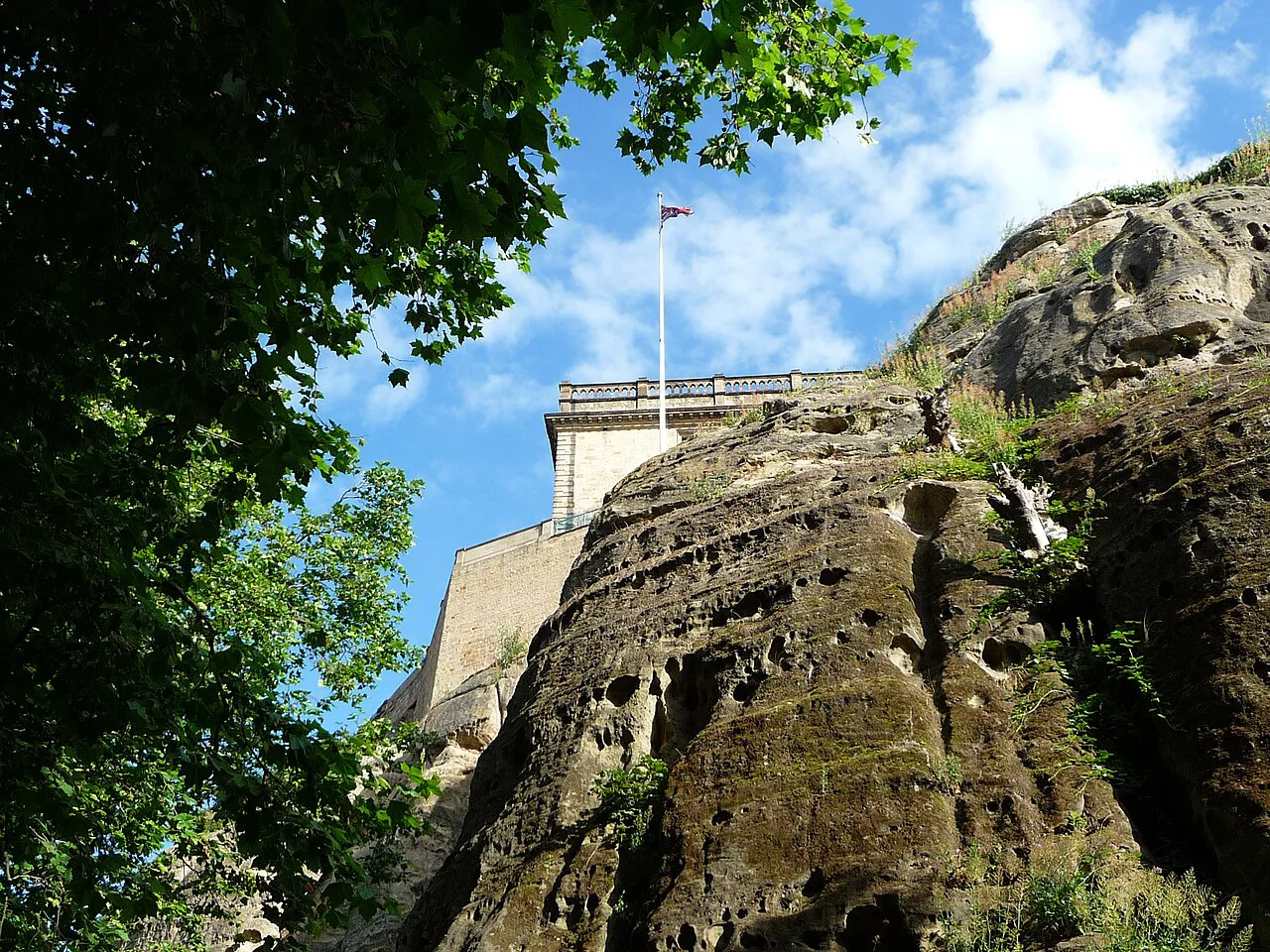
Nottingham's story is easiest to follow on foot, because most of it sits within a few minutes of each other in the city centre. The city rests on a huge sandstone rock, with the castle perched on one edge overlooking the streets below, and the same soft stone that made the site defensible also gave Nottingham a maze of caves that runs beneath it.
Treat the following as a working order for a visit rather than a dull list of dates. Each period has a place attached to it, so you can move from the castle to a cave pub, then up to the Lace Market and out to Wollaton or Ruddington as the day stretches.
Nottingham's history in brief: what to know before you walk it
The useful shape of the story is this: a Norman castle on a sandstone outcrop, a medieval town of knights and pilgrims, a textile trade that made Nottingham a world producer of lace, and a burst of Victorian industry that produced names still recognised today. The city's medieval past comes with tales of knights, crusaders and secret underground caves beneath the castle, and that combination of rock, castle and cloth is what makes the place legible.
A guided tour of the city is the quickest way to get the chronology straight before you start visiting individual sites, simply because the distances are short and the layers overlap. Once you have the order in your head, the Lace Market streets, the castle edge and the cave entrances stop looking like separate attractions and start reading as one story.
The sandstone rock and the caves beneath the city
Nottingham is built on top of a great sandstone rock, and sandstone is soft enough to cut. That geology explains why an intricate maze of caves exists all over the city, dug for storage, shelter and trade over centuries rather than carved as a single scheme.
The honest trade-off is how you see them. There is an entrance near the Broadmarsh shopping centre where a cave tour begins, which suits anyone who wants to go underground properly with a guide. The alternative is to sit inside Ye Olde Trip to Jerusalem, a pub built of caves and narrow passageways that weave back into the rock, and take in the cave interiors over a drink instead of on a tour.
Anyone with an interest in the darker side of the underground city will find the cave network and the old courts and prison buildings a natural pairing, and there are ghost tours in Nottingham that work the same ground after dark. Take the stories as storytelling rather than record.
The Norman castle: the wooden motte and bailey of 1067 and what followed
The first castle here was a wooden structure of motte and bailey design, thrown up in 1067, a year after the Battle of Hastings. That date marks the beginning of Nottingham's documented castle story, and it explains why the site was chosen: a steep sandstone edge is a natural place to hold.
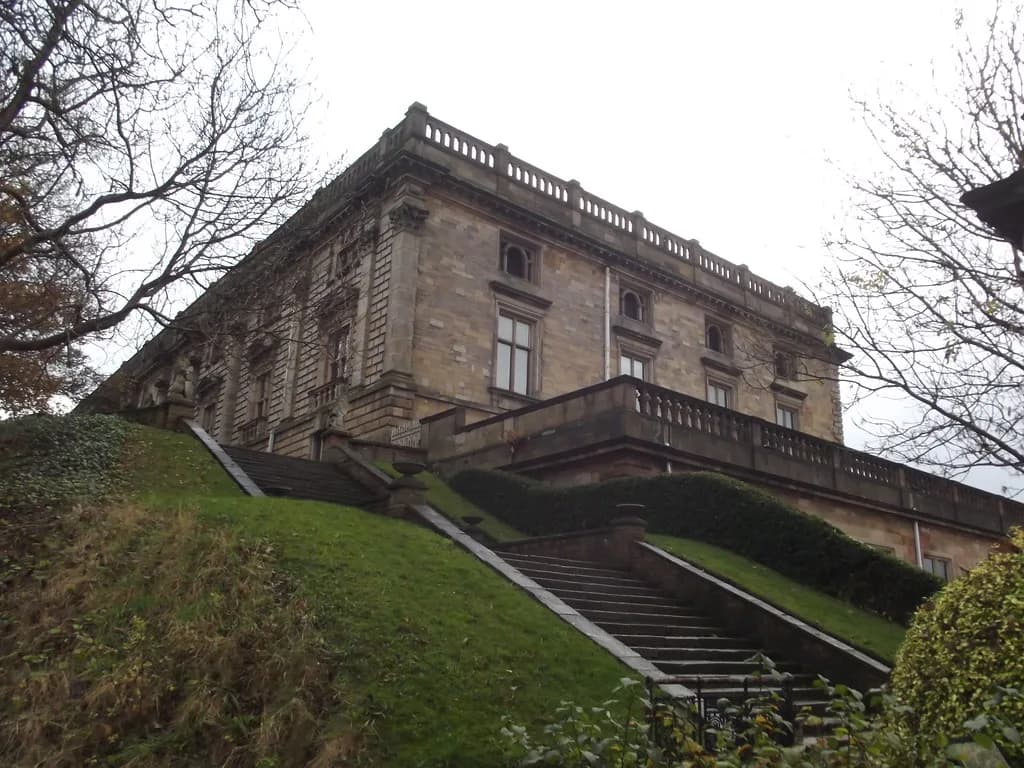
What followed was a long sequence of rebuilding and refortification on the same edge, with the castle keeping watch over the city beneath it. Because the castle sits on the sandstone rim, the ground around it is riddled with the same caves that run under the centre, so the approach is as interesting as the building.
The castle is the obvious anchor for a history day, and it belongs on any shortlist of castles near Nottingham if you want to compare it with other fortifications in the county. Visitor arrangements change, so confirm what is open and how to book on the day you plan to go.
Medieval knights, crusades and Ye Olde Trip to Jerusalem
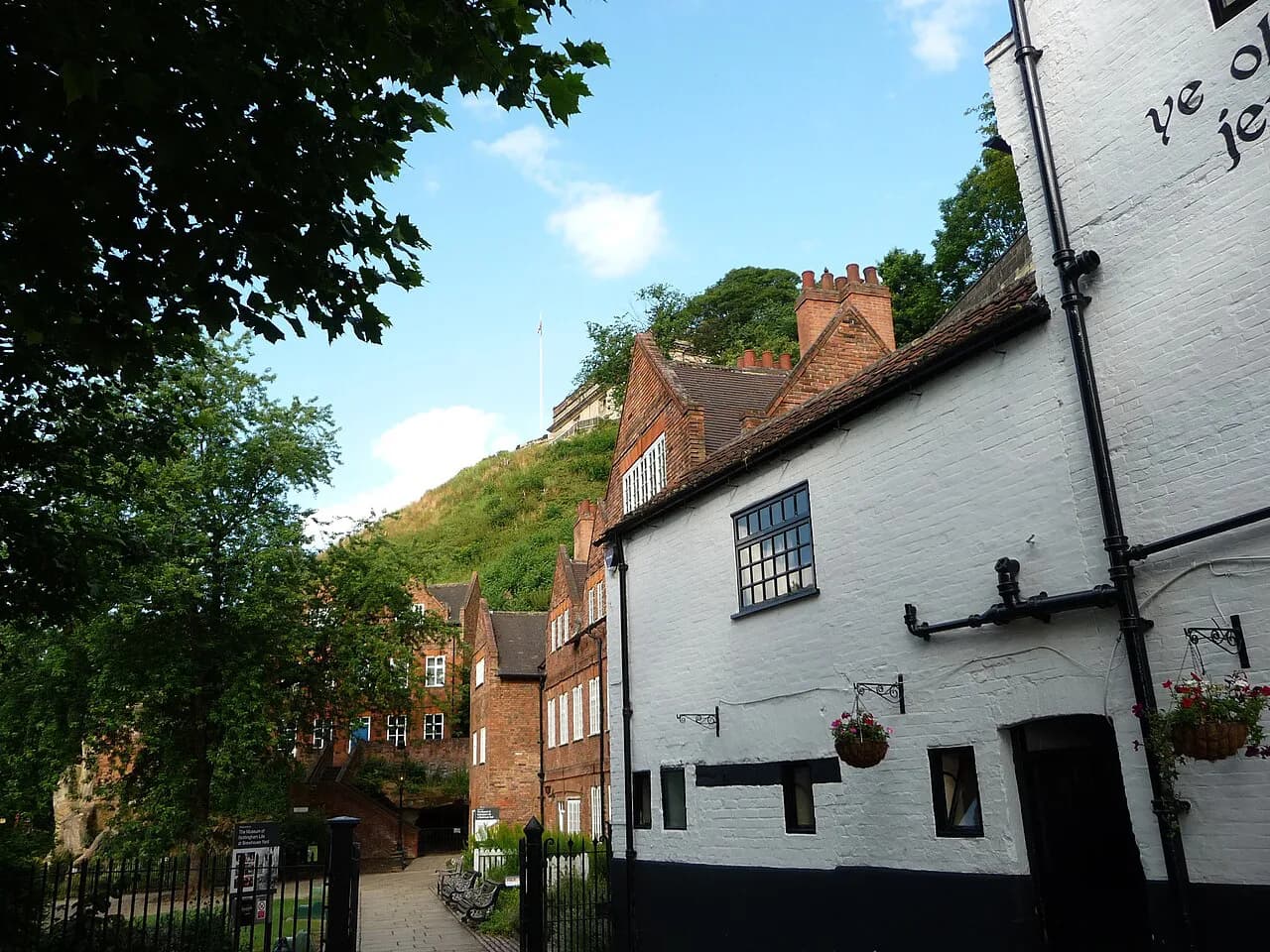
Ye Olde Trip to Jerusalem is the city's most famous drinking hole, and the story told about it is that it dates back to 1198. It is a series of caves and narrow passageways weaving back into the sandstone rock, which is why the interior feels less like a pub and more like a piece of the cliff.
The legend attached to it is that medieval knights gathered here for a few beers before setting off on the crusades some eight hundred years ago. Treat that as local storytelling rather than documented fact, and enjoy it for what it is: a good tale told in a very old room.
Pair the Trip with the Castle Quarter, where the castle, the old streets and the cave entrances sit close together, and you have the densest stretch of history in the city in one walkable cluster. It is also the area where the city's haunted places in Nottingham get most of their material.
Robin Hood: the legend and why it clings to Sherwood
Robin Hood is the name that travels furthest from Nottinghamshire, and tales of the Sherwood bandit turn up everywhere in the county. That is the honest status of the story: a legend, told and retold, not a documented biography you can follow street by street.
What you can actually see is the landscape the legend borrows: Sherwood and the country around it, and a city that has never been shy of using the outlaw as shorthand for the region. Keep the legend in one pocket and the castle, caves and Lace Market in the other, and the visit stays honest without losing any of the fun.
The Lace Market: Nottingham as a world producer of lace and textiles
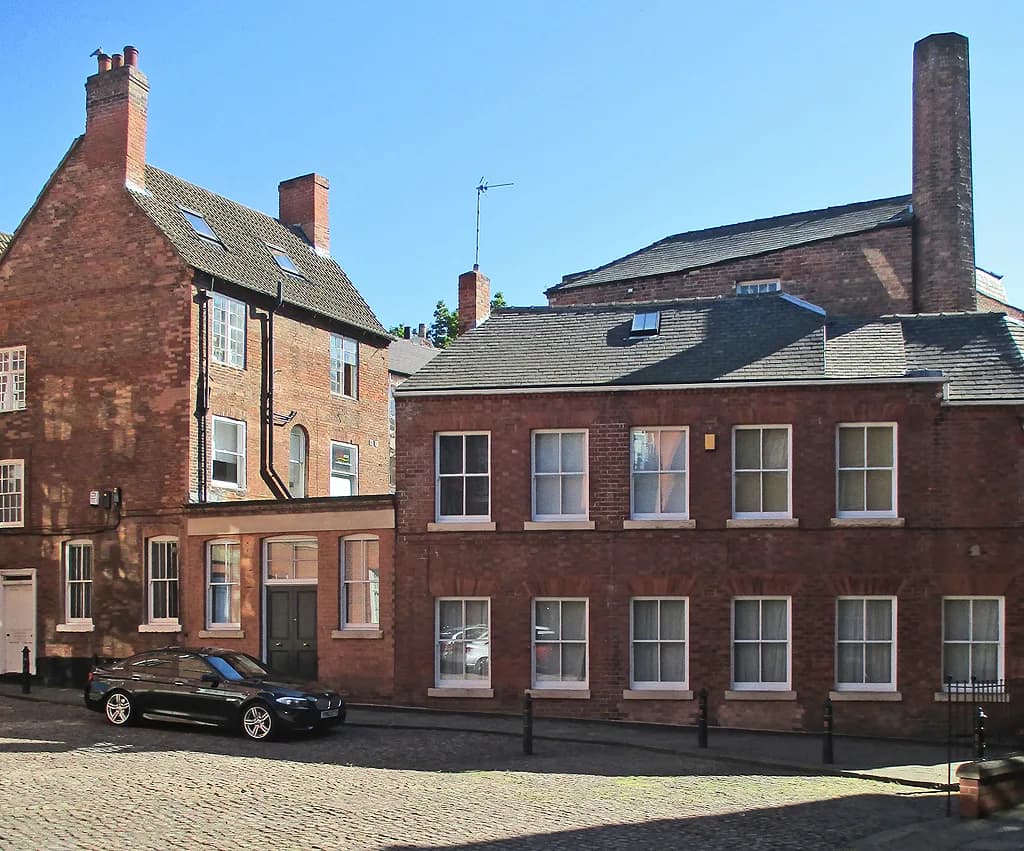
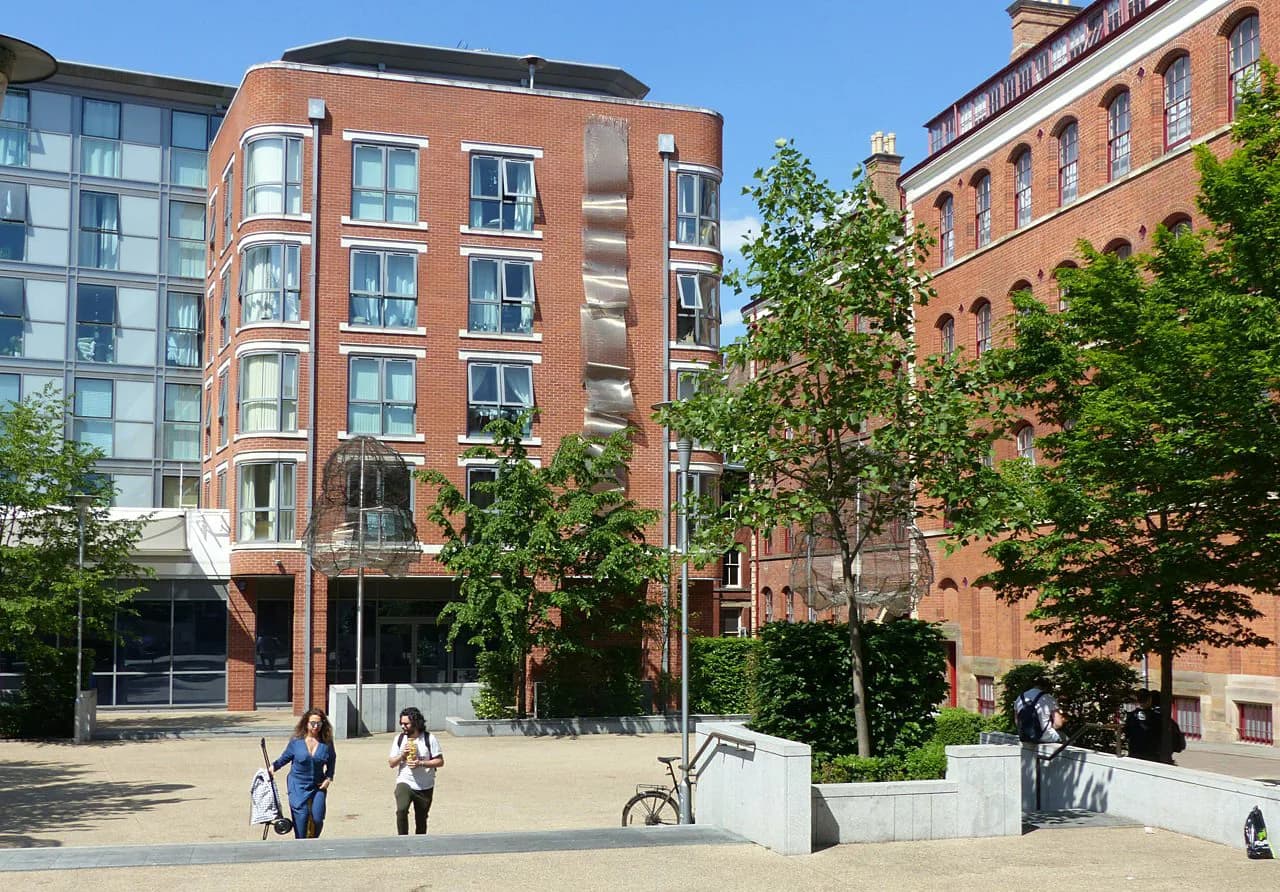
Nottingham's proudest industrial achievement was its former place as the world-leading producer of lace and textiles. The Lace Market preserves the evidence: imposing but handsome former lace factories and workshops, built to impress as much as to manufacture.
Walk the Lace Market streets slowly, because the interest is in the facades, the scale and the street pattern rather than a single exhibit. It is free to wander and it takes under an hour, which makes it a good counterweight to a ticket-based stop elsewhere in the day.
Industrial firsts: Boots, Raleigh and William Booth in the Market Square
Nottingham was a powerhouse of the Industrial Revolution, and its modern history is filled with Victorian energy. Boots began life as a little shop in the Market Square, Raleigh the bicycle maker was born here, and so was William Booth, founder of The Salvation Army.
Cricket followers will know another Nottingham export: the Gunn and Moore bat. The Market Square is the place to start this part of the story, partly because it is the city's civic heart and partly because it costs nothing to stand where the shop once traded.
For anyone building a wider museum day, the city's collections fill in the gaps left by the streets, and the museums in Nottingham are the practical place to check what is on before you commit an afternoon. The free museums in Nottingham are the obvious first stop if the budget is tight.
Wollaton Hall: an Elizabethan house in a deer park
Wollaton Hall was completed around the time Elizabeth I was weighing up the Spanish Armada and Shakespeare was finding his feet as a writer. The house and its park sit outside the tight city centre, so it is a half-day rather than a quick stop, but it gives you the Elizabethan layer that the industrial city otherwise hides.
The park is also a deer park, so the visit works for anyone who wants a walk with their history rather than another glass case. Check what the hall has open and whether you need to book before travelling out, as arrangements vary by season.
The Framework Knitters Museum in Ruddington
The Framework Knitters Museum at Ruddington is the best place to understand the textile trade that made Nottingham, because it deals with the workers and their frames rather than the merchants and their warehouses. It sits outside the compact centre, so it is a separate trip rather than something you fold into a lunch hour.
Pair it with the Lace Market and you get both ends of the same industry: the grand factories in town and the cottage-scale production in the villages. Allow travel time between the two and plan the museum as the anchor of that half of the day.
What to see in a day: a short walking route through the history
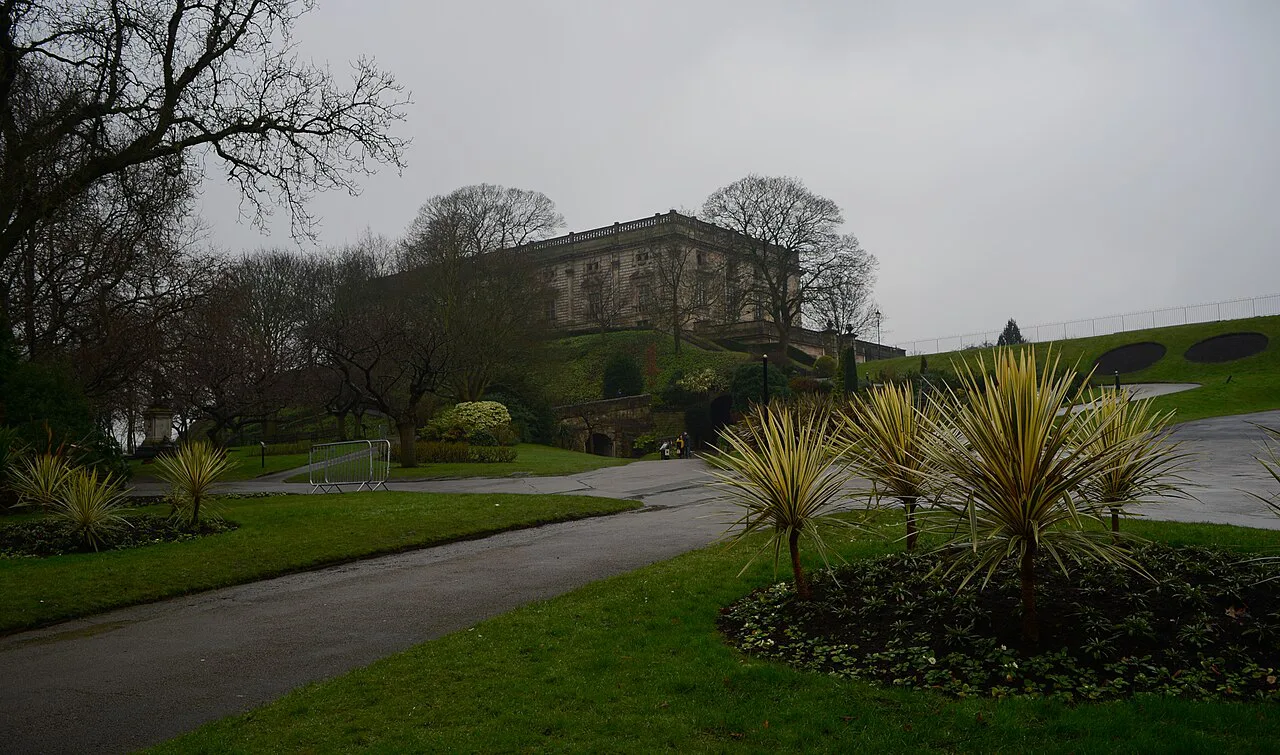
Start on the castle edge, where the sandstone drop, the Norman site and the caves all meet, and allow time to look over the city rather than rushing straight in. Walk down into the Castle Quarter for Ye Olde Trip to Jerusalem, then through the Market Square to pick up the Boots and Booth stories, and finish in the Lace Market as the light softens on the old factories.
That route is compact and mostly on foot, and it covers the castle, the caves, the medieval pub, the industrial firsts and the textile wealth in one line. Save Wollaton Hall and Ruddington for a second day, since both sit beyond the centre and deserve their own time.
If your interests run to pictures rather than factories, the city's art galleries in Nottingham make a sensible addition to the same day, and they sit within the same central area.
Practical notes: tickets, steps and time needed
The main practical points are uneven ground and the underground. Cave tours involve steps and confined spaces, the castle edge involves slopes, and the old pub floors are not level. Wear shoes you can walk in and leave the wheeled suitcase at the hotel.
On money, some stops are streets and squares that cost nothing, while the castle and the museums set their own arrangements. The city makes a point of its heritage and culture, and Nottingham's visitor material sets out the broader picture of what the destination offers, which is useful for planning how to divide a short break.
Bring the chronology with you rather than relying on signs: the sequence from Norman castle to lace market is what makes the individual sites mean something. Book any guided tour and the cave tour ahead if you are visiting at a weekend or in school holidays.
Nearby: where to continue the story
Nottinghamshire rewards a second base. Sherwood and the country around it carry the Robin Hood legend, Wollaton and Ruddington carry the house and the textile trade, and the wider county has enough heritage sites to fill several days beyond the city boundary.
If you like comparing industrial cities, the history of Liverpool makes a natural next read: another port and manufacturing city whose story is told through docks, trade and Victorian ambition rather than sandstone caves.
Plan Your Visit
Nottingham's history is unusually easy to walk because the geology keeps it in one place: castle, caves and old streets on the rock, with the Lace Market a short stroll away. Build the day around the castle edge and the castle quarter, add the Market Square and Lace Market on foot, and give Wollaton Hall or Ruddington a half-day of their own.
Before you go, confirm opening days, any cave tour times and whether you need to book, as these change through the year. Everything else, including the legend of Robin Hood and the crusade tale at the Trip, you can carry in your head and enjoy on the spot.
Explore more Nottingham guides
Frequently Asked Questions
When was Nottingham founded?
The documented starting point for Nottingham's castle story is the wooden motte and bailey castle built in 1067, a year after the Battle of Hastings. The town around it grew over the following centuries, so use the castle as the anchor rather than looking for a single founding date.
What is Nottingham famous for in history?
Nottingham is known for its Norman castle on a sandstone rock, the caves cut beneath the city, its former place as a world-leading producer of lace and textiles, and Victorian industry that produced Boots, Raleigh and William Booth. Robin Hood is the county's most famous export, but he belongs to legend rather than documented history.
Where are the caves under Nottingham?
The caves run throughout the city because it sits on soft sandstone, and there is a cave tour entrance near the Broadmarsh shopping centre. Another way to see the interiors is Ye Olde Trip to Jerusalem, a pub made of caves and passageways that reach back into the rock.
Was Robin Hood real?
Robin Hood is a legend, retold for centuries, rather than a figure with a documented life you can trace through the city. The Sherwood stories are part of Nottinghamshire's storytelling identity; enjoy them as tales and keep the castle, caves and Lace Market as the documented history.
What was Nottingham's role in the Industrial Revolution?
Nottingham was an industrial powerhouse, and its textile trade made it a world-leading producer of lace. Boots began as a small shop in the Market Square, Raleigh the bicycle maker started here, and William Booth, founder of The Salvation Army, was born in the city.
Where is the Lace Market and what was it?
The Lace Market is the central district of imposing former lace factories and workshops, built when Nottingham led the world in lace and textiles. It is free to walk and rewards a slow look at the buildings rather than a single museum stop.
What can you see of Nottingham's history in a day?
Walk the castle edge and the Castle Quarter, call in at Ye Olde Trip to Jerusalem, cross the Market Square for the Boots and Booth history, and finish in the Lace Market. Wollaton Hall and the Framework Knitters Museum at Ruddington sit outside the centre and need their own half-day.
Do I need to book Nottingham's historic sites in advance?
Book guided city tours and cave tours ahead at busy times, especially weekends and school holidays. For the castle, Wollaton Hall and the Framework Knitters Museum, check the current opening days and ticketing arrangements with each site before you travel.
Sources
Notes for your next city break
Optional updates to our UK city guides.
You might also like
Continue reading
More guides you'll find useful