History of Newcastle: What to See and Decide
Trace Newcastle's history from the Roman fort of Pons Aelius to the Castle Keep, Grainger Town and the regenerated Quayside, with the sites you can still see.
On this page
Newcastle's history is a single story told in layers: a Roman fort, a Norman castle, a coal-funded Georgian centre and a waterfront rebuilt for culture. The city exists where it does because the Tyne was narrow enough to bridge and deep enough for sea-going ships, making it a natural transit point between the sea and inland England. That geography, more than any single monarch or engineer, explains why the settlement grew from a frontier outpost into an industrial metropolis.
The useful way to read that story is on foot, era by era. The Roman fort of Pons Aelius, the medieval Castle Keep, the Victorian bridges and the modern Millennium Bridge all sit within a walkable core, so a single day can move you through nearly two thousand years. This guide ties each period to a specific place, and it points you to the dedicated venue pages for tickets and opening times rather than guessing at them.
Roman Pons Aelius: the fort that guarded the Tyne crossing
The city's origins go back to the Romans, who built the fort of Pons Aelius on the riverbank to guard the bridge across the Tyne. The fort formed part of the Hadrian's Wall frontier system, and its Latin name, meaning Aelian Bridge, points to the crossing that gave the site its value. This was a military installation on the northern edge of an empire rather than a town, but it established the crossing point that every later era would build on.
Little of the fort survives above ground, so treat the Roman layer as context rather than a set of ruins to tour. What you can do is stand near the river where the bridge once crossed and understand why the site was chosen: the Tyne here was narrow enough to span and deep enough for vessels to reach inland. For the archaeology and the frontier story in more detail, see the separate guide to Roman Newcastle.
1080 and the New Castle: Robert Curthose's earthwork and the name it gave the city
The name Newcastle comes from a fortress built in 1080, when Robert Curthose, son of William the Conqueror, ordered a timber and earth fortification here to control the river crossing. The Latin Novum Castellum, or New Castle, stuck to the settlement that grew around it and eventually became the city's name. It is worth holding on to how modest that first castle was: an earth-and-timber work thrown up to hold a frontier, not the stone fortress you see today.
That origin explains a question visitors often ask about why the city is called Newcastle when there is no older Newcastle nearby to distinguish it from. The answer is simply that this was the new castle on the Tyne, and the name outlived the wooden structure by centuries. The Norman layer of the story is short, but it is the moment the settlement acquired its identity.
Henry II's stone keep: the Norman fortress that still stands
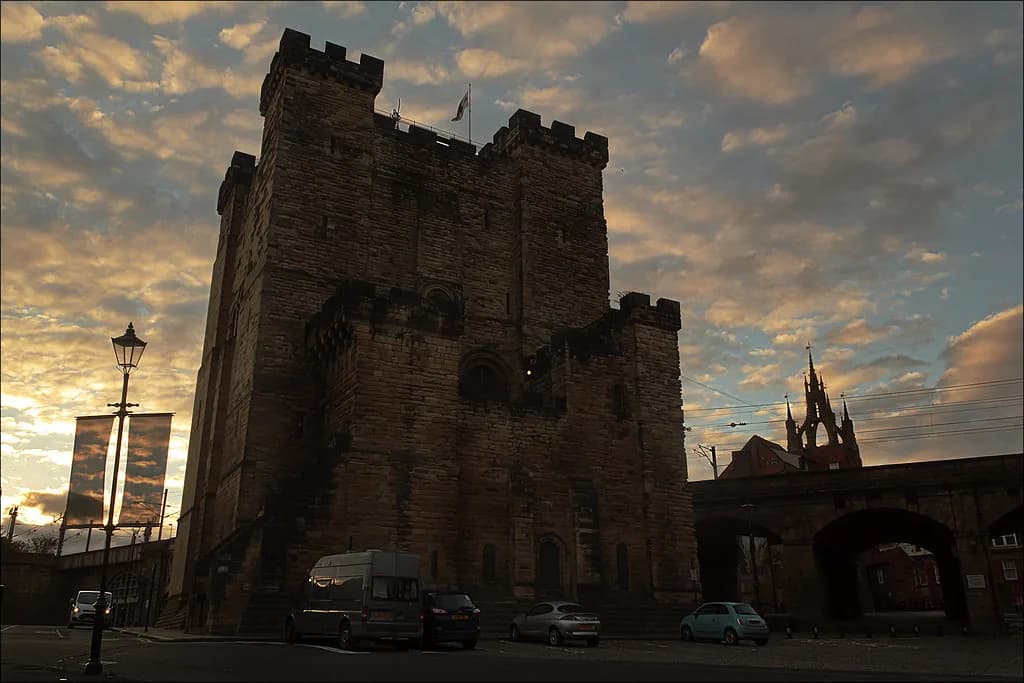
Between 1172 and 1177, by order of Henry II, the wooden castle was rebuilt in stone, and its central keep survives to this day. The Castle Keep is the benchmark of Norman fortress architecture in the city, with thick walls and narrow arrow slits, and it is the single most tangible medieval structure a visitor can enter. Standing in the castle garth, you get the clearest sense of how the medieval town clustered for protection beneath its walls.
The keep is a paid historic attraction rather than a free national museum, so check the official Newcastle Castle site for current admission and opening days before you travel. Allow around an hour for the keep and its roofs, and rather more if you want to read the displays properly. The climb to the top involves spiral stairs and uneven medieval surfaces, which matters if anyone in your party has limited mobility.
Medieval Newcastle: St Nicholas Cathedral, the coal trade and the Hostmen
Medieval Newcastle was a walled, trading town, and St Nicholas Cathedral shows the wealth that trade produced, with a Perpendicular Gothic style and a lantern spire that served as a beacon for ships on the Tyne for centuries. The cathedral sits close to the castle and the old market, so the medieval core is compact enough to cover in a single stretch of walking. Look for the way the church turns its best face toward the river and the commercial streets rather than the castle.
The engine behind that wealth was coal. By the fourteenth century Newcastle was established as a major centre for coal mining and export, and local people had been quick to see the potential of sea coal gathered on the coast and later mined deliberately. The trade shaped the town's politics as much as its skyline, and it is the thread that runs from the medieval quays to the Georgian terraces.
The Hostmen were the trade guild that secured a royal monopoly on coal exports, and in the seventeenth century the city gained a monopoly on the coal trade with London. That privilege concentrated enormous wealth in a small group of merchants who invested in urban infrastructure and building, which is why Newcastle developed a class of wealthy civic patrons earlier than many comparable towns. When you walk the elegant streets later in this guide, the coal monopoly is what paid for them.
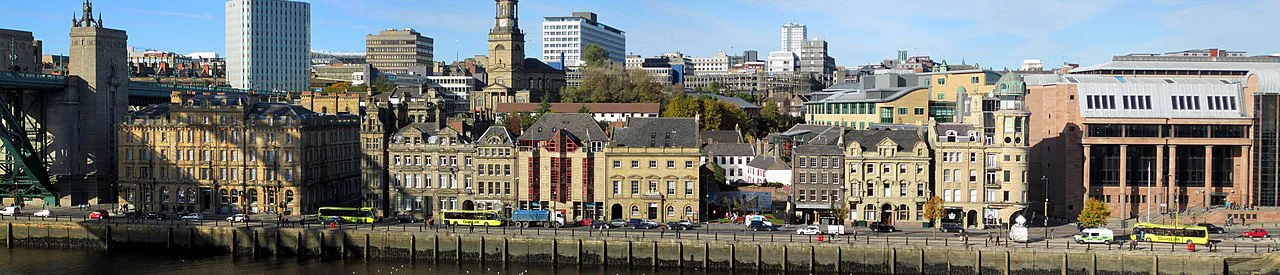
The Stephensons and the railway age
Newcastle's industrial reputation rests heavily on railways. George Stephenson, known as the Father of Railways, was born at Wylam and raised on Tyneside, and in 1823 he and his son Robert opened the world's first factory in Newcastle designed specifically for building locomotives. A college founded in 1834 later grew into Newcastle University, cementing the city's place as a scientific centre as well as a manufacturing one.
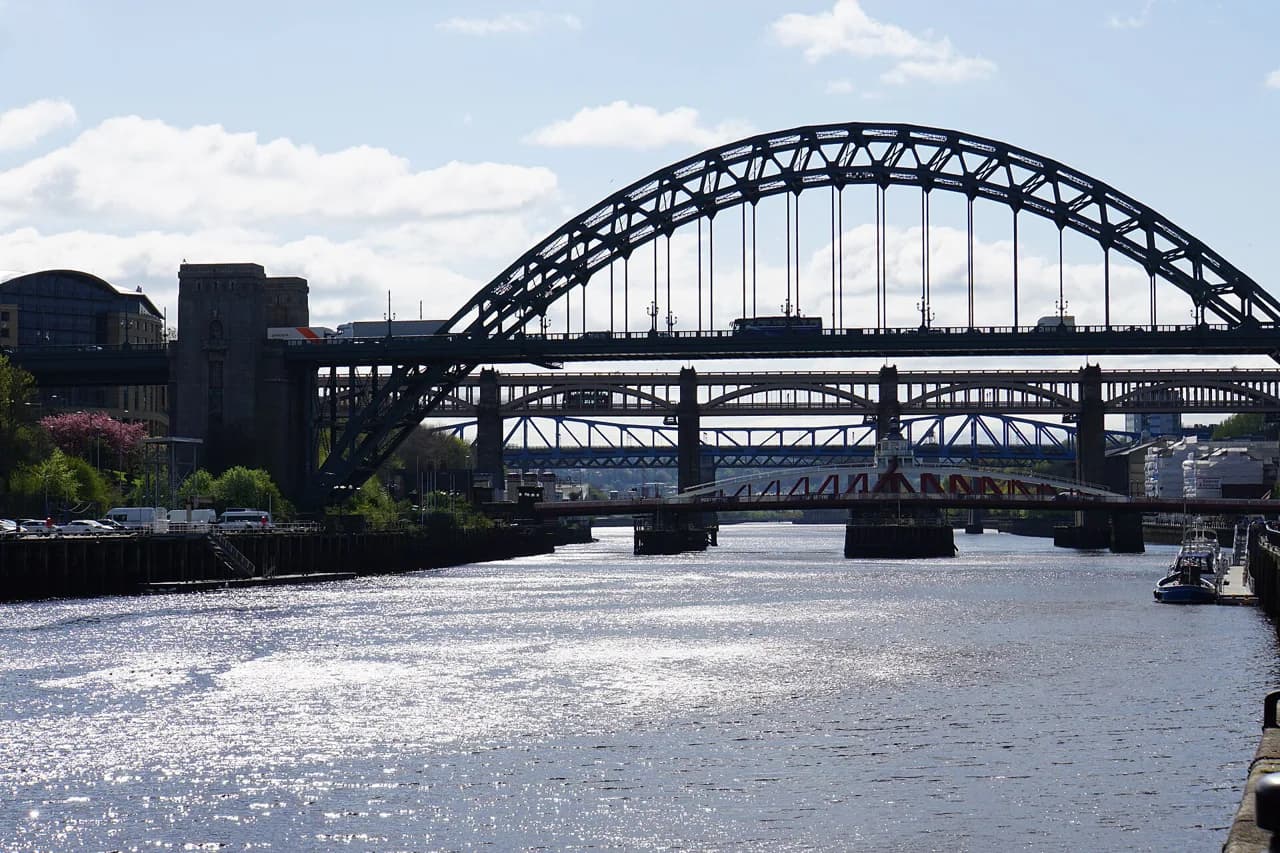
The most visible legacy is the High Level Bridge, which opened in 1849. Robert Stephenson designed the double-deck bridge, and it remains both a working transport artery and a monument to Victorian engineering. Walking beneath it on the Quayside, or crossing it on foot, is the quickest way to appreciate how the railway age physically stitched the two banks of the Tyne together.
Central Station belongs to the same story. Opened by Queen Victoria, it combines a neoclassical facade with wrought-iron arched roofs that were revolutionary for their time, and it is still the arrival point for most visitors coming by rail. Arriving there puts you directly in the Victorian layer of the city, a short walk from Grey Street and the castle.
Grainger Town and Grey Street: the neoclassical rebuilding of the centre
The centre you walk through today is largely a nineteenth-century creation. Developer Richard Grainger and architect John Dobson rebuilt the heart of Newcastle in the 1830s and 1840s, producing Grainger Town, a district of pale sandstone buildings with columns and porticos that is regarded as one of the finest examples of Victorian urban planning in England. The money behind it came from the coal and shipping wealth described above, so the district is industrial profit made visible as neoclassical stone.
The jewel of Grainger Town is the curving Grey Street, which follows the line of a medieval street down toward the river and is often described in city guides as one of the most beautiful streets in England. Whether or not you accept the superlative, the curve and the uniformity of the facades make it the best single walk in the centre. Earl Grey, the Prime Minister, gives his name to the monument that anchors the top of the street.
For a closer look at the buildings and the architects behind them, the dedicated Newcastle architecture guide picks out the details worth stopping for. Pair Grey Street with a wander through the surrounding Grainger Town streets rather than treating it as a single photo stop.
Industrial Tyneside: coal, shipbuilding and the wealth that built the city
Beyond coal, Tyneside became a shipbuilding powerhouse. The Scotsman Charles Mitchell established a shipyard at Walker in 1852, launching an industry that would define that part of the river for well over a century. Engineering firms such as Vickers-Armstrongs at Elswick carried the same industrial identity into the twentieth century, and the riverbanks were working industrial space rather than the promenade they are now.
The wealth this generated is written into the city's public buildings and streets, from the classical centre to the civic architecture of the twentieth century. The Civic Centre, with its seahorse sculptures and carillon, is one of the recognised masterpieces of post-war public architecture in the country and shows the city still investing in prestige buildings well after the industrial peak. The last coal mine within the city limits closed in 1956, marking the end of traditional extraction as a local employer.
Decline and reinvention: the later 20th century and the Quayside's cultural revival
The second half of the twentieth century brought the decline of coal mining and shipbuilding, and the waterfront that had been a centre of heavy industry emptied out. Newcastle's answer was reinvention rather than nostalgia. The first line of the Tyne and Wear Metro launched in 1981, connecting the city with the wider conurbation, and it remains the quickest way to move between the centre, the Quayside and the suburbs.
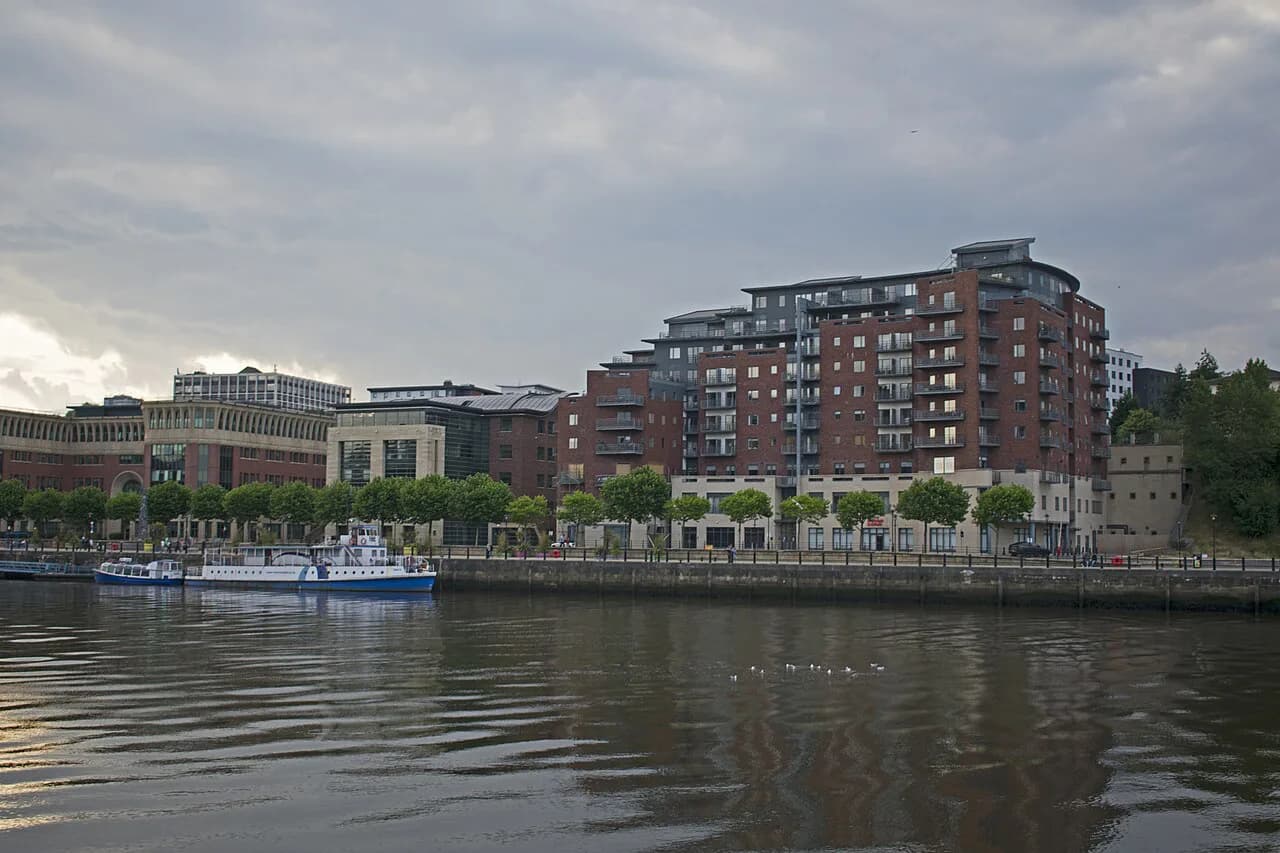
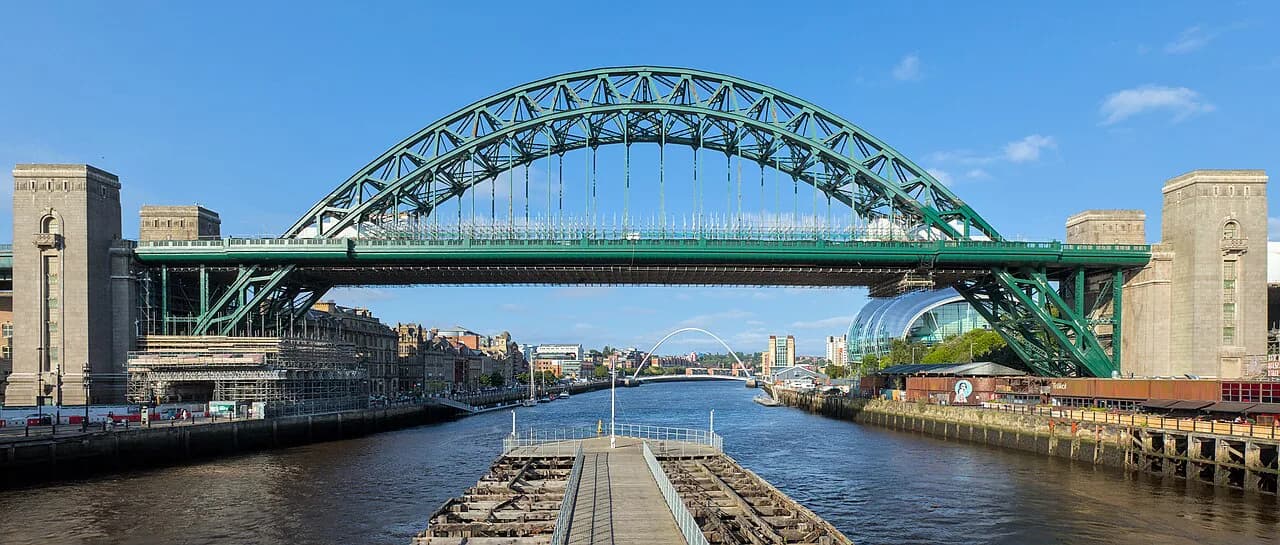
The clearest symbol of the revival is the Gateshead Millennium Bridge, which opened in 2000. It is a pedestrian bridge with a tilting deck, the first of its kind in the world, and its light high-tech form contrasts deliberately with the massive industrial bridges upstream. Nearby, the BALTIC Centre for Contemporary Art occupies a former flour mill and the Sage Gateshead concert hall followed, turning the waterfront into the city's cultural front room.
The Tyne Bridge, opened in 1928, sits in the middle of this story as the city's best-known symbol and still a working crossing. Seeing the 1928 arch, the 1849 High Level Bridge and the 2000 Millennium Bridge from one spot on the Quayside is the fastest possible lesson in how the city kept rebuilding itself. For more on the riverbank and what is on it now, the things to do in Newcastle guide covers the Quayside alongside the rest of the centre.
What to see today: a short walking route through the historic core
A chronological walk works best. Start at the Castle Keep and the Black Gate to cover the Norman foundation, then drop down to the Quayside for the medieval trade and the bridges, and finish by climbing into Grainger Town for Grey Street and the Georgian rebuilding. The whole loop sits within the compact centre, so it is a half-day at an easy pace with stops rather than a route that needs transport.
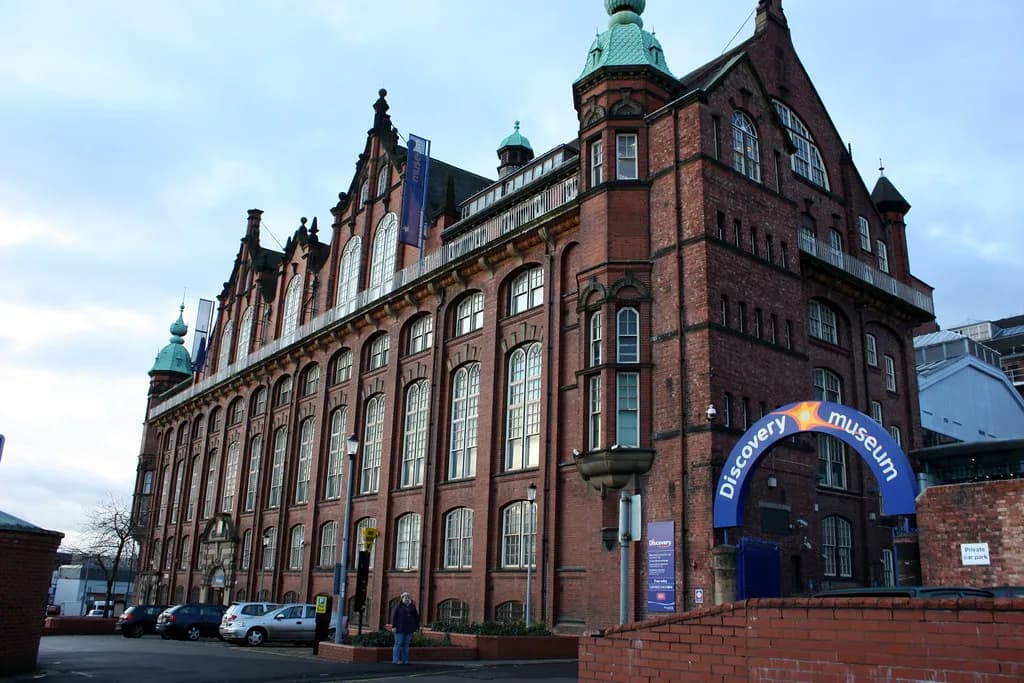
If you want a guided version, a Newcastle walking tour led by local guides can put the dates and the streets together in a couple of hours. Otherwise, the museums in Newcastle pick up where the streets leave off, with collections covering the industrial and social history that the buildings only hint at.
For the wider region's fortresses, from the Roman frontier to the medieval border castles, the castles near Newcastle guide sets out the options beyond the city. And if the darker side of the old town appeals, ghost tours in Newcastle trade in legend rather than fact, so treat the stories as stories.
Practical notes: what to book, how long to allow, and where the walking is steep
Newcastle's national museums are free to enter, which makes them an easy wet-weather fallback, while the Castle Keep is a charged historic attraction where you should book ahead at busy times. The free museums in Newcastle guide lists what costs nothing, and the venue pages carry the current ticket details. Allow a full day for the castle, the Quayside and Grainger Town at a relaxed pace, or half a day if you skip the interiors.
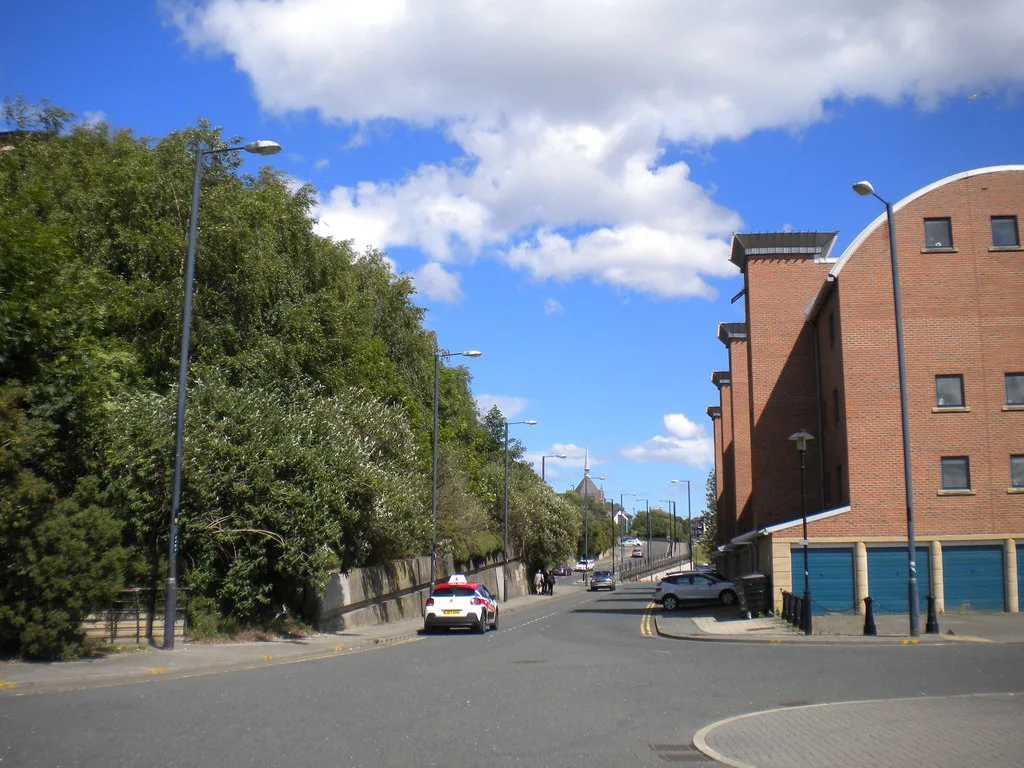
The terrain is the main practical surprise. The centre slopes steeply down to the river, so the climb back from the Quayside to Grey Street is genuinely hard work, and the Castle Keep adds spiral stairs on top of that. Wear proper shoes, and plan your route so the uphill sections come when you still have energy.
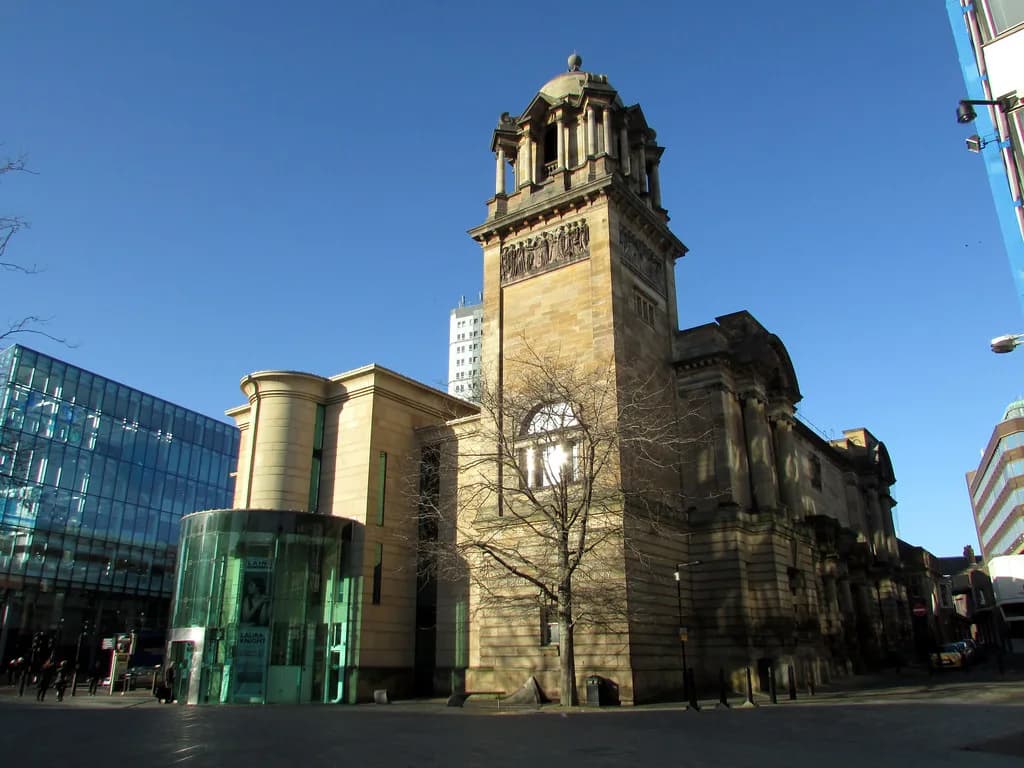
For art, the Laing Art Gallery and the city's commercial galleries give the indoor counterpart to the streets, and the art galleries in Newcastle guide covers both. Finish with afternoon tea in Newcastle if you want the day to end on a civilised note, though the classic tea rooms fill up, so book.
Plan Your Visit
Newcastle rewards a visitor who arrives knowing the sequence: Roman crossing, Norman castle, coal-funded Georgian streets, Victorian bridges, and a waterfront rebuilt for culture. Once you can see the layers, a walk through the centre stops being a set of pretty streets and becomes a readable timeline, with the Castle Keep at one end and the Millennium Bridge at the other.
Build your day around the Castle Keep and Grey Street, use the Quayside for the bridges and the evening, and leave the museums for the hours when the weather turns. Check admission and opening times on each venue's official page before you set out, and book the paid attractions and any afternoon tea in advance.
Explore more Newcastle guides
Frequently Asked Questions
Why is Newcastle called Newcastle?
The name comes from the fortress built in 1080 by Robert Curthose, son of William the Conqueror, to control the crossing of the Tyne. It was called Novum Castellum, or New Castle, and the name attached itself to the settlement that grew around it. The stone keep that replaced the original earthwork still stands in the city centre.
When did Newcastle become a city?
Newcastle upon Tyne officially received city status in 1882, by which point it was a major industrial centre built on coal, shipping and engineering. Long before that it was a walled medieval town and then a Georgian commercial city. The cathedral and the castle both predate city status by centuries.
What is the oldest building in Newcastle?
The Castle Keep is the most prominent medieval structure in the centre, rebuilt in stone between 1172 and 1177 on the orders of Henry II. St Nicholas Cathedral also preserves medieval fabric, including a Perpendicular Gothic lantern spire that guided ships on the Tyne. Fragments of the Roman fort lie beneath the later city rather than standing above ground.
Who built Newcastle Castle?
Robert Curthose ordered the first timber and earth fortification in 1080, and Henry II ordered the rebuilding in stone between 1172 and 1177. The surviving keep is the result of that Norman stone phase. Admission and opening days are published by the castle itself, so check before travelling.
What was Newcastle famous for historically?
Coal above all. By the fourteenth century the town was a major coal mining and export centre, and the Hostmen guild secured a royal monopoly on coal exports, with the city gaining a monopoly on the London coal trade in the seventeenth century. Shipbuilding at Walker from 1852 and locomotive building from 1823 added to that industrial reputation.
How did the Stephensons shape Newcastle?
George Stephenson and his son Robert opened the world's first factory designed for building locomotives in Newcastle in 1823. Robert designed the High Level Bridge, which opened in 1849 as a double-deck crossing of the Tyne. Both the railway works and the bridge tied the city's fortunes to the railway age.
What is Grainger Town known for?
Grainger Town is the neoclassical district rebuilt in the 1830s and 1840s by developer Richard Grainger with architect John Dobson. It is known for pale sandstone buildings with columns and porticos and for the curving Grey Street. The district is regarded as one of the finest examples of Victorian urban planning in England.
Can you walk Newcastle's historic core in a day?
Yes. The Castle Keep, the Quayside, the bridges and Grey Street all sit within a compact centre, so a half-day covers the highlights at an easy pace. The main constraint is the slope down to the river and back up again, plus the spiral stairs in the keep. Allow a full day if you want museum interiors as well.
Sources
Notes for your next city break
Optional updates to our UK city guides.
You might also like
Continue reading
More guides you'll find useful