Castles Near York: Which Ones Are Worth the Day Trip
Plan castles near York: Clifford's Tower in the city, then Skipton, Richmond, Helmsley and Scarborough, with what each offers and how far you travel.
On this page
The only castle you can walk to in York is Clifford's Tower, the surviving keep of York Castle, and it takes minutes from the city centre. Every other castle near York needs a day out by car, bus or train, so the real planning question is how far you are willing to go and whether you want standing ruins, a complete medieval fortress or a stately home. This guide sorts them by what you actually get on the ground.
Treat the city's fortifications as a separate outing from the day-trip castles. York's walls, the Red Tower and Baile Hill are free to look at and fit into a morning's walk, while Skipton, Richmond and Helmsley charge for entry and eat most of a day. Sorting them that way stops you wasting a city-break morning on a journey you could make on another trip.
What Counts as a Castle Near York
York has two layers of castle history. Inside the walls you have the remains of York Castle at Clifford's Tower and the earthworks of a second Norman castle at Baile Hill, built on William the Conqueror's orders after a rebellion and paired with the castle across the River Ouse to control the city and river traffic. Beyond the city, North Yorkshire holds ruined fortresses, complete medieval castles and stately homes that get lumped in under the same label.
The distinction matters for ticket expectations. Clifford's Tower is a staffed historic site, while the walls and the abbey ruins in Museum Gardens cost nothing to walk around; the day-trip castles are paid attractions run by different owners depending on the site. If you want the free indoor collections instead, the museums in York are the better wet-weather answer.
Clifford's Tower: The Castle Inside the City
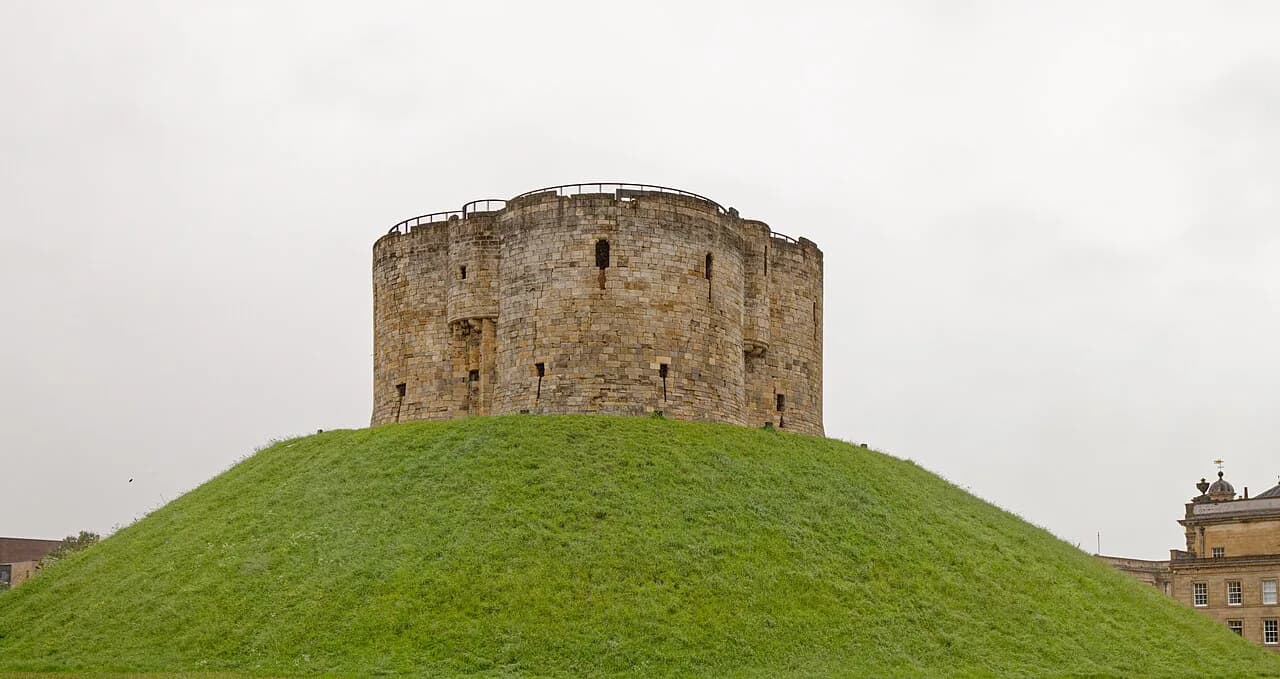
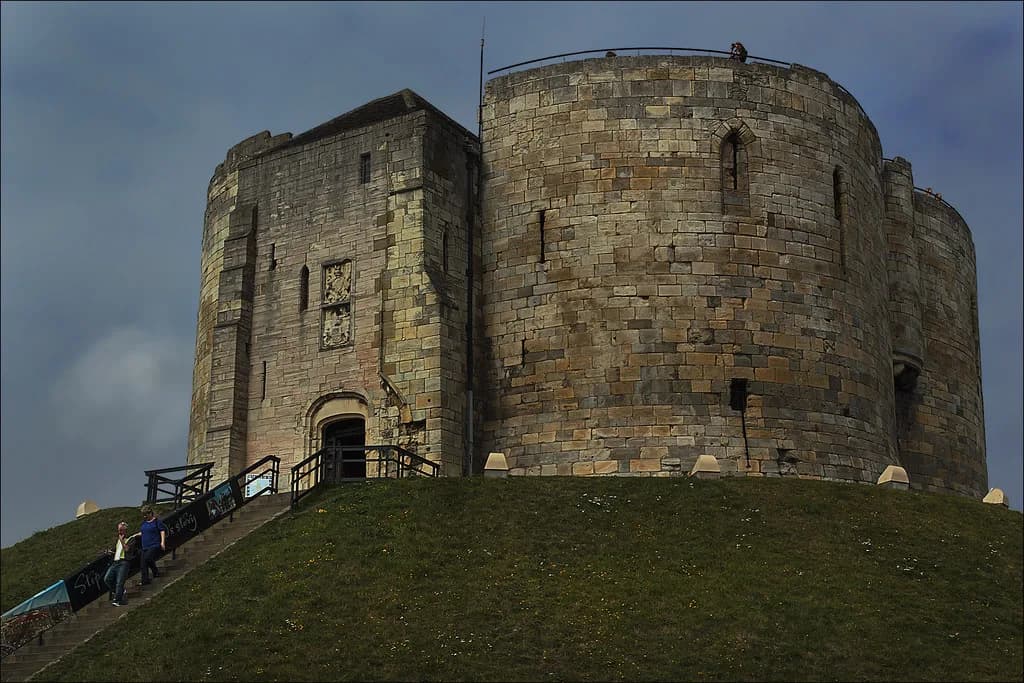
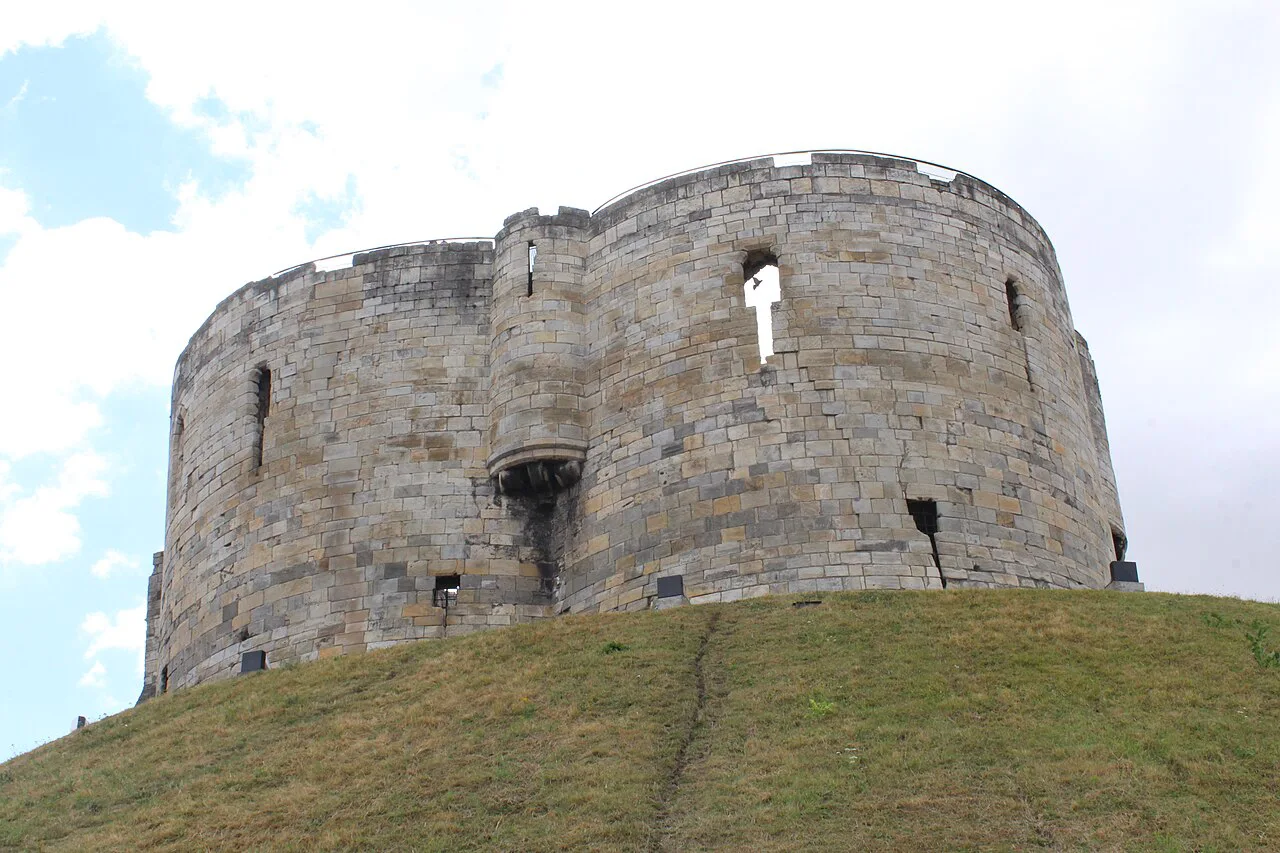
Clifford's Tower is the most significant surviving part of York Castle, a moated keep that has served as a royal mint, a medieval stronghold and a Civil War garrison. It is also the site of a massacre in 1190, when York's small Jewish community was killed there, and that history is part of the visit rather than a footnote. The timber roof platform gives 360-degree views over the city, which makes it the best castle viewpoint without leaving York.
Allow roughly an hour for the tower and the mound, more if you linger on the roof. The climb is short but steep in places, and the site is exposed, so it is not the place to shelter from rain. Pair it with the castle museum next door to make a half-day of it.
Baile Hill and the Red Tower: York's Other Defences
Baile Hill is a grassy mound on the south-west side of the city, the remnant of a Norman motte and bailey castle raised in 1069, with a wooden tower once standing on top and a deep ditch around it. Little of the castle survives, but it gives you a sense of the early Norman grip on York, and the tower at the foot of the hill marks the first of the wall towers.
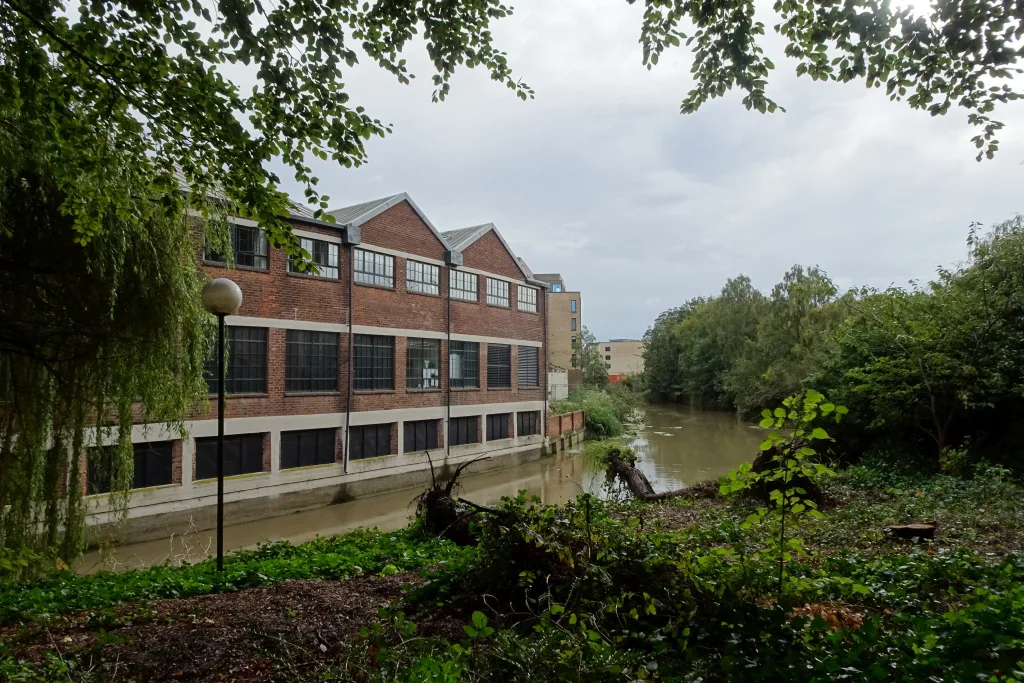
The Red Tower sits at the other end of the story, on the wall by what was once the King's Fishpond, a lake created when William the Conqueror dammed the River Foss and raised the water level by around two metres. Walking between the two takes you along a stretch of the York city walls and through the streets in between, and both are free to see.
St Mary's Abbey Ruins in Museum Gardens
The ruined abbey in Museum Gardens is often grouped with York's castle sights because of its position beside the walls, and the gardens were given to the Yorkshire Philosophical Society in 1828 on part of the former abbey site. The surviving stonework gives you a sense of the scale of medieval York without a ticket. It is a short walk from both the tower and the Minster.
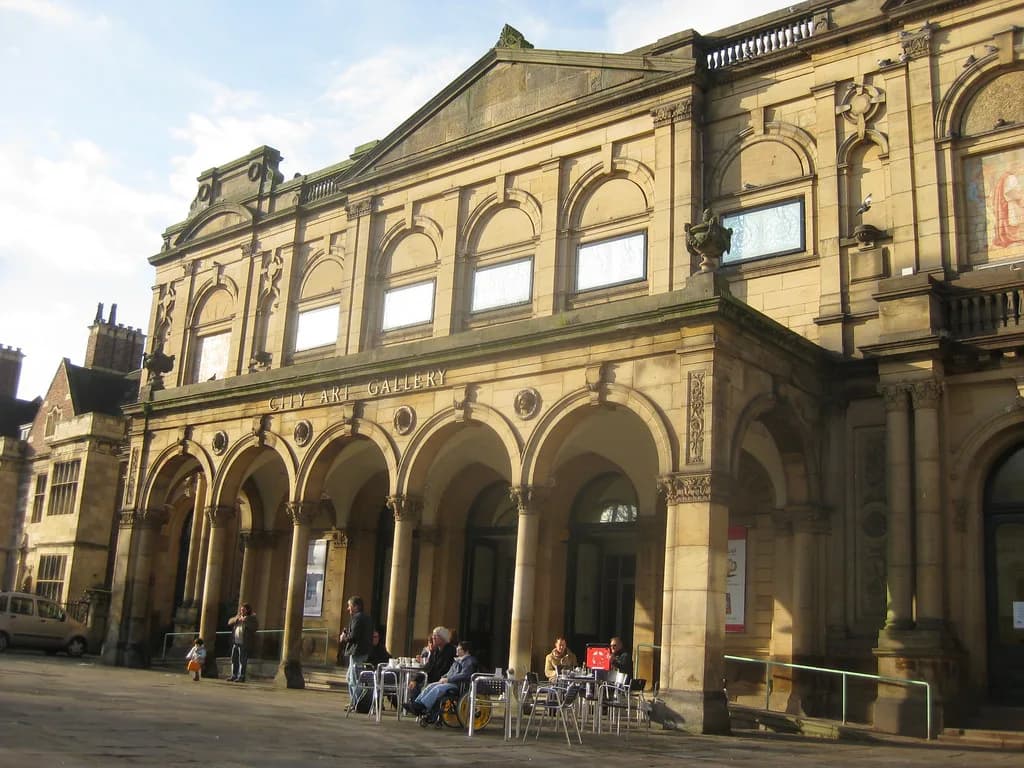
Build this into a walk rather than a destination in its own right. Museum Gardens connects naturally to the river, the walls and the city-centre galleries, and the free museums in York fill the rest of a wet afternoon. If you want more art than ruins, the art galleries in York are a few minutes away.
Skipton Castle: England's Best-Preserved Medieval Castle
Skipton Castle, once home to the Clifford lords, is one of the best-preserved and most complete medieval castles in England, and it has stood above the town for over 900 years. Much of the original defence still stands, so you can see how a castle actually protected the people inside, and the twin towers and early Tudor courtyard are the highlights.
The visit is the opposite of a ruin scramble: you are walking through roofed rooms and courtyards, so it works in poor weather. Look for the mason's marks in the watch tower, which show how the building was put together. Skipton is a full day out from York, so combine it with the town rather than squeezing in a second castle.
Castle Howard: A Stately Home, Not a Castle
Castle Howard is a stately home, begun in 1699 and more than a century in the making, about 13 miles from York. It is not a castle in the defensive sense, but it has the scale, the gardens and the family attractions that make it a strong day out: an adventure playground and Skelf Island for children, and talks and tours covering the house's history.
Choose it if you want gardens, a house interior and things for children to do rather than a military fortress. The trade-off is that you will not get the castle experience of thick walls and arrow loops, and the estate is large enough that you should plan your route around the grounds before you arrive.
Knaresborough Castle: Cliff-Top Ruins Above the Nidd
Knaresborough Castle stands on a cliff above the River Nidd, with views over the town and the gorge below that are the reason to come. The ruins include the King's Chamber and a secret underground exit, and there are hands-on exhibits as well as the chance to try Civil War costumes and see an original Tudor courtroom.
This is a compact ruin rather than a full fortress, so treat it as part of a day in Knaresborough rather than a destination on its own. Guided tours add the stories the surviving stonework cannot tell, and the underground sections are worth checking for accessibility before you commit.
Richmond Castle: A Towering Keep Above the Swale
Richmond Castle sits above the River Swale, begun by Alan Rufus from 1071 after the Norman Conquest, with a keep over 30 metres high added in the 1170s under Henry II. The keep is remarkably complete inside, and the roof gives views over the town, the river and the Yorkshire Dales.
The Cockpit garden and the conscientious objectors exhibition give you more than stonework, so allow half a day rather than a quick stop. Richmond is a proper market town as well, and the walk down into it from the castle is steep enough to plan your shoes around.
Helmsley Castle and Pickering Castle in the Moors
Helmsley Castle is an English Heritage site in the North York Moors, with remains dating from the 12th century and a Tudor mansion on the site housing a museum of hands-on exhibits. Free audio tours and a visitor centre explain the military and domestic sides of the castle, and Walter Espec's role in its development is the story to follow.
Pickering Castle, also in the North York Moors, has 13th-century remains and a chapel that still stands as the base for an exhibition on its past. Medieval kings used it as a hunting base, and it later served as a stud farm and holiday home. Both castles suit a moors day by car; neither is on a quick hop from York.
Middleham Castle and Bolton Castle: Wensleydale Fortresses
Middleham Castle is roofless but much of the original structure stands, making it a fortified palace rather than a simple ruin. The exhibition includes a replica of the Middleham Jewel, and the surviving oven and horse mill show how the household worked. Expect to walk on uneven ground and read the remains as you go.
Bolton Castle, at the entrance to Wensleydale, was begun by Scrope, Lord Treasurer and Chancellor to Richard II, as a statement of power in the late 14th century. The sturdy stone walls show what that ambition looked like in practice, and the castle runs historic tours and events that bring the rooms to life. The grounds include a walled herb garden and vineyard.
Scarborough Castle: Headland Ruins and a Steep Climb
Scarborough Castle occupies a headland above the town, with views up the Yorkshire coast and out to sea that justify the walk. Inside the walls you get the ruins, an exhibition covering over 3000 years of history, and family events through the season.
The climb up is steep and the site is exposed, so build in time for the walk and wear something you can move in. Treat the castle as a half-day and use the rest of the time in Scarborough itself; the town repays a wander beyond the seafront.
Ripley Castle and Gardens, and Bishopthorpe Palace Gatehouse
Ripley Castle and Gardens offers guided tours through the castle, a deer park and grounds to walk, with archery, zorbing and Segway sessions on site. It is a gentler, activity-led day out than a ruined fortress, and a good option with children who need more than walls to look at.
Bishopthorpe Palace is the official home of the Archbishop of York and has been since 1241, but the interior is only open for pre-arranged tours with a long waiting list. The gatehouse and the palace exterior are visible from the public footpath along the River Ouse south of the city centre, which makes this a walk-by stop rather than a visit.
How to Choose Your Day Trip
Start with travel time and what you want to see. Clifford's Tower needs no journey and gives you the city's castle; the York walls and Baile Hill are free walking; Skipton, Richmond, Helmsley, Pickering, Middleham, Bolton, Scarborough and Knaresborough all demand a day by car or a combination of train and bus. Pick one, not three, and build the day around it.
Match the site to the group. Castle Howard and Ripley suit families and anyone who wants gardens and activities; Skipton is the most complete interior; Richmond gives you a high keep and a town; the moors castles suit walkers with a car. Outside York, the castles near Cambridge follow the same logic of ruins versus complete buildings if you are comparing trips.
Practical Notes on Queues, Steps and Tickets
Most of these castles involve steps, uneven ground or a steep approach, and several are roofless, so the weather decides how long you stay. The ticket prices, opening days and seasonal hours for each site change through the year and are set by the individual owner, so check the official page for the castle you plan to visit before you travel. One sensible habit: book ahead for anything with timed entry or guided tours, especially at Skipton and Bishopthorpe.
If the weather turns, York's indoor collections are the fallback, including the York Museums Trust sites and the city's galleries. Save the exposed ruins and headlands for a dry day and leave the roofed castles and houses for the wet ones.
Plan Your Visit
Walk to Clifford's Tower for the castle in York, follow the walls to Baile Hill and the Red Tower, then pick one day trip: Skipton for the complete medieval interior, Richmond for the keep and the Dales views, Helmsley and Pickering for the moors, or Scarborough for the headland. Castle Howard and Ripley do something different, with gardens and family activities rather than fortifications.
Build the day around one site, check the owner's official page for tickets and seasonal hours, and keep an indoor option in reserve for rain. That is enough to make a castle day from York work without wasting the trip on a site that is closed or too far for the time you have.
Explore more York guides
Frequently Asked Questions
Are there any castle ruins within York city itself?
Yes. Clifford's Tower is the surviving keep of York Castle, and Baile Hill is the earthwork remnant of a Norman motte and bailey castle built in 1069. The Red Tower and the city walls are also within walking distance of the centre, and none of these needs a day trip.
What is the closest castle to York city centre?
Clifford's Tower, the keep of York Castle, is the closest and takes only minutes to reach on foot. Baile Hill and the Red Tower are also inside the city, on the walls, so you can see all three in a morning.
Is Skipton Castle one of the best-preserved castles in England?
It is described as one of the best-preserved and most complete medieval castles in England, and it has stood above the town for over 900 years. Much of the original defence remains, including the twin towers and the early Tudor courtyard.
Which castles near York are ruins rather than complete buildings?
Middleham, Bolton, Pickering, Helmsley, Knaresborough, Richmond, Scarborough and Clifford's Tower are all ruined or partly ruined, and several are roofless. Skipton is the standout complete interior, while Castle Howard and Ripley are houses and estates rather than fortifications.
Which castles near York offer the best views?
Clifford's Tower gives 360-degree views over York from its timber roof platform, Knaresborough Castle looks down on the River Nidd, Richmond's keep looks over the town and the Dales, and Scarborough Castle looks along the coast and out to sea.
Can you visit the Archbishop of York's residence at Bishopthorpe Palace?
The interior is only open for pre-arranged tours and there is a long waiting list, so it is not a drop-in visit. The gatehouse and the palace exterior can be seen from the public footpath along the River Ouse south of the city centre.
How long does it take to get from York to Skipton Castle?
Skipton is a full day out from York rather than a short hop, so plan it as the main event rather than one stop among several. Rail and bus times vary by season, so check current times before you set off.
Where do I check tickets and opening hours for castles near York?
Each castle is run by a different owner, such as English Heritage at Helmsley, and prices, opening days and seasonal hours vary by site. Check the official page for the castle you plan to visit, and book ahead where timed entry or guided tours apply.
Sources
Notes for your next city break
Optional updates to our UK city guides.
You might also like

Continue reading
More guides you'll find useful