Things to Do in Whitby: Abbey, Harbour, 199 Steps and Tea
Plan a Whitby break with the English Heritage abbey, 199 Steps, harbour, beach, Captain Cook museum and boat trips, plus jet shopping and ghost walks.
On this page
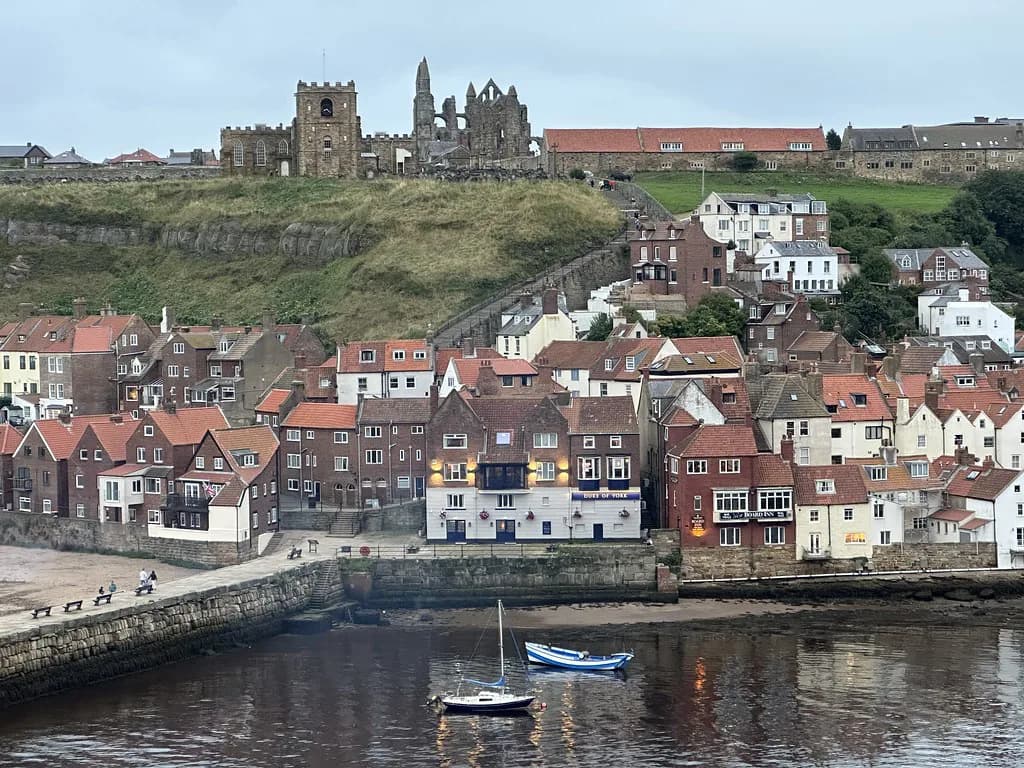
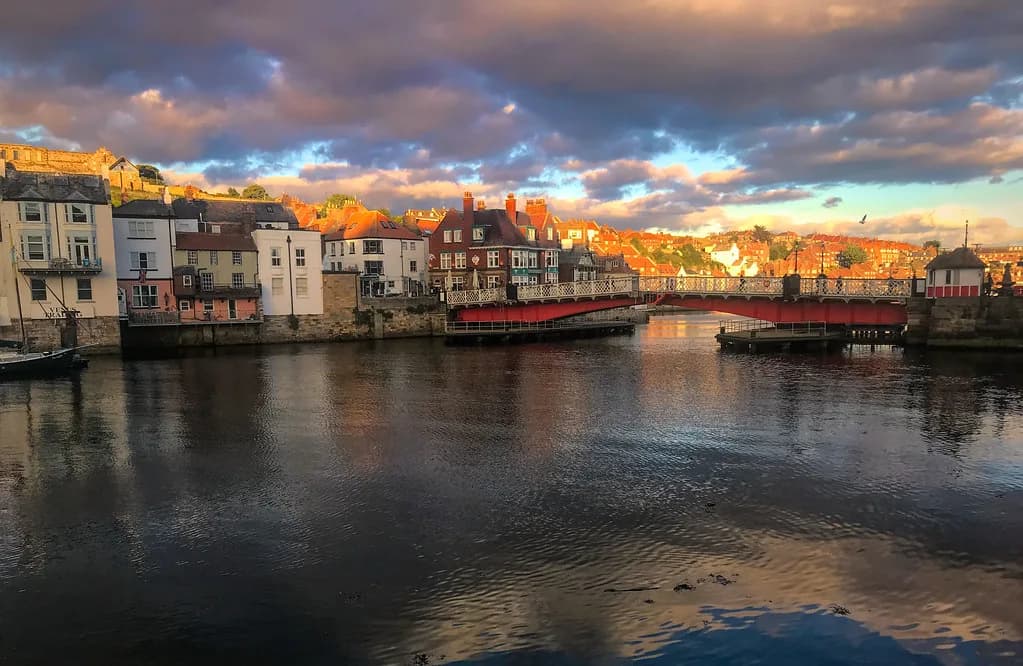
Whitby works as a short break because everything sits close together: a harbour town split by the River Esk, with the historic East Cliff on one side and the seaside West Cliff on the other. You can climb 199 Steps to a ruined abbey in the morning and walk a promenade of beach huts in the afternoon without touching a bus.
The town is famous for fish and chips, Whitby jet jewellery and its Captain Cook connection, but Bram Stoker's Dracula is what most visitors come looking for, since the novel opens with scenes set around the steps and the abbey. Treat the vampire material as literary history and legend, and the rest as a straightforward day out with real trade-offs: steep steps, tides and seagulls that will take your chips.
How Long to Allow and How the Two Sides Divide Your Day
A day covers the essentials if you start on the East Cliff and finish on the West. Cross the swing bridge to Church Street, climb the steps to the churchyard and abbey, then come back over for the beach, the Whalebone Arch and the harbour at dusk. Two days lets you add a museum, a boat trip and a walk along the coast without rushing.
The East side is the old town, steeped in history and stacked with independent shops along Church Street and Flowergate, while the West side is more modern and open, with the promenade, pavilion and cliff-top putting courses. Plan your walking order around that split rather than treating the town as a flat list of sights, because every crossing costs you the bridge walk.
East Cliff: the 199 Steps, St Mary's Churchyard and Whitby Abbey
The 199 Steps are the defining climb: twisting, steep and marked with Roman numerals every ten steps, with a few plank benches on the way up. Those benches were designed for pallbearers carrying coffins to St Mary's Church, which is a useful reminder that this is a genuine climb rather than a photo opportunity. The steps date back to 1340 in wooden form and were replaced in stone in 1774.
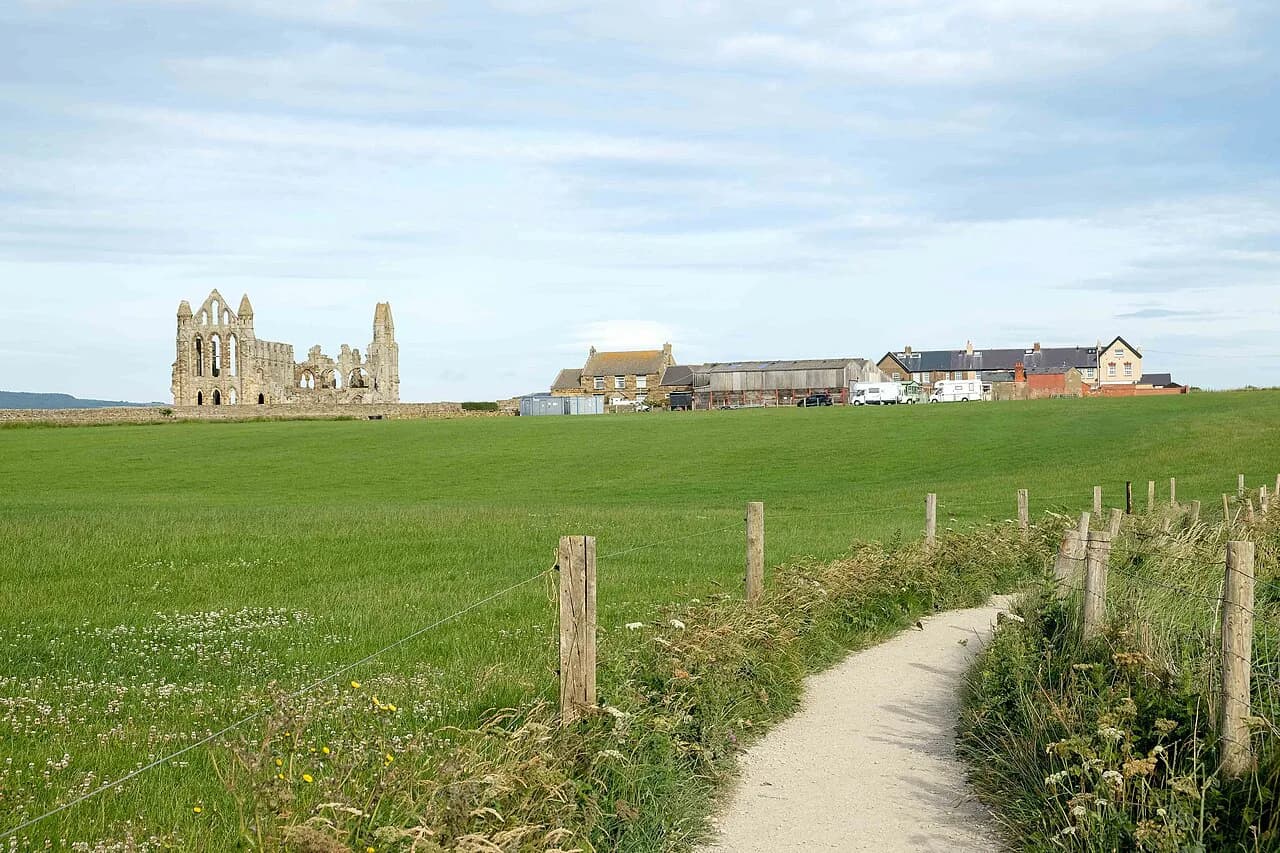
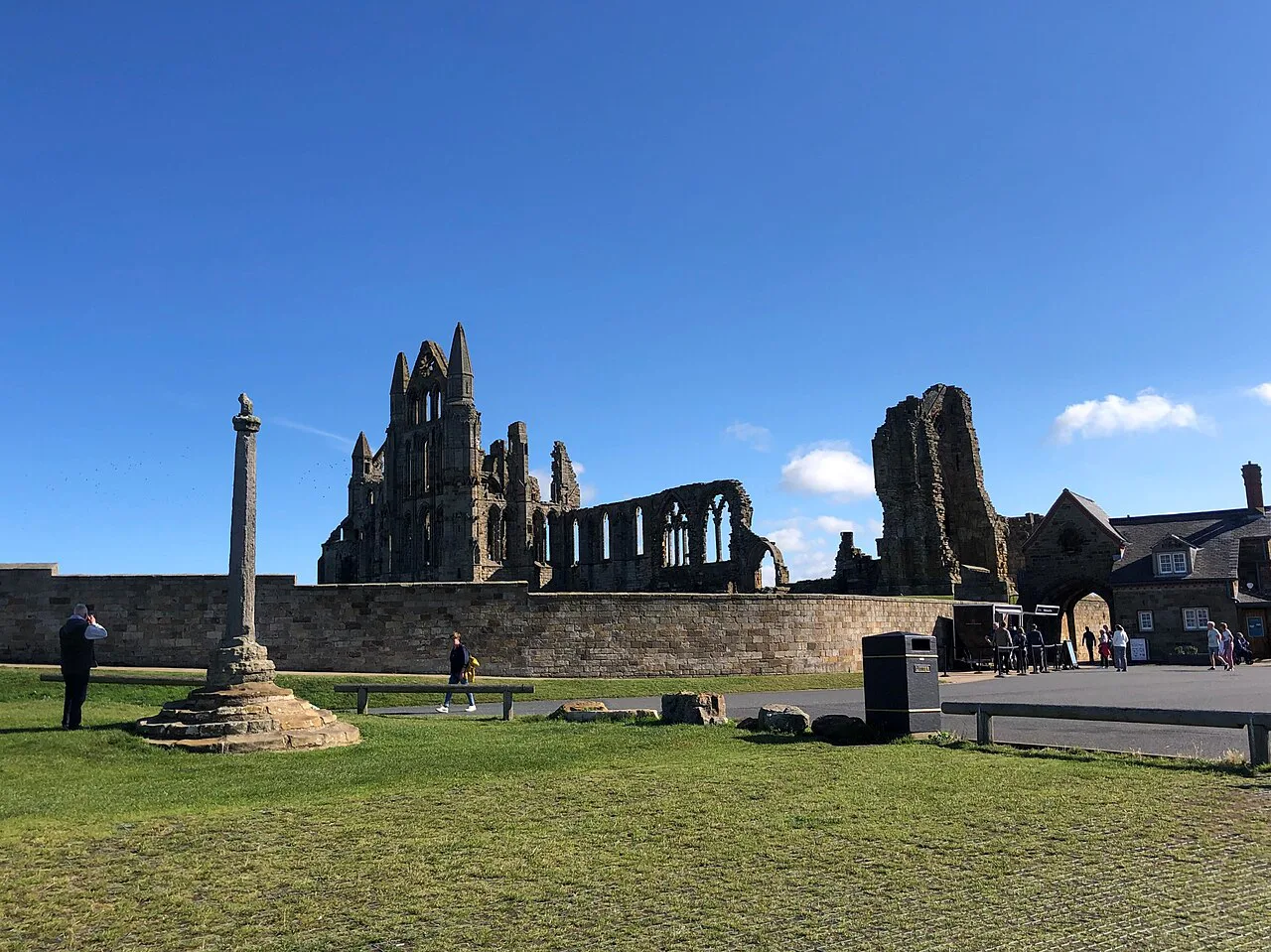
Whitby Abbey dominates the East Cliff headland, and it is an English Heritage site. The admission charge in 2022 was £11, with an audio tour included in the ticket; check the current price and opening times with English Heritage before you travel. If you would rather not pay, you can see the ruins over the wall from the road outside.
The abbey's history runs from its founding in 657 by St Hilda, through a Viking wrecking and a rebuild as a Benedictine monastery in 1078, to Henry VIII's closure in 1539, after which the fittings and lead were stripped and the site left as ruins. German naval shelling destroyed the west wall in 1914. Allow over two hours if you take the audio tour and walk the site properly.
Whitby Abbey's Dracula Afterlife
Bram Stoker stayed in Whitby between 1890 and 1896, and the town gave him the setting for Count Dracula's arrival in England as a black dog, with the first chapters playing out around the 199 Steps and the gothic abbey. Names on graves in St Mary's churchyard are said to have been borrowed for Dracula's victims, which is legend and literary detective work rather than documented fact.
St Mary's churchyard sits at the top of the steps and is worth wandering for its weathered headstones, some dating to the 1700s, and the skull and crossbones carvings near the entrance gate. Those carvings mark freemasons' graves rather than pirates, whatever local storytelling suggests.
Whitby Museum, Pannett Art Gallery and Pannett Park
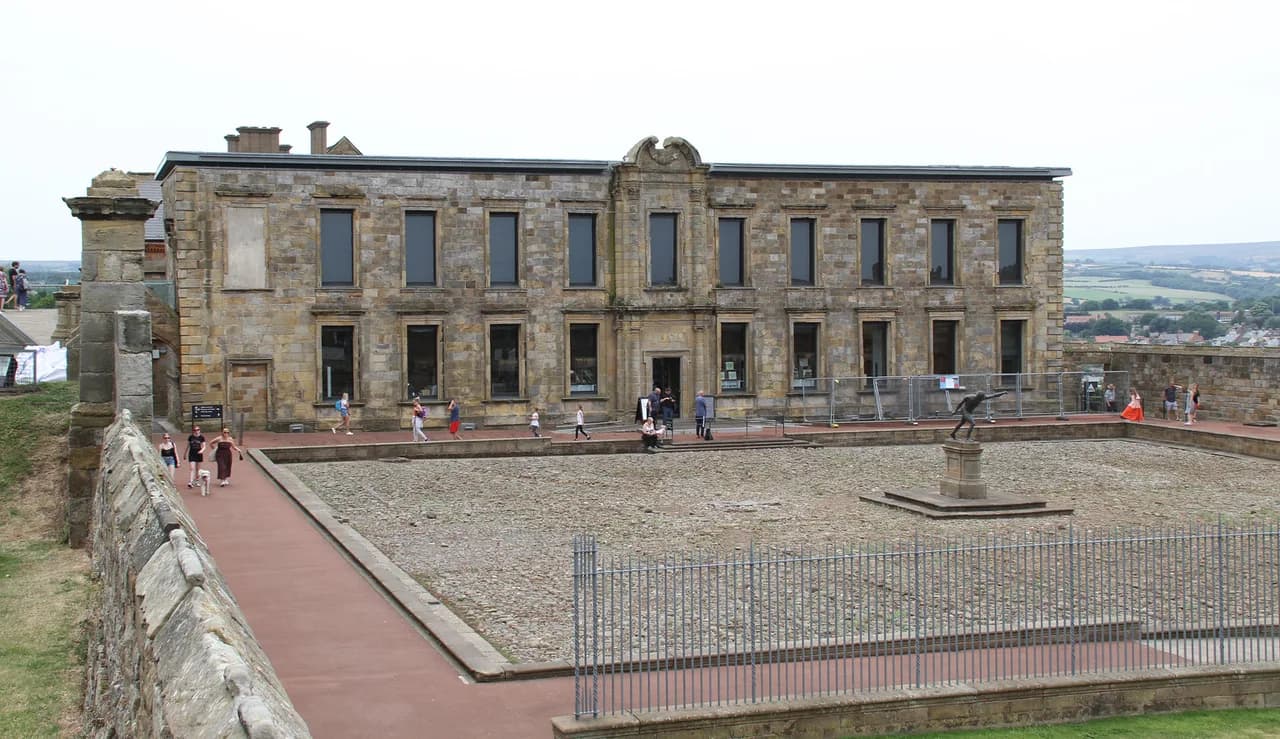
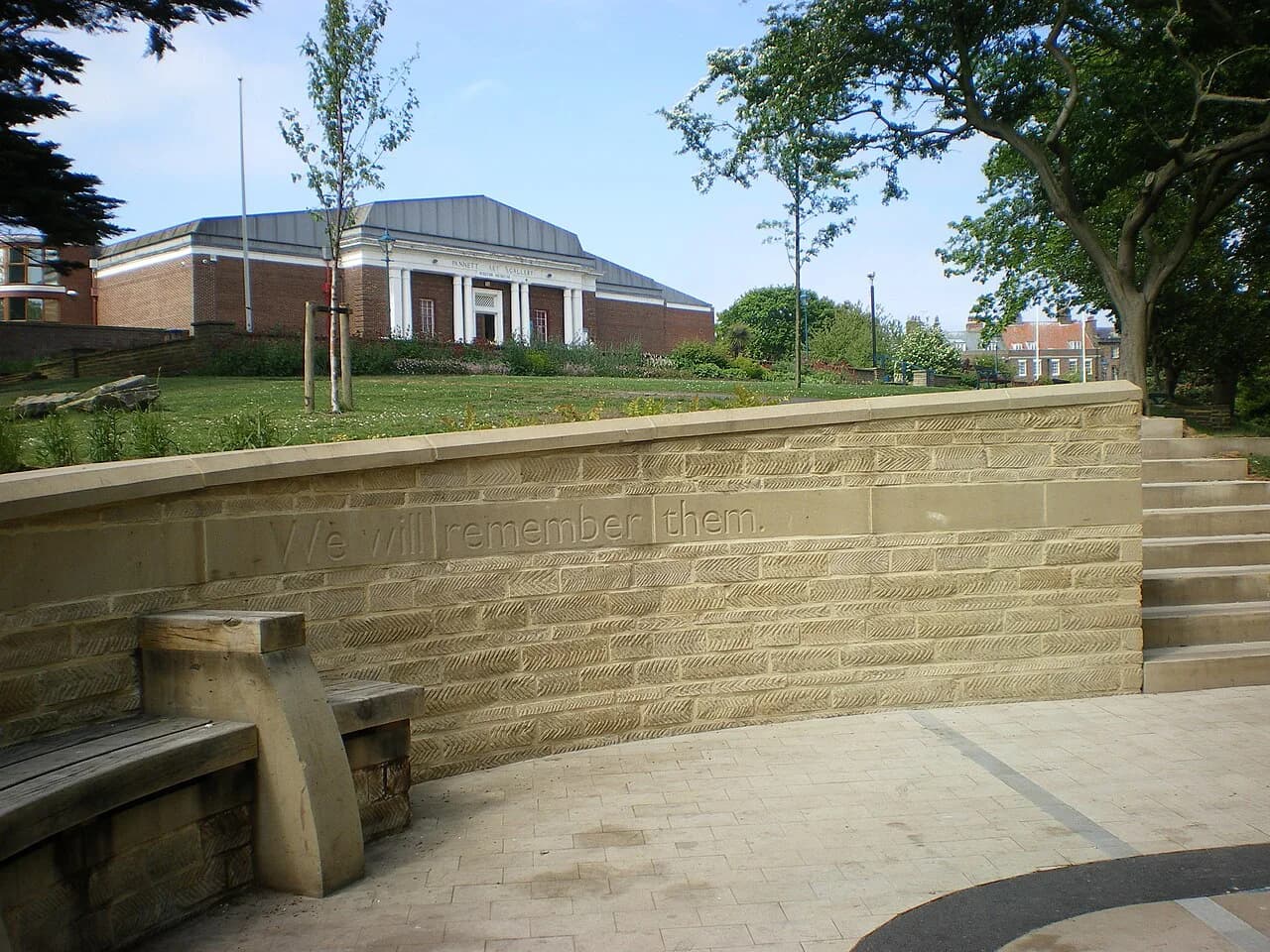
Whitby Museum is run by the Whitby Literary & Philosophical Society, and its collections take in archaeology, social history, ceramics, Captain Cook material, fossils, paintings, photographs, militaria and toys. Pannett Art Gallery sits alongside it. Together they make the obvious wet-weather stop, and the museum has a tea room for a cake break.
Both sit in Pannett Park, a well-kept green space close to the centre with a play area, a commemorative garden, a community garden and a Jurassic garden, spread over about 3.3 hectares on hilly ground. It costs nothing, which makes it a sensible anchor for a family afternoon between paid attractions.
The Captain Cook Memorial Museum
The Captain Cook Memorial Museum occupies a 17th-century building on the harbour where James Cook, aged seventeen, was apprenticed to Captain John Walker. Original panelling, harbour views, a collection of artefacts and a quiet courtyard make it a solid indoor hour for anyone interested in the town's maritime past.
Harbour and Piers: Crabbing, Lighthouses and Boat Trips
Whitby Harbour has been a busy fishing port for over 1,000 years, and it is still the liveliest part of town, lined with cafes, bars, arcades and souvenir shops. Families dangle lines for crabs from the pavements and return the small, inedible catch to the water; kits are sold in the souvenir shops. Watch your food, because the gulls are tame enough to snatch chips from your hand.
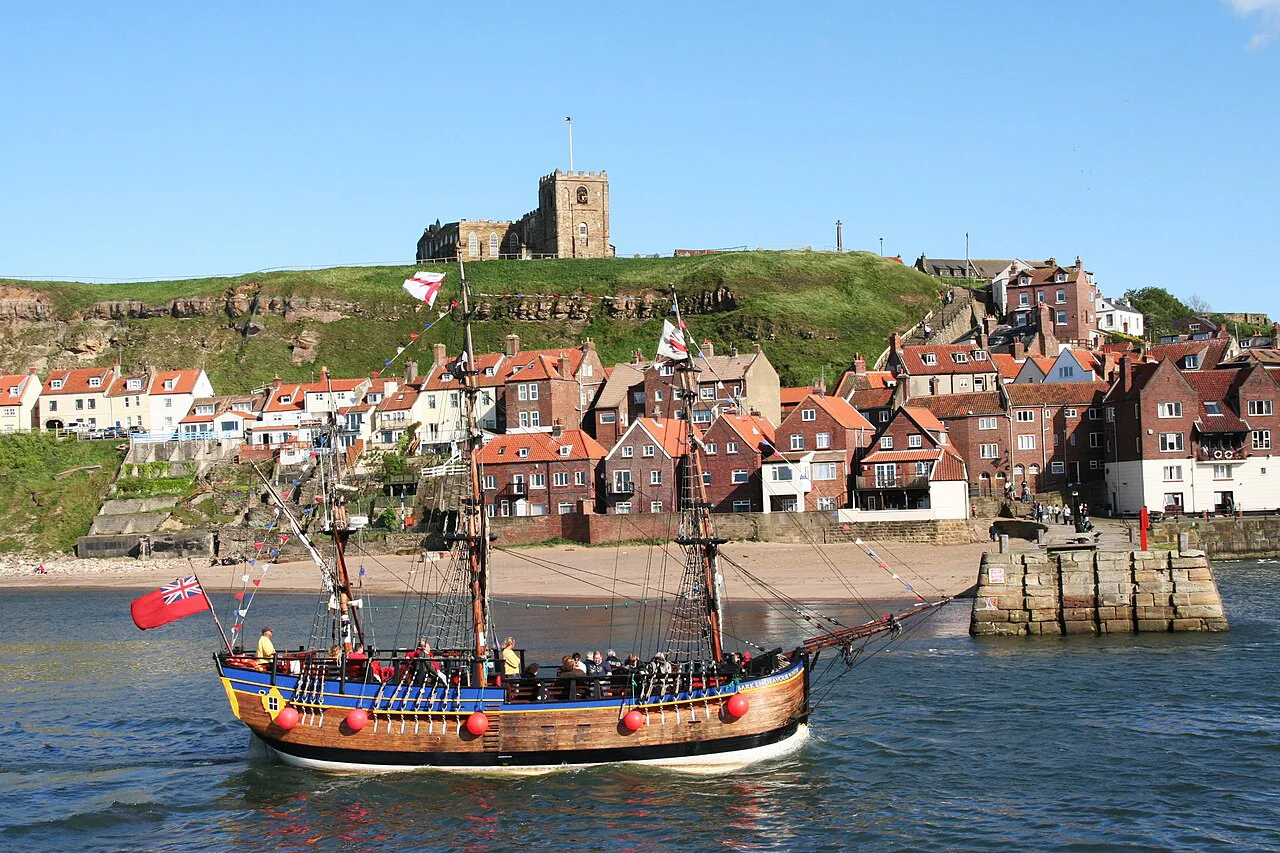
Two piers protect the town from the sea, each with a lighthouse painted red or green for navigation; there are four lighthouses in all but only two operational. A short harbour cruise lasted about 20 minutes and cost £4 in 2022, but longer sunset and twilight trips, a replica of Cook's Endeavour and even a pirate ship also sail. Departure times for the cruises are worth checking with the boat operators on the harbourside before you head down.
Tate Hill Beach sits at the far end of the harbour, a small patch of sand that works for a short sit-down rather than a full beach day. Whitby Coastal Cruises and Whitby Whale Watching run daily trips out of the harbour into the bay and along the Yorkshire coast, with wildlife boat trips also leaving from Staithes to the north.
Whalebone Arch, Captain Cook and the Bram Stoker Bench
The Whalebone Arch on the West Cliff, made from two whale jawbones, was erected in 1853 to commemorate the town's whaling years between 1750 and 1840; the bones are replaced as they weather. The Captain Cook statue stands next to it, and both are free to visit.
A short walk away is the Bram Stoker Memorial Bench, which looks out over the view of the abbey that is said to have inspired scenes in Dracula. It is a viewpoint rather than an attraction, which is exactly why it works: go late in the day when the light is behind the ruins.
Whitby Beach, the Promenade and the Walk to Sandsend
Whitby Beach, also called West Cliff Beach or Whitby Sands, runs for about two and a half miles of sand on the West side, reached by paths down the cliff or by a lift. Deckchairs can be hired on the beach and colourful beach huts can be booked through the council, though the huts go months in advance, so book online early. Dogs are not allowed on the beach during the summer season.
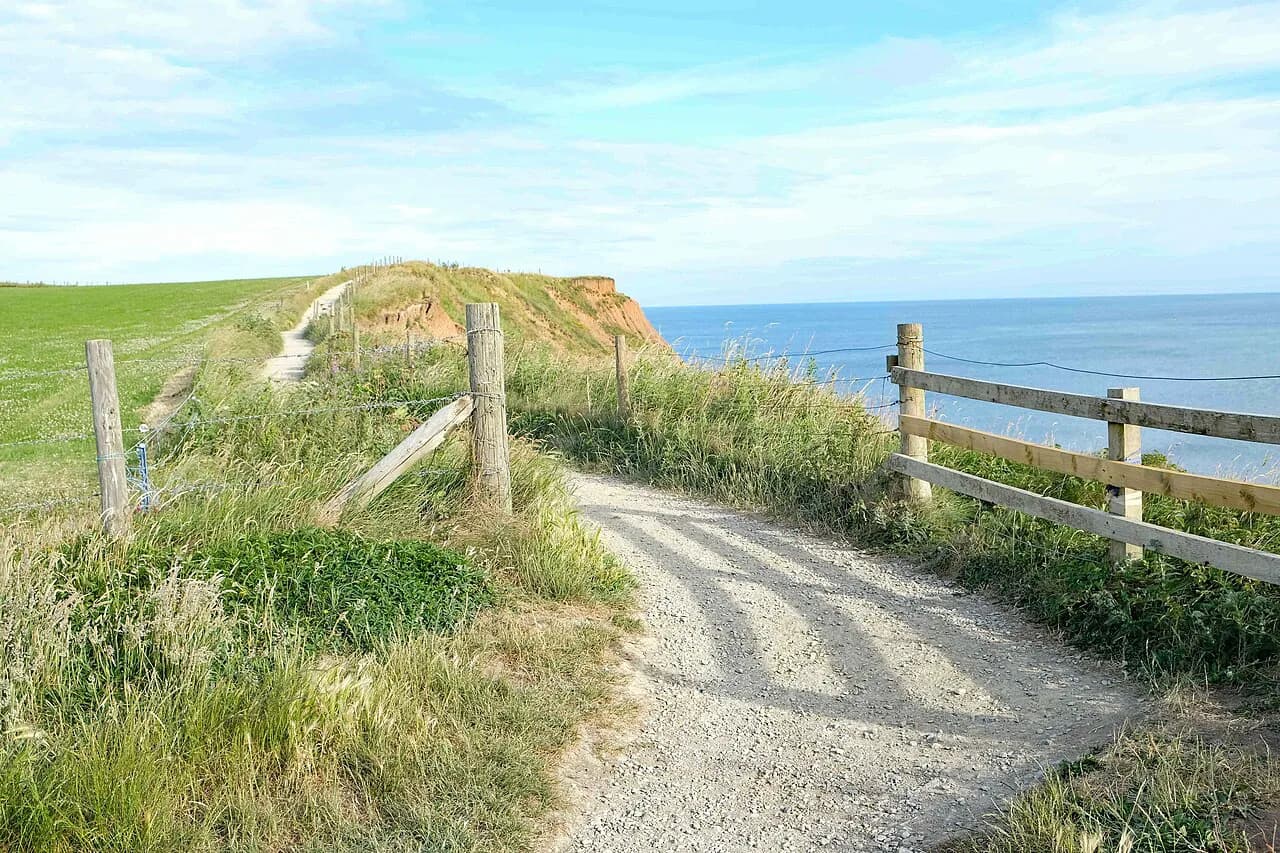
At low tide you can walk along the sand to the neighbouring village of Sandsend, roughly 75 minutes each way, so check tide times before setting off to avoid being cut off. The row of rainbow beach huts on the promenade is the classic photograph.
Shopping with Local Character: Jet, Goth Clothing and Kippers
Whitby jet is the town's signature buy: a fossil formed from Jurassic tree resin that washes up on the beaches and is worked into glossy black jewellery. W Hamond, the original jet jeweller, sits close to the 199 Steps at the bottom of Church Street, and Youngs Jewellers on Skinner Street also makes and sells jet pieces.
The old town's independent shops also sell gothic gifts, thick fishermen's jumpers called ganseys, and sweets. Whitby Pandemonium on Golden Lion Bank stocks Goth, punk and alternative clothing, while Skirts & Shirts at No 8 Flowergate covers the boutique end.
Fortunes Kippers on Henrietta Street, near the 199 Steps, is the last smokehouse in Whitby and has been working since 1872, with six generations of the family behind the counter. It rubs salt and spices into the fish before smoking, sells smoked haddock, herring, salmon and bacon alongside the kippers, and opens in the mornings, closing at lunchtime once the stock has gone.
Ghost Walks and Dracula: Legends Told as Legends
Whitby Walks runs three guided routes with a story walker: a Ghost Walk, In Search of Dracula and a Heritage and History walk, catering for groups, schools and private bookings. The ghost walk in 2022 met at the Whalebone Arch at 7.30pm, needed no booking and cost £7 per adult, and lasted about 90 minutes; check current times and prices before setting out.
The town also has a free self-guided option: Whitby Footsteps of Bram Stoker is a location-based audio drama downloaded to your phone, split into episodes triggered by GPS hotspots as you move through the streets. It leans into Victorian Whitby rather than claiming anything supernatural, which is the right way to enjoy all of this material.
Treat every ghost, witch and vampire story you hear on these walks as entertainment rooted in local folklore and one famous novel. Nobody is asking you to believe that Dracula is buried in St Mary's churchyard, and the stories are better for it.
Rainy-Day and Family Options
Whitby Pavilion on the West Cliff hosts Goth weekends, 60s music weekends, the folk weekend, theatre shows and a cinema, which makes it a useful wet-afternoon fallback. The Coliseum Centre near the railway and bus stations offers theatre and cinema facilities too.
The Dracula Experience turns the novel into animated scenes and special effects with live actors across eight scenes, and it cost £4 in 2018; it is cheerfully theatrical rather than frightening. The Whitby Town Open-Top Bus Tour, run by Coastal & Country Coaches, a family firm serving the area for over 74 years, lasts about an hour but allows hop-on, hop-off use all day with a local guide onboard.
The Whitby Lobster Hatchery and Marine Discovery Centre on the Fish Pier gives children a close look at marine conservation, and the 9-hole Arnold Palmer Putting Course and a pitch-and-putt with footgolf sit on West Cliff. The arcades around the harbour take 2p pieces, so bring a bag of coppers.
Trips Out: Steam Trains, Robin Hood's Bay and Eden Camp
The North Yorkshire Moors Railway runs steam trains from Pickering through the national park, and Goathland station appeared as Hogsmeade in the first Harry Potter film and as Aidensfield in Heartbeat. The Esk Valley Line is a slower, cheaper ride between Whitby and Middlesbrough through pretty villages.
Robin Hood's Bay is a scenic fishing village about 15 minutes away, once a smuggling stronghold in the 1700s, with twisting alleyways below red rooftops. Inland, Eden Camp at Malton is a museum housed in the grounds and buildings of an original Second World War prisoner-of-war camp.
Getting There and Getting Around
Whitby has a railway station and a bus station close together on the West side, with the Coliseum Centre nearby, and the two halves of town are linked by the swing bridge. Once you are in the centre, everything on both cliffs is walkable, though the East Cliff climb is steep and the abbey can be reached by road if steps are a problem. The same logic applies if you are weighing things to do in Aberdeen, another compact historic port where the sights cluster tightly enough to cover on foot.
Durham Tees Valley is the nearest airport, about 33 miles away. Parking, buses and travel detail change with the season, so check the town's travel and parking information before you set out.
Where to Eat and Take Tea
Fish and chips are the main event, and the names that come up again and again are Magpie Cafe, Trenchers, Hadley's, Quayside and Royal Fisheries, with Magpie's worth booking well in advance. Restaurants in town can be booked up three months ahead in season, with walk-in tables carrying waits of around an hour and a half.
For something other than chips, La Rosa Hotel and Tearooms and Botham's of Whitby come recommended for cake, and Rusty Shears Courtyard has a menu with over 100 gins. Trillo's kiosk at the start of the West Pier is the place for a lemon top, a whippy cone finished with lemon sorbet.
If you want the full sit-down version, book afternoon tea in Whitby ahead rather than turning up, and treat it as the anchor of a slower afternoon on the West Cliff.
Practical Trade-offs: Steps, Tides, Seagulls and Crowds
The 199 Steps are steep and twisting, with benches partway, so anyone with limited mobility should approach the abbey by road instead. The Sandsend walk depends on the tide, and the beach is the wrong place to linger if the water is coming in. Seagulls are bold enough to steal food, so eat your chips away from the harbour edge.
Whitby Goth Weekend brings thousands of visitors in April and October, filling the pavilion and the streets with people in black; the town is at its busiest in August. If you want quiet, aim for spring or early autumn and expect some attractions to run shorter seasonal hours.
A One-Day and a Two-Day Plan
For one day, climb the 199 Steps to St Mary's churchyard and Whitby Abbey in the morning, walk back over the bridge for a harbour lunch, then take the beach, Whalebone Arch and Bram Stoker bench in the afternoon, finishing with a ghost walk or a sunset boat trip. Book any restaurant you care about before you arrive.
For two days, give the first morning to the abbey and the Captain Cook Memorial Museum, then add Whitby Museum and Pannett Park on day two before a steam train or a drive to Robin Hood's Bay. That pace leaves room for jet shopping and a proper pot of tea without sprinting between cliffs.
Plan Your Visit
Whitby rewards a plan built around two cliffs and one river: book the abbey ticket and any restaurant you care about, check the tide before walking to Sandsend, and give the steps the time they deserve. Keep the Dracula material as legend and let the real history, the harbour and the beach do the rest.
Prices and opening times for the abbey, museum, boat trips and walks change, so confirm them on the official sites before you go.
Explore more Whitby guides
Frequently Asked Questions
How do you spend a day in Whitby?
Start on the East Cliff with the 199 Steps, St Mary's churchyard and Whitby Abbey, then cross the swing bridge for a harbour lunch. Spend the afternoon on the West Cliff with the beach, the Whalebone Arch and the Bram Stoker bench, and finish with a ghost walk or a boat trip.
Is Whitby Abbey free to visit?
No. Whitby Abbey is an English Heritage site with an admission charge, and English Heritage publishes current prices and opening times on its official listing. You can see the ruins over the wall from the road outside without paying.
How many steps are there up to Whitby Abbey?
There are 199 steps, steep and twisting, marked with Roman numerals every ten steps after the tradition of counting them. Benches partway up were originally made for pallbearers carrying coffins to St Mary's Church. If steps are difficult, the abbey can be reached by road.
Where can you see Dracula's Whitby?
The novel's opening chapters use the 199 Steps, St Mary's churchyard and the gothic abbey ruins, and Bram Stoker stayed in the town between 1890 and 1896. The Bram Stoker Memorial Bench looks out over the view said to have inspired scenes, and the guided In Search of Dracula walk covers the same ground.
When is Whitby Goth Weekend?
It is held twice a year, in April and October, when thousands of visitors in black fill the town and the pavilion hosts live bands and alternative trade stalls. Exact dates change annually, so check the event's own listing before booking travel.
What are the free things to do in Whitby?
Walking the harbour and piers, crabbing from the pavements, Tate Hill Beach, Pannett Park, the Whalebone Arch and Captain Cook statue, the Bram Stoker bench viewpoint and the free Bram Stoker audio walk all cost nothing. Whitby Museum and the abbey charge admission.
Is Whitby worth visiting for a weekend?
Yes. Two days covers the abbey, the Captain Cook Memorial Museum, Whitby Museum with Pannett Park, the beach and a trip out to Robin Hood's Bay or a steam train ride, without rushing between the two cliffs. Book restaurants ahead, as tables go quickly in season.
Can you walk from Whitby to Sandsend?
Yes, at low tide, along the sand in roughly 75 minutes each way. Check tide times before setting out so you are not cut off, and note that dogs are not allowed on Whitby beach during the summer season.
Sources
Notes for your next city break
Optional updates to our UK city guides.
You might also like
Continue reading
More guides you'll find useful