Art Galleries in Birmingham: Where to Go and What to See
Plan a Birmingham gallery day with our guide to the city's public and independent art spaces, plus free entry, time needed and what to see first.
On this page
Birmingham's art galleries fit comfortably into a single day, because the three worth building a trip around sit within a short walk or a cheap bus ride of each other. Birmingham Museum & Art Gallery is the flagship, with a broad civic collection in a landmark building. Eastside Projects in Digbeth is a free public gallery run by artists, which makes a sharp contrast with the city's older institutions.
Plan your route around opening days rather than trying to fit everything in. Two venues done properly beat five rushed, and Birmingham's city-centre core is compact enough to leave the middle of the day free for a long lunch or an afternoon tea.
Birmingham Museum & Art Gallery: start with the flagship
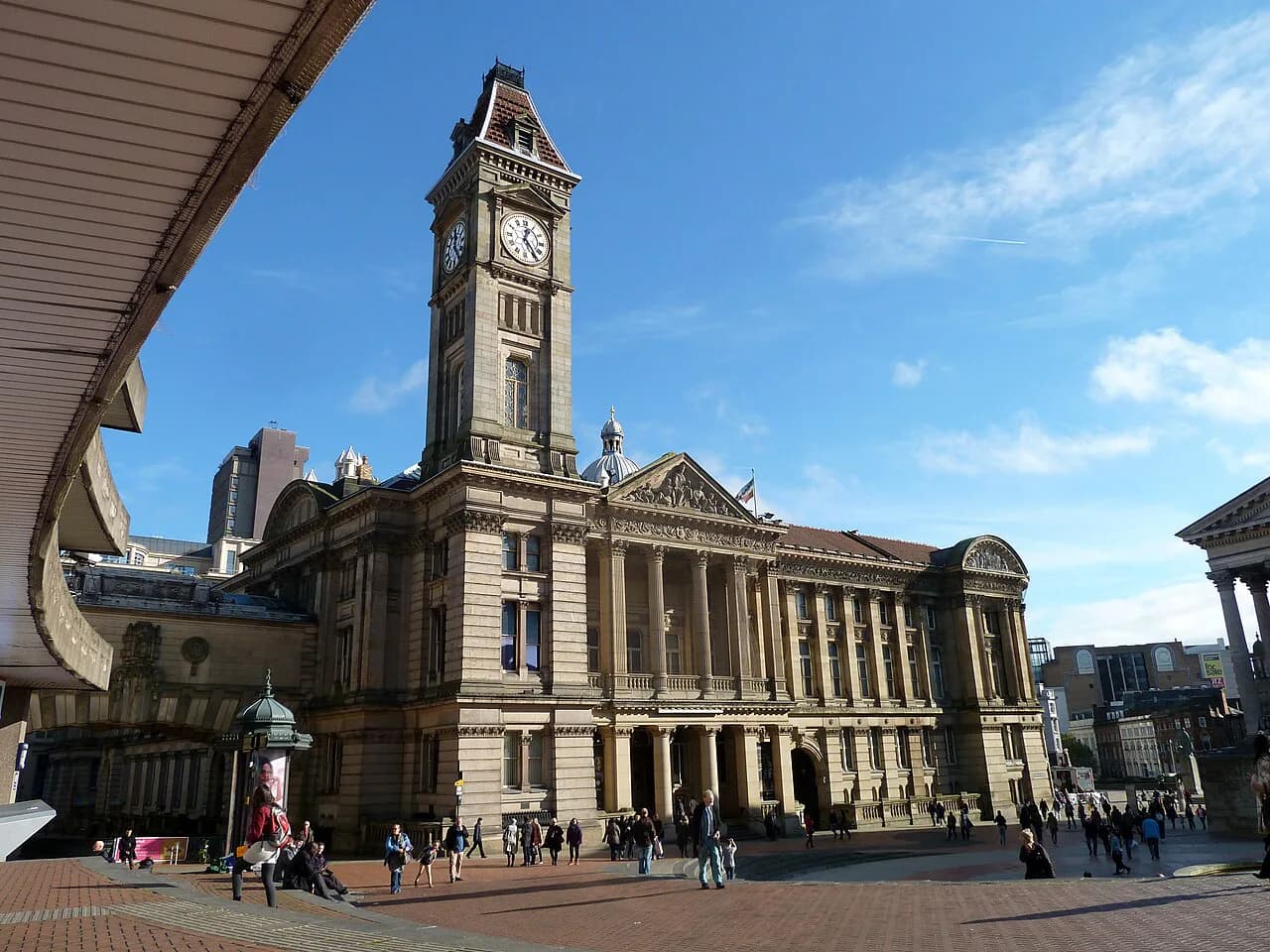
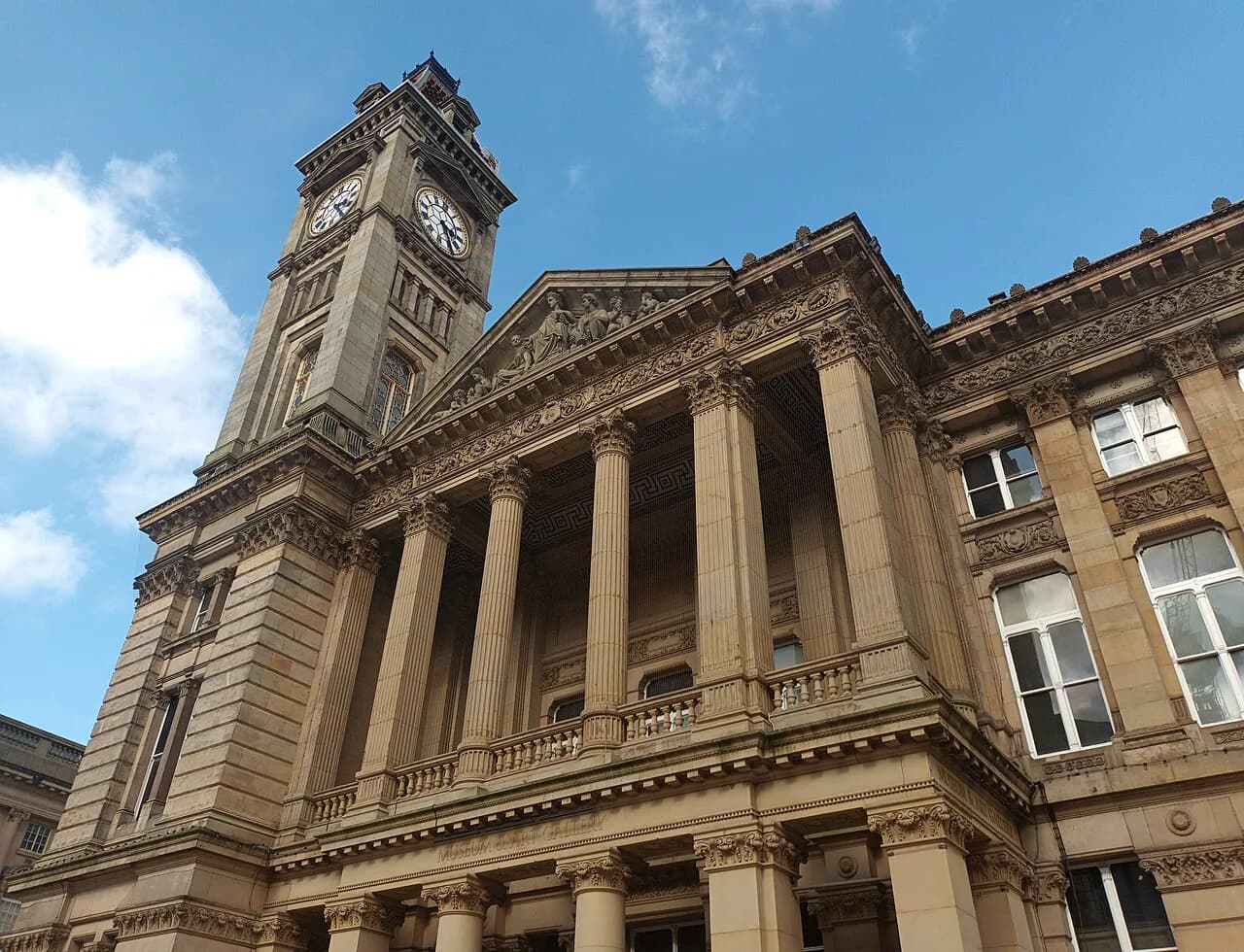
Start here if you want the widest single view of the city's art. Birmingham Museum & Art Gallery holds a large collection spread across many galleries, covering fine art alongside displays on the social history of Birmingham, and the building itself is a Grade II listed landmark.
The venue is part of Birmingham Museums, which runs nine sites across the city, so a ticket or membership bought for one may have a bearing on the others. Check the gallery's own calendar before you travel to confirm which spaces are open and whether anything is ticketed on the day you plan to visit.
Give the collection two hours at a minimum. If you want to see the social history displays as well as the paintings, allow three and treat the art as the first half of the visit rather than an afterthought.
Eastside Projects: an artist-run gallery in Digbeth
Eastside Projects is an artist-run space in Digbeth that commissions artists and describes itself as a free public gallery. That combination of free entry and a working, experimental programme makes it the most interesting counterpart to the city's civic collection, and it suits anyone who would rather see new work than Old Masters.
Digbeth sits a short walk south-east of the city centre, which puts it on a natural loop back towards New Street and Moor Street stations rather than off on a separate trip. Pair it with the flagship gallery in the morning and you have a day that moves from historic collections to current practice.
Because the programme changes, the specific exhibitions and the days it opens are worth confirming on its own site before you set out. Allow around an hour for the gallery itself and extra time for the streets around it.
Smaller and independent spaces to add
Beyond the two headline venues, Birmingham has a long tail of smaller museums and galleries that reward a spare hour. The city's museum listing runs past a hundred entries, including specialist collections such as the Newman Brothers Coffin Works, so there is plenty to slot in if a main venue is closed or busy.
Families with children do well at Thinktank, the science museum at Millennium Point, which sits close enough to Eastside Projects and the city centre to combine with a gallery morning. Aston Hall, the Jacobean mansion north of the centre, adds a historic-house stop to the same trip and its gardens are free to wander.
For a route that covers more ground, the city's other attractions and free options fill the gaps between gallery stops.
Free versus paid entry
The useful split is between civic and publicly funded galleries, which are generally free, and ticketed attractions that happen to hang art. Eastside Projects states plainly that it is a free public gallery, which makes it the safest bet if you want a no-cost art stop.
Birmingham's free-museum landscape includes several venues run by Birmingham Museums, and the city has a wider pool of free things to do that includes galleries, gardens and trails. If budget is the deciding factor, build the day around those and treat any ticketed show as an optional extra.
Where a venue charges, the price is set by the venue and can change with the exhibition, so check the gallery's own booking page rather than relying on a directory listing. Do not assume a city-centre gallery is free just because the last one you visited was.
How long to allow and how to link the galleries on foot
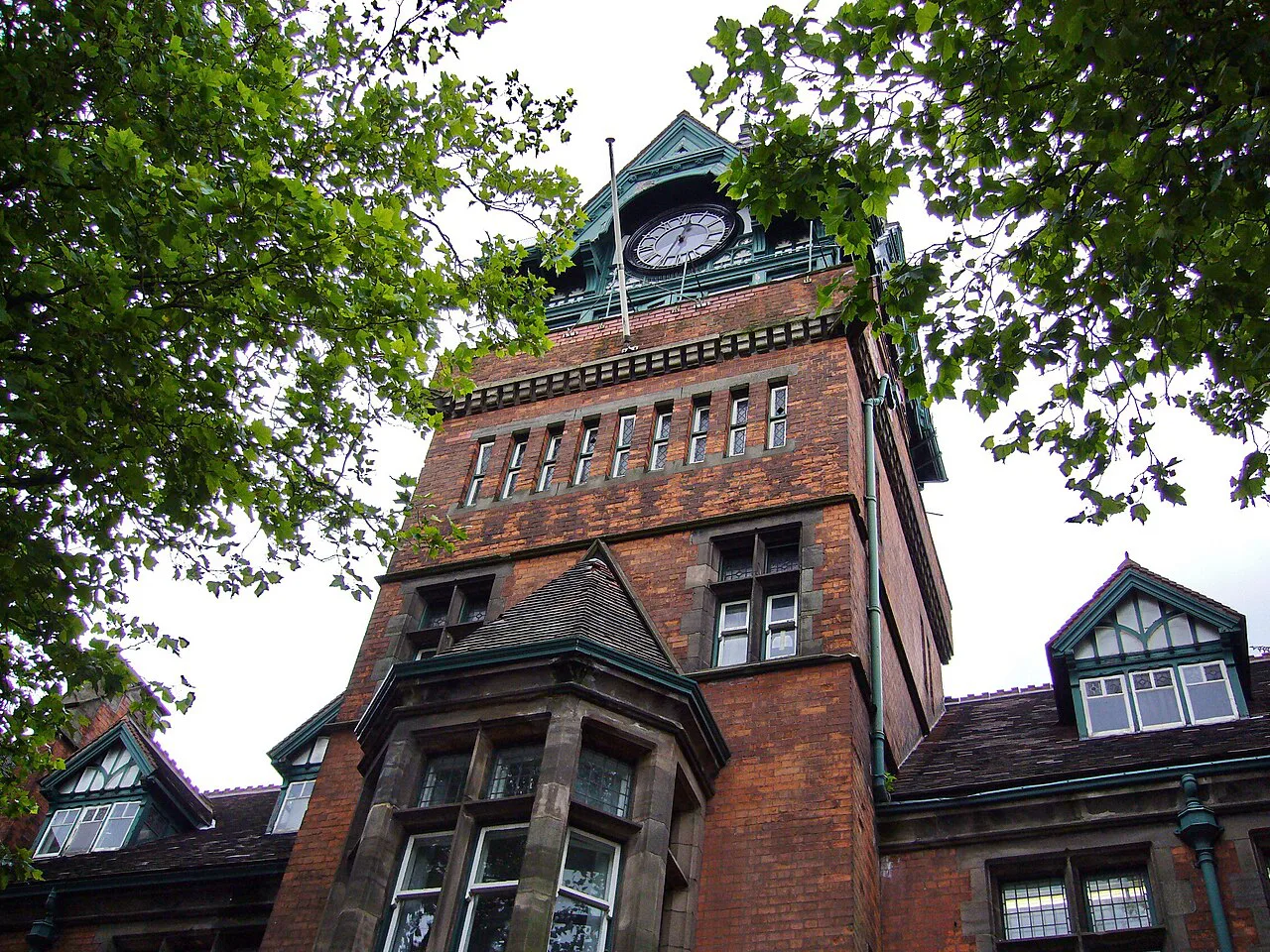
A realistic gallery day is two venues, not four. Allow about two hours at Birmingham Museum & Art Gallery, an hour at Eastside Projects and forty minutes of walking between them, plus whatever you spend over lunch.
The geography works in your favour: the civic gallery sits in the city centre, Digbeth is a short walk south-east, and the walk between the two takes you past some of the city's older industrial streets. If you would rather ride than walk, the centre is compact enough that most hops are quick.
If you are building a longer break, the city's gallery scene sits inside a bigger set of visitor guides covering castles, food and architecture.
Practical tips: opening days, queues, steps and seasonal hours
Opening days vary between venues, and some galleries close on Mondays or run reduced hours outside the main season. Check each venue's own calendar the week you travel, especially if a particular exhibition is the reason for your trip.
Expect stairs in older buildings. Birmingham Museum & Art Gallery occupies a historic listed building and Eastside Projects is a converted industrial space, so neither is guaranteed step-free throughout. Anyone with mobility needs should contact the venue in advance about lifts and accessible routes.
Queues are busiest at weekends and during school holidays, so a weekday morning gives you the quietest galleries. Evenings and late openings, where they run, are the other reliable way to dodge the crowds.
Pairing galleries with tea rooms and other city sights
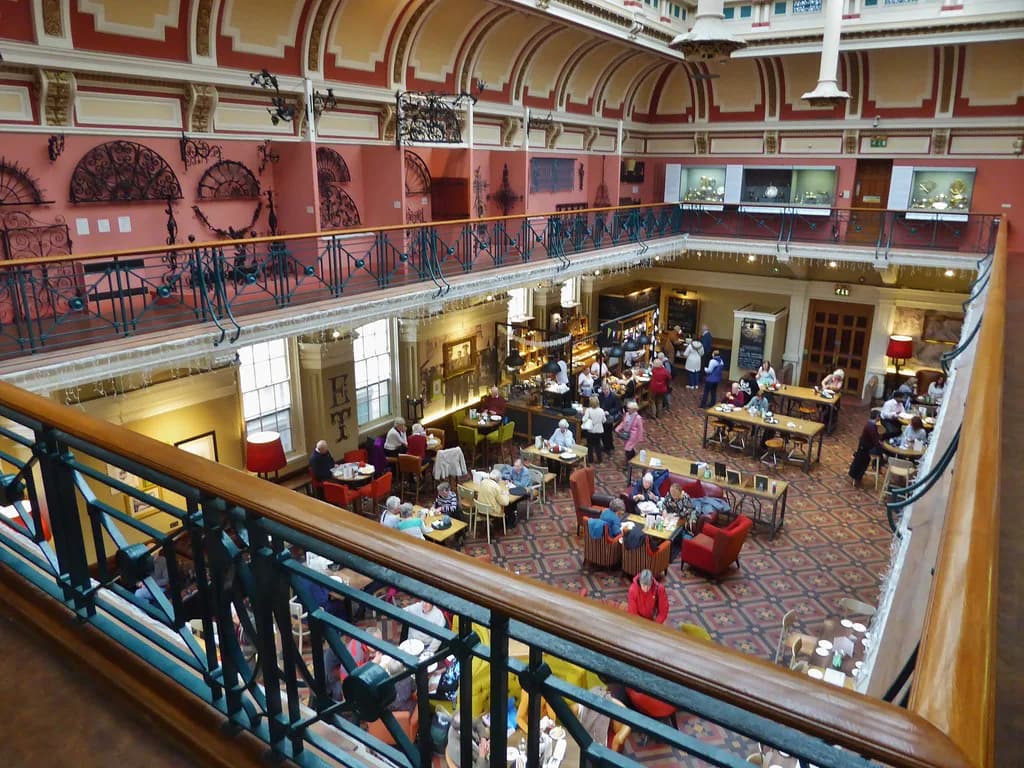
Birmingham is well supplied with afternoon tea, which makes it a natural finish to a gallery day. Options range from the pink-sofa Madeleine Bar at The Grand Hotel on Colmore Row to Hotel du Vin in the former Birmingham Eye Hospital on Church Street, and Noel's Bar & Restaurant on Waterfront Walk for a fruit-scone-and-clotted-cream version.
For something less traditional, Cadbury Cafe at Cadbury World in Bournville serves a chocolate-themed afternoon tea, and Zindiya in Moseley offers a high chai with masala chai and savoury dishes instead of sandwiches and scones. Both are worth booking ahead at busy times.
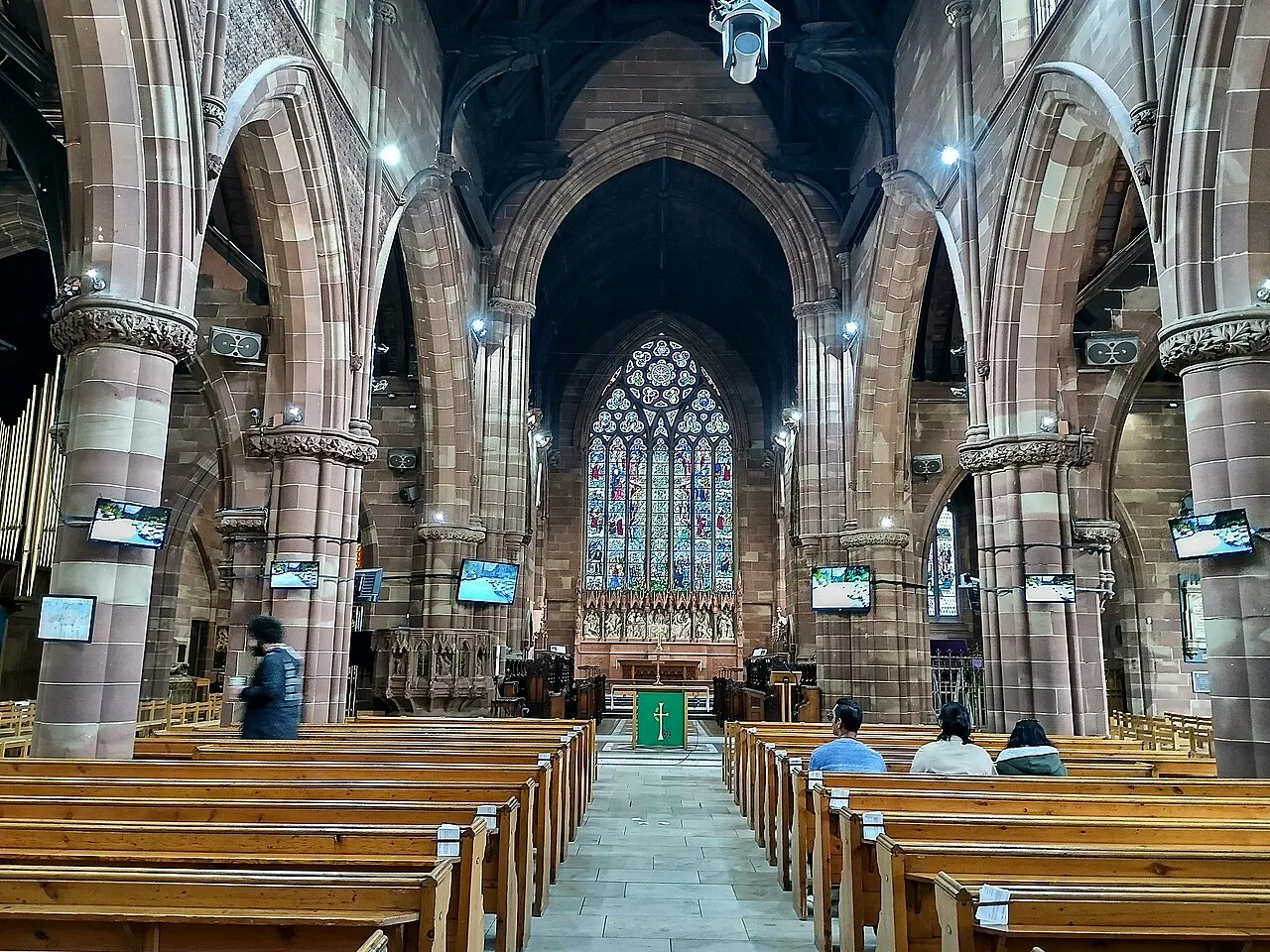
If you want to stretch the day, Birmingham Cathedral sits in the centre near the main gallery, and the city's architecture and history reward a short walk between stops.
Where to stay and how to get between venues
Base yourself in the city centre and you can reach the main gallery on foot, with Digbeth a short walk further out. New Street and Moor Street stations put you within easy reach of both, and the compact centre means you rarely need a bus or taxi between stops.
If your interests run beyond art, the city makes an easy base for wider excursions, including the castles near Birmingham and the region's historic houses.
Plan Your Gallery Day
Build your day around Birmingham Museum & Art Gallery and Eastside Projects, then add a smaller museum or a historic house if you have the time and energy. Check opening days directly with each venue before you travel, particularly if an exhibition is your reason for going.
Finish with afternoon tea somewhere central, and keep a spare hour for the walk between the city centre and Digbeth, which is one of the more interesting stretches of the city to cross on foot.
Explore more Birmingham guides
Frequently Asked Questions
Are Birmingham's art galleries free?
Eastside Projects in Digbeth describes itself as a free public gallery, so a visit there costs nothing. Birmingham Museum & Art Gallery is part of Birmingham Museums, and the charge for any ticketed show is set by the venue, so confirm on its booking page before you go.
How long do you need at Birmingham Museum & Art Gallery?
Allow about two hours to see the fine art collections at a reasonable pace. If you also want to work through the displays on the social history of Birmingham, set aside three hours and treat the paintings as the first half of the visit.
Which gallery should I start with in Birmingham?
Start at Birmingham Museum & Art Gallery for the broadest overview of the city's collections, then walk south-east into Digbeth for Eastside Projects. The order moves you from historic collections to current, artist-run work in a single morning.
How do I get between the galleries on foot?
The city-centre gallery and Digbeth are close enough to walk, with the stretch between them passing older industrial streets. New Street and Moor Street stations give you a central starting point, and most hops between venues are short enough that a bus is rarely needed.
Can I pair a gallery visit with afternoon tea?
Yes, and central Birmingham has plenty of choice, from the Madeleine Bar at The Grand Hotel on Colmore Row to Hotel du Vin in the former Birmingham Eye Hospital. Book ahead at weekends, when tea rooms and galleries are both at their busiest.
Sources
- You don’t need to be in the cast of ‘Bridgerton’ to enjoy the ultimate English pastime – here are 17 unique places for afternoon tea in Birmingham featuring chocolate menus and hidden ‘pink havens’
- UnderTheDoormat Blog - Free Things To Do In Birmingham
- Indoor Activities in the West Midlands | Great Days Out UK
- Eastside Projects – Eastside Projects makes art public.
- 20 Best Museums and Art Galleries In Birmingham Near Me
- Calendar | Birmingham Museum & Art Gallery
Notes for your next city break
Optional updates to our UK city guides.
You might also like
Continue reading
More guides you'll find useful