Roman Birmingham: Where to See Roman Remains and Finds
Roman Birmingham has little surviving Roman fabric, so plan day trips to nearby sites and museum collections instead, with realistic times and access notes.
On this page
There are no Roman ruins to tour in central Birmingham, so build your day around a day trip rather than a city-centre circuit. The city works best as a base: you use its trains and museums, then travel out to Roman walls, foundations and finds held elsewhere in the region. That shift in plan is the single most useful decision you can make before booking anything.
Roman Birmingham: the short answer on what survives
Birmingham grew as a manufacturing city, and its historic core is Georgian and Victorian rather than Roman. Anyone hoping for a Roman fort, bathhouse or stretch of town wall within walking distance of New Street station will not find one. The practical answer is to treat the city as your hotel base and plan a half-day or full-day trip to a Roman site or collection outside it.
That does not make the city a poor choice for a Roman-themed break. Birmingham has a dense cluster of museums, several of them free to enter, which makes a wet-weather day easy to fill while you organise a trip out. Start with the broader picture of museums in Birmingham to see which venues fit your dates before you commit to travel.
Why Birmingham sits largely outside the main Roman road and fort network
Roman Britain was administered and defended through a network of towns and forts, and the surviving archaeology clusters around those places rather than around the later industrial Midlands cities. Birmingham's own growth came much later, which is why its oldest standing buildings are medieval and later. Plan on travelling to the places where Roman material was actually found and displayed.
If you want a sense of how deep that Roman layer can be in a British city, York is the obvious comparison, with its walls and legionary history. Reading up on Roman York before you go helps you recognise what a proper Roman urban site looks like, so you can judge whether a day trip is worth the train fare.
Roman sites within day-trip range of Birmingham
Treat the wider West Midlands and its neighbouring counties as your search area, and pick one site per day rather than trying to string several together. Smaller historic sites in the region open seasonally or on selected days, so a single well-chosen destination beats a rushed itinerary. Check opening days on each site's own page before you buy train tickets.
Several indoor attractions in the West Midlands sit close to transport links and make sensible wet-weather anchors for a day out. Aston Hall and Blakesley Hall both appear among the region's historic houses, and either can fill the indoor half of a day when the weather turns.
Museum collections in the city where Roman finds are displayed
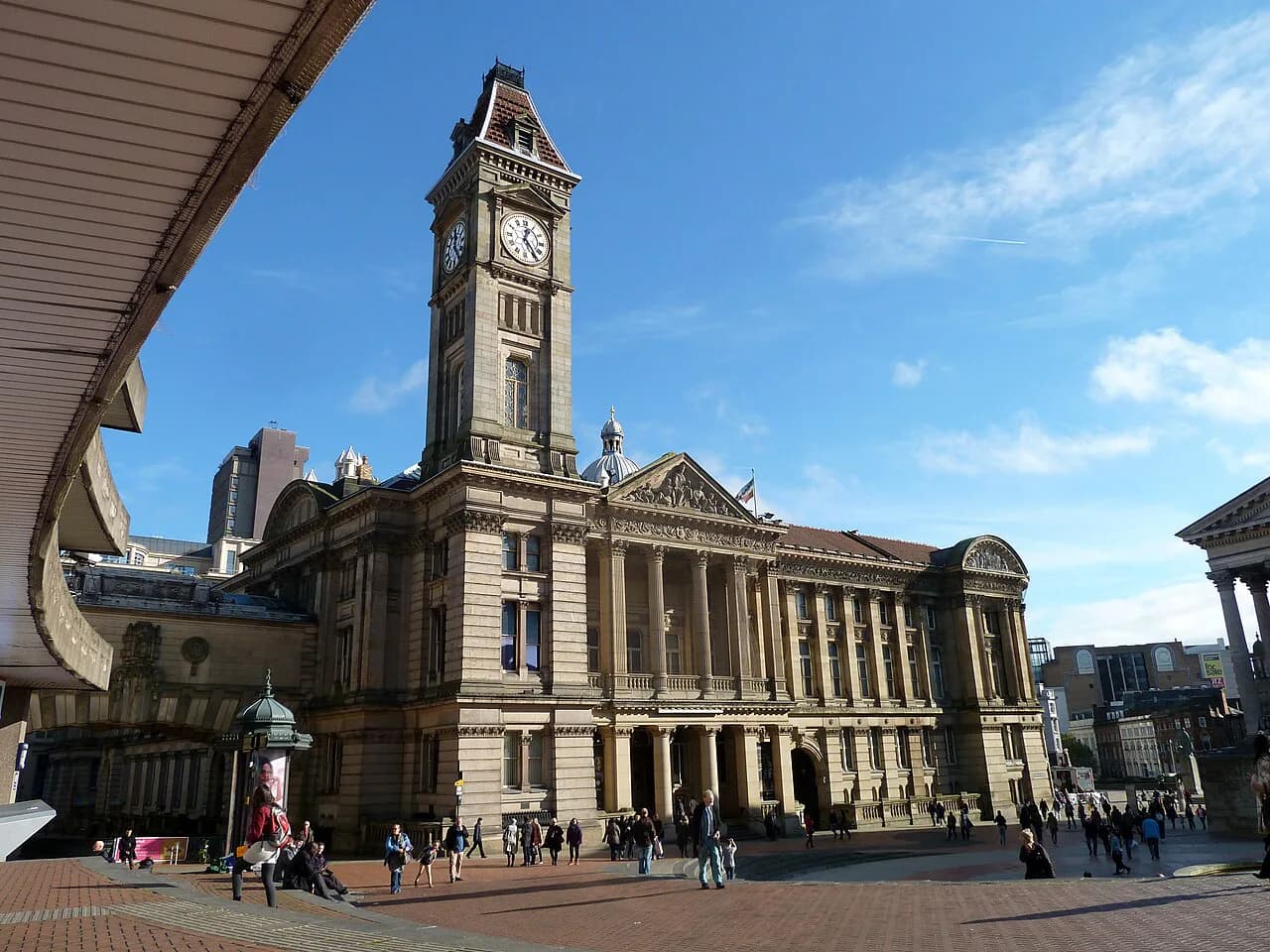
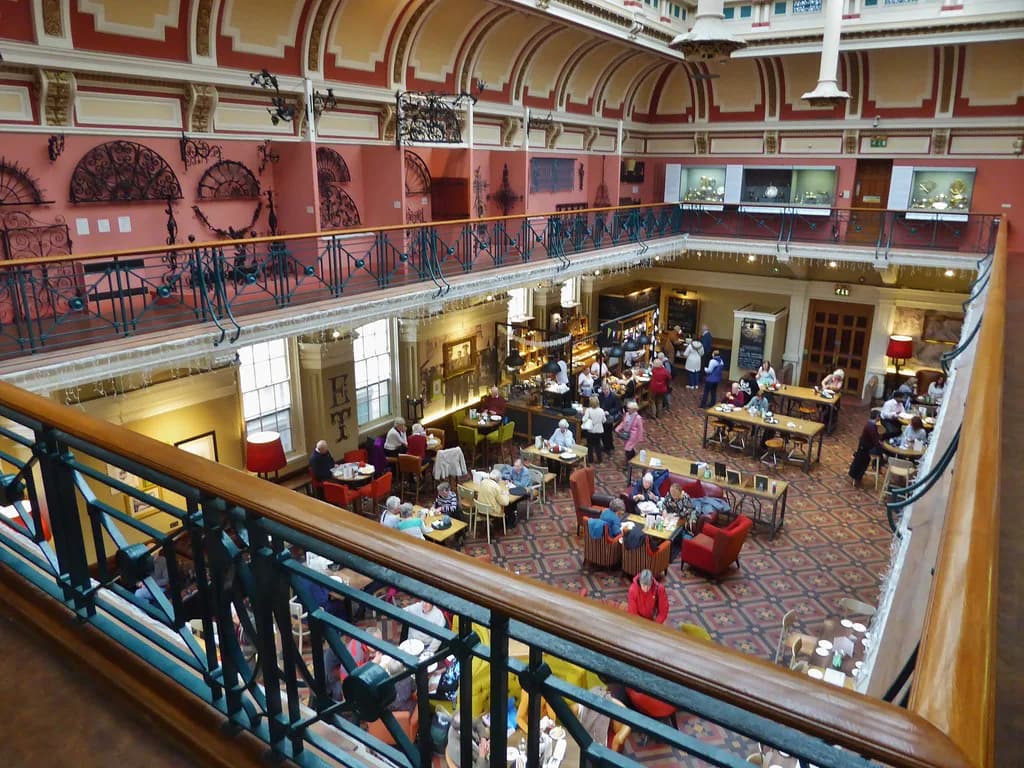
Birmingham Museum and Art Gallery is the city's landmark collection, housed in a Grade II listed building with around 40 galleries covering art and social history. It is the natural first stop for anyone tracing the region's past, and it sits in the city centre within easy reach of the main stations.
The Lapworth Museum of Geology at the University of Birmingham reopened in June 2016 after a full refurbishment and holds fossils and rocks from the region. It is a specialist collection rather than a Roman one, but it suits anyone interested in deep history and it is open every day of the week. The wider set of free museums in Birmingham is worth mapping before you plan, since entry costs shape how many you can fit in.
What to see at each site: walls, foundations, mosaics or objects
Outdoor Roman sites tend to be about masonry: lengths of wall, building foundations and the outlines of streets, all of which read better with a plan in hand. Indoor collections are about objects: pottery, coins, tools and sculpture, which survive far better than timber and give a clearer picture of daily life. Mix the two across a trip and you get both the scale of a site and the detail of the finds.
If your interest is broader than Rome, the city's galleries are a sensible second thread, and you can plan art galleries in Birmingham around your travel days. That keeps a rainy afternoon productive without wasting a dry day indoors.

Tickets and free entry: which sites charge and which do not
National museum collections in Britain generally do not charge for entry, while historic properties and castles usually do, which is the split worth planning around. Paid sites are where you budget, and you should check the property's current admission page rather than relying on a figure quoted elsewhere.
Where a ticket price matters, buy direct from the property's own website and read what the ticket covers before paying. A single admission charge is often better value than a combination ticket you will not finish, especially on a short break. That is the only check-on-the-day note you need beyond opening days.
How long to allow and how much walking is involved
For a city-centre museum, allow two to three hours and expect to do it on foot from the station. For an outdoor Roman site, allow half a day once travel is included, and wear shoes with grip because masonry and grass paths are uneven. Add an hour if you plan to eat on site rather than in the city.
Walking distances inside Birmingham are manageable, and the free trails listed locally give a sense of scale: the Lickey Hills circular runs about 4.7 km and takes roughly an hour. The Woodgate Valley Country Park Trail covers about 5.3 km on flat ground, which suits anyone who wants distance without hills.
Getting there by train, bus and car
Birmingham's stations put most regional destinations within an easy rail hop, and a train plus a short walk is usually faster than driving and parking. Book a specific departure time when you are heading to a site with set opening days, so a delay does not cost you the visit. For city-centre museums, no planning is needed beyond checking the day's opening.
If you drive, park once and walk, because city-centre parking costs add up quickly across a day. Cars are more useful for out-of-town historic sites with limited bus service than for the museums in the centre.
Access notes: steps, uneven ground and outdoor sites
Historic buildings bring steps, narrow doorways and uneven floors, and Roman masonry outdoors is often set in grass with no smooth path. Anyone with mobility needs should read the access page for the specific site before travelling, since provision varies widely between venues. Indoor museums in the city are the safer bet for step-free routes.
Take waterproofs and a charged phone for outdoor sites, and keep a museum as a fallback if the weather closes in. That flexibility matters more in the West Midlands than a fixed hour-by-hour plan.
Nearby: pairing a Roman site with a castle or cathedral visit
Pair a Roman destination with a castle or cathedral nearby and the journey earns its keep even if the Roman element is small. Castles near Birmingham give you a second historic stop, and cathedral cities add an indoor option if the weather turns. Plan one paid site and one free one per day to keep costs sensible.
Several historic properties in the region sit within an easy drive of each other, including Aston Hall and Blakesley Hall, which makes a two-stop day possible without long transfers. Aston Hall also carries local ghost stories, which are told as legend rather than fact.
Common mistakes: expecting a Roman fort in the city centre
The most common mistake is arriving in Birmingham expecting a Roman monument within walking distance of the shops. The second is assuming any old-looking stonework is Roman when it is medieval or Victorian. Set your expectations around a day trip and you will enjoy the city far more.
The third mistake is over-scheduling: one Roman site plus one museum is a full day once travel is counted. Leave the evening free and you can add a proper afternoon tea in Birmingham without rushing. The Madeleine Bar at The Grand Hotel on Colmore Row serves finger sandwiches, fruit scones and cakes with a glass of champagne in a pink-toned room, which makes a civilised end to a history day.
Plan Your Roman Day Out
Base yourself in Birmingham, pick one Roman site or collection for each day, and treat the city's museums as your flexible indoor option. Check opening days and prices on each venue's own pages before you book trains, and balance one paid historic site against a free museum to keep the trip affordable. Beyond that, the plan is simple: travel light, wear grip-friendly shoes and leave room for a good tea.
Frequently Asked Questions
Are there any Roman ruins in Birmingham?
There are no Roman ruins to tour in central Birmingham, and the city's surviving historic buildings are medieval and later. Plan a day trip to a Roman site or collection elsewhere in the region and use Birmingham as your base, with its museums filling the indoor days.
Where can I see Roman finds near Birmingham?
Look to museum collections in the wider region and to Roman sites that lie within a train or drive of the city. Confirm the current displays and opening days with the venue directly, because gallery contents change and smaller sites open on selected days.
Is the Roman collection in Birmingham Museum free?
Birmingham Museum and Art Gallery is a free national-style collection, so entry does not cost you anything. Special exhibitions can carry a separate charge, so check the museum's own page for the display you want to see before you travel.
How long does it take to see a Roman site near Birmingham?
Allow half a day once travel is included, plus an extra hour if you eat on site. Outdoor masonry and grass paths take longer to walk than a museum floor, so wear shoes with grip and do not stack two sites into one afternoon.
What else can I pair with a Roman day out?
Pair a Roman destination with a castle or cathedral nearby so the journey pays off whatever the weather. Alternatively, add an evening afternoon tea in the city, which needs booking ahead at the more popular hotels and bars.
Sources
Notes for your next city break
Optional updates to our UK city guides.
You might also like

Continue reading
More guides you'll find useful