
Cambridge University Botanic Garden: what to see and how to plan a visit

Cambridge University Botanic Garden is a university garden that opened in 1846 and now cultivates a plant collection of over 8,000 species from around the world. It sits south of the historic centre, close enough to walk to from the colleges but far enough to feel like a separate, slower afternoon. Two to three hours covers the glasshouses and a good sweep of the outdoor beds; a short loop of about an hour suits anyone squeezing it between museum visits.
What Cambridge University Botanic Garden is
The garden belongs to the University of Cambridge and has been planted and replanted since its 1846 opening, with a collection spanning more than 8,000 species. It is a working botanical collection as much as a pleasure ground, so expect labelled beds and systematic planting alongside the sort of long borders that reward a wander. Treat it as a place to look closely rather than a quick photo stop on the way into town.
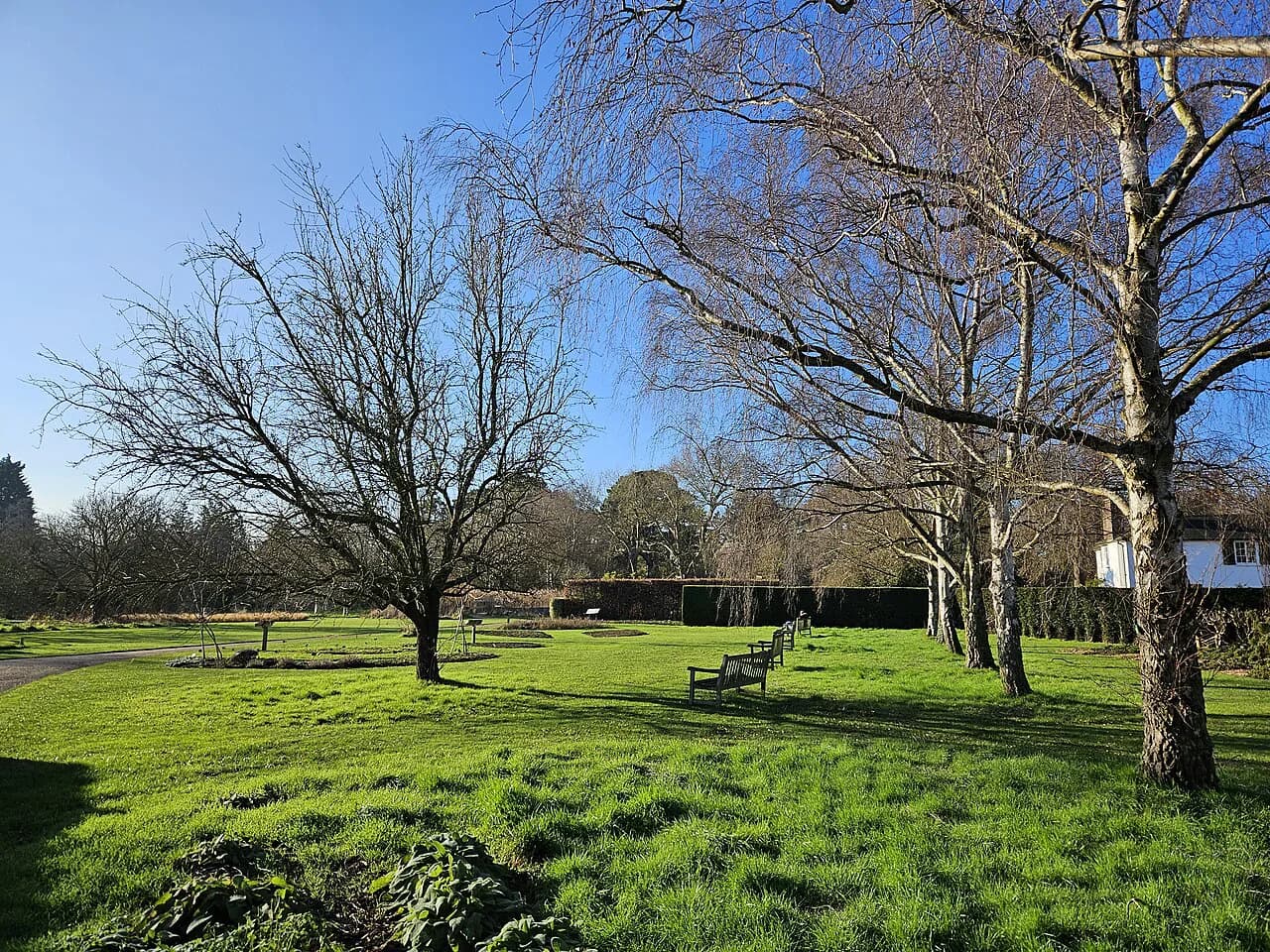
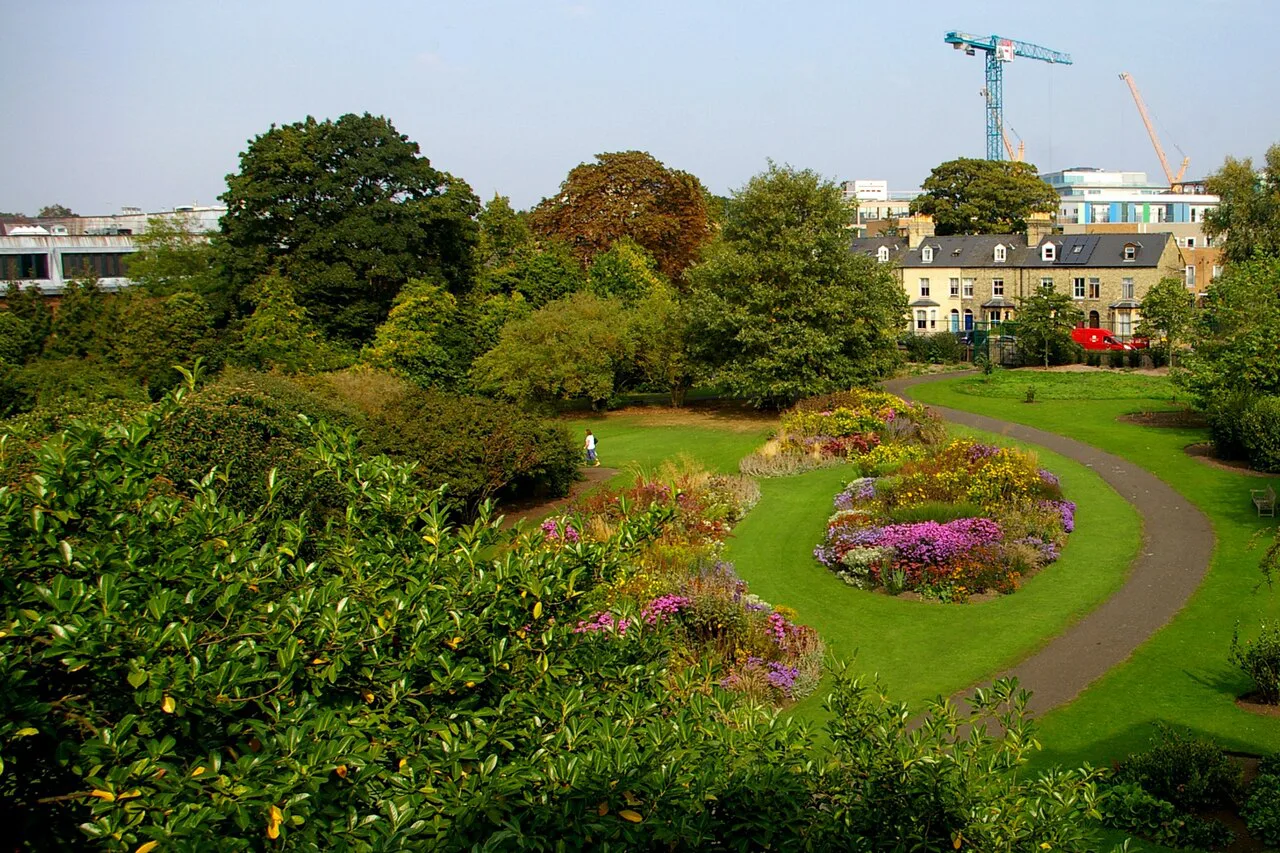
Photographs of the garden show a mix of open lawns, structured beds and a large glasshouse range, so the site reads as several gardens in one. That variety is the argument for giving it real time: you can move from sheltered glass to open sky in a few minutes, which makes it unusually forgiving when the weather turns.
Where it is and how to reach it from the centre
The garden lies south of the city centre, on the far side of the station road corridor, with entrances that put it within walking distance of the central colleges for most visitors. Walking from the market square area takes a steady twenty to thirty minutes depending on your pace and route, and the final stretch is flat. Buses run along the main roads bordering the garden, so a short ride plus a few minutes on foot is a sensible alternative if you are carrying bags or travelling with young children.
If you are planning a day around this part of Cambridge, it helps to see how the garden fits with the rest of the city before you commit your hours. The wider set of Cambridge Attractions: 8 Visitor Guides covers the museums, churches and college sights that slot around a garden visit. It also sits neatly alongside the Cambridge Neighborhoods if you are weighing which side of the city to base yourself.
Driving in brings the usual Cambridge trade-off: the garden sits on busy approach roads with limited parking in the surrounding streets, and central Cambridge rewards anyone who leaves the car behind. Check the garden's own site for its published arrival and parking guidance before you set out, since arrangements around the entrances change with university and building work.
The glasshouses and the plant collections
The glasshouse range is the part of the garden that earns its place on a wet or cold day, holding subtropical and tender plants that would not survive an English winter outdoors. In practice this means you can keep a visit going through a shower, and the warmth and humidity make a striking contrast with the open garden in February or November. Give the glasshouses forty-five minutes to an hour if you like reading labels and taking your time.
Outside, the collection is arranged in themed and geographical groupings rather than as one continuous border, so a little planning pays off. Pick two or three areas that interest you, whether that is medicinal plants, trees or seasonal bedding, and walk between them deliberately instead of trying to cover everything. Anyone who gardens seriously will want longer; anyone with children will likely be led by whatever is in flower or moving.
The outdoor garden through the seasons
Spring is the season most visitors plan around, when bulbs and early-flowering trees bring colour to the beds and the garden becomes a genuine alternative to a crowded college lawn. Summer brings the long borders and the tree collection at their fullest, with shade along the paths and the glasshouses offering relief on hot afternoons. Autumn is quieter and better for foliage, while winter pares the garden back to structure, evergreens and whatever the glasshouses hold.
Time your visit by what you actually want to see rather than by the calendar alone. A winter visit is a calmer, cheaper-feeling afternoon with the glasshouses doing most of the work, and a spring visit rewards an early start before the paths fill. Either way, the garden changes character month to month, so a repeat visit in a different season is not a repeat visit at all.
How long to allow
An hour is enough for a brisk circuit of the main paths and one pass through the glasshouses, which suits anyone with a train to catch or a museum booked for the afternoon. Two to three hours is the honest figure for seeing the glasshouses properly plus the principal outdoor collections at an unhurried pace. Half a day is for plant people, sketchers and anyone who wants to sit down with the collection rather than walk past it.
The site is larger than it looks from the entrance, and the common mistake is to arrive in the late afternoon expecting to see everything. Work backwards from closing time, decide whether the glasshouses or the outdoor beds get your best hour, and accept that you will leave some of it for next time.

Tickets, opening hours and booking
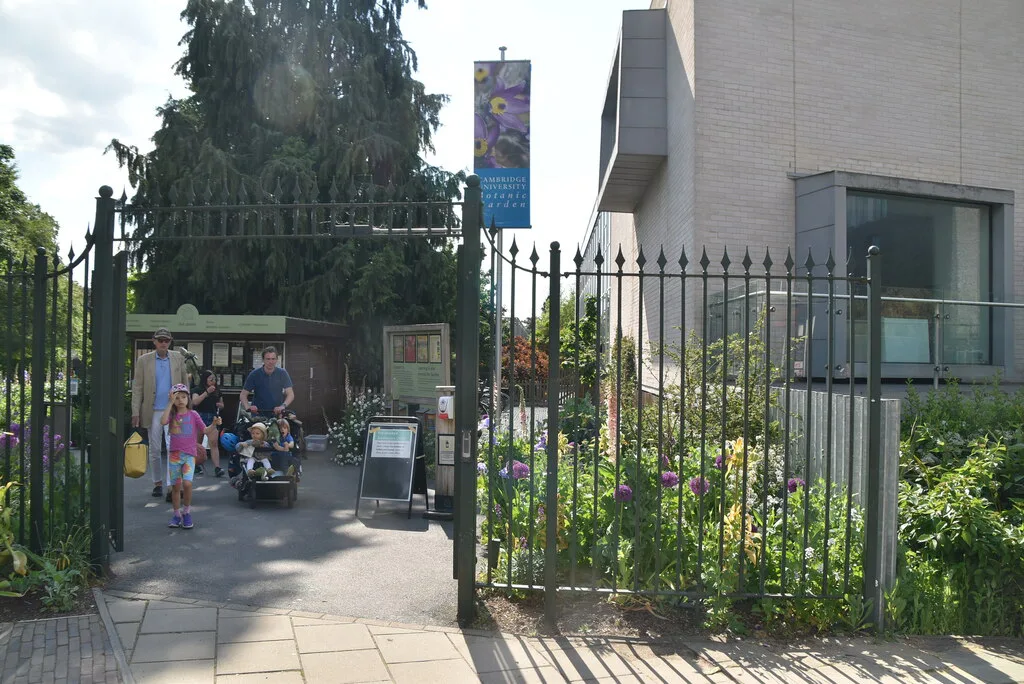
Entry arrangements, seasonal opening times and any last-entry rule are set by the garden, so confirm them on its own site before you travel, especially outside the main growing season when hours shorten. Book ahead if you are visiting at a weekend in spring or summer, or if you are bringing a group and want a fixed arrival slot. Prices and any concession rules sit on the garden's booking pages rather than in this guide, because they change with the season.
If you have access requirements, the garden appears as a listed provider in the Access Card directory, which is worth knowing when you plan how to explain your needs on arrival. That listing confirms the garden's presence in the scheme without telling you anything about ticket discounts, so ask the garden directly what it offers.
Access, paths and mobility
Paths across the garden are largely firm and level, which makes it workable for pushchairs, wheelchairs and slower walkers, though some of the outer routes and glasshouse thresholds need care. Benches are placed through the site, so a visit can be broken into short stretches with rests in between. If mobility is a concern, plan a shorter circuit around the central area and treat the glasshouses as a fixed stop rather than a through-route.
Gravel and compacted surfaces are easier in dry weather, and a wet autumn can make the less-travelled paths muddy. Sensible shoes matter more here than in a city museum, and a folding stool or a companion who can push a chair over the odd uneven patch makes the difference on longer loops.
Getting there without a car, and parking if you drive
Walking is the simplest way in from the centre, and the approach from the station side is straightforward if you are arriving by train. Local buses serve the roads framing the garden, and a plusbus-style add-on or a day ticket usually works out better than paying per journey if you are combining the garden with sights further out. Allow extra time on weekdays when the roads south of the centre are busy.
Driving means dealing with Cambridge traffic and scarce kerbside space near the garden, so it is worth checking the garden's published parking advice before setting off. The practical alternative is to park further out and finish on foot or by bus, which also puts the colleges and the river within reach on the same day.

Nearby options to pair with the garden
The Fitzwilliam Museum is the obvious partner for a garden day: a central University of Cambridge museum that pairs a morning among plants with an afternoon of paintings and antiquities. Both reward a slower pace, so giving each a half-day rather than cramming them together makes for a better visit.
If you want a second garden or a country-house afternoon, Wimpole Hall is a National Trust estate within reach of the city by car, with grounds that suit a longer excursion. Closer to the centre, the Mathematical Bridge and the riverside walks around The Backs fill an hour nicely on the way back from the garden.
Two free-leaning central stops are worth knowing about for a mixed day: the Museum of Archaeology and Anthropology and Great St Mary's, the latter with its tower views over the colleges. Both sit in the historic core, so they work as a morning before an afternoon in the garden.
For a wider shortlist beyond this corner of the city, the guide to things to do in Cambridge sets out the museums, streets and riverside walks that fit around a garden visit. It is the fastest way to build a two-day plan without retracing your steps.
If you are deciding where to base yourself, Cambridge Neighborhoods explains how the centre, the station side and the southern roads differ for walkers. Staying central keeps the garden, the colleges and the river within a single day's walking.
Where to go for afternoon tea after a garden visit
After a couple of hours on your feet, the sensible move is a tea stop within walking distance rather than a bus ride back into the thick of the centre. Book anything table-service in advance at weekends, and choose by distance and booking policy first: a place you can walk to in ten minutes beats a celebrated room you have to queue for when your feet are tired. The guide to afternoon tea in Cambridge sets out the options worth planning around, including Parker's Tavern at University Arms for a central, bookable finish. The same decision comes up in the other direction of town, where the Cambridge Neighborhoods points out which areas keep a good tearoom within walking distance of your base.
Common mistakes to avoid
The first is arriving late in the day and discovering that the glasshouses or the outer beds need more time than you have left. The second is underestimating the site: it is a proper garden, not a square, and a fifteen-minute dash misses the point. The third is skipping the glasshouses in grey weather, when they are the best-value part of the visit.
Finally, treat the garden as a destination in its own right, not as filler between colleges. Build it into the day as a destination with its own slot, and let the city sights fit around it rather than the other way round. A little forward planning on transport and a booked tea table will make the whole afternoon run smoothly.
Plan Your Visit
Cambridge University Botanic Garden rewards a planned half-day: two to three hours for the glasshouses and the main collections, booked ahead if you are coming at a busy weekend, and reached on foot or by bus rather than by car. Pair it with the Fitzwilliam Museum or a riverside walk, and finish with a tea table you have already booked. Check current entry prices, opening hours and last entry on the garden's own site before you travel, as they shift with the season.
Explore more Cambridge guides
Frequently Asked Questions
Is Cambridge University Botanic Garden free to enter?
Entry arrangements are set by the garden and can change with the season, so check its own site or booking pages for the current policy rather than assuming. The garden's published pages are the place to confirm any charge, concession or free entry before you travel.
How long does it take to walk around Cambridge University Botanic Garden?
Allow an hour for a brisk circuit with one pass through the glasshouses, two to three hours for the glasshouses plus the principal outdoor collections, and half a day if you want to sit with the planting. The site is larger than it appears from the entrance, so late-afternoon arrivals should pick one area rather than try to cover it all.
What are the opening times and ticket prices?
Opening times and prices are published by the garden and vary through the year, with shorter hours outside the main growing season. Confirm the current times, prices and any last-entry rule on the garden's own website before setting out, particularly if you are visiting at a weekend.
Where is Cambridge University Botanic Garden and how do you get there from the city centre?
The garden sits south of the historic centre, roughly a twenty to thirty minute flat walk from the market square area, with local buses running along the roads beside it. Arriving by train and finishing on foot is straightforward, and it avoids the city traffic and scarce kerbside parking near the garden.
Is there parking near Cambridge University Botanic Garden?
Kerbside space around the garden is limited and the approach roads are busy, so check the garden's own site for its published parking and arrival guidance before driving. Many visitors park further out and cover the last stretch on foot or by bus.
Is the garden accessible for wheelchairs and pushchairs?
Most paths are firm and level, with benches placed through the site, though some outer routes and glasshouse thresholds need care, especially after rain. The garden is listed in the Access Card directory, which is a useful starting point for explaining access requirements, but ask the garden directly about any concessions rather than inferring them.
What is there to see at the garden in each season?
Spring brings bulbs and early-flowering trees, summer fills the long borders and tree collection, and autumn is quieter with foliage colour. Winter thins the outdoor garden to structure and evergreens, which makes the glasshouses the main draw on a cold or wet day.
What else is near the garden worth visiting?
The Fitzwilliam Museum makes the strongest pairing for a garden day, with the riverside walks around The Backs and the Mathematical Bridge filling an hour on the way back into the centre. Wimpole Hall, a National Trust estate, suits a longer excursion if you have a car.