
The Backs, Cambridge: A Visitor's Guide to the College Backs

The Backs is the strip of riverside land behind the Cambridge colleges, where the lawns and bridges of King's, Trinity, St John's and Queens' meet the River Cam. You can see it two ways: from a punt on the water or on foot along the towpath and the roads that cross the river. Both are worthwhile, and the best day out usually combines a short walk with a chauffeured punt.
What The Backs are
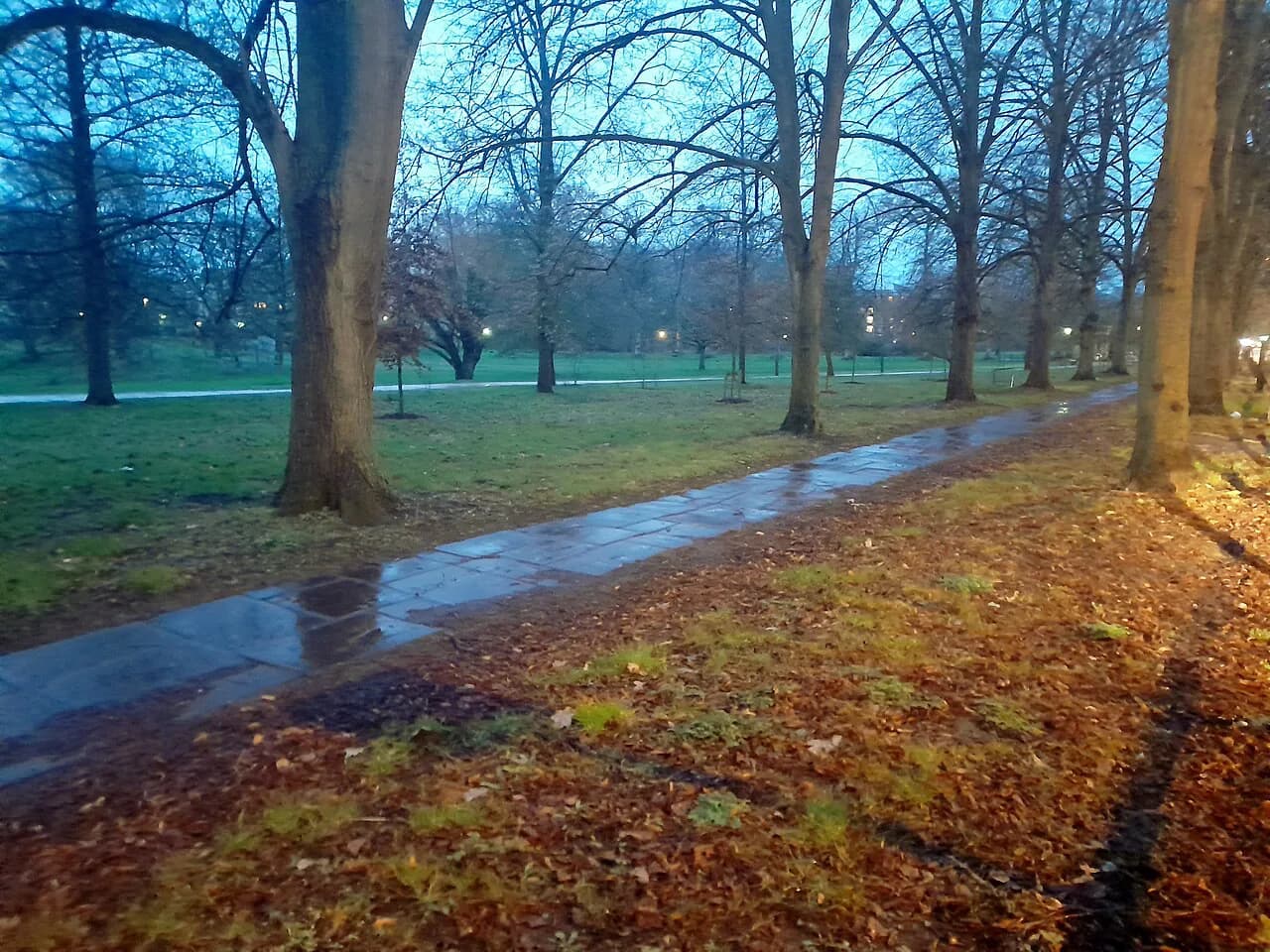
Cambridge's colleges sit between the city centre and the river, and their rear entrances open onto the water. That rear riverside is what people mean by The Backs: a run of college gardens, lawns and bridges rather than a single walled park. It has no gate, no ticket desk and no set opening time, so you can walk through it whenever you are in the city.
The stretch is short and easy to reach from the shopping streets and market square, which is why it fits neatly into a half day. The University of Cambridge was founded in 1209, and the buildings along the water accumulated over the centuries that followed. Treat The Backs as a moving view rather than a destination you arrive at and tick off. If you are deciding where to stay around your visit, Cambridge Neighborhoods covers the main areas of the city.
Colleges along the river include King's, Trinity, St John's and Queens', each with its own buildings, courtyards and gardens. Many of these were built in different eras, so the walk shows a mix of architectural styles in a short distance. The riverside is the best place to see them as a group rather than one by one.
Where The Backs sit and how to reach them
The Backs runs west of the city centre, between the colleges and the River Cam, roughly from Queens' College in the south to Magdalene College in the north. From Market Square the walk to the river takes about ten minutes on foot, and the main crossing points are Silver Street, Garrett Hostel Lane and Magdalene Street.
Most visitors arrive on foot or by bicycle, and Cambridge is a natural cycling city: about 55 per cent of residents make a journey by bike at least once a week. The OSMaps route Cambridge Colleges and The Backs shows the loop along the river if you want to follow a plotted line on your phone.
What to see along the water
Start at Queens' College for the Mathematical Bridge, then walk north past King's College Chapel, Clare College, Trinity College and St John's College to the Bridge of Sighs. The riverbank itself is lined with willows and lawns, and the college buildings rise directly behind them. Allow time to stop, because the classic view of the chapel from the water is different from the view from the towpath.
The chapel of King's College is the landmark on this walk: a Perpendicular Gothic building with a fan-vaulted ceiling and large stained-glass windows, including one depicting the life of Henry VI. It was commissioned by Henry VI and designed by the master mason Reginald Ely. Even from the riverbank, the scale of the building is the thing that stops people in their tracks.
Beyond the colleges, Great St Mary's Church, the university church, has a tower with a viewing platform over the city. The tower climb involves 123 steps to reach a 360-degree view, which makes a worthwhile finish if your legs are still willing.
The Mathematical Bridge at Queens' College
The wooden footbridge over the Cam at Queens' College is known as the Mathematical Bridge, and it is one of the most photographed points on the river. The legend says Isaac Newton designed it without nuts or bolts, using only gravity and tension to hold the timbers together. That story is a local legend rather than fact, and the bridge has been rebuilt and repaired several times, notably in 1866 and 1905.
The bridge is a short walk from Silver Street and can be seen from the towpath or from beneath it on a punt. Photograph it from the river side in the morning if you want fewer people in the frame.
The Bridge of Sighs at St John's College
The Bridge of Sighs carries a covered walkway over the Cam at St John's College and is one of the most recognisable sights on The Backs. It shares almost nothing with its Venetian namesake, but the Gothic Revival structure is best admired from the water.
From the towpath near Magdalene Street you get a clear side view, but a punt puts you underneath the bridge and gives the classic perspective. Plan your punt to pass this point if the bridge is the photo you want.

King's College Chapel above the river
King's College Chapel is the anchor of The Backs, sitting above the river with its lawns running down to the water. Its Perpendicular Gothic design, stained glass and fan vaulting make it the building most visitors come to see. The chapel also hosts services, concerts and events through the year, including the Festival of Nine Lessons and Carols on Christmas Eve.
The chapel and college grounds open to visitors only under the college's own arrangements, which may include entry charges and restricted times. Check the college's visitor information before you travel if the chapel is the reason for your trip.
Walking The Backs
The towpath route between Queens' College and Magdalene College is short and mostly flat, with a few bridges and side roads to cross. Give yourself about an hour to walk it with stops for photographs, or two hours if you also want to look inside a college or climb Great St Mary's tower.
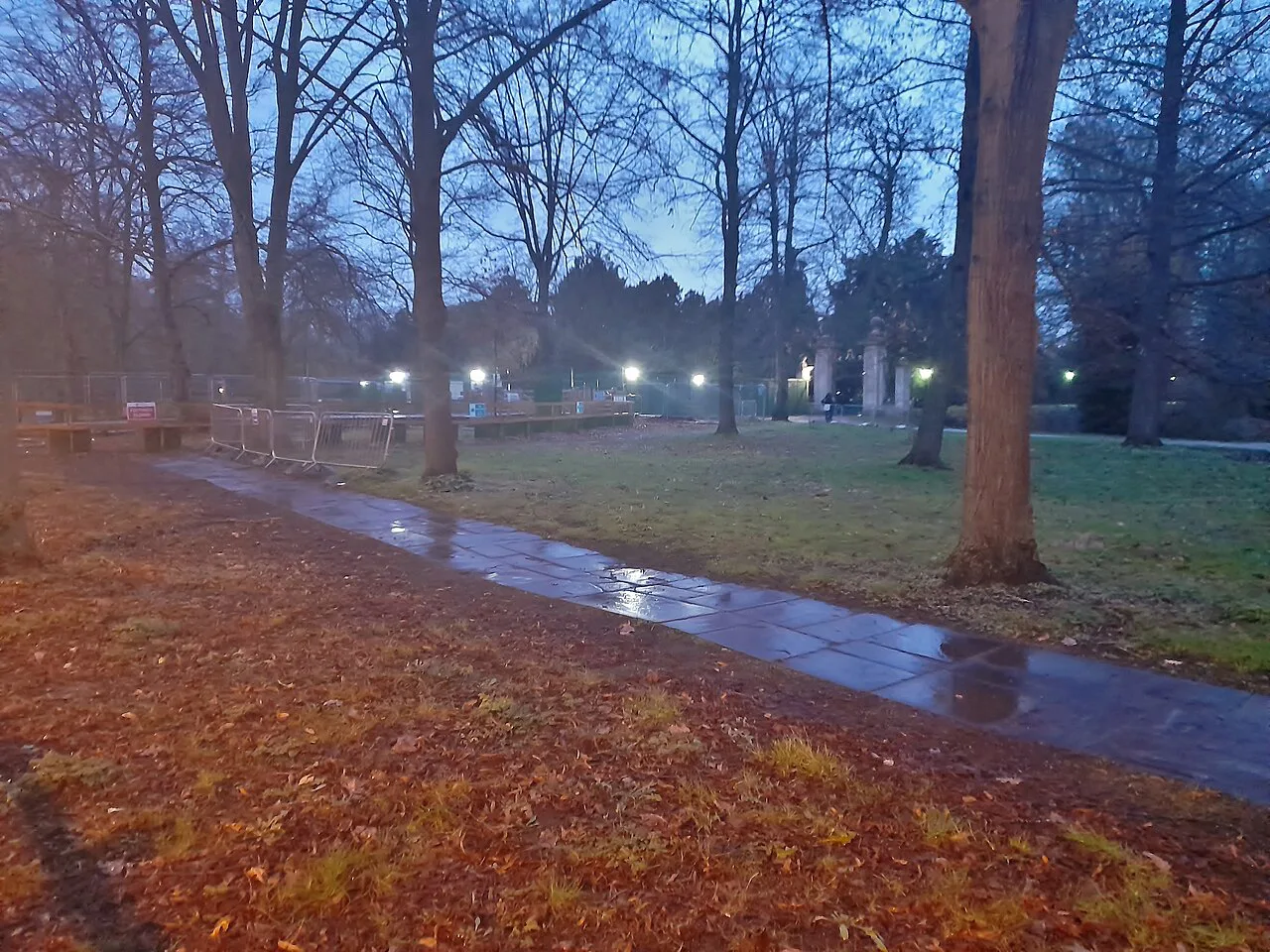
Surfaces vary: tarmac paths, gravel and grass verges, with some steps at bridges and college entrances. Wear shoes you can walk in and bring a rain layer, because the riverside is exposed when the weather turns.
Punting The Backs
Several operators run chauffeured punts along The Backs, and some also hire out self-punt boats. Scudamore's, founded in 1910, runs guided tours and self-hire from Mill Lane and Quayside, while Let's Go Punting offers shared and private chauffeured tours.
The trade-off is simple: a chauffeured punt gives you commentary and lets you look at the colleges rather than the river traffic, while self-hire is cheaper but puts you in charge of steering. First-timers often find the pole harder than it looks, especially when the river is busy. If you would rather swap the river for a table, afternoon tea in Cambridge is an equally easy way to spend the same afternoon.
Tour lengths, departure points and prices change with the season, so check current details on the punting companies' own pages before booking. Book ahead at weekends and in summer if you want a particular time slot with Scudamore's, Let's Go Punting or the Traditional Punting Company.
What you can enter along the way
The Backs themselves are open riverside, but the college grounds and chapels sit behind their own gates with their own visitor rules. King's College Chapel, Trinity College's Great Court and the Wren Library at Trinity each have separate arrangements for visitors. Some charge, some restrict access, and some close to tourists during term time or exams.
The Wren Library, designed by Christopher Wren, holds rare manuscripts and books, including a first edition of Newton's Principia Mathematica. Its hours are limited, so check before planning a visit, and expect the college to give priority to its own community.
The Round Church, a short walk from the river on Bridge Street, is a 12th-century circular church with Norman arches and stained glass, open to visitors interested in its history. It pairs neatly with a walk along The Backs if you want another historic interior on the same day.

Snowy Farr, Parker's Piece and nearby landmarks
Away from the water, Parker's Piece is the green where students drew up the Cambridge Rules for football in 1863, and a sculpture there carries the original rules carved into granite in different languages. It is a useful place to sit down between the river and the shops.
The Market Square holds a sculpture of Walter 'Snowy' Farr, a Cambridge resident known for busking and fundraising for Guide Dogs. The market itself has run since the Middle Ages, with stalls selling food, plants, clothes and books.
For a sit-down break, afternoon tea in Cambridge is a well-established option, with several places serving traditional tiered stands and modern versions in the city centre. If you are weighing up where to stay around your visit, Cambridge Neighborhoods weighs up where to base yourself. Book ahead if you want a weekend slot.
Nearby options for a wet afternoon
The Fitzwilliam Museum is the lead partner of the University of Cambridge Museums and is free to enter, which makes it a sensible backup when the weather turns. It sits a short walk from the river on Trumpington Street.
The Museum of Archaeology and Anthropology is also free and covers human history from early cultures to Indigenous art today, so it suits a mixed-age group. Both museums sit within easy reach of The Backs and the city centre.
If you have a car and want a longer day out, Wimpole Hall is a National Trust estate outside the city with a mansion and parkland. It is a different kind of visit from the riverside colleges, so save it for a separate trip.
Practical points for The Backs
Daylight matters along the river: the walk is best in the morning or late afternoon when the light is soft and the tour boats are fewer. Summer weekends bring the biggest crowds at the bridges and at the Mill Lane punting stations.
Punting companies publish their own prices and times, and colleges publish their own visitor arrangements, so check both before you travel.
Where to Go Next in Cambridge
After The Backs, head south to the Fitzwilliam Museum or north to the Round Church and Bridge Street for more of the city's historic interiors. If you still have energy, the botanic garden on Trumpington Road makes a calm contrast to the busy riverside. If you would rather compare areas for a longer stay, Cambridge Neighborhoods weighs up where to base yourself.
If the river has given you a taste for colleges, our guide to things to do in Cambridge covers the wider set of sights, and the attractions hub lists every place guide in the city.
Explore more Cambridge guides
Frequently Asked Questions
Are The Backs in Cambridge open to the public?
The riverside land behind the colleges is open to walk through, and there is no ticket desk or set opening time for the towpath. The colleges themselves, including their chapels, courtyards and libraries, sit behind their own gates and set their own visitor arrangements. Check each college's visitor information before you travel if you want to go inside.
How long does it take to walk The Backs?
The towpath between Queens' College and Magdalene College is short: allow about an hour with stops for photographs, or two hours if you also visit a college or climb the tower at Great St Mary's. The route is mostly flat, with some steps at bridges and college entrances.
Is it better to walk or punt The Backs?
Both give a different view. A chauffeured punt puts you on the water with commentary and lets you look at the colleges rather than steer, while the towpath is free and lets you stop where you like. A common approach is to walk part of the route and punt the rest.
What can you see along The Backs?
The walk passes the Mathematical Bridge at Queens' College, King's College Chapel, Clare College, Trinity College and the Bridge of Sighs at St John's College. Great St Mary's Church and the Round Church are a short walk inland from the river.
Is the Mathematical Bridge really built without bolts?
That is a local legend rather than fact. The story claims Isaac Newton designed the bridge without nuts or bolts, but the bridge has been rebuilt and repaired several times, including in 1866 and 1905. Treat the tale as part of the bridge's charm rather than engineering history.
How do you get to The Backs from Cambridge city centre?
Walk west from Market Square for about ten minutes to reach the river at Silver Street, Garrett Hostel Lane or Magdalene Street. Cambridge is a cycling city, so a bicycle is also a practical way to reach the riverbank.
What should I do near The Backs on a rainy day?
The Fitzwilliam Museum and the Museum of Archaeology and Anthropology are both free to enter and within easy walking distance of the river. Both make a sensible backup when the weather turns.