
Museum of Archaeology and Anthropology, Cambridge: A Visitor Guide

The Museum of Archaeology and Anthropology on Downing Street is a free University of Cambridge museum covering two million years of human history across roughly one million artefacts. It is a compact, well-lit indoor stop that fits neatly into a Cambridge day built around the other University museums nearby.
Entry costs nothing, so the planning questions are about timing rather than budget. Allow about an hour for a focused visit, longer if the object stories pull you in.
Why the Museum of Archaeology and Anthropology earns an hour
This is a museum of human stories told through objects, from the earliest known African stone tools to recent finds dug up in Cambridge itself. Its collection highlights are deliberately varied, so a single circuit takes you across continents and centuries without the fatigue of a vast national collection.
The museum sits in a cluster of University of Cambridge museums within walking distance of each other, which makes it easy to combine with a bigger attraction rather than treating it as a standalone day out. Plan it as one or two hours inside a broader Cambridge itinerary, and if you are weighing up where to stay, our Cambridge Neighborhoods guide shows which areas keep you closest to this museum cluster.
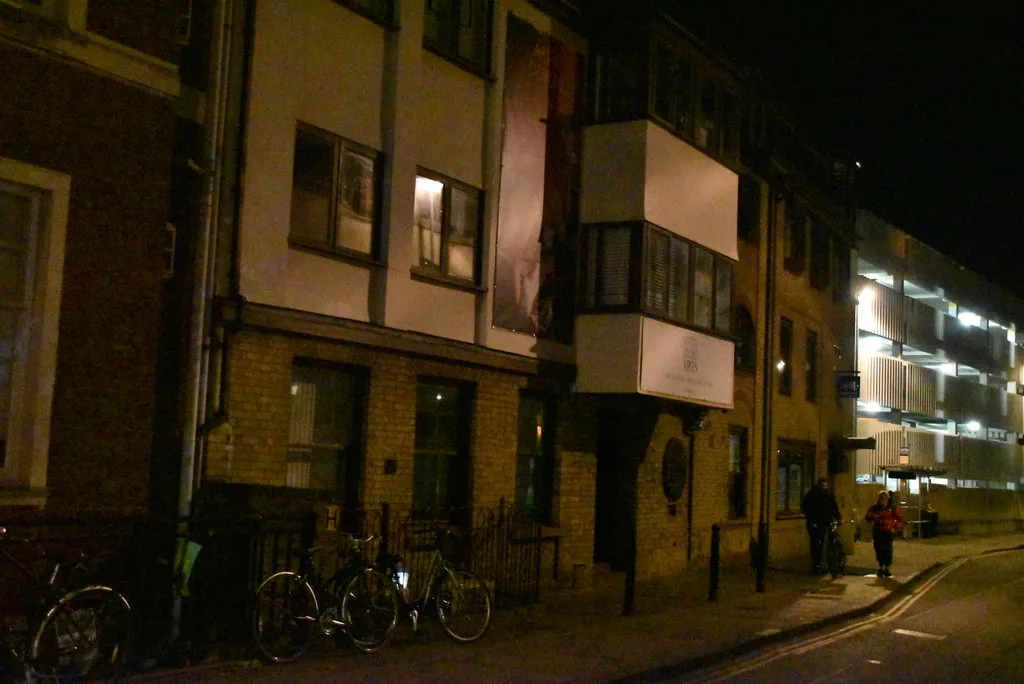
Where it is: Downing Street, Cambridge CB2 3DZ
The main entrance is on Downing Street in central Cambridge, postcode CB2 3DZ, an easy walk from the city centre shops and colleges. The museum occupies a site at roughly 52.2028, 0.1209 if you are navigating by map.
If you are arriving by car, the museum points visitors towards Park and Ride services rather than driving into the centre. That is the practical choice on busy days, and it drops you within walking distance of the University museums.
Opening hours day by day
The museum opens Tuesday to Saturday from 10:00 to 17:00 and Sunday from 12:00 to 17:00, and it is closed on Mondays. That Monday closure is the most common planning mistake, so build your Cambridge days around it rather than turning up to a locked door.
Sunday visitors lose the morning, so a midday start suits a relaxed brunch beforehand or a morning at a nearby sight first. Confirm the times on the museum's own pages before a bank holiday trip, when University buildings can keep different hours.
Tickets: free entry and what it covers
Admission is free, which covers the permanent galleries and the collection highlights on display. There is no ticket to book for general entry, so the decision is simply when to slot the visit into your day.
Some programmed events, such as a cross-museum tour on African objects and histories, are listed as free but require booking. If a specific talk or activity is the reason for your visit, reserve a place in advance and check current dates and prices before you travel.
What to see: the Roman woman and Sylvia Plath
One of the museum's signature objects is the skeleton of a Roman woman that, as the museum describes it, inspired Sylvia Plath's poem 'All the Dead Dears'. Treat the literary connection as the museum frames it: the poem and the burial are linked in the display, not as evidence that Plath visited the gallery.
What to see: the 14-metre totem pole
A 14-metre totem pole from the Queen Charlotte Islands in Canada is the museum's most vertical object and the one that dominates its space. It is worth pausing on how such a tall carving is displayed indoors, and it gives children something obvious to look up at.
What to see: samurai armour and the boar's bristle moustache
The Japanese samurai armour comes complete with a moustache made of boar's bristles, a detail that rewards a close look rather than a passing glance. It is the kind of small, strange feature that makes this museum memorable for visitors who might tire of rows of pots.

What to see: the Trumpington Cross
The Trumpington Cross is an early Christian brooch found in the Anglo-Saxon burial of a teenage girl only three miles from the museum. Seeing it in Cambridge, close to where it was buried, gives the object a local weight that travelling antiquities often lack.
What to see: African stone tools and Cook's Pacific instruments
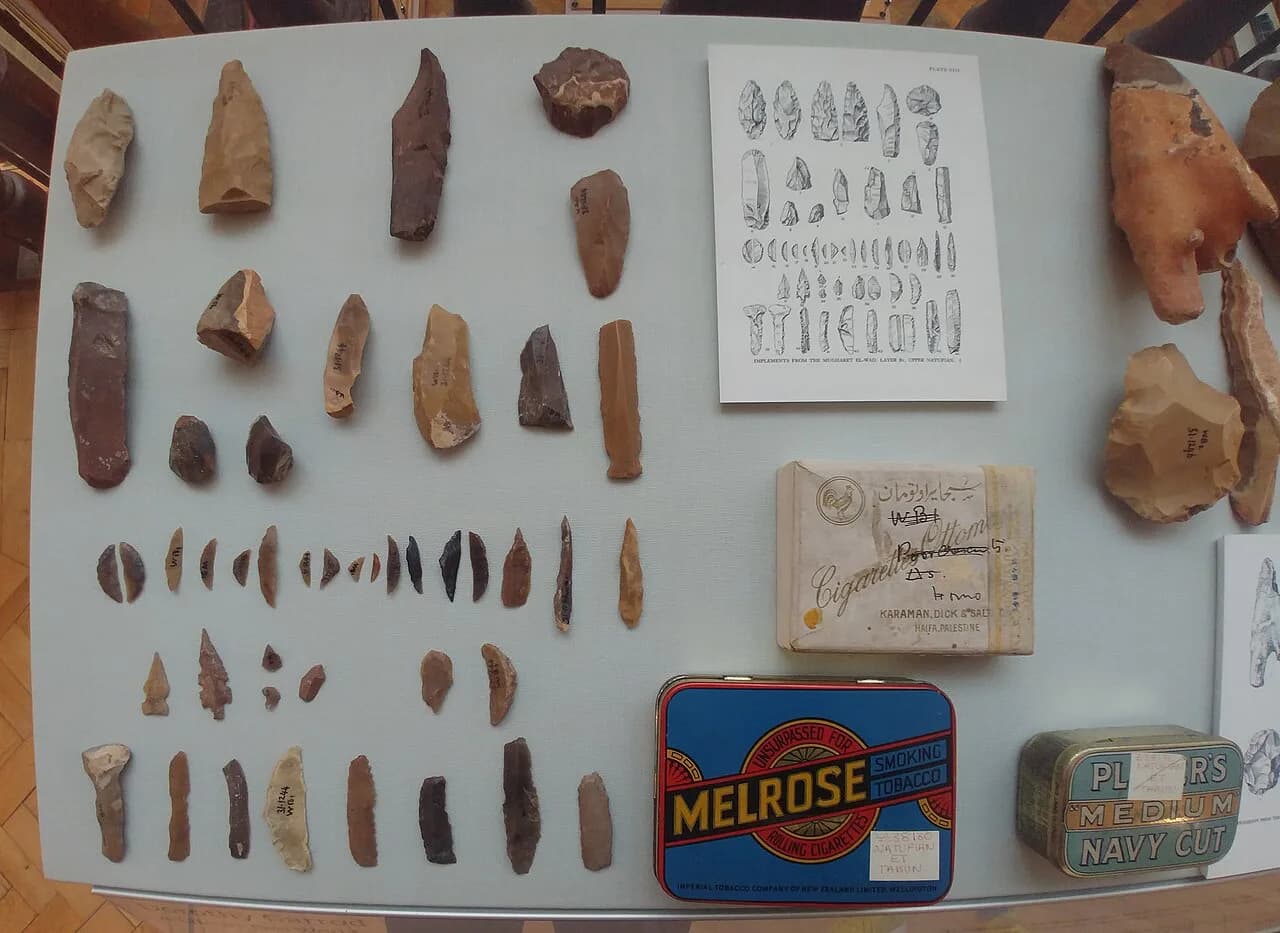
The earliest African stone tools in the collection push the story back two million years, and tattoo instruments collected during Captain Cook's voyages to the Pacific bring it into the era of European exploration. Displayed side by side with Cambridge archaeological finds, they show how one museum can hold both deep prehistory and colonial-era collecting.
Freeze-dried potatoes and smaller objects worth seeking out
Among the smaller exhibits are freeze-dried potatoes from Peru at least 500 years old, a quietly surprising object that many visitors walk past. Slow down in the cases rather than heading straight for the headline pieces; the museum's strength is the density of stories in a modest space.
How long to allow across three floors
Allow around an hour for a purposeful visit, and up to two if you read labels and linger over the local archaeology. The galleries sit across three floors served by a lift, so pacing is easy and you can leave without retracing a long route.
Pair it with the Fitzwilliam Museum for a fuller museum day, since both are University of Cambridge institutions within walking distance. Doing this museum first keeps your energy for the larger collection later. If you are thinking about where to base yourself for this cluster, our Cambridge Neighborhoods guide explains the areas around the centre.
Accessibility: step-free entrance, lift and large print labels
The main entrance on Downing Street is fully accessible, and a lift reaches all three floors. Flooring is level, though there is a small raised section up two steps; everything on it can still be seen from ground level, so the gallery works for wheelchair users and visitors who avoid stairs.
Large print labels are available and an induction loop sits at the front desk, and assistance dogs are welcome. If you have particular access requirements, contact the museum ahead of your visit to arrange things such as onsite disabled parking.
Visiting with children, buggies and autistic family members
Buggy parking at the museum is limited, though you may take a buggy around the galleries with you. Families with very young children should expect to fold and carry or keep the pushchair close rather than parking it out of the way.
The museum publishes a visual story to help autistic children and their families prepare for the visit, and the galleries are generally quiet despite hard surfaces. A Changing Places toilet is not on site; the closest is in the Grand Arcade car park, a short walk away.

Getting there from the city centre and other museums
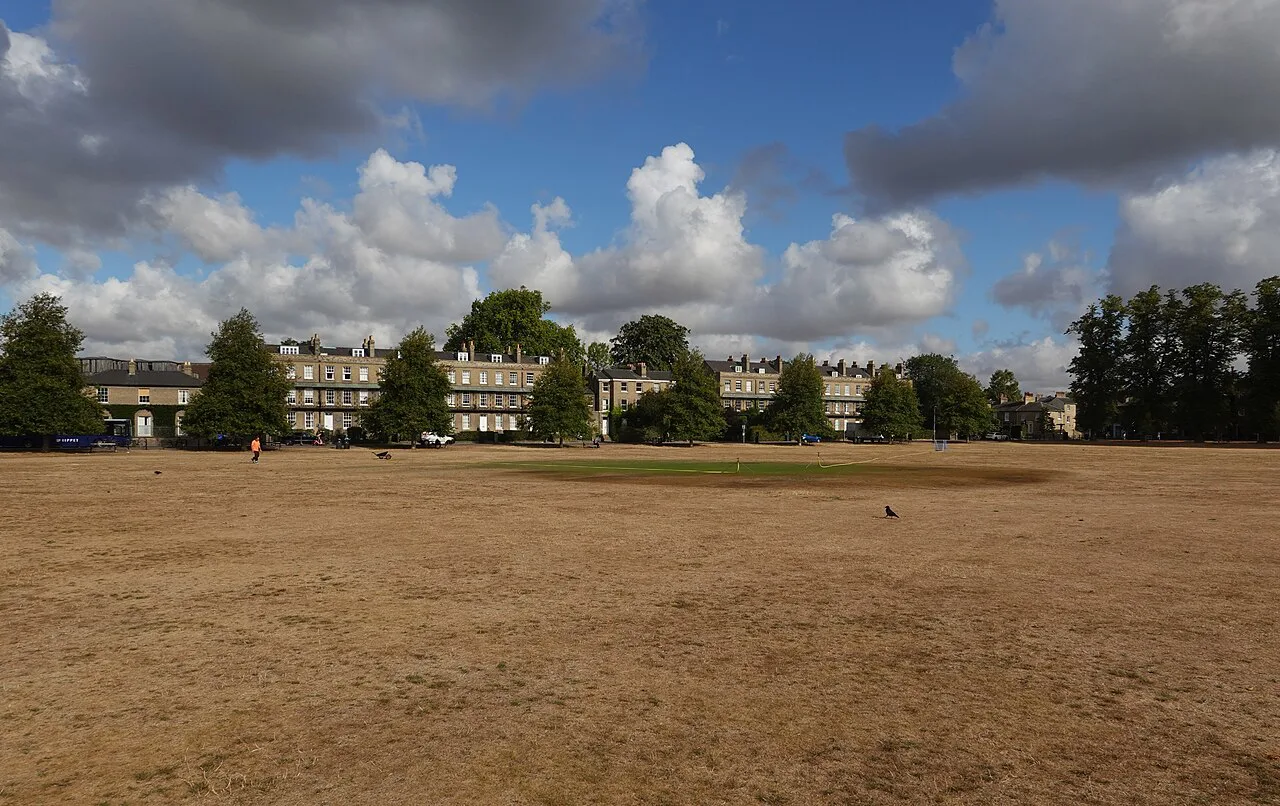
The University's museums sit within walking distance of each other, so a single day can cover several sites on foot. Walk from the city centre or from the Fitzwilliam Museum and treat the car as unnecessary. If you want to build a base near the centre, see our guide to Cambridge Neighborhoods, though staying central is the main thing for this museum cluster. For a slower afternoon after the galleries, our guide to afternoon tea in Cambridge covers where to book nearby.
Drivers should use Park and Ride services into Cambridge rather than hunting for central parking. The Grand Arcade car park is the practical reference point for central facilities, including the nearest Changing Places toilet.
Nearby: the Fitzwilliam Museum and the Museum of Zoology
The Fitzwilliam Museum and the Museum of Zoology are the natural companions, and a cross-museum tour in the programme meets at the Fitzwilliam's courtyard entrance on Trumpington Street. Build a loop between them and this museum rather than criss-crossing the city.
Beyond the museums, the Mathematical Bridge and the Backs give you a river-and-college walk to finish the day. Keep the museum as the indoor anchor and let the outdoor sights fill the edges of your itinerary.
Temporary displays and events worth timing a visit around
The museum runs temporary displays and activities alongside the permanent galleries, and its What's On page lists them with dates. Recent programming has included a behind-the-scenes objects display and family craft activities, but listings change, so check the page for whatever is current when you plan.
Events such as the African Legacies tour require booking even when free, so reserve early if a specific session matters. Otherwise, a general visit needs no planning beyond picking the right day.
Practical trade-offs: Monday closure and hard surfaces
The Monday closure and the midday Sunday start are the two constraints that most disrupt a casual plan, so check the day before committing. The galleries are quiet but hard-surfaced, which means echoes carry even with few people around.
Limited buggy parking, step-free access with one small stepped section and no on-site cafe are the realities of a small museum. The nearby city centre covers the gaps, including the Grand Arcade for facilities.
If you want a country house as well as a museum
Cambridge's centre rewards a day on foot, but travellers with a car or a spare day often add a National Trust property in the surrounding countryside for a contrast to the University collections. Wimpole Hall is the obvious historic-house pairing for a Cambridge trip built around museums and colleges, with parkland rather than display cases.
Plan Your Visit
Book nothing for general admission: entry is free, so simply pick a day between Tuesday and Sunday and avoid the Monday closure. If a specific event draws you in, reserve it in advance and confirm the current listing first.
Build the museum into a walkable cluster with the Fitzwilliam Museum and Cambridge's other central sights, or use it as an indoor stop on a longer Cambridge day.
Explore more Cambridge guides
Frequently Asked Questions
Is the Museum of Archaeology and Anthropology free?
Yes. Admission to the permanent galleries is free, so the planning decision is about when to visit rather than what to pay.
Is the museum open on Mondays?
No. The museum closes on Mondays and opens Tuesday to Saturday from 10:00 to 17:00 and Sunday from 12:00 to 17:00. Check the official site for bank holiday changes.
How long do you need at the Museum of Archaeology and Anthropology?
Allow about an hour for a focused visit, or up to two if you read the labels and linger over the local archaeology. The galleries are spread across three floors served by a lift.
Is the Museum of Archaeology and Anthropology accessible?
Yes. The Downing Street entrance is fully accessible and a lift reaches all three floors, with level flooring apart from a small raised section up two steps. Large print labels and an induction loop at the front desk are available.
What can you see at the Museum of Archaeology and Anthropology?
Highlights include the skeleton of a Roman woman linked to Sylvia Plath's poem, a 14-metre totem pole from the Queen Charlotte Islands, Japanese samurai armour, the Trumpington Cross, African stone tools, tattoo instruments from Cook's voyages and freeze-dried Peruvian potatoes.
Which museums in Cambridge are free?
The Museum of Archaeology and Anthropology is free, and it sits among University of Cambridge museums within walking distance, including the Fitzwilliam Museum and the Museum of Zoology.