
Chester Racecourse: A Visitor's Guide to the Roodee

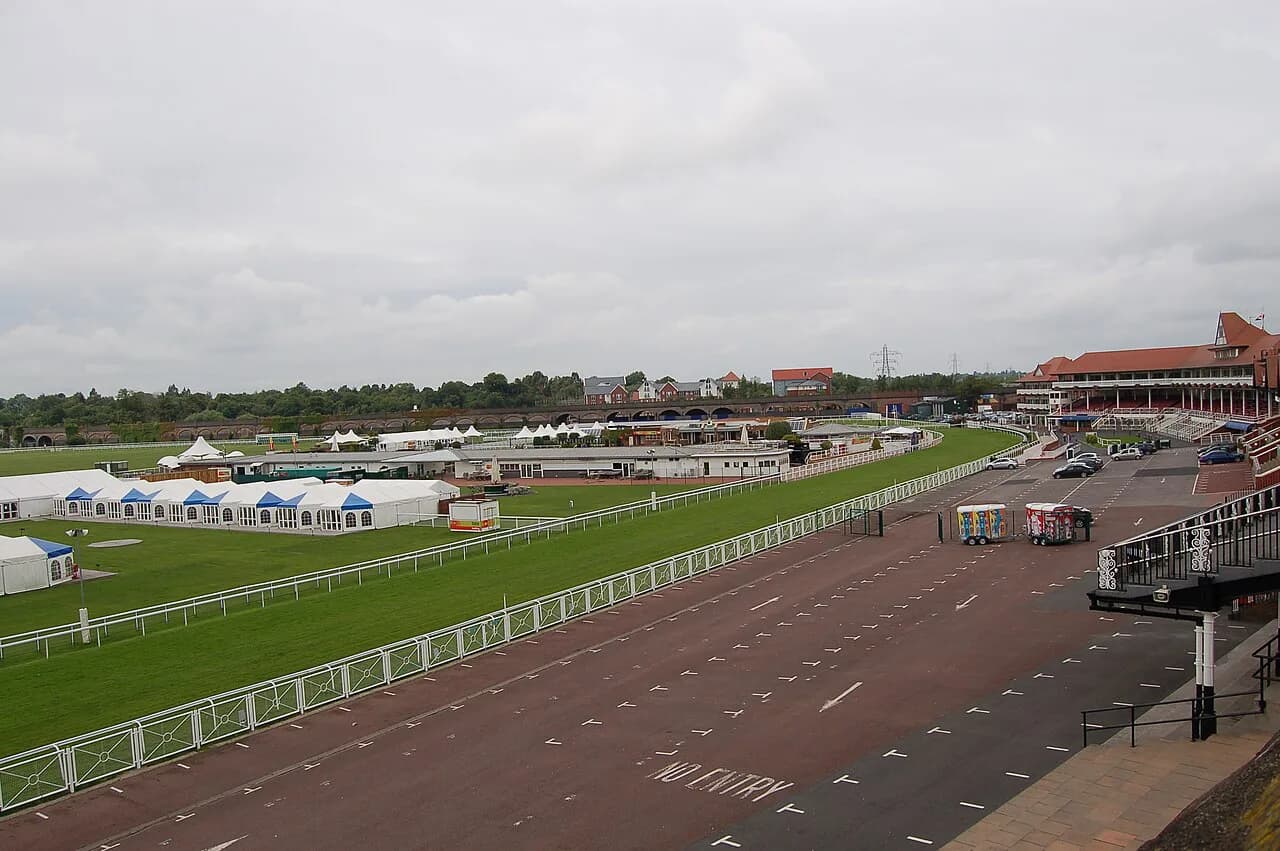
Chester Racecourse is the Roodee, a flat course on the inside of a bend in the River Dee, and it is billed as the UK's oldest racecourse. It sits immediately south-west of Chester's walled centre, which makes it one of the few British racecourses you can reach on foot from a cathedral, a shopping street and a railway station in a single morning.
The practical decision is simple: are you going for a raceday or for a walk past the course on an ordinary day? Raceday means booking, crowds and a full afternoon; a non-raceday visit is a short detour between the city walls and the river, and needs no planning at all.
What Chester Racecourse Is
The course lies on the Roodee, a flat, grassy expanse beside the River Dee. Eventmasters describes Chester Racecourse as the UK's oldest racecourse, a claim that reflects the long history of racing on this ground rather than any single surviving building.
The setting is what distinguishes it. The course is ringed by the river on one side and the city on the other, so the Dee, the walls and the racecourse share the same small pocket of land. Do not expect a remote countryside track: this is an urban racecourse pressed against a historic centre.
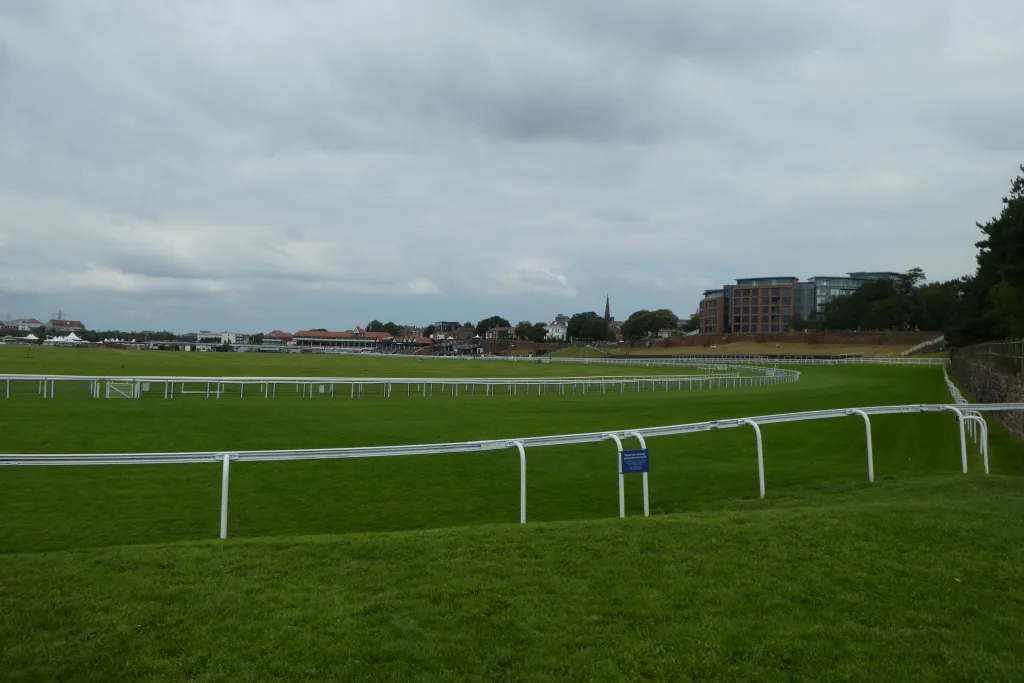
It is a flat course, and the ground inside the loop doubles as a public open space when nothing is running. If you are in Chester for the cathedral, the walls or the Rows, the racecourse is part of the same walk rather than a separate excursion.
Where It Sits in Chester
The racecourse occupies the land south-west of the walled centre, inside the loop of the River Dee, below the section of wall that runs down towards the river. In practice, anything in the middle of Chester is within a short walk of it.
From the Cross, the central junction where the main shopping streets meet, the walk to the course gates is a matter of minutes rather than a journey. Coming from the railway station, you walk through the walls and down towards the river; the course reveals itself as soon as you reach the western stretch of wall.
How to Get There
On foot is the obvious choice. Walk the walls anticlockwise from Eastgate, drop down towards the river and follow the road round to the course entrances; this keeps you off the roads and puts the cathedral, the walls and the racecourse in one loop.
Chester railway station sits outside the walls to the north-east, and the walk from there to the racecourse crosses the centre. Allow a comfortable half hour if you are carrying a picnic or wearing raceday shoes; it is not a long walk, but it is not a two-minute one either.
By road, the course is signed from the approach roads into Chester, but match-day and raceday traffic tends to gather in the same few streets. If you are driving, plan to arrive well before the first race and expect to queue on the way out; the alternative of parking outside the centre and walking in is usually calmer.
What to See on a Raceday
A raceday at Chester is compact by racing standards. The parade ring, the stands and the course itself are all within a short walk of each other, so you can watch a race from the rail, cross to the parade ring for the next lot and be back in position without missing anything.
The course runs alongside the river, and the view back across the Dee towards the city is part of the day. The backdrop of the walls and the rooftops of Chester is why photographs from the Roodee look different from those at a park course.
Racecards, runners and meeting details are published on racing sites and the course's own pages in the run-up to each fixture. Check the card for the day you plan rather than relying on a fixture list from an earlier season.

The May Festival and Planning Around It
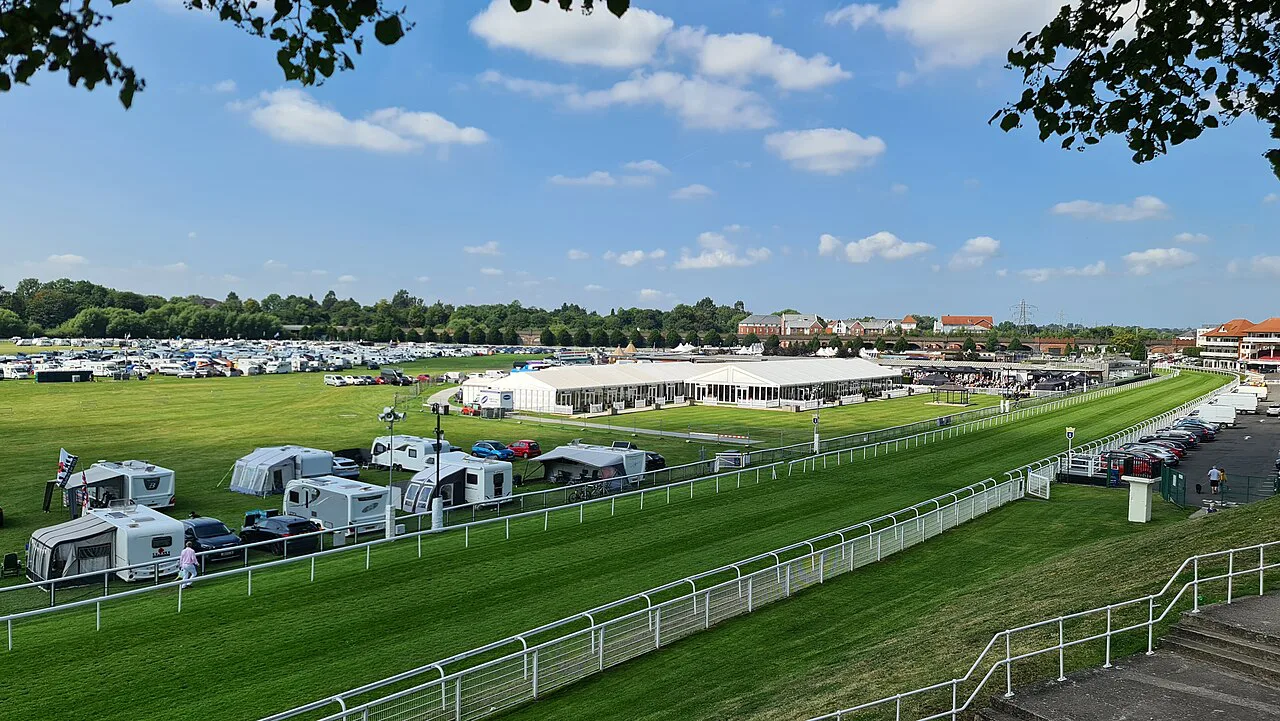
Chester's major meeting is the May Festival, a fixture that draws the largest crowds of the year to the Roodee. Eventmasters names it in its Chester Racecourse pages, and it is the meeting to build a trip around if you want the full raceday atmosphere rather than a quiet afternoon.
Because it is the flagship meeting, it is also the one where accommodation in Chester fills first and where the course is busiest. If you are travelling for it, book your bed before you think about anything else, and expect the city centre to feel considerably more crowded than on a normal weekend.
The wider city calendar matters too: race fixtures sit alongside festivals, markets and theatre in Chester, so a race meeting and a separate event can land on the same day. Chester.com lists what is on across the city, which is a sensible cross-check when you are fixing dates.
Tickets and Enclosures
Deciding where to watch is the main booking question. Courses generally sell tickets by enclosure, with different prices and different levels of access, and Chester is no exception. Chester Racecourse's own site is the place to check what each enclosure includes and whether a particular fixture is selling fast.
Book ahead for the May Festival and for any fixture you are travelling a long way to reach; for smaller meetings, there is usually more flexibility. Do not assume a fixture is sold out or that tickets will be available on the gate — check the official page for the day you want before you commit to travel.
If you are bringing a group, sort out the enclosure first and the transport second. It is easier to move a plan around the ticket you have bought than to buy a ticket for a meeting that suits everyone's train.
How Long to Allow
On a raceday, treat it as an afternoon and an early evening. Gates usually open well before the first race, the card runs through the afternoon and the last race finishes late enough that you will want dinner in the city afterwards. Allow more time than you think for getting in, studying the card and finding a spot by the rail.
On a non-raceday, the racecourse is a short stop rather than a destination. A walk along the walls with a detour down to the river and back takes under an hour, and the course itself is simply part of the view. If you are fitting Chester into one day, this is the version to choose.

What Is Nearby
Chester Cathedral stands in the middle of the walled city, a short walk from the racecourse and worth an hour on its own. It is a working Church of England cathedral on St Werburgh Street, so opening times vary around services and you should check before planning a visit.
The city walls form the obvious circuit after racing: a complete loop with the Eastgate Clock at one corner and the tower named for King Charles at another. Walking them the morning after a meeting is a good way to see the city without traffic.
The Rows, Chester's two-tier shopping galleries, are five minutes from the Cross and a natural place to spend a wet hour. For a slower finish, afternoon tea in Chester is a well-established local habit rather than a tourist gimmick, and booking is sensible at weekends.
Trade-offs to Weigh Up
Crowds are the first trade-off. The May Festival and big fixtures give you atmosphere and a full paddock, but they also mean queues at the bars, packed viewing spots and a slow walk back into town. A smaller meeting is quieter and easier, and you will see more of the course. If the crowds tip the balance, Chester Neighborhoods shows where to stay outside the packed centre.
Weather is the second. Chester's spring meetings fall in a season that can serve sunshine or a cold, wet afternoon on the same weekend, and the Roodee is an exposed, flat ground beside a river. Layers and a waterproof matter more than a hat.
Cost is the third. Peak meetings command higher ticket prices and higher hotel rates in the city, and staying outside Chester can offset some of that if you are willing to travel in. Chester Neighborhoods breaks down the city's areas if you are deciding where to base yourself. Weigh the saving against the last-train question before you book.
Plan Your Visit
Chester Racecourse is the easiest racecourse in Britain to combine with a city break: walk in from the Cross, watch a race with the walls behind you and be at dinner in the centre within half an hour of the last. Book ahead for the May Festival, keep a smaller meeting in reserve and let the rest of Chester fill the day around it.
Frequently Asked Questions
What is Chester Racecourse known for?
It is known as the Roodee, a racecourse on the inside of a bend in the River Dee, and it is described as the UK's oldest racecourse. Its setting beside Chester's walls and river is what makes it distinctive among British tracks.
Where is Chester Racecourse in the city?
It sits on the Roodee, the flat ground inside the loop of the River Dee, immediately south-west of Chester's walled centre. From the Cross in the middle of the city, the walk to the course entrances takes minutes.
How do I get to Chester Racecourse?
Most visitors walk, either from the city centre through the walls or from Chester railway station, which is outside the walls to the north-east. Drivers should allow extra time on racedays, when the approach roads and car parks are busiest.
How long does a day at Chester Races last?
Plan for an afternoon through to early evening on a raceday, including time to get in, read the card and watch the full card. On a non-raceday, the course is a stop of under an hour on a walk along the walls and down to the river.
What is the May Festival at Chester?
It is Chester's flagship race meeting, held in May and named on the racecourse's hospitality pages. It draws the biggest crowds of the year, so book accommodation and tickets well ahead if you want to attend.
What is nearby Chester Racecourse?
Chester Cathedral, the city walls with the Eastgate Clock, the Rows and the riverside at the Groves are all within walking distance. That makes the racecourse easy to slot into a wider day in the city.