
Deva Roman Experience: A Visitor Guide to Roman Chester

The Deva Roman Experience is an immersive walk-through attraction on Pierpoint Lane, just off Bridge Street in Chester city centre, where actors and special effects rebuild the fortress of Deva Victrix around you. It suits anyone who wants the story of Roman Chester told as drama rather than as rows of labelled cases. Allow roughly an hour to ninety minutes, and treat it as one piece of a Roman-themed day rather than the whole of it.
Where the Deva Roman Experience is and how to reach it
The address is Pierpoint Lane, off Bridge Street, Chester CH1 1NL, which puts it inside the walled centre within a short walk of the main shopping streets and The Rows. If you arrive by train, Chester station sits outside the walls to the north-east and the centre is a steady walk from there; buses and park-and-ride services also drop off close to the middle of town. Because the entrance is tucked down a side lane rather than on a broad frontage, keep an eye out for the signage as you walk down Bridge Street.
Once you are in the centre, most of the historic core is walkable, so you can combine the attraction with the walls, the cathedral and the river front without needing transport between them. Bear in mind that Bridge Street and the surrounding lanes are busy with shoppers for much of the day, and the pavements around The Rows are narrow in places.
What the Deva Roman Experience actually is
This is a set-piece experience, not a museum gallery. You move through a designed Roman world where characters draw you into legionary life, and the drama plays out around you in scenes covering the bath house, a market street and an amphitheatre, with gladiators fighting in the arena as part of the show. Special effects and projection mapping are used throughout, and you are invited to take part rather than simply watch.
That format is the attraction's main selling point and its main limitation. Anyone expecting original artefacts in glass cases, long interpretation panels or a quiet chronological survey will find the approach theatrical instead; families and groups who enjoy being addressed as new recruits tend to get more from it. If you want the traditional museum treatment of the same subject, plan the experience as a complement to the Roman material elsewhere in the city rather than a substitute.
A short history of Roman Chester and why it was called Deva
The Roman fortress here was known as Deva Victrix, and the name Deva survives in the attraction's branding and in the city's Roman self-image. The legionary stronghold was one of the most important military bases in Roman Britain, and its position near the River Dee shaped both the defences and the later street pattern. The experience builds its story around that fortress and the soldiers stationed in it.
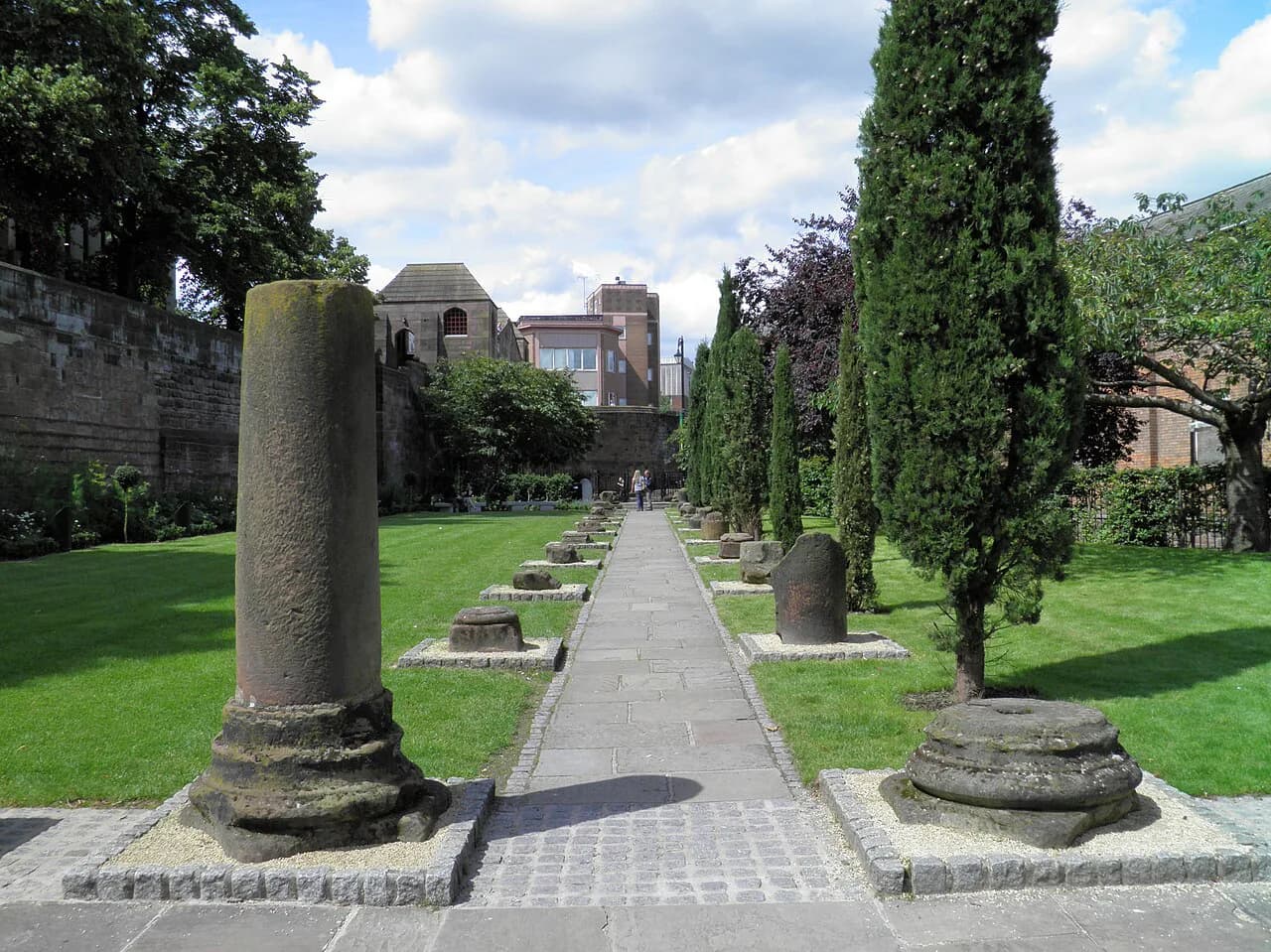
Roman remains are scattered across the modern centre rather than confined to one site, which is why a visit here works best as an orientation before you go looking for the physical traces. Knowing a little about the legion, the bath house and the amphitheatre makes the exposed stonework around the city far easier to read.
What to see inside: the bath house, market street and amphitheatre set
The bath house is the most sensory of the sets, using heat, sound and steam to suggest what a Roman bathing complex felt like. From there the route moves into a market street scene, where the bustle of a garrison town is recreated, before the amphitheatre set stages the gladiatorial combat. Treat the fighting as storytelling rather than as a re-enactment of a documented contest.
The sets are built at close quarters, so you are standing inside the scenes rather than viewing them from a distance. That makes for strong impressions but not for deep reading; there is little of the slow, caption-heavy interpretation you would get in a conventional gallery. Photographs are best taken where the route allows rather than mid-scene, and the lighting is deliberately theatrical in places.

Real archaeology on site and what it adds
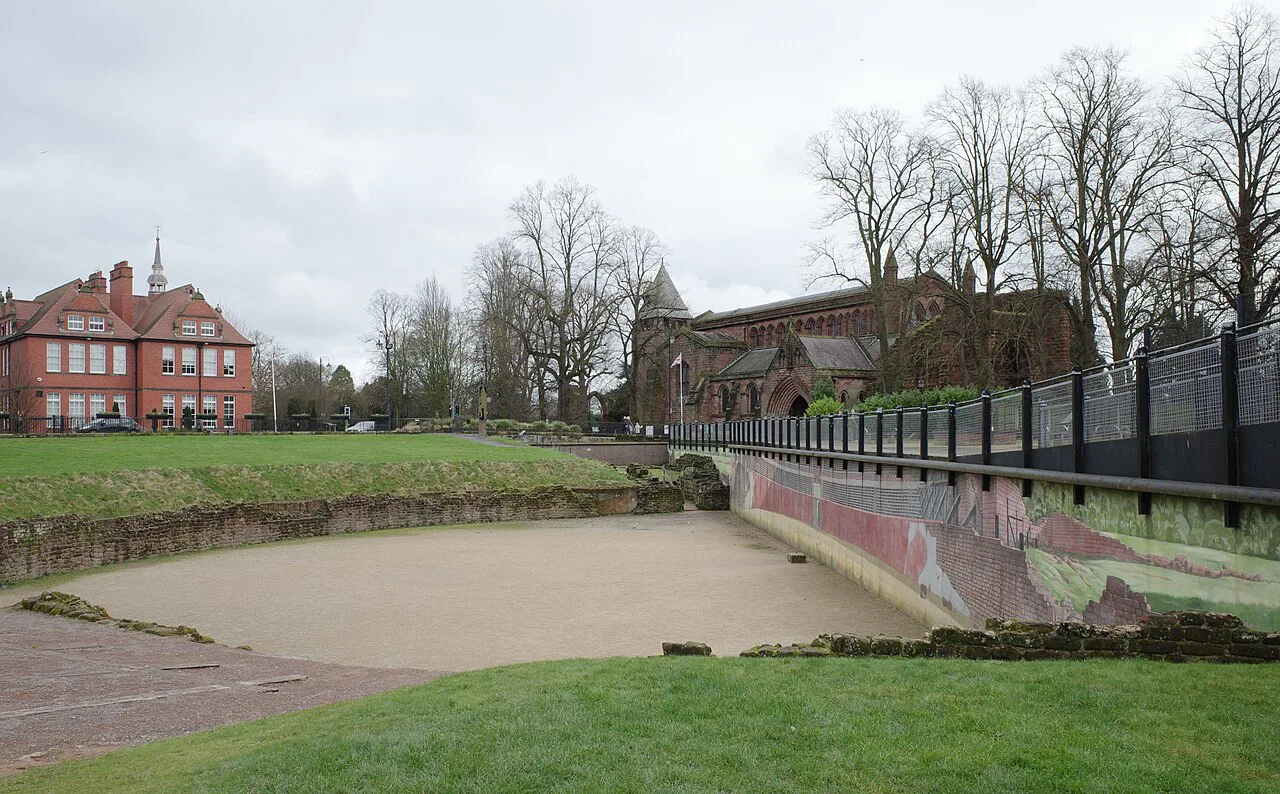
Genuine archaeology survives within the building, and the experience is designed so that the excavated remains sit alongside the reconstructed scenes. That combination is unusual: you get the theatre of the Roman world and a direct look at the physical traces left beneath the modern city in one visit.
Look out for the sections where the presentation shifts from performance to fabric, because they are easy to hurry past on the way to the next scene. If you are visiting with children who are focused on the actors, walk the archaeological element again on your way out.
How long to allow for the visit
Budget around an hour for the walk-through itself, and up to ninety minutes if you read the on-site material and linger in the archaeological sections. The route is a continuous experience rather than a free-flowing gallery, so the pace is partly set by the group you move through with. Add time afterwards for the lanes around Bridge Street, where the concentration of shops and cafés makes an easy next stop.
If Roman Chester is the main purpose of your day, half a day covers this attraction plus the amphitheatre and a stretch of the walls on foot. Trying to fit it between a cathedral visit and a race meeting will leave you rushed, since the experience rewards attention rather than a quick pass.
Tickets and opening hours: what to check before booking
Book through the attraction's own website before you travel, and check the day's opening times there at the same time, since the published schedule is the reliable guide to when entry is available. Buying ahead also avoids turning up at a slot that has already filled. The Visit Cheshire listing carries the address, telephone number and email for direct enquiries if you need to ask about a specific date.
Prices are set by Deva Roman Experience and are not repeated here, because ticket rates change and any figure quoted in a guide goes stale. Check the current adult, child and family rates on the official booking page before you commit, and look for any online saving offered there. If you are weighing the cost against Chester's free-entry options, the cathedral and the walls cost nothing to walk, which makes a ticketed experience easier to justify.
Who the experience suits, and where it falls short
Families with primary-age children, school groups and anyone who enjoys live performance will get the most out of it, because the format depends on participation and atmosphere. Couples and solo travellers who like their history atmospheric rather than academic also tend to enjoy the staging. Visitors with mobility limitations should ask about the route before booking, as the setting moves through a series of scenes rather than one open hall.
The honest trade-offs are the ones built into the concept. It is not a large collection, the historical narrative is deliberately simplified, and the gladiator scenes are theatre rather than evidence. If you want the artefacts and the long view, Chester Cathedral and the city's Roman remains will balance the day.

Nearby sights to pair with a visit
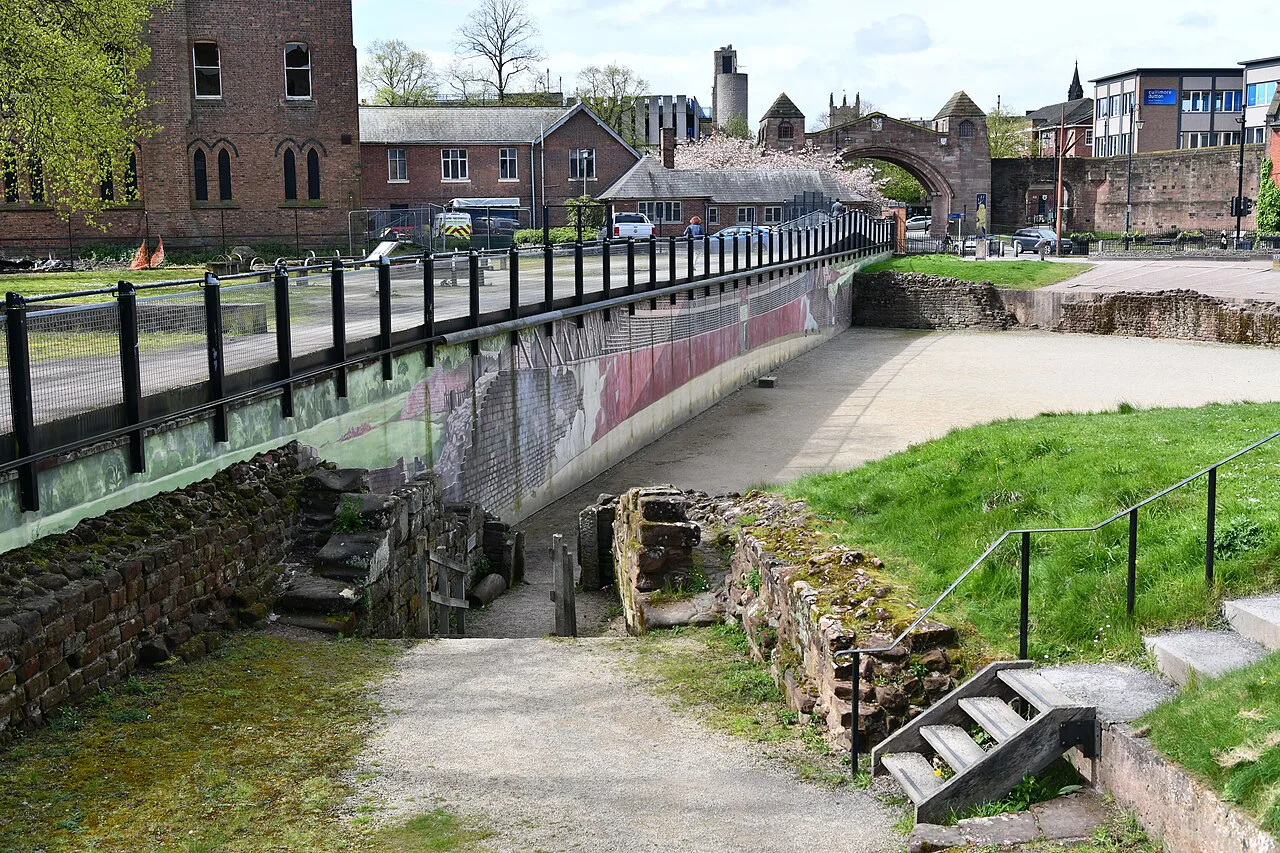
The Roman amphitheatre is the natural companion, since it is the real counterpart to the arena set you have just walked through, and it sits within the circuit of the walls. Walking the walls afterwards gives you the city's Roman geometry from above and takes you past the Eastgate Clock, a later addition to the same defensive line. Both are outdoor stops, so keep them for a dry part of the day.
For a change of register, Chester Cathedral offers the quieter, slower version of the city's history, with centuries of architecture to walk through. If you are building a full day, our guide to things to do in Chester helps you sequence the walls, the river and the main sights without doubling back, and our Chester Neighborhoods guide helps you work out which quarter to stay in or explore next.
Eating is easy in the immediate area: Commonhall Street Social, Urbano32 and Côte Brasserie are all listed as close to the attraction, covering a casual drink, sourdough pizza and a French-style brasserie respectively. If you would rather make an occasion of it, afternoon tea in Chester is a sensible way to finish a Roman morning, and our Chester Neighborhoods show which quarter to head for next.
Practical tips for a smooth visit
Arrive at the start of your booked slot rather than early, since the experience runs as a sequence and waiting space at a lane entrance is limited. Wear what you would for a normal day in town, but expect warmth and sound in the bath house scenes, which can be intense for very small children. Keep an eye on your group in the amphitheatre set, where the audience layout separates people more than the earlier rooms do.
Bridge Street is one of the busiest routes through the centre, so pushchairs and wheelchairs are easier to manage earlier in the day. Allow extra time if you are combining the visit with the walls, and check the attraction's own site for the day's schedule before setting out.
Plan Your Visit
The Deva Roman Experience is best treated as the opening chapter of a Roman day in Chester: you get the legion, the baths and the arena in vivid form, then go and find the real stonework in the amphitheatre and along the walls. Book a slot, check the day's opening hours and current ticket rates on the official site, then build the rest of the day around it on foot.
Frequently Asked Questions
What is the Deva Roman Experience?
It is a walk-through visitor attraction in Chester city centre that recreates the Roman fortress of Deva Victrix with sets, live characters, special effects and projection mapping. The scenes cover a bath house, a market street and an amphitheatre with gladiatorial combat, and genuine archaeology is visible on site alongside the reconstructions.
Why was Chester called Deva?
The Roman fortress here was named Deva Victrix, and Deva is the name that survives in the attraction's branding and in the city's Roman identity. The fortress was a major legionary base in Roman Britain, and its position by the River Dee shaped the later street pattern and defences.
Is there a Roman museum in Chester?
The Deva Roman Experience is an immersive attraction rather than a conventional museum, so it offers dramatic sets and live scenes instead of long galleries of artefacts. The Roman story in Chester is also told by the physical remains around the city, notably the amphitheatre and sections of the walls.
How long does the Deva Roman Experience take?
Plan on about an hour for the walk-through, stretching to ninety minutes if you read the on-site material and spend time with the archaeology. The pace is partly set by the group moving through with you, so leave some slack if you are on a tight schedule.
Do you need to book Deva Roman Experience tickets in advance?
Booking ahead through the attraction's official website is the sensible approach, since it secures a slot and lets you see the current ticket rates and that day's opening times in one place. The Visit Cheshire listing gives the telephone number and email if you need to ask about a specific date before travelling.