
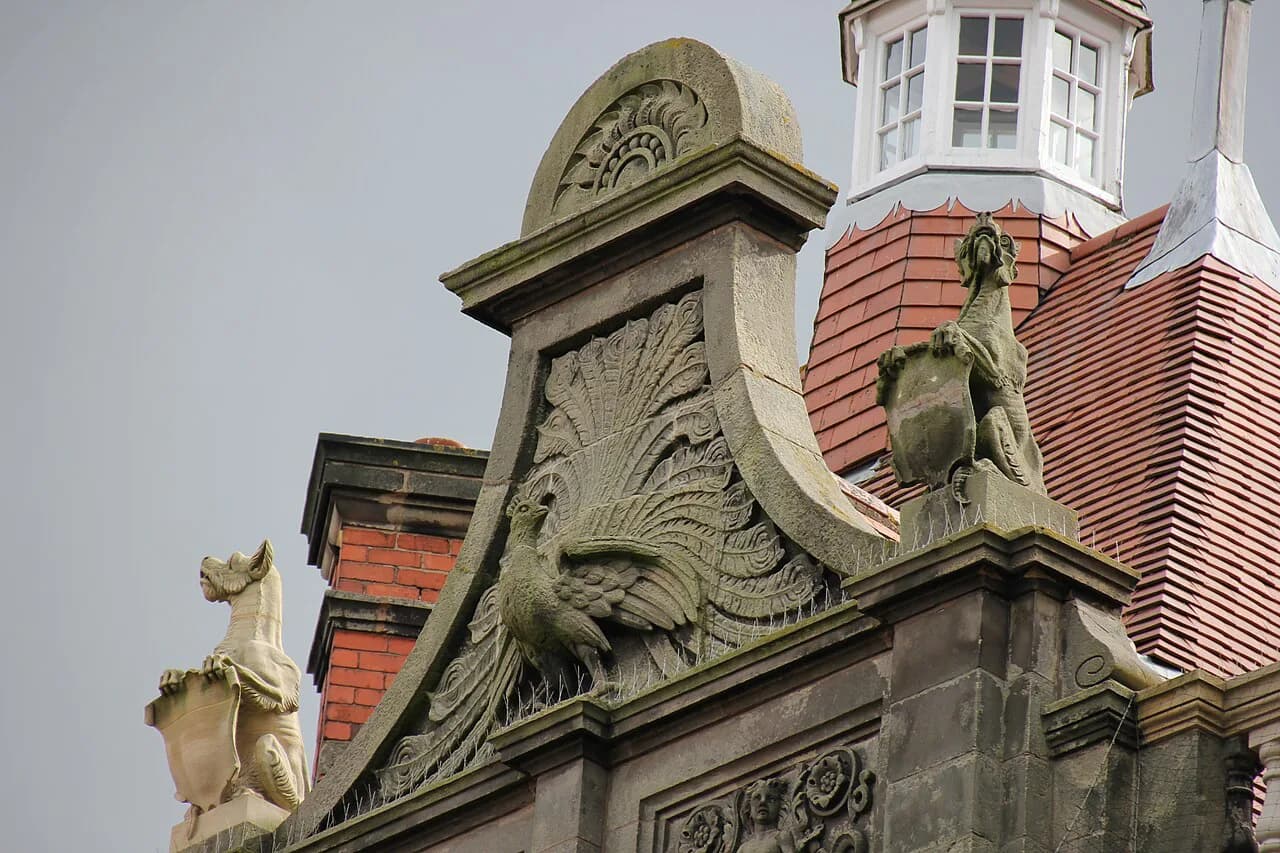
Grosvenor Museum, Chester: A Visitor's Guide

The Grosvenor Museum is the city museum of Chester, occupying a building on Grosvenor Street within the old walls. Its collections split into two halves that appeal to different visitors: the archaeology and Roman material on one side, the fine art decorative collections on the other. It works best as one stop on a walking loop of Chester rather than a standalone day out, and a focused visit fits comfortably into a city-break afternoon.
Practical planning is straightforward once you know what you want from it. Decide whether you are going for the Roman story or the art, allow roughly an hour and a half for either, and pair it with the walls and the Rows on the same walk.
What the Grosvenor Museum is and who runs it
The Grosvenor Museum is Chester's principal museum, presenting the city's archaeology, history and art in one building. It appears among the museums and galleries in Chester listed by the city's visitor site, which also runs its events programme and lectures through the Grosvenor Museum Society.
It is a city museum, not part of the national museum network, so treat its scale accordingly. That makes it a good-value stop for anyone who wants context on Chester's Roman and medieval past before walking the walls, rather than a destination in its own right for a full day.
Where it is: Grosvenor Street, inside Chester's walls
The museum sits on Grosvenor Street, within the circuit of the city walls and a short walk from the Rows and the cathedral quarter. That position makes it easy to fold into a circular walk: arrive through one of the wall gates, take in the museum, and continue to the river or back into the shopping streets.
Chester History and Heritage, a separate museum also on Grosvenor Street (at 27 Grosvenor Street), is currently closed for refurbishment according to its own site. Do not plan on visiting it as well, and do not assume a reopening date.
How to get there on foot from the city centre and the Rows
Walking is the sensible way. From the Cross and the Rows, head west along Watergate Street and turn into Grosvenor Street; the museum is a few minutes on foot, and the route passes the art galleries clustered along Watergate Street. Chester's compact centre means you rarely need a bus or taxi between the museum and the main sights.
If you are arriving by train, come up from the station into the walled centre and follow the signs for the castle and Grosvenor Street. The walk is short and mostly level once you are inside the walls, though the city centre has some cobbled stretches that are uneven underfoot.
What to see: Roman Chester and the city's archaeology
The archaeology collections carry the story of Deva, the Roman fortress that became Chester. Start here if you want the background that makes the walls, the amphitheatre and the street plan legible on the same day. If you want a more theatrical treatment of Roman Chester, the Deva Roman Experience is a separate attraction in the city centre and pairs well with the museum rather than replacing it.
Give the Roman galleries the largest single block of your time, roughly forty-five minutes if you read the panels. The payoff is outside: after the museum, the stretch of wall by the amphitheatre and the castle area make far more sense with the chronology in your head.
What to see: fine art, silver and the Decorative Arts collections
The museum's art side covers paintings, silver and decorative arts, and it is the half that rewards a slower, more selective look. If you are travelling with someone who has no appetite for Roman pottery, this is where to split up and meet later. Chester's gallery scene extends into Watergate Street, where you can browse commercial galleries before or after the museum visit.
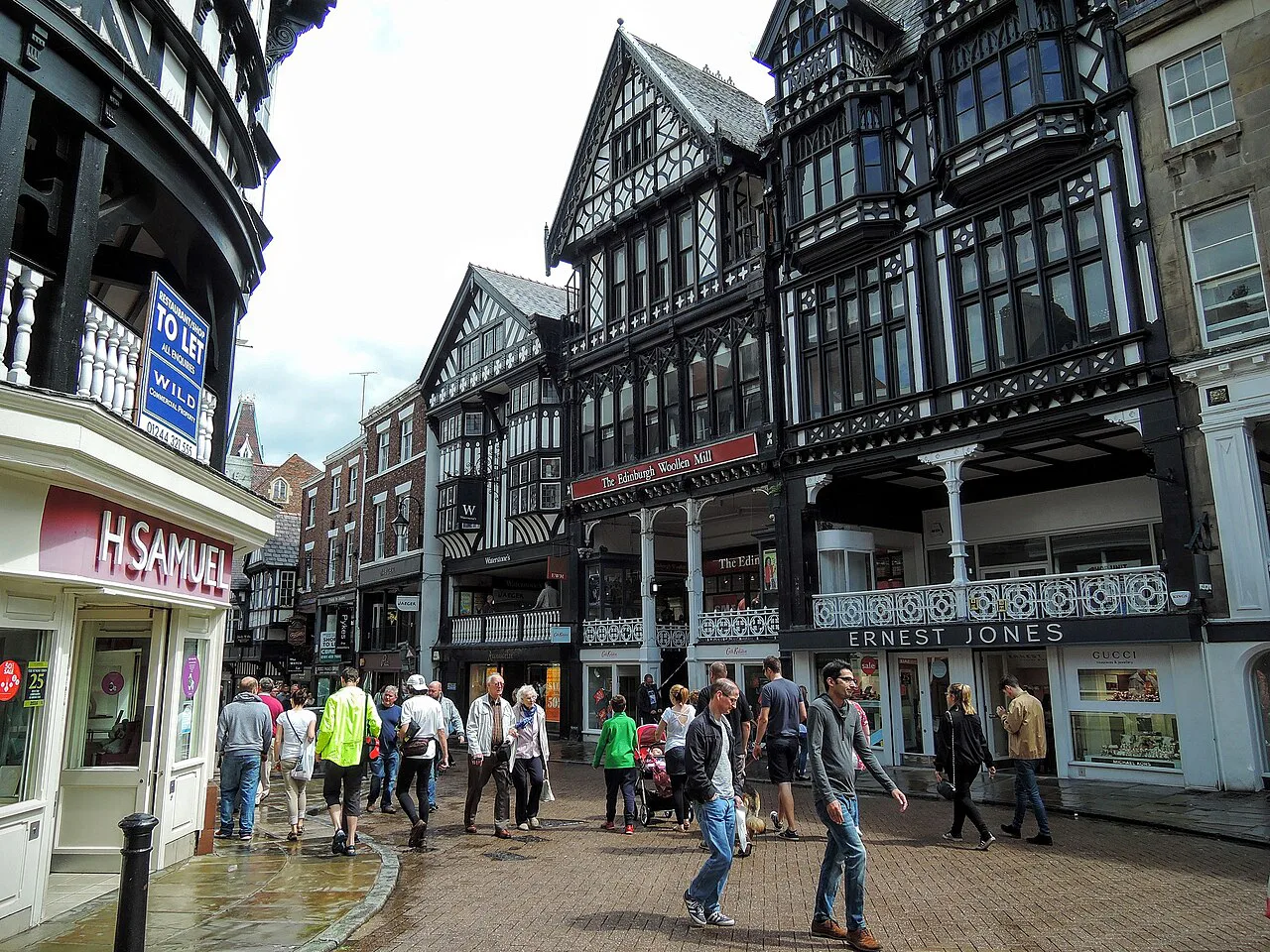

The Grosvenor Museum Society lectures and events programme
The Grosvenor Museum Society runs a lecture programme at the museum, with talks listed on its events calendar at the venue. These are evening and afternoon add-ons rather than part of the daytime visit, so check the events listing for the dates that fall during your trip.
Treat these lectures as a bonus for local history enthusiasts rather than something to build a short break around. Programme dates change seasonally, so confirm what is on before committing an evening of a two-night stay.
How long to allow and a sensible way to pace the visit
Allow about ninety minutes for the museum if you want both the archaeology and the art without rushing. If you only want the Roman material, an hour is enough; if you are a silver or painting specialist, two hours is closer to the mark.
A sensible pacing puts the museum first, then the walls and the Rows while your legs are fresh, with a tea stop in between. Chester's compact centre means you can walk between the museum, the cathedral and the river without needing transport.
Tickets, opening hours and booking: what to confirm before you travel
Ticket prices, opening days and any booking requirement are set by the museum, so confirm them on the museum's own website and its current visitor information before you travel. The visitor listings for Chester's museums carry events and closure notices that change through the year, including closures noted on individual attractions.
If you are planning around a specific exhibition or a lecture, check the events listing close to your date as well as the general opening information.
Access, steps and practical points for a short city-break stop
The museum is a multi-floor building, so expect stairs between galleries; if step-free access matters to your group, ask before you set out. The surrounding streets are cobbled in places and the wall walk involves steps and uneven surfaces, which is worth factoring into a day that includes both.
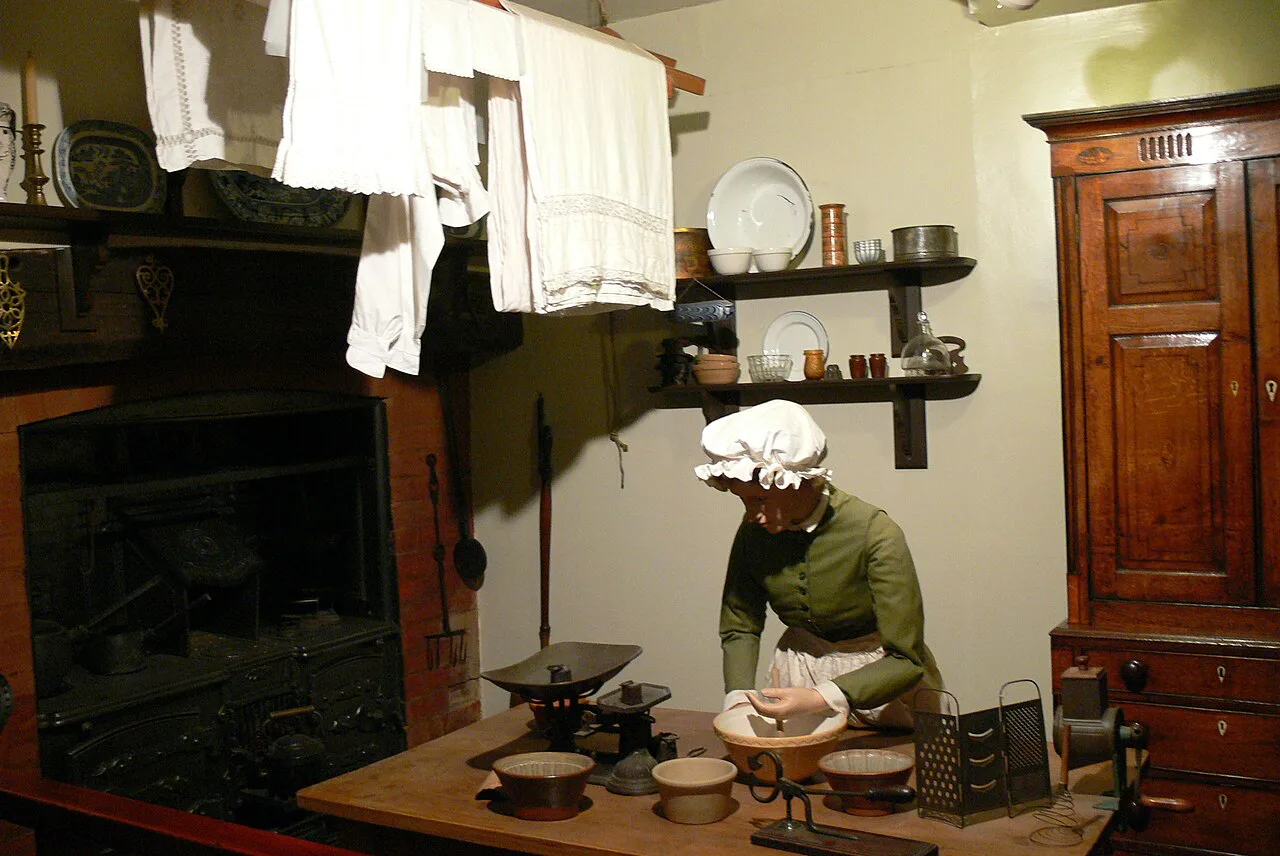

Nearby: Chester Castle, the city walls and the Rows
Chester Castle sits at the western end of the centre, close enough to combine with the museum in the same morning. The surviving Agricola Tower and the chapel of St Mary de Castro are the parts to look for, and the castle precinct is a natural start or finish to a walls walk.
The full circuit of the walls takes in the Eastgate Clock and the tower named for King Charles, and it is the best free way to understand Chester's shape after the museum has given you the history. Finish with the Rows and a proper afternoon tea if you have the appetite for it. If you are weighing where to stay for that final stop, our guide to Chester Neighborhoods covers the areas within easy walk of the centre.
For a different half-day, Chester Cathedral is a few minutes away on St Werburgh Street. The two work well as a single cultural morning, with the cathedral supplying the medieval and ecclesiastical side that the museum's collections set up.
Other Chester museums worth knowing about
Beyond the Grosvenor Museum, Chester has several smaller collections that suit particular interests. Sick to Death, the National Waterways Museum and the Cheshire Military Museum all appear in the city's museum listings, and each covers a very different subject.
Check each museum's own page for current opening before you build a day around them, because smaller sites keep shorter hours than the main city museum. The wider guide to things to do in Chester is a useful way to group them by area.
Verdict: who the Grosvenor Museum suits and who should skip it
The Grosvenor Museum suits anyone who wants Chester's Roman and medieval story explained before they walk the walls, and anyone with an interest in silver or provincial art. It is also a sensible wet-weather option in a city whose main sights are outdoors.
Skip it, or keep the visit short, if your short break is built around the cathedral, the racecourse and the river. On a first visit of two nights, the museum earns a ninety-minute slot; on a repeat visit focused on eating and shopping, it can wait.
Plan Your Visit
Build the Grosvenor Museum into a walking day: museum first, then the castle, the walls and the Rows, with a tea stop to break it up. Confirm opening times and any charges on the museum's own site before you travel, and check the events listing if a lecture appeals.
Explore more Chester guides
Frequently Asked Questions
What can you see at the Grosvenor Museum in Chester?
The museum covers Chester's archaeology, including its Roman fortress heritage, alongside fine art, silver and decorative arts. It is a city museum rather than part of the national network, so the scale is manageable in an afternoon.
Where is the Grosvenor Museum?
It is on Grosvenor Street, inside Chester's city walls and a short walk from the Rows and Watergate Street. Chester History and Heritage, a separate museum at 27 Grosvenor Street, is currently closed for refurbishment.
How long does a visit to the Grosvenor Museum take?
Allow about ninety minutes to see both the archaeology and the art at a reasonable pace. An hour covers the Roman material alone, while two hours suits anyone with a specialist interest in silver or paintings.
Are there other museums in Chester?
Yes. Sick to Death, the National Waterways Museum and the Cheshire Military Museum appear in the city's museum listings, and each covers a different subject. Smaller sites often keep shorter hours than the main city museum, so check each one before building a day around it.
What is the Grosvenor Museum Society?
It runs a lecture programme at the museum, with talks listed on the venue's events calendar. These are evening and afternoon add-ons rather than part of the daytime visit.
What is near the Grosvenor Museum?
Chester Castle, the city walls, the Rows and Chester Cathedral are all within a short walk. The museum makes a good first stop before a walls circuit, because the archaeology gives context to what you see outside.