Inverness Architecture: Buildings Worth Seeking Out
Inverness architecture for visitors: castle, cathedral, church, market, bridges and bookshop, with what each building is and how to see it on a city-centre walk.
On this page
Inverness architecture is a half-day walk, not a catalogue of great monuments. The centre gives you a Victorian Gothic cathedral, an iron footbridge from 1880, a covered market from 1890 and a churchyard with medieval roots, all within roughly twenty minutes of each other on foot. Add a castle on the ridge above the river and a bookshop inside a former Gaelic church, and you have the city's building story in one loop.
What Inverness architecture is like
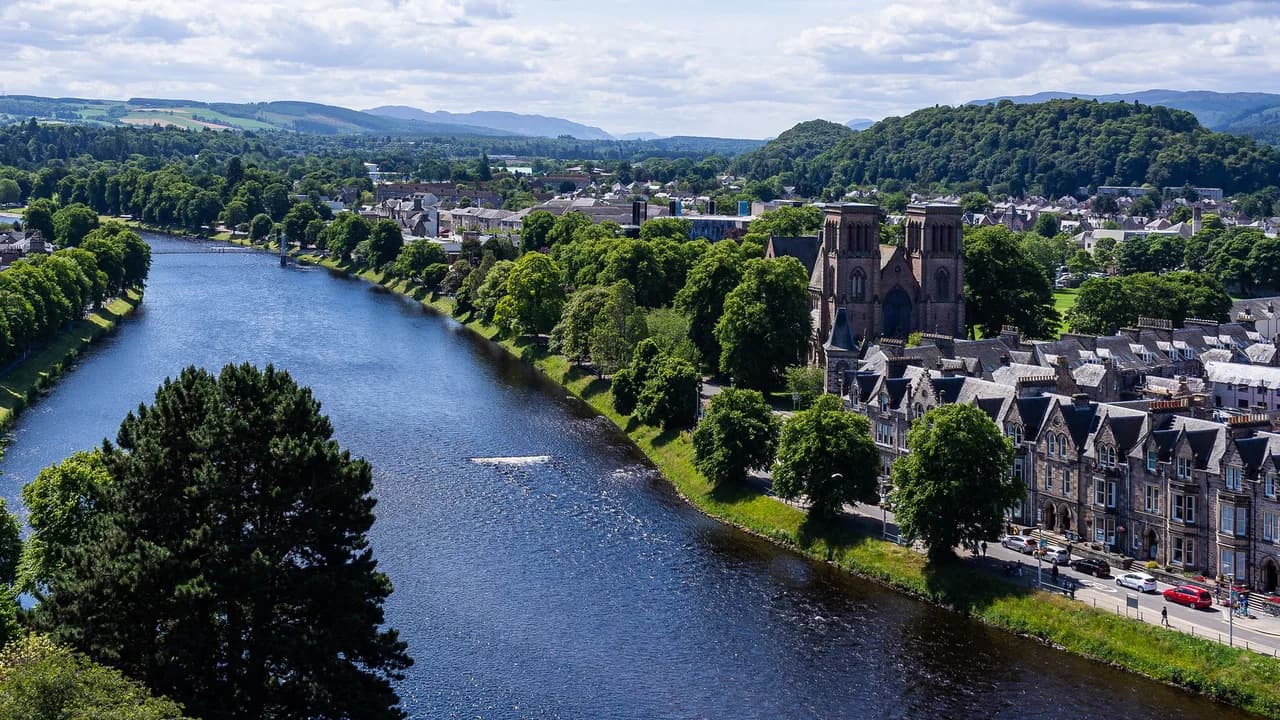
The city's name comes from the mouth of the River Ness, and the river is the organising line for most of what you will look at. Stone church towers, a castle on the ridge and Victorian commercial buildings sit close to the water, so a route that follows the banks shows you the skyline from below. Expect mostly nineteenth-century work with a few much older survivals rather than a medieval core.
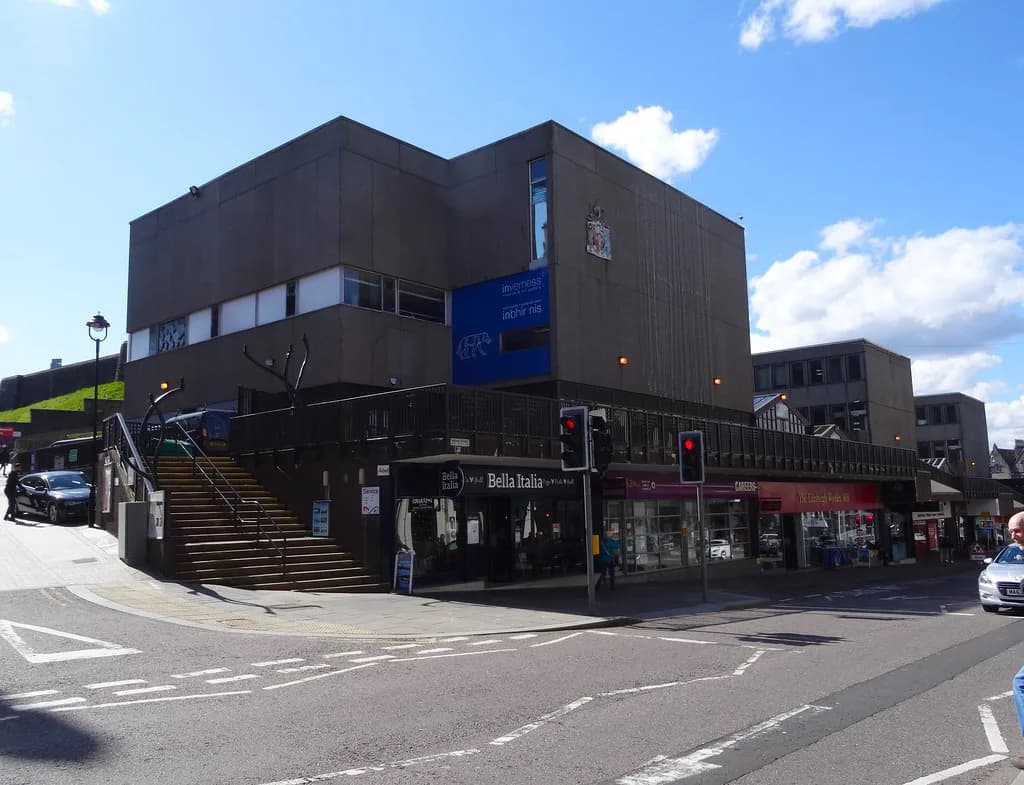
Architectural practices in the city today work on new build and renovation across the Highlands, which is a reminder that Inverness is a living town rather than a preserved set piece. That mix matters to a visitor: you will pass modern infill between the Victorian set pieces, and the best views tend to be from bridges and the riverside paths.
Inverness Castle and the Inverness Castle Experience
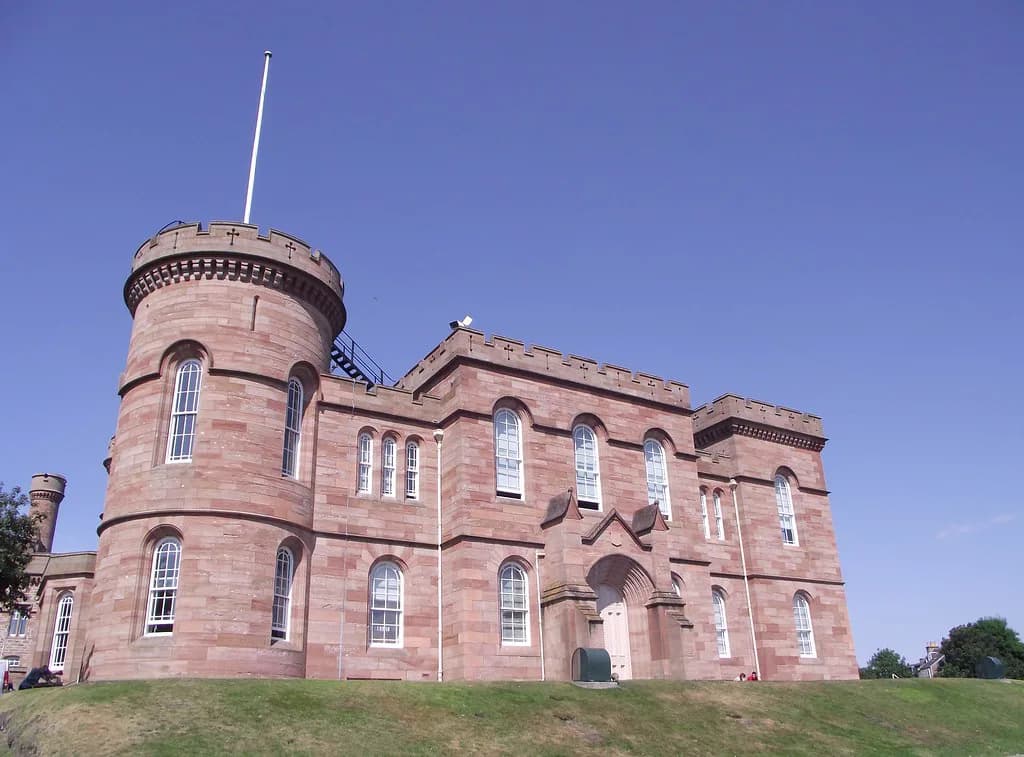
The castle is the landmark above the river, and after a major renovation it now opens to the public as the Inverness Castle Experience covering Highland landscapes, culture and heritage. It is run by High Life Highland, so the organisation's pages are the place for current opening arrangements rather than any assumption about when it reopened. Build it into the start of a walk for the outlook over the river and the rooftops.
Set aside more time than the outside suggests if you plan to go in, and treat the exterior viewpoint as the free part of the stop. The castle also anchors the wider set of fortresses and ruins around the city, which are day trips rather than city-centre stops.
Inverness Cathedral on the River Ness
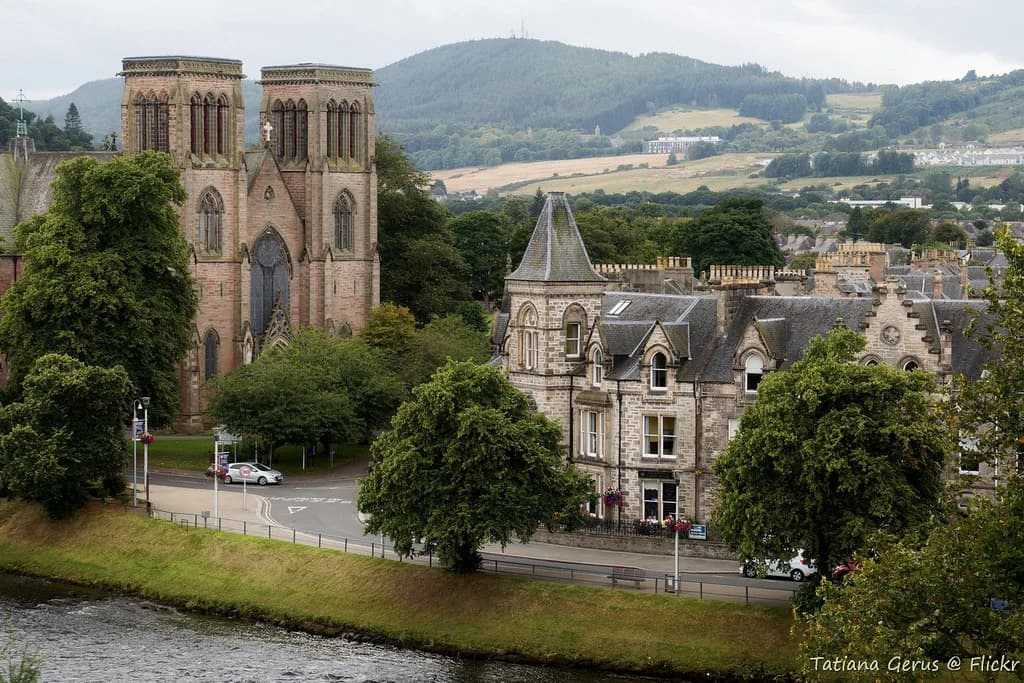
Inverness Cathedral is the city's clearest piece of Gothic revival, built in the 1860s on the bank of the River Ness. It is striking for its soaring interior and stained glass rather than for age, and it is often described as the first cathedral to be completely built and consecrated in Great Britain since the Reformation. Step in for the proportions and the glass, then walk the riverside path outside.
A third-party guide quotes an entry charge of six pounds per person and says the cathedral is open every day of the year; the cathedral's own site is the place to confirm both before you go. Behind the cathedral, Cafe Ness occupies an old boys' school, which makes a sensible pause between the cathedral and the river walk.
Old High Church and its kirkyard on St Michael's Mount
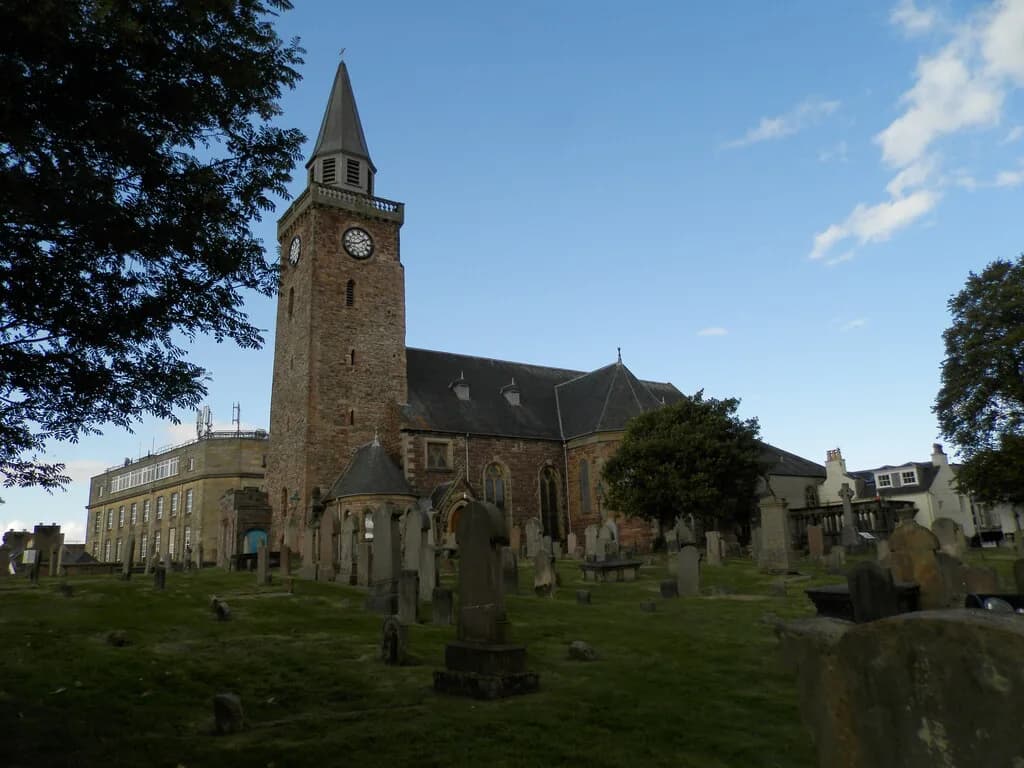
Old High Church sits on a hill called St Michael's Mount above the river, with roots going back to the fourteenth century and a kirkyard that gives the best reason to climb up. The church building itself is closed and being sold by the Church of Scotland, so plan to see the burial ground and the views rather than the interior. Walk to the edge of the kirkyard for the outlook over the River Ness.
Tradition holds that Jacobite prisoners were held and executed here after the Battle of Culloden in 1746, and that stray bullets left holes in the gravestones; treat the bullet holes as a story passed down rather than a documented certainty. The graves and the hilltop setting carry the weight on their own. Entry to the kirkyard is free, and a sign welcomes visitors in.
Greig Street Bridge and the river views
Greig Street Bridge is the iron footbridge over the River Ness, originally built in 1880, and it gives the classic view back towards the cathedral, the castle and the church tower. Cross it slowly and look both ways: the bridge is a viewpoint as much as a piece of engineering. It also links the two banks neatly if you are routing a walk between the cathedral and the town centre.
From the bridge you can see most of the city's prominent buildings in one sweep, which makes it the best single stop for understanding how Inverness sits in its landscape. Time it for morning light if you want photographs without crowds on the span.
The Victorian Market and its arcades
The Victorian Market dates to 1890 and is a covered complex of three intersecting arcades in the city centre, home to more than thirty independent businesses. In a Highland climate the covering is the point: it is the most reliable wet-weather stop on a building walk, and you can shop, eat or just study the ironwork and roof structure. Browse the arcades as architecture first and retail second.
Because the arcades connect to each other, you can enter from one street and leave onto another, which makes the market a useful shortcut as well as a sight. Pair it with the closes and streets around the centre rather than treating it as a standalone visit.
Leakey's Bookshop in a former Gaelic church
Leakey's Bookshop is architecture as well as shopping: a used bookshop inside a former Gaelic church, with stained glass, a spiral staircase you can climb and a wood stove for cold days. It holds thousands of used books and antique prints, and it is easy to lose an hour on the stairs and galleries alone. Go for the windows and the roof space as much as the stock.
It sits just around the corner from the Old High Church, so the two combine naturally in one short stretch of the walk. If you are travelling with children, agree a meeting point inside before everyone disappears into the shelves.
Inverness Museum and Art Gallery for Highland art and making
For the art and craft side of the city's buildings, the Inverness Museum and Art Gallery houses two art galleries on the first floor with a year-round programme of temporary exhibitions, plus a contemporary craft showcase in the first-floor foyer. The shows range from contemporary to historic work across a wide range of media, featuring local, national and international artists and makers, and pieces are often for sale. It is a good rain stop that also explains the Highland context behind the buildings you have walked past.
The museum is also the natural starting point for the city's other indoor sights, and it pairs well with a wider look at the museums in Inverness if you are planning more than one wet afternoon. Check the exhibitions programme before you go so you know which galleries are open.
River Ness and the Ness Islands
The Ness Islands are a small group of natural islands in the middle of the River Ness, reached by footbridges and about a twenty-minute walk from the centre. They are the city's green edge: paths under trees, river on both sides and a carved Nessie on a fallen stump for children to find. Come here after the streets rather than before, when you have had your fill of facades.
The walk from the centre is roughly a mile to the islands, so allow the best part of an hour for the round trip at an easy pace. Wear something you do not mind getting muddy on wet days.
Around Inverness: Cawdor, Urquhart and Clava Cairns
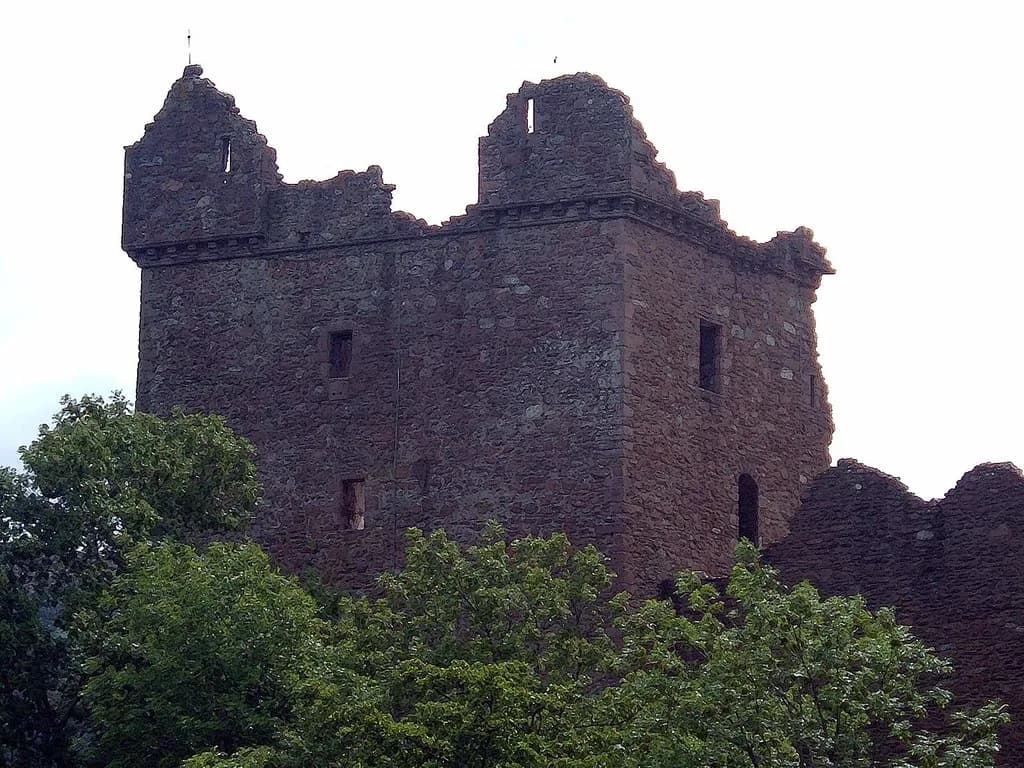
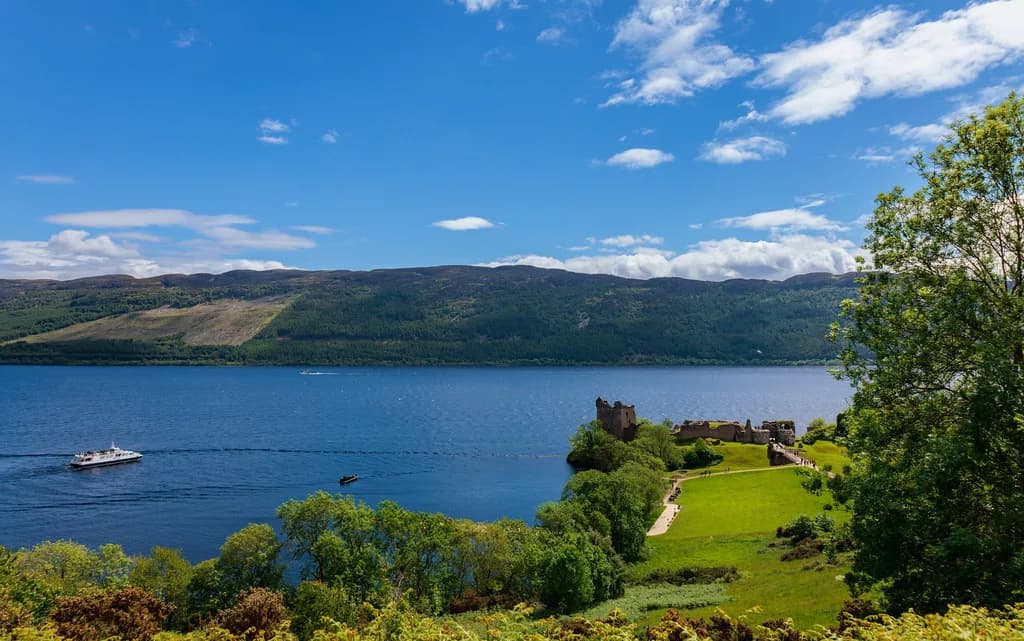
Three sites outside the city extend a building-focused trip, and each needs its own half day. Cawdor Castle, a family home of more than 600 years about fifteen miles from the centre, opens seasonally and has gardens and a nature trail as well as the interior; its Macbeth connection is legend, since the castle was built long after the events of the play. Urquhart Castle is the ruined thirteenth-century fortress on Loch Ness, and visitors are turned away in busy periods, so book ahead. Clava Cairns, roughly twenty minutes' drive from the city, is a Bronze Age burial site usually explained as a cemetery, and it is free to visit.
Culloden Battlefield is the fourth stop in this group, with a museum that tells the government and Jacobite sides of the 1746 battle in parallel rooms. The battlefield itself is free, but parking and the museum are charged.
A short walking route through the centre
Start at the castle ridge for the overview, drop to the cathedral on the river, cross Greig Street Bridge for the skyline view, then climb to the Old High Church kirkyard. From there, Leakey's Bookshop is around the corner, and the Victorian Market and Inverness Museum and Art Gallery sit a short walk away in the centre. Finish along the river towards the Ness Islands if the light holds.
Allow most of a day if you want to go inside the museum and the cathedral as well as walk, and a couple of hours for the buildings alone. Start early to see the bridge and kirk yard before the coach groups arrive.
Practical trade-offs: seasons, tickets and time
The city-centre sights split neatly into free and paid: the kirkyard, the bridges, the river walks and the outside of the castle cost nothing, while the cathedral charge, the castle experience, Cawdor and Urquhart need tickets, and several of those are seasonal. Cawdor opens from April to October, so a winter trip should keep its architecture to the city and the ruined sites. If you want a comparison for how another Scottish city lays out its buildings on a walkable loop, it is worth reading a guide to Birmingham architecture, where the same free-versus-ticketed decision applies.
Book Urquhart and Culloden museum tickets in advance, especially in summer and around school holidays, and keep a wet-weather plan in the market and the museum. Check current opening details for Inverness Cathedral, Inverness Museum and Art Gallery, the seasonal houses and Urquhart Castle with Historic Environment Scotland before you travel, as they change through the year.
Plan Your Inverness Building Walk
Inverness rewards a slow half day on foot more than a checklist: castle ridge, cathedral, bridge, kirkyard, market, bookshop and museum, with the river as the thread. Build the free stops around one paid interior, leave the castles near Inverness for another day, and keep the islands for the end.
Explore more Inverness guides
Frequently Asked Questions
What is Inverness famous for?
Inverness is known as the capital of the Highlands and the gateway to Loch Ness, with a compact centre built around the River Ness. Its buildings are mostly nineteenth-century, including the Gothic revival cathedral, the 1880 iron footbridge and the 1890 covered market.
What style of architecture is Inverness Cathedral?
It is Gothic revival, built in the 1860s on the bank of the River Ness. It is admired for its soaring interior and stained glass, and it is often described as the first cathedral to be completely built and consecrated in Great Britain since the Reformation.
Is Inverness Castle open to visitors?
After a major renovation, the castle now opens to the public as the Inverness Castle Experience, covering Highland landscapes, culture and heritage. It is run by High Life Highland, whose pages carry the current opening arrangements and ticket details.
Is the Old High Church in Inverness open?
The church building is closed and being sold by the Church of Scotland, so the kirkyard is the reason to climb St Michael's Mount. Entry to the burial ground is free and a sign welcomes visitors in.
How long does it take to walk around central Inverness?
The core buildings are within about twenty minutes of each other on foot, so a couple of hours covers the outside of everything. Allow most of a day if you add the museum, the cathedral interior and the river walk to the Ness Islands.
Which castles near Inverness can you visit?
Cawdor Castle, about fifteen miles from the centre, opens seasonally with gardens and a nature trail. Urquhart Castle is the ruined thirteenth-century fortress on Loch Ness, and visiting requires booking ahead in busy periods.
Sources
Notes for your next city break
Optional updates to our UK city guides.
You might also like
Continue reading
More guides you'll find useful