Free Things to Do in Canterbury: Museums, Gardens and Walks
Plan a free day in Canterbury with free-to-enter museums, historic gardens, riverside walks and old streets, plus honest notes on what still costs money.
On this page
Canterbury gives you a full day out for nothing if you pick carefully: the free-to-enter museum and gallery at The Beaney, the historic gardens, and a long wander through streets that double as the exhibit. The big set pieces are a different matter, so decide early whether the cathedral and the Roman Museum are in or out. If you are weighing Canterbury against another city break, our guide to the free things to do in Birmingham offers a useful comparison for the same low-cost day out.
This guide keeps the free stops separate from the paid ones, because mixing them is how budgets quietly disappear. It also flags the honest trade-offs — the walk out to St Martin's Church, uneven ground in the ruins, and the distance to the coast — so you can plan a day that actually fits your legs.
What Is Free in Canterbury
Start with the city's own list of free things to do: The Beaney House of Art and Knowledge on the High Street is free to enter, and the same guide points to Westgate Gardens, Solly's Orchard and Dane John Gardens as free green spaces for a picnic.
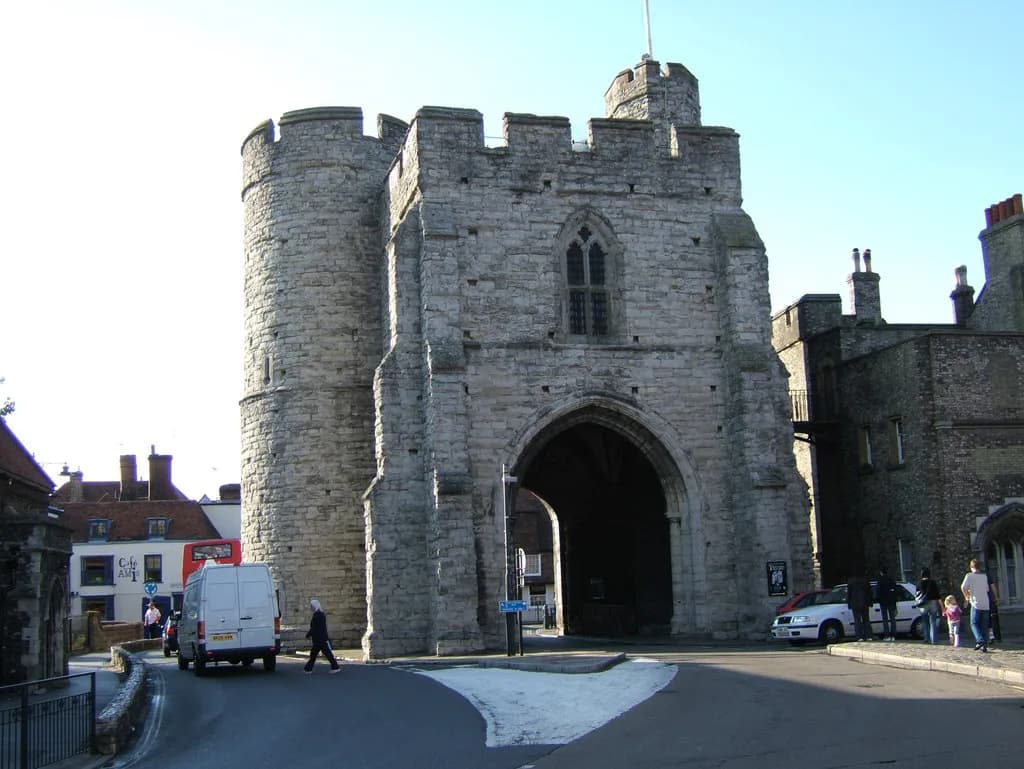
The same source treats the streets themselves as an attraction, with blue plaques marking former residents and sights such as the Westgate Towers, the ducking stool at The Old Weavers and the ruins of St Augustine's Abbey to spot on foot. For a wider spread of paid and free options, keep our things to do in Canterbury guide to hand so you can slot the charged attractions in deliberately.
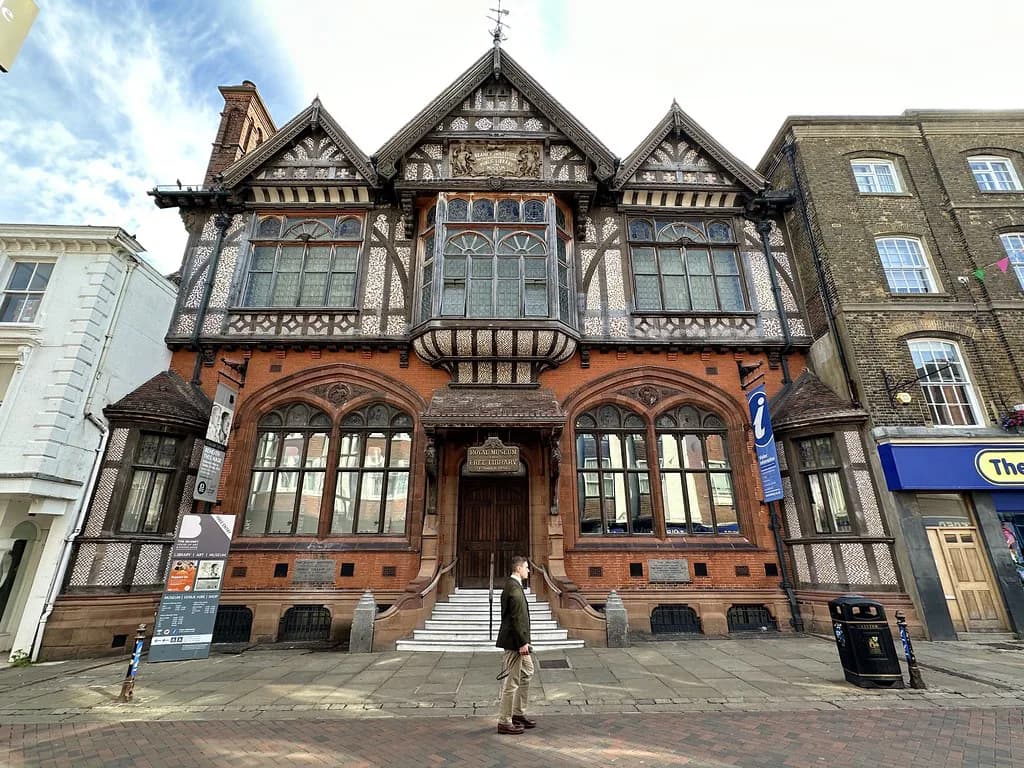
The Beaney House of Art & Knowledge
The Beaney packs a museum, art gallery, library and visitor centre into one High Street building, and Visit Canterbury lists entry as free. That combination makes it the obvious first stop: pick up local information, see a gallery, and duck back in later if the weather turns.
Treat it as your wet-weather fallback rather than a ten-minute look-in. Other covered options across the city are gathered in our guide to indoor activities in Canterbury, which is worth reading before you commit to an outdoor-only itinerary.
Westgate Gardens
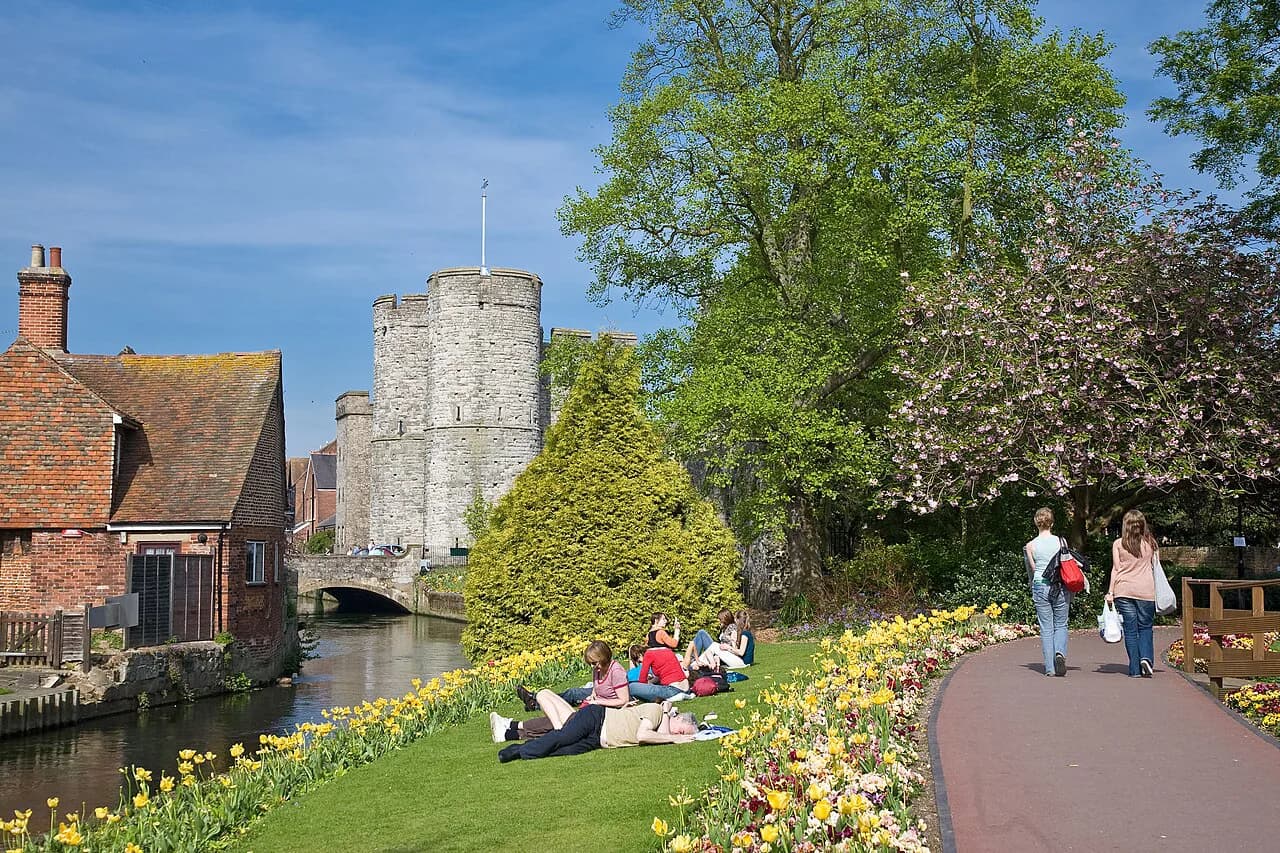
Westgate Gardens sits by the River Stour and is described as one of England's oldest parks, with flower displays, ancient trees, the Victorian Tower House and a Physic Garden to wander through. It is free to visit and easy to fold into a walk from the Westgate Towers end of the city.
Allow a relaxed hour if you want the Tower House, the Physic Garden and a bench by the water rather than a quick loop. Bring picnic supplies from the city centre, since Visit Canterbury notes plenty of cafes and independent shops for filling a basket, and families get a children's play area at Toddlers Cove on the same stretch.
Dane John Gardens
Dane John Gardens is Canterbury's largest public park, laid out in 1551, and its mound once formed part of a Norman castle. A circular path climbs the mound for views back over the city, and there is a bandstand and sculpture along the level paths below.
The climb is short but steep enough to notice, so wear shoes with grip rather than smooth soles after rain. Pair the gardens with a walk along the remaining city walls, which the same city guide recommends for views and a sense of the medieval circuit.
Free Streets, Towers and Old Buildings
The old streets are the cheapest attraction in Canterbury and the one most people rush. Look for the Westgate Towers, the ducking stool at The Old Weavers, and Sir John Boys House, a 16th-century building whose crooked facade rewards a slow look rather than a passing glance.
St Augustine's Abbey ruins can be seen as part of a walk, and the site forms part of the World Heritage Site with the cathedral and St Martin's Church. Reading the ruins from outside is free; going into the abbey grounds is a separate decision, so check the current arrangements with the site operator before you build a day around it.

St Martin's Church
St Martin's Church is the oldest parish church still in use in England and completes Canterbury's World Heritage Site trio with the cathedral and the abbey. That alone justifies the walk out of the centre, which is longer than the compact core of the city suggests.
Build the visit into a loop rather than a there-and-back trudge, and keep an eye on the clock if you have a timed cathedral slot later. The walk is straightforward on foot but adds real distance to a day, so drop it first if you are short of time.
Riverside and Countryside Walks
The River Stour runs through the middle of Canterbury, and a walk along its banks takes roughly 75 minutes if you follow the full stretch, with boat tours of about 45 minutes as a paid alternative. The banks are free, flat and the easiest way to see historic buildings from a different angle.
For a longer outing, the Crab and Winkle Way is a walking and cycling route that connects Canterbury to Whitstable through woodland and open landscape. The North Downs Way also cuts through the city, following the line pilgrims took, and both are free to walk.
Free Days Out Beyond the City
Whitstable's pebble beaches and beach huts make a free coastal half-day, while Herne Bay offers long shores and a traditional pier that suits families. Both are a short journey from Canterbury and cost nothing once you are there.
The trade-off is travel: the Crab and Winkle Way is a proper walk or ride rather than a stroll, so choose the train or bus if you want energy left for the seafront. Whitstable and Herne Bay also work as a wet-weather plan B only in the sense that you can retreat to the town centre, so pack a layer.

Free Events and Whitefriars
Canterbury's calendar carries free seasonal events, including a summer Medieval Pageant when the streets fill with medieval characters, Pride Canterbury, and Halloween and Christmas programmes with markets and entertainment. Whitefriars at the top of the High Street hosts free events such as live music, workshops and installations.
Time a visit around one of these and the city becomes a free day out with a centrepiece. Dates move each year, so check the Visit Canterbury what's on listings before booking travel rather than assuming a fixed weekend.
Where Free Stops and Paid Ones Begin
Canterbury Cathedral is the city's headline sight, filled with medieval stained glass and tied to the murder of Thomas Becket in 1170, but admission is a separate matter from the free stops above. Check ticket prices and opening dates on the cathedral's own website before you travel.
The Roman Museum charges admission to non-residents, while Canterbury residents can use the MyCanterbury card for free access. Canterbury Castle and St Augustine's Abbey sit outside the free-to-enter list, so decide which paid site earns your money and skip the rest without guilt.
Practical Trade-offs on Foot
Canterbury's centre is compact, but the free day spreads out: the gardens sit at the Westgate end, Dane John is a short walk away, and St Martin's Church pulls you beyond the old walls. Plan a rough order, accept one backtrack, and leave the abbey and cathedral as deliberate additions rather than accidental detours.
Surfaces vary — the mound path, uneven ground near the ruins, and riverside paths after rain all reward proper shoes. Picnic supplies from the city centre shops keep the day free, and a reusable bottle saves buying drinks at every stop.
Plan Your Free Day
Build the day around The Beaney, Westgate Gardens and Dane John Gardens, then add the streets, St Martin's Church and a riverside stretch as your legs allow. Keep the cathedral, Roman Museum and abbey as considered choices rather than automatic stops.
If you want to widen the trip, our Canterbury Attractions guides cover the paid sights in more detail. And when the free day ends, a proper afternoon tea is the obvious way to spend what you saved.
Explore more Canterbury guides
Frequently Asked Questions
What can you do for free in Canterbury?
The Beaney House of Art and Knowledge is free to enter and holds a museum, art gallery, library and visitor centre. Westgate Gardens, Dane John Gardens and Solly's Orchard are free green spaces, and the historic streets, blue plaques, Westgate Towers and the Old Weavers are free to see on foot.
Is The Beaney free to enter?
Yes. Visit Canterbury lists The Beaney House of Art and Knowledge on the High Street as free to enter, covering its museum, art gallery, library and visitor centre. It doubles as a sensible wet-weather stop and a place to pick up local information.
Is there a free museum in Canterbury?
The Beaney's museum and gallery are free to enter. The Roman Museum charges admission to non-residents, while Canterbury residents with a MyCanterbury card get free access, so the free-museum answer depends on who you are.
Can you go inside Canterbury Cathedral for free?
Admission is separate from the free city stops, so check the cathedral's own ticket information before you travel; entry is not free. The cathedral is still worth seeing from the precincts and streets around it.
Are Canterbury's gardens free to visit?
Westgate Gardens, Dane John Gardens and Solly's Orchard are all free public green spaces. Westgate Gardens has the Tower House and Physic Garden by the River Stour, while Dane John's mound gives views back over the city.
What free things can you do in Canterbury with kids?
The Beaney's museum and gallery cost nothing and work well on a rainy day, Westgate Gardens has a children's play area at Toddlers Cove, and Dane John Gardens has level paths and a bandstand. Whitstable's pebble beaches and Herne Bay's pier make a free coastal day out.
How far is the walk from Canterbury to Whitstable?
The Crab and Winkle Way links Canterbury to Whitstable through woodland and open landscape, and it is a proper hike or cycle rather than a short stroll. Take the train or bus if you want energy left for the beach huts and seafront.
Is Canterbury Castle free?
The surviving Norman keep and Roman walls are visible from the surrounding streets. Admission arrangements for going inside are not free or open as a given, so check the site's own information before planning a visit around going inside.
Sources
Notes for your next city break
Optional updates to our UK city guides.
You might also like

Continue reading
More guides you'll find useful