Canterbury Architecture: Which Historic Buildings to See
Canterbury architecture explained by period, with the buildings and streets where each style survives, plus a workable walking route through the city centre.
On this page
Canterbury's architecture rewards a period-by-period approach rather than a checklist of sights. The city centre is compact enough that a Norman survival, a timber-framed lane, a Georgian brick terrace and a post-war shopping street can all sit within a twenty-minute walk, so the sensible plan is to choose the styles you care about and link them on foot. The Canterbury Historical and Archaeological Society publishes a free guide to the city's building styles and features, organised exactly that way, which is the best structural model for a route.
Start with the cathedral on the skyline
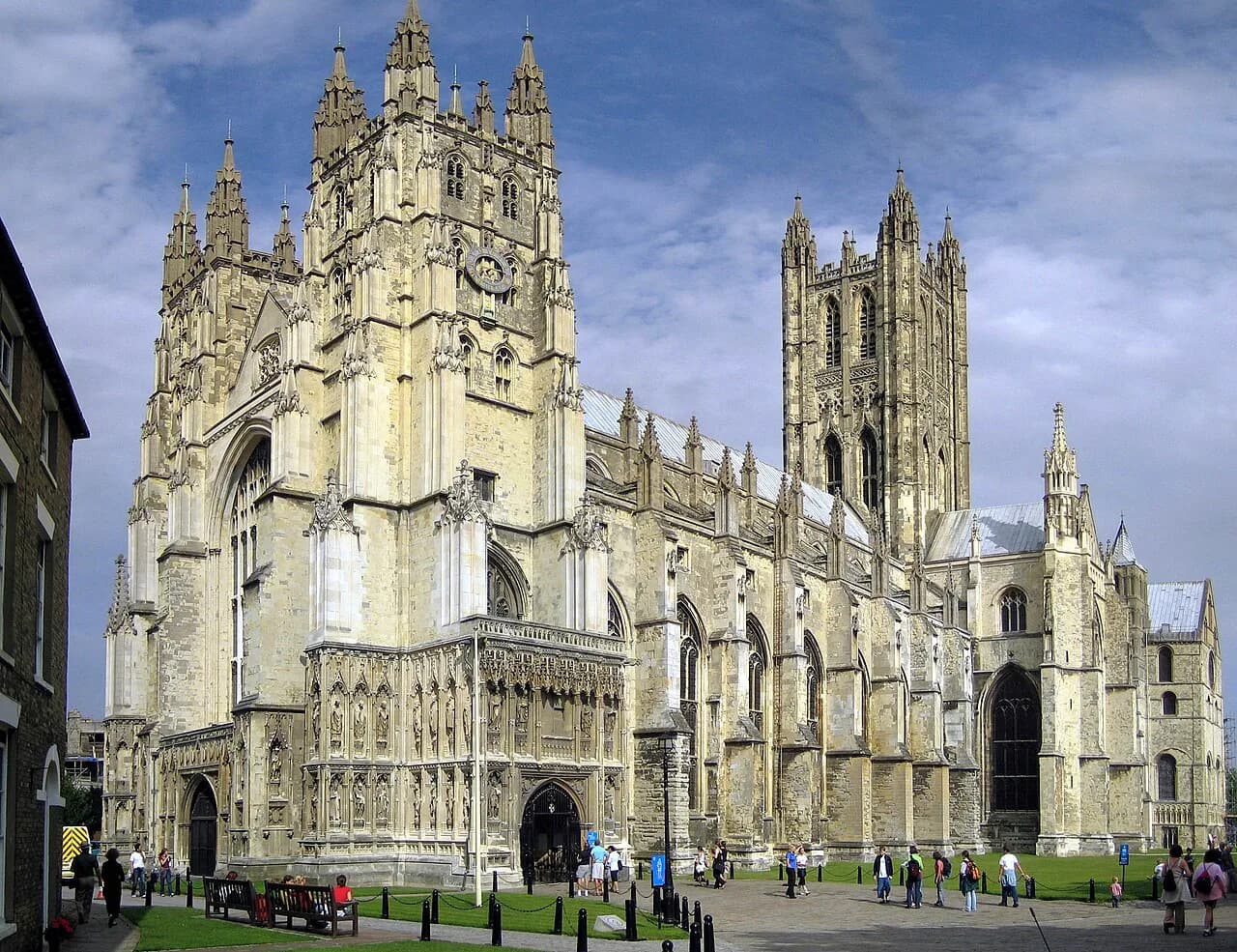
The cathedral dominates the city's roofline and sets the tone for everything around it, and its Gothic character is the reference point most other Canterbury buildings are read against. Walk the perimeter streets first: the cathedral precinct is walled, but the exterior and the surrounding lanes give you clear views of the massing and the surviving fabric without buying a ticket. Save the interior for a separate visit when you can give it proper time, and plan that day around what else is open nearby.
Cathedral entry, service times and any restricted periods change through the year, and the cathedral publishes its own visitor information. Check that page before you build a day around going inside, and keep the exterior walk as the fixed part of your plan.
Norman and Romanesque survivals beyond the cathedral
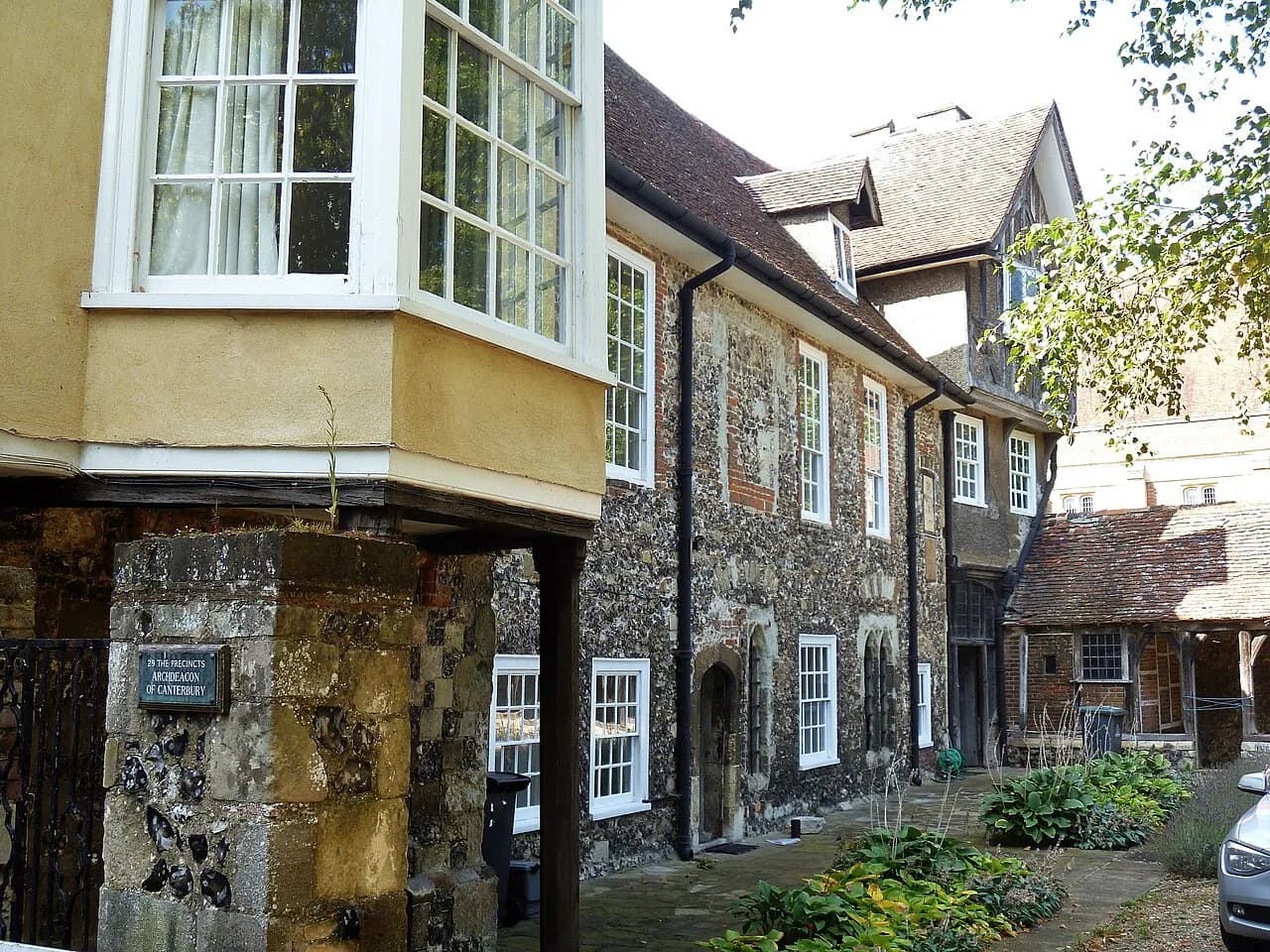
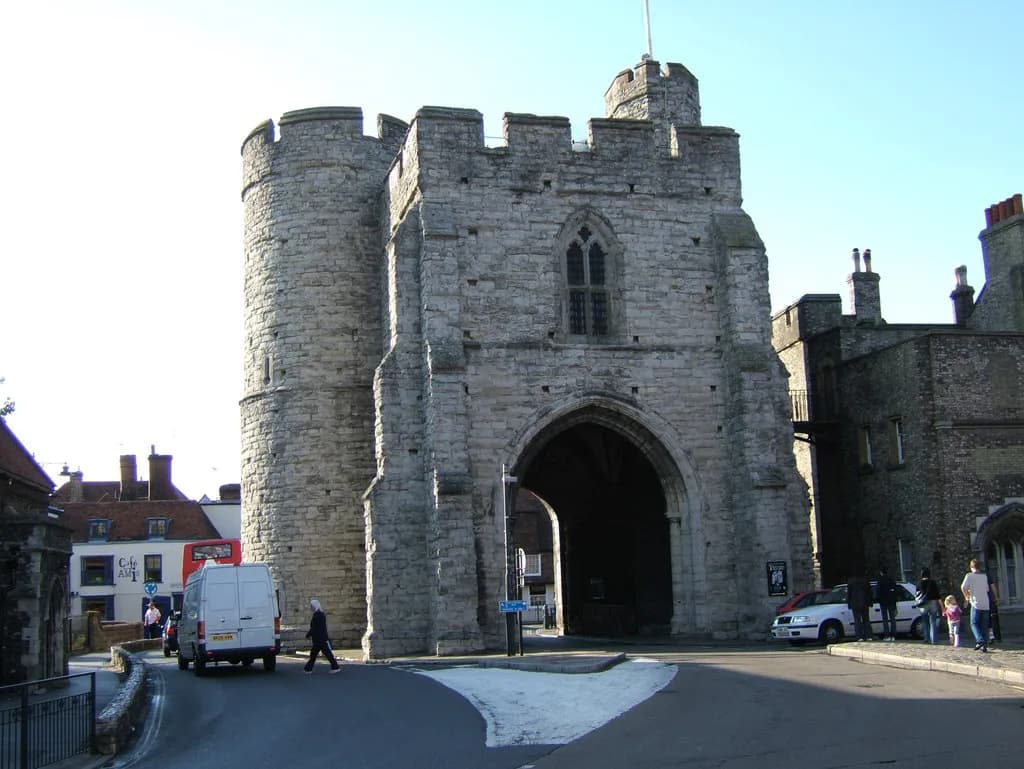
Norman work in Canterbury is not confined to the cathedral, and the reward for looking closely at the older churches and precinct walls is seeing the round arches and heavy masonry that predate the Gothic rebuild. Walk slowly along the lanes within and just outside the old walls and compare the weight of the stonework with the later, lighter Gothic detail. The society's guide breaks these features down with local examples and location notes, so you can match a feature you spot to a name and a date range rather than guessing.
Roman Canterbury sits largely below the modern street surface, but the street pattern and the surviving fragments are worth knowing about before you walk. If Roman remains are your priority, plan that into a separate stretch of the day rather than expecting to see them standing on the main streets.
Medieval streets and timber-framed buildings
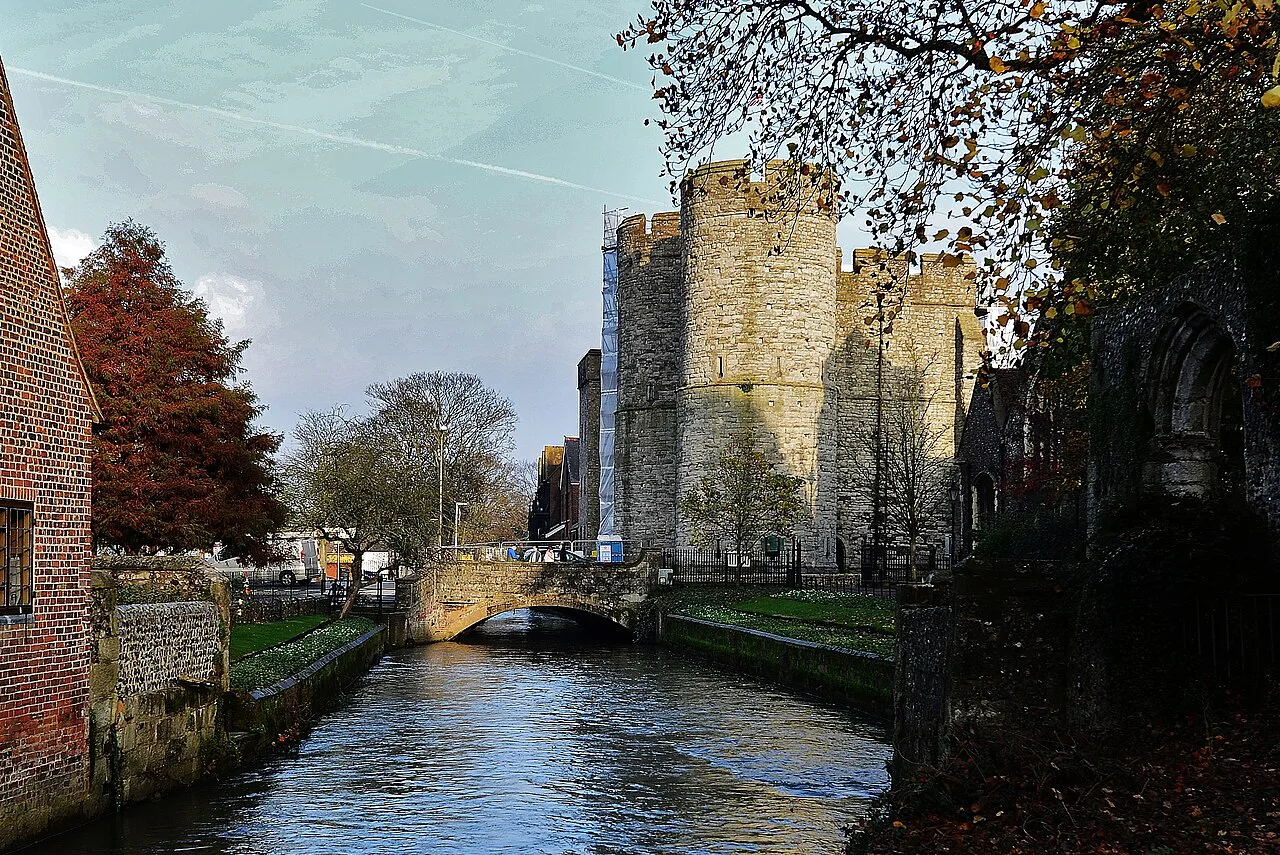
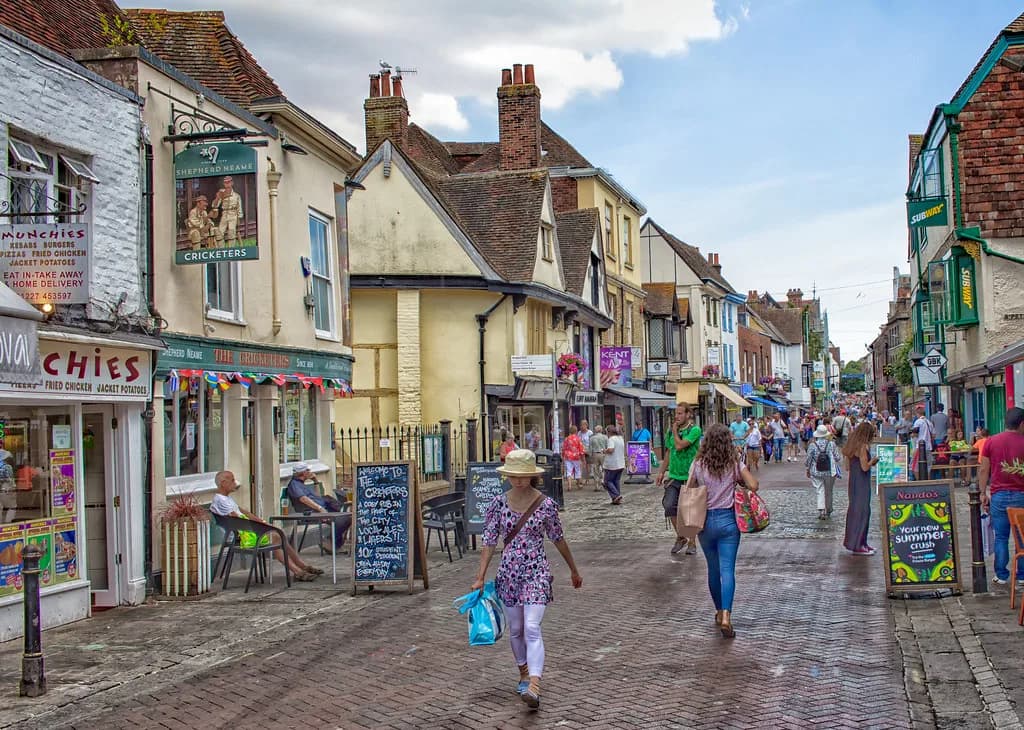
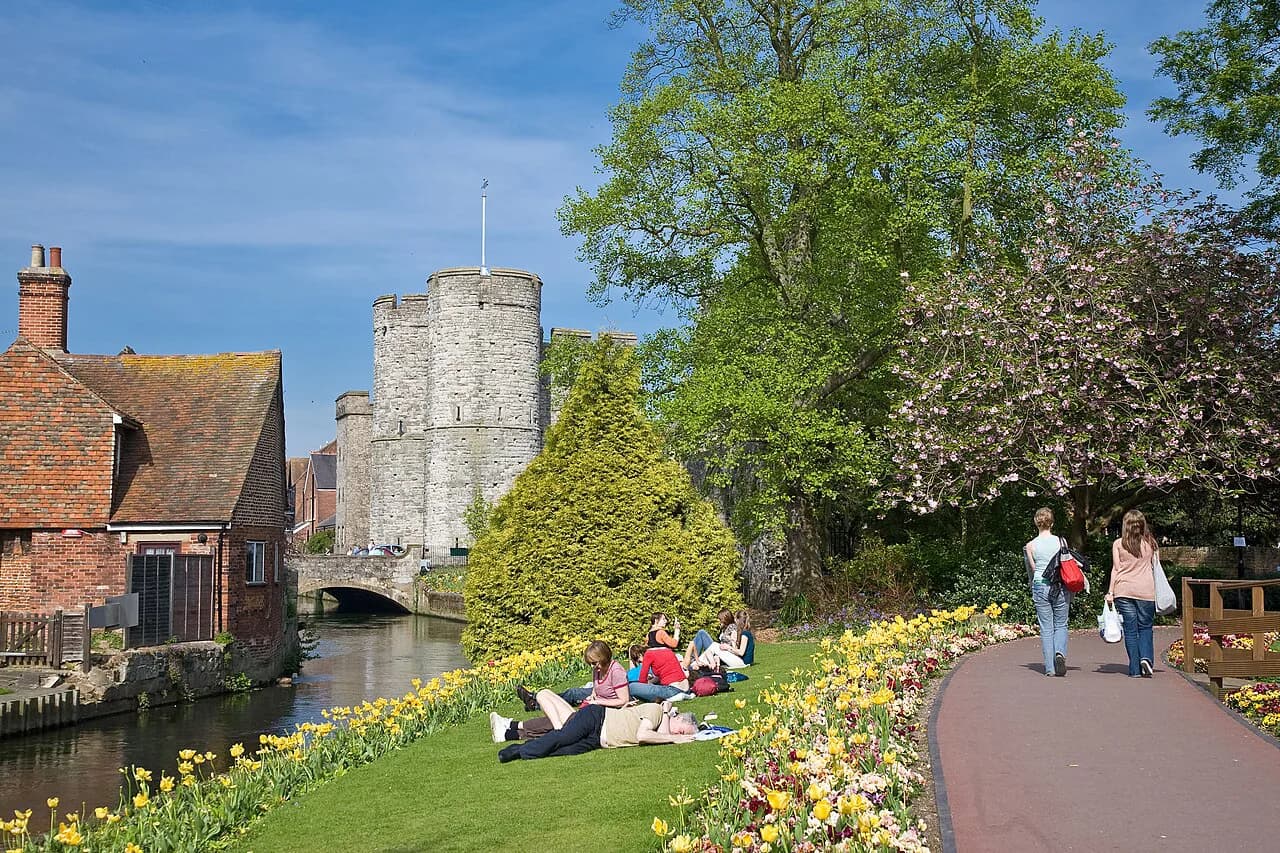
The medieval street pattern is the city's best free architectural experience: narrow lanes, jettied upper floors and buildings that lean rather than rise straight. Look at how the upper storeys oversail the pavement, how the rooflines step, and how much of each frontage is later refacing over an older frame. The lanes around the cathedral and the historic core repay a slow loop rather than a dash between shops, and a dedicated wander through the medieval fabric is the single best use of an hour in Canterbury.
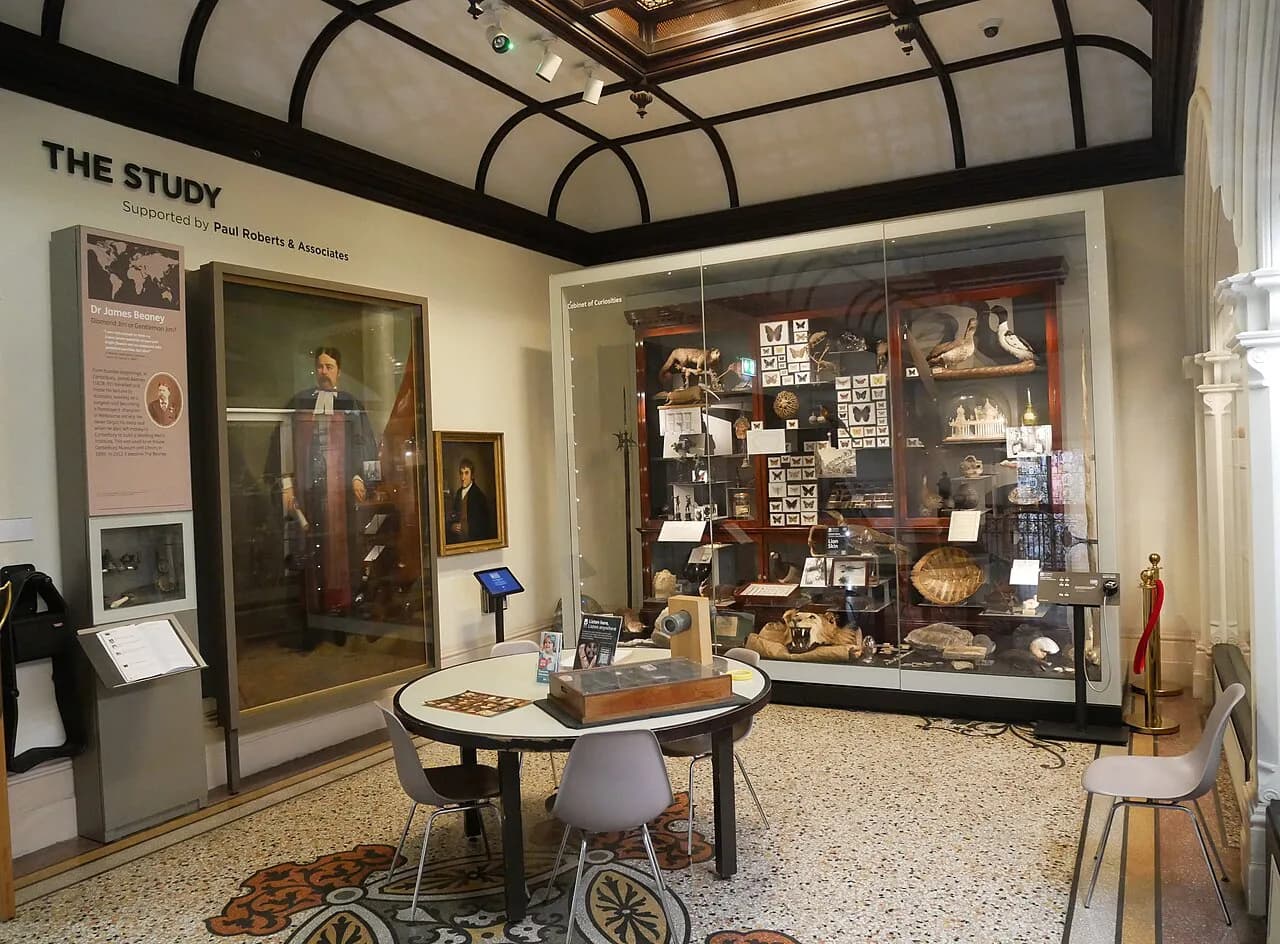
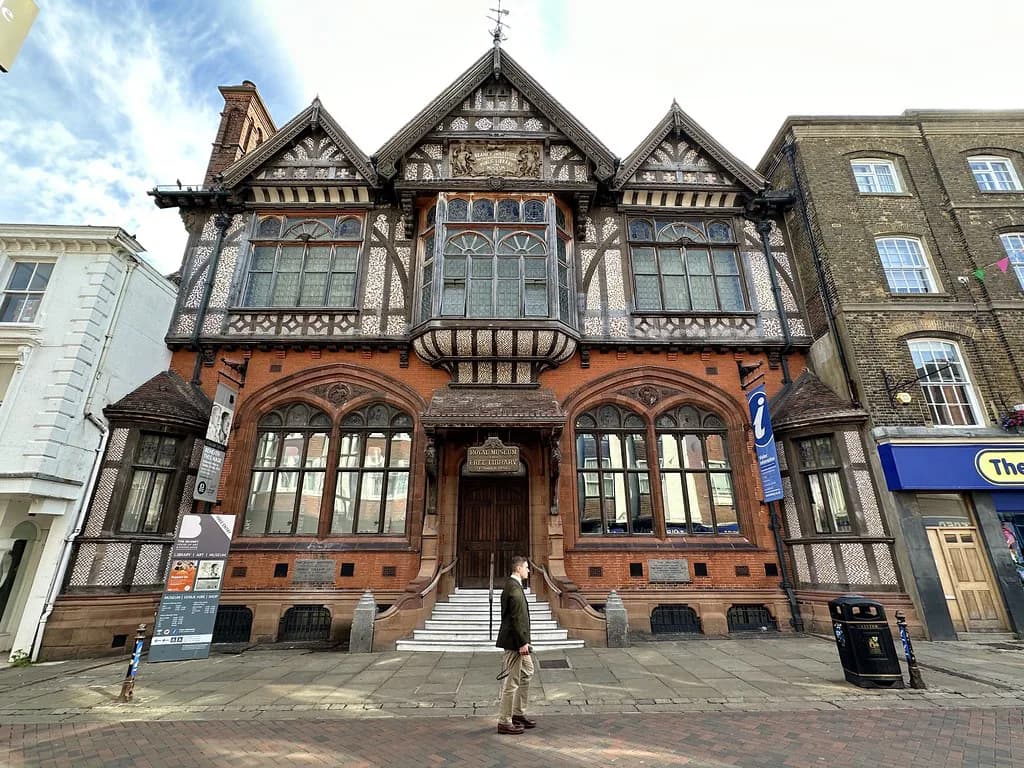
Pair the lanes with the city's museum and gallery collections, which put objects and images alongside the buildings and help you date what you are seeing. The Beaney House of Art & Knowledge is the obvious anchor for that, and it sits within the historic centre so it slots into a walking route without a detour.
Georgian and Regency Canterbury
Georgian and Regency work is where Canterbury's architecture becomes easy to read on foot: regular brick terraces, sash windows set in orderly ranks, and crescents and terraces that impose a rhythm on the street. Stand back and compare window proportions from one house to the next; the spacing and the brick coursing tell you more than any single grand facade. The society's features section lists where to find specific details across the city, which turns an ordinary residential street into a short lesson.
This is also the layer of the city most often overlooked by visitors heading straight for the cathedral, so it makes a good late-afternoon stretch when the main sights have thinned out. Keep to the streets with continuous frontages and you will see more in twenty minutes than on a scattered circuit.
Victorian and Edwardian additions
The Victorian and Edwardian city gave Canterbury its civic and commercial confidence: churches, public buildings and shopfronts in stronger, more ornamented styles than the Georgian terraces they sit beside. Read them as a layer, looking at the ground-floor shopfronts and the upper storeys separately, because refits at street level often disguise the original building above. The society's style-by-style guide is the quickest way to put a name to the detailing you notice.
If you want a comparison with how another British city handled the same period and then the twentieth century, it is worth reading a second city's architecture on its own terms. Cambridge offers a compact contrast, and the shift in emphasis between the two cities is instructive.
Modern and contemporary Canterbury
Parts of the central shopping streets are post-war reconstruction rather than medieval fabric, and knowing that changes how you read them. Look for the plainer, flatter frontages, larger shop windows and regularised blocks that replaced bomb-damaged buildings; the contrast with the surviving timber-framed lanes a street away is the point. Being candid about which stretches are twentieth-century rebuilds makes the genuine old fabric easier to identify and appreciate.
Contemporary practice in the city is worth a look for anyone interested in where architecture goes next. On Architecture is a Canterbury-based practice working across residential masterplanning and other sectors, and its project pages show how new work is being fitted into the region's towns. Canterbury also trains architects: the University for the Creative Arts runs a RIBA-accredited Architecture BA at its Canterbury campus, and the Architects Registration Board will cease prescribing all Part 1 qualifications from 31 December 2027, a UK-wide change that moves recognition to a later Master's qualification.
A suggested walking route
Begin at the cathedral precinct, walk the perimeter for the exterior views, then head into the lanes for the medieval timber-framed frontages. From there move outward to the Georgian and Victorian streets, comparing window patterns and shopfronts as you go, and finish in the reconstructed shopping streets so the post-war layer is the last thing you see. Allow roughly half a day at an unhurried pace, with a proper stop in the middle.
Build in one indoor stop so the day survives a rain shower: the city's museums and galleries are the natural place, and the Beaney is well placed for it. If you want to extend the day beyond the walls, the castles in the surrounding area make a half-day add-on rather than part of the city loop.
For context on how the city grew and why its streets are shaped as they are, read a short history before you set out; it makes the period-by-period walk far more legible. Evening ghost tours trade in legends rather than documented fact, so treat the stories as storytelling and enjoy them on that basis.
How to read a building as you walk
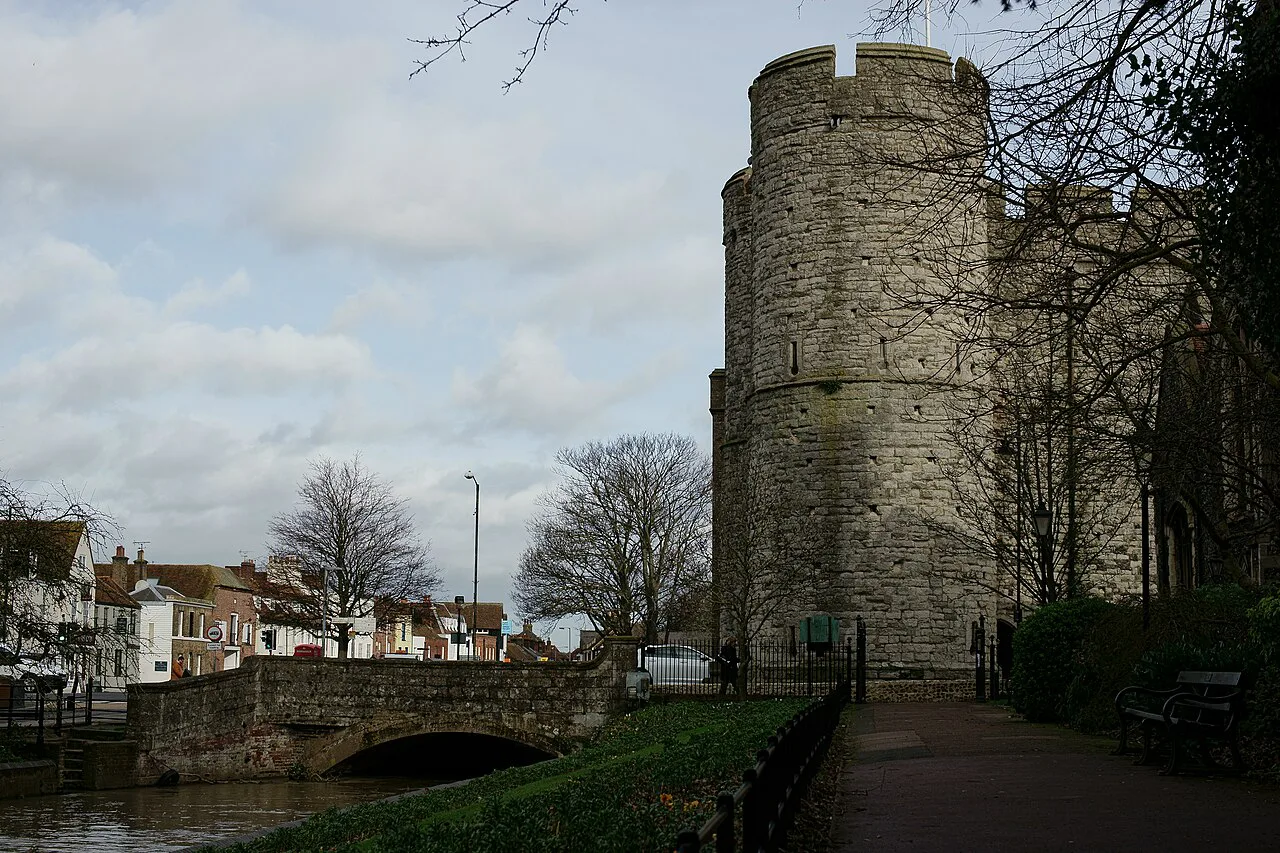
The most useful method is the one the Canterbury Historical and Archaeological Society uses: learn a handful of styles, then learn the features that identify each one, and apply them street by street. Take arches, window shapes, roof pitch, brick colour and the treatment of the ground floor as your five checkpoints, and you can place most buildings on a rough timeline without a book in hand. The society's pages pair each style with local examples and locations so you can test yourself on real frontages.
This approach also stops you being misled by refacing: a Georgian facade over an older frame, or a modern shopfront under a Victorian upper storey, reads correctly once you look at the layers separately. For a wider comparison of how British cities handle industrial and twentieth-century architecture, Birmingham offers a useful counterpoint to Canterbury's medieval core, and its Birmingham architecture guide applies the same period-by-period method.
Practical notes for an architecture walk
The pavements in the oldest lanes are uneven, and some stretches are narrow enough that you will be stepping aside for other walkers, so wear shoes you can walk in for a few hours. Daylight matters more than you might expect: a winter afternoon closes in early, so put the exterior stretches first and keep the indoor stop for the end of the day.
Book cathedral entry ahead if you intend to go inside, and check the day's opening and service arrangements on the cathedral's own website before travelling. Many of the city's museums are free to enter, which keeps the walking route cheap, but confirm the day's opening for each one you plan to use as a stop.
One more landmark worth building in is the mound at Dane John Gardens, which gives a raised view over the city and helps you understand the street pattern below. It makes a natural endpoint for a route that has worked outward from the cathedral.
Plan Your Architecture Walk
Canterbury works best as a layered city: see the cathedral from outside first, then walk the medieval lanes, the Georgian terraces and the Victorian frontages in that order, and finish in the post-war shopping streets with the contrast fresh in your mind. Half a day covers the centre comfortably at an unhurried pace, and a single indoor stop keeps the plan intact whatever the weather does.
The one booking to sort in advance is the cathedral interior, and the one thing to confirm the day before is which museums are open when you plan to use them as stops. Everything else on this route is street-level viewing you can do on your own feet.
Explore more Canterbury guides
Frequently Asked Questions
What is the architectural style of Canterbury Cathedral?
The cathedral's dominant character is Gothic, and it is the reference point against which most other buildings in the city are read. For the exterior, walk the surrounding lanes and precinct perimeter; for the interior, check the cathedral's own visitor information before you travel.
Which streets in Canterbury are best for historic architecture?
The lanes around the cathedral precinct and the historic core give you the best concentration of medieval timber-framed frontages, with Georgian and Victorian terraces on the streets leading outward from the centre. The Canterbury Historical and Archaeological Society's guide lists specific features with location notes so you can target particular details rather than wander at random.
Is Canterbury Cathedral free to visit?
The exterior and the surrounding lanes can be viewed without a ticket. Entry to the interior is a separate matter, and the cathedral publishes its own arrangements, so check those directly rather than relying on second-hand summaries.
How long does a Canterbury architecture walk take?
Allow roughly half a day to cover the cathedral exterior, the medieval lanes and the Georgian and Victorian streets at an unhurried pace, with one indoor stop in the middle. A shorter loop of two to three hours is realistic if you concentrate on the lanes and the cathedral precinct only.
Can I see Roman remains in Canterbury?
Much of Roman Canterbury lies below the modern street surface, so the street pattern and surviving fragments matter more than standing monuments on the main streets. Build Roman remains into a separate stretch of your day rather than expecting them along the main shopping streets.
Does Canterbury have modern architecture worth seeing?
Yes. Parts of the central shopping area are post-war reconstruction, and contemporary practices continue to build in and around the city. Comparing the plainer post-war blocks with the surviving timber-framed lanes a street away is one of the most instructive contrasts in the centre.
Where should I start an architecture walk in Canterbury?
Start at the cathedral precinct and walk the perimeter for exterior views, then move into the lanes for the medieval frontages before heading outward to the Georgian and Victorian streets. Finish in the reconstructed shopping streets so the post-war layer is the last thing you see.
Sources
Notes for your next city break
Optional updates to our UK city guides.
You might also like
Continue reading
More guides you'll find useful