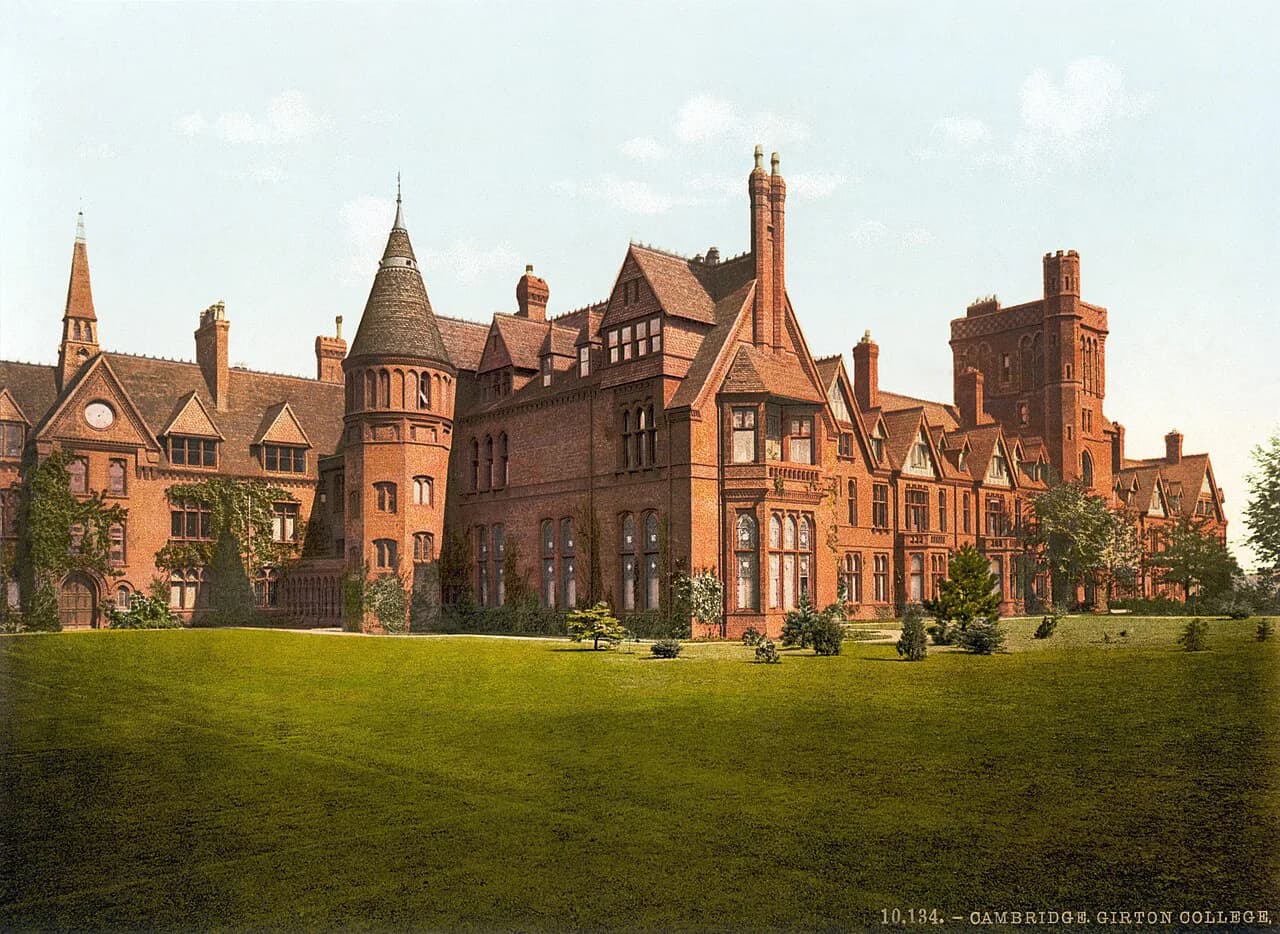
Indoor Activities in Cambridge: Rainy-Day Museums and Play
Rainy-day Cambridge: free university museums, the Fitzwilliam and Polar Museum, soft play and science centre, plus who each suits and how long to allow.
On this page
Cambridge handles rain well because most of its best indoor stops cost nothing. The Polar Museum, the Sedgwick Museum of Earth Science, the Museum of Zoology and the Fitzwilliam Museum are all free, and together they cover polar exploration, dinosaurs, animals and art. Plan around the closure pattern rather than the weather: most of these museums shut on Sundays and some also close on Mondays.
Family groups get the most from the smaller university museums, which run activity sheets and hands-on displays, while couples and solo travellers can spend a wet afternoon in the Fitzwilliam or under cover at Cambridge Market. This guide pairs each option with who it suits and how long it takes, then folds them into a two-day plan for steady rain.
What to do indoors in Cambridge when it rains
Start with the free university museums clustered near the city centre, because they absorb a wet morning without a booking or a ticket queue. The Polar Museum, the Sedgwick Museum of Earth Science and the Museum of Zoology each fill roughly one to two hours, which makes them easy to stack into a single rainy day. Add the Fitzwilliam Museum for art and you have a full indoor itinerary with no admission charge.
Beyond the museums, Cambridge has a science centre with hands-on exhibits, an indoor soft play venue and a covered market. King's College Chapel and the Corpus Clock give you short, dry set pieces between showers. Punting is the one activity to treat with caution: a shared punt keeps the weather off only as far as a blanket allows, and it is sheltered rather than truly indoors.
Free university museums: the Polar Museum, Sedgwick Museum of Earth Science and Museum of Zoology
The Polar Museum, run by the Scott Polar Research Institute, covers the Arctic and Antarctica and sets out a children's area by the main entrance with themed building blocks, books and games; the accessible entrance is around the side. The Sedgwick Museum of Earth Science is the dinosaur stop, with several worksheets to pick from and a small prize for completing one. The Museum of Zoology walks through extinct and living animals, and a real rhino horn is there to touch.
All three run free activity sheets, which turns a wet hour into a hunt through the display cases, and completed sheets can be stamped at the desk in the Polar Museum. Each museum is smaller than its London equivalent, so budget one to two hours rather than a whole day. Most close on Sundays and some also close on Mondays, so put the museums early in a wet weekend and keep the Sunday for other options.
The Fitzwilliam Museum and why Monday closure catches people out
The Fitzwilliam Museum is Cambridge's best-known gallery and a natural rain refuge for adults and older children who want paintings and sculpture rather than worksheets. It is free, which makes it an easy swap if a shower cuts a walk short. The catch is timing: the museum is closed on Mondays, and that single fact derails more wet-day plans than the rain itself.
Treat Monday as a museum-free day and build it around the science centre, soft play or the covered market instead. If the Fitzwilliam is the centrepiece of your trip, place it on a Tuesday to Saturday and let the smaller free museums fill the rest of the wet hours. That way one closure never costs you a whole day indoors.
Cambridge Science Centre for hands-on exhibits
Cambridge Science Centre runs hands-on exhibits and drop-in sessions aimed at curious children, which makes it a strong pick for a wet weekend when the free museums are shut. Its programme changes, so the sensible move is to look at what is on for your dates and book or turn up accordingly rather than assume a fixed show. If you are weighing up which city to base a rainy break in, the indoor activities in Birmingham offer a comparable mix of science centres and free museums.
Allow an hour or two, which fits neatly between a morning museum and an afternoon tea stop. It suits families with primary-age children best; adults travelling without children will find more to hold their attention at the Fitzwilliam or the Polar Museum.
Indoor soft play for toddlers and babies
Partyman World Cambridge is the dedicated indoor play option, built around a large play frame with a jelly mountain plus separate areas designed for toddlers and babies. For a family with very young children, that beats a gallery where pushchairs and short attention spans make the visit hard work. Check the venue's own site for session times and entry charges before you travel, since these vary by day.
Soft play works best as the afternoon slot after a morning at the Sedgwick or the Museum of Zoology, when tired legs need somewhere to run rather than look. Older children will likely prefer the science centre, so split the group if you have a wide age range.
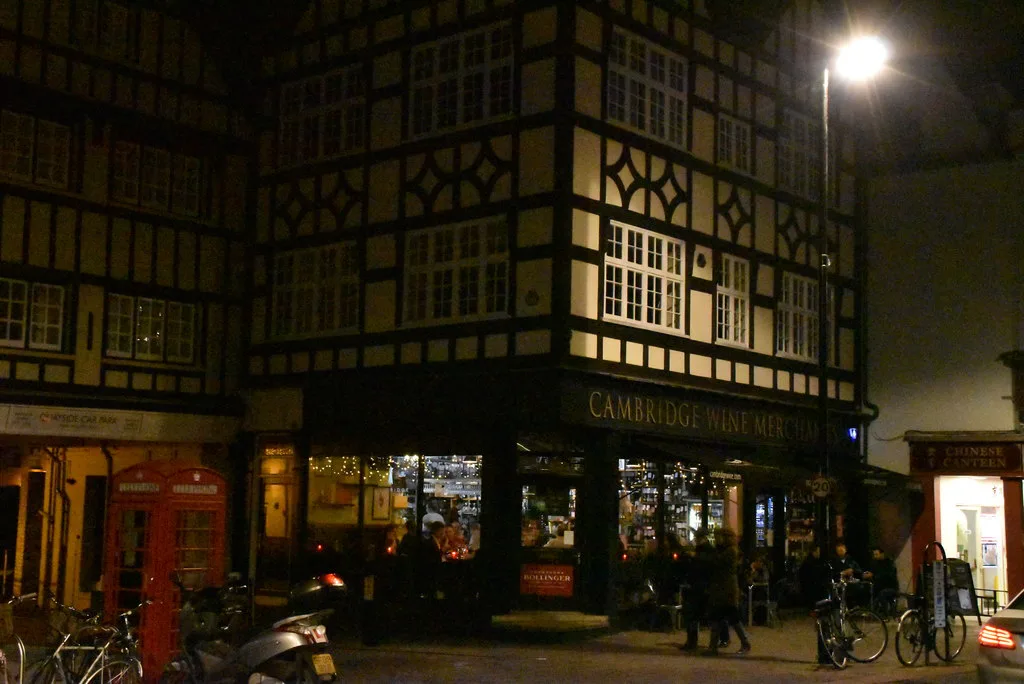
Punting under a blanket versus staying dry: an honest trade-off
A shared punt with a chauffeur is the classic Cambridge experience and gives you views of the Bridge of Sighs that you cannot get from the bank. It is also the most exposed thing you can do in the rain: a blanket and an umbrella help, but you are still outdoors for the duration.
Prices vary by date and time, starting from around £18 per person on a shared tour, and The Traditional Punting Company offers an activity book for £3 as an add-on that keeps younger children engaged. A private punt costs more but gives you the boat to yourselves, which matters when the weather is turning. On a genuinely wet day, swap punting for the Fitzwilliam and save the river for a dry spell.
King's College Chapel and Trinity College grounds when the weather turns
King's College Chapel is a proper indoor set piece and one of the city's major sights, with admission reported at £16.50 for adults and £14 for children over five. It suits adults and older children far better than toddlers, who get little from a chapel visit. The fee makes it the one stop on this list where you should be sure of the weather and your interest before paying.
Trinity College's grounds beside the River Cam, known as The Backs, are reported as open from 9am to 5pm daily and give you a short walk when the rain eases. They are outdoor space, so treat them as a between-showers filler rather than a wet-weather plan.
Covered browsing: Cambridge Market and the shopping streets
Cambridge Market is reported to set up daily from 10am to 4pm, mostly food stalls with a handful of small business sellers, and the surrounding streets hold chain retailers plus independent boutiques. Neither is fully under cover, but both give you a reason to keep moving between showers and duck into shops when it tips down.
Food stalls make the market a good lunch stop on a wet day, and the shopping streets fill a damp hour before a museum opens or after it closes. Keep this section flexible: it works as the glue between the big indoor stops rather than the main event.
Fitzbillies Chelsea buns as a wet-afternoon stop
Fitzbillies is the sweet stop to build into a rainy afternoon, known for its Chelsea buns and now with three locations in the centre. Sitting inside with tea and a bun at the Trumpington Street branch, which has a restaurant, is a civilised way to wait out a downpour.
The Bridge Street branch suits a takeaway bun eaten by the river on a dry break, and there is a chocolate and sea salt version alongside the original for anyone who wants a change. It pairs naturally with the Fitzwilliam or the market.
Seeing the Corpus Clock and hunting the Dinky Doors between showers
The Corpus Clock is a short outdoor stop that fascinates children for a few minutes rather than an hour, so slot it into a gap in the rain rather than making a trip of it. The Dinky Doors are the better game: fifteen tiny doors are hidden around Cambridge, nine of them central, and some open or have interactive parts. An official map is sold for £1, which turns a walk across town into a hunt.
Both work as connectors between indoor stops, since you are moving between buildings anyway. If the rain settles in, drop them and stay inside.

How long to allow and a two-day rainy itinerary
Two full days cover Cambridge's main activities comfortably, and three days let you slow down without rushing. A wet first day can run Polar Museum in the morning, lunch at the market, then the Sedgwick and Museum of Zoology in the afternoon, with Fitzbillies as the tea stop. That stacks three free museums around a covered lunch.
Keep day two for the Fitzwilliam, the science centre or soft play depending on ages, and add King's College Chapel if the rain eases and the budget allows. Build the plan around Tuesday to Saturday so the Sunday and Monday closures do not catch you out, and hold punting as a reserve for a dry afternoon.
Getting to Cambridge by train and avoiding centre parking
Direct trains run from King's Cross and St Pancras, and also from Liverpool Street, taking between 50 minutes and 1 hour 30 minutes depending on the service. Liverpool Street is generally the cheaper option. Driving into the centre means scarce and expensive parking, so choose accommodation with parking if you must bring a car.
Once you arrive, the centre is compact and easy on foot, which matters on a wet day when you want short hops between museums rather than long walks. Staying centrally keeps the indoor plan workable.
Practical tips: closures, activity sheets and booking ahead
The single most useful habit for a rainy Cambridge day is checking each museum's opening days before you set out, because the Sunday and Monday closures shape everything else. Free activity sheets at the Polar Museum, the Sedgwick and the Museum of Zoology keep children busy, so ask at the desk when you arrive.
Book the science centre and soft play if you are relying on them for a specific slot, and book punting only once the forecast looks dry. Opening days, session times and prices change, so confirm them on each venue's own website before you travel.
Plan Your Rainy Day in Cambridge
Cambridge's strongest indoor card is that its best museums are free: the Polar Museum, the Sedgwick, the Museum of Zoology and the Fitzwilliam will carry a wet day between them. Build the plan around Tuesday to Saturday, keep Monday for the science centre or soft play, and treat punting as a dry-afternoon treat rather than a rain plan.
With two full days you can see the main sights without rushing, and a central base plus a train from London keeps the travel simple. The result is a wet-weather itinerary that still feels like a proper city break rather than a day spent waiting for the clouds to lift.
Explore more Cambridge guides
Frequently Asked Questions
What indoor activities are there in Cambridge?
The free university museums are the core: the Polar Museum, the Sedgwick Museum of Earth Science, the Museum of Zoology and the Fitzwilliam Museum. Add Cambridge Science Centre for hands-on exhibits, Partyman World for indoor soft play, King's College Chapel, Cambridge Market and a Chelsea bun at Fitzbillies.
Are Cambridge museums free?
The Polar Museum, the Sedgwick Museum of Earth Science, the Museum of Zoology and the Fitzwilliam Museum all admit visitors free of charge. King's College Chapel charges admission; the chapel's own ticket page lists the current adult and child rates.
Which Cambridge museums are open on Sundays?
Many Cambridge museums close on Sundays, and some also close on Mondays, with the Fitzwilliam closed on Mondays. Plan museum visits for Tuesday to Saturday and keep Sunday for the science centre, soft play or the market.
What can you do in Cambridge indoors with kids?
Young children do best at the Sedgwick's dinosaurs, the Polar Museum's activity sheets and children's area, and the Museum of Zoology, where a real rhino horn can be touched. Partyman World suits toddlers and babies, while Cambridge Science Centre suits primary-age children.
Is punting a good rainy-day activity in Cambridge?
Not really. A shared punt gives you views of the Bridge of Sighs you cannot get from the bank, but you are outdoors for the whole trip. Save punting for a dry spell and use the free museums when it rains.
How many days do you need in Cambridge?
Two full days cover the main activities, and three let you go at a relaxed pace. A two-day plan works well in the rain: three free museums on day one, then the Fitzwilliam, science centre or soft play on day two.
Sources
Notes for your next city break
Optional updates to our UK city guides.
You might also like


Continue reading
More guides you'll find useful