Free Things to Do in Cambridge: Museums, Walks and Views
Plan a cheap Cambridge day with free university museums, market browsing, riverside walks and tower climbs that charge a small fee.
On this page
A free day in Cambridge is easy to build because the university's core museums ask nothing at the door. The Fitzwilliam Museum, the Museum of Zoology and the Sedgwick Museum of Earth Sciences all let visitors in without charge, and they sit within a short walk of the market square and the colleges. Plan the day around those museums, add street sights and riverside paths, and pay only if you want a tower view or a chapel interior.
Budget honestly and the paid extras stand out clearly: Great St Mary's tower charges for the climb, King's College and St John's College charge for entry, and the Botanic Garden sells a ticket. Everything else here costs only your time, so the trick is sequencing rather than saving.
Why Cambridge suits a free day out
The compact centre makes free sightseeing practical. King's College Chapel, the market and the main museums cluster within a few minutes of each other, so you can move between free stops on foot rather than spending money on transport. On a short break, walking is also the best way to notice the smaller details: the Corpus Clock on the Taylor Library, the Mathematical Bridge at Queen's College and the tiny Dinky Doors hidden in nooks around the city.
The city was a market town long before it became a university town, with stalls trading here since the Middle Ages. That history keeps a free, everyday layer running alongside the college quadrangles, and it makes a zero-cost wander feel like the real Cambridge rather than a consolation prize.
Start with the free university museums
The Fitzwilliam Museum is the headline free stop. Founded in 1816 by Richard FitzWilliam, it holds art and antiquities across its galleries including work by Van Gogh, Monet, Rubens and Van Dyck, plus armour, sculpture and ceramics. It opens Tuesday to Saturday from 10am until 5pm and on Sundays and Bank Holidays from midday until 5pm, and entry costs nothing.
The Museum of Zoology is the other easy win, with a full-size finback whale skeleton hanging over the entrance hall and specimens collected by Charles Darwin himself. It opens Tuesday to Saturday from 10am until 4.30pm and on Sundays and Bank Holidays from midday until 4.30pm, and admission is free as part of the university's museum consortium.
The Sedgwick Museum of Earth Sciences is Cambridge's oldest museum, holding rocks, minerals, fossils and meteorite specimens, including the first geological map of the UK. A free museum list for the city also names the Polar Museum and the Museum of Archaeology and Anthropology, so you can stack three or four free collections into one afternoon. If you are weighing up another university city, this guide to the free things to do in Birmingham covers its museums, parks and trails in the same way.
What each free museum covers and how long to allow
Give the Fitzwilliam the most time. Its mix of paintings, ancient sculpture and armour rewards an unhurried couple of hours, and the temporary exhibitions change through the year, so it suits a repeat visit. The Museum of Zoology is smaller and faster: an hour covers the whale skeleton and the animal displays comfortably, especially with children in tow.
Treat the Sedgwick as a thirty-to-forty-minute stop unless fossils are your thing, in which case the dinosaur skeletons and mineral cases will hold you longer. Stacking two museums back to back works well because they are close together, but three in a row turns into an endurance test. If rain sets in, this is where to head, and there are more wet-weather options in this guide to indoor activities in Cambridge.
Kettle's Yard and its unusual entry arrangement
Kettle's Yard is the former home of Jim and Helen Ede, who converted four small cottages into one house to display their personal art collection before donating house and artworks to the University of Cambridge in 1966. It shows a permanent collection alongside rotating exhibitions and a busy programme of live music, and it opens Tuesday to Sunday from 11am until 5pm.
Entry is free for under-25s, while other visitors pay on a system the gallery sets out on its own website, so check the current arrangement before you go. That makes Kettle's Yard a guaranteed free stop for younger travellers and a small, deliberate outlay for everyone else.
Pay-a-little extras worth budgeting for
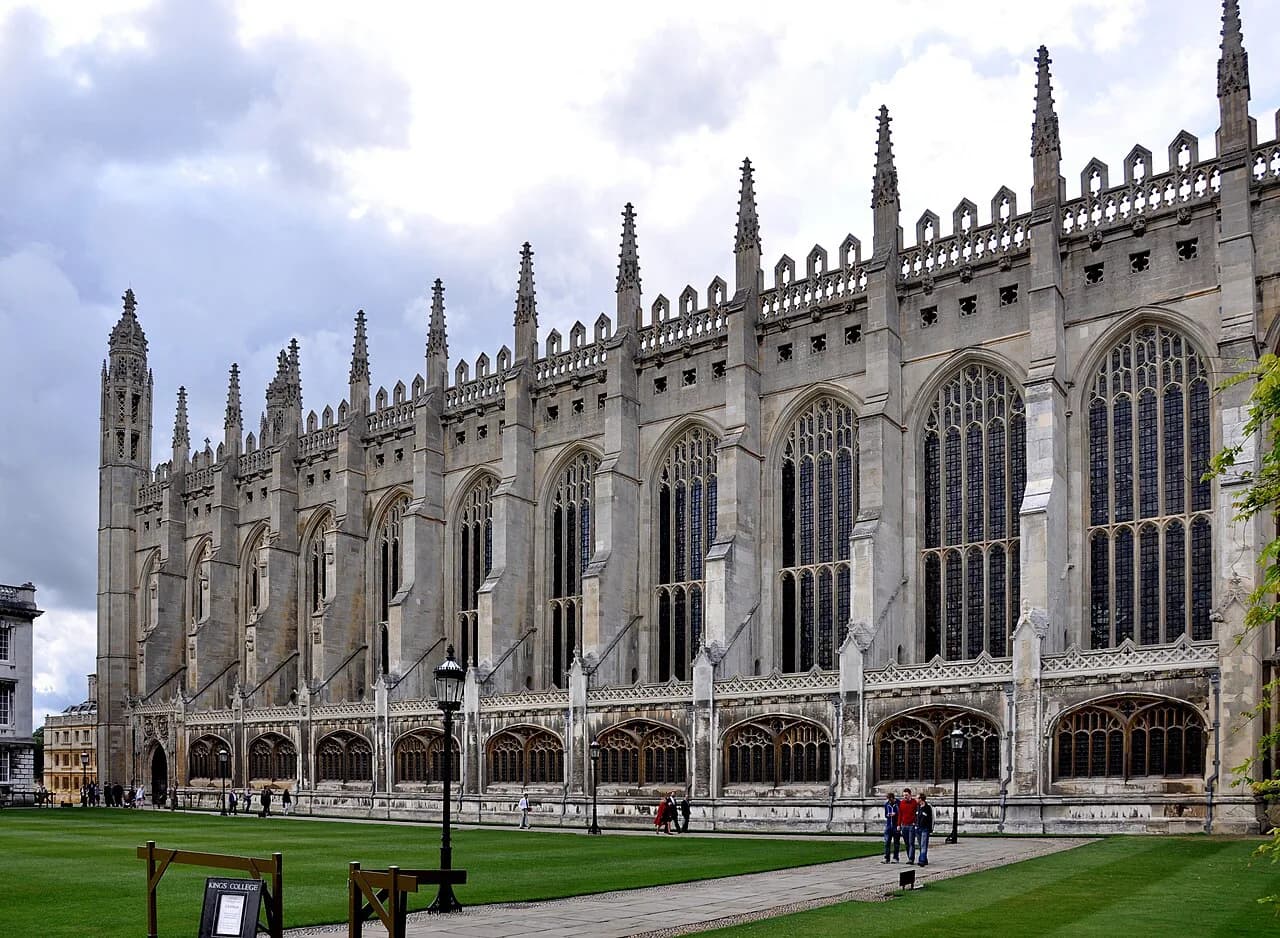
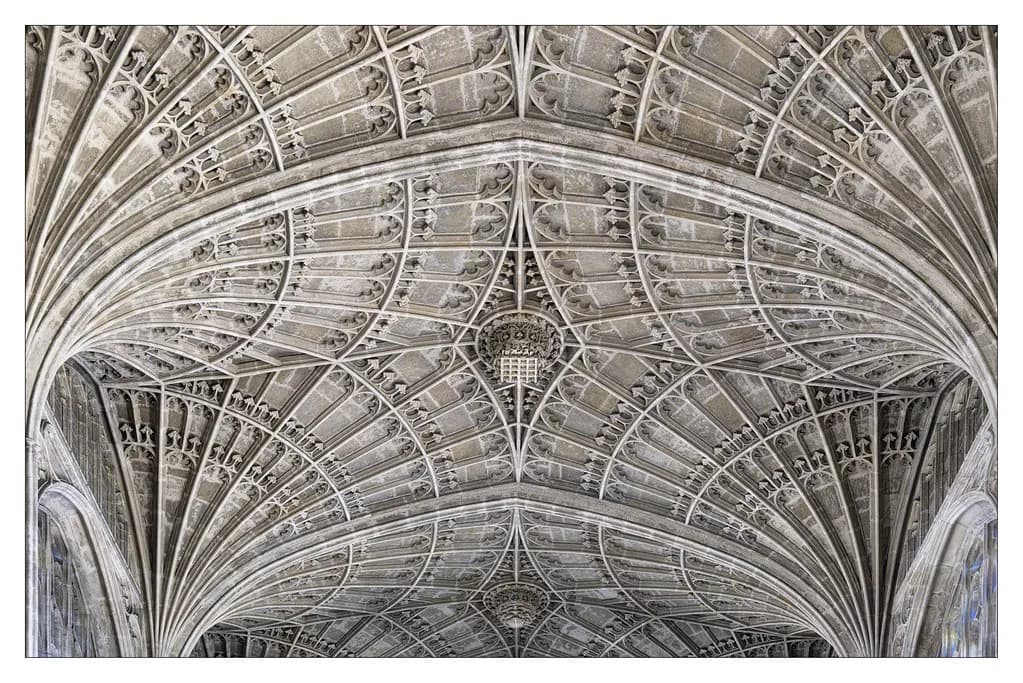
Great St Mary's tower is the classic small splurge. The climb is 123 steps, admission to the tower costs 7.50 GBP per adult, and the last entry for climbers is 30 minutes before closing. The reward is a 360-degree view over the colleges and rooftops, and parts of the church itself date as far back as 1010. King's College Chapel needs a ticket if you want to explore the chapel and grounds. Tickets cost 17 GBP for adults when booked online and 14.50 GBP for children, and the chapel holds the largest fan-vaulted ceiling in the world along with stained glass and displays on its history. Attending a service is the alternative, and it comes with choral music. The Cambridge University Botanic Garden sits on 40 acres with glasshouses, a lavender collection and a café, and adult tickets cost 8.80 GBP while under-16s go free. Plan it as a paid half-day rather than a free stop.
College grounds and chapels that charge
St John's College charges 15 GBP for adults who want to look inside its Victorian chapel, though attending a service is free. The Bridge of Sighs, built in 1831 in the Gothic Revival style and now Grade I listed, connects two parts of the college, so you either pay for college entry or see it from the river on a punting tour.
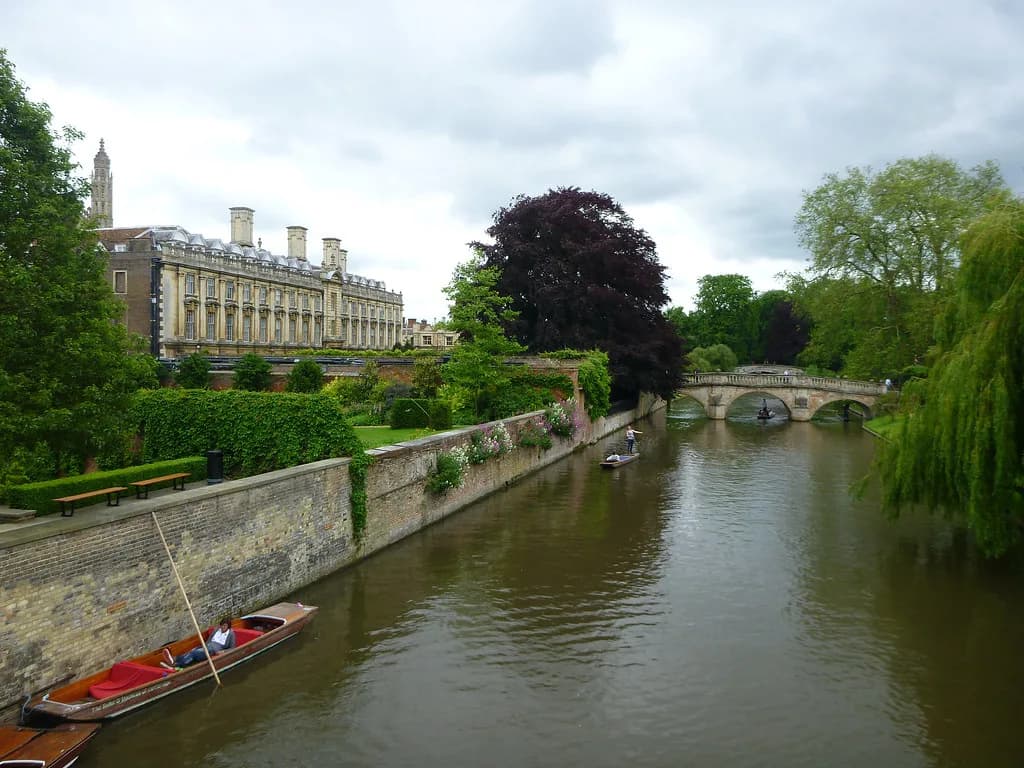
Punting is not free, but it does let you see both famous bridges from the water. The Mathematical Bridge at Queen's College dates from the mid-18th century in design, though the version standing today was rebuilt in 1905, and legend says it was built without fixings, which is a story worth hearing and not repeating as fact.
Free architecture and street sights
The Corpus Clock on the Taylor Library at Corpus Christi College is free to see from the street: a gold-plated disc with slits lit by LEDs instead of hands, topped by a Chronophage sculpture that moves its mouth. It was unveiled in 2008 by Stephen Hawking. The Round Church, one of only four surviving round churches in England, has a visitor centre that charges admission, so admire the exterior and decide whether the interior is worth 14 GBP.
The apple tree outside Trinity College's Great Gate is grown from an offshoot of the tree at Newton's childhood home in Woolsthorpe, and although the grass is off-limits, it makes a good photograph. The story of the falling apple is legend rather than record, which makes the tree a free, five-minute curiosity on the walk between colleges.
Market Square: a free browse and a cheap lunch
Stalls have traded on the market square since the Middle Ages, and the market runs nearly every day of the year apart from Christmas Day, Boxing Day and New Year's Day, from 10am until 4pm. You will find art, plants, clothes, books and music alongside food stalls, which makes it the best-value lunch stop in the centre.
Browsing costs nothing, and the range of food stalls lets you eat for a few pounds rather than a restaurant bill. Pair it with a wander through the surrounding streets if you want to fold in shopping in Cambridge without committing to a big spend.
Mill Road: local texture away from the colleges
Mill Road runs from the city centre out towards the train station and is the residential neighbourhood to explore when you want a break from college architecture. It has vintage shops, cafés and restaurants serving food from around the world, and a slow walk along it costs nothing beyond a coffee.
This is the side of Cambridge that visitors often miss, and it makes a good late-afternoon loop before dinner. Window-shopping along Mill Road works well on a budget because the pleasure is in the browsing, not in buying anything.
Green space and quieter corners
The Ascension Parish Burial Ground is a peaceful, overgrown cemetery that is easy to miss from the surrounding roads, and entry is free. It holds the graves of University of Cambridge figures including three Nobel Prize winners, along with relatives of Charles Darwin, so it is a quiet stop for anyone interested in the city's scholarly history.
Riverside paths along the Cam give you the colleges and bridges from a different angle, and the walk itself is free even if the punts are not. The Botanic Garden sits nearby, so you can enjoy its surrounding streets and green edges without buying a ticket, then decide on the day whether to go in.
Free things to do in Cambridge with kids
Children gravitate to the Museum of Zoology's whale skeleton and dinosaur specimens, both free, and the Sedgwick's fossils keep them curious. Older children enjoy the Centre for Computing History's playable vintage games if your budget can stretch to entry, but the free museums alone fill a wet afternoon.
The Dinky Doors are the free highlight for families. These tiny sculptures began appearing around Cambridge in 2019, and hunting for them turns a walk across the city into a game; a guide to all 14 is sold online, though you can also simply spot them by wandering.
Free things to do alone or as a young adult
Solo travellers can move between the free museums at their own pace, stopping for coffee on Mill Road and ending at the market. Kettle's Yard is free for under-25s, so younger visitors can add a serious art collection to the day without spending anything. The Eagle, the pub where Francis Crick and James Watson reportedly announced the DNA discovery, is a good place to finish with a pint and a look at the ceiling graffiti left by RAF pilots in the Second World War.
Rainy-day and sunny-day plans
When it rains, sequence the Fitzwilliam, the Museum of Zoology and the Sedgwick in one loop, breaking for lunch at the market. When the sun is out, reverse the plan: walk the river, find the Corpus Clock and the Mathematical Bridge, and save the museums for the afternoon. Either way, build the day around a free museum start so a sudden downpour does not cost you anything.
Getting around on foot and booking ahead
Most of the free stops sit within a fifteen- to twenty-minute walk of each other in the centre, so you will not need a bus or taxi for the day. Wear comfortable shoes: the Great St Mary's tower alone is 123 steps, and wandering Mill Road and the riverside adds several miles. Book college tickets for King's College and St John's online before you travel, since entry is by ticket and online booking is cheaper for King's.
Where the free stops end
Three paid attractions are often mistaken for free. The Museum of Cambridge, housed in a sixteenth-century former coaching inn, charges admission for adults and opens Wednesday to Monday from 10am until 5pm, closing at 4pm on Sundays. The Centre for Computing History charges admission for adults and opens Wednesday to Sunday from 10am until 5pm in term time, daily in school holidays. The Round Church visitor centre charges admission for adults, and opens Tuesday to Saturday from 10am until 5pm. Check current prices before you go.
Plan Your Visit
Build your free day around the Fitzwilliam, the Museum of Zoology and the Sedgwick, add the market and a riverside walk, and save your money for one paid extra such as the Great St Mary's tower climb. Check opening times and ticket arrangements on each venue's own website before you travel, since hours can shift with the season and term dates.
Cambridge rewards the slow walker most. A day of free museums, market browsing and street spotting is enough to fill a visit, and if you find yourself with more time, the city's wider things to do layer on castles, chapels and river trips for another trip.
Explore more Cambridge guides
Frequently Asked Questions
What can you do for free in Cambridge?
The Fitzwilliam Museum, the Museum of Zoology and the Sedgwick Museum of Earth Sciences all have free entry, along with the Polar Museum and the Museum of Archaeology and Anthropology. The market square, the Corpus Clock, the Mathematical Bridge, the Round Church exterior and the Dinky Doors cost nothing to see, and riverside walks are free.
Which Cambridge museums are free?
The university museums are the free ones. The Fitzwilliam Museum and the Museum of Zoology have free entry, and free museum listings also name the Sedgwick Museum of Earth Sciences, the Polar Museum and the Museum of Archaeology and Anthropology. The Museum of Cambridge and the Centre for Computing History charge admission.
Is it free to visit King's College Chapel?
No. You need a ticket to explore King's College Chapel and the grounds, though attending a service is free and includes choral music. Book through the college before you go and check the current ticket options on its official page.
How much does it cost to climb Great St Mary's tower?
The tower climb carries an admission charge, and last entry for climbers is 30 minutes before closing. The climb is 123 steps and rewards you with 360-degree views over the city; the church publishes its current tower prices, so check those before you set out.
Are there markets in Cambridge?
Yes, Market Square has stalls trading since the Middle Ages and runs nearly every day except Christmas Day, Boxing Day and New Year's Day, from 10am until 4pm. You will find food stalls as well as art, plants, clothes and books.
What are free things to do in Cambridge with kids?
Head to the Museum of Zoology for the whale skeleton and the Sedgwick for fossils, both free. Hunting the Dinky Doors around the city turns a walk into a game and costs nothing beyond the optional guide.
Can you see the colleges without paying?
You can walk past the college buildings and see the Corpus Clock and the Mathematical Bridge for free, but entering King's College or St John's College requires a ticket. Punting lets you see the bridges from the river but is not free either.
Is punting in Cambridge free?
No. Punting tours charge a fee, and the college entry that gets you close to the Bridge of Sighs also costs money. Treat punting as a paid extra and build the rest of your day around the free museums and street sights.
Sources
Notes for your next city break
Optional updates to our UK city guides.
You might also like
Continue reading
More guides you'll find useful