Art Galleries in Canterbury: Where to Go and What to See
Plan an art gallery stop in Canterbury, from The Beaney's public museum and gallery to independent dealers on Castle Street, with what to see.
On this page
Canterbury's art offer falls into two clear halves. The Beaney House of Art & Knowledge is the public stop, combining a museum, art gallery, library and visitor information centre in one city-centre building. The commercial side is smaller and more personal: independent galleries such as Lilford Framing Gallery on Castle Street and Canterbury Fine Art, where the work on the walls is for sale.
For a short break, the sensible shape is one public gallery for context, one or two independents for browsing, and a history stop to break up the walking. Everything sits within the old city walls, so the distances are short and the sequencing matters more than the transport. If you want the wider picture first, the guide to museums in Canterbury sets out the other collection-based stops nearby.
The Public Option: The Beaney House of Art & Knowledge
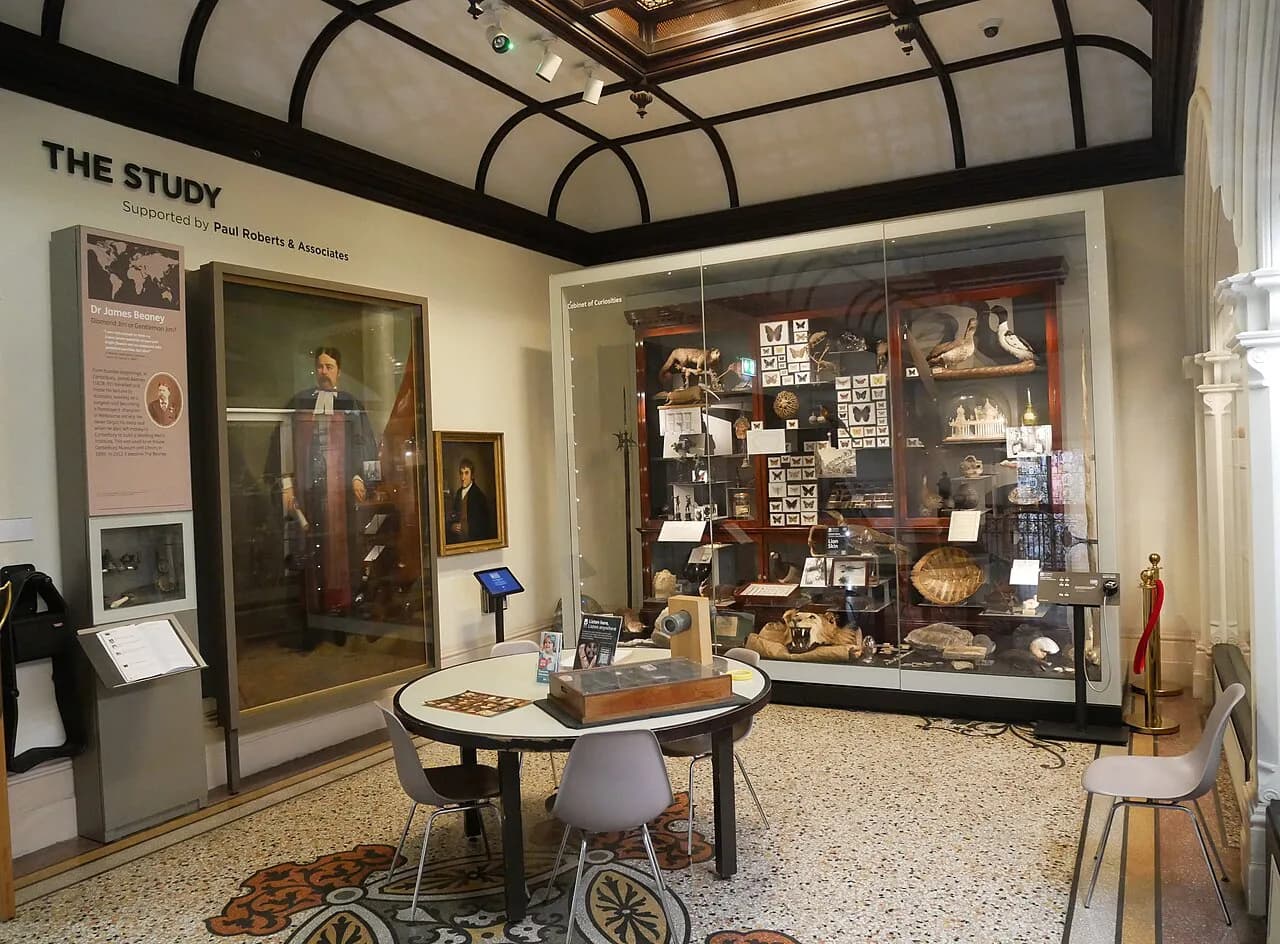
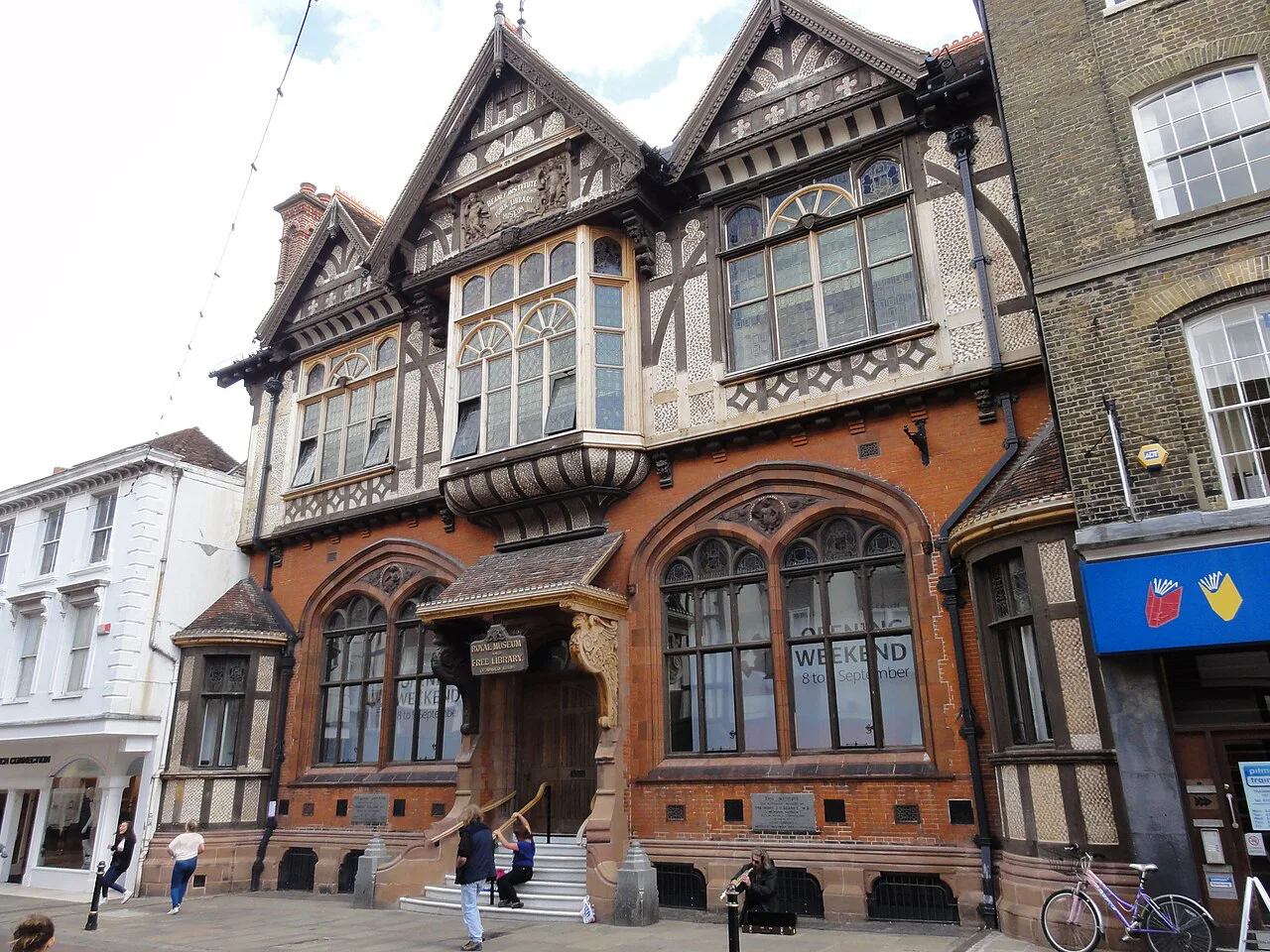
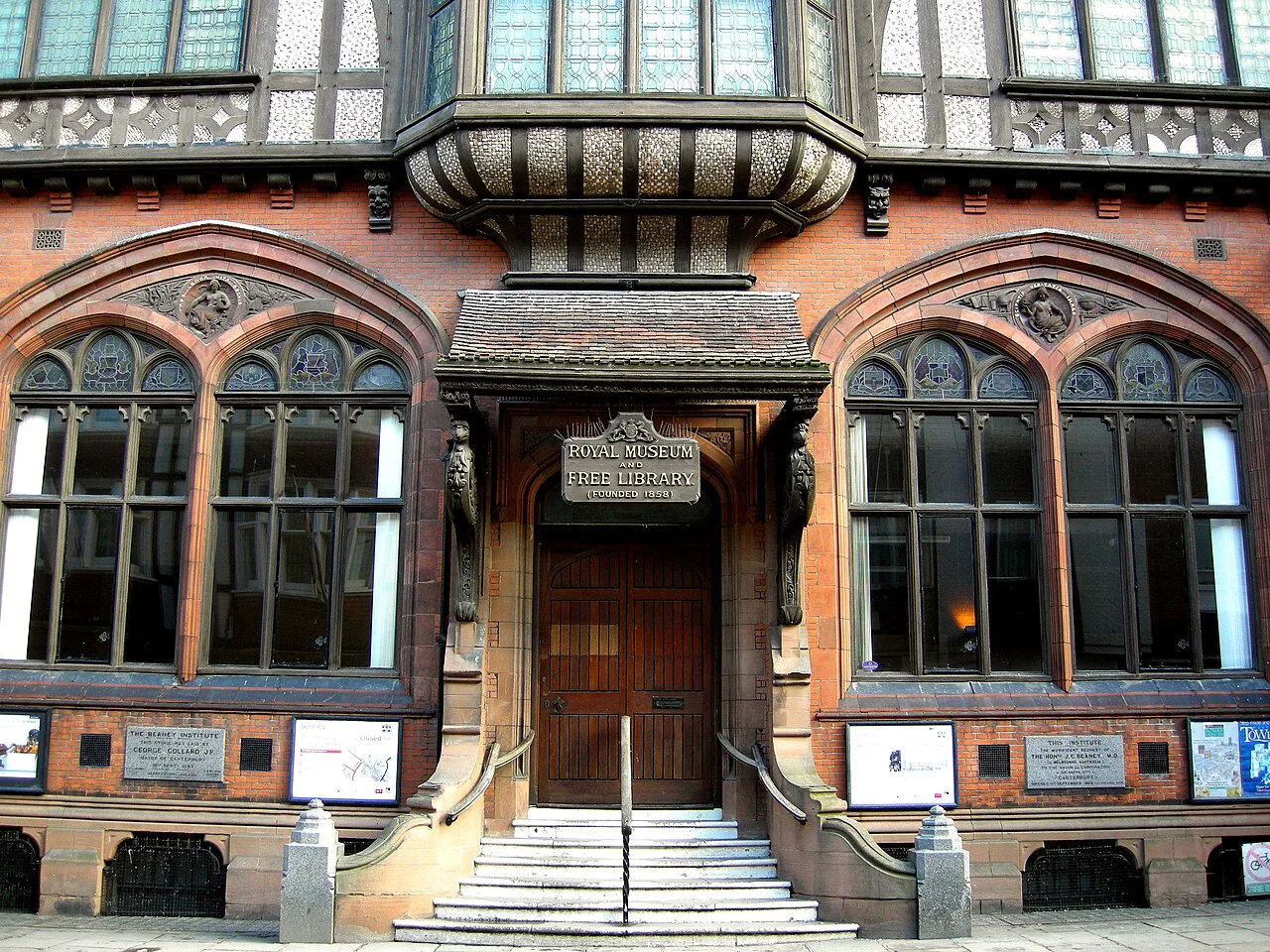
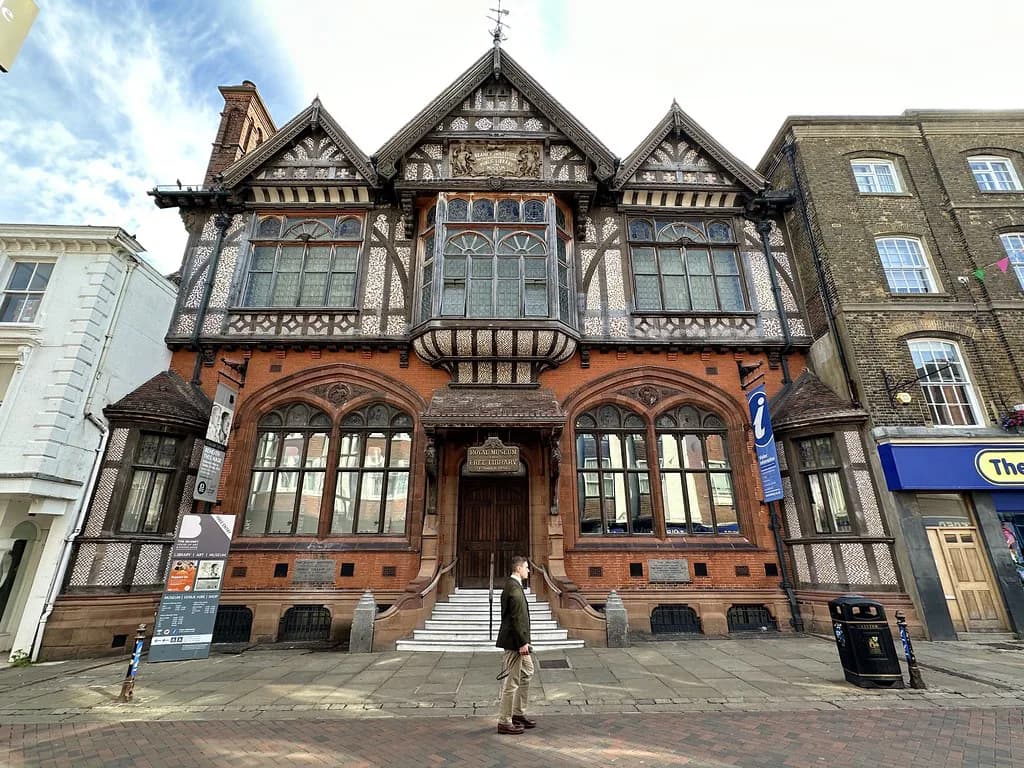
The Beaney is the anchor of any gallery morning in Canterbury. Its own site describes it as the city's museum, art gallery, library and visitor information centre, all in one building in the heart of the historic centre. That combination makes it the practical first stop: you can pick up visitor information, see the galleries and use the library under one roof.
The venue is run by Canterbury Museums & Galleries alongside the Canterbury Roman Museum, so the two share a programme, a membership scheme and an accessibility statement published on the same site. If you plan to visit both, look at membership before buying individual admissions rather than after. The same organisation also publishes what's on, which is where current exhibition dates live.
Treat the exhibition programme as changing rather than fixed. The site's events listings carry dated shows, including FeelGood Fest from 14 November 2026 and Jason and the Adventure of 254 running 12 December 2026 to 30 May 2027, which tells you the gallery rotates its offer through the year. Check the what's on page against your dates before you build a day around a specific exhibition.
Allow around an hour for the galleries and museum floors, more if an exhibition has caught your eye or you are using the library and information desk. The building is a city-centre one, so pair it with the cathedral quarter rather than treating it as a separate trip. For the other museum stops that fit the same morning, the museums in Canterbury guide covers the wider set.
Canterbury Roman Museum: History Beside the Art
The Roman Museum is the archaeological counterpart to The Beaney's art galleries, and it is run by the same organisation. It is built around the remains of an original Roman town house and a Scheduled Ancient Monument, so the collection is anchored to the site rather than arranged in cases alone. That makes it a different kind of visit: you are looking at objects in the place where they were found.
The museum presents itself as a family-friendly insight into life in Roman Britain, which is a useful signal if you are travelling with children and want one stop that holds their attention. Set aside 45 minutes to an hour. The background on Roman Canterbury, including the town the Romans called Durovernum Cantiacorum, is worth reading before you go so the displays connect to the streets above.
Accessibility information for both museums is published separately, so check the relevant page if steps or narrow spaces are a concern. The two sites are close enough to combine in a single morning without transport. That pairing is the strongest history-and-art block in the city centre.
Lilford Framing Gallery on Castle Street
Lilford Framing Gallery is an independent contemporary gallery and picture framer at 76 Castle Street, which its own site describes as a five-minute walk from the main High Street. It has been running for over 25 years as a family business and works directly with both local and international artists. The mix of exhibition space and framing studio is the appeal: you see finished work and the craft behind it in the same visit.
Opening hours are published clearly: Monday to Saturday 10am to 5pm, and Sunday and bank holidays 11am to 4pm. That Sunday window is unusual among small galleries and makes Lilford the reliable weekend browse. If Castle Street is your only art stop, an hour covers the gallery comfortably.
The gallery runs a rolling programme of solo shows, artist talks, live demonstrations and workshops rather than a permanent collection. Its 2026 listings include a Henry Cockburn solo show from 17 to 31 July, a moving sale from 27 July to 1 August, and a Canterbury Pottery Market on 10 and 11 October. Treat all of these as dated events tied to the gallery's own announcements, not fixtures you can rely on next year.
Castle Street sits close to the Dane John Mound and the old city walls, so it slots naturally into a walk that takes in medieval Canterbury on the way. If your interests lean to the darker side of the city's past, ghost tours in Canterbury tend to run in the evening and pair well with an afternoon here.
Canterbury Fine Art and the Commercial Circuit
Canterbury Fine Art is an independent gallery specialising in original paintings and contemporary British art, with a stated focus on curated exhibitions and advice for collectors. It also offers bespoke framing and nationwide delivery, which matters if you are visiting from outside Kent and cannot carry a purchase home. Browse with that in mind: this is a buying gallery as much as a looking one.
Its exhibition programme is dated rather than permanent. The gallery's own site lists George Underwood: Beyond The Vision as running from 3 to 31 October, so a visit in that window sees a named show while other months will differ. Check the current exhibition before travelling if a particular artist is the reason for your stop.
Between Lilford and Canterbury Fine Art you get two distinct commercial characters: one rooted in framing and community events, the other angled towards collectors of original paintings. Browsers are welcome at both, but expect to be asked what you are looking for. If you want comparison points from other UK cities, the art galleries in Birmingham and art galleries in Aberdeen round-ups show how similar independent scenes are organised elsewhere.
How Long to Allow and How to Sequence the Walk
A realistic half day looks like this: an hour at The Beaney, 45 minutes to an hour at the Roman Museum, then a stroll to Castle Street for Lilford's galleries. Add Canterbury Fine Art if the exhibition programme appeals. Total walking between them is modest because all sit inside the old city, and Lilford's own site puts Castle Street about five minutes from the High Street.
Sequence the public museum-gallery first and the independents second. The Beaney carries the visitor information centre, so any questions about what else is open that day get answered before you commit the afternoon. Start there, then walk south-east towards Castle Street.
If you only have two hours, choose one side of the split rather than both. The Beaney and Roman Museum together give you art, archaeology and a warm seat indoors; Lilford and Canterbury Fine Art give you contemporary work and the chance to buy. Trying to do all four in two hours means rushing the best rooms.
Buying Art in Canterbury
The commercial galleries do more than hang pictures. Lilford offers bespoke framing from its Castle Street studio, and Lilford has previously promoted interest-free payment through the Own Art scheme, which is worth asking about at the counter. Canterbury Fine Art advertises bespoke framing and nationwide delivery for collectors across the UK.
Prices, commission terms and delivery costs are set by each gallery and change with the work on show, so ask directly rather than relying on any published figure. If you are buying from overseas, confirm the delivery and any customs arrangements before you commit. Both galleries publish contact details, and Lilford also lists a WhatsApp number for enquiries.
A practical habit for visitors: photograph the label and the work, note the title and artist, then decide after a walk. Canterbury's small galleries turn over stock with each show, so a piece you liked in July may be gone by October. Ask whether a work is part of the current exhibition or held in the back catalogue.
Practical Trade-offs: Crowds, Closing Days and Stairs
The pattern of opening days is the main thing to plan around. Lilford publishes Monday to Saturday 10am to 5pm and Sunday and bank holidays 11am to 4pm, which is generous for a small gallery. Canterbury Fine Art runs on exhibition cycles, so a changeover week can mean the walls are in flux.
Accessibility varies by building. Canterbury Museums & Galleries publishes separate accessibility statements for The Beaney and the Roman Museum, which is the right place to check step-free routes and lift access before you arrive. Smaller independent galleries occupy older premises, so ask about entrance steps if mobility is a concern.
Free public museums draw school groups and wet-weather crowds, so mid-morning on a weekday is calmer than a rainy Saturday. Commercial galleries are usually quiet by comparison. Build in flexibility: if The Beaney is heaving, walk to Castle Street first and come back later.
Pairing Galleries With Canterbury's Landmarks
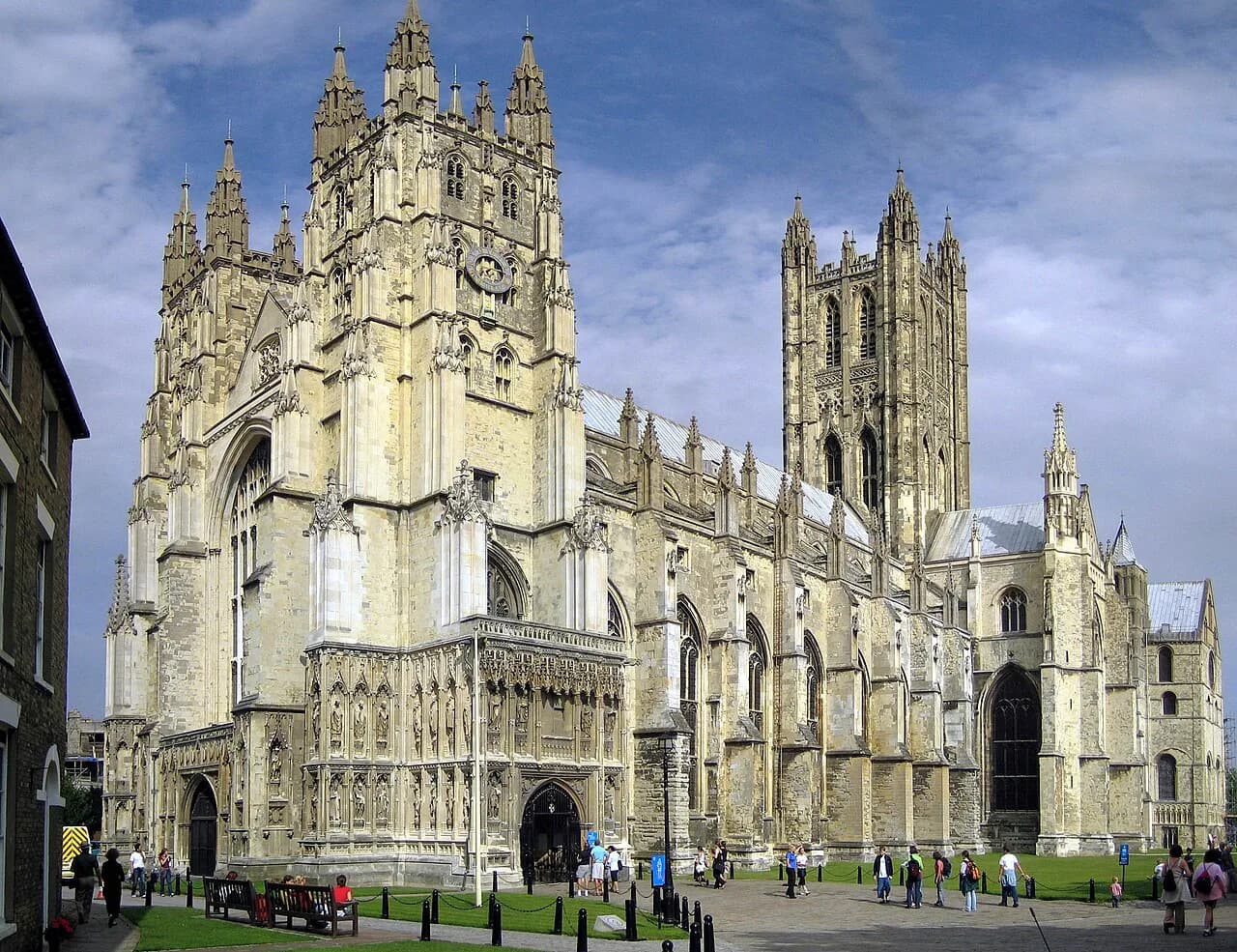
Canterbury Cathedral is the city's defining landmark and the natural bookend to a gallery morning. Even a short visit to the precinct shifts the scale of everything else you see that day. The guide to things to do in Canterbury covers the cathedral alongside the other headline stops.
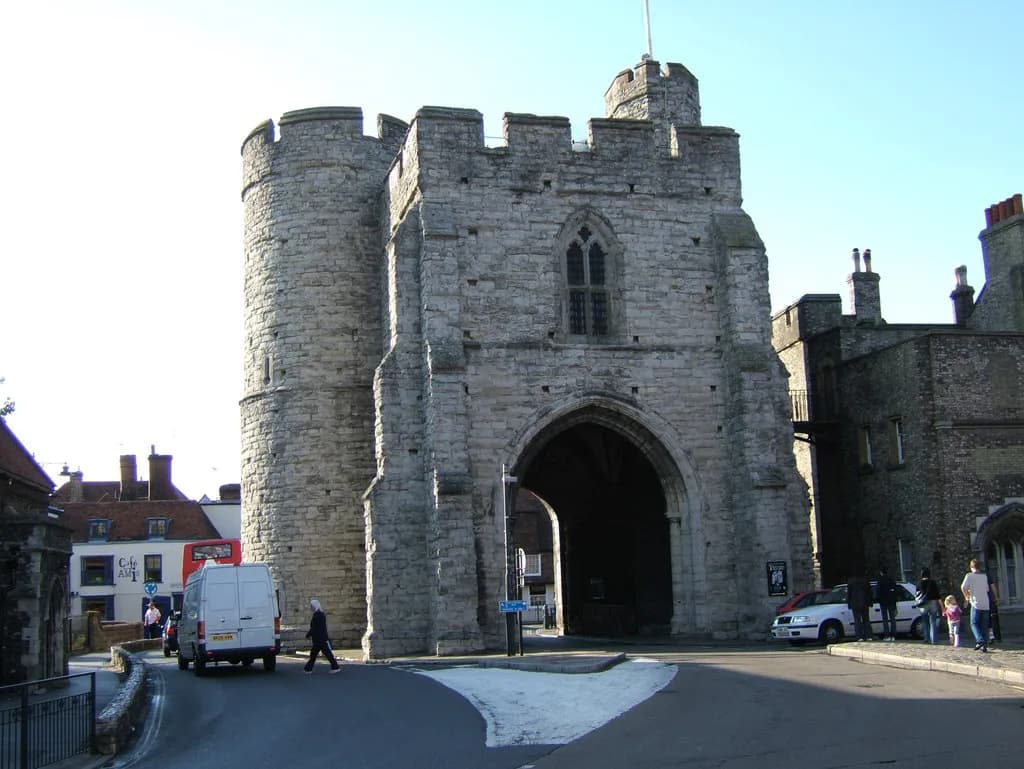
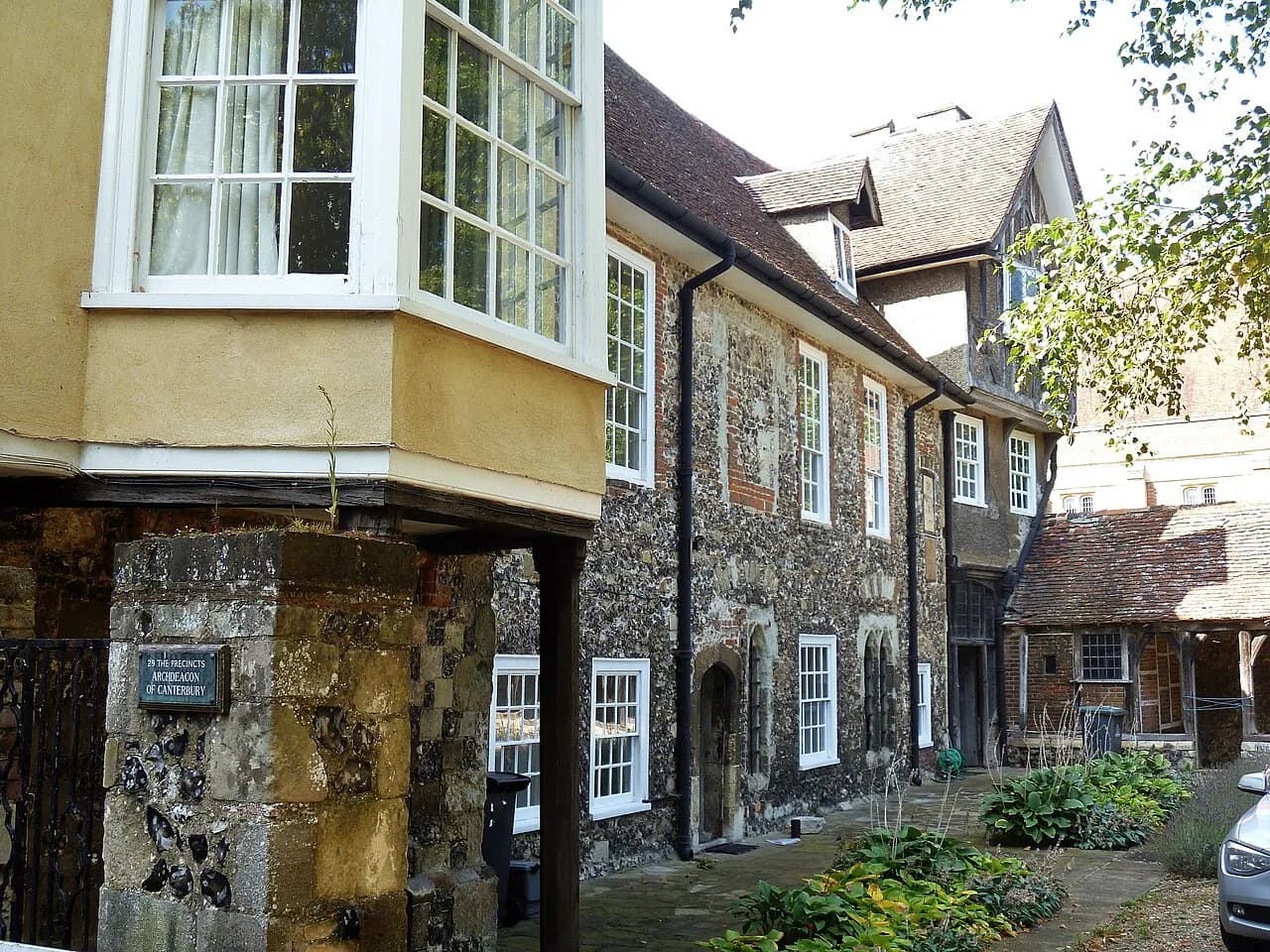
The city's architecture rewards a slow walk between gallery stops, from timber-framed fronts to the cathedral precinct. If you want a structured route rather than an aimless wander, a Canterbury walking tour will thread the landmarks together. For the deeper story behind the streets, the history of Canterbury overview is the place to start.
If castle walls are more your thing than canvas, Canterbury Castle and the fortresses around Kent make an easy counterpoint. The castles near Canterbury guide sets out what survives and what to expect. Pair one with a gallery afternoon for a day that swings between art and stone.
Plan Your Gallery Day
Canterbury's art scene is compact and easy to read: The Beaney and the Roman Museum for the public collections, Lilford on Castle Street and Canterbury Fine Art for work you can take home. Build the day around opening days rather than distances, since everything sits within a short walk.
Finish with a pot of tea in the old streets and a last look at the cathedral precinct, which is the natural end to a day that started with paintings and ended with stone. Check exhibition dates and Sunday hours on each venue's own site before you set out, then let the walk do the rest.
Explore more Canterbury guides
Frequently Asked Questions
Is there a free museum or gallery in Canterbury?
The Beaney House of Art & Knowledge is the city's public museum, art gallery, library and visitor information centre, run by Canterbury Museums & Galleries. Admission arrangements and any charges for specific exhibitions are set by the venue, so confirm on its site before you travel.
Which Canterbury galleries sell original art?
Lilford Framing Gallery on Castle Street and Canterbury Fine Art both deal in original work. Lilford combines a contemporary gallery with a framing studio, while Canterbury Fine Art specialises in original paintings and contemporary British art with bespoke framing and nationwide delivery.
Where is Lilford Gallery in Canterbury?
Lilford Framing Gallery is at 76 Castle Street, Canterbury, Kent CT1 2QD. Its own site describes the location as a five-minute walk from the main High Street and publishes opening hours of Monday to Saturday 10am to 5pm, and Sunday and bank holidays 11am to 4pm.
Are Canterbury art galleries open on Sundays?
Lilford Framing Gallery publishes Sunday and bank holiday hours of 11am to 4pm. The Beaney and the Roman Museum publish their own opening arrangements through Canterbury Museums & Galleries, so check the day you plan to visit.
How long should I spend at The Beaney?
Allow about an hour for the museum and gallery floors, longer if a temporary exhibition is running or you want to use the library and visitor information desk. It is a single city-centre building, so it fits neatly into a half day alongside the cathedral quarter.
What is the best art gallery in Canterbury?
There is no single answer, because the venues do different jobs. The Beaney gives you a public museum and gallery with visitor information under one roof, while Lilford and Canterbury Fine Art let you see and buy contemporary work. Choose by whether you want context or a purchase.
Sources
Notes for your next city break
Optional updates to our UK city guides.
You might also like

Continue reading
More guides you'll find useful