History of Keswick: From Cheese Farm to Market Town
Trace Keswick's history from its cheese-farm origins and 1276 market charter to German miners, pencil making and the town you can walk today.
On this page
Keswick began as a cheese farm beside the River Greta, and its story runs from a medieval market charter through German miners and a pencil industry to the tourist town wrapped around Derwentwater today. Almost every chapter leaves something you can stand in front of: a market square, a stone circle, two museums and a churchyard east of the centre.
This guide follows the town chronologically and ends with a short walk that threads the surviving sites together. Details such as admission charges and opening days change with the season, so confirm them with each venue before you set out.
Why Keswick Means 'Cheese Farm'
The name is generally understood to come from Old English and to mean a farm where cheese is made, a reminder that this was dairy country long before it was a walking destination. The town itself grew from a small cheese dairy on the banks of the River Greta, which is where the settlement's recorded story begins.
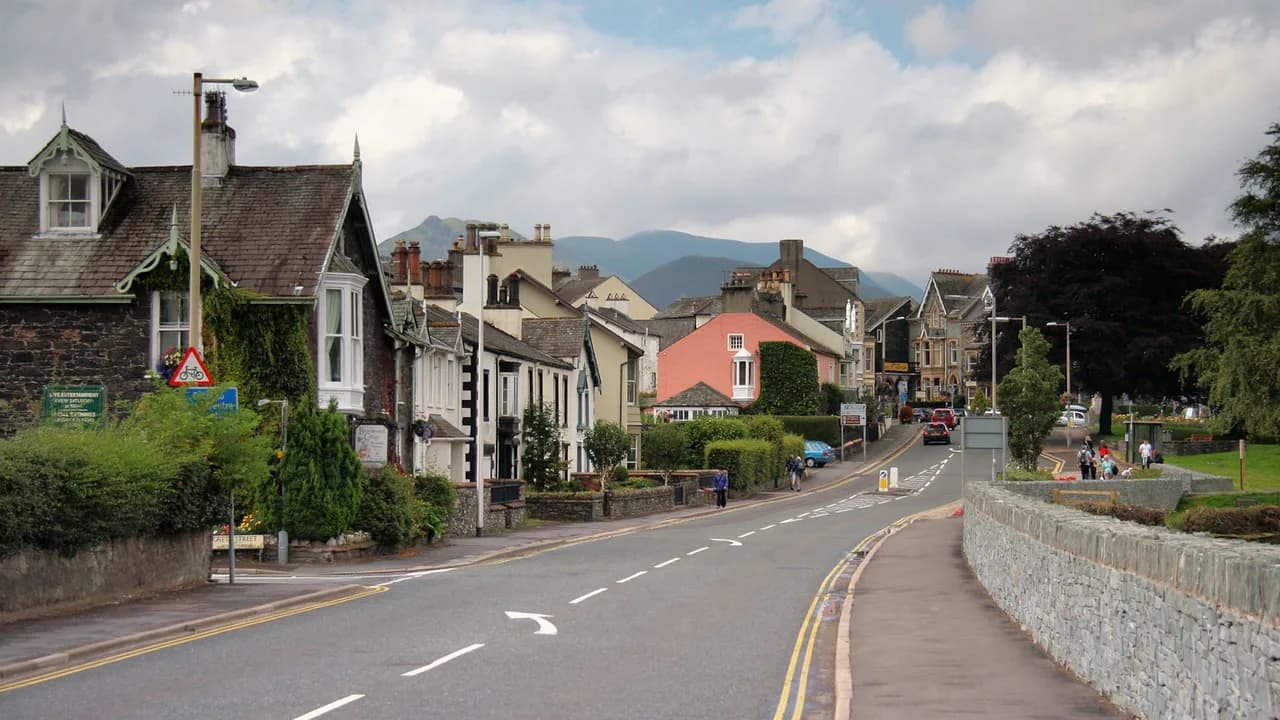
The pronunciation catches visitors out: the w is silent, so it is said as Kez-ik with the stress on the first syllable. Once you have the name right, the rest of the town's history is easy to follow on foot because the old core is compact and largely pedestrianised.
St Kentigern at Crosthwaite and the Norman Church
Christian worship at Crosthwaite, just east of the town centre, is traced back to St Kentigern, who is said to have preached there in AD 556. A Norman church was built on the spot in 1181, and a small settlement grew up around it.
The churchyard is worth a detour on a history walk because it predates almost everything else in the town. The settlement it attracted was tiny, and its future was decided not by the church but by a market held a short distance away.
The Market Charter of 1276
Unofficial markets after church services caused friction, and the dispute was settled in 1276 when Edward I granted a market charter to the cheese dairy by the Greta. That charter is effectively the founding document of Keswick as a town rather than a hamlet. Towns across England won their charters in the same way, and the history of Birmingham shows how a market grant could set a place on the road to a much bigger city.
The market still runs every Thursday and Saturday, so the medieval trading tradition is the liveliest part of the town's history to experience. Saturday trading runs throughout the year, while Thursday markets run from February to December.
Stalls fill the pedestrianised centre with food, clothes, gifts and homewares, which makes a market morning the easiest way to imagine the square's original purpose. Arrive early if you want room to browse, since the narrow streets fill quickly once the stalls are up.
Moot Hall and Its One-Handed Clock
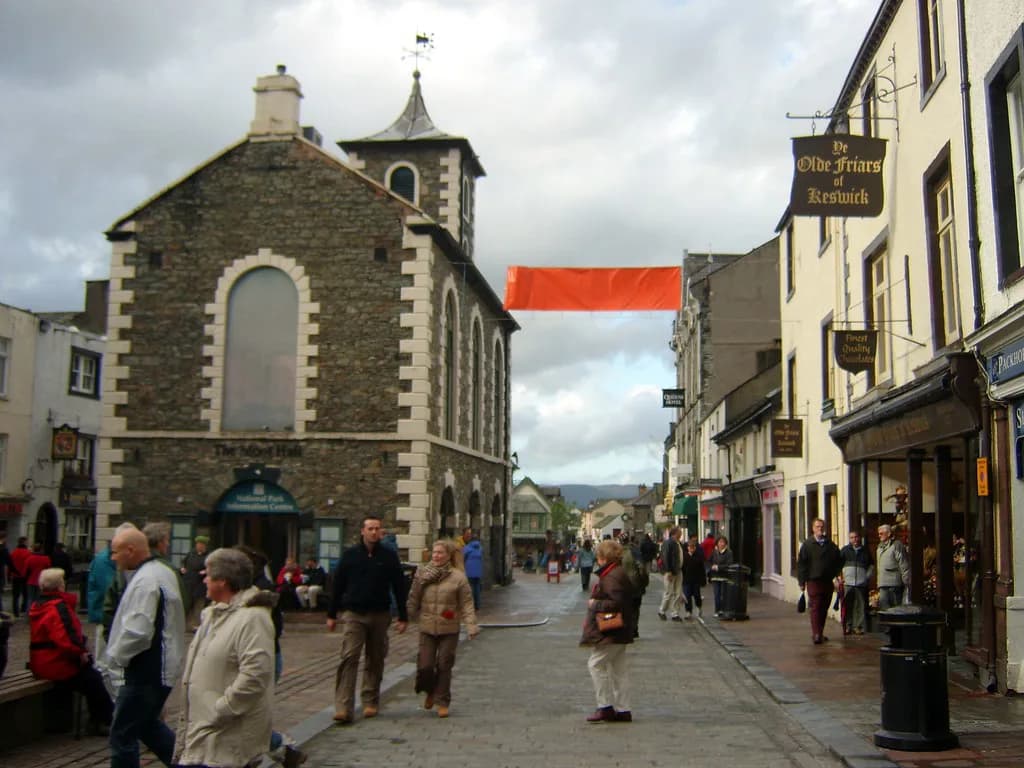
The Moot Hall stands in the middle of Market Square, a Grade II* listed building put up in 1813 to replace earlier structures on the site dating back to 1571. Its most photographed feature is the unusual clock face with a single hand.
Over the centuries the building has served as a manorial courtroom, a copper store, a market hall and a local seat of government. It also housed the town's Tourist Information Centre until January 2026, and it is understood the building is due to be turned into a cafe.
Treat the hall as the anchor of any heritage walk: the market square, the old streets around it and the museum sites are all within a few minutes' walking. Check the building's status before you plan a visit around it, as its use is changing.
Mining in the 16th Century: German Miners and the Newlands Valley
Keswick's prosperity arrived in the 16th century with mineral extraction from the surrounding fells. With no local mining expertise, skilled German miners were brought in to work copper and lead in the Newlands Valley, and a large smelting plant was established at Brigham where the A66 road bridge crosses the Greta.
This is the hinge of the town's economic history: the money that built better houses and a busier market came from metal rather than farming. The Newlands Valley remains a quiet, dramatic approach to the fells southwest of town, and walking there is the best way to picture the scale of the mining landscape.
Graphite, Borrowdale Wadd and the Pencil Trade
The later discovery of wadd, a form of graphite, at Seathwaite in Borrowdale gave rise to around 14 pencil manufacturing businesses in the area. The best known, the Cumberland Pencil Company, operated in Keswick until 2007.
Pencil making is the trade most visitors associate with the town, and it is also the one with the clearest surviving legacy. The story explains why Keswick's most distinctive museum collection is built around a single everyday object.
The Derwent Pencil Museum
The Derwent Pencil Museum carries the industrial story on from Borrowdale graphite to the factory years, and it is an indoor option on wet days as well as a history stop. Include it if you want the pencil trade explained properly rather than in a single sentence.
Pair it with the town-centre sites so the order of events makes sense: mining first, graphite second, manufacturing last. Admission arrangements and seasonal hours are published by the museum itself, so check before travelling.
Keswick Museum and the Town's Own Collection
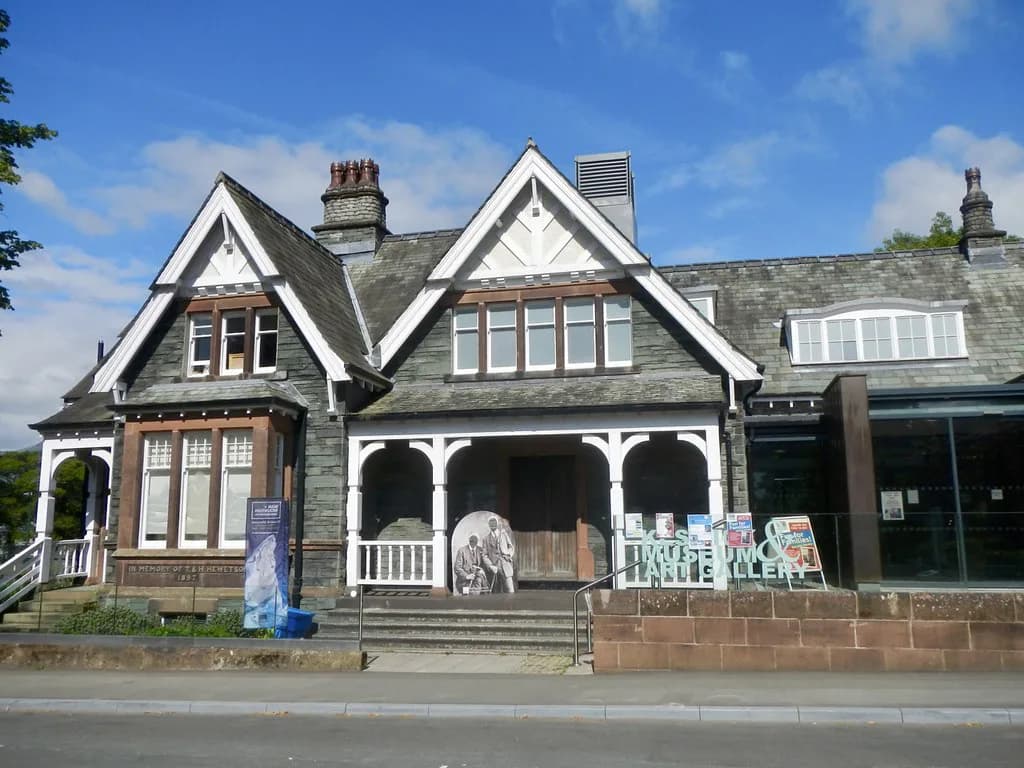
Keswick Museum holds the town's local history collection, covering the market, the mines and the people who made the town work. It sits alongside the town's other small attractions and art galleries, and makes a sensible first stop before a walk around the centre.
Use the museum to put names and dates to what you see outside, then walk the square with the chronology in your head. Keswick's tourist information centre can confirm current opening days if you have not checked in advance.
Castlerigg Stone Circle: The Prehistoric Prologue
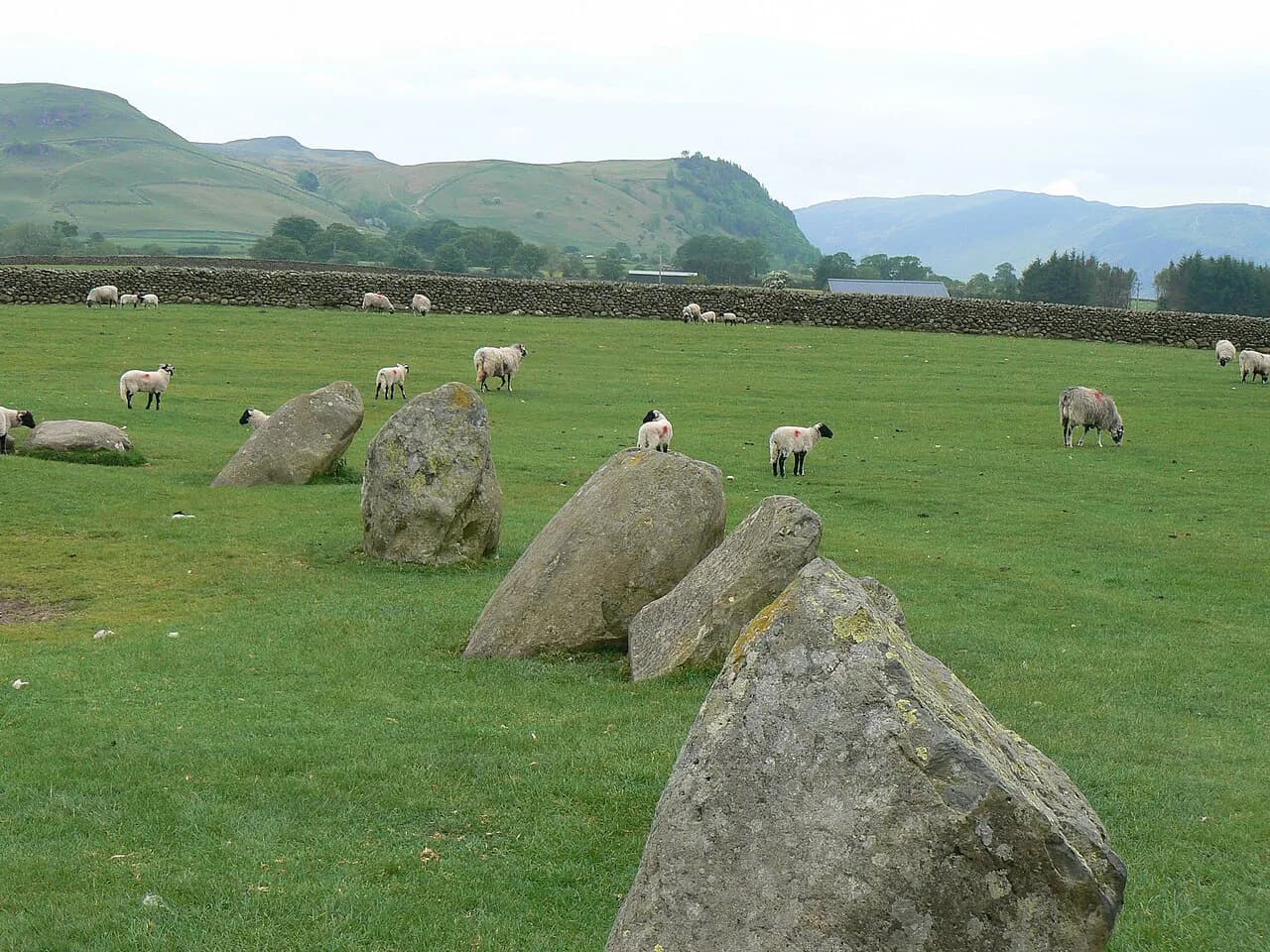
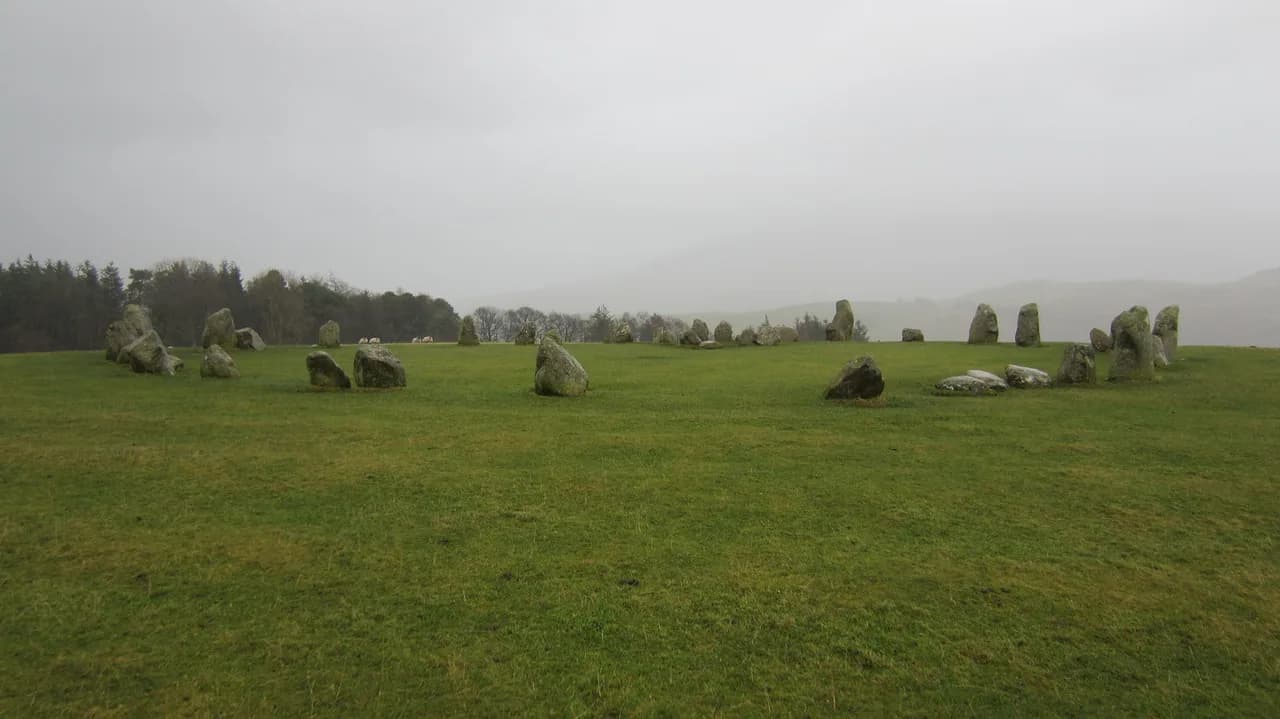
Castlerigg is the prehistoric prologue to everything else. English Heritage describes the monument as a ring of 38 standing stones probably built around 4,500 years ago, in the late Neolithic period, with various astronomical alignments.
The site is often linked in local storytelling with King Arthur, but that association is legend rather than history and should be treated as such. The stone circle lies outside the town centre, so allow extra time and weatherproof clothing for the visit rather than slotting it between shops.
Poets and Writers: Coleridge and Southey
Keswick is also known for its connection to the poets Samuel Taylor Coleridge and Robert Southey, part of the Romantic circle drawn to the Lake District landscape. Their presence helped establish the area as somewhere to visit for scenery and solitude rather than trade.
That literary reputation fed directly into the Victorian tourist boom, when visitors began arriving to see the lakes the poets had made famous. The National Trust, which cares for a great deal of Lake District land, is the place to start if you want to follow the literary connection into the wider landscape.
The Victorian Visitor Boom and the Keswick Convention
The Keswick Convention grew into one of the town's defining annual gatherings, bringing visitors in numbers that reshaped the local economy. The town also grew popular for its scenery, its lake and its mountains, and it now draws visitors throughout the year rather than in a single season.
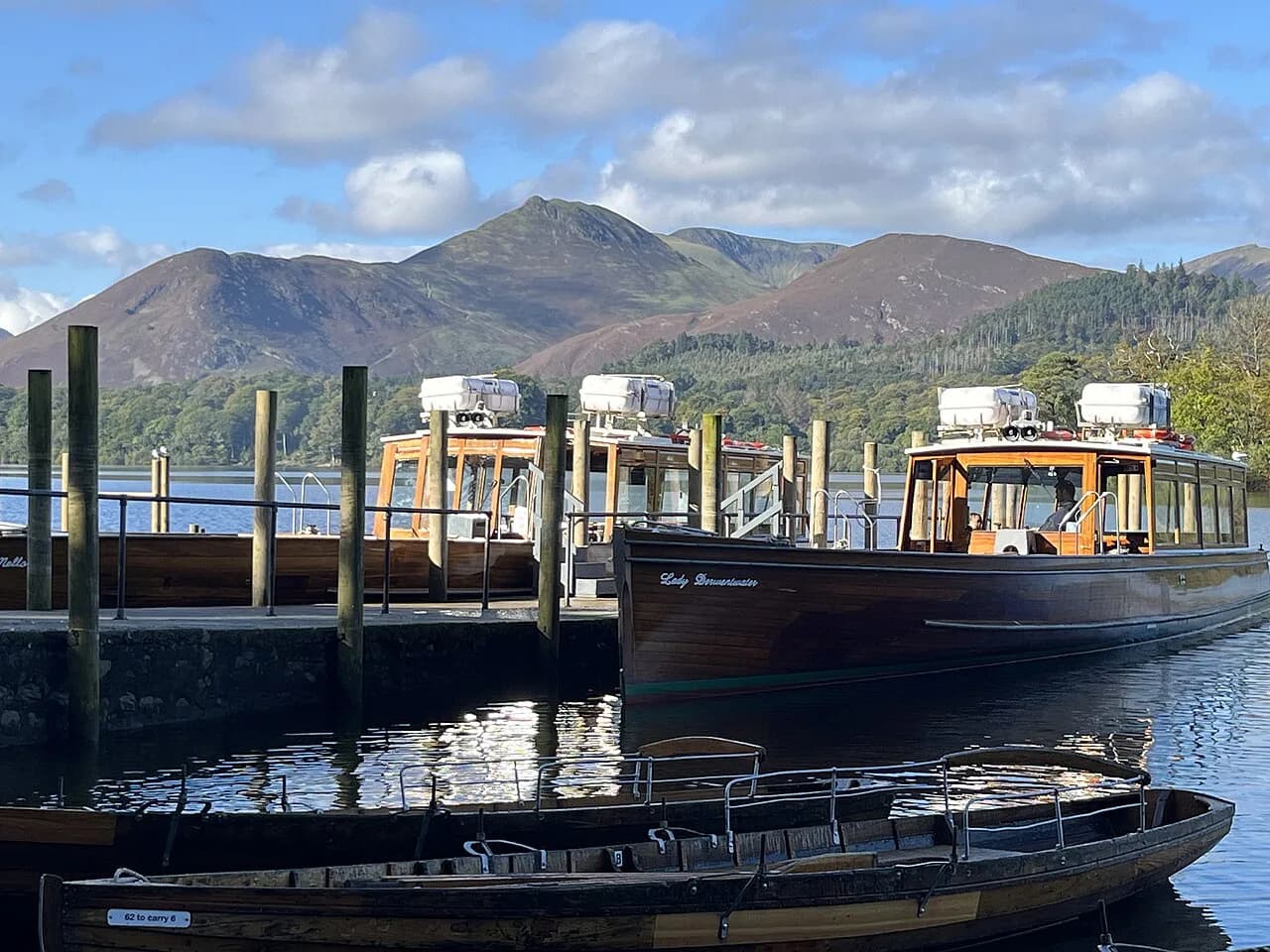
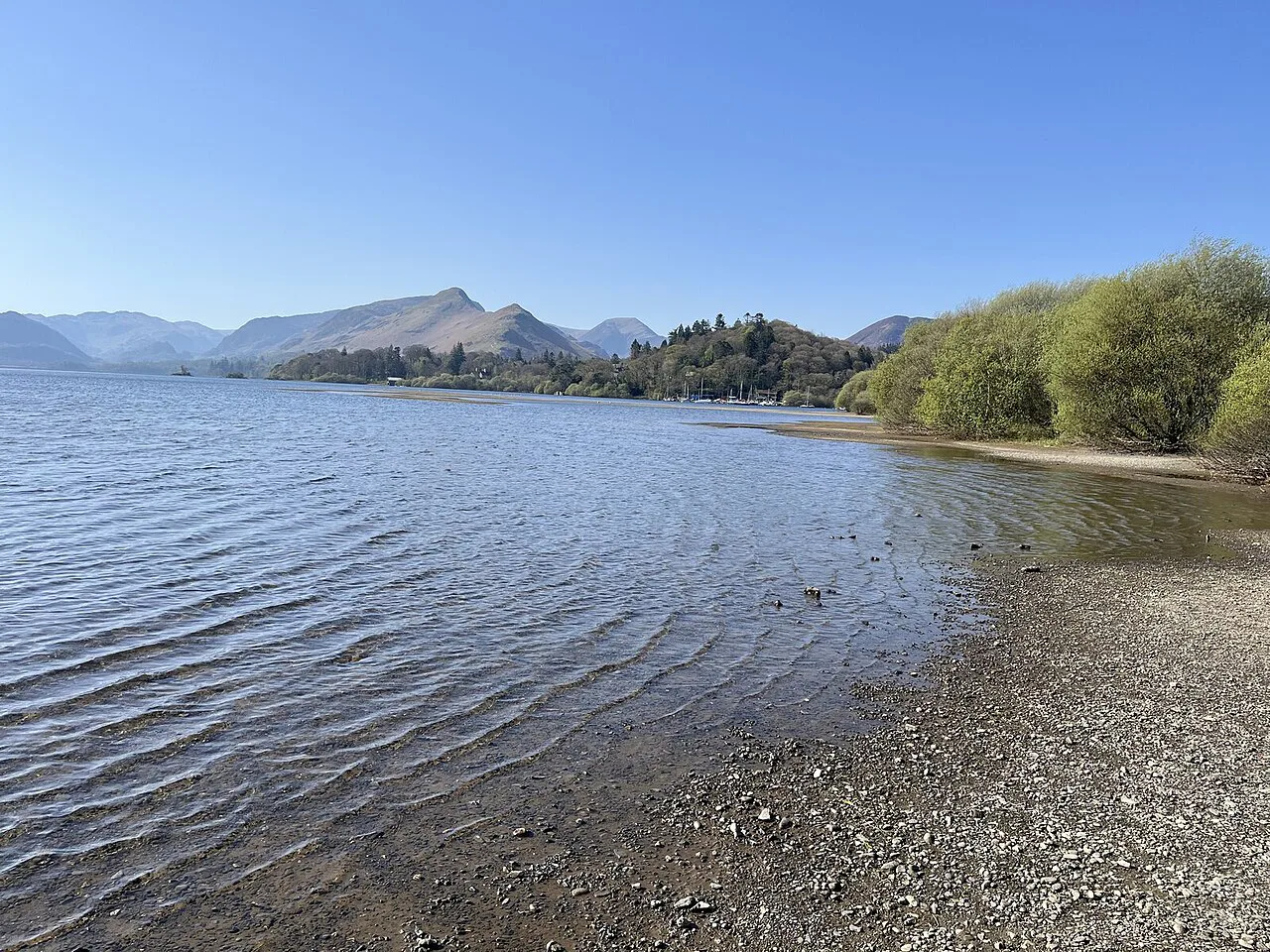
You can still see the Victorian visitor economy in the town's shape: guesthouses, churches, a theatre and an independent cinema, and a high street of independent and chain shops. The town sits right beside Derwentwater, with Bassenthwaite a short drive away, which is the geography that made it a base in the first place.
The Railway Age and How Visitors Arrive Today
The railway age turned the Lakes into a mass destination, and Keswick remains easy to reach without a car by bus. Regular services connect the town to Penrith railway station and south through the Lakes on the 555 route, while the X4 and X5 run between Penrith and Workington and the 553 goes north to Carlisle.
By road the usual approach is the M6 to Penrith and then west on the A66 for around 16 miles, with the town well signposted. A longer route through Kendal and Windermere is prettier but slow in peak season, so weigh scenery against time.
Parking is strictly enforced in the town's public car parks and short-stay disc zones, so note your ticket expiry time. If you are staying overnight, a bus-based day trip avoids the parking problem entirely.
A Short Walk Through the Timeline
Start in Market Square at the Moot Hall, where the 1276 charter story and the 1813 building sit in the same view. Walk the pedestrianised high street to get a sense of the trading town, then head to the museum sites for the mining and pencil chapters.
Finish east at Crosthwaite churchyard, the oldest thread in the story, before heading out to Castlerigg if the weather holds. The centre is compact and walkable in an afternoon, which makes the town unusual among heritage destinations.
Planning Practicalities
Most of the history is concentrated in a small area: Market Square, the museum sites and the church at Crosthwaite, with Castlerigg outside the centre. Theatre by the Lake sits on the shore of Derwentwater, so an evening performance pairs naturally with a daytime history walk.
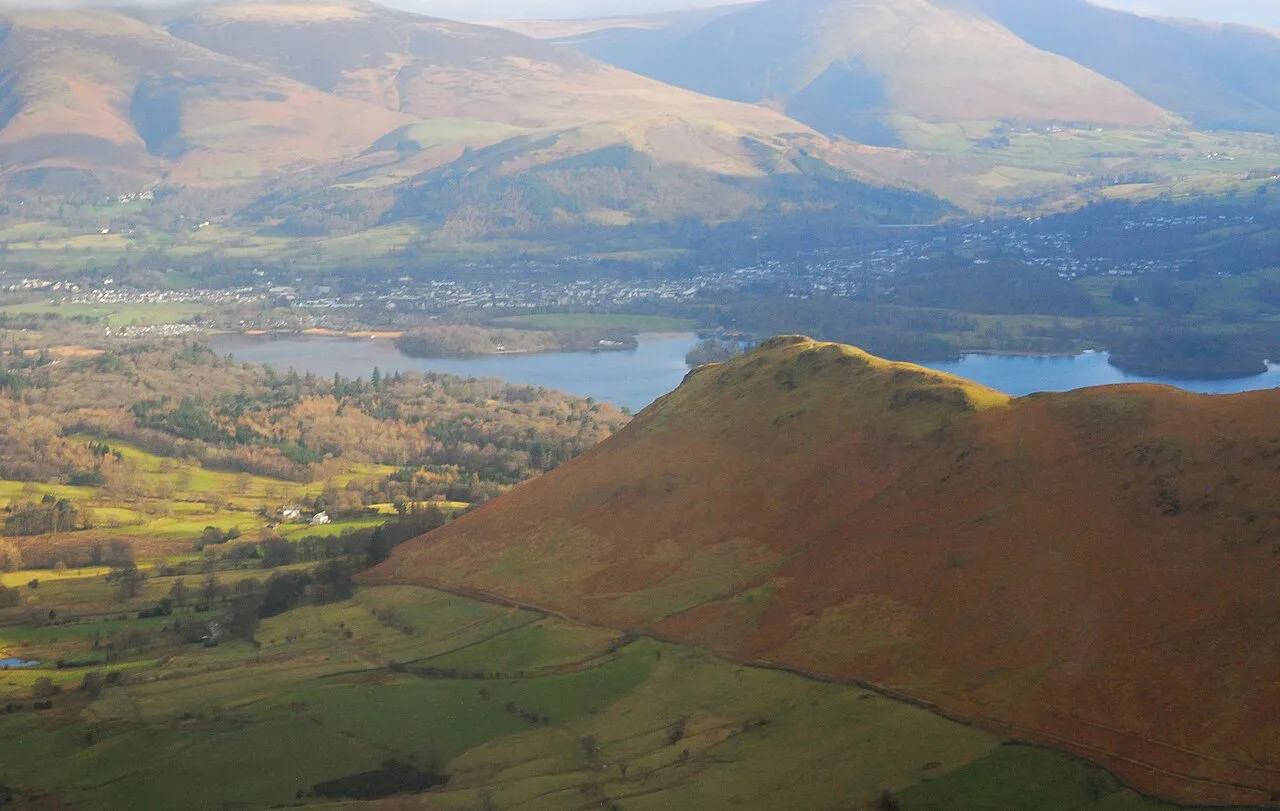
The town is the most northerly of the Lake District's towns, at the northern end of Derwentwater and surrounded by Skiddaw and Blencathra. If castles are on your list, the castles near Keswick are a separate day out rather than a walk from the centre.
Plan Your Visit
Build your day around the market square first, then the two museums, and save Castlerigg and Crosthwaite for when the weather suits a walk. Booking ahead matters most for theatre performances and popular activity sessions, while the market, the square and the churchyard need no ticket.
If you enjoy the darker side of local storytelling, ghost tours in Keswick trade in legend rather than documented history, so treat their tales as entertainment. Confirm opening days and any admission charges with each venue before you set out, then let the town's compact centre do the rest.
Explore more Keswick guides
Frequently Asked Questions
Where does the name Keswick come from?
The name is generally understood to derive from Old English and to mean a farm where cheese is made. The town's recorded origin is a small cheese dairy on the banks of the River Greta, and the w in Keswick is silent, so it is pronounced Kez-ik.
When was Keswick's market charter granted?
Edward I granted the market charter in 1276 to a cheese dairy near the River Greta, after disputes over unofficial markets held after church services. The market tradition continues with trading on Thursdays and Saturdays.
Was Keswick a mining town?
Yes. In the 16th century, copper and lead were extracted from the surrounding fells, and skilled German miners were brought in to work the Newlands Valley mines. A large smelting plant was established at Brigham where the A66 bridge crosses the Greta.
Why is Keswick associated with pencils?
Graphite, known locally as wadd, was discovered at Seathwaite in Borrowdale, which gave rise to around 14 pencil manufacturing businesses in the area. The Cumberland Pencil Company operated in Keswick until 2007, and the Derwent Pencil Museum tells the story.
What is the Moot Hall and when was it built?
The Moot Hall is a Grade II* listed building in Market Square, built in 1813 to replace earlier structures on the site dating back to 1571. It has served as a courtroom, copper store, market hall and seat of local government, and it housed the Tourist Information Centre until January 2026.
How old is Castlerigg Stone Circle?
English Heritage describes Castlerigg as a ring of 38 standing stones probably built around 4,500 years ago, in the late Neolithic period, with various astronomical alignments. The King Arthur association attached to the site is legend rather than recorded history.
Which poets lived in Keswick?
Keswick is known for its connection to Samuel Taylor Coleridge and Robert Southey, both part of the Romantic circle drawn to the Lake District. Their association with the landscape helped turn the area into a destination for visitors.
What can I visit in Keswick to learn its history?
Start at the Moot Hall in Market Square, then visit Keswick Museum and the Derwent Pencil Museum. Crosthwaite churchyard east of the centre is the oldest site in the town, and Castlerigg Stone Circle lies outside the centre for a separate walk.
Sources
Notes for your next city break
Optional updates to our UK city guides.
You might also like
Continue reading
More guides you'll find useful