Roman Newcastle: Hadrian's Wall, Fort Sites and Museum Finds
Roman Newcastle began as the fort of Pons Aelius beneath The Castle. See the Wall galleries at the Hancock, ride the Metro to Segedunum and Arbeia, and book ahead.
On this page
Roman Newcastle was Pons Aelius, a fort and Roman settlement at the original eastern end of Hadrian's Wall, on the ground now occupied by The Castle in the city centre. That single fact shapes a Roman-themed visit: there is no standing Roman fort in the middle of Newcastle, but there is a strong museum collection a short walk away and two excavated fort sites at the ends of the Wall, at Wallsend and South Shields.
Plan the day around the Great North Museum: Hancock for the Wall and its inscriptions, then decide whether to add Arbeia or Segedunum, which are separate trips rather than stops on a city-centre walk. A city-centre walking tour fills in the streetscape between them, and a Planetarium show is an easy add-on if you want a timed slot.
What Roman Newcastle actually was: Pons Aelius and the Tyne crossing
Pons Aelius took its name from the bridgehead it protected, guarding a crossing of the Tyne at the Wall's eastern terminus. The fort and its civilian settlement sat at the point where the Wall began, which is why Roman remains in Newcastle cluster around the Castle rather than spread across the modern centre.
For context on how the Roman town fitted the wider history of the city, from the Wall through to the medieval street plan, read a short account of Newcastle's Roman and Saxon past before you go. It helps to know that the Roman layer sits deep beneath later building, so most of what you see today is either excavated finds or reconstructions rather than standing masonry.
Where the fort stood: the site now occupied by The Castle
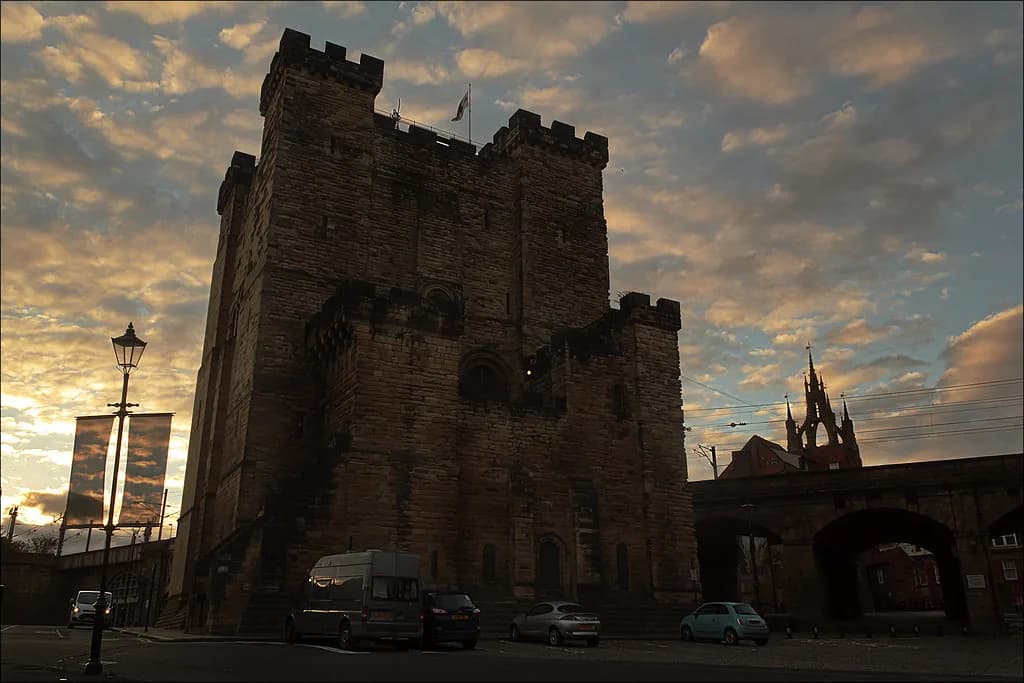
The Roman fort lies under The Castle, the Norman keep and gatehouse that give Newcastle its name. Seeing the exterior and the site is the quickest way to fix the Roman geography in your head, and it sits directly on the route between the station and the Quayside.
If you want to compare what a standing castle visit involves, from steps to ticket arrangements, use a castle guide before setting out. Treat the Roman connection as context rather than a display: the fort itself is buried, and the visible stonework belongs to later centuries.
Hadrian's Wall's eastern end and how it shapes a city visit
Because the Wall began at Newcastle, the city is a logical starting point for a Wall itinerary, but the surviving Roman sites sit outside the centre. Wallsend, at the eastern terminus in modern terms, and South Shields, at the sea end of the supply chain, are each a separate journey by Metro. Treat them as half-day trips and you will not be caught trying to squeeze both into an afternoon. If you enjoy tracing Roman remains beneath a modern city, Roman Chester offers a comparable day out with its own amphitheatre and walls.
The city's Roman story also runs through its later architecture, with classical detailing on Victorian buildings that nodded to the Roman past. If that layer interests you, an architecture walk rounds out the picture between museum stops.
Great North Museum: Hancock: the Hadrian's Wall gallery and the inscription stone
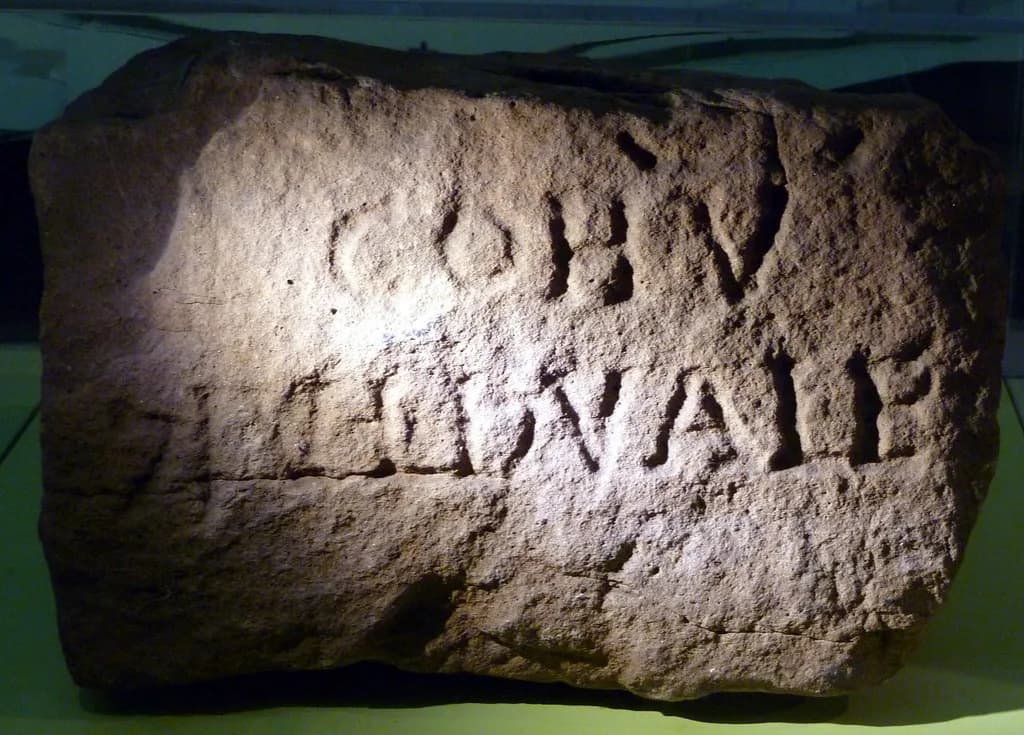
The Great North Museum: Hancock, managed by North East Museums on behalf of Newcastle University, holds the Hadrian's Wall gallery, where you can see an inscription stone proving the Wall was built on the orders of Emperor Hadrian.
The permanent galleries also include Roman Empire collections, an Ancient Greeks gallery with Greek and Etruscan art and archaeology, and a Fossil Stories gallery with a full-size T-rex skeleton for anyone travelling with children. The museum is at Barras Bridge, a short walk from the city centre and Haymarket Metro.
Roman Britain in Colour: the reimagined altars display
In the Hadrian's Wall gallery, the Roman Britain in Colour display reimagines seven Roman altars in dramatic colour, a deliberate prompt to rethink the plain stone we see today. It is a small display rather than a gallery, so give it ten minutes rather than half an hour.
Pair it with the inscription stone and the Roman Empire display to build a coherent Roman thread through the museum. Because these are permanent displays, they are a reliable anchor for a short city break even when the temporary exhibition programme changes.
Arbeia, South Shields Roman Fort: the supply base at the Wall's sea end
Arbeia, South Shields Roman Fort, is run by North East Museums and appears in the group's events listings alongside the city venues. South Shields sits at the coast, reached by Metro from central Newcastle, so allow travel time on top of the visit.
Check the site's own page for opening days and any admission charge before you travel, since the events listings do not carry that information. South Shields Museum & Art Gallery is in the same town and makes a sensible pairing if the weather turns.
Segedunum Roman Fort: the Wall's other end at Wallsend
Segedunum Roman Fort at Wallsend is the other fort in the North East Museums group and marks the Wall's eastern terminus in its reconstructed form. It is the closer of the two forts to central Newcastle, reachable on the Metro, and works well as a morning trip.
Combine it with a city-centre museum morning only if you start early, because the journey and the visit together take a substantial chunk of the day. Check current opening arrangements on the venue page before relying on a particular day.
How long each Roman site needs and how to combine them
Give the Great North Museum: Hancock two to three hours if you want the Wall gallery, Roman Britain in Colour and the natural history galleries without rushing. Add an hour for the Planetarium and a coffee, and the museum alone fills a morning.
Treat Arbeia and Segedunum as half-day trips each, including Metro travel, and do not attempt both on the same day as a full museum visit. If you only have one day, choose Segedunum for the shorter journey and keep the museum for the afternoon.
Tickets: what to book ahead and what to check on the day
Planetarium tickets are sold on the day at the Museum Shop, with 15-minute shows priced at £2.95 per person and longer shows at £3.75 per person. Family bands are published for groups of four, five and six, and children aged three and under go free with an accompanying adult.
Weekday term-time slots can be taken by school groups, so a phone call ahead is the practical step if the Planetarium is the reason for your visit. The museum publishes its own booking line and advises checking availability for exactly this reason.
For Arbeia and Segedunum, admission arrangements sit with the individual venues rather than the group events feed, so read the venue page before travelling. The same applies to any ticketed exhibition during your dates.
Getting there: Metro, bus and walking between the city sites
The Great North Museum: Hancock sits at Barras Bridge, minutes from Haymarket Metro and an easy walk from the station. The Castle and the Quayside are a further ten to fifteen minutes downhill, which puts the main Roman points of interest within one walkable loop.
Wallsend and South Shields are both on the Metro network, so you do not need a car for either fort. Buy a day ticket if you plan more than one return journey, and allow the walking time from each station to the fort on top of the train time.
Walking tours that cover the historic centre
Newcastle City Guides run volunteer-led walking tours of the historic centre, with City Highlights tours daily from 1 May to 31 October, excluding Great North Run days, and Heritage Walks running from May to November. All walks last around 90 minutes, and tours can be booked online through the ticket shop.
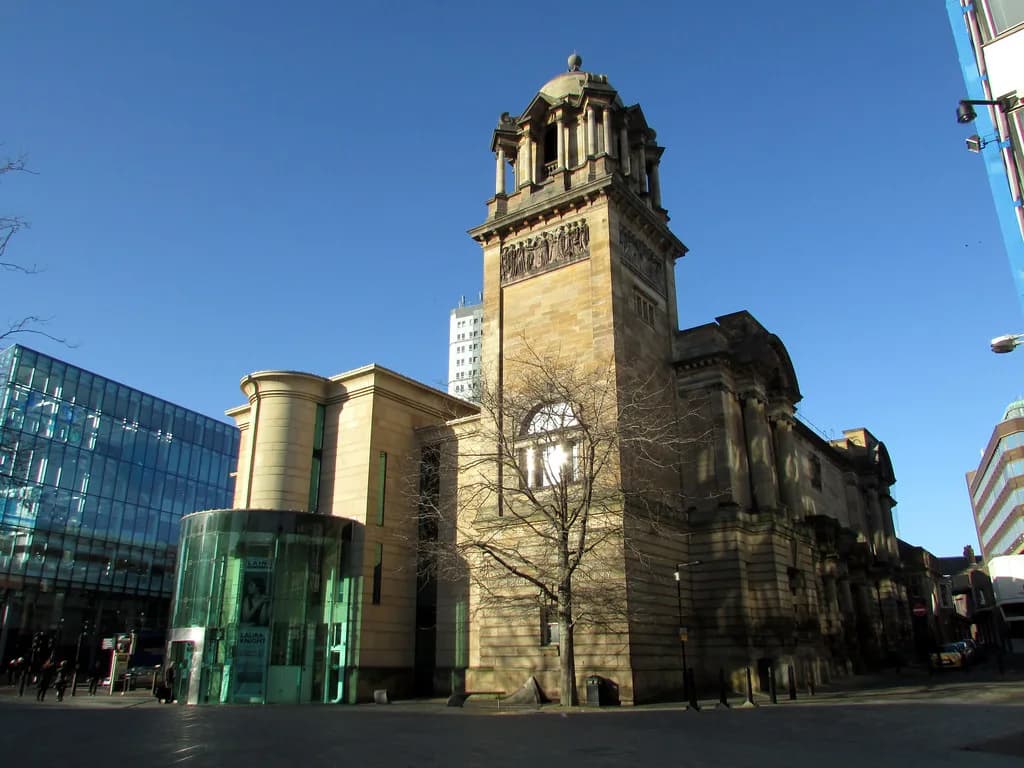
Grey's Monument tours usually run on the first and third Saturday of the month from April to September, subject to guide availability, and Grainger Market tours run monthly with tickets at £5, starting at Grey's Monument and lasting an hour. Season tickets are available online or from the Laing Art Gallery gift shop, and private tours can be arranged by email.
If galleries are part of your plan, the city's art spaces are worth an hour between walks.
Practical trade-offs: steps, displays closed for school groups, seasonal hours
The Castle site involves steps and uneven ground, and the Roman fort beneath it is not visible, so anyone expecting masonry will be disappointed. Go for the geography and the later castle, not for a Roman ruin.
Walking tours are seasonal rather than year-round, so a winter visit should not assume a City Highlights departure. The Planetarium's weekday slots can be booked out by schools, which is the single most common reason a spontaneous visit fails.
Where Roman Newcastle fits into a two-day city break
Day one: the Great North Museum: Hancock in the morning for the Wall gallery, Roman Britain in Colour and the inscription stone, then walk down to The Castle site and the Quayside in the afternoon. Book a Planetarium show only if the timing suits the rest of the day.
Day two: pick one fort, Segedunum for the shorter journey or Arbeia for the coastal setting, and keep the afternoon free for the city centre. If you want a themed evening, the city's ghost tours trade in legend rather than Roman fact, so treat the stories as storytelling.
Round the trip off with a proper afternoon tea if the schedule leaves a gap between museum and train.
Plan Your Roman Newcastle Visit
Roman Newcastle comes down to three things: the buried fort of Pons Aelius under The Castle, the Wall collections at the Great North Museum: Hancock, and one fort trip to Wallsend or South Shields. Build the day around the museum, then decide how far you want to travel for the archaeology.
Check opening days and Planetarium availability directly with each venue before you travel, especially in term time and outside the summer walking-tour season.
Explore more Newcastle guides
Frequently Asked Questions
What was Newcastle called in Roman times?
Newcastle was Pons Aelius, a fort and Roman settlement at the original eastern end of Hadrian's Wall. The site is now occupied by The Castle in the city centre, so the Roman name survives in guidebooks and museum labels rather than in the street plan.
Is there a Roman museum in Newcastle?
The Great North Museum: Hancock is the city-centre museum for Roman Newcastle. It holds a Hadrian's Wall gallery with an inscription stone recording that the Wall was ordered by Emperor Hadrian, a Roman Empire display, and the Roman Britain in Colour reimagining of seven altars.
Where was the Roman fort in Newcastle?
The fort lay beneath The Castle, the Norman keep and gatehouse that give the city its name. The Roman levels are buried and not on display, but the site is worth walking past to fix the geography of the Wall's eastern terminus before visiting the museum.
How much does the Great North Museum Planetarium cost?
The Planetarium's official page carries the museum's current price list, including separate rates for shorter and longer shows and discounted family bands for larger groups. Children aged three and under go free with an accompanying adult, and tickets are bought on the day at the Museum Shop.
Do you need to book Newcastle city walking tours?
Tickets for Newcastle City Guides walks are booked online through the ticket shop, and season tickets are sold online or at the Laing Art Gallery gift shop. City Highlights tours run daily from 1 May to 31 October, while Heritage Walks run from May to November and last around 90 minutes.
Sources
Notes for your next city break
Optional updates to our UK city guides.
You might also like
Continue reading
More guides you'll find useful